


Natural Remedies for Better Sleep

Getting quality sleep is essential for overall health and well-being. Natural remedies can help improve sleep patterns without the side effects of medication. Here’s a comprehensive guide on natural ways to enhance your sleep.

1. Herbal Teas

Certain herbal teas can promote relaxation and improve sleep quality.

  • Chamomile Tea: Known for its calming properties, chamomile tea can help you unwind before bed.
    • How to Use: Brew a cup of chamomile tea 30 minutes before bedtime.
  • Lavender Tea: Lavender has a soothing effect that can help reduce anxiety and promote better sleep.
    • How to Use: Drink a cup of lavender tea in the evening to prepare for a restful night.

2. Essential Oils

Aromatherapy with essential oils can create a relaxing environment conducive to sleep.

  • Lavender Oil: Known for its calming effects, lavender oil can help improve sleep quality.
    • How to Use: Add a few drops of lavender oil to a diffuser or spray it on your pillow.
  • Frankincense Oil: This oil has a grounding effect that can help you relax and sleep better.
    • How to Use: Diffuse frankincense oil in your bedroom or add a few drops to your bath.

3. Sleep-Inducing Foods

Certain foods can naturally enhance sleep quality by promoting relaxation and regulating sleep hormones.

  • Almonds: Rich in magnesium, almonds can help improve sleep quality.
    • How to Use: Eat a handful of almonds as an evening snack.
  • Kiwi: Kiwi fruit contains serotonin, which can help regulate your sleep cycle.
    • How to Use: Eat a couple of kiwis an hour before bedtime.

4. Bedtime Routine

Establishing a consistent bedtime routine can signal your body that it’s time to wind down and prepare for sleep.

  • Routine Example: Start by dimming the lights an hour before bed. Follow with a warm bath, and then spend 10-15 minutes doing a relaxing activity, such as reading or gentle stretching. End with a few minutes of deep breathing or meditation.

5. Creating a Sleep-Friendly Environment

Making your bedroom conducive to sleep can significantly improve your sleep quality.

  • Tips:
    • Keep your bedroom cool and dark.
    • Use blackout curtains to block out any external light.
    • Invest in a comfortable mattress and pillows.
    • Remove electronic devices from your bedroom to avoid blue light exposure.

Conclusion

Incorporating these natural remedies into your nightly routine can help you achieve better, more restful sleep. From herbal teas and essential oils to sleep-inducing foods and a consistent bedtime routine, these strategies can enhance your overall sleep quality and contribute to your well-being.
From Stress to Serenity: A Journey Through Aromatherapy

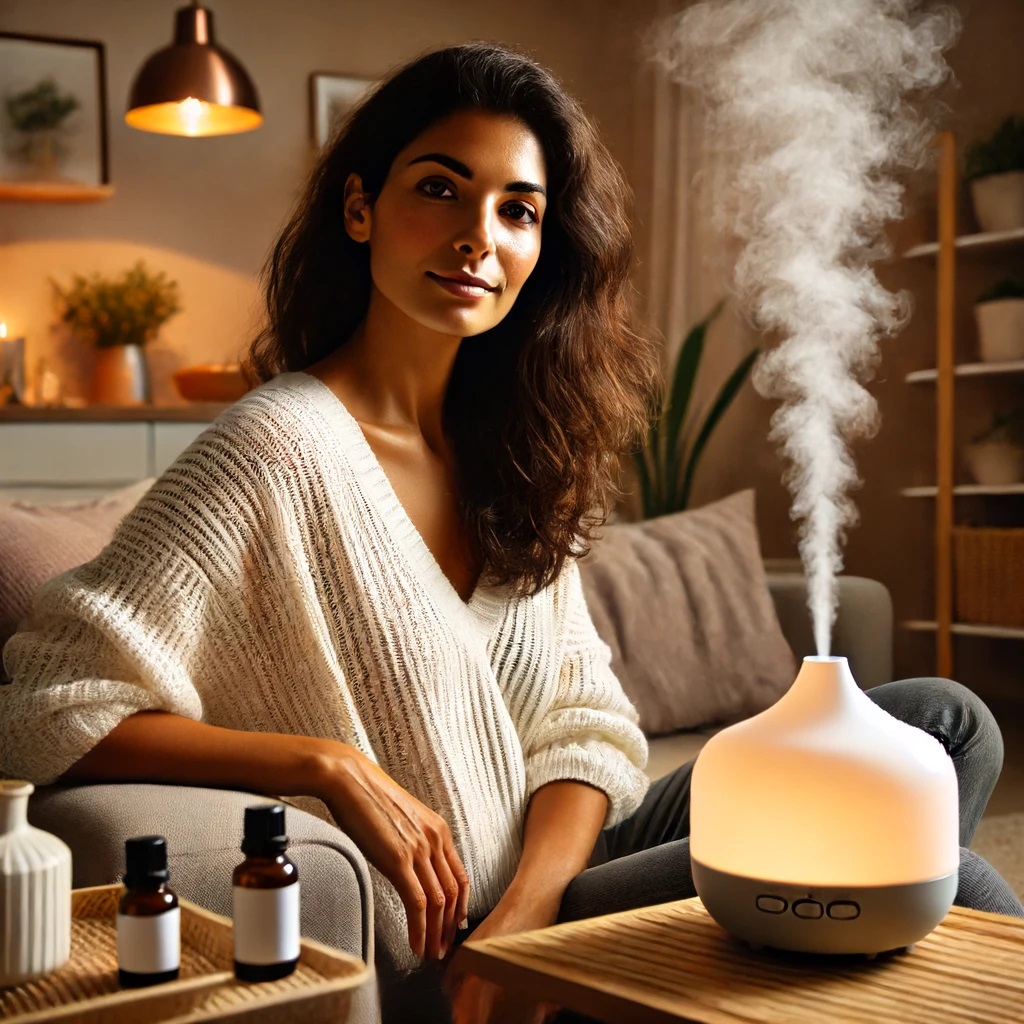
Meet Anjali, a 35-year-old marketing manager from Mumbai, who was overwhelmed by the stresses of her demanding job. Constantly juggling deadlines and responsibilities, Anjali struggled to find peace and relaxation in her daily life. After a recommendation from a friend, she decided to try aromatherapy and discovered its transformative effects.

Anjali’s journey with aromatherapy began with simple steps. She started using essential oils to create a calming environment at home. Lavender oil became her go-to for relaxation, while peppermint oil helped her stay alert and focused during work.

Choosing the Right Essential Oils: Different essential oils offer various benefits. Anjali explored oils like lavender for relaxation, eucalyptus for clarity, and chamomile for stress relief. Each oil brought a unique sense of calm and well-being.

Example: Anjali diffused lavender oil in her living room every evening, helping her unwind after a long day. The soothing scent created a peaceful atmosphere, allowing her to de-stress and sleep better.

Incorporating Aromatherapy into Daily Routine: Anjali incorporated essential oils into her daily routine. She added a few drops of eucalyptus oil to her morning shower to invigorate her senses and used chamomile oil in a diffuser at bedtime to promote restful sleep.

Example: During her morning routine, Anjali applied a blend of peppermint and rosemary oils to her temples to boost her concentration and energy levels for the day ahead.

Using Aromatherapy for Stress Relief: To manage work-related stress, Anjali carried a small roller bottle of lavender oil in her bag. Whenever she felt overwhelmed, she applied it to her wrists and took deep breaths to regain her sense of calm.

With these simple yet effective steps, Anjali transformed her life through aromatherapy. The natural scents helped her find serenity amidst the chaos, enhancing her well-being and productivity.

How Anika Managed Her Anxiety with Aromatherapy

Scent of Calm: How Anika Managed Her Anxiety with Aromatherapy

Meet Anika: Anika, a 28-year-old graphic designer from Mumbai, struggled with anxiety and frequent stress due to her job. She discovered aromatherapy as a natural way to manage her anxiety.

Using Essential Oils: Anika began using essential oils like lavender and chamomile to create a calming environment at home.

Example: Each evening, Anika diffused lavender oil in her bedroom to help her relax and unwind before bed.

Incorporating Aromatherapy into Daily Life: She carried a small bottle of essential oil blend with her to use whenever she felt anxious.

Example: During stressful moments at work, Anika applied a few drops of lavender oil to her wrists and took deep breaths to calm herself.

Exploring Different Scents: Anika experimented with different essential oils to find which scents worked best for her anxiety.

Example: She discovered that bergamot oil uplifted her mood and helped her stay focused during the day.

The Result: Aromatherapy helped Anika manage her anxiety more effectively, allowing her to feel calmer and more balanced throughout the day.