
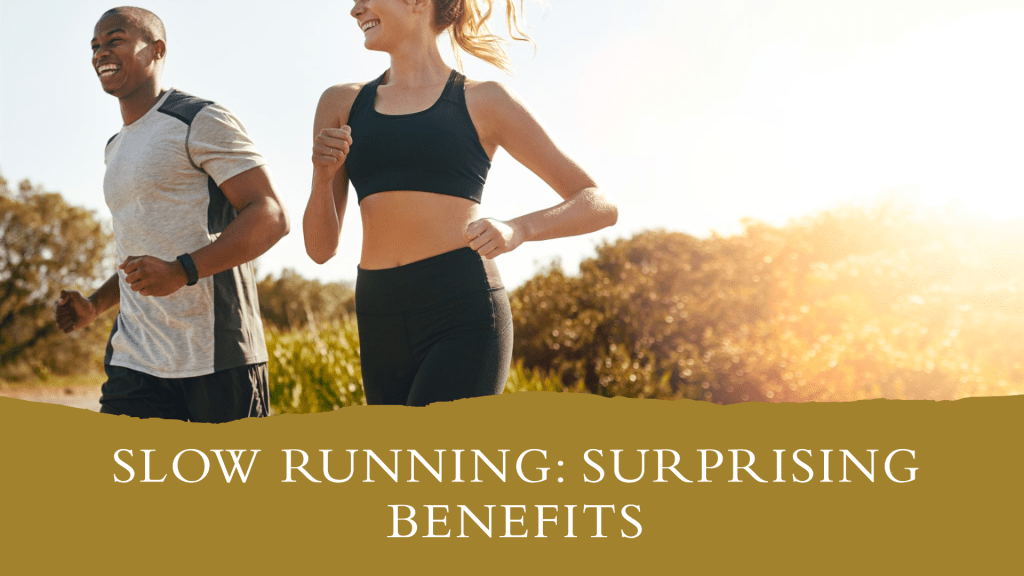
The Surprising Benefits of Slow Running

When most people think about running, they imagine pounding the pavement at a fast pace, breaking a sweat, and pushing their limits. However, recent research suggests that slow running might actually be more beneficial than running fast. Here’s why incorporating slow running into your exercise routine could lead to better overall health and fitness.


1. Lower Risk of Injury

Running at a slower pace reduces the impact on your joints and muscles. This means less wear and tear on your body and a lower risk of injuries such as shin splints, stress fractures, and tendonitis. Slow running allows your body to adapt gradually, making it a safer option for both beginners and seasoned runners.

Learn more about injury prevention through slow running: Runner’s World


2. Improved Cardiovascular Health

Slow running helps in building a strong cardiovascular foundation. It allows you to maintain a steady heart rate, which improves cardiovascular efficiency and endurance over time. This is particularly beneficial for long-distance runners who need a strong cardiovascular system to sustain their performance.

Read about the cardiovascular benefits of slow running: Healthline


3. Enhanced Fat Burning

Running at a slower pace for longer durations taps into fat stores for energy rather than relying on carbohydrates. This makes slow running an effective way to burn fat and manage weight. Incorporating slow runs into your routine can help you achieve a leaner physique without the intense strain of fast running.

Discover how slow running aids in fat burning: WebMD


4. Increased Mental Well-Being

Slow running can be a meditative experience. It allows you to focus on your surroundings, your breathing, and your thoughts. This mindfulness can reduce stress, improve mood, and promote mental clarity. Many runners find that slow running is a great way to clear their minds and relieve the pressures of daily life.

Explore the mental health benefits of slow running: Psychology Today


5. Better Running Form

Running slowly gives you the opportunity to focus on your form and technique. It’s easier to make adjustments and develop good habits when you’re not rushing. This can lead to more efficient running mechanics, which can prevent injuries and improve performance in the long run.

Learn how to improve your running form: Verywell Fit

Call to Action

Incorporate slow running into your exercise routine to enjoy these benefits and improve your overall health and well-being. For more fitness tips and healthy living advice, visit Holistic Wellness Guide.

#SlowRunning #Fitness #RunningBenefits #HealthyLiving #InjuryPrevention #MentalHealth #Cardio

The Benefits of Regular Stretching: Flexibility, Posture, and Overall Health

Stretching is a crucial component of any fitness routine and overall health maintenance. Regular stretching improves flexibility, posture, and has numerous other health benefits. Here’s a guide to understanding the importance of stretching and incorporating simple routines into your daily life.

1. Improves Flexibility

Flexibility is essential for maintaining a full range of motion in the joints and muscles.

  • Tip: Incorporate dynamic stretching (stretching with movement) before workouts and static stretching (holding a stretch) after workouts.
  • Story: Sarah, a dancer, found that regular stretching routines significantly improved her flexibility, allowing her to perform better and avoid injuries.

2. Enhances Posture

Stretching helps correct muscle imbalances and reduces tension, leading to better posture.

  • Tip: Focus on stretching the chest, shoulders, and lower back to counteract the effects of sitting.
  • Story: John, an office worker, noticed his posture improving after incorporating daily stretches targeting his back and shoulders. He felt less tension and more comfortable during long work hours.

3. Reduces Risk of Injury

Regular stretching keeps the muscles flexible, strong, and healthy, which helps prevent injuries.

  • Tip: Always warm up before stretching to increase blood flow to the muscles and reduce the risk of strains.
  • Story: Emily, a recreational runner, avoided injuries by incorporating stretching into her routine. She felt more prepared for her runs and recovered faster.

4. Decreases Muscle Soreness

Stretching can help reduce muscle soreness after exercise by promoting blood flow and reducing tension.

  • Tip: Stretch the major muscle groups used in your workouts, holding each stretch for at least 30 seconds.
  • Story: Raj, a fitness enthusiast, noticed that stretching after his workouts helped reduce muscle soreness and stiffness, allowing him to stay consistent with his exercise routine.

5. Promotes Relaxation

Stretching can help reduce stress and promote relaxation by relieving muscle tension and increasing blood flow.

  • Tip: Incorporate gentle stretches and deep breathing exercises into your evening routine to unwind.
  • Story: Lisa, a busy mother, found that stretching before bed helped her relax and sleep better. She felt more rejuvenated and ready for the next day.

Simple Stretching Routines

Morning Stretch Routine

  1. Neck Stretch: Tilt your head to one side, bringing your ear toward your shoulder. Hold for 20 seconds on each side.
  2. Shoulder Stretch: Bring one arm across your body and hold it with the opposite arm. Hold for 20 seconds on each side.
  3. Cat-Cow Stretch: On your hands and knees, arch your back (cat) and then dip it (cow). Repeat 10 times.
  4. Hamstring Stretch: Sit on the floor with one leg extended and the other bent. Reach for your toes on the extended leg. Hold for 30 seconds on each side.

Evening Stretch Routine

  1. Child’s Pose: Kneel on the floor and sit back on your heels. Stretch your arms forward and rest your forehead on the ground. Hold for 1 minute.
  2. Seated Forward Bend: Sit with your legs extended and reach forward, trying to touch your toes. Hold for 1 minute.
  3. Quad Stretch: Stand on one leg, hold the ankle of the opposite leg, and pull it toward your glutes. Hold for 30 seconds on each side.
  4. Hip Flexor Stretch: Step one foot forward into a lunge position, keeping the back leg straight. Hold for 30 seconds on each side.

Conclusion

Regular stretching is essential for maintaining flexibility, improving posture, reducing the risk of injury, decreasing muscle soreness, and promoting relaxation. By incorporating simple stretching routines into your daily life, you can enhance your overall health and well-being.