


The Mind-Body Connection: How Your Thoughts Directly Impact Your Physical Health

The ancient wisdom “as above, so below” takes on profound meaning when we explore the intricate relationship between our mental and physical states. The mind-body connection isn’t just a philosophical concept—it’s a scientifically proven reality that can transform how we approach health and healing.

Understanding the Science Behind Mind-Body Medicine

Your thoughts, emotions, and beliefs create measurable changes in your body’s chemistry. When you experience stress, anxiety, or negative emotions, your brain releases cortisol and adrenaline, triggering inflammation and compromising your immune system. Conversely, positive thoughts and emotions flood your system with beneficial hormones like serotonin, dopamine, and oxytocin, promoting healing and vitality.

Research from Harvard Medical School demonstrates that chronic stress can literally rewire your brain, affecting memory, decision-making, and emotional regulation. Meanwhile, practices like meditation and mindfulness create positive neuroplasticity, strengthening neural pathways associated with calm, focus, and resilience.

The Physical Manifestations of Mental States

Your body serves as a mirror for your inner world. Persistent worry often manifests as digestive issues, tension headaches, or insomnia. Suppressed anger may appear as inflammation, autoimmune conditions, or chronic pain. Fear and anxiety frequently show up as respiratory problems, heart palpitations, or muscle tension.

This isn’t to suggest that all physical ailments stem from mental causes, but rather to recognize the powerful influence our psychological state has on our physical well-being. Traditional Chinese Medicine and Ayurveda have understood this connection for millennia, treating the person as a whole rather than isolated symptoms.

Practical Ways to Harness Your Mind-Body Connection

Daily Mindfulness Practice Begin each day with five minutes of conscious breathing. This simple practice activates your parasympathetic nervous system, reducing stress hormones and promoting healing. Focus on deep, slow breaths, allowing your belly to expand with each inhale.

Emotional Awareness and Processing Create space to acknowledge and process your emotions rather than suppressing them. Journaling, meditation, or speaking with a trusted friend can prevent emotional energy from becoming trapped in your physical body.

Positive Visualization Spend time each day visualizing your body in perfect health. See your immune system strong and vibrant, your organs functioning optimally, and your energy flowing freely. Your subconscious mind doesn’t distinguish between vividly imagined experiences and reality, making visualization a powerful healing tool.

Gratitude Practice Cultivate genuine appreciation for your body and its incredible capabilities. Thank your heart for beating, your lungs for breathing, and your immune system for protecting you. This practice shifts your energy from criticism to celebration, promoting healing at the cellular level.

Movement as Medicine Choose physical activities that bring you joy rather than punishment. Whether it’s dancing, walking in nature, or gentle yoga, movement that feels good creates positive associations in your nervous system, enhancing both mental and physical well-being.

The Role of Belief in Healing

Your beliefs about your health significantly impact your healing capacity. The placebo effect demonstrates that believing in recovery can trigger real physiological changes, even without active treatment. Conversely, nocebo effects show how negative expectations can worsen symptoms or create new ones.

Examine your health beliefs honestly. Do you see your body as fragile or resilient? Do you believe in your capacity to heal, or do you feel powerless over your health? Shifting limiting beliefs to empowering ones can dramatically accelerate your healing journey.

Creating a Holistic Healing Environment

Your external environment influences your internal state. Surround yourself with beauty, whether through plants, art, music, or natural light. These elements signal safety to your nervous system, promoting relaxation and healing.

Equally important is your social environment. Supportive relationships boost immune function, while toxic relationships create chronic stress. Prioritize connections that nourish your soul and set boundaries with those that drain your energy.

Integrating Mind-Body Practices into Daily Life

Start small and build consistency. Choose one practice that resonates with you—perhaps morning meditation, evening gratitude, or midday breathing exercises. As this becomes habit, gradually add other elements.

Remember that healing isn’t linear. Your body may need time to release old patterns and integrate new ones. Be patient and compassionate with yourself throughout this process.

The Future of Holistic Health

As conventional medicine increasingly recognizes the mind-body connection, we’re seeing exciting developments in integrative care. Hospitals now offer meditation programs, doctors prescribe nature therapy, and research validates ancient healing practices.

This shift represents a return to treating humans as complete beings rather than collections of symptoms. By embracing the mind-body connection in your own life, you become part of this healing revolution.

Your thoughts are powerful medicine. Use them wisely, and watch as your entire being transforms from the inside out. The journey to optimal health begins not just with what you put in your body, but with what you allow in your mind.


For deeper insights into transforming your relationship with health and wellness through mindful practices, explore “The Path to Wellness: A Journey of Self-Discovery and Healing” – a comprehensive guide to creating lasting change in your well-being journey.
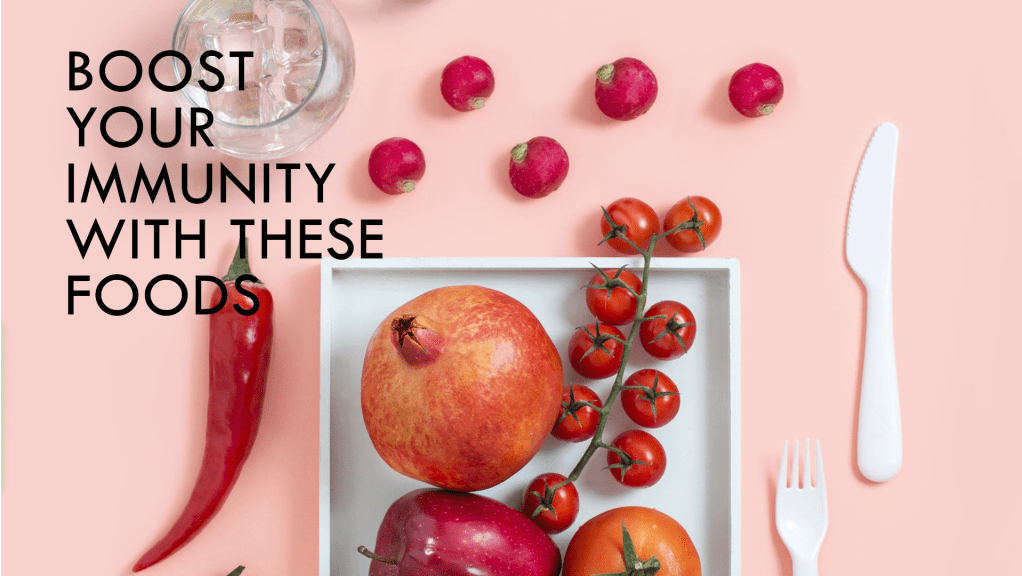
12 Immune-Boosting Foods to Include in Your Holistic Diet

A strong immune system is essential for overall health and resilience against illness. Rather than relying solely on supplements, you can naturally support your immune system through a balanced, nutrient-dense diet. Here are 12 immune-boosting foods that are easy to incorporate into your meals, providing the vitamins, minerals, and antioxidants your body needs to stay healthy and energized.


1. Citrus Fruits: The Vitamin C Powerhouse

Citrus fruits like oranges, lemons, and grapefruits are rich in vitamin C, an antioxidant that supports immune function by encouraging white blood cell production. Vitamin C also helps protect cells from damage and inflammation.

  • How to Use: Start your day with a glass of warm lemon water, or add fresh citrus to smoothies, salads, or even as a garnish for meals.

2. Garlic: The Natural Antimicrobial

Garlic contains allicin, a compound known for its antiviral, antibacterial, and antifungal properties. It enhances immune cell function, helping the body fend off infections and reducing inflammation.

  • How to Use: Incorporate raw or lightly cooked garlic into dressings, sauces, or soups to enjoy its immune-supporting benefits.

3. Ginger: The Anti-Inflammatory Root

Known for its warming effects, ginger helps reduce inflammation, relieve sore throats, and prevent oxidative stress. It’s particularly effective for easing nausea and digestive discomfort, which can arise during illness.

  • How to Use: Add fresh ginger to teas, stir-fries, or homemade juices for a spicy, immune-boosting kick.

4. Turmeric: The Golden Anti-Inflammatory Spice

Turmeric contains curcumin, a powerful anti-inflammatory and antioxidant that supports immune health. It’s often used to reduce inflammation and improve the body’s natural defense against pathogens.

  • How to Use: Enjoy turmeric in golden milk lattes, curries, or as a seasoning for roasted vegetables to get its immune benefits.

5. Spinach: The Leafy Green with Nutrients

Spinach is packed with vitamins A, C, and E, as well as antioxidants that help the body fight infection. It’s also a good source of iron and folate, which support blood health and energy levels.

  • How to Use: Add fresh spinach to salads, smoothies, or soups for a nutrient-rich immune boost.

6. Yogurt: The Probiotic-Rich Food

Yogurt contains probiotics—beneficial bacteria that support gut health. Since a significant portion of the immune system is located in the gut, maintaining a healthy balance of gut bacteria is key for overall immunity.

  • How to Use: Enjoy plain yogurt with fresh fruit or add it to smoothies to boost your gut health naturally.

7. Almonds: The Vitamin E Source

Almonds are rich in vitamin E, an antioxidant that plays a crucial role in immune function. Vitamin E helps neutralize free radicals, supporting cellular health and reducing oxidative stress.

  • How to Use: Snack on a handful of almonds or add them to oatmeal, salads, or yogurt bowls.

8. Bell Peppers: The Vitamin C Boosters

Bell peppers, especially red ones, are packed with vitamin C—more so than citrus fruits! This makes them a great choice for enhancing immune function and supporting healthy skin.

  • How to Use: Slice bell peppers into salads, stir-fries, or as a snack with hummus.

9. Broccoli: The Antioxidant-Rich Veggie

Broccoli is rich in vitamins C, A, and E, as well as fiber and antioxidants that support immune health. It also contains sulforaphane, a compound known to have cancer-fighting properties.

  • How to Use: Lightly steam broccoli to preserve its nutrients or add it to salads, soups, and pasta dishes.

10. Green Tea: The Antioxidant Beverage

Green tea contains catechins, a type of antioxidant known for its immune-supporting properties. It also contains L-theanine, an amino acid that may help strengthen immune response.

  • How to Use: Sip on green tea throughout the day to stay hydrated and support your immune system naturally.

11. Sunflower Seeds: The Nutrient-Dense Snack

Sunflower seeds are rich in vitamin E, magnesium, and selenium, which support immune function and reduce inflammation. Vitamin E in particular helps the body defend itself against infections.

  • How to Use: Sprinkle sunflower seeds on salads, yogurt, or oatmeal, or enjoy them as a snack.

12. Kiwi: The Immune-Boosting Fruit

Kiwi is high in vitamin C and potassium, supporting immune function and heart health. It’s also packed with fiber, which promotes digestive health and nutrient absorption.

  • How to Use: Slice kiwi for a healthy snack, add it to fruit salads, or blend it into smoothies.

Conclusion

Adding these immune-boosting foods to your diet is a simple, effective way to support your body’s natural defenses. From vitamin C-rich fruits and vegetables to probiotic-packed yogurt and antioxidant-filled green tea, these foods offer a holistic approach to strengthening your immune system. Start incorporating them into your daily meals to stay healthy and energized year-round.


For more tips on holistic wellness and immunity, check out my book, The Mindful Executive: https://www.amazon.com/dp/B0D75YJCLW.

15 Natural Remedies to Boost Your Immune System

A strong immune system is essential for protecting your body against illness and infection. While there are plenty of over-the-counter remedies, natural solutions can be just as effective—without the harsh chemicals. By incorporating immune-boosting foods, herbs, and lifestyle habits into your routine, you can strengthen your immune defenses and keep your body in top shape. Here are 15 natural remedies to boost your immune system.

1. Eat More Garlic

Garlic is a powerful immune booster thanks to its high content of allicin, a compound that helps the body fight off infections and viruses. Its natural antibacterial and antiviral properties make it a staple in immune-boosting diets.

  • Tip: Add raw or lightly cooked garlic to your meals for an extra immune boost.

2. Drink Ginger Tea

Ginger has anti-inflammatory and antioxidant properties, making it a great remedy for boosting the immune system. It also helps soothe the throat and can ease cold symptoms.

  • Tip: Brew a cup of ginger tea with fresh ginger root and honey for a warm, immune-boosting drink.

3. Take Vitamin C

Vitamin C is one of the most well-known immune-boosting nutrients. It increases the production of white blood cells, which are essential for fighting infections.

  • Tip: Include vitamin C-rich foods like oranges, strawberries, bell peppers, and spinach in your diet.

4. Use Echinacea

Echinacea is a powerful herb that can help reduce the severity and duration of colds. It’s known for stimulating the immune system and increasing the body’s resistance to infection.

  • Tip: Take Echinacea supplements or drink Echinacea tea during cold season to boost your immune defenses.

5. Incorporate Probiotics

Probiotics are beneficial bacteria that support gut health, and since much of the immune system resides in the gut, probiotics play a key role in boosting immunity.

  • Tip: Include probiotic-rich foods like yogurt, kefir, and fermented vegetables in your diet to support a healthy gut.

6. Stay Hydrated

Hydration is essential for immune function. Water helps carry oxygen to your cells and flush toxins from the body, supporting overall immune health.

  • Tip: Drink at least 8 glasses of water a day to stay hydrated and support your immune system.

7. Get Plenty of Sleep

Lack of sleep can weaken your immune system and make you more susceptible to illness. Your body needs rest to repair and regenerate immune cells.

  • Tip: Aim for 7-8 hours of sleep each night to keep your immune system strong.

8. Eat Zinc-Rich Foods

Zinc is essential for immune function, helping the body to fight off pathogens and heal faster. Zinc also plays a role in the production of white blood cells.

  • Tip: Add zinc-rich foods like pumpkin seeds, chickpeas, and almonds to your meals for an immune boost.

9. Drink Green Tea

Green tea is rich in antioxidants and catechins, which help boost immune function and protect the body against illness.

  • Tip: Drink a cup of green tea daily to benefit from its immune-boosting properties.

10. Exercise Regularly

Regular physical activity helps boost immune function by promoting good circulation, which allows immune cells to move through the body more effectively.

  • Tip: Aim for at least 30 minutes of moderate exercise, such as walking or yoga, most days of the week.

11. Try Elderberry

Elderberry has long been used to treat colds and flu, and research shows that it can reduce the duration of symptoms. Its high levels of antioxidants help support the immune system.

  • Tip: Take elderberry syrup or supplements at the onset of cold symptoms for a natural boost.

12. Use Turmeric

Turmeric contains curcumin, a compound with strong anti-inflammatory and antioxidant effects. It helps support immune function and reduce inflammation in the body.

  • Tip: Add turmeric to your meals or make a turmeric latte to enjoy its immune-boosting benefits.

13. Reduce Stress

Chronic stress can weaken the immune system by increasing inflammation and suppressing immune function. Finding ways to manage stress is essential for maintaining a strong immune system.

  • Tip: Practice stress-reducing activities like meditation, deep breathing, or yoga to support your immune health.

14. Get Sunlight for Vitamin D

Vitamin D is crucial for immune function, helping the body fight off infections. Getting regular sunlight exposure can boost your body’s production of vitamin D.

  • Tip: Spend 10-15 minutes outside in the sun each day to maintain healthy vitamin D levels.

15. Eat Leafy Greens

Leafy greens like spinach and kale are rich in vitamins, minerals, and antioxidants that help support immune health. These greens also promote gut health, which is linked to overall immunity.

  • Tip: Incorporate leafy greens into your meals daily, whether in salads, smoothies, or side dishes.

Conclusion

Supporting your immune system naturally doesn’t have to be complicated. By incorporating these 15 remedies into your daily routine, you can strengthen your body’s defenses and stay healthy year-round. From immune-boosting herbs and foods to lifestyle practices that promote overall well-being, these natural remedies offer a holistic approach to keeping your immune system strong.


For more holistic wellness tips, check out my book, The Mindful Executive: https://www.amazon.com/dp/B0D75YJCLW.

Holistic Approaches to Boosting Your Immune System

A strong immune system is essential for maintaining good health and preventing illness. Holistic approaches to boosting your immune system involve natural and comprehensive methods that support overall well-being. Here’s a guide on how to enhance your immune system holistically.

1. Nutrition: Eating a Balanced Diet

A well-balanced diet rich in vitamins and minerals is crucial for a strong immune system.

  • Tip: Incorporate a variety of fruits, vegetables, whole grains, lean proteins, and healthy fats into your meals.
  • Story: Mike, a fitness enthusiast, revamped his diet to include more immune-boosting foods like citrus fruits, leafy greens, and nuts. He noticed fewer colds and a general improvement in his health.

2. Regular Exercise

Regular physical activity can boost your immune system by promoting overall health.

  • Tip: Aim for at least 30 minutes of moderate exercise most days of the week.
  • Story: Sarah, a busy mother, started incorporating daily walks and yoga sessions into her routine. She found that regular exercise not only boosted her immune system but also improved her mood and energy levels.

3. Adequate Sleep

Quality sleep is vital for a healthy immune system.

  • Tip: Aim for 7-9 hours of sleep per night and establish a consistent sleep schedule.
  • Story: John, a high-stress executive, prioritized his sleep by creating a bedtime routine and sticking to it. He experienced fewer illnesses and felt more rejuvenated.

4. Stress Management

Chronic stress can weaken the immune system. Managing stress is essential for maintaining health.

  • Tip: Practice stress-reducing techniques such as meditation, deep breathing exercises, or hobbies you enjoy.
  • Story: Emily, a college student, used meditation and journaling to manage her stress levels. As a result, she felt less anxious and noticed an improvement in her overall health.

5. Herbal Supplements

Certain herbs and supplements can support immune function.

  • Tip: Consider adding immune-boosting herbs like echinacea, elderberry, and garlic to your diet.
  • Story: Raj, an office worker, started taking elderberry supplements during cold and flu season. He found that they helped reduce the duration and severity of his symptoms.

Conclusion

Boosting your immune system holistically involves a combination of a balanced diet, regular exercise, adequate sleep, stress management, and herbal supplements. By incorporating these practices into your daily routine, you can enhance your immune function and overall well-being.

Holistic Approaches to Boosting Your Immune System

A strong immune system is essential for maintaining good health and preventing illness. While there are many ways to support immune function, holistic approaches focus on nurturing the body, mind, and spirit. Here are some effective holistic strategies to boost your immune system and promote overall well-being.

1. Nutrition: Fuel Your Body with Nutrient-Dense Foods

A balanced diet rich in vitamins, minerals, and antioxidants is crucial for immune health. Focus on whole, unprocessed foods that provide essential nutrients.

  • Example: Incorporate a variety of colorful fruits and vegetables, lean proteins, whole grains, nuts, and seeds into your diet. Foods high in vitamin C (like oranges, strawberries, and bell peppers) and zinc (like nuts, seeds, and legumes) are particularly beneficial for immune support.

2. Hydration: Drink Plenty of Water

Staying hydrated is vital for maintaining bodily functions and supporting the immune system. Water helps transport nutrients to cells and remove toxins from the body.

  • Example: Aim to drink at least 8 glasses of water a day. Herbal teas and natural fruit-infused water can also help keep you hydrated.

3. Sleep: Prioritize Restful Sleep

Quality sleep is essential for a healthy immune system. During sleep, the body repairs and regenerates, which is critical for immune function.

  • Example: Establish a regular sleep schedule by going to bed and waking up at the same time each day. Create a relaxing bedtime routine, such as reading or taking a warm bath, to signal to your body that it’s time to wind down.

4. Stress Management: Practice Mindfulness and Relaxation Techniques

Chronic stress can weaken the immune system. Practicing mindfulness and relaxation techniques can help manage stress levels and enhance immune function.

  • Example: Incorporate practices like meditation, deep breathing exercises, yoga, or tai chi into your daily routine. Apps like Headspace and Calm offer guided sessions to help you get started.

5. Exercise: Stay Active with Regular Physical Activity

Regular physical activity can boost the immune system by promoting good circulation and reducing stress. It also helps maintain a healthy weight, which is important for immune health.

  • Example: Aim for at least 30 minutes of moderate exercise most days of the week. Activities like walking, jogging, cycling, or dancing can be both enjoyable and beneficial.

6. Herbal Remedies: Support Your Immune System with Natural Herbs

Certain herbs have immune-boosting properties and can be incorporated into your daily routine to support overall health.

  • Example: Herbs like echinacea, elderberry, and astragalus are known for their immune-supportive effects. You can take these herbs in the form of teas, tinctures, or supplements after consulting with a healthcare provider.

7. Probiotics: Maintain Gut Health

A healthy gut microbiome is crucial for a strong immune system. Probiotics, which are beneficial bacteria, can help maintain gut health and support immune function.

  • Example: Include fermented foods like yogurt, kefir, sauerkraut, kimchi, and kombucha in your diet. You can also take a high-quality probiotic supplement.

8. Essential Oils: Utilize Aromatherapy for Immune Support

Aromatherapy with essential oils can enhance immune function and promote relaxation.

  • Example: Essential oils like eucalyptus, tea tree, and lavender have antimicrobial and stress-relieving properties. Use a diffuser to disperse the oils in your home, or add a few drops to a warm bath.

9. Social Connections: Foster Healthy Relationships

Strong social connections can positively impact your immune system. Engaging with friends and family can reduce stress and promote overall well-being.

  • Example: Schedule regular phone calls, video chats, or in-person meetings with loved ones. Participating in community activities or joining clubs can also help build a supportive social network.

10. Sunlight and Vitamin D: Get Natural Sun Exposure

Vitamin D, often called the “sunshine vitamin,” is vital for immune health. Sunlight exposure helps the body produce vitamin D.

  • Example: Spend time outdoors in natural sunlight for about 15-30 minutes a few times a week. If you live in an area with limited sun exposure, consider taking a vitamin D supplement after consulting with your healthcare provider.

5 Superfoods to Boost Your Immune System

Power Up Your Immunity: 5 Superfoods to Boost Your Immune System

A strong immune system is essential for maintaining good health and warding off illnesses. One of the best ways to support your immune system is through a nutrient-rich diet. In this post, we’ll highlight five superfoods that can help boost your immunity and keep you feeling your best.

Superfood 1: Berries: Berries, such as blueberries, strawberries, and raspberries, are packed with antioxidants, vitamins, and fiber. These nutrients help protect your cells from damage and support a healthy immune response. Berries are also delicious and versatile, making them easy to incorporate into your diet.

How to Enjoy:

  • Add fresh berries to your morning yogurt or oatmeal.
  • Blend them into smoothies.
  • Enjoy as a snack on their own or with a handful of nuts.

Superfood 2: Garlic: Garlic has been used for centuries for its medicinal properties. It contains compounds like allicin that have been shown to boost the immune system and fight off infections. Incorporating garlic into your meals can provide a flavorful way to enhance your health.

How to Enjoy:

  • Add minced garlic to salad dressings and marinades.
  • Include garlic in your favorite soups and stews.
  • Roast whole garlic cloves and spread on whole-grain toast.

Superfood 3: Spinach: Spinach is rich in vitamins A, C, and E, as well as antioxidants and beta carotene, all of which are essential for immune function. This leafy green is also low in calories and high in fiber, making it a nutritious addition to any meal.

How to Enjoy:

  • Add fresh spinach to salads and sandwiches.
  • Sauté spinach with a bit of olive oil and garlic.
  • Blend spinach into smoothies for a nutrient boost.

Superfood 4: Almonds: Almonds are a great source of vitamin E, an antioxidant that helps protect your cells from damage. They also provide healthy fats, protein, and fiber, making them a satisfying and nutritious snack.

How to Enjoy:

  • Snack on a handful of almonds between meals.
  • Add chopped almonds to your morning cereal or yogurt.
  • Use almond butter as a spread on whole-grain toast or fruit slices.

Superfood 5: Turmeric: Turmeric is a powerful anti-inflammatory spice that has been used in traditional medicine for centuries. Its active compound, curcumin, has been shown to enhance immune function and reduce inflammation. Incorporating turmeric into your diet can provide a flavorful way to boost your health.

How to Enjoy:

  • Add turmeric to soups, stews, and curries.
  • Mix turmeric into scrambled eggs or tofu.
  • Make a soothing turmeric tea with hot water, lemon, and honey.

Incorporating these superfoods into your diet can help strengthen your immune system and improve your overall health. At Alchemy International, we believe in the power of natural ingredients to support wellness. Try adding these superfoods to your meals and experience the benefits of a boosted immune system.