
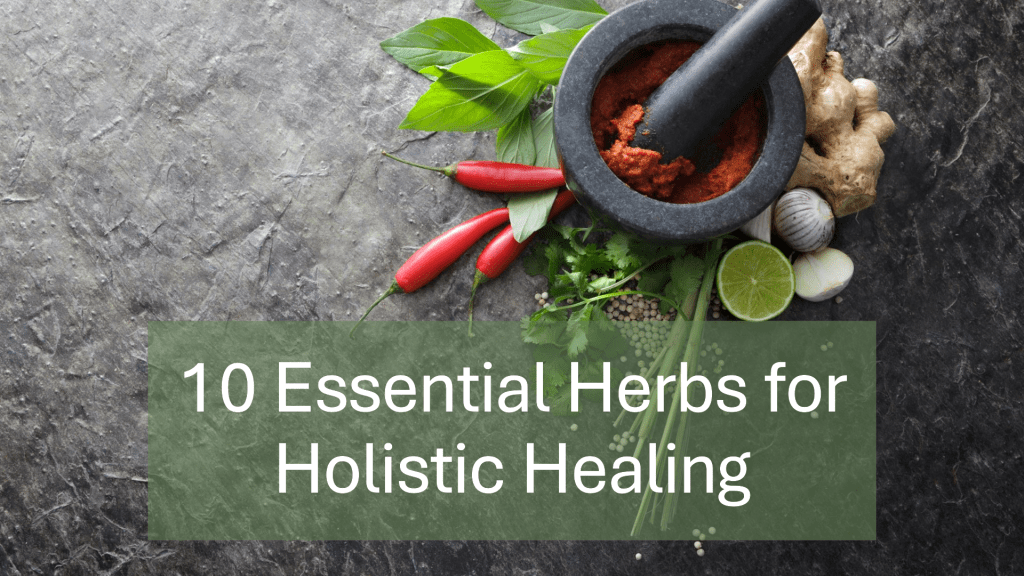
10 Essential Herbs for Holistic Healing and How to Use Them

For centuries, herbs have been used as powerful tools in holistic healing, offering natural remedies for various ailments and promoting overall wellness. Whether it’s calming the mind, boosting the immune system, or reducing inflammation, certain herbs hold incredible potential for enhancing our health. Here are 10 essential herbs for holistic healing and how you can incorporate them into your daily routine.

1. Ashwagandha: The Stress Reliever

Known as an adaptogen, Ashwagandha helps the body manage stress by reducing cortisol levels and balancing the nervous system. It’s commonly used to improve mental clarity and support relaxation.

  • How to Use: Add Ashwagandha powder to smoothies, teas, or take it as a supplement capsule to combat stress and improve focus.

2. Turmeric: The Anti-Inflammatory Hero

Turmeric is rich in curcumin, a compound known for its powerful anti-inflammatory and antioxidant properties. It’s great for reducing inflammation, boosting immunity, and supporting joint health.

  • How to Use: Add turmeric to soups, curries, or make a golden turmeric latte for an anti-inflammatory boost.

3. Chamomile: The Calming Herb

Chamomile is well known for its calming effects, making it an excellent herb for reducing anxiety, aiding digestion, and promoting restful sleep.

  • How to Use: Brew chamomile tea before bed to unwind and improve sleep quality.

4. Holy Basil: The Adaptogenic Wonder

Also known as Tulsi, Holy Basil is revered for its ability to balance the body’s systems and promote physical and emotional well-being. It’s particularly beneficial for reducing stress and enhancing immune function.

  • How to Use: Drink Holy Basil tea in the morning to enhance mental clarity and promote relaxation.

5. Ginger: The Digestive Soother

Ginger has been used for centuries to relieve digestive issues, reduce nausea, and support immune health. It’s a warming herb that can help stimulate circulation and reduce inflammation.

  • How to Use: Add fresh ginger to your tea, smoothies, or stir-fry for digestive support and to boost immunity.

6. Echinacea: The Immune Booster

Echinacea is widely known for its immune-boosting properties, particularly for fighting off colds and flu. It stimulates the immune system and helps the body recover faster from illness.

  • How to Use: Drink Echinacea tea during cold season or take it as a supplement at the onset of symptoms.

7. Lavender: The Relaxation Herb

Lavender is famous for its soothing properties, helping to relieve stress, anxiety, and insomnia. It’s also used to ease headaches and muscle tension.

  • How to Use: Add a few drops of lavender essential oil to your bath, or use it in a diffuser for a calming atmosphere.

8. Peppermint: The Energizer

Peppermint is great for promoting focus and relieving headaches, while also supporting digestion. Its cooling effect makes it perfect for soothing upset stomachs and enhancing alertness.

  • How to Use: Drink peppermint tea to ease indigestion, or inhale peppermint essential oil for a quick energy boost.

9. St. John’s Wort: The Mood Booster

Known for its antidepressant properties, St. John’s Wort is often used to treat mild to moderate depression, improve mood, and reduce anxiety. It’s also used to relieve nerve pain.

  • How to Use: Take St. John’s Wort in capsule form, or brew it as tea to support emotional well-being.

10. Milk Thistle: The Liver Detoxifier

Milk Thistle is prized for its liver-protecting properties, as it helps detoxify and regenerate liver cells. It’s commonly used to support liver function and improve digestion.

  • How to Use: Drink milk thistle tea or take it as a supplement to promote liver detox and improve overall digestion.

Conclusion

Incorporating these powerful herbs into your daily life is a simple, natural way to support your holistic wellness journey. From stress relief and better digestion to immune boosting and inflammation reduction, each of these herbs offers unique benefits to help you feel your best. Try adding one or more of these herbs to your routine and experience the healing power of nature firsthand.


For more insights into holistic wellness practices, check out my book, The Mindful Executive: https://www.amazon.com/dp/B0D75YJCLW.

The Healing Power of Aromatherapy: Essential Oils for Health and Wellness

Aromatherapy, the practice of using essential oils extracted from plants for therapeutic purposes, has been used for centuries to promote health and wellness. These oils can positively affect both the mind and body, offering a natural way to improve overall well-being. Here’s how you can harness the healing power of aromatherapy and essential oils to enhance your health and wellness.

Understanding Aromatherapy

Aromatherapy involves the use of essential oils, which are concentrated extracts from the roots, leaves, seeds, or blossoms of plants. These oils contain the plant’s essence and are believed to have healing properties when inhaled or applied to the skin.

Benefits of Aromatherapy

Aromatherapy can provide numerous benefits, including reducing stress, improving mood, enhancing sleep, and relieving pain. Different essential oils have unique properties that can address specific health concerns.

Popular Essential Oils and Their Benefits

1. Lavender

Lavender oil is widely known for its calming and relaxing properties. It can help reduce anxiety, improve sleep quality, and alleviate headaches.

  • Benefits: Reduces stress and anxiety, improves sleep, relieves headaches.
  • Example: Add a few drops of lavender oil to your pillow or use it in a diffuser before bedtime to promote restful sleep.

2. Peppermint

Peppermint oil has a refreshing and invigorating scent. It’s often used to relieve headaches, improve focus, and alleviate digestive issues.

  • Benefits: Eases headaches, enhances concentration, relieves digestive discomfort.
  • Example: Inhale peppermint oil directly from the bottle or add a few drops to a tissue and breathe deeply to relieve a headache.

3. Eucalyptus

Eucalyptus oil is known for its ability to clear the respiratory system and relieve congestion. It also has anti-inflammatory and pain-relieving properties.

  • Benefits: Relieves respiratory congestion, reduces inflammation, alleviates pain.
  • Example: Add eucalyptus oil to a bowl of hot water and inhale the steam to relieve nasal congestion and improve breathing.

4. Tea Tree

Tea tree oil has powerful antimicrobial properties and is often used to treat skin conditions, such as acne and fungal infections.

  • Benefits: Fights bacteria and fungi, treats acne, promotes skin health.
  • Example: Dilute tea tree oil with a carrier oil and apply it to acne-prone areas to help clear up breakouts.

5. Lemon

Lemon oil is uplifting and energizing. It’s commonly used to improve mood, boost energy levels, and support the immune system.

  • Benefits: Enhances mood, boosts energy, supports immune health.
  • Example: Add a few drops of lemon oil to a diffuser to create an energizing atmosphere in your home or office.

6. Frankincense

Frankincense oil is known for its grounding and calming effects. It’s often used in meditation and yoga practices to promote mental clarity and relaxation.

  • Benefits: Promotes relaxation, enhances mental clarity, supports emotional balance.
  • Example: Diffuse frankincense oil during meditation or yoga to create a serene and focused environment.

7. Chamomile

Chamomile oil has soothing and calming properties, making it ideal for reducing anxiety and promoting sleep. It’s also beneficial for skin health.

  • Benefits: Reduces anxiety, promotes sleep, supports skin health.
  • Example: Add a few drops of chamomile oil to a warm bath to unwind and relax before bed.

8. Rosemary

Rosemary oil is stimulating and invigorating. It can improve concentration, enhance memory, and promote hair health.

  • Benefits: Boosts concentration, improves memory, promotes hair growth.
  • Example: Use rosemary oil in a diffuser while studying or working to improve focus and mental clarity.

9. Ylang Ylang

Ylang ylang oil has a sweet, floral scent and is known for its mood-enhancing properties. It can reduce stress and promote a sense of well-being.

  • Benefits: Enhances mood, reduces stress, promotes relaxation.
  • Example: Add a few drops of ylang ylang oil to your bath or diffuser to create a calming and uplifting atmosphere.

How to Use Essential Oils

1. Diffusion

Using a diffuser is one of the most popular ways to enjoy the benefits of essential oils. Diffusers disperse the oils into the air, allowing you to inhale their therapeutic scents.

  • Example: Add 5-10 drops of your favorite essential oil to a diffuser filled with water. Turn it on and enjoy the aroma.

2. Inhalation

Direct inhalation involves breathing in the essential oil directly from the bottle or from a tissue with a few drops of the oil.

  • Example: Place a few drops of essential oil on a tissue and hold it close to your nose. Inhale deeply for several breaths.

3. Topical Application

Essential oils can be applied to the skin, but they should be diluted with a carrier oil to prevent irritation.

  • Example: Mix a few drops of essential oil with a carrier oil, such as coconut or jojoba oil, and apply it to your wrists, neck, or temples.

4. Bathing

Adding essential oils to your bath can enhance relaxation and provide therapeutic benefits.

  • Example: Add 5-10 drops of essential oil to your bathwater along with a cup of Epsom salts for a soothing and aromatic experience.

5. Massage

Incorporating essential oils into a massage can enhance relaxation and provide additional health benefits.

  • Example: Dilute essential oils with a carrier oil and use the mixture for a relaxing massage.

Safety Tips for Using Essential Oils

  • Always dilute essential oils with a carrier oil before applying them to the skin.
  • Perform a patch test to check for allergic reactions.
  • Use essential oils in well-ventilated areas.
  • Keep essential oils out of reach of children and pets.
  • Consult with a healthcare professional before using essential oils, especially if you are pregnant, nursing, or have a medical condition.

Herbal Teas for Wellness: Natural Remedies in a Cup

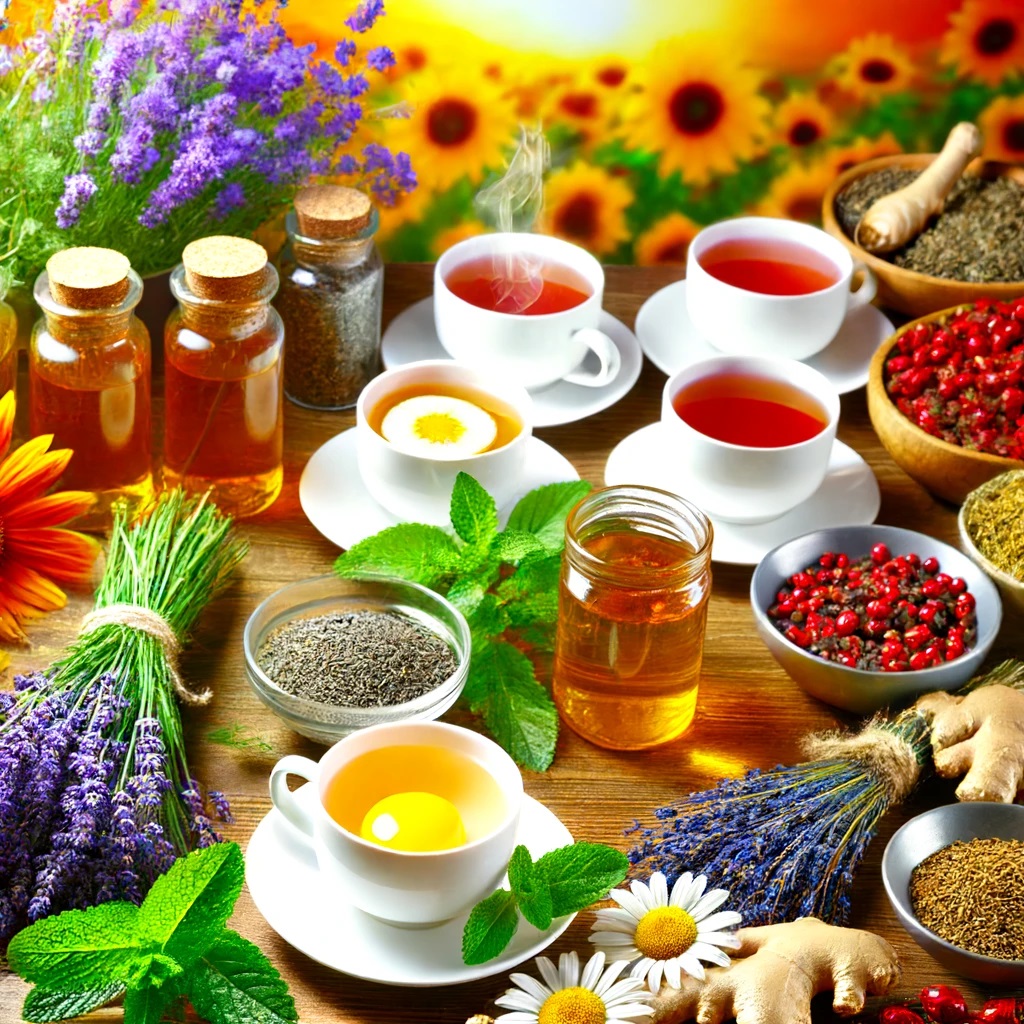
Herbal teas have been cherished for centuries as natural remedies for various ailments and to promote overall wellness. These teas, made from the leaves, flowers, seeds, and roots of different plants, offer unique health benefits. Here are some popular herbal teas and their wellness benefits, along with practical tips for incorporating them into your daily routine.

1. Chamomile Tea

Chamomile tea is renowned for its calming and soothing properties. It’s often used to reduce stress, promote relaxation, and improve sleep quality.

  • Benefits: Reduces anxiety, aids in digestion, and relieves insomnia.
  • Example: Drink a cup of chamomile tea before bedtime to help unwind and improve your sleep quality.

2. Peppermint Tea

Peppermint tea is refreshing and invigorating. It’s commonly used to relieve digestive issues and improve respiratory function.

  • Benefits: Eases indigestion, reduces nausea, and alleviates headaches.
  • Example: Sip on peppermint tea after meals to aid digestion and freshen your breath.

3. Ginger Tea

Ginger tea is a powerful remedy for nausea and digestive discomfort. It’s also known for its anti-inflammatory and immune-boosting properties.

  • Benefits: Relieves nausea, reduces inflammation, and boosts the immune system.
  • Example: Brew ginger tea when you’re feeling nauseous or to support your immune system during cold and flu season.

4. Hibiscus Tea

Hibiscus tea is a vibrant, tangy beverage rich in antioxidants. It’s known for its ability to lower blood pressure and support heart health.

  • Benefits: Lowers blood pressure, supports cardiovascular health, and provides antioxidant protection.
  • Example: Enjoy a refreshing glass of hibiscus tea iced on a hot day to stay hydrated and boost your heart health.

5. Echinacea Tea

Echinacea tea is widely used to boost the immune system and fight off infections. It’s particularly popular during the cold and flu season.

  • Benefits: Boosts the immune system, reduces the duration of colds, and fights infections.
  • Example: Drink echinacea tea at the first sign of a cold to help your body fend off the illness.

6. Rooibos Tea

Rooibos tea, also known as red bush tea, is caffeine-free and packed with antioxidants. It’s known for its anti-inflammatory properties and ability to promote skin health.

  • Benefits: Reduces inflammation, promotes healthy skin, and supports heart health.
  • Example: Include rooibos tea in your daily routine for a caffeine-free antioxidant boost.

7. Lemon Balm Tea

Lemon balm tea has a mild lemony flavor and is known for its calming effects. It’s often used to reduce anxiety and improve cognitive function.

  • Benefits: Reduces anxiety, improves mood, and enhances cognitive function.
  • Example: Drink lemon balm tea during stressful times to calm your nerves and improve focus.

8. Turmeric Tea

Turmeric tea, also known as golden milk, is renowned for its anti-inflammatory and antioxidant properties. It’s often used to support joint health and boost the immune system.

  • Benefits: Reduces inflammation, supports joint health, and boosts the immune system.
  • Example: Enjoy a warm cup of turmeric tea in the evening to benefit from its anti-inflammatory properties.

9. Lavender Tea

Lavender tea is soothing and aromatic. It’s commonly used to promote relaxation and alleviate headaches.

  • Benefits: Promotes relaxation, reduces anxiety, and alleviates headaches.
  • Example: Sip on lavender tea when you need to relax or before bedtime to help you sleep.

10. Dandelion Tea

Dandelion tea is a natural detoxifier and diuretic. It’s often used to support liver health and digestion.

  • Benefits: Supports liver health, aids digestion, and acts as a diuretic.
  • Example: Drink dandelion tea after a heavy meal to support digestion and detoxification.

How to Brew Herbal Teas

Brewing herbal tea is simple and can be done using fresh or dried herbs. Here’s a basic guide:

  1. Measure the Herbs: Use about 1 teaspoon of dried herbs or 1 tablespoon of fresh herbs per cup of water.
  2. Boil the Water: Bring water to a boil, then let it cool slightly before pouring over the herbs.
  3. Steep: Cover and steep the herbs for 5-10 minutes, depending on the desired strength.
  4. Strain: Strain the herbs from the water and enjoy your tea.

Incorporating Herbal Teas into Your Routine

  • Morning Boost: Start your day with an energizing tea like ginger or peppermint.
  • Midday Refresh: Enjoy a cup of hibiscus or lemon balm tea to recharge in the afternoon.
  • Evening Relaxation: Unwind with chamomile or lavender tea before bed.