
The Healing Power of Nature: Why Forest Bathing is Essential for Modern Wellness

In our concrete jungles and climate-controlled environments, we’ve become increasingly disconnected from the natural world that once nurtured our ancestors. This separation comes at a profound cost to our physical, mental, and spiritual well-being. Enter shinrin-yoku, or “forest bathing”—a Japanese practice that’s revolutionizing how we understand nature’s role in healing and wellness.

What is Forest Bathing?

Forest bathing isn’t about hiking, exercising, or achieving any particular goal. It’s the simple practice of mindfully immersing yourself in a forest environment, engaging all your senses to absorb the natural atmosphere. This meditative approach to nature connection has been practiced in Japan since the 1980s and is now recognized worldwide as a powerful therapeutic intervention.

Unlike traditional outdoor activities focused on physical exertion or destination-reaching, forest bathing emphasizes presence, stillness, and sensory awareness. You might spend hours in a small forest area, sitting quietly, breathing deeply, and allowing nature to work its subtle magic on your nervous system.

The Science Behind Nature’s Healing Power

Research from Japan’s National Institute of Public Health reveals that forest bathing produces measurable physiological benefits. When you spend time in forests, you inhale phytoncides—antimicrobial compounds released by trees and plants. These natural chemicals boost your immune system by increasing the production of natural killer (NK) cells, which help fight infections and even cancer cells.

Studies show that just two hours of forest bathing can lower cortisol levels by up to 16%, reduce blood pressure, and decrease inflammation markers. The practice activates your parasympathetic nervous system, shifting you from stress mode into rest-and-digest mode, where healing naturally occurs.

Dr. Qing Li’s groundbreaking research at Nippon Medical School demonstrates that forest bathing benefits can last for weeks after a single session. Participants showed increased NK cell activity for up to 30 days following forest exposure, suggesting that nature’s healing effects have remarkable staying power.

Mental Health Benefits of Natural Environments

Time in nature serves as a powerful antidote to modern mental health challenges. The Japanese concept of “nature deficit disorder” describes the psychological costs of environmental disconnection—increased anxiety, depression, ADHD symptoms, and difficulty concentrating.

Forest environments naturally reduce rumination, the repetitive negative thinking patterns associated with depression and anxiety. The gentle sounds of rustling leaves, flowing water, and bird songs activate the brain’s default mode network in healing ways, promoting mental restoration and emotional regulation.

Research from Stanford University found that 90-minute nature walks significantly reduced activity in the brain’s subgenual prefrontal cortex, an area associated with depression and anxiety. Participants reported decreased brooding and showed improved mood and cognitive function.

Spiritual and Energetic Healing in Nature

Beyond measurable physiological benefits, many people experience profound spiritual renewal in natural settings. Indigenous cultures worldwide have long understood forests as sacred spaces where healing, wisdom, and connection to something greater naturally occur.

Trees and forests emit specific electromagnetic frequencies that resonate with human brainwaves, potentially explaining why many people feel immediate peace and clarity in forest environments. This bioenergetic connection suggests that our relationship with nature operates on levels beyond current scientific understanding.

Many practitioners report increased intuition, creative insights, and spiritual experiences during forest bathing sessions. The practice seems to quiet the analytical mind while awakening deeper ways of knowing and being.

How to Practice Forest Bathing

Finding Your Forest You don’t need an ancient growth forest to experience benefits. Urban parks, wooded areas, or even spaces with several mature trees can serve as forest bathing locations. The key is finding a place where you feel safely surrounded by green growing things.

Engaging Your Senses Begin by leaving your phone behind or putting it in airplane mode. Walk slowly and without destination, allowing your body to guide you to a spot that feels inviting. Sit or stand comfortably and begin engaging each sense deliberately.

Notice the visual textures of bark, leaves, and light patterns. Listen to the layered sounds of wind, birds, insects, and rustling vegetation. Breathe deeply, savoring the complex scents of earth, plants, and fresh air. If appropriate, touch tree bark, leaves, or other natural textures.

Mindful Presence Rather than thinking about nature, practice being with nature. When your mind wanders to daily concerns, gently redirect attention to immediate sensory experiences. This isn’t meditation in the traditional sense—it’s a practice of receptive awareness and connection.

Tree Meditation Many forest bathers develop relationships with particular trees, sitting with them regularly and observing their seasonal changes. This practice deepens your connection to natural cycles and provides a sense of continuity and grounding.

Bringing Nature Indoors

When forest access is limited, you can still harness nature’s healing power at home. Fill your living space with plants, which improve air quality and provide psychological benefits. Essential oils from forest plants like pine, cedar, and eucalyptus can recreate some forest bathing benefits indoors.

Create a daily practice of connecting with houseplants, tending them mindfully and appreciating their growth and beauty. Even brief moments of plant connection can shift your nervous system toward calm and restoration.

Urban Forest Bathing

City dwellers can adapt forest bathing principles to urban green spaces. Early morning visits to parks, before crowds arrive, can provide surprising levels of natural immersion. Focus on finding pockets of wildness within urban environments—old trees, garden areas, or waterfront spaces.

Even brief nature connections during lunch breaks or commutes can provide meaningful benefits. The key is approaching these moments with the same mindful presence you’d bring to a deep forest experience.

Seasonal Forest Bathing

Each season offers unique healing gifts through forest bathing practice. Spring forests buzz with new life energy, supporting renewal and growth. Summer forests provide lush abundance and full sensory immersion. Autumn forests teach lessons about letting go and natural cycles. Winter forests offer profound stillness and introspection.

Developing a year-round forest bathing practice connects you to natural rhythms that modern life often obscures, supporting your overall health and well-being through all seasons.

The Global Forest Bathing Movement

As research validates ancient wisdom about nature’s healing power, forest bathing programs are appearing in hospitals, schools, and wellness centers worldwide. South Korea has designated “forest healing centers,” while European countries integrate forest therapy into healthcare systems.

This growing movement represents a return to fundamental human needs—connection with the natural world that shaped our evolution and continues to shape our well-being.

Creating Your Forest Bathing Practice

Start with whatever time and space you have available. Even 20 minutes in a local park can provide meaningful benefits. Gradually extend your sessions as you develop comfort with slow, mindful nature connection.

Remember that forest bathing is about quality of attention rather than quantity of experience. A deeply present 30-minute session can be more beneficial than hours of distracted outdoor time.

Your body remembers its connection to the natural world. Forest bathing simply creates space for that ancient relationship to reawaken, bringing healing, peace, and profound well-being into your modern life.


For deeper insights into transforming your relationship with health and wellness through mindful practices, explore “The Path to Wellness: A Journey of Self-Discovery and Healing” – a comprehensive guide to creating lasting change in your well-being journey.

12 Immune-Boosting Foods to Include in Your Holistic Diet

A strong immune system is essential for overall health and resilience against illness. Rather than relying solely on supplements, you can naturally support your immune system through a balanced, nutrient-dense diet. Here are 12 immune-boosting foods that are easy to incorporate into your meals, providing the vitamins, minerals, and antioxidants your body needs to stay healthy and energized.


1. Citrus Fruits: The Vitamin C Powerhouse

Citrus fruits like oranges, lemons, and grapefruits are rich in vitamin C, an antioxidant that supports immune function by encouraging white blood cell production. Vitamin C also helps protect cells from damage and inflammation.

  • How to Use: Start your day with a glass of warm lemon water, or add fresh citrus to smoothies, salads, or even as a garnish for meals.

2. Garlic: The Natural Antimicrobial

Garlic contains allicin, a compound known for its antiviral, antibacterial, and antifungal properties. It enhances immune cell function, helping the body fend off infections and reducing inflammation.

  • How to Use: Incorporate raw or lightly cooked garlic into dressings, sauces, or soups to enjoy its immune-supporting benefits.

3. Ginger: The Anti-Inflammatory Root

Known for its warming effects, ginger helps reduce inflammation, relieve sore throats, and prevent oxidative stress. It’s particularly effective for easing nausea and digestive discomfort, which can arise during illness.

  • How to Use: Add fresh ginger to teas, stir-fries, or homemade juices for a spicy, immune-boosting kick.

4. Turmeric: The Golden Anti-Inflammatory Spice

Turmeric contains curcumin, a powerful anti-inflammatory and antioxidant that supports immune health. It’s often used to reduce inflammation and improve the body’s natural defense against pathogens.

  • How to Use: Enjoy turmeric in golden milk lattes, curries, or as a seasoning for roasted vegetables to get its immune benefits.

5. Spinach: The Leafy Green with Nutrients

Spinach is packed with vitamins A, C, and E, as well as antioxidants that help the body fight infection. It’s also a good source of iron and folate, which support blood health and energy levels.

  • How to Use: Add fresh spinach to salads, smoothies, or soups for a nutrient-rich immune boost.

6. Yogurt: The Probiotic-Rich Food

Yogurt contains probiotics—beneficial bacteria that support gut health. Since a significant portion of the immune system is located in the gut, maintaining a healthy balance of gut bacteria is key for overall immunity.

  • How to Use: Enjoy plain yogurt with fresh fruit or add it to smoothies to boost your gut health naturally.

7. Almonds: The Vitamin E Source

Almonds are rich in vitamin E, an antioxidant that plays a crucial role in immune function. Vitamin E helps neutralize free radicals, supporting cellular health and reducing oxidative stress.

  • How to Use: Snack on a handful of almonds or add them to oatmeal, salads, or yogurt bowls.

8. Bell Peppers: The Vitamin C Boosters

Bell peppers, especially red ones, are packed with vitamin C—more so than citrus fruits! This makes them a great choice for enhancing immune function and supporting healthy skin.

  • How to Use: Slice bell peppers into salads, stir-fries, or as a snack with hummus.

9. Broccoli: The Antioxidant-Rich Veggie

Broccoli is rich in vitamins C, A, and E, as well as fiber and antioxidants that support immune health. It also contains sulforaphane, a compound known to have cancer-fighting properties.

  • How to Use: Lightly steam broccoli to preserve its nutrients or add it to salads, soups, and pasta dishes.

10. Green Tea: The Antioxidant Beverage

Green tea contains catechins, a type of antioxidant known for its immune-supporting properties. It also contains L-theanine, an amino acid that may help strengthen immune response.

  • How to Use: Sip on green tea throughout the day to stay hydrated and support your immune system naturally.

11. Sunflower Seeds: The Nutrient-Dense Snack

Sunflower seeds are rich in vitamin E, magnesium, and selenium, which support immune function and reduce inflammation. Vitamin E in particular helps the body defend itself against infections.

  • How to Use: Sprinkle sunflower seeds on salads, yogurt, or oatmeal, or enjoy them as a snack.

12. Kiwi: The Immune-Boosting Fruit

Kiwi is high in vitamin C and potassium, supporting immune function and heart health. It’s also packed with fiber, which promotes digestive health and nutrient absorption.

  • How to Use: Slice kiwi for a healthy snack, add it to fruit salads, or blend it into smoothies.

Conclusion

Adding these immune-boosting foods to your diet is a simple, effective way to support your body’s natural defenses. From vitamin C-rich fruits and vegetables to probiotic-packed yogurt and antioxidant-filled green tea, these foods offer a holistic approach to strengthening your immune system. Start incorporating them into your daily meals to stay healthy and energized year-round.


For more tips on holistic wellness and immunity, check out my book, The Mindful Executive: https://www.amazon.com/dp/B0D75YJCLW.

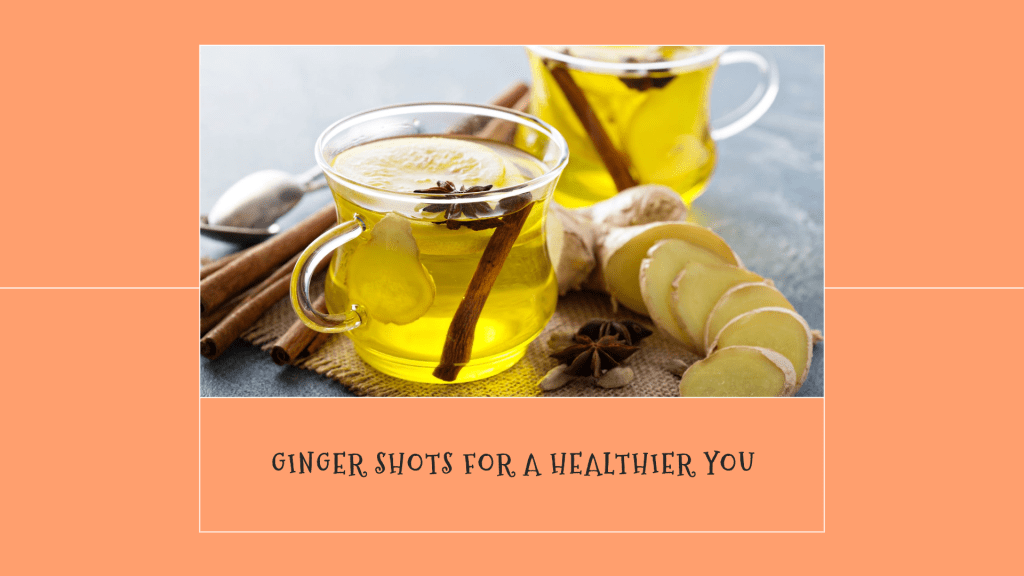
Boost Your Metabolism with Ginger Shots: A Natural Way to Support Weight Loss

Ginger shots are a potent, concentrated form of ginger that can offer numerous health benefits, particularly for those looking to boost their metabolism and support weight loss. Here are five compelling reasons to incorporate ginger shots into your daily routine.


1. Enhances Metabolism

Ginger is known for its thermogenic properties, which can help increase your metabolic rate. This means your body burns more calories, even at rest, aiding in weight management and fat loss.

Learn more about the metabolism-boosting benefits of ginger: Healthline


2. Reduces Appetite

Taking a ginger shot before meals can help curb your appetite. Ginger has been shown to reduce feelings of hunger, making it easier to control portion sizes and prevent overeating.

Read about how ginger can help with appetite control: Medical News Today


3. Improves Digestion

Ginger is excellent for digestive health. It can help with the movement of food through the digestive tract, reducing bloating and promoting regular bowel movements. Improved digestion can also aid in weight loss.

Discover the digestive benefits of ginger: WebMD


4. Boosts Immune Function

Ginger shots are packed with antioxidants that help strengthen your immune system. A robust immune system can better support your body in maintaining overall health and managing weight effectively.

Learn how ginger supports immune health: Verywell Health


5. Provides a Natural Energy Boost

The natural compounds in ginger can enhance energy levels without the crash associated with caffeine. Starting your day with a ginger shot can help you feel more awake and ready to tackle your daily activities.

Read more about the energy-boosting properties of ginger: Healthline

Call to Action

Incorporate ginger shots into your daily routine to enjoy these health benefits and support your weight loss journey. For more wellness tips and healthy living advice, visit Holistic Wellness Guide.

#GingerShots #MetabolismBoost #WeightLoss #HealthyLiving #Nutrition #ImmuneBoost #DigestiveHealth #NaturalEnergy

Boost Your Health with Cinnamon, Lemon, and Ginger Juice

Cinnamon, lemon, and ginger juice is a powerful combination that offers numerous health benefits. This refreshing and nutritious drink is easy to make and can be a great addition to your daily routine. Here’s why you should consider incorporating this juice into your diet and how to prepare it.


1. Health Benefits of Cinnamon, Lemon, and Ginger Juice

Cinnamon is known for its anti-inflammatory and antioxidant properties. It helps regulate blood sugar levels, which can aid in weight management. Additionally, cinnamon has been shown to improve digestion and boost metabolic rate.

Lemon is rich in vitamin C, which is essential for a healthy immune system. Lemons also have detoxifying properties and can help improve skin health. The citric acid in lemons aids in digestion and helps prevent kidney stones.

Ginger is widely recognized for its ability to soothe the digestive system and reduce nausea. It also has anti-inflammatory properties and can help alleviate pain and improve circulation. Ginger is also known to boost the immune system and combat respiratory issues.

Learn more about the benefits of these ingredients: Healthline


2. How to Make Cinnamon, Lemon, and Ginger Juice

Ingredients:

  • 1 cup of water
  • 1 teaspoon of ground cinnamon
  • 1 tablespoon of freshly squeezed lemon juice
  • 1 teaspoon of grated ginger
  • Honey to taste (optional)

Instructions:

  1. Boil the water and add the ground cinnamon and grated ginger.
  2. Let it simmer for about 10 minutes.
  3. Remove from heat and strain the mixture into a glass.
  4. Add the freshly squeezed lemon juice and honey (if using).
  5. Stir well and enjoy your refreshing drink.

Find more healthy recipes: WebMD


3. Incorporating Cinnamon, Lemon, and Ginger Juice into Your Routine

Drinking this juice in the morning can help kickstart your metabolism and provide a refreshing start to your day. You can also enjoy it as a mid-afternoon pick-me-up or before bedtime to aid digestion.

Tips for Incorporation:

  • Morning Boost: Drink a glass first thing in the morning on an empty stomach.
  • Afternoon Refreshment: Enjoy a glass in the afternoon to stay energized.
  • Pre-Bedtime Ritual: Have a warm version of this drink before bed to aid digestion and promote restful sleep.

Discover more wellness tips: Medical News Today

Call to Action

Start incorporating cinnamon, lemon, and ginger juice into your daily routine to reap its numerous health benefits. Visit Holistic Wellness Guide for more healthy living tips and recipes.

#HealthDrink #CinnamonLemonGinger #NaturalRemedies #HealthyLiving #Wellness #DetoxDrink #ImmuneBoost #HealthyRecipes

15 Natural Remedies to Boost Your Immune System

A strong immune system is essential for protecting your body against illness and infection. While there are plenty of over-the-counter remedies, natural solutions can be just as effective—without the harsh chemicals. By incorporating immune-boosting foods, herbs, and lifestyle habits into your routine, you can strengthen your immune defenses and keep your body in top shape. Here are 15 natural remedies to boost your immune system.

1. Eat More Garlic

Garlic is a powerful immune booster thanks to its high content of allicin, a compound that helps the body fight off infections and viruses. Its natural antibacterial and antiviral properties make it a staple in immune-boosting diets.

  • Tip: Add raw or lightly cooked garlic to your meals for an extra immune boost.

2. Drink Ginger Tea

Ginger has anti-inflammatory and antioxidant properties, making it a great remedy for boosting the immune system. It also helps soothe the throat and can ease cold symptoms.

  • Tip: Brew a cup of ginger tea with fresh ginger root and honey for a warm, immune-boosting drink.

3. Take Vitamin C

Vitamin C is one of the most well-known immune-boosting nutrients. It increases the production of white blood cells, which are essential for fighting infections.

  • Tip: Include vitamin C-rich foods like oranges, strawberries, bell peppers, and spinach in your diet.

4. Use Echinacea

Echinacea is a powerful herb that can help reduce the severity and duration of colds. It’s known for stimulating the immune system and increasing the body’s resistance to infection.

  • Tip: Take Echinacea supplements or drink Echinacea tea during cold season to boost your immune defenses.

5. Incorporate Probiotics

Probiotics are beneficial bacteria that support gut health, and since much of the immune system resides in the gut, probiotics play a key role in boosting immunity.

  • Tip: Include probiotic-rich foods like yogurt, kefir, and fermented vegetables in your diet to support a healthy gut.

6. Stay Hydrated

Hydration is essential for immune function. Water helps carry oxygen to your cells and flush toxins from the body, supporting overall immune health.

  • Tip: Drink at least 8 glasses of water a day to stay hydrated and support your immune system.

7. Get Plenty of Sleep

Lack of sleep can weaken your immune system and make you more susceptible to illness. Your body needs rest to repair and regenerate immune cells.

  • Tip: Aim for 7-8 hours of sleep each night to keep your immune system strong.

8. Eat Zinc-Rich Foods

Zinc is essential for immune function, helping the body to fight off pathogens and heal faster. Zinc also plays a role in the production of white blood cells.

  • Tip: Add zinc-rich foods like pumpkin seeds, chickpeas, and almonds to your meals for an immune boost.

9. Drink Green Tea

Green tea is rich in antioxidants and catechins, which help boost immune function and protect the body against illness.

  • Tip: Drink a cup of green tea daily to benefit from its immune-boosting properties.

10. Exercise Regularly

Regular physical activity helps boost immune function by promoting good circulation, which allows immune cells to move through the body more effectively.

  • Tip: Aim for at least 30 minutes of moderate exercise, such as walking or yoga, most days of the week.

11. Try Elderberry

Elderberry has long been used to treat colds and flu, and research shows that it can reduce the duration of symptoms. Its high levels of antioxidants help support the immune system.

  • Tip: Take elderberry syrup or supplements at the onset of cold symptoms for a natural boost.

12. Use Turmeric

Turmeric contains curcumin, a compound with strong anti-inflammatory and antioxidant effects. It helps support immune function and reduce inflammation in the body.

  • Tip: Add turmeric to your meals or make a turmeric latte to enjoy its immune-boosting benefits.

13. Reduce Stress

Chronic stress can weaken the immune system by increasing inflammation and suppressing immune function. Finding ways to manage stress is essential for maintaining a strong immune system.

  • Tip: Practice stress-reducing activities like meditation, deep breathing, or yoga to support your immune health.

14. Get Sunlight for Vitamin D

Vitamin D is crucial for immune function, helping the body fight off infections. Getting regular sunlight exposure can boost your body’s production of vitamin D.

  • Tip: Spend 10-15 minutes outside in the sun each day to maintain healthy vitamin D levels.

15. Eat Leafy Greens

Leafy greens like spinach and kale are rich in vitamins, minerals, and antioxidants that help support immune health. These greens also promote gut health, which is linked to overall immunity.

  • Tip: Incorporate leafy greens into your meals daily, whether in salads, smoothies, or side dishes.

Conclusion

Supporting your immune system naturally doesn’t have to be complicated. By incorporating these 15 remedies into your daily routine, you can strengthen your body’s defenses and stay healthy year-round. From immune-boosting herbs and foods to lifestyle practices that promote overall well-being, these natural remedies offer a holistic approach to keeping your immune system strong.


For more holistic wellness tips, check out my book, The Mindful Executive: https://www.amazon.com/dp/B0D75YJCLW.

How Min-Jun Boosted His Immunity with a Balanced Diet

Stronger Immunity: How Min-Jun Boosted His Health with a Balanced Diet

Meet Min-Jun: Min-Jun, a 33-year-old office worker from Seoul, often fell sick and had low energy levels. Determined to improve his health, he focused on eating a balanced diet.

Adding Fruits and Vegetables: Min-Jun increased his intake of fruits and vegetables, ensuring he got a variety of vitamins and minerals.

Example: For breakfast, Min-Jun started having a smoothie bowl with spinach, berries, and chia seeds.

Incorporating Lean Proteins: He included lean proteins like chicken, fish, and tofu in his meals to support his immune system.

Example: For lunch, Min-Jun enjoyed a salad with grilled chicken, mixed greens, and avocado.

Staying Hydrated: Min-Jun made a conscious effort to drink more water and stay hydrated throughout the day.

Example: He carried a reusable water bottle and set reminders to drink water regularly.

The Result: With these dietary changes, Min-Jun experienced fewer illnesses and higher energy levels. A balanced diet significantly improved his overall health.

Mei’s Transformation with Herbal Teas

A Cup of Health: Mei’s Transformation with Herbal Teas

Meet Mei: Mei, a 30-year-old teacher from Beijing, struggled with frequent colds and low energy levels. After learning about the benefits of herbal teas, she decided to incorporate them into her daily routine.

Discovering Herbal Teas: Mei started with chamomile tea to help her relax and improve her sleep quality.

Example: Each night before bed, Mei enjoyed a warm cup of chamomile tea, which helped her unwind and sleep better.

Exploring Different Teas: Mei experimented with different herbal teas like peppermint for digestion and ginger for its anti-inflammatory properties.

Example: After meals, Mei drank peppermint tea to aid digestion and ginger tea in the morning to boost her immune system.

Creating a Routine: Mei made herbal tea a part of her daily routine, replacing her usual coffee with various herbal blends.

Example: Instead of reaching for coffee, Mei started her day with a refreshing cup of lemon and ginger tea.

The Result: Within a few months, Mei noticed she had more energy, fewer colds, and overall better health. The simple change of incorporating herbal teas made a significant difference.