Maintaining high energy levels is crucial for productivity and overall well-being. However, certain habits can drain your energy and leave you feeling exhausted. Here are some common energy-draining habits and how to overcome them.
1. Poor Sleep Habits
Lack of quality sleep can severely impact your energy levels. Aim for 7-9 hours of sleep each night and establish a regular sleep routine. Learn more about improving sleep habits.
2. Unhealthy Eating
Consuming too much sugar and processed foods can cause energy crashes. Focus on a balanced diet rich in whole foods, lean proteins, and healthy fats. Explore healthy eating tips.
3. Sedentary Lifestyle
Lack of physical activity can make you feel sluggish. Incorporate regular exercise into your routine to boost your energy and overall health. Discover the benefits of regular exercise.
4. Excessive Screen Time
Spending too much time on screens, especially before bed, can disrupt sleep and drain your energy. Limit screen time and take regular breaks from digital devices. Understand the impact of screen time.
5. Chronic Stress
Persistent stress can deplete your energy reserves. Practice stress management techniques like mindfulness, meditation, and deep breathing exercises. Learn how to manage stress.
6. Dehydration
Not drinking enough water can lead to fatigue and decreased concentration. Aim to drink at least 8 glasses of water daily to stay hydrated. Understand the importance of hydration.
7. Cluttered Environment
A disorganized space can contribute to mental fatigue and stress. Keep your living and work areas tidy to promote a sense of calm and focus. Explore decluttering tips.
8. Negative Thinking
Constantly dwelling on negative thoughts can drain your energy. Practice positive thinking and focus on the good aspects of your life. Learn about positive thinking techniques.
9. Lack of Social Interaction
Isolation and lack of social support can lead to feelings of loneliness and fatigue. Make time for meaningful interactions with friends and family. Understand the importance of social connections.
10. Ignoring Self-Care
Neglecting self-care can lead to burnout. Make time for activities that rejuvenate you, such as hobbies, relaxation, and pampering yourself. Discover self-care tips.
Call to Action
Identify and eliminate these energy-draining habits to boost your vitality and improve your overall well-being. Visit Holistic Wellness Guide for more tips and insights on leading a balanced and fulfilling life.
A strong immune system is essential for protecting your body against illness and infection. While there are plenty of over-the-counter remedies, natural solutions can be just as effective—without the harsh chemicals. By incorporating immune-boosting foods, herbs, and lifestyle habits into your routine, you can strengthen your immune defenses and keep your body in top shape. Here are 15 natural remedies to boost your immune system.
1. Eat More Garlic
Garlic is a powerful immune booster thanks to its high content of allicin, a compound that helps the body fight off infections and viruses. Its natural antibacterial and antiviral properties make it a staple in immune-boosting diets.
Tip: Add raw or lightly cooked garlic to your meals for an extra immune boost.
2. Drink Ginger Tea
Ginger has anti-inflammatory and antioxidant properties, making it a great remedy for boosting the immune system. It also helps soothe the throat and can ease cold symptoms.
Tip: Brew a cup of ginger tea with fresh ginger root and honey for a warm, immune-boosting drink.
3. Take Vitamin C
Vitamin C is one of the most well-known immune-boosting nutrients. It increases the production of white blood cells, which are essential for fighting infections.
Tip: Include vitamin C-rich foods like oranges, strawberries, bell peppers, and spinach in your diet.
4. Use Echinacea
Echinacea is a powerful herb that can help reduce the severity and duration of colds. It’s known for stimulating the immune system and increasing the body’s resistance to infection.
Tip: Take Echinacea supplements or drink Echinacea tea during cold season to boost your immune defenses.
5. Incorporate Probiotics
Probiotics are beneficial bacteria that support gut health, and since much of the immune system resides in the gut, probiotics play a key role in boosting immunity.
Tip: Include probiotic-rich foods like yogurt, kefir, and fermented vegetables in your diet to support a healthy gut.
6. Stay Hydrated
Hydration is essential for immune function. Water helps carry oxygen to your cells and flush toxins from the body, supporting overall immune health.
Tip: Drink at least 8 glasses of water a day to stay hydrated and support your immune system.
7. Get Plenty of Sleep
Lack of sleep can weaken your immune system and make you more susceptible to illness. Your body needs rest to repair and regenerate immune cells.
Tip: Aim for 7-8 hours of sleep each night to keep your immune system strong.
8. Eat Zinc-Rich Foods
Zinc is essential for immune function, helping the body to fight off pathogens and heal faster. Zinc also plays a role in the production of white blood cells.
Tip: Add zinc-rich foods like pumpkin seeds, chickpeas, and almonds to your meals for an immune boost.
9. Drink Green Tea
Green tea is rich in antioxidants and catechins, which help boost immune function and protect the body against illness.
Tip: Drink a cup of green tea daily to benefit from its immune-boosting properties.
10. Exercise Regularly
Regular physical activity helps boost immune function by promoting good circulation, which allows immune cells to move through the body more effectively.
Tip: Aim for at least 30 minutes of moderate exercise, such as walking or yoga, most days of the week.
11. Try Elderberry
Elderberry has long been used to treat colds and flu, and research shows that it can reduce the duration of symptoms. Its high levels of antioxidants help support the immune system.
Tip: Take elderberry syrup or supplements at the onset of cold symptoms for a natural boost.
12. Use Turmeric
Turmeric contains curcumin, a compound with strong anti-inflammatory and antioxidant effects. It helps support immune function and reduce inflammation in the body.
Tip: Add turmeric to your meals or make a turmeric latte to enjoy its immune-boosting benefits.
13. Reduce Stress
Chronic stress can weaken the immune system by increasing inflammation and suppressing immune function. Finding ways to manage stress is essential for maintaining a strong immune system.
Tip: Practice stress-reducing activities like meditation, deep breathing, or yoga to support your immune health.
14. Get Sunlight for Vitamin D
Vitamin D is crucial for immune function, helping the body fight off infections. Getting regular sunlight exposure can boost your body’s production of vitamin D.
Tip: Spend 10-15 minutes outside in the sun each day to maintain healthy vitamin D levels.
15. Eat Leafy Greens
Leafy greens like spinach and kale are rich in vitamins, minerals, and antioxidants that help support immune health. These greens also promote gut health, which is linked to overall immunity.
Tip: Incorporate leafy greens into your meals daily, whether in salads, smoothies, or side dishes.
Conclusion
Supporting your immune system naturally doesn’t have to be complicated. By incorporating these 15 remedies into your daily routine, you can strengthen your body’s defenses and stay healthy year-round. From immune-boosting herbs and foods to lifestyle practices that promote overall well-being, these natural remedies offer a holistic approach to keeping your immune system strong.
Achieving better holistic health often starts with removing the habits, behaviors, and patterns that drain our energy or prevent us from living in alignment. While adding healthy practices to your life is important, letting go of negative ones can be equally transformative. By stopping certain behaviors, you make room for growth, balance, and healing. Here are 15 things you should stop doing for better holistic health and well-being.
1. Stop Overusing Technology
Constant screen time and excessive use of social media can leave your mind overstimulated and drained. Disconnecting from technology, especially before bed, helps restore mental clarity and calm.
Tip: Schedule regular digital detoxes, even if it’s just for a few hours each day.
2. Stop Skipping Meals
Skipping meals can wreak havoc on your energy levels and metabolism. Balanced, regular meals are essential for maintaining a stable energy flow and supporting your body’s natural rhythms.
Tip: Prepare easy, nutrient-dense snacks if you tend to get busy during the day.
3. Stop Ignoring Hydration
Dehydration is a major energy drainer and can lead to headaches, fatigue, and sluggishness. Make it a priority to drink water throughout the day, as it’s crucial for maintaining balanced energy and detoxifying the body.
Tip: Set reminders on your phone to drink water every hour.
4. Stop Neglecting Sleep
A consistent lack of sleep disrupts both your physical and mental health. Without proper rest, your body can’t heal, and your mind can’t process emotions effectively, leading to stress and imbalances.
Tip: Create a calming bedtime routine and prioritize 7-8 hours of sleep each night.
5. Stop Holding onto Grudges
Negative emotions like resentment and anger can weigh down your energy and block healing. Forgiveness and emotional release are key to clearing energy blockages and fostering holistic well-being.
Tip: Practice journaling or meditation to process and let go of negative emotions.
6. Stop Multitasking
While it may feel efficient, multitasking actually scatters your focus and drains your mental energy. Focusing on one task at a time leads to greater productivity and mental balance.
Tip: Use time-blocking techniques to manage your day with intention and focus.
7. Stop Eating Processed Foods
Processed foods are often loaded with chemicals, sugar, and unhealthy fats that can disrupt your body’s natural balance. Opting for whole, natural foods supports your body’s energy and overall well-being.
Tip: Choose fresh fruits, vegetables, and whole grains as the foundation of your meals.
8. Stop Saying Yes to Everything
Overcommitting and constantly saying “yes” to requests can leave you feeling overwhelmed and depleted. Learning to set boundaries and prioritize your energy is essential for maintaining balance.
Tip: Practice saying “no” when necessary, and focus on what aligns with your wellness goals.
9. Stop Living in the Past
Holding onto the past keeps you stuck in old patterns and prevents you from living in the present. Embracing mindfulness and releasing what no longer serves you can open you up to new opportunities for growth.
Tip: Try grounding exercises and mindfulness meditation to bring your focus back to the present moment.
10. Stop Neglecting Physical Activity
A sedentary lifestyle can lead to physical and mental stagnation. Movement is essential for maintaining a healthy energy flow, boosting mood, and reducing stress.
Tip: Find enjoyable ways to stay active, such as yoga, walking, or dancing, and make it a part of your daily routine.
11. Stop Overloading Your Schedule
Constantly filling up your schedule with tasks, appointments, and obligations can lead to burnout. Leaving space for rest and relaxation is just as important as getting things done.
Tip: Practice time management and schedule downtime for yourself each week.
12. Stop Comparing Yourself to Others
Comparison is a surefire way to drain your energy and erode self-esteem. Focusing on your own journey and celebrating your unique progress is key to cultivating self-love and mental wellness.
Tip: Shift your focus inward by journaling about your personal growth and achievements.
13. Stop Suppressing Your Emotions
Suppressing emotions can lead to energy blockages and even physical illness. Allowing yourself to feel and process emotions in a healthy way supports both mental and physical healing.
Tip: Engage in emotional release practices, like deep breathing, EFT tapping, or expressive writing.
14. Stop Fearing Change
Fear of change can keep you stuck in unhealthy patterns. Embracing change, both big and small, is necessary for personal growth and holistic wellness.
Tip: Start small by making one positive change each week, whether it’s in your diet, habits, or mindset.
15. Stop Isolating Yourself
While alone time is important, too much isolation can lead to loneliness and emotional imbalance. Building connections with supportive people enhances your emotional and mental well-being.
Tip: Make an effort to reach out to friends or join wellness communities to nurture positive connections.
Conclusion
Sometimes the best way to improve your well-being is to let go of the things that are holding you back. By stopping these 15 behaviors, you can clear space for more positive energy and practices that support holistic health. Embrace the power of letting go, and allow your mind, body, and spirit to thrive in balance.
The Role of Hydration in Maintaining Workplace Productivity
Staying hydrated is essential for maintaining workplace productivity and overall well-being. Proper hydration affects various aspects of physical and mental health, making it a critical factor in achieving professional success.
1. Enhances Cognitive Performance
Hydration is crucial for brain function. Even mild dehydration can impair cognitive abilities, affecting concentration, memory, and decision-making.
Tip: Keep a water bottle at your desk and take regular sips throughout the day to maintain hydration.
2. Boosts Physical Performance
Adequate hydration is necessary for physical stamina and endurance. It helps prevent fatigue and maintains energy levels, which are essential for staying productive.
Tip: Drink water before, during, and after physical activities, such as walking or exercising, to stay energized.
3. Improves Mood and Reduces Stress
Hydration has a direct impact on mood regulation and stress levels. Staying hydrated can help reduce feelings of anxiety and improve overall mood.
Tip: Set reminders to drink water regularly, especially during busy or stressful periods.
4. Supports Digestive Health
Water is vital for digestion and nutrient absorption. Proper hydration ensures that the digestive system functions smoothly, preventing issues like constipation and bloating.
Tip: Start your day with a glass of water to kickstart your digestive system.
5. Promotes Skin Health
Hydration is essential for maintaining healthy skin. Proper hydration helps keep the skin moisturized, reducing the appearance of dryness and wrinkles.
Tip: In addition to drinking water, consume water-rich foods like fruits and vegetables to stay hydrated.
Call to Action
Maintaining proper hydration is a simple yet effective way to boost workplace productivity and overall health. Make it a habit to drink water regularly throughout the day and encourage your colleagues to do the same. Stay hydrated, stay productive, and achieve your professional goals with ease.
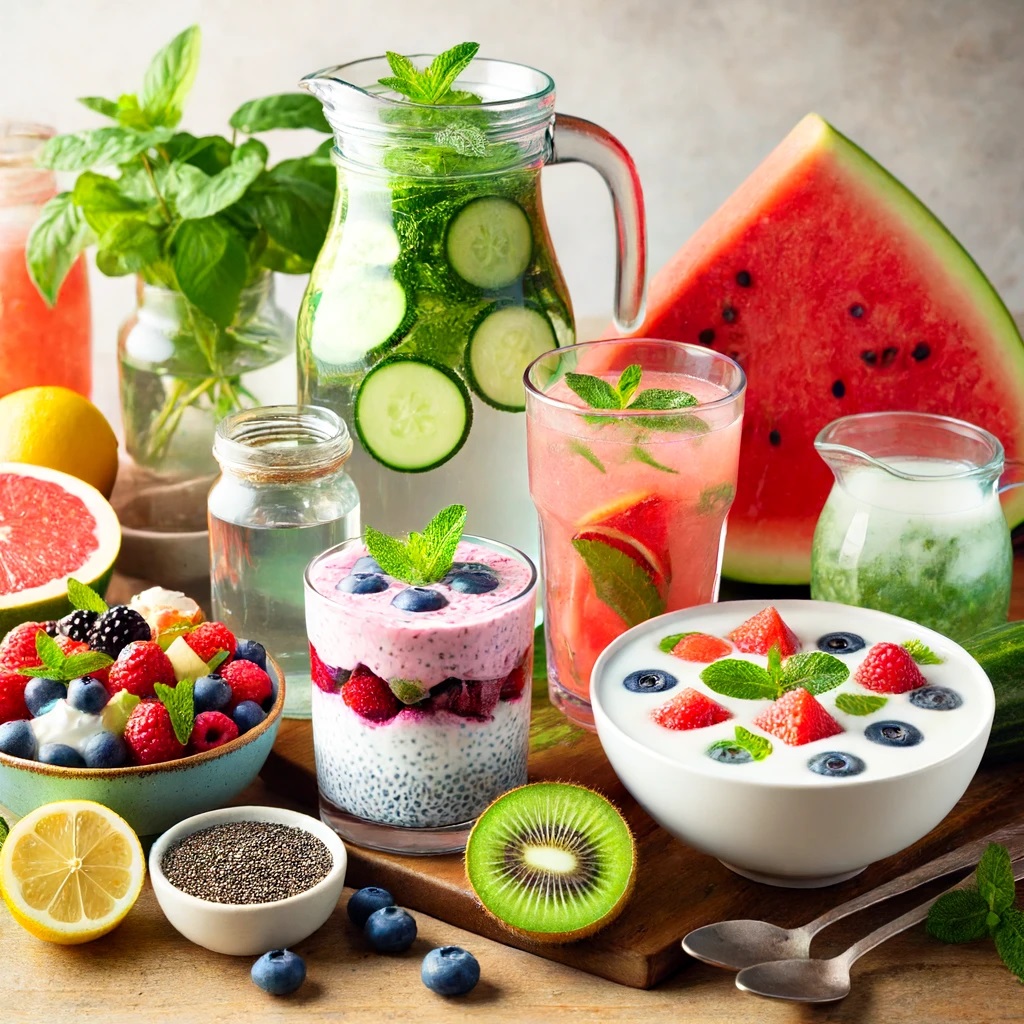
Staying hydrated is essential for maintaining good health and overall well-being. Proper hydration supports various bodily functions, including digestion, circulation, and temperature regulation. Here are the benefits of staying hydrated and some delicious recipes for water-rich foods and drinks to help you stay hydrated.
1. Benefits of Staying Hydrated
Improves Physical Performance
Proper hydration is crucial for maintaining energy levels and physical performance. Dehydration can lead to fatigue, reduced endurance, and decreased strength.
Tip: Drink water before, during, and after exercise to stay hydrated.
Enhances Brain Function
Staying hydrated helps maintain cognitive function, including concentration, memory, and mood.
Tip: Keep a water bottle at your desk to remind yourself to drink regularly.
Supports Digestion
Water is essential for healthy digestion, helping to break down food and absorb nutrients.
Tip: Drink a glass of water before meals to aid digestion.
Promotes Healthy Skin
Hydration is key for maintaining healthy, glowing skin. It helps to keep the skin moisturized and can reduce the appearance of fine lines and wrinkles.
Tip: Include hydrating foods in your diet, such as fruits and vegetables.
Regulates Body Temperature
Water helps regulate body temperature through sweating and respiration.
Tip: Drink water throughout the day, especially in hot weather or when exercising.
2. Water-Rich Recipes for Hydration
Cucumber and Mint Infused Water
Ingredients: 1 cucumber, sliced; a handful of fresh mint leaves; 1 liter of water.
Instructions: Combine cucumber slices and mint leaves in a pitcher of water. Let it infuse in the refrigerator for at least an hour before serving.
Benefits: This refreshing drink helps you stay hydrated and provides a burst of flavor without any added sugars.
Watermelon and Feta Salad
Ingredients: 2 cups of watermelon, cubed; 1/2 cup of feta cheese, crumbled; fresh mint leaves; 1 tablespoon olive oil; a pinch of salt.
Instructions: Combine watermelon cubes, feta cheese, and mint leaves in a bowl. Drizzle with olive oil and sprinkle with salt. Toss gently and serve.
Benefits: Watermelon is over 90% water, making this salad a hydrating and delicious option.
Berry and Yogurt Smoothie
Ingredients: 1 cup of mixed berries (strawberries, blueberries, raspberries); 1/2 cup of Greek yogurt; 1/2 cup of water or coconut water; 1 tablespoon honey (optional).
Instructions: Blend all ingredients until smooth. Pour into a glass and enjoy.
Benefits: Berries are high in water content and antioxidants, while yogurt adds hydration and probiotics for gut health.
Hydrating Chia Seed Pudding
Ingredients: 1/4 cup of chia seeds; 1 cup of almond milk or any milk of your choice; 1 tablespoon honey or maple syrup; fresh fruit for topping.
Instructions: Mix chia seeds, milk, and honey in a bowl. Let it sit for at least 4 hours or overnight in the refrigerator. Top with fresh fruit before serving.
Benefits: Chia seeds absorb liquid and expand, creating a hydrating and nutrient-rich pudding.
Citrus and Aloe Vera Drink
Ingredients: Juice of 2 oranges; juice of 1 lemon; 1 tablespoon aloe vera gel; 1 liter of water.
Instructions: Mix orange juice, lemon juice, and aloe vera gel in a pitcher of water. Stir well and refrigerate before serving.
Benefits: Citrus fruits are high in water and vitamin C, while aloe vera provides additional hydration and digestive benefits.
Conclusion: Staying hydrated is vital for overall health, supporting everything from physical performance to skin health. Incorporating water-rich foods and drinks into your diet can make staying hydrated delicious and enjoyable. Try these recipes to boost your hydration and enjoy the benefits of proper hydration.
The common cold and flu are viral infections that can disrupt daily life. While there is no cure for these illnesses, natural remedies and preventive measures can help reduce symptoms and support recovery. Here are some effective strategies using herbs and natural ingredients.
1. Boost Your Immune System
Strengthening your immune system can help prevent colds and flu.
Tip: Incorporate immune-boosting foods like citrus fruits, garlic, ginger, and turmeric into your diet.
Story: Raj, a health-conscious individual, included garlic and ginger in his meals regularly. He noticed a significant reduction in the number of colds he caught each year.
2. Stay Hydrated
Proper hydration is essential for maintaining overall health and supporting the immune system.
Tip: Drink plenty of water, herbal teas, and broths throughout the day.
Story: Emily, a nurse, made sure to stay hydrated, especially during flu season. She found that drinking herbal teas helped soothe her throat and keep her hydrated.
3. Use Herbal Remedies
Certain herbs can help alleviate symptoms and support recovery.
Echinacea: Known for its immune-boosting properties, echinacea can help reduce the severity and duration of colds.
How to Use: Take echinacea supplements or drink echinacea tea at the first sign of a cold.
Elderberry: Elderberry has antiviral properties that can help fight off colds and flu.
How to Use: Take elderberry syrup or capsules to support immune function.
Ginger: Ginger can help reduce inflammation and soothe sore throats.
How to Use: Drink ginger tea or add fresh ginger to your meals.
4. Rest and Relax
Rest is crucial for recovery from illness.
Tip: Ensure you get plenty of rest and sleep to allow your body to heal.
Story: John, a busy executive, made it a point to rest whenever he felt a cold coming on. He found that taking time to rest helped him recover faster.
5. Use Steam Inhalation
Steam inhalation can help relieve congestion and soothe irritated airways.
Tip: Add a few drops of eucalyptus or peppermint oil to a bowl of hot water and inhale the steam.
Story: Lisa, a yoga instructor, used steam inhalation to clear her sinuses during a cold. She found it helped her breathe easier and relieved congestion.
6. Practice Good Hygiene
Good hygiene practices can help prevent the spread of colds and flu.
Tip: Wash your hands regularly with soap and water, avoid touching your face, and cover your mouth when coughing or sneezing.
Story: Alex, a school teacher, emphasized good hygiene practices in his classroom. He noticed a decrease in the spread of colds among his students.
Conclusion
Incorporating these natural remedies and preventive measures can help you manage and reduce the symptoms of common cold and flu. By boosting your immune system, staying hydrated, using herbal remedies, resting, and practicing good hygiene, you can support your body’s natural defenses and promote faster recovery.
Dry skin requires gentle care and extra hydration. A holistic skincare routine can help maintain moisture and improve skin texture. Here’s a comprehensive guide for nurturing dry skin with natural remedies, diet tips, and daily practices.
1. Hydrating Honey and Avocado Mask
Ingredients: 1/2 ripe avocado, 1 tablespoon honey
Instructions: Mash the avocado and mix with honey. Apply to the face and leave for 20 minutes before rinsing off with warm water.
Meera, a librarian, dealt with flaky, dry skin. She discovered the hydrating benefits of a honey and avocado mask, which provided deep moisture and improved her skin’s texture. Meera now includes this mask in her weekly skincare routine.
2. Nourishing Diet for Dry Skin
Breakfast: Smoothie with almond milk, banana, spinach, and chia seeds
Lunch: Quinoa salad with roasted vegetables and tahini dressing
Snack: Handful of nuts and dried fruits
Dinner: Lentil soup with sweet potatoes and a side of steamed greens
Alex, a school teacher, noticed that staying hydrated and eating nourishing foods helped her dry skin. By incorporating more hydrating foods into her diet, she saw a visible improvement in her skin’s suppleness. Alex now follows a diet rich in moisture-boosting ingredients.
3. Daily Practices for Caring for Dry Skin
Morning Routine: Cleanse with a gentle, hydrating cleanser, apply a rich moisturizer, and use a natural sunscreen.
Evening Routine: Remove makeup with a gentle cleansing oil, cleanse with a hydrating cleanser, apply a nourishing face oil, and finish with a thick night cream.
Emily, a freelance writer, struggled with dry patches and irritation. By following a consistent skincare routine with hydrating products, she managed to keep her skin soft and smooth. Emily now feels more confident in her complexion.
A healthy diet is essential for radiant skin. Incorporating fruits and vegetables can significantly enhance your skin’s appearance.
1. Antioxidant-Rich Breakfast Smoothie
Ingredients: 1 cup spinach, 1/2 cup blueberries, 1 banana, 1 tablespoon chia seeds, 1 cup almond milk
Instructions: Blend all ingredients until smooth. Enjoy a nutrient-packed smoothie to start your day.
Anjali, a yoga instructor, found herself dealing with dull skin despite her active lifestyle. She decided to revamp her breakfast routine and started making an antioxidant-rich smoothie each morning. Within a month, her skin was glowing and vibrant. Anjali now swears by her morning smoothie as a key part of her skincare regimen.
Instructions: Combine all ingredients in a bowl and toss with lemon juice and olive oil.
Carlos, an office worker, realized that his diet was affecting his skin health. He started incorporating a hydrating salad into his lunch routine, packed with fresh vegetables and healthy fats. Over time, his skin became clearer and more hydrated, and he felt more energized throughout the day.
3. Skin-Boosting Snack
Ingredients: Carrot sticks, hummus
Instructions: Dip carrot sticks in hummus for a fiber-rich, healthy snack.
Mei, a student with a hectic schedule, often neglected her skin health. She started snacking on carrot sticks with hummus between classes and noticed a significant improvement in her skin’s texture and clarity. This simple snack helped her maintain a healthy glow despite her busy lifestyle.
Natural face masks can provide a variety of benefits, from hydration to acne control. Using ingredients from your kitchen, you can create effective and nourishing masks.
1. Hydrating Avocado and Honey Mask
Ingredients: 1/2 ripe avocado, 1 tablespoon honey
Instructions: Mash the avocado and mix with honey. Apply to your face and leave for 20 minutes before rinsing off with warm water.
Story: Meet Priya, a busy professional who struggled with dry skin. After trying countless store-bought products, she decided to experiment with natural remedies. Priya discovered the hydrating power of avocado and honey and made it a weekly ritual. Within weeks, her skin felt softer and more hydrated. She now enjoys her radiant glow and shares this simple yet effective recipe with friends and family.
2. Brightening Lemon and Yogurt Mask
Ingredients: 1 tablespoon plain yogurt, 1 teaspoon lemon juice
Instructions: Mix the yogurt and lemon juice. Apply to your face and leave for 15 minutes before rinsing off with warm water.
Story: Lisa, an avid traveler, found her skin looking dull after returning from a long trip. She needed a quick fix and stumbled upon the lemon and yogurt mask. Lisa was amazed at how quickly her skin brightened and regained its natural radiance. She now includes this mask in her skincare routine whenever her skin needs a quick pick-me-up.
Instructions: Mash the banana and mix with oatmeal. Apply to your face and leave for 15-20 minutes before rinsing off.
Story: Sarah, a mother of two, often dealt with skin irritation and redness. She wanted a natural solution that would be gentle on her sensitive skin. One day, she tried the oatmeal and banana mask and found immediate relief. The soothing properties of oatmeal and banana helped calm her skin, and she now enjoys a weekly self-care session with this mask.
Stronger Immunity: How Min-Jun Boosted His Health with a Balanced Diet
Meet Min-Jun: Min-Jun, a 33-year-old office worker from Seoul, often fell sick and had low energy levels. Determined to improve his health, he focused on eating a balanced diet.
Adding Fruits and Vegetables: Min-Jun increased his intake of fruits and vegetables, ensuring he got a variety of vitamins and minerals.
Example: For breakfast, Min-Jun started having a smoothie bowl with spinach, berries, and chia seeds.
Incorporating Lean Proteins: He included lean proteins like chicken, fish, and tofu in his meals to support his immune system.
Example: For lunch, Min-Jun enjoyed a salad with grilled chicken, mixed greens, and avocado.
Staying Hydrated: Min-Jun made a conscious effort to drink more water and stay hydrated throughout the day.
Example: He carried a reusable water bottle and set reminders to drink water regularly.
The Result: With these dietary changes, Min-Jun experienced fewer illnesses and higher energy levels. A balanced diet significantly improved his overall health.










 Holistic Wellness Guide