
12 Mindful Practices to Reduce Stress in Under 10 Minutes

In today’s fast-paced world, stress has become a constant companion for many of us. The good news is that you don’t need hours of meditation or an elaborate wellness routine to bring some peace into your life. There are simple, effective practices that can help reduce stress in under 10 minutes, providing immediate relief and grounding. These quick mindfulness techniques are perfect for even the busiest of days. Let’s explore 12 ways to de-stress quickly and effectively.

1. Deep Breathing

One of the quickest ways to calm your mind and body is through deep breathing. By focusing on your breath, you can lower your heart rate, reduce tension, and bring your focus back to the present moment.

  • How to: Inhale deeply through your nose for four counts, hold for four counts, and exhale slowly through your mouth for four counts. Repeat for 2-3 minutes.

2. Body Scan

A body scan is a mindfulness practice that involves paying attention to each part of your body, noticing areas of tension or discomfort. This technique helps you release physical stress and reconnect with your body.

  • How to: Close your eyes, and starting from your feet, slowly move your awareness up through your body, noticing any sensations. Breathe into any areas of tension, and consciously relax each part.

3. Mindful Walking

Walking, especially in nature, is a great way to reduce stress. Mindful walking involves being fully present as you walk, paying attention to each step and the sensations in your body as you move.

  • How to: Take a short walk outside or around your home, focusing on the movement of your feet, the feel of the ground beneath you, and the rhythm of your breath.

4. Gratitude Practice

Shifting your focus to gratitude can instantly lift your mood and reduce stress. This practice allows you to focus on the positive aspects of your life, which helps shift your perspective away from stressors.

  • How to: Write down three things you’re grateful for in a journal or simply reflect on them in your mind for a few minutes.

5. Visualization

Visualization is a powerful tool for reducing stress. By imagining yourself in a peaceful, calming place, you can create a mental retreat that helps soothe your nervous system.

  • How to: Close your eyes and imagine a place where you feel safe and relaxed, such as a beach, forest, or mountain. Picture the details, sounds, and smells of this place, and spend a few moments soaking in the calm.

6. Progressive Muscle Relaxation

This technique involves tensing and then releasing each muscle group in your body, helping you release physical tension and stress.

  • How to: Start by tensing the muscles in your feet for five seconds, then relax them. Work your way up through your body, tensing and relaxing each muscle group until you reach your head.

7. Journaling

Writing down your thoughts and feelings can be an effective way to reduce mental clutter and stress. It helps you process emotions and release any pent-up tension.

  • How to: Spend five minutes writing about whatever is on your mind, without judgment. Let your thoughts flow freely onto the page.

8. Mindful Eating

Eating mindfully can transform even a short snack into a moment of relaxation. By focusing on the flavors, textures, and sensations of your food, you create a mindful moment that brings you back to the present.

  • How to: The next time you eat, take small bites, chew slowly, and savor the flavors and textures. Focus solely on the act of eating without distractions.

9. Breathing with Essential Oils

Essential oils such as lavender, chamomile, or eucalyptus have calming properties that can enhance a breathing practice. Inhaling these oils can help soothe your mind and body even faster.

  • How to: Place a drop of your favorite calming essential oil on your palms, rub them together, and cup your hands over your nose as you inhale deeply.

10. 5-Minute Meditation

You don’t need a long meditation session to benefit from mindfulness. Even five minutes of meditation can reduce stress and bring clarity.

  • How to: Find a quiet space, sit comfortably, and close your eyes. Focus on your breath, allowing thoughts to come and go without judgment. Simply observe, and bring your attention back to your breath if your mind wanders.

11. Affirmations

Positive affirmations can help reduce stress by shifting your mindset from negative to positive. Repeating affirmations allows you to rewire your thought patterns and reduce anxiety.

  • How to: Choose a calming affirmation like “I am at peace” or “I release stress and welcome calm.” Repeat it to yourself for a few minutes, either silently or out loud.

12. Earthing

Connecting with the earth, also known as “earthing,” can help you reduce stress and feel more grounded. Walking barefoot outside allows you to absorb the earth’s natural energy and release built-up tension.

  • How to: Step outside and walk barefoot on grass, dirt, or sand. Focus on the sensations beneath your feet and the connection you feel to the earth.

Conclusion

Stress relief doesn’t need to take up hours of your time. With these quick, mindful practices, you can reduce stress in under 10 minutes, no matter where you are or what your day looks like. Incorporating these techniques into your daily routine will help you stay calm, grounded, and centered, even in the midst of a busy life.


For more tips on reducing stress and improving your well-being, check out my book, The Mindful Executive: https://www.amazon.com/dp/B0D75YJCLW.


10 Ways to Balance Your Energy with Everyday Rituals

In our fast-paced world, it’s easy to feel off-balance and disconnected from our inner selves. Our energy gets depleted, scattered, and blocked by stress, unhealthy habits, and lack of mindfulness. Fortunately, you don’t need elaborate techniques to restore your energy and bring balance back into your life. Simple everyday rituals can help realign your mind, body, and spirit, allowing you to feel grounded, centered, and energized. Here are 10 ways to balance your energy through holistic and mindful practices.

1. Morning Grounding Rituals

Start your day by reconnecting with the earth through grounding. Walking barefoot on grass, sand, or soil for just a few minutes can help release negative energy and absorb the earth’s natural, stabilizing energy. This ritual helps balance your root chakra, providing a strong foundation for the rest of the day.

  • Tip: Try starting your morning with a short, mindful walk outside, focusing on the sensations of the ground beneath your feet.

2. Breathwork for Energy Flow

Breath is the bridge between your body and mind, and practicing mindful breathwork can help you balance your energy. Techniques like deep diaphragmatic breathing or alternate nostril breathing (Nadi Shodhana) can release stress, clear blocked energy pathways, and activate your body’s natural healing systems.

  • Tip: Spend 5 minutes practicing slow, deep breathing or alternate nostril breathing before starting your workday for enhanced focus and calm.

3. Crystal Energy Balancing

Crystals have been used for centuries to help balance energy. Different crystals resonate with various chakras and can support emotional, physical, and spiritual healing. Carrying crystals like amethyst for calming energy or citrine for positivity can subtly help balance your energy throughout the day.

  • Tip: Carry a small crystal in your pocket or wear one as jewelry to keep its energy close to your body.

4. Mindful Eating for Balanced Energy

The food we eat plays a significant role in how we feel. Eating mindfully not only nourishes your body but also helps maintain a steady flow of energy. Focus on whole, unprocessed foods rich in nutrients, and try to be fully present while eating—savoring every bite and appreciating the nourishment it provides.

  • Tip: Incorporate grounding foods like root vegetables (carrots, sweet potatoes) and leafy greens into your diet for sustained energy.

5. Use Essential Oils to Reset Your Energy

Aromatherapy is a powerful tool for balancing your energy. Essential oils like lavender can calm overactive energy, while oils like eucalyptus or peppermint can help uplift and refresh. Diffusing oils or applying them to pulse points helps bring your body’s energy back into alignment.

  • Tip: Keep a small roller of essential oils with you, and apply it when you need an energy boost or calming influence.

6. Chakra Meditation

Chakra meditation focuses on aligning and clearing the body’s energy centers. By focusing on each chakra (from the root to the crown), you can remove blockages and restore the free flow of energy throughout your system. This practice brings harmony between your physical, emotional, and spiritual bodies.

  • Tip: Spend 10 minutes meditating on each chakra, visualizing it glowing with light and spinning freely.

7. Hydration Ritual

Water is essential for maintaining energetic balance. Dehydration can block the natural flow of energy and cause sluggishness or fatigue. Drinking water with mindfulness—acknowledging its life-giving properties—helps connect you to the element of water, which is essential for cleansing and balancing.

  • Tip: Add a slice of lemon or cucumber to your water for added purification and refreshment.

8. Sound Healing for Energy Balance

Sound therapy, whether through listening to calming music, Tibetan singing bowls, or tuning forks, has the ability to restore energetic balance. Sound waves influence our brainwaves and can promote deep relaxation, realigning our internal energy.

  • Tip: Play calming music or sound healing tracks during moments of stress or before bed to help harmonize your body’s energy.

9. Create a Sleep Sanctuary

Sleep is when the body and mind naturally restore their energy. A cluttered, overstimulating sleep environment can hinder this process. Creating a sleep sanctuary—complete with soothing colors, dim lighting, and a clean, calm space—helps balance your energy overnight, leaving you refreshed in the morning.

  • Tip: Turn off electronics 30 minutes before bed and use soft lighting to create a calming atmosphere.

10. Daily Gratitude Ritual

Practicing gratitude is one of the simplest yet most powerful ways to balance your energy. When you focus on what you’re grateful for, you naturally raise your vibration and shift your energy to a more positive frequency. This practice opens up your heart chakra and enhances overall emotional well-being.

  • Tip: Keep a gratitude journal and write down three things you are grateful for every night before bed.

Conclusion

Balancing your energy doesn’t require grand changes. Small, mindful rituals can have a profound impact on your overall wellness. Whether it’s through grounding, breathwork, or crystal energy, these everyday practices can help you stay centered, grounded, and energetically aligned. Start with one or two rituals, and gradually build them into your daily routine to create a more balanced, harmonious life.


For more insights on integrating wellness practices into your daily life, check out my book, The Mindful Executive: https://www.amazon.com/dp/B0D75YJCLW.
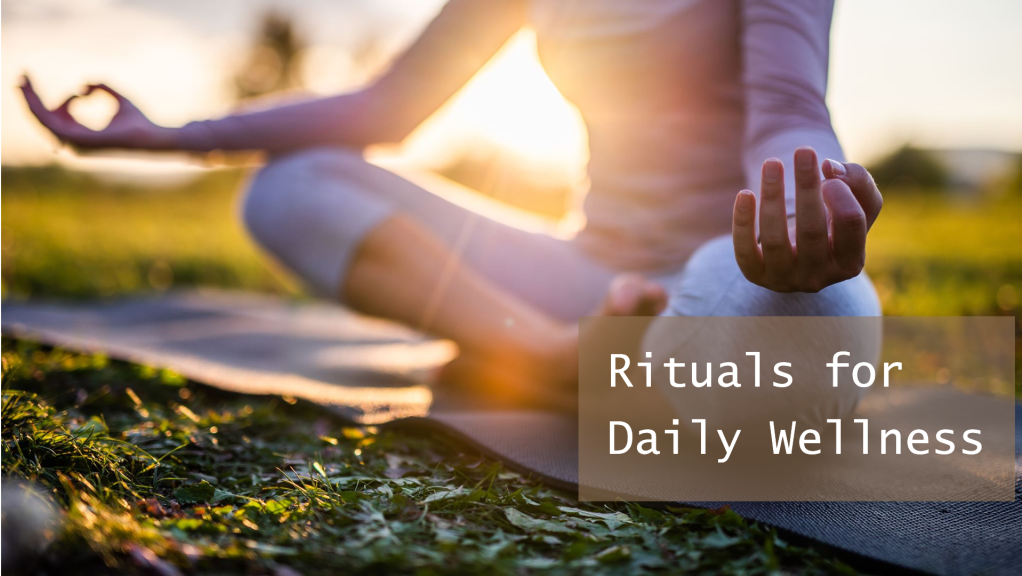
The Holistic Blueprint: Designing Your Environment for Total Wellness

In our fast-paced world, wellness often takes a back seat to the hustle of daily life. However, the environment we live and work in can have a profound impact on our well-being. The Holistic Blueprint is about designing your surroundings—whether it’s your home, office, or personal space—to promote physical, emotional, and mental wellness. By incorporating holistic elements into your environment, you create a sanctuary that fosters balance, peace, and optimal health.

What is the Holistic Blueprint?

The Holistic Blueprint is the intentional design of your environment using wellness-centered principles. This approach takes into account the importance of natural elements, energy flow, and sensory experiences. The goal is to create a space that not only feels good but actively supports your health, reducing stress and promoting mindfulness.

Key Elements of a Holistic Space

  1. Nature-Inspired Design
    Bringing the outdoors in is a cornerstone of holistic wellness. Plants, natural light, and earthy materials like wood, stone, and water can create a calming and rejuvenating atmosphere. Studies have shown that exposure to nature improves mood and reduces anxiety.
    • Tip: Add indoor plants, like snake plants or peace lilies, which purify the air while also promoting a sense of calm.
  2. Crystals and Energy Flow
    Crystals have long been used in holistic practices to balance energy. Whether you believe in their metaphysical properties or simply appreciate their beauty, placing crystals in your space can enhance the energy flow. Choose stones like amethyst for calming energy or citrine for positive vibes.
    • Tip: Place amethyst near your bed for better sleep, or rose quartz in your living room to invite love and compassion.
  3. Essential Oils and Aromatherapy
    Our sense of smell is closely tied to our emotions, and aromatherapy can be an effective tool for creating a relaxing environment. Diffuse essential oils like lavender for stress relief or eucalyptus for respiratory health.
    • Tip: Use a diffuser or create DIY room sprays using essential oils to customize the scent of your home.
  4. Sound Therapy for Balance
    Sound has a direct impact on our well-being. Tibetan singing bowls, wind chimes, or even calming playlists can bring a sense of peace and grounding to your space. Sound healing is a growing trend in wellness, believed to balance the body’s energy fields.
    • Tip: Use a sound bowl during meditation or simply play soothing music in the background to enhance relaxation.
  5. Decluttering and Feng Shui
    Feng Shui is the ancient Chinese practice of arranging your space to harmonize with natural energy flow. At its core, it’s about creating balance and reducing clutter, which can cause mental fog and stress. The placement of furniture, plants, and even the use of mirrors can influence the energy in your home.
    • Tip: Apply Feng Shui principles by keeping pathways clear, using mirrors to reflect light, and ensuring the bedroom promotes rest by placing the bed in a command position.
  6. Color Therapy
    Colors have a psychological effect on our mood. Warm colors like reds and oranges can energize a space, while cool colors like blues and greens have a calming effect. Color therapy is used to create environments that evoke specific feelings—calm, focus, creativity, or energy.
    • Tip: Choose calming colors like soft blues or greens for bedrooms and meditation spaces, and use vibrant hues in areas where you want to feel energized, like a workout space or home office.

How to Start Designing Your Holistic Space

Designing a holistic space doesn’t require a complete home makeover. Start by identifying the areas of your environment that feel stressful or disorganized and work from there. Here’s a step-by-step guide to get you started:

  1. Identify Your Goals: Are you looking to create a calming environment? Increase productivity? Foster creativity? Knowing your goal will help you choose the right elements.
  2. Add Natural Elements: Begin with simple additions like plants, natural materials, and diffused lighting to bring in a sense of nature.
  3. Clear the Clutter: A clean, organized space is crucial for mental clarity. Remove any items that no longer serve you and reorganize for better energy flow.
  4. Incorporate Wellness Tools: Introduce elements like crystals, essential oils, or sound healing tools that align with your wellness goals.
  5. Focus on the Senses: Create a multi-sensory environment by considering how your space looks, smells, and sounds. The goal is to engage all the senses in a way that promotes relaxation and well-being.

Conclusion

By designing your environment with holistic wellness in mind, you create a space that nurtures and supports your health, both physically and emotionally. Whether you’re bringing in plants, diffusing essential oils, or rearranging your furniture for better energy flow, every change contributes to a more balanced, serene lifestyle. Your environment should be a reflection of your wellness journey, offering peace and restoration in every corner.


For more insights on how to integrate wellness into your daily life, check out my book, The Mindful Executive: https://www.amazon.com/dp/B0D75YJCLW.
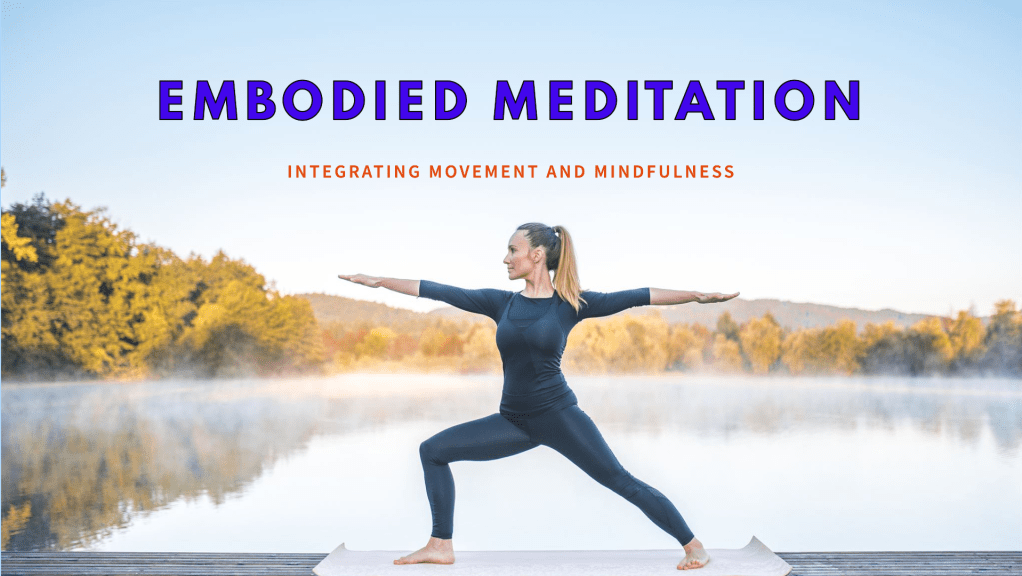
Harnessing the Power of Rituals for Daily Wellness

Rituals have been an integral part of human culture for centuries, providing structure, comfort, and meaning to our lives. In today’s fast-paced world, incorporating intentional rituals into your daily routine can significantly enhance your overall well-being. Whether it’s a morning ritual to set the tone for your day, a mindfulness practice to reduce stress, or an evening routine to wind down, the power of rituals lies in their ability to bring consistency, mindfulness, and balance to your life.

1. The Science Behind Rituals

Rituals are more than just repetitive actions; they have a profound impact on our psychological well-being. Studies have shown that rituals can reduce anxiety, increase confidence, and even improve performance. The act of performing a ritual, whether simple or complex, gives a sense of control and predictability in an otherwise chaotic world.

2. Morning Rituals: Starting the Day with Intention

How you start your day can set the tone for the rest of it. A well-crafted morning ritual can help you feel grounded, focused, and ready to tackle the day’s challenges. Consider incorporating activities such as:

  • Mindful Meditation: Spend 5-10 minutes focusing on your breath and setting an intention for the day.
  • Gratitude Journaling: Write down three things you’re grateful for each morning to cultivate a positive mindset.
  • Nourishing Breakfast: Prepare a healthy, balanced meal to fuel your body and mind.

3. Midday Rituals: Re-centering and Recharging

In the middle of a busy day, it’s easy to feel overwhelmed. Incorporating a midday ritual can help you re-center and recharge:

  • Breathwork: Take a few minutes to practice deep breathing exercises to calm your mind and body.
  • Stretching: A short stretching routine can relieve physical tension and increase your energy levels.
  • Mindful Eating: If possible, enjoy a lunch break away from your desk, focusing on the flavors and textures of your food.

4. Evening Rituals: Winding Down for Restful Sleep

Evening rituals are essential for signaling to your body that it’s time to wind down. Establishing a consistent evening routine can improve your sleep quality and overall health:

  • Digital Detox: Avoid screens at least an hour before bed to reduce blue light exposure and help your mind relax.
  • Relaxing Bath: A warm bath with Epsom salts or essential oils can soothe your muscles and prepare you for sleep.
  • Reflective Journaling: Write down your thoughts, worries, or achievements of the day to clear your mind before bed.

5. Weekly and Monthly Rituals: Long-Term Well-Being

In addition to daily rituals, consider establishing weekly or monthly rituals to maintain long-term well-being:

  • Weekly Reflection: Take time each week to reflect on your goals, progress, and challenges. Adjust your plans as necessary to stay on track.
  • Monthly Self-Care Day: Dedicate one day each month to indulge in activities that rejuvenate your body and mind, such as a spa day, hiking, or a creative hobby.

Conclusion

Rituals offer more than just routine; they provide an anchor in our lives, helping us navigate through the ups and downs with grace and intention. By integrating rituals into your daily life, you can cultivate a greater sense of balance, mindfulness, and overall well-being. Start small, be consistent, and watch how these simple practices transform your life.

Call to Action: Ready to harness the power of rituals for your daily wellness? Start today by integrating one small ritual into your routine, and feel the difference it makes in your life. Visit our Holistic Wellness Guide for more tips and inspiration on living a balanced and healthy life.

Embodied Meditation: Integrating Movement and Mindfulness for a Deeper Connection to Your Body

In the fast-paced world we live in, finding ways to connect deeply with our bodies and minds has become more essential than ever. Embodied meditation offers a unique approach that bridges the gap between traditional meditation practices and physical movement, allowing us to achieve a profound sense of mindfulness and holistic well-being.

The Concept of Embodied Meditation

Embodied meditation is not just about sitting still and focusing on your breath. It’s about becoming fully present in your body through mindful movement. Whether it’s through yoga, Tai Chi, or simple stretching exercises, embodied meditation encourages you to feel every sensation, notice every tension, and release every stressor held in your body. This practice is rooted in the understanding that our physical body holds emotions, memories, and stress, and by engaging in mindful movement, we can begin to release these stored energies and create a more harmonious state of being.

For example, in yoga, the focus is not only on the physical postures but also on the breath and the flow of energy within the body. Each movement is an opportunity to connect deeper with oneself, to understand the body’s needs, and to cultivate a sense of inner peace. The same principle applies to other forms of embodied meditation, such as Qi Gong, which integrates slow, deliberate movements with breath control and mental focus to promote healing and balance within the body.

Benefits of Embodied Meditation

  1. Enhanced Body Awareness
    • Embodied meditation helps you develop a deeper connection with your body, making you more aware of its signals. This heightened awareness can lead to better posture, reduced pain, and an overall improvement in physical health. As you move, you become more attuned to how your body feels, which can help in identifying areas of tension or discomfort that you may not have noticed otherwise.
  2. Reduction of Stress and Anxiety
    • By focusing on the physical sensations in your body, embodied meditation can help calm the mind and reduce stress. The physical act of moving with intention allows you to release pent-up energy and emotions, which can be particularly effective in managing anxiety and improving mental clarity. For instance, studies have shown that practices like Tai Chi and yoga can significantly reduce levels of cortisol, the stress hormone, in the body.
  3. Improved Emotional Resilience
    • Movement combined with mindfulness helps in processing emotions more effectively. When you engage in embodied meditation, you are not just moving your body; you are also moving through your emotions, allowing them to flow and release naturally. This can lead to greater emotional resilience, as you become better equipped to handle life’s challenges with a calm and centered mindset.
  4. Increased Focus and Mental Clarity
    • Engaging both the mind and body in meditation enhances cognitive function. When you practice embodied meditation, the mind is less likely to wander because it is actively engaged in coordinating movement and breath. This dual focus helps improve concentration, memory, and overall mental sharpness. According to a study published in the journal Frontiers in Psychology, regular practice of mindful movement can lead to significant improvements in attention and cognitive function.
  5. Holistic Health and Well-being
    • Embodied meditation is a holistic practice that benefits not just the mind, but the entire body. By integrating movement into your meditation practice, you are promoting circulation, flexibility, and strength, all of which contribute to overall health and longevity. Moreover, the mindful aspect of this practice ensures that you are not just going through the motions, but truly connecting with your body on a deeper level.

Practical Tips for Embodied Meditation

  1. Start with Simple Movements: Begin with movements you are comfortable with, such as gentle stretching or walking. The key is to focus on the sensations in your body as you move. Notice how your muscles feel, how your breath flows, and how your body responds to each movement.
  2. Incorporate Breath Awareness: Sync your movements with your breath. For example, as you stretch, inhale deeply to expand your body and exhale slowly to release tension. This not only enhances the meditative experience but also helps in regulating your nervous system.
  3. Be Present in Every Moment: It’s easy for the mind to wander, even during movement. If you find yourself lost in thought, gently bring your focus back to your body and the present moment. The more you practice, the easier it will become to stay grounded in your body.
  4. Use Guided Practices: If you’re new to embodied meditation, consider following a guided practice. There are numerous resources available online, such as guided yoga sessions or Tai Chi tutorials, that can help you get started.
  5. Reflect Post-Practice: After your session, take a few minutes to sit quietly and reflect on your experience. Notice any changes in your body, mind, or emotions. Journaling about your practice can also help deepen your awareness and track your progress over time.

Conclusion

Embodied meditation offers a unique path to mindfulness that incorporates the wisdom of the body into the meditative process. By combining movement with mindful awareness, you can deepen your connection to yourself, reduce stress, and enhance your overall well-being. Whether you’re looking to improve your mental clarity, emotional resilience, or physical health, embodied meditation is a powerful practice that can support your holistic journey.

Call to Action

Begin your journey with embodied meditation today and discover the profound benefits of integrating movement with mindfulness. Visit Holistic Wellness Guide for more insights and resources on how to incorporate this practice into your daily life.

#EmbodiedMeditation #Mindfulness #HolisticHealth #MindBodyConnection #StressRelief #Yoga #TaiChi #WellnessJourney #EmotionalResilience #HolisticWellness

Neuroplasticity and Mindfulness: How Meditation Can Reshape Your Brain for the Better

Neuroplasticity is the brain’s remarkable ability to reorganize itself by forming new neural connections throughout life. This concept has gained significant attention in recent years, particularly in relation to mindfulness and meditation practices. These ancient practices are now backed by modern science, showing how regular meditation can enhance neuroplasticity, leading to improved mental health, emotional balance, and cognitive function.

The Science Behind Neuroplasticity Neuroplasticity is the foundation of how our brains adapt to new experiences, learn new skills, and recover from injuries. It is the brain’s ability to rewire itself, and it’s driven by our thoughts, behaviors, and environments. This means that we are not stuck with the brain we have; instead, we can actively shape it to improve our quality of life.

Studies have shown that mindfulness meditation can significantly enhance neuroplasticity. For example, a study published in NeuroImage found that individuals who engaged in an eight-week mindfulness meditation program had increased gray matter density in brain regions associated with memory, learning, and emotional regulation .

How Meditation Enhances Neuroplasticity Meditation practices, particularly mindfulness meditation, engage the brain in ways that promote neuroplastic changes. These changes are not only beneficial for emotional regulation but also for improving focus, memory, and resilience to stress.

  1. Increased Gray Matter: Regular meditation increases the gray matter in the hippocampus, a region of the brain associated with learning and memory. This can lead to enhanced cognitive abilities and better memory retention.
  2. Thicker Prefrontal Cortex: The prefrontal cortex, responsible for higher-order thinking and decision-making, becomes thicker with consistent meditation practice. This means better problem-solving skills, improved attention, and a more balanced emotional state.
  3. Reduced Amygdala Activity: The amygdala, known as the brain’s fear center, becomes less active with meditation. This reduction in activity leads to a decrease in stress and anxiety, allowing for a more calm and composed mind .

Practical Steps to Incorporate Meditation for Brain Health Incorporating mindfulness meditation into your daily routine can be simple yet transformative. Here are some practical steps to get started:

  1. Start Small: Begin with just 5-10 minutes of mindfulness meditation each day. Gradually increase the time as you become more comfortable with the practice.
  2. Consistency is Key: Regularity is more important than duration. Aim to meditate at the same time each day to build a habit.
  3. Focus on Your Breath: Concentrate on your breathing, paying attention to each inhale and exhale. This helps anchor your mind and reduces the likelihood of distraction.
  4. Use Guided Meditations: If you’re new to meditation, guided sessions can be very helpful. Apps like Headspace or Calm offer excellent resources to get you started.
  5. Be Patient: Neuroplasticity takes time. The benefits of meditation will accumulate over weeks and months, so be patient and persistent with your practice .

Conclusion The ability to reshape your brain through mindfulness meditation is a powerful tool for enhancing mental well-being and cognitive function. By committing to a regular meditation practice, you can take control of your neuroplasticity, leading to a healthier, more resilient brain.

Call to Action Start your mindfulness journey today and experience the transformative effects of meditation on your brain. For more tips and guides on holistic wellness, visit Holistic Wellness Guide.

9 Things to Let Go of to Become a Stronger, Happier Person

1. Negative Self-Talk

2. Fear of Failure

  • Description: Fear of failure can paralyze your actions and prevent you from pursuing your goals. Embrace failure as a learning opportunity and a stepping stone to success.
  • Link: Forbes on Embracing Failure

3. Grudges and Resentment

  • Description: Holding onto grudges and resentment weighs you down emotionally. Practice forgiveness to free yourself from the past and focus on the present.
  • Link: Psychology Today on Forgiveness

4. Perfectionism

5. Toxic Relationships

6. Comparison with Others

7. Need for Approval

8. Unhealthy Habits

  • Description: Unhealthy habits such as poor diet, lack of exercise, and inadequate sleep can affect your physical and mental well-being. Adopt a healthier lifestyle for overall happiness.
  • Link: Mayo Clinic on Breaking Unhealthy Habits

9. Fear of Change

  • Description: Fear of change can prevent you from exploring new opportunities. Embrace change as a chance for growth and new experiences.
  • Link: Psychology Today on Embracing Change

Conclusion Letting go of these nine things can lead to a stronger, happier, and more fulfilling life. Focus on building positive habits and nurturing your mental and emotional health.

Call to Action: Start your journey towards a stronger, happier self today by letting go of these limiting factors. Visit Holistic Wellness Guide for more insights and tips on personal growth and happiness.

#PersonalGrowth #Happiness #MentalHealth #SelfImprovement #PositiveLiving #LetGo #HolisticWellness #EmotionalHealth #Wellbeing

The Key to Lifelong Happiness: Mindfulness and Joy

Achieving lifelong happiness often seems like an elusive goal. However, incorporating mindfulness into your daily routine can be a transformative approach to finding joy and contentment. This guide explores how mindfulness can enhance your overall well-being and lead to a happier, more fulfilled life.

Understanding Mindfulness

1. What is Mindfulness?

  • Definition: Mindfulness is the practice of being fully present and engaged in the moment, aware of your thoughts and feelings without distraction or judgment.
  • Benefits: It helps reduce stress, improve mental clarity, and enhance emotional regulation.

2. The Science Behind Mindfulness

  • Research Findings: Studies show that regular mindfulness practice can lead to structural changes in the brain, enhancing areas responsible for focus, empathy, and emotional resilience.
  • Health Benefits: Reduced cortisol levels, lower blood pressure, and improved immune function.

Practicing Mindfulness

1. Daily Mindfulness Routine

  • Morning Meditation: Start your day with a 10-minute meditation session to set a positive tone.
  • Mindful Eating: Pay attention to the taste, texture, and smell of your food, savoring each bite.
  • Mindful Walking: Take a walk while focusing on the sensation of your feet touching the ground and the rhythm of your breath.

2. Techniques for Mindfulness

  • Breathing Exercises: Practice deep breathing to calm your mind and body.
  • Body Scan Meditation: Focus on each part of your body, from head to toe, to release tension and stress.
  • Gratitude Journaling: Write down three things you’re grateful for each day to cultivate a positive mindset.

Integrating Mindfulness into Your Life

1. Work and Productivity

  • Mindful Breaks: Take short breaks to breathe deeply and reset your mind during work.
  • Focus Techniques: Use mindfulness to improve concentration and productivity by working on one task at a time.

2. Relationships

  • Active Listening: Practice being fully present in conversations, listening without interrupting or judging.
  • Emotional Awareness: Use mindfulness to become more aware of your emotions and respond thoughtfully in interactions.

3. Personal Growth

  • Self-Reflection: Regularly reflect on your thoughts and behaviors to gain insights and foster personal growth.
  • Goal Setting: Use mindfulness to set realistic and meaningful goals, breaking them down into manageable steps.

Conclusion

Incorporating mindfulness into your daily life can significantly enhance your happiness and well-being. By practicing mindfulness, you can enjoy each moment more fully, improve your mental and physical health, and build stronger, more meaningful relationships.

Call to Action: Start your journey to lifelong happiness today by incorporating mindfulness practices into your routine. Visit Holistic Wellness Guide for more tips and insights on living a joyful and mindful life.

#Mindfulness #LifelongHappiness #HolisticWellness #MentalHealth #EmotionalWellbeing #MindfulLiving #DailyJoy #StressRelief #PersonalGrowth #PositiveMindset

From Stress to Success: How Meditation Helps Students Excel in Academics

Meditation is a powerful tool that can transform a student’s academic journey from one filled with stress to one of success. Here’s how incorporating meditation into daily routines can help students excel academically.


1. Reduces Stress and Anxiety

Meditation helps to calm the mind, reducing the levels of stress and anxiety that often accompany academic pressures. By promoting relaxation, students can approach their studies with a clearer, more focused mind.

Benefits:

  • Lowers cortisol levels
  • Promotes mental clarity
  • Reduces feelings of overwhelm

Learn more about how meditation reduces stress: Psychology Today


2. Improves Concentration and Focus

Regular meditation practice enhances concentration and focus, making it easier for students to absorb and retain information. This improved attention span can lead to better academic performance.

Benefits:

  • Increases attention span
  • Enhances memory retention
  • Boosts cognitive function

Explore the benefits of meditation on concentration: Mayo Clinic


3. Enhances Emotional Well-Being

Meditation promotes emotional stability, helping students to manage their emotions better. This emotional balance can lead to a more positive outlook on their academic responsibilities and interactions with peers and teachers.

Benefits:

  • Reduces negative emotions
  • Increases self-awareness
  • Promotes a positive mindset

Discover how meditation enhances emotional well-being: Harvard Health


4. Boosts Creativity

Meditation encourages a state of relaxed awareness, which can boost creativity. Students who meditate regularly may find it easier to think outside the box and come up with innovative solutions to problems.

Benefits:

  • Encourages creative thinking
  • Enhances problem-solving skills
  • Stimulates imagination

Learn how meditation boosts creativity: Forbes


5. Improves Academic Performance

The cumulative benefits of meditation, including reduced stress, improved focus, and enhanced emotional well-being, contribute to better academic performance. Students who meditate regularly tend to achieve higher grades and perform better in exams.

Benefits:

  • Higher grades
  • Better exam performance
  • Improved overall academic outcomes

Read about the academic benefits of meditation: Mindful Schools

Call to Action

Incorporate meditation into your daily routine to transform your academic journey from stress to success. Visit Holistic Wellness Guide for more tips on integrating mindfulness practices into your life.

#Meditation #AcademicSuccess #StudentLife #Mindfulness #StressRelief #Focus #Concentration #EmotionalWellBeing #Creativity #HolisticWellness

Unstoppable You: Habits to Build Physical and Mental Strength

Developing habits that enhance your physical and mental strength can transform your life. Here are some powerful habits to help you become a stronger person.

1. Regular Exercise

Consistent physical activity is essential for building strength. Incorporate a mix of cardio, strength training, and flexibility exercises into your routine. Learn more about the benefits of regular exercise.

2. Healthy Eating

Fuel your body with nutritious foods that support muscle growth and overall health. Focus on lean proteins, healthy fats, whole grains, and plenty of fruits and vegetables. Explore healthy eating tips.

3. Adequate Sleep

Sleep is crucial for recovery and mental clarity. Aim for 7-9 hours of quality sleep each night to ensure your body and mind are well-rested. Understand the importance of sleep.

4. Mindfulness and Meditation

Practicing mindfulness and meditation helps reduce stress and enhances mental resilience. Spend a few minutes each day in meditation to strengthen your mind. Learn how to meditate.

5. Setting Goals

Setting and achieving goals gives you a sense of purpose and accomplishment. Start with small, attainable goals and gradually work towards larger ones. Discover goal-setting strategies.

6. Continuous Learning

Engage in lifelong learning to keep your mind sharp and adaptable. Read books, take courses, and seek new knowledge regularly. Explore the benefits of lifelong learning.

7. Positive Thinking

Cultivate a positive mindset by challenging negative thoughts and focusing on your strengths. Positive thinking can improve your mood and overall mental health. Explore techniques for positive thinking.

8. Building Resilience

Develop resilience by embracing challenges and viewing failures as opportunities to learn. Building resilience helps you navigate life’s ups and downs with strength and grace. Learn about building resilience.

9. Healthy Relationships

Surround yourself with supportive and positive people. Strong social connections provide emotional support and enhance your well-being. Understand the importance of healthy relationships.

10. Practicing Self-Care

Take time to care for yourself through activities that rejuvenate and energize you. Self-care is essential for maintaining both physical and mental strength. Discover self-care tips.

Call to Action

Incorporate these habits into your daily life to build both physical and mental strength. Visit Holistic Wellness Guide for more tips and insights on leading a balanced and fulfilling life.

#BuildStrength #HealthyHabits #Mindfulness #PositiveThinking #Exercise #SelfCare #MentalHealth #Resilience #HealthyEating #HolisticWellness