

The Power of Mind-Body Connection: How Your Thoughts Influence Your Health

In today’s fast-paced world, the mind-body connection has become an essential topic of discussion among health enthusiasts, scientists, and spiritual leaders alike. The idea that our mental state can influence our physical health isn’t new, but it’s gaining more recognition and credibility as research continues to shed light on the profound impact our thoughts, emotions, and mental habits can have on our overall well-being.

1. Understanding the Mind-Body Connection

The mind-body connection is the concept that our thoughts, feelings, beliefs, and attitudes can positively or negatively affect our biological functioning. In other words, our minds have the power to influence our bodies, and vice versa. This connection is evident in everyday experiences — like how stress can lead to a headache or how a positive mindset can improve recovery from illness.

Research has shown that psychological stress can manifest physically, leading to various health problems, including heart disease, digestive issues, and a weakened immune system. Conversely, practices that promote mental well-being, such as mindfulness, meditation, and positive thinking, can enhance physical health and longevity.

2. The Science Behind the Connection

Several studies have explored how the mind-body connection works. For example, the field of psychoneuroimmunology examines how our mental and emotional states affect our immune system. When we’re stressed, our bodies release cortisol, a hormone that, in high levels, can suppress the immune system and increase the risk of disease.

Moreover, neuroplasticity — the brain’s ability to reorganize itself by forming new neural connections — plays a crucial role in how our thoughts and experiences shape our brain structure and function. Meditation and mindfulness practices have been shown to increase gray matter in the brain, improve emotional regulation, and reduce symptoms of anxiety and depression.

3. Practices to Strengthen the Mind-Body Connection

The good news is that there are several ways to enhance the mind-body connection and improve overall health. Here are some effective practices:

  • Mindfulness Meditation: Regular mindfulness meditation can help you become more aware of your thoughts and how they influence your emotions and physical sensations. This practice can reduce stress, improve focus, and enhance emotional resilience.
  • Breathwork: Controlled breathing exercises can help calm the nervous system, reduce stress, and improve mental clarity. Practices like diaphragmatic breathing, box breathing, or alternate nostril breathing are simple yet powerful tools to connect the mind and body.
  • Yoga: Yoga combines physical postures, breath control, and meditation to create a holistic practice that benefits both the mind and body. It has been shown to reduce stress, improve flexibility, and promote a sense of inner peace.
  • Journaling: Writing down your thoughts and feelings can help you process emotions and gain insight into how your mind influences your body. Journaling can also be a therapeutic practice for managing stress and anxiety.
  • Gratitude Practice: Focusing on gratitude can shift your mindset from negativity to positivity, which can have a profound impact on your physical health. Regularly acknowledging what you’re grateful for can improve your mood, boost your immune system, and even improve sleep quality.

4. Real-Life Examples of Mind-Body Healing

Many individuals have experienced profound healing through mind-body practices. For instance, cancer patients who incorporate mindfulness and meditation into their treatment plan often report reduced stress, less pain, and a better quality of life. Athletes, too, use visualization techniques to enhance their performance, demonstrating the powerful connection between the mind and physical capabilities.

5. Integrating Mind-Body Practices into Your Daily Life

It’s not necessary to overhaul your entire routine to benefit from the mind-body connection. Start small by incorporating one or two practices into your daily life:

  • Morning Mindfulness: Begin your day with a few minutes of mindfulness meditation to set a positive tone for the day.
  • Lunchtime Breathing Exercises: Take a few deep breaths before or after lunch to re-center and reduce stress.
  • Evening Journaling: Reflect on your day and jot down any thoughts or feelings that arise, helping you clear your mind before bed.

Conclusion

The mind-body connection is a powerful tool for enhancing overall health and well-being. By understanding and nurturing this connection, we can better manage stress, improve our physical health, and live more balanced, fulfilling lives. Start integrating these practices into your routine today and experience the transformative effects of a healthy mind-body relationship.

Call to Action: Ready to unlock the power of the mind-body connection? Visit our Holistic Wellness Guide for more tips, insights, and practices to help you achieve holistic health and well-being.


The Power of Rituals: How Creating Daily Wellness Rituals Can Transform Your Life

There was a time when my days felt like a chaotic blur, rushing from one task to the next with little time to breathe, let alone reflect. The idea of creating daily rituals seemed unnecessary, even frivolous. But as burnout loomed, I realized something had to change. And that’s when I discovered the transformative power of rituals.

The Discovery of Rituals: My journey into rituals began with a simple morning routine—something I could control amidst the unpredictability of life. Inspired by the Ayurvedic practice of Abhyanga, or self-massage, I started incorporating this into my mornings. It wasn’t just about the physical act of applying oil to my skin; it was about starting the day with intention, care, and presence. This small ritual became a sacred moment of calm before the day’s chaos.

Creating Your Own Rituals: Rituals don’t have to be elaborate to be effective. They can be as simple as a cup of herbal tea enjoyed in silence or a few minutes of deep breathing before bed. The key is consistency—engaging in these practices regularly helps anchor your day in moments of peace and reflection. For example, a nightly journaling ritual can help you process the day’s events, set intentions, and clear your mind for restful sleep.

The Impact of Rituals: As I incorporated more rituals into my life, I noticed a profound shift. My stress levels dropped, my focus improved, and I found myself more grounded and connected. Whether it was a mid-day mindfulness break or an evening gratitude practice, these rituals provided structure, stability, and a sense of purpose.

Scientific Perspective: Research supports the benefits of rituals, showing that they can reduce anxiety, enhance performance, and improve mental health . Rituals create a sense of control and predictability, which is particularly comforting in times of uncertainty. They also help in establishing healthy habits, reinforcing positive behavior through repetition.

Conclusion: Incorporating daily rituals into your life isn’t just about adding more to your to-do list—it’s about creating space for what truly matters. These small, intentional practices can transform not only your day but your entire approach to life. I invite you to start with just one ritual and see how it changes your world.

DailyRituals #MindfulLiving #WellnessJourney #SelfCare #HolisticHealth #MentalHealth #WellnessRituals #CalmAndCentered #MindBodySoul

How Forest Bathing Can Transform Your Mental Health: A Personal Journey into Nature’s Healing Power

I used to be someone who scoffed at the idea of nature therapy. The thought of walking aimlessly through a forest in search of “healing” seemed, well, a bit too whimsical for my taste. But life has a way of humbling you, and after a particularly stressful year, I found myself desperate for a change.

The First Encounter with Forest Bathing: My introduction to Shinrin-yoku, or Forest Bathing, came unexpectedly during a conversation with a friend. She spoke of it as a form of meditation that involves immersing oneself in a forest environment, not just to walk or hike, but to truly connect with nature. Curious, I decided to give it a try. I remember my first attempt vividly—it was awkward at first, feeling self-conscious about just standing among the trees, breathing deeply. But as I began to focus on the rustle of leaves, the scent of pine, and the dappled sunlight filtering through the branches, I felt something shift within me.

The Journey into the Forest: The first few minutes of my forest experience were tinged with doubt. But gradually, the sounds of distant birds and the whispering wind became a soothing symphony. I found a quiet spot beneath a large oak tree, closed my eyes, and just listened. It wasn’t long before the noise of my thoughts began to quiet, replaced by a sense of calm I hadn’t felt in years.

The Healing Effects: By the time I left the forest, I felt lighter, as if the weight of my stress had been left among the roots and leaves. Over the following weeks, I made forest visits a weekly ritual. Each time, I noticed a deeper sense of peace, improved sleep, and a marked decrease in anxiety. The forest, it seemed, was a therapist of sorts, offering solace in its silence and wisdom in its ancient presence.

Scientific Backing: Forest Bathing isn’t just a whimsical idea—it’s backed by science. Research has shown that spending time in nature can lower cortisol levels, reduce blood pressure, and even boost immune function. Studies published by the National Institutes of Health have highlighted how Shinrin-yoku can significantly improve mood and reduce stress, making it a powerful tool for mental health .

How to Start Your Own Practice: If you’re interested in trying Forest Bathing yourself, you don’t need to live near a national park. Even local parks or wooded areas can provide the natural environment needed for this practice. The key is to engage all your senses: feel the texture of the bark, listen to the birds, smell the fresh earth, and allow yourself to be fully present. If you’re in an urban area, creating a small nature sanctuary at home with plants, natural light, and nature sounds can also be effective.

Conclusion: Forest Bathing has become a cornerstone of my self-care routine, a way to reconnect with myself and the world around me. It’s more than just a walk in the woods—it’s a profound practice of mindfulness and healing. I encourage you to step into the forest and experience its quiet magic for yourself.

The Ayurvedic Approach to Diet: Tailoring Your Eating Habits to Your Unique Constitution

Ayurveda, the ancient Indian system of medicine, offers a holistic approach to health that emphasizes balance and harmony. One of the key components of Ayurvedic practice is the concept of tailoring your diet to your unique constitution, known as your dosha. According to Ayurveda, each person has a specific dosha (Vata, Pitta, or Kapha) that influences their physical, mental, and emotional characteristics. Understanding your dosha can help you make dietary choices that promote optimal health and well-being.

Understanding the Doshas

  • Vata: Associated with air and space, Vata governs movement, including circulation, breathing, and the nervous system. Individuals with a Vata constitution tend to be energetic, creative, and quick-thinking but may struggle with anxiety, dry skin, and digestive issues.
  • Pitta: Linked to fire and water, Pitta controls metabolism, digestion, and body temperature. Those with a Pitta constitution are often strong-willed, focused, and intense but may experience inflammation, heartburn, and irritability.
  • Kapha: Representing earth and water, Kapha is responsible for structure, stability, and lubrication in the body. Kapha individuals are typically calm, nurturing, and grounded but may struggle with weight gain, congestion, and lethargy.

Tailoring Your Diet to Your Dosha

  1. Vata Diet: Warm, Nourishing Foods
    • Recommendations: Vata types benefit from warm, cooked foods that are easy to digest. Incorporate soups, stews, root vegetables, and grains like rice and oats. Use warming spices like ginger, cinnamon, and turmeric to stimulate digestion.
    • Avoid: Cold, raw foods, and carbonated drinks can aggravate Vata, leading to digestive discomfort and anxiety.
  2. Pitta Diet: Cooling, Soothing Foods
    • Recommendations: Pitta types should focus on cooling, hydrating foods such as fresh fruits, leafy greens, and whole grains like barley and quinoa. Dairy products like milk and ghee can also be beneficial. Include cooling herbs like cilantro, mint, and fennel in your meals.
    • Avoid: Spicy, acidic, and fried foods can increase Pitta, leading to inflammation and irritability.
  3. Kapha Diet: Light, Energizing Foods
    • Recommendations: Kapha individuals thrive on light, stimulating foods that are low in fat and easy to digest. Opt for fresh vegetables, legumes, and grains like millet and buckwheat. Incorporate warming spices like black pepper, cumin, and turmeric to boost metabolism.
    • Avoid: Heavy, oily, and sugary foods can exacerbate Kapha, leading to weight gain and sluggishness.

Practical Tips for Incorporating Ayurveda into Your Diet

  • Eat Seasonally: Adjust your diet according to the seasons to maintain balance. For example, eat lighter, cooling foods in the summer and warm, nourishing foods in the winter.
  • Mindful Eating: Practice mindfulness during meals by eating slowly, chewing thoroughly, and focusing on the flavors and textures of your food.
  • Listen to Your Body: Pay attention to how your body responds to different foods and adjust your diet accordingly.

Case Study: A Pitta’s Journey to Balance

Meet Priya, a 32-year-old marketing executive with a Pitta constitution. Priya struggled with frequent heartburn, irritability, and skin rashes. After learning about Ayurveda, she began incorporating cooling foods like cucumbers, melons, and coconut water into her diet. She also reduced her intake of spicy and fried foods. Within a few weeks, Priya noticed a significant improvement in her symptoms. Her heartburn subsided, her skin cleared up, and she felt more emotionally balanced.

Call to Action: Discover your dosha and start tailoring your diet to achieve balance and well-being. Embrace the wisdom of Ayurveda and take the first step towards a healthier, more harmonious life.

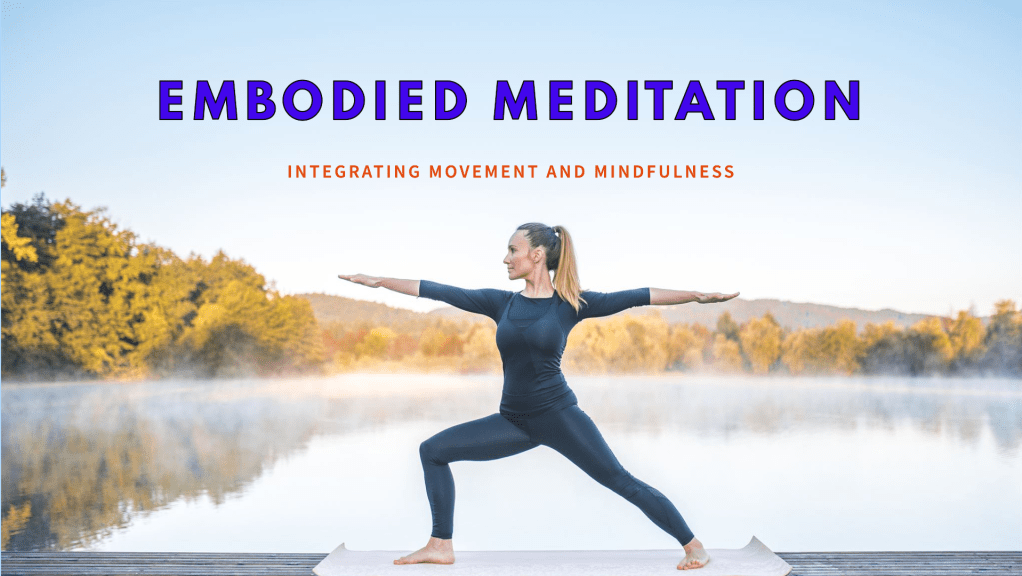
Embodied Meditation: Integrating Movement and Mindfulness for a Deeper Connection to Your Body

In the fast-paced world we live in, finding ways to connect deeply with our bodies and minds has become more essential than ever. Embodied meditation offers a unique approach that bridges the gap between traditional meditation practices and physical movement, allowing us to achieve a profound sense of mindfulness and holistic well-being.

The Concept of Embodied Meditation

Embodied meditation is not just about sitting still and focusing on your breath. It’s about becoming fully present in your body through mindful movement. Whether it’s through yoga, Tai Chi, or simple stretching exercises, embodied meditation encourages you to feel every sensation, notice every tension, and release every stressor held in your body. This practice is rooted in the understanding that our physical body holds emotions, memories, and stress, and by engaging in mindful movement, we can begin to release these stored energies and create a more harmonious state of being.

For example, in yoga, the focus is not only on the physical postures but also on the breath and the flow of energy within the body. Each movement is an opportunity to connect deeper with oneself, to understand the body’s needs, and to cultivate a sense of inner peace. The same principle applies to other forms of embodied meditation, such as Qi Gong, which integrates slow, deliberate movements with breath control and mental focus to promote healing and balance within the body.

Benefits of Embodied Meditation

  1. Enhanced Body Awareness
    • Embodied meditation helps you develop a deeper connection with your body, making you more aware of its signals. This heightened awareness can lead to better posture, reduced pain, and an overall improvement in physical health. As you move, you become more attuned to how your body feels, which can help in identifying areas of tension or discomfort that you may not have noticed otherwise.
  2. Reduction of Stress and Anxiety
    • By focusing on the physical sensations in your body, embodied meditation can help calm the mind and reduce stress. The physical act of moving with intention allows you to release pent-up energy and emotions, which can be particularly effective in managing anxiety and improving mental clarity. For instance, studies have shown that practices like Tai Chi and yoga can significantly reduce levels of cortisol, the stress hormone, in the body.
  3. Improved Emotional Resilience
    • Movement combined with mindfulness helps in processing emotions more effectively. When you engage in embodied meditation, you are not just moving your body; you are also moving through your emotions, allowing them to flow and release naturally. This can lead to greater emotional resilience, as you become better equipped to handle life’s challenges with a calm and centered mindset.
  4. Increased Focus and Mental Clarity
    • Engaging both the mind and body in meditation enhances cognitive function. When you practice embodied meditation, the mind is less likely to wander because it is actively engaged in coordinating movement and breath. This dual focus helps improve concentration, memory, and overall mental sharpness. According to a study published in the journal Frontiers in Psychology, regular practice of mindful movement can lead to significant improvements in attention and cognitive function.
  5. Holistic Health and Well-being
    • Embodied meditation is a holistic practice that benefits not just the mind, but the entire body. By integrating movement into your meditation practice, you are promoting circulation, flexibility, and strength, all of which contribute to overall health and longevity. Moreover, the mindful aspect of this practice ensures that you are not just going through the motions, but truly connecting with your body on a deeper level.

Practical Tips for Embodied Meditation

  1. Start with Simple Movements: Begin with movements you are comfortable with, such as gentle stretching or walking. The key is to focus on the sensations in your body as you move. Notice how your muscles feel, how your breath flows, and how your body responds to each movement.
  2. Incorporate Breath Awareness: Sync your movements with your breath. For example, as you stretch, inhale deeply to expand your body and exhale slowly to release tension. This not only enhances the meditative experience but also helps in regulating your nervous system.
  3. Be Present in Every Moment: It’s easy for the mind to wander, even during movement. If you find yourself lost in thought, gently bring your focus back to your body and the present moment. The more you practice, the easier it will become to stay grounded in your body.
  4. Use Guided Practices: If you’re new to embodied meditation, consider following a guided practice. There are numerous resources available online, such as guided yoga sessions or Tai Chi tutorials, that can help you get started.
  5. Reflect Post-Practice: After your session, take a few minutes to sit quietly and reflect on your experience. Notice any changes in your body, mind, or emotions. Journaling about your practice can also help deepen your awareness and track your progress over time.

Conclusion

Embodied meditation offers a unique path to mindfulness that incorporates the wisdom of the body into the meditative process. By combining movement with mindful awareness, you can deepen your connection to yourself, reduce stress, and enhance your overall well-being. Whether you’re looking to improve your mental clarity, emotional resilience, or physical health, embodied meditation is a powerful practice that can support your holistic journey.

Call to Action

Begin your journey with embodied meditation today and discover the profound benefits of integrating movement with mindfulness. Visit Holistic Wellness Guide for more insights and resources on how to incorporate this practice into your daily life.

#EmbodiedMeditation #Mindfulness #HolisticHealth #MindBodyConnection #StressRelief #Yoga #TaiChi #WellnessJourney #EmotionalResilience #HolisticWellness

The Power of Mind-Body Connection: Unlocking Your Full Potential

The concept of the mind-body connection emphasizes the powerful relationship between our mental and physical states. Understanding and nurturing this connection can significantly improve your overall well-being, productivity, and emotional resilience.

1. Understanding the Mind-Body Connection

The mind-body connection is the theory that our thoughts, feelings, and mental health directly impact our physical health. Stress, for instance, can lead to physical symptoms such as headaches, muscle tension, and a weakened immune system. Conversely, maintaining a healthy physical state through exercise, nutrition, and sleep can enhance mental clarity and emotional stability.

2. Techniques to Strengthen the Mind-Body Connection

  • Mindfulness Meditation: Practicing mindfulness can reduce stress, improve focus, and foster a sense of calm. Incorporating regular meditation into your routine helps align your mental and physical states, leading to a more harmonious existence.
  • Breathing Exercises: Deep breathing techniques, like diaphragmatic breathing, can calm the nervous system and reduce stress hormones, promoting a state of relaxation and mental clarity.
  • Physical Exercise: Regular exercise not only strengthens the body but also boosts mood and cognitive function by increasing the release of endorphins, the brain’s natural mood lifters.

3. Benefits of a Strong Mind-Body Connection

  • Improved Mental Health: Strengthening the mind-body connection can alleviate symptoms of anxiety and depression, leading to a more positive outlook on life.
  • Enhanced Physical Health: A positive mental state can improve immune function, lower blood pressure, and increase overall vitality.
  • Increased Emotional Resilience: By fostering a strong mind-body connection, you become better equipped to handle life’s challenges with grace and poise.

4. Practical Tips for Daily Mind-Body Practice

  • Start Your Day with Meditation: Begin your morning with a 10-minute mindfulness meditation to set a positive tone for the day.
  • Incorporate Movement into Your Routine: Engage in daily physical activities, such as yoga, walking, or strength training, to keep both your mind and body in peak condition.
  • Practice Gratitude: Before bed, take a few minutes to reflect on what you’re grateful for. This practice can enhance your emotional well-being and strengthen your mind-body connection.

Call to Action:

Start integrating mind-body practices into your daily routine to unlock your full potential. Visit Holistic Wellness Guide for more tips on enhancing your mental and physical well-being.

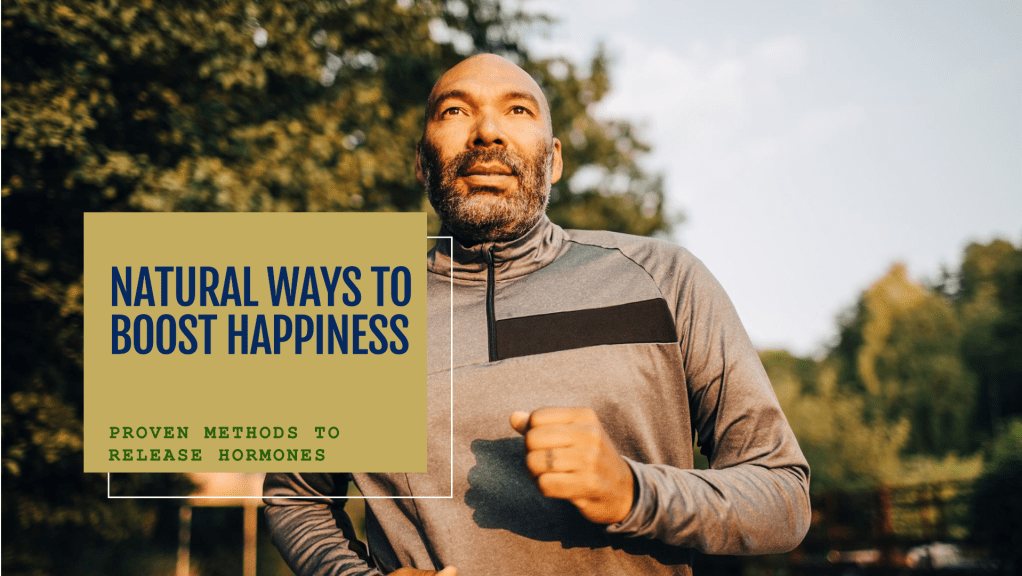
Proven Methods: How to Release Happiness Hormones Naturally

Happiness hormones, also known as “feel-good” hormones, play a crucial role in regulating our mood, stress levels, and overall well-being. By incorporating certain habits and activities into your daily life, you can naturally boost the production of these hormones and enhance your emotional health. Here are some effective ways to release happiness hormones naturally:

1. Exercise Regularly Physical activity is one of the most effective ways to boost endorphins, which are the body’s natural painkillers and mood elevators. Whether it’s a brisk walk, a run, or a yoga session, regular exercise can significantly improve your mood and reduce feelings of stress and anxiety.

2. Spend Time in Nature Connecting with nature has been shown to increase serotonin levels, a hormone that contributes to feelings of happiness and well-being. Activities like hiking, gardening, or simply spending time in a park can help you feel more relaxed and content.

3. Eat a Healthy, Balanced Diet Certain foods can naturally boost the production of happiness hormones. Omega-3 fatty acids found in fish, nuts, and seeds help increase dopamine levels, which are associated with feelings of pleasure and motivation. Dark chocolate is also known to boost endorphins, making it a delightful treat that enhances mood.

4. Practice Mindfulness and Meditation Mindfulness and meditation practices can help increase dopamine and serotonin levels, promoting feelings of peace and contentment. Regular meditation helps reduce stress, improves focus, and enhances overall emotional well-being.

5. Socialize and Connect with Loved Ones Spending time with friends and family, engaging in meaningful conversations, and participating in group activities can boost oxytocin levels. Oxytocin, often called the “love hormone,” is released during social bonding and contributes to feelings of trust, empathy, and connection.

6. Get Enough Sleep Quality sleep is essential for maintaining balanced hormone levels. Lack of sleep can lead to decreased serotonin levels, making it harder to feel happy and energized. Aim for 7-9 hours of sleep each night to support your mental and emotional health.

7. Practice Gratitude Cultivating a habit of gratitude can increase dopamine production. By focusing on the positive aspects of your life and expressing appreciation for what you have, you can boost your mood and overall happiness.

8. Laugh More Laughter is a powerful way to release endorphins. Whether you’re watching a funny movie, spending time with humorous friends, or simply finding joy in everyday moments, laughter can instantly lift your spirits.

9. Listen to Music Listening to your favorite music can increase dopamine levels and improve your mood. Music has a unique ability to evoke emotions, and upbeat or calming tunes can help you feel more positive and relaxed.

10. Practice Acts of Kindness Doing something kind for others, whether it’s volunteering, helping a friend, or simply offering a smile, can increase oxytocin levels. Acts of kindness not only benefit the recipient but also enhance your own sense of happiness and fulfillment.

By incorporating these habits into your daily routine, you can naturally boost your happiness hormones and enjoy a more positive and fulfilling life.

Energy Drainers: Habits That Kill Your Vitality

Maintaining high energy levels is crucial for productivity and overall well-being. However, certain habits can drain your energy and leave you feeling exhausted. Here are some common energy-draining habits and how to overcome them.

1. Poor Sleep Habits

Lack of quality sleep can severely impact your energy levels. Aim for 7-9 hours of sleep each night and establish a regular sleep routine. Learn more about improving sleep habits.

2. Unhealthy Eating

Consuming too much sugar and processed foods can cause energy crashes. Focus on a balanced diet rich in whole foods, lean proteins, and healthy fats. Explore healthy eating tips.

3. Sedentary Lifestyle

Lack of physical activity can make you feel sluggish. Incorporate regular exercise into your routine to boost your energy and overall health. Discover the benefits of regular exercise.

4. Excessive Screen Time

Spending too much time on screens, especially before bed, can disrupt sleep and drain your energy. Limit screen time and take regular breaks from digital devices. Understand the impact of screen time.

5. Chronic Stress

Persistent stress can deplete your energy reserves. Practice stress management techniques like mindfulness, meditation, and deep breathing exercises. Learn how to manage stress.

6. Dehydration

Not drinking enough water can lead to fatigue and decreased concentration. Aim to drink at least 8 glasses of water daily to stay hydrated. Understand the importance of hydration.

7. Cluttered Environment

A disorganized space can contribute to mental fatigue and stress. Keep your living and work areas tidy to promote a sense of calm and focus. Explore decluttering tips.

8. Negative Thinking

Constantly dwelling on negative thoughts can drain your energy. Practice positive thinking and focus on the good aspects of your life. Learn about positive thinking techniques.

9. Lack of Social Interaction

Isolation and lack of social support can lead to feelings of loneliness and fatigue. Make time for meaningful interactions with friends and family. Understand the importance of social connections.

10. Ignoring Self-Care

Neglecting self-care can lead to burnout. Make time for activities that rejuvenate you, such as hobbies, relaxation, and pampering yourself. Discover self-care tips.

Call to Action

Identify and eliminate these energy-draining habits to boost your vitality and improve your overall well-being. Visit Holistic Wellness Guide for more tips and insights on leading a balanced and fulfilling life.

#EnergyDrainers #HealthyHabits #SelfCare #Mindfulness #PositiveThinking #StressManagement #HealthyLiving #Hydration #WellnessJourney #HolisticHealth

30-Day Challenge to Reinvent Yourself

Embarking on a 30-day challenge can be a transformative experience, helping you build new habits and improve your overall well-being. Here’s a comprehensive guide to reinventing yourself in just one month.

Day 1-3: Set Goals and Plan

Day 1: Reflect on what you want to achieve and set clear, realistic goals. Write them down in a journal. Learn how to set effective goals.

Day 2: Create a detailed plan for your 30-day challenge. Include daily tasks and milestones. Explore planning strategies.

Day 3: Prepare your environment. Organize your space to support your goals and reduce distractions. Discover the benefits of a tidy space.


Day 4-6: Physical Health

Day 4: Start a fitness routine. Include a mix of cardio, strength training, and flexibility exercises. Find workout plans.

Day 5: Focus on nutrition. Plan healthy meals that include lean proteins, whole grains, and plenty of fruits and vegetables. Explore healthy eating tips.

Day 6: Hydrate. Aim to drink at least 8 glasses of water daily to keep your body functioning optimally. Understand the importance of hydration.


Day 7-9: Mental Health

Day 7: Practice mindfulness. Spend a few minutes each day meditating or doing deep breathing exercises. Learn how to meditate.

Day 8: Start a gratitude journal. Write down three things you’re grateful for each day. Explore the benefits of gratitude.

Day 9: Unplug from technology. Spend a day without screens to reset your mind. Discover the benefits of a digital detox.


Day 10-12: Learning and Growth

Day 10: Read a book. Choose a topic that interests you and dedicate time to read each day. Find book recommendations.

Day 11: Take an online course. Expand your knowledge and skills in a new area. Explore online courses.

Day 12: Listen to educational podcasts. Choose topics that inspire and educate you. Discover popular podcasts.


Day 13-15: Social Connections

Day 13: Reach out to a friend or family member. Strengthen your social bonds by reconnecting with loved ones. Understand the importance of social connections.

Day 14: Join a group or club. Find a community with similar interests and get involved. Explore social groups.

Day 15: Practice acts of kindness. Do something nice for someone else, like volunteering or helping a neighbor. Learn about the science of kindness.


Day 16-18: Self-Reflection

Day 16: Reflect on your progress. Review your goals and note any changes or improvements. Explore self-reflection techniques.

Day 17: Write about your experiences. Document your thoughts and feelings in your journal. Discover the benefits of journaling.

Day 18: Practice self-forgiveness. Let go of past mistakes and focus on personal growth. Learn about self-forgiveness.


Day 19-21: Creativity

Day 19: Start a creative project. Try painting, writing, or any other creative activity you enjoy. Explore the benefits of creativity.

Day 20: Engage in a hobby. Spend time doing something you love and find fulfilling. Understand the benefits of hobbies.

Day 21: Visit a museum or gallery. Expose yourself to new ideas and perspectives. Find museums near you.


Day 22-24: Financial Health

Day 22: Review your finances. Create a budget and track your spending. Learn about budgeting.

Day 23: Set financial goals. Plan for savings, investments, and future expenses. Explore financial planning tips.

Day 24: Educate yourself about personal finance. Read articles, watch videos, or take a course. Discover personal finance resources.


Day 25-27: Environment

Day 25: Declutter your space. Organize and clean your home or workspace. Explore decluttering tips.

Day 26: Create a relaxing environment. Add elements like plants, candles, and cozy furniture to enhance your space. Learn about creating a peaceful home.

Day 27: Practice eco-friendly habits. Reduce, reuse, and recycle to minimize your environmental impact. Understand eco-friendly practices.


Day 28-30: Reflection and Moving Forward

Day 28: Reflect on your journey. Review your progress, celebrate achievements, and acknowledge areas for improvement. Discover reflection techniques.

Day 29: Plan for the future. Set new goals and create a plan to maintain your positive habits. Explore goal-setting strategies.

Day 30: Celebrate your success. Reward yourself for completing the challenge and enjoy your newfound sense of accomplishment. Learn about the importance of celebration.

Call to Action

Take on this 30-day challenge to reinvent yourself and create lasting positive changes in your life. Visit Holistic Wellness Guide for more tips and insights on leading a balanced and fulfilling life.

#30DayChallenge #SelfImprovement #HealthyLiving #Mindfulness #PersonalGrowth #WellnessJourney #HolisticHealth #GoalSetting #SelfCare #HealthyHabits

10 Ways to Achieve an Inner Sense of Happiness

Finding inner happiness is a journey that involves self-discovery, mindfulness, and positive habits. Here are ten ways to cultivate a deep sense of inner happiness and peace.

1. Practice Mindfulness and Meditation

Mindfulness and meditation help you stay present and reduce stress. Spend a few minutes each day focusing on your breath and clearing your mind. Learn how to meditate.

2. Maintain a Gratitude Journal

Writing down things you’re grateful for can shift your focus from what’s wrong to what’s right in your life. This simple practice can increase feelings of happiness and contentment. Explore the benefits of gratitude.

3. Exercise Regularly

Physical activity releases endorphins, which are natural mood boosters. Aim for at least 30 minutes of exercise most days of the week. Discover the mental health benefits of exercise.

4. Eat a Balanced Diet

A healthy diet rich in fruits, vegetables, lean proteins, and whole grains can improve your mood and energy levels. Learn more about the connection between diet and mental health.

5. Get Adequate Sleep

Quality sleep is essential for emotional regulation and overall well-being. Aim for 7-9 hours of sleep per night. Understand the importance of sleep.

6. Connect with Others

Strong social connections can enhance your sense of belonging and happiness. Spend time with friends and family, or join groups with similar interests. Explore the benefits of social connections.

7. Engage in Hobbies

Pursuing activities you love can bring joy and fulfillment. Whether it’s reading, painting, gardening, or playing music, make time for your passions. Find the benefits of hobbies.

8. Practice Acts of Kindness

Helping others can increase your own happiness. Volunteer, offer a helping hand, or simply be kind to those around you. Learn about the science of kindness.

9. Set and Achieve Goals

Setting and accomplishing goals gives you a sense of purpose and achievement. Start with small, manageable goals and gradually tackle larger ones. Discover goal-setting strategies.

10. Embrace Positive Thinking

Cultivate a positive mindset by challenging negative thoughts and focusing on the good in your life. Positive thinking can improve your mood and resilience. Explore techniques for positive thinking.

Call to Action

Embrace these habits to achieve an inner sense of happiness and peace. Visit Holistic Wellness Guide for more tips and insights on leading a balanced and joyful life.

#InnerHappiness #Mindfulness #Gratitude #HealthyLiving #PositiveThinking #Wellness #SelfCare #MentalHealth #HolisticHealth #JoyfulLife