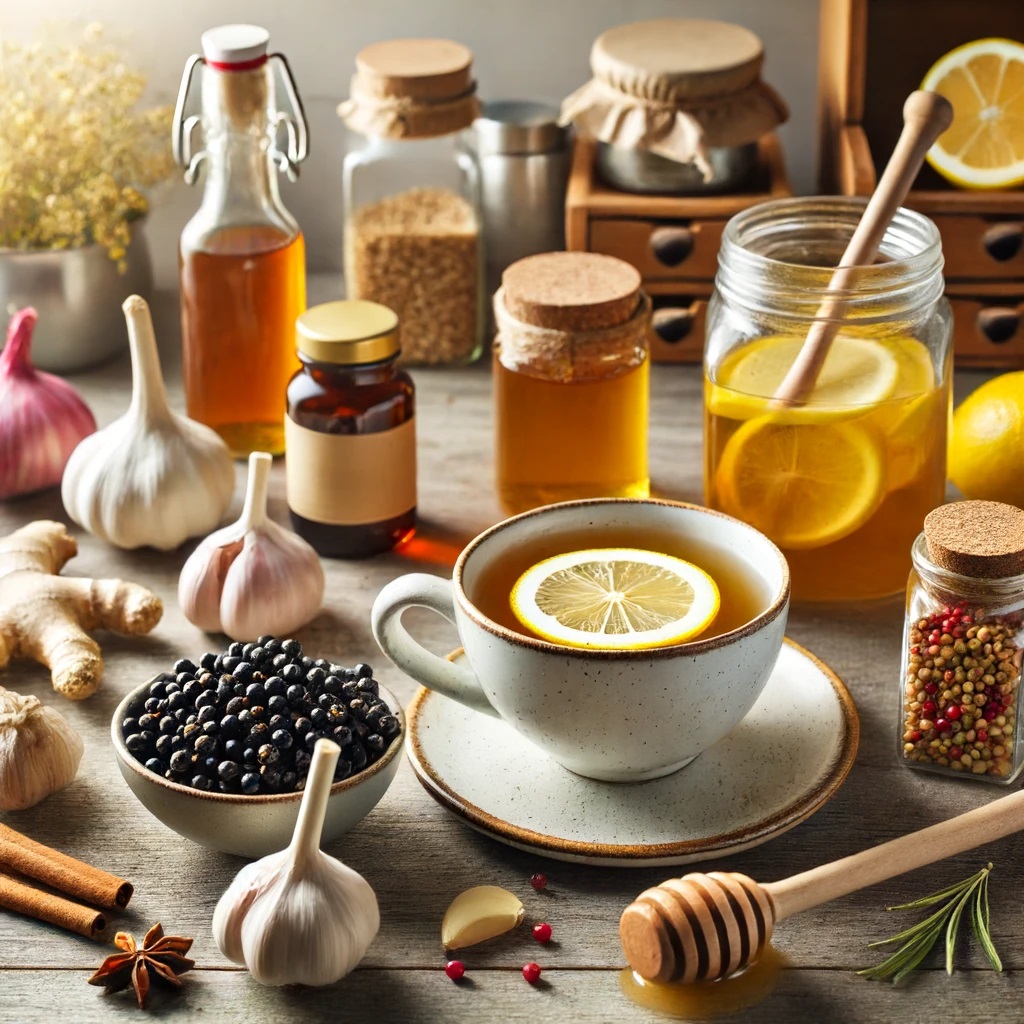
Natural Remedies and Preventive Measures for Common Cold and Flu

The common cold and flu are viral infections that can disrupt daily life. While there is no cure for these illnesses, natural remedies and preventive measures can help reduce symptoms and support recovery. Here are some effective strategies using herbs and natural ingredients.

1. Boost Your Immune System

Strengthening your immune system can help prevent colds and flu.

  • Tip: Incorporate immune-boosting foods like citrus fruits, garlic, ginger, and turmeric into your diet.
  • Story: Raj, a health-conscious individual, included garlic and ginger in his meals regularly. He noticed a significant reduction in the number of colds he caught each year.

2. Stay Hydrated

Proper hydration is essential for maintaining overall health and supporting the immune system.

  • Tip: Drink plenty of water, herbal teas, and broths throughout the day.
  • Story: Emily, a nurse, made sure to stay hydrated, especially during flu season. She found that drinking herbal teas helped soothe her throat and keep her hydrated.

3. Use Herbal Remedies

Certain herbs can help alleviate symptoms and support recovery.

  • Echinacea: Known for its immune-boosting properties, echinacea can help reduce the severity and duration of colds.
    • How to Use: Take echinacea supplements or drink echinacea tea at the first sign of a cold.
  • Elderberry: Elderberry has antiviral properties that can help fight off colds and flu.
    • How to Use: Take elderberry syrup or capsules to support immune function.
  • Ginger: Ginger can help reduce inflammation and soothe sore throats.
    • How to Use: Drink ginger tea or add fresh ginger to your meals.

4. Rest and Relax

Rest is crucial for recovery from illness.

  • Tip: Ensure you get plenty of rest and sleep to allow your body to heal.
  • Story: John, a busy executive, made it a point to rest whenever he felt a cold coming on. He found that taking time to rest helped him recover faster.

5. Use Steam Inhalation

Steam inhalation can help relieve congestion and soothe irritated airways.

  • Tip: Add a few drops of eucalyptus or peppermint oil to a bowl of hot water and inhale the steam.
  • Story: Lisa, a yoga instructor, used steam inhalation to clear her sinuses during a cold. She found it helped her breathe easier and relieved congestion.

6. Practice Good Hygiene

Good hygiene practices can help prevent the spread of colds and flu.

  • Tip: Wash your hands regularly with soap and water, avoid touching your face, and cover your mouth when coughing or sneezing.
  • Story: Alex, a school teacher, emphasized good hygiene practices in his classroom. He noticed a decrease in the spread of colds among his students.

Conclusion

Incorporating these natural remedies and preventive measures can help you manage and reduce the symptoms of common cold and flu. By boosting your immune system, staying hydrated, using herbal remedies, resting, and practicing good hygiene, you can support your body’s natural defenses and promote faster recovery.

Holistic Approaches to Boosting Your Immune System

A strong immune system is essential for maintaining good health and preventing illness. While there are many ways to support immune function, holistic approaches focus on nurturing the body, mind, and spirit. Here are some effective holistic strategies to boost your immune system and promote overall well-being.

1. Nutrition: Fuel Your Body with Nutrient-Dense Foods

A balanced diet rich in vitamins, minerals, and antioxidants is crucial for immune health. Focus on whole, unprocessed foods that provide essential nutrients.

  • Example: Incorporate a variety of colorful fruits and vegetables, lean proteins, whole grains, nuts, and seeds into your diet. Foods high in vitamin C (like oranges, strawberries, and bell peppers) and zinc (like nuts, seeds, and legumes) are particularly beneficial for immune support.

2. Hydration: Drink Plenty of Water

Staying hydrated is vital for maintaining bodily functions and supporting the immune system. Water helps transport nutrients to cells and remove toxins from the body.

  • Example: Aim to drink at least 8 glasses of water a day. Herbal teas and natural fruit-infused water can also help keep you hydrated.

3. Sleep: Prioritize Restful Sleep

Quality sleep is essential for a healthy immune system. During sleep, the body repairs and regenerates, which is critical for immune function.

  • Example: Establish a regular sleep schedule by going to bed and waking up at the same time each day. Create a relaxing bedtime routine, such as reading or taking a warm bath, to signal to your body that it’s time to wind down.

4. Stress Management: Practice Mindfulness and Relaxation Techniques

Chronic stress can weaken the immune system. Practicing mindfulness and relaxation techniques can help manage stress levels and enhance immune function.

  • Example: Incorporate practices like meditation, deep breathing exercises, yoga, or tai chi into your daily routine. Apps like Headspace and Calm offer guided sessions to help you get started.

5. Exercise: Stay Active with Regular Physical Activity

Regular physical activity can boost the immune system by promoting good circulation and reducing stress. It also helps maintain a healthy weight, which is important for immune health.

  • Example: Aim for at least 30 minutes of moderate exercise most days of the week. Activities like walking, jogging, cycling, or dancing can be both enjoyable and beneficial.

6. Herbal Remedies: Support Your Immune System with Natural Herbs

Certain herbs have immune-boosting properties and can be incorporated into your daily routine to support overall health.

  • Example: Herbs like echinacea, elderberry, and astragalus are known for their immune-supportive effects. You can take these herbs in the form of teas, tinctures, or supplements after consulting with a healthcare provider.

7. Probiotics: Maintain Gut Health

A healthy gut microbiome is crucial for a strong immune system. Probiotics, which are beneficial bacteria, can help maintain gut health and support immune function.

  • Example: Include fermented foods like yogurt, kefir, sauerkraut, kimchi, and kombucha in your diet. You can also take a high-quality probiotic supplement.

8. Essential Oils: Utilize Aromatherapy for Immune Support

Aromatherapy with essential oils can enhance immune function and promote relaxation.

  • Example: Essential oils like eucalyptus, tea tree, and lavender have antimicrobial and stress-relieving properties. Use a diffuser to disperse the oils in your home, or add a few drops to a warm bath.

9. Social Connections: Foster Healthy Relationships

Strong social connections can positively impact your immune system. Engaging with friends and family can reduce stress and promote overall well-being.

  • Example: Schedule regular phone calls, video chats, or in-person meetings with loved ones. Participating in community activities or joining clubs can also help build a supportive social network.

10. Sunlight and Vitamin D: Get Natural Sun Exposure

Vitamin D, often called the “sunshine vitamin,” is vital for immune health. Sunlight exposure helps the body produce vitamin D.

  • Example: Spend time outdoors in natural sunlight for about 15-30 minutes a few times a week. If you live in an area with limited sun exposure, consider taking a vitamin D supplement after consulting with your healthcare provider.

Harnessing the Power of Herbs: Natural Remedies for Common Ailments

Herbs have been used for centuries to treat various ailments and promote overall health. By incorporating natural remedies into your daily routine, you can take advantage of the healing properties of herbs to address common health issues. Here are some effective herbal remedies for common ailments, along with practical tips on how to use them.

1. Chamomile for Anxiety and Insomnia

Chamomile is known for its calming and soothing properties. It can help reduce anxiety and promote better sleep.

  • How to Use: Brew a cup of chamomile tea by steeping dried chamomile flowers in hot water for 5-10 minutes. Drink it before bedtime to relax and improve sleep quality.

2. Ginger for Nausea and Digestive Issues

Ginger is a powerful herb for treating nausea, motion sickness, and various digestive problems.

  • How to Use: Slice fresh ginger and steep it in hot water to make ginger tea. You can also chew on a small piece of raw ginger or take ginger supplements to alleviate nausea and improve digestion.

3. Peppermint for Headaches and Indigestion

Peppermint is effective in relieving headaches, migraines, and digestive issues such as bloating and indigestion.

  • How to Use: Drink peppermint tea made from fresh or dried peppermint leaves. You can also apply diluted peppermint oil to your temples to ease headache pain or inhale the aroma for a calming effect.

4. Echinacea for Immune Support

Echinacea is commonly used to boost the immune system and reduce the duration of colds and flu.

  • How to Use: Take echinacea supplements or drink echinacea tea during the onset of cold symptoms. For tea, steep dried echinacea leaves and flowers in hot water for 10-15 minutes.

5. Turmeric for Inflammation and Joint Pain

Turmeric contains curcumin, a compound with strong anti-inflammatory and antioxidant properties. It is beneficial for reducing inflammation and joint pain.

  • How to Use: Add turmeric powder to your cooking, make turmeric tea by boiling water with turmeric and a pinch of black pepper, or take curcumin supplements for more concentrated effects.

6. Lavender for Stress and Skin Irritations

Lavender is known for its relaxing aroma and can be used to relieve stress, anxiety, and skin irritations.

  • How to Use: Use lavender essential oil in a diffuser to create a calming atmosphere or add a few drops to a warm bath. For skin irritations, dilute lavender oil with a carrier oil and apply it to the affected area.

7. Garlic for Cardiovascular Health

Garlic is renowned for its cardiovascular benefits, including lowering blood pressure and cholesterol levels.

  • How to Use: Incorporate raw or cooked garlic into your meals. For a more potent effect, take garlic supplements after consulting with a healthcare provider.

8. Aloe Vera for Skin Conditions and Digestive Health

Aloe vera is commonly used for treating skin conditions like burns, cuts, and eczema. It also supports digestive health.

  • How to Use: Apply fresh aloe vera gel directly to the skin for burns and irritations. For digestive benefits, drink aloe vera juice or take aloe supplements.

9. Holy Basil (Tulsi) for Respiratory Health

Holy basil, also known as Tulsi, is effective in treating respiratory issues such as colds, coughs, and asthma.

  • How to Use: Brew Tulsi tea by steeping fresh or dried leaves in hot water. Drink it regularly to support respiratory health and boost immunity.

10. Rosemary for Cognitive Function

Rosemary is known to improve memory and cognitive function. It also has antioxidant and anti-inflammatory properties.

  • How to Use: Use fresh or dried rosemary in cooking, or brew rosemary tea. Inhaling rosemary essential oil can also help enhance focus and memory.

Wellness Wisdom from Around the World

Explore various wellness practices and traditions from different cultures around the world. This blog post highlights unique wellness rituals, natural remedies, and healthy habits from diverse cultures, offering readers a global perspective on health and well-being.

Japanese Forest Bathing (Shinrin-yoku)

Shinrin-yoku, or forest bathing, is a Japanese practice that involves immersing oneself in nature to improve mental and physical health. This practice encourages individuals to spend time in forests, taking in the sights, sounds, and smells of nature to promote relaxation and reduce stress.

In Japan, people often visit designated forest therapy trails to practice Shinrin-yoku. Studies have shown that spending time in forests can lower cortisol levels, reduce blood pressure, and enhance immune function. To incorporate forest bathing into your life, find a local park or nature reserve and spend time walking mindfully, focusing on the natural environment around you.

Indian Ayurvedic Practices

Ayurveda is a traditional Indian system of medicine that focuses on balance and harmony in the body through diet, herbal remedies, and lifestyle practices. Ayurvedic practices such as oil pulling, drinking herbal teas, and following dosha-balancing diets are integral to maintaining health.

For example, oil pulling involves swishing sesame or coconut oil in the mouth for 10-20 minutes to improve oral health. Herbal teas made from ingredients like turmeric, ginger, and tulsi are used to support digestion and immunity. Simple Ayurvedic routines, like waking up early, practicing yoga, and eating according to your dosha (body type), can help promote overall well-being.

Scandinavian Hygge

Hygge is a Danish and Norwegian concept that emphasizes coziness, comfort, and contentment through simple pleasures. Creating a hygge-inspired environment can improve mental health by fostering a sense of warmth and relaxation.

To cultivate hygge, focus on creating a cozy atmosphere at home. Light candles, wrap yourself in a warm blanket, and enjoy a hot beverage like tea or cocoa. Spend quality time with loved ones, engage in activities like reading or crafting, and appreciate the small moments of joy in everyday life.

Traditional Chinese Medicine (TCM)

TCM includes practices like acupuncture, herbal medicine, and Tai Chi to promote health and balance in the body. The principles of TCM focus on the flow of Qi (energy) and the balance of Yin and Yang.

Acupuncture involves inserting thin needles into specific points on the body to stimulate energy flow and relieve pain. Tai Chi, a form of gentle martial arts, combines slow movements with deep breathing to improve balance, flexibility, and mental clarity. Incorporate TCM herbs like ginseng, goji berries, and astragalus into your diet to support overall health.

Mediterranean Diet

The Mediterranean diet, inspired by the traditional eating habits of Mediterranean countries, is known for its health benefits, including heart health and longevity. This diet emphasizes fresh vegetables, fruits, whole grains, olive oil, and lean proteins like fish and poultry.

To adopt the Mediterranean diet, incorporate more plant-based foods into your meals, use olive oil as your primary fat source, and include fish in your diet at least twice a week. Enjoy meals with family and friends, savoring the flavors and fostering a sense of community.

African Herbal Remedies

Many African cultures use herbal remedies for healing and wellness, relying on the medicinal properties of native plants. Herbs like moringa, baobab, and rooibos are widely used for their health benefits.

Moringa leaves are rich in vitamins and minerals and can be added to smoothies or salads. Baobab fruit is high in vitamin C and can be used in baking or mixed into drinks. Rooibos tea, made from the leaves of a South African shrub, is known for its antioxidant properties and can be enjoyed hot or cold.

South American Mate Rituals

Mate is a traditional South American drink made from the leaves of the yerba mate plant, known for its stimulating and health-boosting properties. In countries like Argentina and Uruguay, drinking mate is a social ritual that brings people together.

To prepare mate, fill a gourd with yerba mate leaves, add hot water, and sip through a metal straw called a bombilla. Mate is rich in antioxidants and nutrients, providing an energy boost without the jitters of coffee. Incorporate mate into your daily routine to experience its unique benefits.