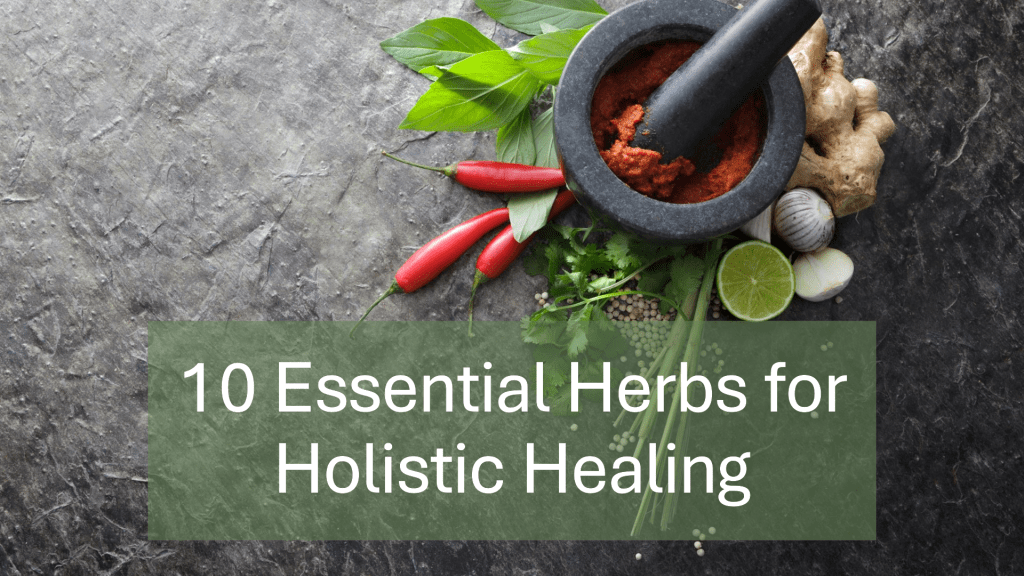
For centuries, herbs have been used as powerful tools in holistic healing, offering natural remedies for various ailments and promoting overall wellness. Whether it’s calming the mind, boosting the immune system, or reducing inflammation, certain herbs hold incredible potential for enhancing our health. Here are 10 essential herbs for holistic healing and how you can incorporate them into your daily routine.
1. Ashwagandha: The Stress Reliever
Known as an adaptogen, Ashwagandha helps the body manage stress by reducing cortisol levels and balancing the nervous system. It’s commonly used to improve mental clarity and support relaxation.
- How to Use: Add Ashwagandha powder to smoothies, teas, or take it as a supplement capsule to combat stress and improve focus.
2. Turmeric: The Anti-Inflammatory Hero
Turmeric is rich in curcumin, a compound known for its powerful anti-inflammatory and antioxidant properties. It’s great for reducing inflammation, boosting immunity, and supporting joint health.
- How to Use: Add turmeric to soups, curries, or make a golden turmeric latte for an anti-inflammatory boost.
3. Chamomile: The Calming Herb
Chamomile is well known for its calming effects, making it an excellent herb for reducing anxiety, aiding digestion, and promoting restful sleep.
- How to Use: Brew chamomile tea before bed to unwind and improve sleep quality.
4. Holy Basil: The Adaptogenic Wonder
Also known as Tulsi, Holy Basil is revered for its ability to balance the body’s systems and promote physical and emotional well-being. It’s particularly beneficial for reducing stress and enhancing immune function.
- How to Use: Drink Holy Basil tea in the morning to enhance mental clarity and promote relaxation.
5. Ginger: The Digestive Soother
Ginger has been used for centuries to relieve digestive issues, reduce nausea, and support immune health. It’s a warming herb that can help stimulate circulation and reduce inflammation.
- How to Use: Add fresh ginger to your tea, smoothies, or stir-fry for digestive support and to boost immunity.
6. Echinacea: The Immune Booster
Echinacea is widely known for its immune-boosting properties, particularly for fighting off colds and flu. It stimulates the immune system and helps the body recover faster from illness.
- How to Use: Drink Echinacea tea during cold season or take it as a supplement at the onset of symptoms.
7. Lavender: The Relaxation Herb
Lavender is famous for its soothing properties, helping to relieve stress, anxiety, and insomnia. It’s also used to ease headaches and muscle tension.
- How to Use: Add a few drops of lavender essential oil to your bath, or use it in a diffuser for a calming atmosphere.
8. Peppermint: The Energizer
Peppermint is great for promoting focus and relieving headaches, while also supporting digestion. Its cooling effect makes it perfect for soothing upset stomachs and enhancing alertness.
- How to Use: Drink peppermint tea to ease indigestion, or inhale peppermint essential oil for a quick energy boost.
9. St. John’s Wort: The Mood Booster
Known for its antidepressant properties, St. John’s Wort is often used to treat mild to moderate depression, improve mood, and reduce anxiety. It’s also used to relieve nerve pain.
- How to Use: Take St. John’s Wort in capsule form, or brew it as tea to support emotional well-being.
10. Milk Thistle: The Liver Detoxifier
Milk Thistle is prized for its liver-protecting properties, as it helps detoxify and regenerate liver cells. It’s commonly used to support liver function and improve digestion.
- How to Use: Drink milk thistle tea or take it as a supplement to promote liver detox and improve overall digestion.
Conclusion
Incorporating these powerful herbs into your daily life is a simple, natural way to support your holistic wellness journey. From stress relief and better digestion to immune boosting and inflammation reduction, each of these herbs offers unique benefits to help you feel your best. Try adding one or more of these herbs to your routine and experience the healing power of nature firsthand.
For more insights into holistic wellness practices, check out my book, The Mindful Executive: https://www.amazon.com/dp/B0D75YJCLW.

 Holistic Wellness Guide