


10 Holistic Practices for a Healthier, Balanced Life

1. Daily Meditation

Meditation is a powerful tool for reducing stress and enhancing mental clarity. Just 10-15 minutes of meditation each morning can set a positive tone for the day, helping you to stay focused and calm. Find a quiet space, close your eyes, and focus on your breath or a calming mantra. Consistent practice can significantly improve your overall mental well-being.

2. Regular Exercise

Incorporating regular physical activity into your routine is essential for maintaining good health. Activities such as yoga, walking, or tai chi not only improve physical fitness but also enhance mental relaxation. Aim for at least 30 minutes of moderate exercise most days of the week to boost your energy levels, improve cardiovascular health, and reduce stress.

3. Balanced Diet

Eating a balanced diet rich in fruits, vegetables, whole grains, and lean proteins can have profound effects on your health. Nutrient-dense foods provide the energy and nutrients needed to support bodily functions, improve mood, and maintain a healthy weight. Avoid processed foods and sugars, and aim to eat a variety of colors on your plate for maximum nutritional benefits.

4. Adequate Sleep

Getting enough sleep is crucial for overall health and well-being. Aim for 7-9 hours of quality sleep each night to allow your body to repair and rejuvenate. Create a calming bedtime routine, such as reading or taking a warm bath, to signal to your body that it’s time to wind down. Avoid screens and heavy meals before bedtime to improve sleep quality.

5. Mindful Eating

Practicing mindful eating involves paying attention to the taste, texture, and aroma of your food, as well as your body’s hunger and fullness cues. This practice can help you enjoy your meals more and prevent overeating. Slow down, savor each bite, and avoid distractions like TV or smartphones while eating. Mindful eating can improve digestion and foster a healthier relationship with food.

6. Hydration

Staying hydrated is essential for maintaining energy levels, supporting digestion, and keeping your skin healthy. Aim to drink at least 8 glasses of water a day, more if you are active or live in a hot climate. Carry a reusable water bottle with you as a reminder to drink regularly, and incorporate water-rich foods like cucumbers and oranges into your diet.

7. Stress Management

Finding effective ways to manage stress is key to maintaining overall wellness. Techniques such as deep breathing exercises, progressive muscle relaxation, and spending time in nature can help reduce stress levels. Identify your stress triggers and develop a toolkit of stress-relief practices to use when needed. Consistent stress management can improve both mental and physical health.

8. Social Connections

Maintaining strong social connections is vital for emotional well-being. Spend time with family and friends, join community groups, or volunteer to foster a sense of belonging and support. Positive social interactions can boost your mood, reduce feelings of loneliness, and even improve your immune system. Make an effort to connect with others regularly.

9. Regular Health Check-ups

Regular health check-ups are essential for early detection and prevention of potential health issues. Schedule annual visits with your healthcare provider, and stay up-to-date with recommended screenings and vaccinations. Proactive health management can help you stay informed about your health status and make necessary adjustments to your lifestyle.

10. Personal Development

Engaging in continuous personal development can lead to greater life satisfaction and self-fulfillment. Set aside time for activities that promote growth, such as reading, learning new skills, or pursuing hobbies. Personal development enhances self-awareness, boosts confidence, and can help you achieve your personal and professional goals.

Call to Action: Integrate these holistic practices into your daily routine to achieve a healthier, more balanced life. Visit Holistic Wellness Guide for more tips and insights on maintaining your well-being.

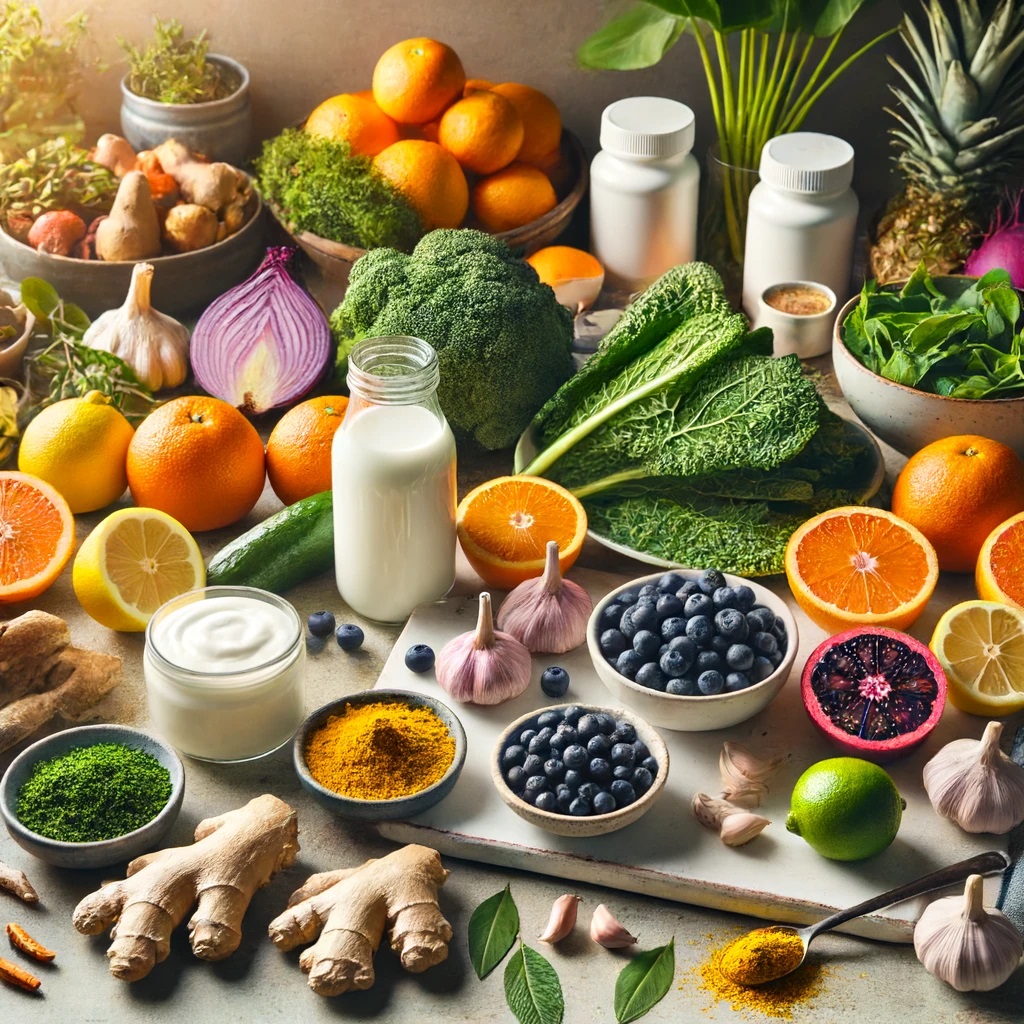
7-Day Antioxidant-Rich, Anti-Inflammatory Meal Plan

Boost your health and reduce inflammation with this 7-day meal plan rich in antioxidants and anti-inflammatory foods. Designed by a dietitian, this plan includes delicious and nutritious meals to help you feel your best.


Day 1

Breakfast:

  • Smoothie with spinach, berries, banana, and almond milk
  • Handful of nuts

Lunch:

  • Quinoa salad with cherry tomatoes, cucumber, and avocado
  • Lemon vinaigrette

Dinner:

  • Grilled salmon with a side of roasted sweet potatoes and steamed broccoli

Snack:

  • Apple slices with almond butter

Learn more about the benefits of these foods: Healthline


Day 2

Breakfast:

  • Overnight oats with chia seeds, blueberries, and honey

Lunch:

  • Mixed greens salad with walnuts, cranberries, and goat cheese
  • Olive oil and balsamic dressing

Dinner:

  • Chicken stir-fry with bell peppers, onions, and brown rice

Snack:

  • Greek yogurt with a drizzle of honey

Explore the benefits of anti-inflammatory foods: Medical News Today


Day 3

Breakfast:

  • Avocado toast on whole-grain bread with a sprinkle of flaxseeds

Lunch:

  • Lentil soup with spinach and carrots

Dinner:

  • Baked cod with quinoa and a side of sautéed kale

Snack:

  • Carrot sticks with hummus

Discover more healthy recipes: WebMD


Day 4

Breakfast:

  • Chia pudding made with coconut milk, topped with raspberries

Lunch:

  • Turkey and avocado wrap with whole-grain tortilla

Dinner:

  • Beef and vegetable stew with sweet potatoes and green beans

Snack:

  • Mixed berries

Read about the benefits of chia seeds: Healthline


Day 5

Breakfast:

  • Scrambled eggs with spinach and tomatoes

Lunch:

  • Tuna salad with mixed greens, cherry tomatoes, and olives

Dinner:

  • Grilled chicken breast with a side of brown rice and steamed asparagus

Snack:

  • Orange slices

Explore the benefits of antioxidant-rich foods: EatingWell


Day 6

Breakfast:

  • Smoothie bowl with mixed berries, banana, and granola

Lunch:

  • Chickpea and cucumber salad with lemon-tahini dressing

Dinner:

  • Shrimp stir-fry with bell peppers, snap peas, and quinoa

Snack:

  • Pear slices with cottage cheese

Discover more about anti-inflammatory diets: Healthline


Day 7

Breakfast:

  • Greek yogurt parfait with granola, honey, and strawberries

Lunch:

  • Whole-grain pasta salad with spinach, cherry tomatoes, and feta

Dinner:

  • Baked chicken with roasted Brussels sprouts and sweet potatoes

Snack:

  • Dark chocolate squares

Learn more about antioxidant-rich foods: WebMD

Call to Action

Incorporate this meal plan into your week to boost your health and reduce inflammation. For more tips on maintaining a balanced and nutritious diet, visit Holistic Wellness Guide.

#AntioxidantRich #AntiInflammatory #HealthyEating #Nutrition #Wellness #HealthyLiving #DietTips #MealPlan

Boost Your Immunity Naturally: Top Foods and Supplements

Supporting your immune system with the right foods and natural supplements can help keep you healthy and resilient. Here’s a guide to some of the best foods and supplements to enhance your immunity naturally.

Citrus Fruits for Vitamin C: Citrus fruits like oranges, grapefruits, lemons, and limes are packed with vitamin C, which is essential for immune function. Vitamin C increases the production of white blood cells, key to fighting infections.

Example: Start your day with a glass of fresh orange juice or add lemon slices to your water throughout the day for an extra boost.

Leafy Greens for Antioxidants: Leafy greens such as spinach, kale, and Swiss chard are rich in antioxidants and essential nutrients that support the immune system. These greens are also high in vitamins A and C.

Example: Incorporate a green smoothie into your breakfast or enjoy a fresh spinach salad for lunch to pack in the nutrients.

Ginger for Anti-Inflammatory Benefits: Ginger is a powerful anti-inflammatory and antioxidant root that can help reduce inflammation and boost immune health. It is also known for its ability to soothe a sore throat and fight infections.

Example: Add fresh ginger to your tea or include it in your cooking for a flavorful and health-boosting addition.

Garlic for Immune Support: Garlic contains compounds that enhance the immune system. It has been used for centuries for its medicinal properties and is known to boost the function of the immune system.

Example: Add minced garlic to your meals or consume a raw garlic clove daily for its potent benefits.

Turmeric for Curcumin: Turmeric is a spice that contains curcumin, a compound with powerful anti-inflammatory and antioxidant effects. Curcumin can help modulate the immune system and has been shown to have antiviral properties.

Example: Enjoy a warm cup of turmeric tea or add turmeric to your soups and stews for an immune-boosting effect.

Probiotics for Gut Health: Probiotics found in yogurt, kefir, and fermented foods like sauerkraut and kimchi can enhance gut health, which is closely linked to the immune system. A healthy gut flora supports overall immunity.

Example: Include a serving of yogurt in your breakfast or snack on fermented vegetables to support gut and immune health.

Herbal Supplements for Extra Support: Herbal supplements such as echinacea, elderberry, and astragalus can provide additional immune support. These herbs have been traditionally used to prevent and treat colds and flu.

Example: Take an echinacea supplement during flu season or sip on elderberry syrup to enhance your immune defenses.

By incorporating these immune-boosting foods and supplements into your diet, you can naturally enhance your body’s ability to fight off infections and stay healthy.

Japanese Secrets to a Longer and Meaningful Life

Japan is renowned for its longevity and quality of life. Here are some traditional Japanese techniques that can help you live a longer and more meaningful life.

1. Ikigai: Finding Your Life’s Purpose

Ikigai is a Japanese concept that means “a reason for being.” It involves finding a balance between what you love, what you are good at, what the world needs, and what you can be paid for. This sense of purpose is believed to contribute to a longer, more fulfilling life. Learn more about Ikigai.

2. Wabi-Sabi: Embracing Imperfection

Wabi-Sabi is the appreciation of the beauty in imperfection. It teaches you to find joy in the simple, rustic, and imperfect aspects of life. This mindset encourages acceptance and reduces stress. Explore the philosophy of Wabi-Sabi.

3. Traditional Diet

The traditional Japanese diet, rich in vegetables, fish, rice, and fermented foods like miso, is known for its health benefits. This diet is low in processed foods and high in nutrients, contributing to longevity. Discover the benefits of the Japanese diet.

4. Regular Physical Activity

Daily physical activity is a norm in Japan, whether it’s walking, cycling, or practicing martial arts. Regular exercise keeps the body fit and reduces the risk of chronic diseases. Learn about the benefits of regular physical activity.

5. Onsen: Hot Springs

Bathing in onsen, or hot springs, is a popular Japanese practice that promotes relaxation, improves circulation, and alleviates pain. The minerals in the water also have therapeutic benefits. Explore the health benefits of onsen.

6. Social Connections

Strong social bonds and community involvement are integral to Japanese culture. These connections provide emotional support and a sense of belonging, which are vital for mental health and longevity. Understand the importance of social connections.

7. Tea Ceremony

The Japanese tea ceremony is a ritualistic practice that promotes mindfulness and appreciation for the present moment. It’s a time to relax, reflect, and enjoy the simple pleasures of life. Learn about the Japanese tea ceremony.

8. Forest Bathing (Shinrin-yoku)

Shinrin-yoku, or forest bathing, involves spending time in nature to improve mental and physical health. It reduces stress, lowers blood pressure, and boosts mood. Discover the benefits of forest bathing.

9. Minimalist Living

Japanese minimalism focuses on living with less and finding contentment in simplicity. This approach reduces stress, fosters mindfulness, and allows you to focus on what truly matters. Explore the principles of Japanese minimalism.

10. Lifelong Learning

Continuously seeking knowledge and learning new skills is highly valued in Japan. This keeps the mind sharp and provides a sense of achievement and purpose. Learn about the benefits of lifelong learning.

Call to Action

Incorporate these Japanese techniques into your daily life to enhance your well-being and find deeper meaning. Visit Holistic Wellness Guide for more tips and insights on leading a balanced and fulfilling life.

#JapaneseWellness #Longevity #Mindfulness #HealthyLiving #Ikigai #WabiSabi #Minimalism #HolisticHealth #ForestBathing #TeaCeremony

Ageless and Disease-Free: Your Ultimate Guide to a Healthier Life

Living a life free from diseases and maintaining a youthful body is achievable through a combination of healthy eating, regular exercise, and mindful practices. This guide provides comprehensive tips on how to keep your body in optimal health and preserve your youthful vitality.

Healthy Eating Habits

1. Eat a Balanced Diet

Incorporate a variety of fresh fruits, vegetables, lean proteins, and whole grains into your meals. These foods provide essential nutrients that support your body’s functions and boost your immune system. Learn more about balanced diets.

2. Stay Hydrated

Drink plenty of water throughout the day. Staying hydrated helps maintain your energy levels, supports digestion, and keeps your skin looking youthful. Aim for at least 8 glasses of water daily. Understand the importance of hydration.

3. Avoid Processed Foods

Limit your intake of processed foods that are high in sugars, unhealthy fats, and preservatives. Opt for whole, unprocessed foods to reduce your risk of chronic diseases. Explore healthy eating tips.

4. Incorporate Superfoods

Add superfoods like berries, nuts, seeds, and leafy greens to your diet. These foods are rich in antioxidants and nutrients that promote health and longevity. Discover superfoods.

Regular Exercise

1. Engage in Aerobic Activities

Aerobic exercises such as walking, running, swimming, or cycling improve cardiovascular health and boost your metabolism. Aim for at least 150 minutes of moderate aerobic activity per week. Explore aerobic exercises.

2. Strength Training

Incorporate strength training exercises to build and maintain muscle mass. This helps increase your metabolic rate and supports bone health. Aim for strength training sessions at least twice a week. Learn more about strength training.

3. Practice Flexibility and Balance Exercises

Yoga and Pilates are excellent for improving flexibility, balance, and overall body strength. These exercises also reduce stress and enhance mental clarity. Discover the benefits of yoga.

Mindful Practices

1. Get Adequate Sleep

Quality sleep is essential for recovery and overall health. Aim for 7-9 hours of sleep per night to support your body’s repair processes and maintain mental clarity. Understand the importance of sleep.

2. Manage Stress

Chronic stress can negatively impact your health. Practice stress management techniques such as meditation, deep breathing exercises, and spending time in nature to promote relaxation. Explore stress management techniques.

3. Regular Health Check-ups

Schedule regular health check-ups to monitor your health and detect any potential issues early. Preventive care is key to maintaining long-term health and well-being. Learn about preventive care.

Call to Action

Incorporate these habits into your daily life to maintain a disease-free and youthful body. Visit Holistic Wellness Guide for more tips and insights on leading a healthy and balanced life.

#HealthyLiving #YouthfulBody #DiseasePrevention #Nutrition #Exercise #Wellness #Mindfulness #Hydration #Superfoods #HolisticHealth

10 Common Health Questions Answered: Insights and Practical Tips

Navigating health information can be overwhelming. Here, we address ten common health questions with insights and practical tips to help you maintain your well-being.

1. How Can I Improve My Immune System?

Improving your immune system involves a balanced diet, regular exercise, adequate sleep, and stress management. Foods rich in vitamins C and D, zinc, and antioxidants are beneficial. Regular physical activity and sufficient sleep also play crucial roles. Learn more about boosting your immune system.

2. What Are the Best Foods for Weight Loss?

Foods high in fiber, protein, and healthy fats can aid in weight loss. Incorporate fruits, vegetables, whole grains, lean proteins, and healthy fats like avocados and nuts into your diet. These foods help keep you full longer and provide essential nutrients. Discover more weight-loss foods.

3. How Can I Manage Stress Effectively?

Effective stress management includes mindfulness practices, regular physical activity, adequate sleep, and social support. Techniques such as meditation, deep breathing, and yoga can significantly reduce stress levels. Explore stress management techniques.

4. What Are the Benefits of Regular Exercise?

Regular exercise offers numerous benefits, including improved cardiovascular health, better mood, increased energy, and weight management. Aim for at least 150 minutes of moderate aerobic activity or 75 minutes of vigorous activity each week, along with muscle-strengthening exercises. Read about the benefits of exercise.

5. How Do I Maintain Healthy Skin?

Healthy skin requires a combination of proper hydration, a balanced diet, and a skincare routine that includes cleansing, moisturizing, and sun protection. Avoid smoking and limit alcohol consumption to maintain skin health. Learn about skincare tips.

6. What Should I Know About Heart Health?

Maintaining heart health involves a healthy diet, regular exercise, avoiding tobacco, and managing stress. Foods rich in omega-3 fatty acids, fiber, and antioxidants support heart health. Regular check-ups and monitoring blood pressure and cholesterol levels are also essential. Understand more about heart health.

7. How Can I Improve My Digestive Health?

Improving digestive health involves eating a diet high in fiber, staying hydrated, and incorporating probiotics. Avoiding excessive processed foods and eating smaller, more frequent meals can also help. Discover tips for better digestion.

8. What Are the Signs of Depression?

Signs of depression include persistent sadness, loss of interest in activities, changes in appetite or weight, sleep disturbances, and difficulty concentrating. If you experience these symptoms, seek help from a healthcare professional. Learn more about depression.

9. How Do I Manage Diabetes?

Managing diabetes involves monitoring blood sugar levels, eating a balanced diet, regular physical activity, and taking prescribed medications. It’s important to maintain a healthy weight and avoid excessive sugar and refined carbs. Read about diabetes management.

10. What Are the Health Benefits of Drinking Water?

Drinking water supports various bodily functions, including maintaining hydration, aiding digestion, regulating body temperature, and transporting nutrients. Aim to drink at least eight glasses of water a day. Explore the benefits of water.

Call to Action

Stay informed and proactive about your health by incorporating these tips into your daily routine. For more comprehensive health information, visit Holistic Wellness Guide.

Embracing Holistic Wellness: Integrating Natural Remedies for Better Health

Understanding Holistic Wellness

Holistic wellness focuses on the whole person, considering physical, mental, emotional, and spiritual aspects. It promotes a balanced lifestyle that nurtures all facets of health.

Key Components of Holistic Wellness

  1. Physical Health: Regular exercise, a balanced diet, and adequate sleep are essential. Activities like yoga and tai chi improve physical fitness and mental relaxation.
  2. Mental and Emotional Health: Managing stress through mindfulness, meditation, and positive thinking enhances mental clarity and emotional stability.
  3. Spiritual Health: Finding purpose and meaning through spiritual practices or spending time in nature fosters inner peace and fulfillment.

Natural Remedies for Common Ailments

  1. Echinacea for Colds and Flu: Known for its immune-boosting properties, echinacea can reduce the duration and severity of colds and flu.
    • Usage: Take supplements or drink echinacea tea at the first sign of symptoms.
  2. Ginger for Digestive Issues: Ginger is effective for soothing nausea, indigestion, and bloating.
    • Usage: Incorporate fresh ginger into meals or drink ginger tea after eating.
  3. Turmeric for Inflammation: Turmeric’s anti-inflammatory properties can help manage conditions like arthritis.
    • Usage: Add turmeric to your diet or take it as a supplement.

Benefits of Holistic Wellness

  1. Improved Physical Health: Addressing the root causes leads to better overall health.
  2. Enhanced Mental and Emotional Stability: Mindfulness and meditation reduce stress and improve mental clarity.
  3. Greater Life Satisfaction: Balancing all aspects of well-being leads to a more fulfilling life.

Implementing Holistic Wellness in Daily Life

  1. Set Realistic Goals: Start with small, achievable goals in each area of health.
  2. Create a Balanced Routine: Include physical activities, mental exercises, and spiritual practices in your daily schedule.
  3. Seek Professional Guidance: Consult with holistic health professionals for personalized advice.

Call to Action

Embrace holistic wellness today for a balanced and fulfilling life. Visit Holistic Wellness Guide for more tips on integrating these practices into your daily routine.