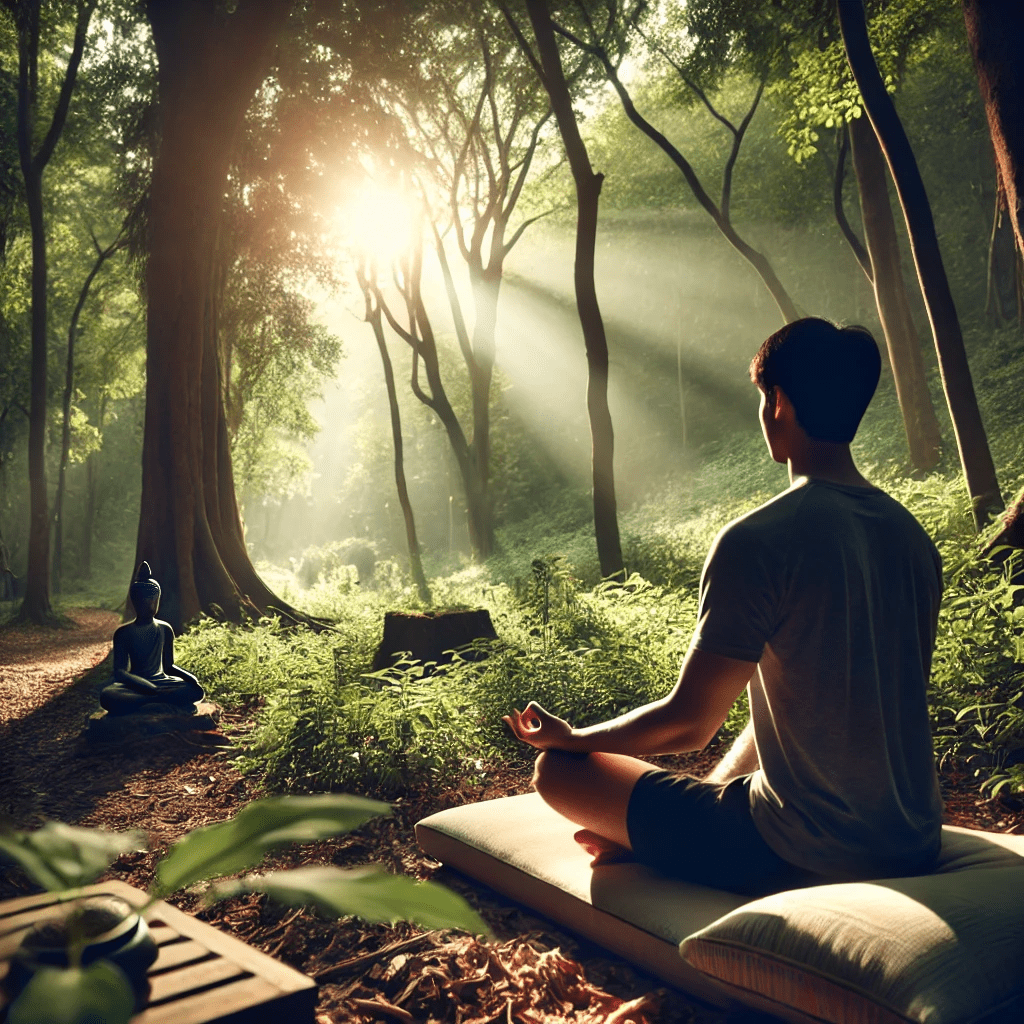
Morning Habits to Let Go for a Happier Day

Morning routines can significantly impact your overall happiness and productivity. Here are some morning habits that might be draining your energy and how to replace them with more beneficial practices.


1. Snoozing the Alarm

Hitting the snooze button can disrupt your sleep cycle and make you feel groggy. Instead, set your alarm for the latest possible time to get up immediately. Learn more about healthy sleep habits.

2. Checking Your Phone Right Away

Reaching for your phone first thing in the morning can lead to stress and anxiety. Try to spend the first 30 minutes of your day without screens. Explore the benefits of a digital detox.

3. Skipping Breakfast

Skipping breakfast can lead to low energy levels and poor concentration. Start your day with a nutritious meal to fuel your body and mind. Discover healthy breakfast ideas.

4. Not Hydrating

Dehydration can cause fatigue and headaches. Drink a glass of water first thing in the morning to kickstart your metabolism. Understand the importance of hydration.

5. Negative Self-Talk

Starting your day with negative thoughts can set a pessimistic tone for the rest of the day. Practice positive affirmations to boost your mood and confidence. Learn about positive thinking.

6. Rushing Through Your Morning

Rushing can increase stress and make you feel overwhelmed. Wake up a bit earlier to have a calm and organized morning routine. Get tips on effective time management.

7. Not Moving Your Body

Physical inactivity in the morning can make you feel sluggish. Incorporate a short workout or stretching session to energize your body. Explore morning exercise routines.

8. Ignoring Mindfulness

Starting your day without mindfulness can lead to increased stress and distraction. Practice meditation or deep breathing exercises to center yourself. Learn about mindfulness techniques.

9. Skipping Self-Care

Neglecting self-care can lead to burnout. Dedicate time each morning to activities that rejuvenate you, like reading or enjoying a hobby. Discover self-care strategies.

10. Eating Unhealthy Foods

Consuming sugary or processed foods in the morning can lead to energy crashes. Opt for whole foods that provide sustained energy. Find healthy eating tips.

Call to Action

Eliminate these draining morning habits to start your day on a positive note and boost your overall happiness. Visit Holistic Wellness Guide for more tips and insights on leading a balanced and fulfilling life.

#MorningRoutine #HealthyHabits #PositiveThinking #SelfCare #Mindfulness #HealthyLiving #WellnessJourney #Hydration #Productivity #BalancedLife

Energy Drainers: Habits That Kill Your Vitality

Maintaining high energy levels is crucial for productivity and overall well-being. However, certain habits can drain your energy and leave you feeling exhausted. Here are some common energy-draining habits and how to overcome them.

1. Poor Sleep Habits

Lack of quality sleep can severely impact your energy levels. Aim for 7-9 hours of sleep each night and establish a regular sleep routine. Learn more about improving sleep habits.

2. Unhealthy Eating

Consuming too much sugar and processed foods can cause energy crashes. Focus on a balanced diet rich in whole foods, lean proteins, and healthy fats. Explore healthy eating tips.

3. Sedentary Lifestyle

Lack of physical activity can make you feel sluggish. Incorporate regular exercise into your routine to boost your energy and overall health. Discover the benefits of regular exercise.

4. Excessive Screen Time

Spending too much time on screens, especially before bed, can disrupt sleep and drain your energy. Limit screen time and take regular breaks from digital devices. Understand the impact of screen time.

5. Chronic Stress

Persistent stress can deplete your energy reserves. Practice stress management techniques like mindfulness, meditation, and deep breathing exercises. Learn how to manage stress.

6. Dehydration

Not drinking enough water can lead to fatigue and decreased concentration. Aim to drink at least 8 glasses of water daily to stay hydrated. Understand the importance of hydration.

7. Cluttered Environment

A disorganized space can contribute to mental fatigue and stress. Keep your living and work areas tidy to promote a sense of calm and focus. Explore decluttering tips.

8. Negative Thinking

Constantly dwelling on negative thoughts can drain your energy. Practice positive thinking and focus on the good aspects of your life. Learn about positive thinking techniques.

9. Lack of Social Interaction

Isolation and lack of social support can lead to feelings of loneliness and fatigue. Make time for meaningful interactions with friends and family. Understand the importance of social connections.

10. Ignoring Self-Care

Neglecting self-care can lead to burnout. Make time for activities that rejuvenate you, such as hobbies, relaxation, and pampering yourself. Discover self-care tips.

Call to Action

Identify and eliminate these energy-draining habits to boost your vitality and improve your overall well-being. Visit Holistic Wellness Guide for more tips and insights on leading a balanced and fulfilling life.

#EnergyDrainers #HealthyHabits #SelfCare #Mindfulness #PositiveThinking #StressManagement #HealthyLiving #Hydration #WellnessJourney #HolisticHealth

30-Day Challenge to Reinvent Yourself

Embarking on a 30-day challenge can be a transformative experience, helping you build new habits and improve your overall well-being. Here’s a comprehensive guide to reinventing yourself in just one month.

Day 1-3: Set Goals and Plan

Day 1: Reflect on what you want to achieve and set clear, realistic goals. Write them down in a journal. Learn how to set effective goals.

Day 2: Create a detailed plan for your 30-day challenge. Include daily tasks and milestones. Explore planning strategies.

Day 3: Prepare your environment. Organize your space to support your goals and reduce distractions. Discover the benefits of a tidy space.


Day 4-6: Physical Health

Day 4: Start a fitness routine. Include a mix of cardio, strength training, and flexibility exercises. Find workout plans.

Day 5: Focus on nutrition. Plan healthy meals that include lean proteins, whole grains, and plenty of fruits and vegetables. Explore healthy eating tips.

Day 6: Hydrate. Aim to drink at least 8 glasses of water daily to keep your body functioning optimally. Understand the importance of hydration.


Day 7-9: Mental Health

Day 7: Practice mindfulness. Spend a few minutes each day meditating or doing deep breathing exercises. Learn how to meditate.

Day 8: Start a gratitude journal. Write down three things you’re grateful for each day. Explore the benefits of gratitude.

Day 9: Unplug from technology. Spend a day without screens to reset your mind. Discover the benefits of a digital detox.


Day 10-12: Learning and Growth

Day 10: Read a book. Choose a topic that interests you and dedicate time to read each day. Find book recommendations.

Day 11: Take an online course. Expand your knowledge and skills in a new area. Explore online courses.

Day 12: Listen to educational podcasts. Choose topics that inspire and educate you. Discover popular podcasts.


Day 13-15: Social Connections

Day 13: Reach out to a friend or family member. Strengthen your social bonds by reconnecting with loved ones. Understand the importance of social connections.

Day 14: Join a group or club. Find a community with similar interests and get involved. Explore social groups.

Day 15: Practice acts of kindness. Do something nice for someone else, like volunteering or helping a neighbor. Learn about the science of kindness.


Day 16-18: Self-Reflection

Day 16: Reflect on your progress. Review your goals and note any changes or improvements. Explore self-reflection techniques.

Day 17: Write about your experiences. Document your thoughts and feelings in your journal. Discover the benefits of journaling.

Day 18: Practice self-forgiveness. Let go of past mistakes and focus on personal growth. Learn about self-forgiveness.


Day 19-21: Creativity

Day 19: Start a creative project. Try painting, writing, or any other creative activity you enjoy. Explore the benefits of creativity.

Day 20: Engage in a hobby. Spend time doing something you love and find fulfilling. Understand the benefits of hobbies.

Day 21: Visit a museum or gallery. Expose yourself to new ideas and perspectives. Find museums near you.


Day 22-24: Financial Health

Day 22: Review your finances. Create a budget and track your spending. Learn about budgeting.

Day 23: Set financial goals. Plan for savings, investments, and future expenses. Explore financial planning tips.

Day 24: Educate yourself about personal finance. Read articles, watch videos, or take a course. Discover personal finance resources.


Day 25-27: Environment

Day 25: Declutter your space. Organize and clean your home or workspace. Explore decluttering tips.

Day 26: Create a relaxing environment. Add elements like plants, candles, and cozy furniture to enhance your space. Learn about creating a peaceful home.

Day 27: Practice eco-friendly habits. Reduce, reuse, and recycle to minimize your environmental impact. Understand eco-friendly practices.


Day 28-30: Reflection and Moving Forward

Day 28: Reflect on your journey. Review your progress, celebrate achievements, and acknowledge areas for improvement. Discover reflection techniques.

Day 29: Plan for the future. Set new goals and create a plan to maintain your positive habits. Explore goal-setting strategies.

Day 30: Celebrate your success. Reward yourself for completing the challenge and enjoy your newfound sense of accomplishment. Learn about the importance of celebration.

Call to Action

Take on this 30-day challenge to reinvent yourself and create lasting positive changes in your life. Visit Holistic Wellness Guide for more tips and insights on leading a balanced and fulfilling life.

#30DayChallenge #SelfImprovement #HealthyLiving #Mindfulness #PersonalGrowth #WellnessJourney #HolisticHealth #GoalSetting #SelfCare #HealthyHabits

10 Ways to Achieve an Inner Sense of Happiness

Finding inner happiness is a journey that involves self-discovery, mindfulness, and positive habits. Here are ten ways to cultivate a deep sense of inner happiness and peace.

1. Practice Mindfulness and Meditation

Mindfulness and meditation help you stay present and reduce stress. Spend a few minutes each day focusing on your breath and clearing your mind. Learn how to meditate.

2. Maintain a Gratitude Journal

Writing down things you’re grateful for can shift your focus from what’s wrong to what’s right in your life. This simple practice can increase feelings of happiness and contentment. Explore the benefits of gratitude.

3. Exercise Regularly

Physical activity releases endorphins, which are natural mood boosters. Aim for at least 30 minutes of exercise most days of the week. Discover the mental health benefits of exercise.

4. Eat a Balanced Diet

A healthy diet rich in fruits, vegetables, lean proteins, and whole grains can improve your mood and energy levels. Learn more about the connection between diet and mental health.

5. Get Adequate Sleep

Quality sleep is essential for emotional regulation and overall well-being. Aim for 7-9 hours of sleep per night. Understand the importance of sleep.

6. Connect with Others

Strong social connections can enhance your sense of belonging and happiness. Spend time with friends and family, or join groups with similar interests. Explore the benefits of social connections.

7. Engage in Hobbies

Pursuing activities you love can bring joy and fulfillment. Whether it’s reading, painting, gardening, or playing music, make time for your passions. Find the benefits of hobbies.

8. Practice Acts of Kindness

Helping others can increase your own happiness. Volunteer, offer a helping hand, or simply be kind to those around you. Learn about the science of kindness.

9. Set and Achieve Goals

Setting and accomplishing goals gives you a sense of purpose and achievement. Start with small, manageable goals and gradually tackle larger ones. Discover goal-setting strategies.

10. Embrace Positive Thinking

Cultivate a positive mindset by challenging negative thoughts and focusing on the good in your life. Positive thinking can improve your mood and resilience. Explore techniques for positive thinking.

Call to Action

Embrace these habits to achieve an inner sense of happiness and peace. Visit Holistic Wellness Guide for more tips and insights on leading a balanced and joyful life.

#InnerHappiness #Mindfulness #Gratitude #HealthyLiving #PositiveThinking #Wellness #SelfCare #MentalHealth #HolisticHealth #JoyfulLife

Wanderlust and Wellness: How Travel Enhances Your Well-Being

Traveling is more than just a break from routine; it offers numerous wellness benefits that can rejuvenate your mind, body, and soul. Here’s how travel can enhance your well-being, along with some recommended destinations to explore.

Benefits of Travel for Wellness

1. Reduces Stress

Traveling allows you to escape from daily stressors and immerse yourself in new environments. This break from routine can significantly reduce stress levels and improve mental health. Learn more about the stress-relieving benefits of travel.

2. Boosts Physical Health

Exploring new places often involves physical activities such as hiking, walking, or swimming. These activities not only improve physical fitness but also promote cardiovascular health and overall well-being. Explore the physical health benefits of travel.

3. Enhances Creativity

Experiencing different cultures and environments can stimulate creativity and inspire new ideas. Traveling exposes you to diverse perspectives, which can enhance problem-solving skills and creativity. Discover how travel boosts creativity.

4. Improves Mental Health

Traveling can combat depression and anxiety by providing a sense of adventure and novelty. Engaging with new experiences and environments can uplift your mood and provide a fresh outlook on life. Read about travel’s impact on mental health.

5. Strengthens Relationships

Traveling with family or friends can strengthen relationships by creating shared experiences and memories. It provides an opportunity to bond and connect on a deeper level. Understand how travel strengthens relationships.

Recommended Wellness Travel Destinations

1. Bali, Indonesia

Bali is known for its serene landscapes, yoga retreats, and holistic wellness centers. It’s an ideal destination for those seeking relaxation and spiritual rejuvenation. Explore Bali wellness retreats.

2. Costa Rica

Costa Rica offers a blend of adventure and relaxation with its lush rainforests, pristine beaches, and wellness resorts. Activities like surfing, yoga, and eco-tourism make it a top wellness destination. Discover Costa Rica wellness travel.

3. Sedona, Arizona

Sedona is famous for its red rock formations and spiritual vortexes. It’s a perfect place for hiking, meditation, and holistic healing. Learn about Sedona’s wellness offerings.

4. Iceland

Iceland’s natural hot springs, stunning landscapes, and wellness retreats offer a unique and refreshing experience. It’s an excellent destination for relaxation and rejuvenation. Explore wellness in Iceland.

5. Kyoto, Japan

Kyoto’s traditional tea ceremonies, zen gardens, and hot springs provide a peaceful escape. It’s an ideal location for those seeking mindfulness and cultural enrichment. Discover wellness travel in Kyoto.

Call to Action

Embrace the wellness benefits of travel and explore these incredible destinations to rejuvenate your mind, body, and soul. Visit Holistic Wellness Guide for more tips and insights on leading a balanced and healthy life.

#TravelWellness #Wanderlust #HealthyLiving #Mindfulness #StressRelief #Adventure #WellBeing #HolisticHealth #TravelDestinations

Top Book Recommendations for Holistic Wellness

Reading books on holistic wellness can provide valuable insights and practical tips for leading a balanced and healthy life. Here are some top book recommendations to inspire and guide you on your wellness journey, including “The Mindful Executive” by Ashish Singh.

1. The Mindful Executive: Strategic Leadership in a Chaotic World by Ashish Singh

This book offers practical strategies for integrating mindfulness into leadership practices. It helps leaders navigate the complexities of modern business environments while maintaining balance and well-being. Learn more about “The Mindful Executive”.

2. The Power of Now by Eckhart Tolle

Eckhart Tolle’s classic book focuses on living in the present moment and letting go of past regrets and future anxieties. It provides practical advice on how to achieve a state of mindfulness and inner peace. Get “The Power of Now” on Amazon.

3. You Can Heal Your Life by Louise Hay

This influential book explores the connection between the mind and body and how positive thinking can promote healing and wellness. Louise Hay provides affirmations and practical exercises to help readers overcome limiting beliefs. Get “You Can Heal Your Life” on Amazon.

4. The Four Agreements by Don Miguel Ruiz

Don Miguel Ruiz offers a code of conduct based on ancient Toltec wisdom, providing a powerful framework for personal growth and well-being. The four agreements can help readers achieve personal freedom and a peaceful life. Get “The Four Agreements” on Amazon.

5. The Miracle Morning by Hal Elrod

This book introduces the concept of a morning routine that can transform your life. Hal Elrod outlines six practices to incorporate into your morning to boost productivity, well-being, and happiness. Get “The Miracle Morning” on Amazon.

6. The Untethered Soul by Michael A. Singer

Michael Singer’s book explores the journey beyond self and how to release the habitual thoughts and emotions that limit consciousness. It offers insights on achieving inner peace and freedom. Get “The Untethered Soul” on Amazon.

7. How to Be an Adult in Relationships by David Richo

This book provides a guide to mindful loving and emotional maturity. David Richo offers practical advice on developing healthy relationships based on mindfulness and personal growth. Get “How to Be an Adult in Relationships” on Amazon.

Call to Action

Enhance your holistic wellness journey with these insightful books. Visit Holistic Wellness Guide for more tips and recommendations on leading a balanced and healthy life.

Top Movie Recommendations for Holistic Wellness

Movies can be a great source of inspiration and relaxation, especially when they focus on themes of holistic wellness. Here are some top movie recommendations that promote a balanced and healthy lifestyle.

1. Eat Pray Love (2010)**

Based on the memoir by Elizabeth Gilbert, this movie follows the journey of a woman who travels the world in search of self-discovery and healing. It explores themes of mindfulness, meditation, and the importance of finding balance in life. Watch Eat Pray Love on Amazon.

2. The Secret (2006)**

This documentary delves into the Law of Attraction and how positive thinking can transform your life. It features insights from various experts on how to manifest your desires and achieve holistic wellness. Watch The Secret on Netflix.

3. Heal (2017)**

Heal is a documentary that explores the connection between the mind and body and how our thoughts, beliefs, and emotions impact our health. It features interviews with leading scientists, spiritual teachers, and people with chronic illnesses. Watch Heal on Amazon.

4. The Peaceful Warrior (2006)**

Based on Dan Millman’s novel “Way of the Peaceful Warrior,” this movie tells the story of a young gymnast who learns about the importance of mindfulness, inner peace, and living in the present moment. Watch The Peaceful Warrior on Amazon.

5. Minimalism: A Documentary About the Important Things (2015)**

This documentary explores the benefits of living with less and how minimalism can lead to a more fulfilling and stress-free life. It features interviews with minimalists from all walks of life. Watch Minimalism on Netflix.

Call to Action

Set aside some time to watch these inspiring movies and explore the themes of holistic wellness. Visit Holistic Wellness Guide for more tips and insights on leading a balanced and healthy lifestyle.

How to Live Longer and Happier: Incorporate These Habits into Your Daily Life

Living a long and happy life is a goal for many. By incorporating specific habits into your daily routine, you can enhance your well-being and longevity. Here are some practical steps to help you achieve a healthier, more joyful life.

1. Maintain a Balanced Diet

Eating a balanced diet rich in fruits, vegetables, whole grains, and lean proteins supports overall health and longevity. Foods high in antioxidants, vitamins, and minerals boost your immune system and prevent chronic diseases. Learn more about healthy eating.

2. Stay Physically Active

Regular physical activity is crucial for maintaining a healthy body and mind. Aim for at least 150 minutes of moderate aerobic exercise or 75 minutes of vigorous exercise each week. Activities like walking, swimming, and cycling are excellent for cardiovascular health. Explore exercise tips.

3. Practice Mindfulness and Meditation

Mindfulness and meditation reduce stress, enhance emotional well-being, and improve focus. Dedicate a few minutes each day to practice deep breathing, meditation, or mindfulness exercises. Discover mindfulness practices.

4. Get Adequate Sleep

Quality sleep is essential for physical and mental health. Aim for 7-9 hours of sleep each night. Establish a regular sleep schedule and create a restful environment to improve sleep quality. Read about sleep hygiene.

5. Stay Hydrated

Drinking enough water is vital for maintaining bodily functions, energy levels, and overall health. Aim to drink at least 8 glasses of water a day. Hydration supports digestion, skin health, and cognitive function. Understand the importance of hydration.

6. Foster Strong Relationships

Healthy relationships contribute to emotional well-being and longevity. Spend time with loved ones, engage in meaningful conversations, and participate in social activities. Strong social connections reduce stress and improve happiness. Learn about the benefits of social connections.

7. Keep Your Mind Active

Engage in activities that challenge your brain, such as reading, puzzles, learning new skills, or playing musical instruments. Mental stimulation keeps your brain healthy and may reduce the risk of cognitive decline. Explore brain-boosting activities.

8. Manage Stress Effectively

Chronic stress can negatively impact your health. Practice stress management techniques such as yoga, meditation, deep breathing, or hobbies you enjoy. Managing stress improves your mood and overall health. Discover stress management techniques.

9. Avoid Harmful Habits

Avoid smoking, excessive alcohol consumption, and other harmful behaviors. These habits can lead to serious health issues and reduce your lifespan. Focus on adopting healthier alternatives and seek support if needed. Read about quitting smoking.

10. Regular Health Check-ups

Regular health check-ups help detect potential health issues early. Schedule routine visits with your healthcare provider for screenings, vaccinations, and overall health assessments. Understand the importance of regular check-ups.

Call to Action

Incorporate these habits into your daily life to enhance your well-being and longevity. Visit Holistic Wellness Guide for more tips and insights on living a long and happy life.

Start Your Meditation Journey: A Comprehensive Guide

Meditation is a powerful practice that can help reduce stress, enhance focus, and improve overall well-being. Here’s a detailed guide to help you start your meditation journey.

Understanding Meditation

Meditation is a practice where an individual uses techniques such as mindfulness or focusing the mind on a particular object, thought, or activity to train attention and awareness, and achieve a mentally clear and emotionally calm state.

Benefits of Meditation

  1. Reduces Stress: Meditation helps manage stress by lowering the levels of cortisol, the stress hormone, in the body.
  2. Enhances Focus: Regular meditation improves concentration and attention span.
  3. Improves Emotional Health: Meditation can lead to improved self-image and a more positive outlook on life.
  4. Promotes Sleep: Practicing meditation can help control the runaway thoughts that can interfere with sleep.

Getting Started with Meditation

1. Create a Comfortable Space

Find a quiet place where you won’t be disturbed. Set up a comfortable cushion or chair, and consider adding calming elements like candles, plants, or soft lighting.

2. Choose a Time

Select a time of day that works best for you. Many people find that meditating first thing in the morning or before bed helps to create a routine.

3. Start with Short Sessions

Begin with just a few minutes each day and gradually increase the duration as you become more comfortable with the practice.

4. Focus on Your Breath

One of the simplest ways to start meditating is to focus on your breath. Close your eyes and take slow, deep breaths, paying attention to the sensation of the air entering and leaving your body.

5. Use Guided Meditations

Guided meditations can be particularly helpful for beginners. There are many apps and online resources that offer free guided meditation sessions.

Meditation Techniques

1. Mindfulness Meditation

This technique involves being fully present in the moment. Focus on your breath, bodily sensations, and thoughts, acknowledging them without judgment.

2. Loving-Kindness Meditation

Also known as Metta meditation, this practice involves directing positive energy and thoughts towards yourself and others. Start by wishing yourself well and then extend those wishes to loved ones, acquaintances, and even those with whom you have conflicts.

3. Body Scan Meditation

In this practice, you systematically focus on different parts of your body, starting from your toes and working your way up to your head. This helps promote relaxation and awareness of bodily sensations.

4. Mantra Meditation

This involves repeating a word or phrase (mantra) to help focus the mind. The mantra can be spoken aloud or silently in your mind.

Overcoming Common Challenges

1. Wandering Mind

It’s normal for your mind to wander during meditation. When it happens, gently bring your focus back to your breath or chosen point of focus.

2. Physical Discomfort

Find a comfortable position that you can maintain for the duration of your meditation. Use cushions or props to support your body.

3. Consistency

Building a meditation habit takes time. Be patient with yourself and try to practice regularly, even if it’s just for a few minutes each day.

Call to Action

Start your meditation journey today to experience the numerous benefits for your mind and body. Visit Holistic Wellness Guide for more tips and insights on practicing meditation.

#MeditationJourney, #Mindfulness, #StressReduction, #EmotionalHealth, #Focus, #WellBeing, #MeditationTechniques, #HealthyLiving, #MentalClarity, #HolisticWellness

10 Ways to Boost Your Immune System Naturally

1. Eat a Balanced Diet

A diet rich in fruits, vegetables, whole grains, and lean proteins provides essential nutrients that support immune function. Vitamins and minerals, such as vitamin C, vitamin D, zinc, and iron, are crucial for maintaining a healthy immune system. Incorporate a variety of colorful produce to ensure you’re getting a broad range of nutrients.

2. Stay Hydrated

Proper hydration is vital for overall health and can help your immune system function optimally. Water helps in the production of lymph, which carries white blood cells and other immune system cells. Aim to drink at least 8 glasses of water a day and increase your intake if you are active or live in a hot climate.

3. Regular Exercise

Engaging in regular physical activity boosts your immune system and helps your body fight off infections. Exercise promotes good circulation, allowing immune cells and substances to move through the body more effectively. Aim for at least 30 minutes of moderate exercise, such as brisk walking or cycling, most days of the week.

4. Get Adequate Sleep

Quality sleep is essential for a healthy immune system. During sleep, your body produces and releases cytokines, which help fight infection and inflammation. Aim for 7-9 hours of sleep per night and establish a regular sleep routine to improve sleep quality.

5. Manage Stress

Chronic stress can weaken your immune system and make you more susceptible to illness. Practice stress-reducing techniques such as mindfulness, meditation, deep breathing exercises, and yoga. Regular relaxation practices can help maintain a robust immune response.

6. Maintain a Healthy Weight

Being overweight or underweight can affect your immune function. A healthy weight supports your body’s ability to fight off infections. Combine a balanced diet with regular physical activity to achieve and maintain a healthy weight.

7. Avoid Smoking and Limit Alcohol

Smoking and excessive alcohol consumption can suppress your immune system and make you more prone to infections. Quitting smoking and moderating alcohol intake can significantly improve your immune health. Seek support if you need help quitting these habits.

8. Incorporate Probiotics

Probiotics are beneficial bacteria that support gut health and enhance immune function. Foods like yogurt, kefir, sauerkraut, and kimchi are rich in probiotics. A healthy gut microbiome plays a critical role in your immune response.

9. Spend Time Outdoors

Exposure to sunlight helps your body produce vitamin D, which is essential for a healthy immune system. Spend time outdoors each day, aiming for at least 10-30 minutes of sunlight exposure, depending on your skin sensitivity and geographical location.

10. Stay Up-to-Date with Vaccinations

Vaccinations are an effective way to prevent certain infections and boost your immune system. Follow your healthcare provider’s recommendations for vaccinations and stay informed about new vaccines that may benefit you.

Call to Action: Start incorporating these natural strategies into your daily routine to boost your immune system and enhance your overall health. Visit Holistic Wellness Guide for more tips on maintaining a robust immune system.