
Diet Plans for Glowing Skin

A healthy diet is essential for radiant skin. Incorporating fruits and vegetables can significantly enhance your skin’s appearance.

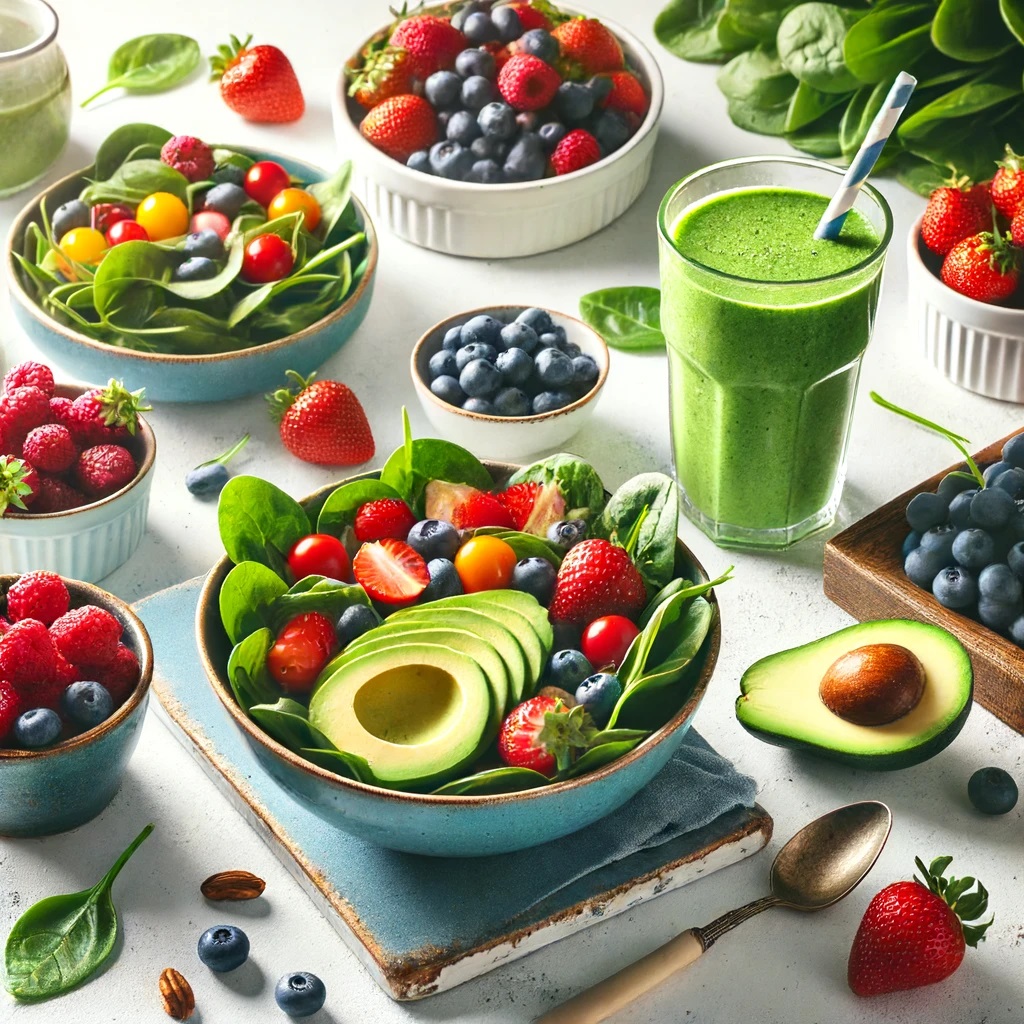
1. Antioxidant-Rich Breakfast Smoothie

  • Ingredients: 1 cup spinach, 1/2 cup blueberries, 1 banana, 1 tablespoon chia seeds, 1 cup almond milk
  • Instructions: Blend all ingredients until smooth. Enjoy a nutrient-packed smoothie to start your day.
  • Anjali, a yoga instructor, found herself dealing with dull skin despite her active lifestyle. She decided to revamp her breakfast routine and started making an antioxidant-rich smoothie each morning. Within a month, her skin was glowing and vibrant. Anjali now swears by her morning smoothie as a key part of her skincare regimen.

2. Hydrating Salad

  • Ingredients: Mixed greens, cucumber, tomatoes, avocado, lemon juice, olive oil
  • Instructions: Combine all ingredients in a bowl and toss with lemon juice and olive oil.
  • Carlos, an office worker, realized that his diet was affecting his skin health. He started incorporating a hydrating salad into his lunch routine, packed with fresh vegetables and healthy fats. Over time, his skin became clearer and more hydrated, and he felt more energized throughout the day.

3. Skin-Boosting Snack

  • Ingredients: Carrot sticks, hummus
  • Instructions: Dip carrot sticks in hummus for a fiber-rich, healthy snack.
  • Mei, a student with a hectic schedule, often neglected her skin health. She started snacking on carrot sticks with hummus between classes and noticed a significant improvement in her skin’s texture and clarity. This simple snack helped her maintain a healthy glow despite her busy lifestyle.

How Wei Improved His Digestion with Mindful Eating

Better Digestion: How Wei Transformed His Health with Mindful Eating

Meet Wei: Wei, a 40-year-old chef from Shanghai, experienced frequent digestive issues. To address this, he adopted mindful eating practices.

Eating Slowly: Wei started eating more slowly, taking time to chew each bite thoroughly.

Example: During meals, Wei put his fork down between bites and focused on savoring each mouthful.

Listening to Hunger Cues: He learned to listen to his body’s hunger and fullness cues, avoiding overeating.

Example: Wei waited until he felt hungry to eat and stopped eating when he felt comfortably full.

Reducing Distractions: Wei minimized distractions during meals to fully engage with the eating experience.

Example: He turned off the TV and put away his phone, focusing solely on his meal.

The Result: With mindful eating, Wei’s digestion improved, and he felt more in tune with his body’s needs.

How Min-Jun Boosted His Immunity with a Balanced Diet

Stronger Immunity: How Min-Jun Boosted His Health with a Balanced Diet

Meet Min-Jun: Min-Jun, a 33-year-old office worker from Seoul, often fell sick and had low energy levels. Determined to improve his health, he focused on eating a balanced diet.

Adding Fruits and Vegetables: Min-Jun increased his intake of fruits and vegetables, ensuring he got a variety of vitamins and minerals.

Example: For breakfast, Min-Jun started having a smoothie bowl with spinach, berries, and chia seeds.

Incorporating Lean Proteins: He included lean proteins like chicken, fish, and tofu in his meals to support his immune system.

Example: For lunch, Min-Jun enjoyed a salad with grilled chicken, mixed greens, and avocado.

Staying Hydrated: Min-Jun made a conscious effort to drink more water and stay hydrated throughout the day.

Example: He carried a reusable water bottle and set reminders to drink water regularly.

The Result: With these dietary changes, Min-Jun experienced fewer illnesses and higher energy levels. A balanced diet significantly improved his overall health.

How Jane Transformed Her Health with a Balanced Diet

From Tired to Thriving: How Jane Transformed Her Health with a Balanced Diet

Meet Jane, a busy professional who used to struggle with fatigue, poor digestion, and frequent illness. Through the power of a balanced diet, Jane was able to transform her health and achieve a new level of vitality. In this post, we’ll share Jane’s journey and how incorporating key dietary changes helped her feel better than ever.

Jane’s Story: Jane, a 35-year-old marketing manager, often found herself exhausted by mid-afternoon. Despite trying various energy drinks and supplements, she couldn’t shake the constant fatigue. Her digestion was also a mess, leading to frequent bloating and discomfort. Jane knew she needed to make a change, so she decided to overhaul her diet.

Step 1: Incorporating Whole Foods: Jane started by removing processed foods from her diet and focusing on whole, nutrient-dense foods. She filled her plate with colorful vegetables, fruits, whole grains, and lean proteins. This switch helped stabilize her energy levels throughout the day.

Example: For breakfast, Jane swapped sugary cereals for a smoothie bowl packed with spinach, berries, chia seeds, and almond milk. This nutrient-rich start to her day kept her energized until lunch.

Step 2: Balancing Macronutrients: Understanding the importance of macronutrients, Jane made sure her meals included a balanced mix of carbohydrates, proteins, and fats. This balance helped her feel fuller for longer and provided sustained energy.

Example: For lunch, Jane enjoyed a quinoa salad with grilled chicken, avocado, mixed greens, and a drizzle of olive oil. The combination of protein, healthy fats, and complex carbs kept her satisfied and focused.

Step 3: Staying Hydrated: Jane realized she often mistook dehydration for hunger. She made a conscious effort to drink at least 8 glasses of water a day, which improved her digestion and reduced her cravings.

Example: Jane carried a reusable water bottle with her and set reminders on her phone to take sips throughout the day. She also included hydrating foods like cucumbers and watermelon in her diet.

Step 4: Mindful Eating: To improve her digestion, Jane practiced mindful eating. She took time to chew her food thoroughly, savor each bite, and listen to her body’s hunger and fullness cues.

Example: Instead of eating lunch at her desk, Jane took a break and ate slowly, enjoying her meal without distractions. This practice not only improved her digestion but also made her feel more satisfied with her meals.

Jane’s Transformation: Within a few months, Jane noticed significant improvements in her health. Her energy levels were higher, her digestion was smoother, and she rarely fell ill. Jane’s transformation is a testament to the power of a balanced diet and mindful eating.

Jane’s journey shows that making simple, sustainable changes to your diet can lead to profound health benefits. At Alchemy International, we support individuals in their quest for better health through balanced nutrition and mindful living. Start your own transformation today by incorporating these dietary changes into your routine and experience the positive impact on your well-being.

The Art of Mindful Eating: Nourish Your Body and Soul

In a fast-paced world, eating often becomes a hurried activity, leading to poor digestion, overeating, and a disconnection from the joy of food. Mindful eating encourages us to slow down, savor each bite, and appreciate the nourishment that food provides. Here’s how to practice mindful eating to nourish your body and soul.

Understanding Mindful Eating

Mindful eating involves paying full attention to the experience of eating and drinking, both inside and outside the body. It’s about being present, noticing the colors, smells, textures, flavors, temperatures, and even the sounds of our food.

Benefits of Mindful Eating

Mindful eating can lead to improved digestion, better regulation of appetite, weight management, and a greater sense of enjoyment and satisfaction with meals. It can also reduce stress and foster a healthier relationship with food.

Tips for Practicing Mindful Eating

1. Eat Without Distractions

Eating without distractions helps you focus on your food and the experience of eating. Turn off the TV, put away your phone, and sit down at a table to eat.

  • Example: Make it a family rule to have meals at the table without any screens or gadgets. This encourages conversation and a shared appreciation for the meal.

2. Savor Each Bite

Take time to savor each bite of your food. Chew slowly and thoroughly, paying attention to the taste and texture.

  • Example: When eating a piece of fruit, notice its sweetness, juiciness, and texture. Enjoy the flavors fully before swallowing.

3. Listen to Your Body

Pay attention to your body’s hunger and fullness cues. Eat when you’re hungry and stop when you’re satisfied, not when you’re overly full.

  • Example: Before reaching for a second helping, pause for a moment and ask yourself if you’re still truly hungry. This can help prevent overeating.

4. Appreciate Your Food

Take a moment before eating to appreciate your food. Consider where it came from, how it was prepared, and the effort that went into bringing it to your table.

  • Example: Say a simple thank you or express gratitude for your meal before you start eating. This can enhance your appreciation and enjoyment of your food.

5. Engage Your Senses

Engage all your senses in the eating experience. Notice the colors, smells, and textures of your food.

  • Example: When eating a salad, observe the vibrant colors of the vegetables, the aroma of the dressing, and the crunch of the greens. This sensory engagement can make your meal more satisfying.

6. Eat Slowly

Eating slowly allows you to enjoy your food more and gives your body time to signal when it’s full.

  • Example: Set your fork down between bites and take a few deep breaths. This can help you pace yourself and eat more mindfully.

7. Reflect on Your Eating Habits

Take time to reflect on your eating habits and how they make you feel. Notice any patterns of emotional eating or times when you eat out of boredom or stress.

  • Example: Keep a food journal to track what you eat, when you eat, and how you feel afterward. This can help you identify areas for improvement and make more mindful choices.

8. Prepare Your Meals with Care

Preparing your meals with care can enhance the mindfulness of your eating experience. Choose fresh, wholesome ingredients and take time to enjoy the cooking process.

  • Example: Involve your family in meal preparation. This can make cooking more enjoyable and turn it into a shared, mindful activity.

9. Mindful Eating Practices

Incorporate specific mindful eating practices into your routine to enhance your awareness and enjoyment of food.

  • Example: Practice the “Raisin Meditation,” a common mindfulness exercise where you eat a single raisin slowly, noticing every aspect of its texture, taste, and smell. This practice can heighten your awareness and appreciation of food.

10. Enjoy the Social Aspect of Eating

Eating mindfully can also involve appreciating the social aspects of meals. Sharing a meal with loved ones can enhance the experience and create meaningful connections.

  • Example: Plan regular family dinners or gatherings with friends where you can enjoy food and each other’s company without distractions.

Healthy Habits for a Productive Day: Tips from Successful People

Productivity isn’t just about working hard; it’s about working smart. Successful people across various fields often share common habits that help them stay productive and maintain a healthy work-life balance. Here are some of their top tips and practices that you can incorporate into your daily routine for a more productive and fulfilling day.

1. Start Your Day Early

Many successful people, including CEOs and entrepreneurs, swear by the habit of waking up early. Starting your day early gives you a head start and allows you to tackle important tasks before the day gets busy.

  • Example: Apple CEO Tim Cook reportedly wakes up at 4:30 AM to get a head start on his day. Use the early morning hours for activities like exercise, meditation, or planning your day.

2. Prioritize Exercise

Regular physical activity is crucial for maintaining energy levels and mental clarity. Exercise helps reduce stress, improve mood, and increase overall productivity.

  • Example: Former First Lady Michelle Obama makes time for a daily workout. Aim for at least 30 minutes of physical activity, whether it’s a morning jog, a yoga session, or a trip to the gym.

3. Practice Mindfulness and Meditation

Mindfulness and meditation can help you stay focused, reduce stress, and improve mental clarity. Incorporating these practices into your daily routine can enhance your overall well-being and productivity.

  • Example: Media mogul Oprah Winfrey practices meditation daily. Spend a few minutes each morning in meditation or practice mindfulness throughout the day to stay present and focused.

4. Plan Your Day

Planning your day ahead of time helps you stay organized and ensures that you tackle your most important tasks. Use tools like to-do lists, calendars, or productivity apps to keep track of your schedule.

  • Example: Virgin Group founder Richard Branson uses lists to stay organized. Start your day by listing your top priorities and allocating specific times for each task.

5. Maintain a Healthy Diet

What you eat can significantly impact your energy levels and productivity. A balanced diet that includes plenty of fruits, vegetables, whole grains, and lean proteins can help you stay focused and energized throughout the day.

  • Example: Facebook COO Sheryl Sandberg emphasizes the importance of a healthy diet. Prepare nutritious meals and snacks ahead of time to avoid unhealthy choices during busy days.

6. Take Regular Breaks

Taking regular breaks is essential for maintaining productivity and preventing burnout. Short breaks can help you recharge and return to your tasks with renewed focus.

  • Example: Google encourages employees to take breaks and even provides nap pods in their offices. Use techniques like the Pomodoro Technique, where you work for 25 minutes and then take a 5-minute break.

7. Set Clear Goals

Setting clear, achievable goals helps you stay focused and motivated. Break down larger goals into smaller, manageable tasks and track your progress.

  • Example: Tesla and SpaceX CEO Elon Musk sets clear goals and timelines for his projects. Use SMART goals (Specific, Measurable, Achievable, Relevant, Time-bound) to outline your objectives.

8. Stay Hydrated

Staying hydrated is essential for maintaining concentration and energy levels. Keep a water bottle with you and make it a habit to drink water throughout the day.

  • Example: Model and entrepreneur Miranda Kerr emphasizes the importance of staying hydrated. Aim to drink at least eight glasses of water daily.

9. Foster a Positive Mindset

A positive mindset can significantly impact your productivity and overall happiness. Practice gratitude, stay optimistic, and focus on the positives in your life.

  • Example: Motivational speaker and author Tony Robbins practices gratitude daily. Start your day by listing things you are grateful for to cultivate a positive outlook.

10. Get Enough Sleep

Adequate sleep is crucial for cognitive function, memory, and overall health. Ensure you get 7-9 hours of quality sleep each night to stay productive and alert.

  • Example: Amazon founder Jeff Bezos prioritizes sleep to maintain productivity. Establish a relaxing bedtime routine and create a sleep-friendly environment to improve your sleep quality.

High-Protein Meal Plan for a Week to Build Muscle

Building muscle requires a diet rich in protein to support muscle repair and growth. Here’s a high-protein meal plan for a week designed to help you build muscle effectively.

Day 1:

Breakfast: Scrambled eggs with spinach and feta cheese Snack: Greek yogurt with berries Lunch: Grilled chicken breast with quinoa and steamed broccoli Snack: Cottage cheese with pineapple Dinner: Baked salmon with sweet potatoes and asparagus

Day 2:

Breakfast: Protein smoothie with whey protein, banana, and almond milk Snack: Handful of almonds Lunch: Turkey and avocado wrap with whole-grain tortilla Snack: Hard-boiled eggs Dinner: Beef stir-fry with bell peppers, onions, and brown rice

Day 3:

Breakfast: Oatmeal with protein powder, chia seeds, and mixed berries Snack: Edamame Lunch: Tuna salad with mixed greens and olive oil dressing Snack: Protein bar Dinner: Chicken thighs with roasted Brussels sprouts and wild rice

Day 4:

Breakfast: Cottage cheese with sliced peaches and a sprinkle of granola Snack: Celery sticks with peanut butter Lunch: Lentil soup with a side of mixed vegetables Snack: String cheese Dinner: Grilled shrimp with quinoa and a side salad

Day 5:

Breakfast: Smoothie bowl with protein powder, spinach, banana, and flax seeds Snack: Roasted chickpeas Lunch: Chicken Caesar salad with a light dressing Snack: Pumpkin seeds Dinner: Pork chops with mashed sweet potatoes and green beans

Day 6:

Breakfast: Whole grain toast with avocado and poached eggs Snack: Protein shake Lunch: Black bean and quinoa salad with lime dressing Snack: Sliced turkey breast Dinner: Baked cod with brown rice and sautéed spinach

Day 7:

Breakfast: Greek yogurt parfait with granola and honey Snack: Mixed nuts Lunch: Grilled tofu with mixed vegetables and farro Snack: Apple slices with almond butter Dinner: Lamb chops with roasted carrots and parsnips

A Day in the Life of a Wellness Enthusiast

Explore a day in the life of someone who is passionate about wellness. This blog post can highlight various healthy habits, activities, and routines that promote physical and mental well-being. The narrative style can make it engaging and relatable.

Morning Routine: The wellness enthusiast starts their day with a series of healthy habits.

Example: Wake up early and begin the day with a glass of warm lemon water to kickstart digestion. Follow this with a 20-minute yoga session to stretch and energize the body.

Healthy Breakfast: A nutrient-rich breakfast is essential for fueling the day.

Example: Prepare a smoothie bowl with spinach, banana, berries, chia seeds, and almond milk. Top it with granola and fresh fruit for added texture and flavor.

Mindfulness Practice: Incorporate mindfulness to maintain mental clarity and focus.

Example: Spend 10 minutes meditating or practicing deep breathing exercises. This helps set a positive tone for the rest of the day.

Work and Productivity: Balance work responsibilities with wellness breaks.

Example: During work hours, take short breaks to stand, stretch, and walk around. This helps maintain physical health and mental sharpness.

Lunch Break: Enjoy a balanced meal that supports energy and concentration.

Example: Have a salad with mixed greens, quinoa, avocado, cherry tomatoes, and grilled chicken, dressed with olive oil and lemon juice.

Afternoon Activities: Engage in activities that promote relaxation and creativity.

Example: Take a walk in nature or visit a park to unwind and rejuvenate. Alternatively, spend time on a creative hobby like painting or playing a musical instrument.

Evening Exercise: Stay active with an enjoyable workout session.

Example: Join a dance class or go for a bike ride. Choose activities that are fun and keep you motivated.

Dinner and Relaxation: End the day with a light, nutritious dinner and relaxation techniques.

Example: Prepare a vegetable stir-fry with tofu or fish, and enjoy it with brown rice. After dinner, practice gentle stretching or read a book to wind down.

Nighttime Routine: Create a calming bedtime routine to ensure restful sleep.

Example: Take a warm bath with Epsom salts, followed by a cup of chamomile tea. Reflect on the day with a gratitude journal and set intentions for the next day.

How to Create a Balanced Diet: Tips and Tricks

Nourish Your Body: How to Create a Balanced Diet

Eating a balanced diet is essential for maintaining good health and energy levels. A well-rounded diet provides the necessary nutrients your body needs to function optimally. In this post, we’ll share tips and tricks for creating a balanced diet that supports your overall well-being.

Tip 1: Include a Variety of Foods: Eating a wide range of foods ensures you get all the essential nutrients. Aim to include fruits, vegetables, whole grains, lean proteins, and healthy fats in your meals.

Tip 2: Portion Control: Portion control helps prevent overeating and ensures you’re getting the right amount of nutrients. Use smaller plates, and pay attention to serving sizes to avoid consuming too much.

Tip 3: Eat Plenty of Fruits and Vegetables: Fruits and vegetables are rich in vitamins, minerals, and fiber. Aim to fill half your plate with fruits and vegetables at each meal.

Tip 4: Choose Whole Grains: Whole grains are more nutritious than refined grains. Opt for whole-grain bread, brown rice, quinoa, and oats instead of white bread, white rice, and other refined grains.

Tip 5: Include Lean Proteins: Protein is essential for muscle repair and growth. Choose lean sources such as chicken, turkey, fish, beans, lentils, and tofu.

Tip 6: Limit Added Sugars and Salt: Excess sugar and salt can lead to health problems such as obesity and high blood pressure. Read labels and choose foods with lower amounts of added sugars and sodium.

Tip 7: Stay Hydrated: Drinking enough water is crucial for overall health. Aim for at least eight glasses of water a day, and limit sugary drinks and alcohol.

Tip 8: Plan Your Meals: Meal planning helps you make healthier choices and avoid last-minute unhealthy options. Plan your meals and snacks for the week, and prepare what you can in advance.

Creating a balanced diet is a key component of a healthy lifestyle. By following these tips and tricks, you can ensure you’re nourishing your body with the nutrients it needs. At Alchemy International, we believe in the power of a balanced diet to support overall wellness. Start incorporating these practices into your routine and enjoy the benefits of better health.