
The Superpowers of Bell Peppers: Green, Red, and Yellow

Bell peppers, available in vibrant green, red, and yellow varieties, are not just colorful additions to your meals; they are packed with essential nutrients and health benefits. Let’s dive into the nutritional value and benefits of these superfoods, and how you can incorporate them into your diet for a healthier lifestyle.


Nutritional Benefits

1. Rich in Vitamins and Antioxidants

Bell peppers are loaded with vitamins A, C, and E. Red bell peppers, in particular, have the highest amount of vitamin C, which is crucial for boosting your immune system and promoting skin health. The antioxidants in bell peppers help combat oxidative stress and reduce inflammation.

Learn more about the nutritional benefits of bell peppers: Healthline


2. Low in Calories, High in Fiber

Bell peppers are low in calories, making them an excellent addition to any weight loss diet. They are also high in dietary fiber, which aids in digestion and keeps you feeling full longer.

Explore the weight loss benefits of bell peppers: WebMD


3. Supports Eye Health

The high levels of beta-carotene and lutein in bell peppers are beneficial for eye health. These compounds help prevent macular degeneration and cataracts, ensuring that your vision stays sharp as you age.

Discover more about bell peppers and eye health: American Academy of Ophthalmology


4. Promotes Heart Health

Bell peppers contain potassium, which helps regulate blood pressure, and fiber, which reduces cholesterol levels. These factors contribute to better heart health and reduce the risk of cardiovascular diseases.

Learn about heart health and bell peppers: Harvard Health


5. Boosts Immunity

The vitamin C content in bell peppers boosts your immune system, helping your body fight off infections and diseases more effectively. This makes them a great addition to your diet, especially during the cold and flu season.

Read about boosting immunity with bell peppers: Mayo Clinic


How to Incorporate Bell Peppers into Your Diet

1. Salads and Stir-Fries

Add chopped bell peppers to your salads and stir-fries for a crunchy texture and a burst of flavor. They pair well with a variety of vegetables and proteins.

2. Stuffed Bell Peppers

Fill bell peppers with a mixture of quinoa, black beans, corn, and cheese for a nutritious and satisfying meal.

3. Grilled or Roasted

Grill or roast bell peppers to bring out their natural sweetness. They make a delicious side dish or topping for sandwiches and burgers.

4. Smoothies

Blend bell peppers into your smoothies for an extra dose of vitamins and antioxidants. Their mild flavor blends well with fruits like strawberries and oranges.


Call to Action

Add the superpowers of bell peppers to your meals today and enjoy their numerous health benefits. For more healthy eating tips and recipes, visit Holistic Wellness Guide.

#HealthyEating #Superfoods #BellPeppers #Nutrition #Vitamins #WeightLoss #HeartHealth #ImmunityBoost
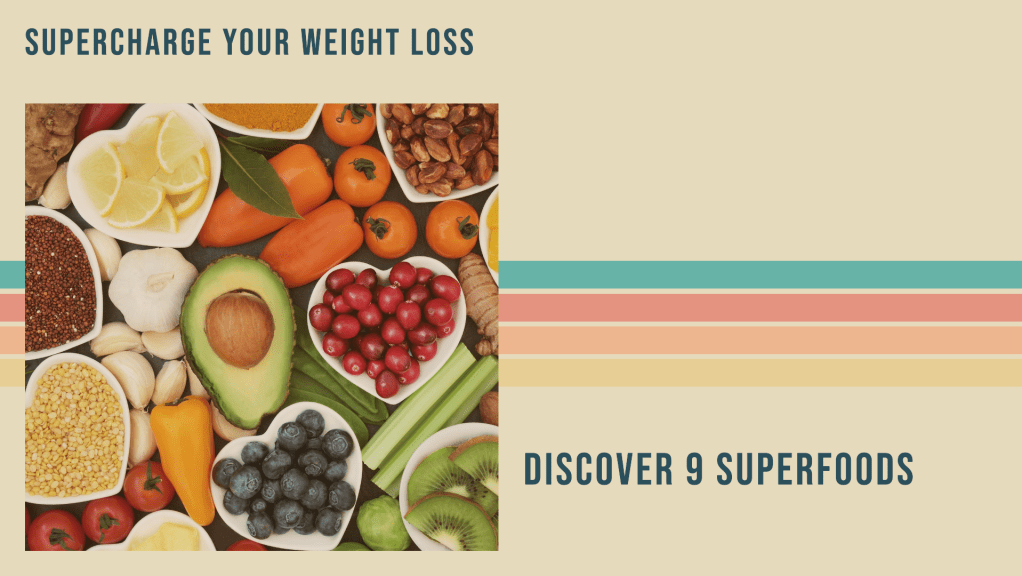
9 Superfoods to Supercharge Your Weight Loss Journey

Incorporating the right superfoods into your diet can make a significant difference in your weight loss efforts. These nutrient-dense foods not only help you shed pounds but also provide numerous health benefits. Here are nine superfoods that can naturally aid in weight loss.


1. Kale

Kale is a leafy green packed with vitamins A, K, and C, as well as fiber and antioxidants. Its low calorie content makes it an ideal food for weight loss.

Learn more about kale’s benefits: Healthline


2. Quinoa

Quinoa is a complete protein, meaning it contains all nine essential amino acids. It’s also high in fiber, which helps keep you full longer.

Explore quinoa’s health benefits: Medical News Today


3. Berries

Berries, such as blueberries, strawberries, and raspberries, are low in calories but high in fiber and antioxidants. They can help curb your sweet cravings while providing essential nutrients.

Read about the benefits of berries: Healthline


4. Avocados

Avocados are rich in healthy fats, particularly monounsaturated fats, which can help reduce belly fat. They also contain fiber and various essential vitamins.

Discover more about avocados: WebMD


5. Nuts

Nuts, such as almonds and walnuts, are high in healthy fats, protein, and fiber. They make for a satisfying snack that can help control hunger.

Learn about the benefits of nuts: Harvard T.H. Chan School of Public Health


6. Chia Seeds

Chia seeds are rich in omega-3 fatty acids, fiber, and protein. They expand in your stomach, helping you feel full and satisfied.

Explore chia seeds’ health benefits: Healthline


7. Green Tea

Green tea contains catechins, antioxidants that boost metabolism and increase fat burning. Drinking green tea can enhance your weight loss efforts.

Read about green tea’s benefits: WebMD


8. Greek Yogurt

Greek yogurt is high in protein and probiotics, which support digestion and keep you full longer. It’s a great addition to a balanced diet.

Learn about Greek yogurt: Medical News Today


9. Sweet Potatoes

Sweet potatoes are high in fiber, vitamins, and minerals. Their low glycemic index helps regulate blood sugar levels, making them a great food for weight loss.

Discover the benefits of sweet potatoes: Healthline

Call to Action

Incorporate these superfoods into your daily meals to support your weight loss journey and enhance your overall health. For more tips on healthy living, visit Holistic Wellness Guide.

#WeightLoss #Superfoods #HealthyEating #Nutrition #Wellness #HealthyLiving #DietTips #Fitness #HealthyLifestyle

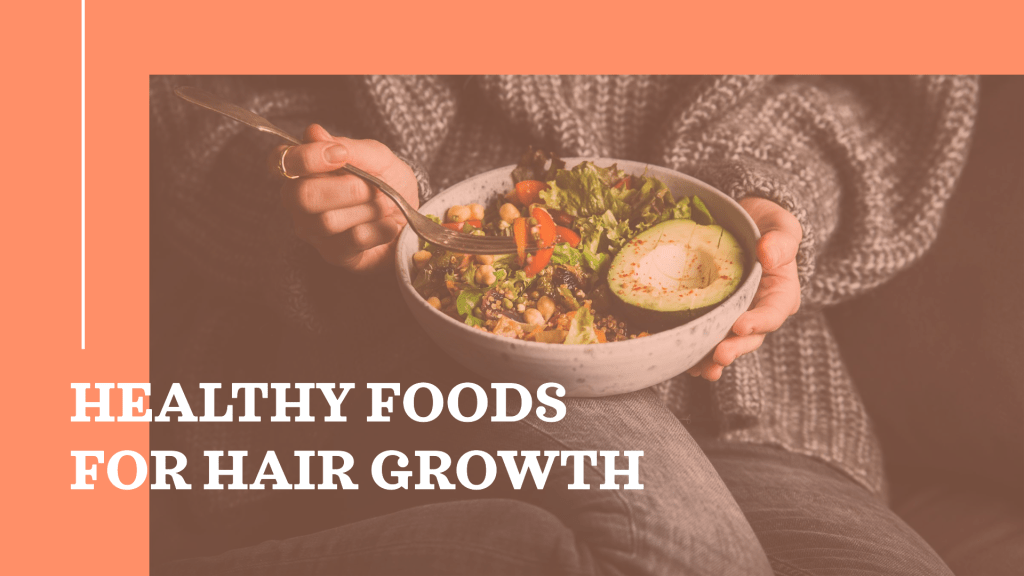
9 Foods That Naturally Boost Hair Growth

Achieving healthy and luscious hair often starts from within. Incorporating the right foods into your diet can significantly impact your hair health. Here are nine foods that can naturally help in hair growth.


1. Spinach

Rich in iron, vitamins A and C, and protein, spinach is a powerhouse for hair health. Iron deficiency is a common cause of hair loss, and spinach provides a good amount of this essential mineral.

Learn more about spinach and hair health: Healthline


2. Sweet Potatoes

Sweet potatoes are loaded with beta-carotene, which the body converts into vitamin A. This vitamin promotes the production of sebum, which helps keep hair healthy.

Explore the benefits of sweet potatoes: WebMD


3. Eggs

Eggs are a great source of protein and biotin, both of which are essential for hair growth. Biotin, in particular, is known to improve hair’s keratin infrastructure.

Read about eggs and hair growth: Medical News Today


4. Berries

Berries are packed with beneficial compounds and vitamins that promote hair growth. They contain vitamin C, which has strong antioxidant properties that protect hair follicles from damage.

Discover more about the benefits of berries: Healthline


5. Avocados

Avocados are high in healthy fats and vitamin E, which can promote hair growth. Vitamin E helps improve blood circulation and supports the follicles.

Learn about avocados and hair health: Medical News Today


6. Nuts

Nuts like almonds and walnuts are rich in vitamin E, zinc, and fatty acids, which can enhance hair health. They also provide a good amount of B vitamins, which are crucial for hair growth.

Read more about nuts and hair growth: Healthline


7. Seeds

Seeds such as flaxseeds and chia seeds provide omega-3 fatty acids, which are essential for hair growth. They also contain antioxidants and other nutrients that support hair health.

Explore the benefits of seeds: Medical News Today


8. Fish

Fatty fish like salmon and mackerel are rich in omega-3 fatty acids, which can boost hair growth. These fish are also excellent sources of protein, selenium, and vitamin D3.

Discover more about the benefits of fish: WebMD


9. Legumes

Legumes like beans and lentils are packed with protein, iron, zinc, and biotin, all of which are essential for hair growth. They are a great plant-based source of these nutrients.

Learn about legumes and hair health: Healthline

Call to Action

Incorporate these foods into your daily diet to naturally boost hair growth and maintain healthy locks. For more tips on maintaining a balanced and nutritious diet, visit Holistic Wellness Guide.

#HairGrowth #HealthyHair #NaturalHairCare #Nutrition #Wellness #HealthyEating #HairCareTips

10 Healthy Habits of Intelligent People

Intelligent people often share common habits that contribute to their mental sharpness and overall well-being. Here are ten healthy habits that make intelligent people the way they are.


1. Reading Regularly

Reading is a cornerstone habit for intelligent people. It enhances knowledge, improves vocabulary, and stimulates cognitive functions.

Benefits:

  • Expands knowledge base
  • Improves focus and concentration
  • Enhances critical thinking

External Links:


2. Prioritizing Exercise

Regular physical activity boosts brain health and cognitive function. Exercise releases endorphins, reduces stress, and improves mood.

Benefits:

  • Enhances brain function
  • Reduces stress and anxiety
  • Improves physical health

External Links:


3. Practicing Mindfulness and Meditation

Mindfulness and meditation help intelligent people stay focused, reduce stress, and enhance emotional intelligence.

Benefits:

  • Reduces stress and anxiety
  • Improves focus and concentration
  • Enhances emotional regulation

External Links:


4. Eating a Balanced Diet

A nutritious diet fuels the brain and body. Intelligent people prioritize foods rich in essential nutrients to maintain optimal health.

Benefits:

  • Boosts brain function
  • Enhances energy levels
  • Supports overall health

External Links:


5. Getting Enough Sleep

Quality sleep is crucial for cognitive function and overall health. Intelligent people prioritize sleep to ensure they are well-rested and mentally sharp.

Benefits:

  • Enhances memory and learning
  • Improves mood and mental health
  • Supports physical health

External Links:


6. Setting Goals and Planning

Intelligent people set clear goals and create actionable plans to achieve them. This habit helps them stay organized and focused.

Benefits:

  • Enhances productivity
  • Provides direction and purpose
  • Reduces stress and anxiety

External Links:


7. Embracing Lifelong Learning

Continuous learning keeps the mind sharp and adaptable. Intelligent people seek new knowledge and skills throughout their lives.

Benefits:

  • Keeps the brain active
  • Enhances adaptability
  • Boosts self-confidence

External Links:


8. Maintaining Social Connections

Strong social ties contribute to mental and emotional health. Intelligent people prioritize relationships and social interactions.

Benefits:

  • Enhances emotional well-being
  • Reduces stress
  • Provides support and connection

External Links:


9. Staying Curious

Curiosity drives intelligent people to explore new ideas and experiences. It fuels creativity and problem-solving skills.

Benefits:

  • Enhances creativity
  • Promotes continuous learning
  • Encourages exploration

External Links:


10. Managing Stress Effectively

Intelligent people develop strategies to manage stress, such as relaxation techniques, exercise, and time management.

Benefits:

  • Reduces the negative effects of stress
  • Improves mental health
  • Enhances overall well-being

External Links:

Call to Action

Incorporate these habits into your daily routine to enhance your intelligence and overall well-being. Visit Holistic Wellness Guide for more insights on living a healthy and intelligent life.

#HealthyHabits #Intelligence #PersonalGrowth #MentalHealth #WellnessJourney #Mindfulness #LifelongLearning #EmotionalIntelligence #Fitness #HealthyEating

Unstoppable You: Habits to Build Physical and Mental Strength

Developing habits that enhance your physical and mental strength can transform your life. Here are some powerful habits to help you become a stronger person.

1. Regular Exercise

Consistent physical activity is essential for building strength. Incorporate a mix of cardio, strength training, and flexibility exercises into your routine. Learn more about the benefits of regular exercise.

2. Healthy Eating

Fuel your body with nutritious foods that support muscle growth and overall health. Focus on lean proteins, healthy fats, whole grains, and plenty of fruits and vegetables. Explore healthy eating tips.

3. Adequate Sleep

Sleep is crucial for recovery and mental clarity. Aim for 7-9 hours of quality sleep each night to ensure your body and mind are well-rested. Understand the importance of sleep.

4. Mindfulness and Meditation

Practicing mindfulness and meditation helps reduce stress and enhances mental resilience. Spend a few minutes each day in meditation to strengthen your mind. Learn how to meditate.

5. Setting Goals

Setting and achieving goals gives you a sense of purpose and accomplishment. Start with small, attainable goals and gradually work towards larger ones. Discover goal-setting strategies.

6. Continuous Learning

Engage in lifelong learning to keep your mind sharp and adaptable. Read books, take courses, and seek new knowledge regularly. Explore the benefits of lifelong learning.

7. Positive Thinking

Cultivate a positive mindset by challenging negative thoughts and focusing on your strengths. Positive thinking can improve your mood and overall mental health. Explore techniques for positive thinking.

8. Building Resilience

Develop resilience by embracing challenges and viewing failures as opportunities to learn. Building resilience helps you navigate life’s ups and downs with strength and grace. Learn about building resilience.

9. Healthy Relationships

Surround yourself with supportive and positive people. Strong social connections provide emotional support and enhance your well-being. Understand the importance of healthy relationships.

10. Practicing Self-Care

Take time to care for yourself through activities that rejuvenate and energize you. Self-care is essential for maintaining both physical and mental strength. Discover self-care tips.

Call to Action

Incorporate these habits into your daily life to build both physical and mental strength. Visit Holistic Wellness Guide for more tips and insights on leading a balanced and fulfilling life.

#BuildStrength #HealthyHabits #Mindfulness #PositiveThinking #Exercise #SelfCare #MentalHealth #Resilience #HealthyEating #HolisticWellness

Morning Habits to Boost Productivity

Starting your day with the right habits can significantly enhance your productivity and set a positive tone for the day. Here are some morning habits to incorporate into your routine to boost productivity.

1. Wake Up Early

Waking up early gives you a head start on the day. It provides quiet time to plan your day and get things done without interruptions. Learn more about the benefits of waking up early.

2. Hydrate First Thing

Drinking water as soon as you wake up kickstarts your metabolism and helps rehydrate your body after hours of sleep. It can improve your focus and energy levels for the day ahead.

3. Exercise

Incorporate some form of physical activity into your morning routine. Whether it’s a full workout, yoga, or a brisk walk, exercise boosts your mood, energy, and cognitive function. Explore morning workout ideas.

4. Eat a Healthy Breakfast

A nutritious breakfast fuels your body and brain, providing the energy needed to tackle your tasks. Opt for a balanced meal with proteins, healthy fats, and complex carbohydrates. Check out healthy breakfast recipes.

5. Plan Your Day

Spend a few minutes planning your day. Prioritize tasks, set goals, and create a to-do list. This helps you stay organized and focused. Learn effective planning techniques.

6. Practice Mindfulness or Meditation

Starting your day with mindfulness or meditation can reduce stress, improve focus, and enhance your overall well-being. Even a few minutes of deep breathing can make a difference. Discover mindfulness practices.

7. Read or Listen to Inspiring Content

Engage in reading or listening to motivational or educational content. This could be a book, podcast, or article that inspires you and sets a positive tone for the day. Find inspiring podcasts.

8. Journal

Take a few minutes to journal your thoughts, goals, or things you are grateful for. Journaling can help clear your mind, set intentions, and foster a positive mindset. Explore journaling techniques.

Call to Action

Incorporate these morning habits into your routine to boost your productivity and set a positive tone for the day. Visit Holistic Wellness Guide for more tips and insights on leading a balanced and productive life.

#MorningRoutine #Productivity #HealthyHabits #Wellness #Mindfulness #Exercise #HealthyEating #PersonalDevelopment #HolisticHealth

High-Protein Vegetarian Meal Plans for Muscle Building

Building muscle on a vegetarian or vegan diet is entirely achievable with the right meal plan. Here’s a comprehensive guide to high-protein meal plans designed to support muscle growth for both vegetarians and vegans.

High-Protein Vegetarian Meal Plan for a Week

Day 1:

  • Breakfast: Greek yogurt with honey, almonds, and chia seeds
  • Snack: Cottage cheese with sliced peaches
  • Lunch: Lentil soup with a side of quinoa salad
  • Snack: Hummus with carrot sticks
  • Dinner: Chickpea and spinach curry with brown rice

Day 2:

  • Breakfast: Smoothie with Greek yogurt, banana, spinach, and protein powder
  • Snack: Edamame
  • Lunch: Tofu stir-fry with mixed vegetables and soba noodles
  • Snack: Greek yogurt with berries
  • Dinner: Black bean and corn tacos with avocado

Day 3:

  • Breakfast: Oatmeal with almond butter, flax seeds, and blueberries
  • Snack: String cheese
  • Lunch: Quinoa salad with chickpeas, cucumber, and feta
  • Snack: Protein bar
  • Dinner: Paneer tikka with whole-grain naan and cucumber raita

Day 4:

  • Breakfast: Cottage cheese with pineapple and granola
  • Snack: Roasted chickpeas
  • Lunch: Spinach and ricotta stuffed portobello mushrooms
  • Snack: Mixed nuts
  • Dinner: Lentil and vegetable stew with whole-grain bread

Day 5:

  • Breakfast: Avocado toast with poached eggs
  • Snack: Greek yogurt with honey and walnuts
  • Lunch: Chickpea and quinoa salad with lemon-tahini dressing
  • Snack: Edamame
  • Dinner: Vegetarian chili with kidney beans and corn

Day 6:

  • Breakfast: Protein smoothie bowl with soy milk, banana, and flax seeds
  • Snack: Cottage cheese with sliced apples
  • Lunch: Tofu and vegetable stir-fry with quinoa
  • Snack: Protein bar
  • Dinner: Eggplant parmesan with a side of mixed greens

Day 7:

  • Breakfast: Greek yogurt parfait with granola and berries
  • Snack: Almonds and raisins
  • Lunch: Spinach and chickpea curry with brown rice
  • Snack: String cheese
  • Dinner: Black bean burgers with sweet potato fries

VeganProtein, #MuscleBuilding, #HealthyEating, #Nutrition, #FitnessGoals, #VeganDiet, #MealPrep, #DietPlan, #BuildMuscle, #HealthyLifestyle

The Art of Mindful Eating: Nourish Your Body and Soul

Mindful eating is the practice of paying full attention to the experience of eating and drinking, both inside and outside the body. By being mindful during meals, you can improve your relationship with food, enhance digestion, and enjoy your meals more fully. Here’s how to practice mindful eating and its benefits.

1. Slow Down

Eating slowly allows you to savor each bite and recognize when you’re full.

  • Tip: Put your fork down between bites and chew thoroughly.
  • Story: Emily, a busy professional, used to rush through meals. After practicing mindful eating, she found that slowing down helped her enjoy her food more and reduced overeating.

2. Engage Your Senses

Pay attention to the colors, smells, textures, and flavors of your food.

  • Tip: Take a moment to appreciate the presentation of your meal and the aroma before taking your first bite.
  • Story: Raj, a food enthusiast, started engaging his senses while eating. He discovered new flavors and textures, making his meals more enjoyable and satisfying.

3. Listen to Your Body

Tune into your body’s hunger and fullness signals to avoid overeating.

  • Tip: Eat when you’re hungry and stop when you’re satisfied, not stuffed.
  • Story: Lisa, who struggled with weight management, began listening to her body’s signals. She found that eating mindfully helped her maintain a healthy weight and improved her digestion.

4. Avoid Distractions

Focus solely on your meal without the distractions of TV, smartphones, or work.

  • Tip: Create a calm eating environment, free from electronic devices.
  • Story: John, who often ate in front of the TV, decided to eliminate distractions during meals. He noticed a significant improvement in his digestion and a greater appreciation for his food.

5. Practice Gratitude

Expressing gratitude for your food can enhance the mindful eating experience.

  • Tip: Take a moment to appreciate the effort that went into preparing your meal and the nourishment it provides.
  • Story: Sarah, a yoga instructor, incorporated gratitude into her meals. She found that this practice not only made her more mindful but also brought a sense of peace and contentment to her eating habits.

7-Day Antioxidant-Rich, Anti-Inflammatory Meal Plan

Boost your health and reduce inflammation with this 7-day meal plan rich in antioxidants and anti-inflammatory foods. Designed by a dietitian, this plan includes delicious and nutritious meals to help you feel your best.


Day 1

Breakfast:

  • Smoothie with spinach, berries, banana, and almond milk
  • Handful of nuts

Lunch:

  • Quinoa salad with cherry tomatoes, cucumber, and avocado
  • Lemon vinaigrette

Dinner:

  • Grilled salmon with a side of roasted sweet potatoes and steamed broccoli

Snack:

  • Apple slices with almond butter

Learn more about the benefits of these foods: Healthline


Day 2

Breakfast:

  • Overnight oats with chia seeds, blueberries, and honey

Lunch:

  • Mixed greens salad with walnuts, cranberries, and goat cheese
  • Olive oil and balsamic dressing

Dinner:

  • Chicken stir-fry with bell peppers, onions, and brown rice

Snack:

  • Greek yogurt with a drizzle of honey

Explore the benefits of anti-inflammatory foods: Medical News Today


Day 3

Breakfast:

  • Avocado toast on whole-grain bread with a sprinkle of flaxseeds

Lunch:

  • Lentil soup with spinach and carrots

Dinner:

  • Baked cod with quinoa and a side of sautéed kale

Snack:

  • Carrot sticks with hummus

Discover more healthy recipes: WebMD


Day 4

Breakfast:

  • Chia pudding made with coconut milk, topped with raspberries

Lunch:

  • Turkey and avocado wrap with whole-grain tortilla

Dinner:

  • Beef and vegetable stew with sweet potatoes and green beans

Snack:

  • Mixed berries

Read about the benefits of chia seeds: Healthline


Day 5

Breakfast:

  • Scrambled eggs with spinach and tomatoes

Lunch:

  • Tuna salad with mixed greens, cherry tomatoes, and olives

Dinner:

  • Grilled chicken breast with a side of brown rice and steamed asparagus

Snack:

  • Orange slices

Explore the benefits of antioxidant-rich foods: EatingWell


Day 6

Breakfast:

  • Smoothie bowl with mixed berries, banana, and granola

Lunch:

  • Chickpea and cucumber salad with lemon-tahini dressing

Dinner:

  • Shrimp stir-fry with bell peppers, snap peas, and quinoa

Snack:

  • Pear slices with cottage cheese

Discover more about anti-inflammatory diets: Healthline


Day 7

Breakfast:

  • Greek yogurt parfait with granola, honey, and strawberries

Lunch:

  • Whole-grain pasta salad with spinach, cherry tomatoes, and feta

Dinner:

  • Baked chicken with roasted Brussels sprouts and sweet potatoes

Snack:

  • Dark chocolate squares

Learn more about antioxidant-rich foods: WebMD

Call to Action

Incorporate this meal plan into your week to boost your health and reduce inflammation. For more tips on maintaining a balanced and nutritious diet, visit Holistic Wellness Guide.

#AntioxidantRich #AntiInflammatory #HealthyEating #Nutrition #Wellness #HealthyLiving #DietTips #MealPlan

Holistic Skincare Routine for Combination Skin

Combination skin, with its mix of oily and dry areas, requires a balanced approach. A holistic skincare routine can help manage both types and maintain overall skin health. Here’s a comprehensive guide for caring for combination skin with natural remedies, diet tips, and daily practices.

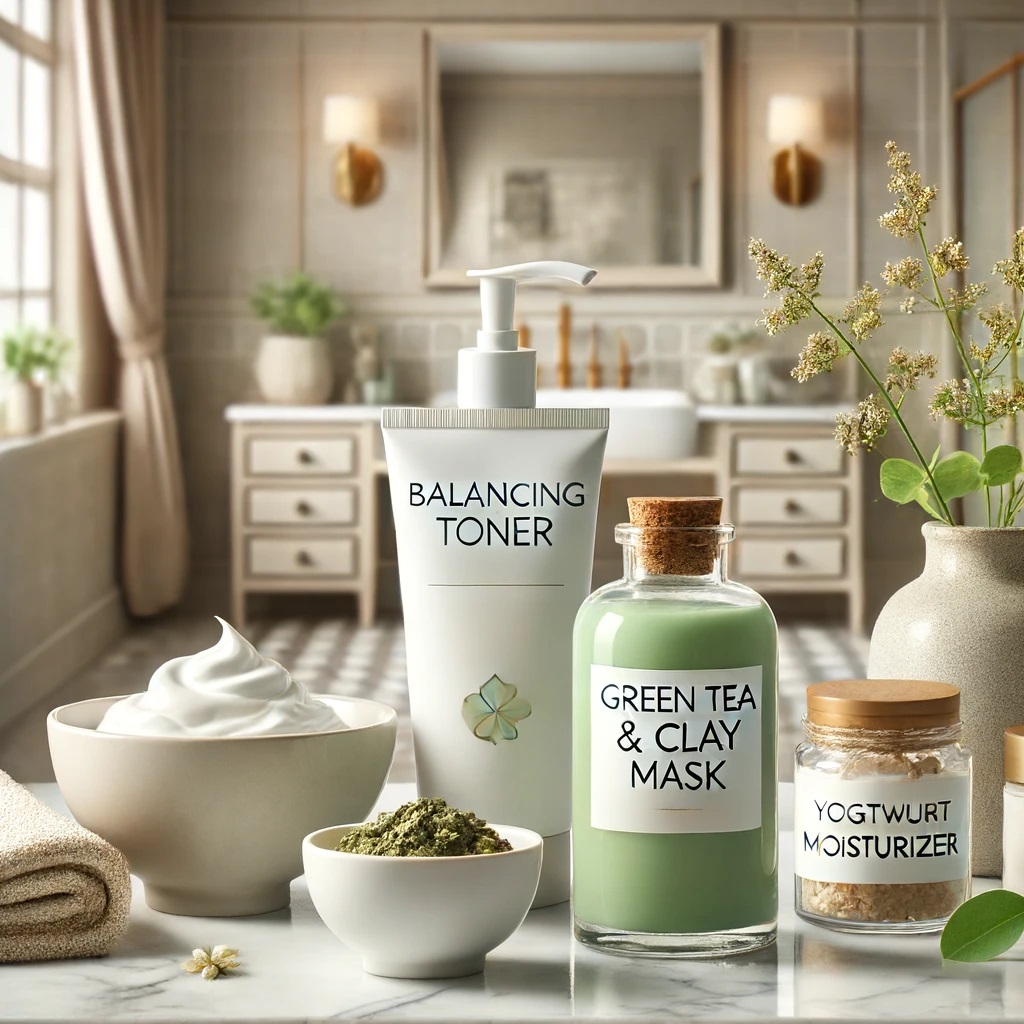
1. Balancing Green Tea and Clay Mask

  • Ingredients: 1 tablespoon green tea (cooled), 1 tablespoon clay (bentonite or kaolin)
  • Instructions: Mix green tea and clay to form a paste. Apply to the face, focusing on the T-zone. Leave for 15-20 minutes before rinsing off with warm water.
  • Akira, a graphic designer, struggled with an oily T-zone and dry cheeks. He discovered that a green tea and clay mask helped balance his skin. Akira now uses this mask weekly, which has significantly improved the overall balance of his skin.

2. Balanced Diet for Combination Skin

  • Breakfast: Greek yogurt with honey, mixed berries, and a sprinkle of granola
  • Lunch: Grilled chicken wrap with avocado, lettuce, and tomato
  • Snack: Fresh fruit slices (apple, pear) with a handful of nuts
  • Dinner: Brown rice with steamed vegetables and lean protein (fish or tofu)
  • Maria, a student, found that her diet affected her combination skin. By incorporating a balanced diet rich in both hydrating and oil-controlling foods, she noticed a more even complexion. Maria now follows this balanced diet to maintain her skin health.

3. Daily Practices for Combination Skin

  • Morning Routine: Cleanse with a gentle foaming cleanser, apply a balancing toner, use a lightweight moisturizer, and finish with a natural sunscreen.
  • Evening Routine: Remove makeup with micellar water, cleanse with a gentle foaming cleanser, apply a balancing toner, use a light serum, and finish with a night cream focused on hydration.
  • John, a project manager, had difficulty managing his combination skin. By adopting a skincare routine that targeted both oily and dry areas, he managed to achieve a more balanced complexion. John now enjoys a consistent routine that keeps his skin looking its best.