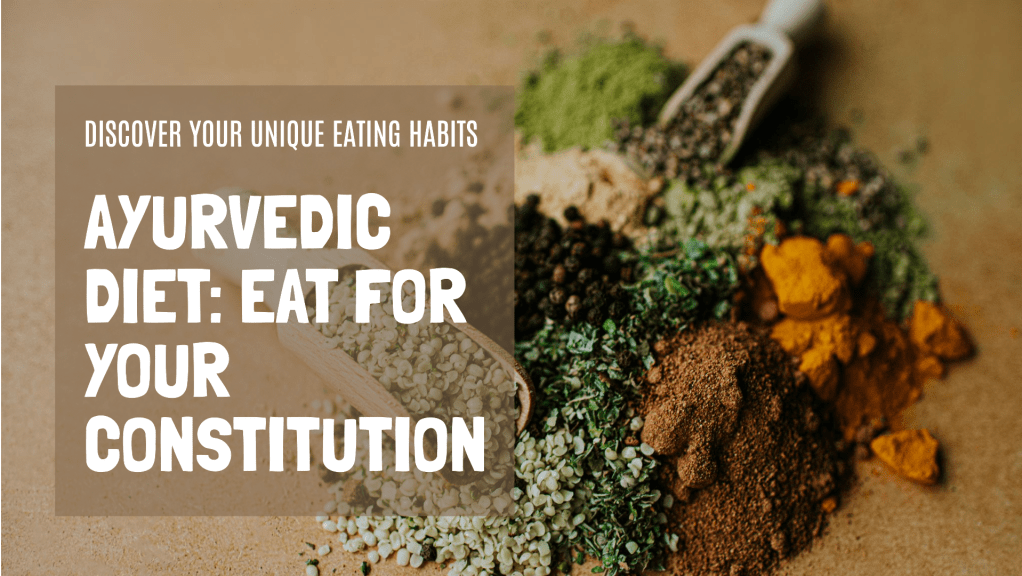
The Ayurvedic Approach to Diet: Tailoring Your Eating Habits to Your Unique Constitution

Ayurveda, the ancient Indian system of medicine, offers a holistic approach to health that emphasizes balance and harmony. One of the key components of Ayurvedic practice is the concept of tailoring your diet to your unique constitution, known as your dosha. According to Ayurveda, each person has a specific dosha (Vata, Pitta, or Kapha) that influences their physical, mental, and emotional characteristics. Understanding your dosha can help you make dietary choices that promote optimal health and well-being.

Understanding the Doshas

  • Vata: Associated with air and space, Vata governs movement, including circulation, breathing, and the nervous system. Individuals with a Vata constitution tend to be energetic, creative, and quick-thinking but may struggle with anxiety, dry skin, and digestive issues.
  • Pitta: Linked to fire and water, Pitta controls metabolism, digestion, and body temperature. Those with a Pitta constitution are often strong-willed, focused, and intense but may experience inflammation, heartburn, and irritability.
  • Kapha: Representing earth and water, Kapha is responsible for structure, stability, and lubrication in the body. Kapha individuals are typically calm, nurturing, and grounded but may struggle with weight gain, congestion, and lethargy.

Tailoring Your Diet to Your Dosha

  1. Vata Diet: Warm, Nourishing Foods
    • Recommendations: Vata types benefit from warm, cooked foods that are easy to digest. Incorporate soups, stews, root vegetables, and grains like rice and oats. Use warming spices like ginger, cinnamon, and turmeric to stimulate digestion.
    • Avoid: Cold, raw foods, and carbonated drinks can aggravate Vata, leading to digestive discomfort and anxiety.
  2. Pitta Diet: Cooling, Soothing Foods
    • Recommendations: Pitta types should focus on cooling, hydrating foods such as fresh fruits, leafy greens, and whole grains like barley and quinoa. Dairy products like milk and ghee can also be beneficial. Include cooling herbs like cilantro, mint, and fennel in your meals.
    • Avoid: Spicy, acidic, and fried foods can increase Pitta, leading to inflammation and irritability.
  3. Kapha Diet: Light, Energizing Foods
    • Recommendations: Kapha individuals thrive on light, stimulating foods that are low in fat and easy to digest. Opt for fresh vegetables, legumes, and grains like millet and buckwheat. Incorporate warming spices like black pepper, cumin, and turmeric to boost metabolism.
    • Avoid: Heavy, oily, and sugary foods can exacerbate Kapha, leading to weight gain and sluggishness.

Practical Tips for Incorporating Ayurveda into Your Diet

  • Eat Seasonally: Adjust your diet according to the seasons to maintain balance. For example, eat lighter, cooling foods in the summer and warm, nourishing foods in the winter.
  • Mindful Eating: Practice mindfulness during meals by eating slowly, chewing thoroughly, and focusing on the flavors and textures of your food.
  • Listen to Your Body: Pay attention to how your body responds to different foods and adjust your diet accordingly.

Case Study: A Pitta’s Journey to Balance

Meet Priya, a 32-year-old marketing executive with a Pitta constitution. Priya struggled with frequent heartburn, irritability, and skin rashes. After learning about Ayurveda, she began incorporating cooling foods like cucumbers, melons, and coconut water into her diet. She also reduced her intake of spicy and fried foods. Within a few weeks, Priya noticed a significant improvement in her symptoms. Her heartburn subsided, her skin cleared up, and she felt more emotionally balanced.

Call to Action: Discover your dosha and start tailoring your diet to achieve balance and well-being. Embrace the wisdom of Ayurveda and take the first step towards a healthier, more harmonious life.

Boost Your Vision: Top 9 Foods for Eye Health

Maintaining good vision is essential for overall well-being, and incorporating certain foods into your diet can play a significant role in supporting eye health. Here are nine nutritious foods that can help enhance and protect your vision.


1. Carrots

Carrots are rich in beta-carotene, which the body converts into vitamin A. Vitamin A is crucial for maintaining good vision, especially in low light conditions. Including carrots in your diet can help prevent night blindness and other vision-related issues.

Learn more about the benefits of carrots: Healthline


2. Leafy Greens

Leafy greens like spinach, kale, and collard greens are high in lutein and zeaxanthin. These antioxidants protect the eyes from harmful light and reduce the risk of chronic eye diseases such as macular degeneration and cataracts.

Read about leafy greens and eye health: WebMD


3. Citrus Fruits

Citrus fruits, including oranges, lemons, and grapefruits, are packed with vitamin C. This vitamin is essential for eye health as it helps reduce the risk of cataracts and macular degeneration by combating oxidative stress.

Discover the benefits of citrus fruits for vision: Verywell Health


4. Nuts and Seeds

Nuts and seeds, such as almonds, walnuts, and chia seeds, are excellent sources of vitamin E. Vitamin E protects the eyes from oxidative damage and helps maintain healthy vision. Regular consumption of these foods can lower the risk of age-related eye conditions.

Explore how nuts and seeds support eye health: Medical News Today


5. Fish

Fatty fish like salmon, tuna, and sardines are rich in omega-3 fatty acids. These healthy fats are crucial for maintaining the health of the retina and can help prevent dry eyes and macular degeneration.

Learn about the benefits of fish for your eyes: Healthline


6. Eggs

Eggs contain lutein, zeaxanthin, and zinc, which are all vital for eye health. These nutrients work together to protect the retina and improve overall vision, making eggs an excellent addition to your diet.

Read about eggs and eye health: WebMD


7. Sweet Potatoes

Sweet potatoes are high in beta-carotene and vitamin E. These nutrients help maintain the health of the eyes and reduce the risk of eye diseases. Including sweet potatoes in your meals can provide a significant boost to your eye health.

Discover the benefits of sweet potatoes for vision: Verywell Fit


8. Bell Peppers

Bell peppers are loaded with vitamins A and C, both of which are essential for maintaining good vision. These vitamins help reduce the risk of cataracts and macular degeneration, making bell peppers a nutritious addition to your diet.

Learn more about the benefits of bell peppers: Healthline


9. Blueberries

Blueberries are packed with antioxidants that help reduce inflammation and oxidative stress in the eyes. Regular consumption of blueberries can improve vision and reduce the risk of cataracts and other eye conditions.

Explore how blueberries benefit your eyes: Medical News Today

Call to Action

Incorporate these nutritious foods into your diet to support better vision and overall eye health. For more tips on healthy living and nutrition, visit Holistic Wellness Guide.

#EyeHealth #Nutrition #HealthyLiving #Superfoods #VisionCare #HealthyDiet #Wellness

8 Ways to Sharpen Your Mind and Boost Your Cognitive Abilities

Maintaining a sharp mind is essential for both personal and professional success. Here are eight ways to enhance your cognitive abilities and keep your mind in peak condition.


1. Engage in Regular Reading

Reading stimulates your brain, expands your knowledge, and improves cognitive functions. Make it a habit to read books, articles, and research papers regularly.

Benefits:

  • Enhances vocabulary and comprehension
  • Improves focus and concentration
  • Encourages lifelong learning

Learn more about the benefits of reading: Healthline


2. Solve Puzzles and Play Brain Games

Puzzles and brain games like Sudoku, crosswords, and chess challenge your mind and improve problem-solving skills.

Benefits:

  • Enhances memory and cognitive function
  • Promotes critical thinking
  • Provides mental stimulation

Discover brain-boosting games: Psychology Today


3. Practice Meditation and Mindfulness

Meditation and mindfulness practices can improve mental clarity, focus, and emotional stability.

Benefits:

  • Reduces stress and anxiety
  • Enhances attention and concentration
  • Promotes emotional well-being

Explore mindfulness techniques: Mindful


4. Engage in Creative Hobbies

Creative activities like painting, writing, and playing musical instruments stimulate different parts of the brain and enhance cognitive abilities.

Benefits:

  • Boosts creativity and innovation
  • Improves problem-solving skills
  • Provides emotional expression

Learn more about creative hobbies: Verywell Mind


5. Exercise Regularly

Physical activity is not only good for your body but also for your brain. Regular exercise improves cognitive function and overall brain health.

Benefits:

  • Enhances memory and learning
  • Increases blood flow to the brain
  • Reduces risk of cognitive decline

Discover the benefits of exercise: Mayo Clinic


6. Maintain a Healthy Diet

Eating a balanced diet rich in fruits, vegetables, whole grains, and lean proteins supports brain health.

Benefits:

  • Provides essential nutrients for brain function
  • Enhances cognitive abilities
  • Supports overall health

Explore healthy eating tips: Harvard T.H. Chan School of Public Health


7. Practice Lifelong Learning

Continuously learning new skills and acquiring knowledge keeps your brain active and adaptable.

Benefits:

  • Promotes neuroplasticity
  • Enhances cognitive reserve
  • Keeps the mind engaged and curious

Discover opportunities for lifelong learning: Coursera


8. Get Adequate Sleep

Quality sleep is crucial for cognitive function and overall brain health. Aim for 7-9 hours of sleep per night.

Benefits:

  • Enhances memory consolidation
  • Supports cognitive performance
  • Reduces mental fatigue

Learn more about the importance of sleep: National Sleep Foundation

Call to Action

Start incorporating these habits into your daily routine to sharpen your mind and boost your cognitive abilities. Visit Holistic Wellness Guide for more tips on maintaining a healthy and active mind.

#SharpMind #CognitiveHealth #Mindfulness #Exercise #HealthyDiet #LifelongLearning #BrainGames #Reading #Sleep

Understanding Hair Loss: The 10 Most Common Causes

Hair loss can be distressing, but understanding the underlying causes can help you take appropriate steps to address it. Here are the ten most common causes of hair loss and what you can do about them.


1. Genetics

Genetic factors play a significant role in hair loss. Androgenetic alopecia, also known as male or female pattern baldness, is the most common cause of hair loss and is inherited from your parents.

Benefits of Early Detection:

  • Allows for early intervention
  • Helps in managing expectations
  • Provides options for treatment and prevention

Learn more about genetic hair loss: American Academy of Dermatology


2. Hormonal Changes

Hormonal imbalances can lead to hair loss. Conditions such as thyroid disorders, pregnancy, menopause, and polycystic ovary syndrome (PCOS) can cause hair thinning and loss.

Benefits of Managing Hormonal Health:

  • Stabilizes hair growth
  • Improves overall health
  • Reduces stress and anxiety

Discover more about hormonal hair loss: WebMD


3. Stress

Chronic stress can lead to hair loss conditions like telogen effluvium, where hair follicles enter a resting phase and fall out prematurely.

Benefits of Stress Management:

  • Promotes healthy hair growth
  • Enhances mental well-being
  • Improves overall health

Learn stress management techniques: Mayo Clinic


4. Poor Diet

A diet lacking essential nutrients, such as vitamins, minerals, and proteins, can weaken hair and lead to hair loss.

Benefits of a Balanced Diet:

  • Strengthens hair follicles
  • Improves overall health
  • Enhances hair texture and growth

Explore a hair-friendly diet: Healthline


5. Medical Conditions

Medical conditions like alopecia areata, lupus, and diabetes can cause hair loss. These conditions often require medical diagnosis and treatment.

Benefits of Medical Intervention:

  • Identifies underlying health issues
  • Provides targeted treatment
  • Prevents further hair loss

Find out more about medical-related hair loss: National Institute of Arthritis and Musculoskeletal and Skin Diseases


6. Medications

Certain medications, including those for cancer, arthritis, depression, heart problems, and high blood pressure, can cause hair loss as a side effect.

Benefits of Consulting with Healthcare Providers:

  • Adjusts medications if necessary
  • Provides alternative treatments
  • Manages side effects effectively

Learn about medication-induced hair loss: American Academy of Family Physicians


7. Environmental Factors

Exposure to pollutants, harsh weather conditions, and chemicals can weaken hair and lead to hair loss.

Benefits of Protecting Hair:

  • Maintains hair health
  • Prevents damage
  • Enhances hair appearance

Discover tips for protecting your hair: Harvard Health


8. Hair Treatments and Styling

Frequent use of chemical treatments, heat styling, and tight hairstyles can damage hair and lead to hair loss.

Benefits of Gentle Hair Care:

  • Prevents breakage
  • Maintains hair strength
  • Promotes healthy growth

Explore gentle hair care practices: Dermatology Times


9. Aging

As we age, hair naturally becomes thinner and more prone to falling out.

Benefits of Age-Appropriate Hair Care:

  • Maintains hair volume
  • Enhances hair texture
  • Reduces breakage

Learn more about age-related hair loss: Cleveland Clinic


10. Smoking

Smoking can damage hair follicles and reduce blood flow to the scalp, leading to hair loss.

Benefits of Quitting Smoking:

  • Improves hair health
  • Enhances overall health
  • Reduces hair thinning

Find resources to quit smoking: Smokefree.gov

Call to Action

Understanding the causes of hair loss can help you take proactive steps to address and prevent it. Visit Holistic Wellness Guide for more tips on maintaining healthy hair and overall well-being.

#HairLoss #HairCare #GeneticHairLoss #StressRelief #HealthyDiet #MedicalConditions #HairHealth #WellnessJourney

5 Superfoods to Boost Your Immune System

Power Up Your Immunity: 5 Superfoods to Boost Your Immune System

A strong immune system is essential for maintaining good health and warding off illnesses. One of the best ways to support your immune system is through a nutrient-rich diet. In this post, we’ll highlight five superfoods that can help boost your immunity and keep you feeling your best.

Superfood 1: Berries: Berries, such as blueberries, strawberries, and raspberries, are packed with antioxidants, vitamins, and fiber. These nutrients help protect your cells from damage and support a healthy immune response. Berries are also delicious and versatile, making them easy to incorporate into your diet.

How to Enjoy:

  • Add fresh berries to your morning yogurt or oatmeal.
  • Blend them into smoothies.
  • Enjoy as a snack on their own or with a handful of nuts.

Superfood 2: Garlic: Garlic has been used for centuries for its medicinal properties. It contains compounds like allicin that have been shown to boost the immune system and fight off infections. Incorporating garlic into your meals can provide a flavorful way to enhance your health.

How to Enjoy:

  • Add minced garlic to salad dressings and marinades.
  • Include garlic in your favorite soups and stews.
  • Roast whole garlic cloves and spread on whole-grain toast.

Superfood 3: Spinach: Spinach is rich in vitamins A, C, and E, as well as antioxidants and beta carotene, all of which are essential for immune function. This leafy green is also low in calories and high in fiber, making it a nutritious addition to any meal.

How to Enjoy:

  • Add fresh spinach to salads and sandwiches.
  • Sauté spinach with a bit of olive oil and garlic.
  • Blend spinach into smoothies for a nutrient boost.

Superfood 4: Almonds: Almonds are a great source of vitamin E, an antioxidant that helps protect your cells from damage. They also provide healthy fats, protein, and fiber, making them a satisfying and nutritious snack.

How to Enjoy:

  • Snack on a handful of almonds between meals.
  • Add chopped almonds to your morning cereal or yogurt.
  • Use almond butter as a spread on whole-grain toast or fruit slices.

Superfood 5: Turmeric: Turmeric is a powerful anti-inflammatory spice that has been used in traditional medicine for centuries. Its active compound, curcumin, has been shown to enhance immune function and reduce inflammation. Incorporating turmeric into your diet can provide a flavorful way to boost your health.

How to Enjoy:

  • Add turmeric to soups, stews, and curries.
  • Mix turmeric into scrambled eggs or tofu.
  • Make a soothing turmeric tea with hot water, lemon, and honey.

Incorporating these superfoods into your diet can help strengthen your immune system and improve your overall health. At Alchemy International, we believe in the power of natural ingredients to support wellness. Try adding these superfoods to your meals and experience the benefits of a boosted immune system.