
Reset and Renew: A 30-Day Holistic Lifestyle Challenge for the New Year

The new year is the perfect time for a fresh start, and a holistic lifestyle challenge can help you reset, renew, and embrace wellness on every level—mind, body, and spirit. This 30-day guide is designed to inspire positive habits, improve your health, and bring balance to your life. Whether you’re new to holistic practices or looking to deepen your journey, this challenge offers actionable steps for a transformative start to the year.


Week 1: Detox and Declutter

Focus on creating a clean slate in your physical and mental space.

Day 1-3: Declutter Your Space

  • Clear one area of your home each day, starting with high-traffic zones like your kitchen, bedroom, or workspace. A clutter-free environment promotes mental clarity.
  • Pro Tip: Donate or recycle items that no longer serve you.

Day 4-5: Digital Detox

  • Spend two days decluttering your digital life—organize your inbox, delete unused apps, and unfollow accounts that drain your energy.
  • Pro Tip: Set screen time limits to reduce digital distractions.

Day 6-7: Nourish Your Body

  • Start incorporating fresh, whole foods into your diet. Add one green smoothie or a nutrient-packed salad to your meals.
  • Pro Tip: Keep a food journal to track how you feel after each meal.

Week 2: Mindful Practices

Introduce mindfulness into your daily routine to enhance mental clarity and emotional balance.

Day 8-10: Start a Morning Meditation Practice

  • Dedicate 5-10 minutes each morning to mindfulness meditation. Focus on your breath and set a positive intention for the day.
  • Pro Tip: Use a meditation app like Calm or Insight Timer to get started.

Day 11-12: Gratitude Journaling

  • Write down three things you’re grateful for each day. This practice helps shift your focus to positivity and abundance.
  • Pro Tip: Reflect on small moments of joy, such as a kind word or a peaceful walk.

Day 13-14: Mindful Movement

  • Try yoga, tai chi, or a gentle stretch routine to connect your body and mind.
  • Pro Tip: Join an online class or follow a free session on YouTube.

Week 3: Self-Care and Connection

Prioritize your well-being while deepening your connections with others.

Day 15-16: Schedule Self-Care Rituals

  • Dedicate time to activities that rejuvenate you, like a warm bath, reading, or a DIY spa day.
  • Pro Tip: Set boundaries to ensure uninterrupted self-care time.

Day 17-19: Deepen Personal Connections

  • Spend quality time with loved ones. Plan a meaningful activity or simply have a heartfelt conversation.
  • Pro Tip: Practice active listening to foster stronger relationships.

Day 20-21: Explore Creativity

  • Engage in a creative activity like painting, writing, or cooking a new recipe. Creativity is a powerful way to express emotions and recharge.
  • Pro Tip: Allow yourself to play and explore without judgment.

Week 4: Empower and Sustain

Focus on creating sustainable habits to carry your holistic lifestyle forward.

Day 22-24: Vision Board for the Future

  • Create a vision board reflecting your goals and aspirations. Use images, affirmations, and colors that inspire you.
  • Pro Tip: Keep your vision board in a visible spot to stay motivated.

Day 25-27: Establish an Evening Routine

  • Develop a relaxing evening routine to wind down and prepare for restful sleep. This could include journaling, meditation, or aromatherapy.
  • Pro Tip: Dim the lights and avoid screens an hour before bed.

Day 28-30: Reflect and Plan Ahead

  • Reflect on what you’ve learned during the challenge and plan how to sustain these habits.
  • Pro Tip: Write down your intentions for the year, focusing on what brings you joy and balance.

Conclusion

This 30-day holistic lifestyle challenge is your guide to starting the year with purpose and intention. By focusing on detoxing, mindfulness, self-care, and sustainable habits, you’ll create a strong foundation for a healthier, more balanced life. Remember, each small step contributes to lasting transformation. Take the challenge, embrace the journey, and make this year your most vibrant yet.

7 Signs You Might Need a Magnesium Supplement

Magnesium is a crucial mineral that supports numerous bodily functions, including muscle and nerve function, blood sugar control, and bone health. Despite its importance, many people are unaware they might be deficient in magnesium. Here are seven signs that you might need a magnesium supplement.

1. Muscle Cramps and Spasms

2. Mental Health Issues

  • Description: Magnesium deficiency has been linked to mental health disorders such as anxiety and depression. This is because magnesium is involved in regulating neurotransmitters that send messages throughout the brain and nervous system.
  • Link: Psychology Today on Magnesium and Mental Health

3. Fatigue and Weakness

4. High Blood Pressure

5. Osteoporosis

6. Poor Sleep

7. Migraine Headaches

  • Description: Studies suggest that magnesium deficiency may be linked to migraine headaches. Magnesium can prevent the wave of brain signaling, called cortical spreading depression, which produces the visual and sensory changes typical of a migraine.
  • Link: American Migraine Foundation on Magnesium and Migraines

Conclusion

If you are experiencing any of these symptoms, it might be worth discussing with your healthcare provider whether a magnesium supplement could be beneficial for you. Ensuring adequate magnesium intake can significantly enhance your overall health and well-being.

Call to Action: Learn more about the importance of magnesium and explore supplement options to support your health by visiting Holistic Wellness Guide.

#Magnesium #Health #Wellness #Supplements #MentalHealth #MuscleCramps #Fatigue #BloodPressure #Osteoporosis #Sleep #Migraines

Rethinking the Benefits of Daily Wine Consumption

Wine has long been associated with various health benefits, from heart health to longevity. However, recent research suggests that a daily glass of wine may not be as beneficial as once thought. It’s essential to re-evaluate the impact of regular wine consumption on our health.


1. Heart Health: The Debate Continues

While some studies have shown that moderate wine consumption can benefit heart health, recent research indicates that these benefits might not be as significant as previously believed. The key is moderation, and even then, the potential risks must be considered.

Learn more about wine and heart health: American Heart Association


2. Cancer Risk: A Critical Concern

Consuming alcohol regularly, even in moderate amounts, has been linked to an increased risk of various cancers. This includes breast, liver, and colon cancers. It’s crucial to weigh the potential cancer risks against the perceived benefits of daily wine consumption.

Read about the link between alcohol and cancer: National Cancer Institute


3. Mental Health: A Double-Edged Sword

While a glass of wine might help you unwind after a long day, regular consumption can negatively affect mental health. Alcohol is a depressant, and over time, it can lead to increased anxiety, depression, and dependence.

Discover the effects of alcohol on mental health: Mental Health Foundation


4. Liver Health: The Hidden Costs

Regular alcohol consumption can strain the liver, leading to conditions such as fatty liver disease, hepatitis, and cirrhosis. It’s essential to understand that even moderate drinking can contribute to long-term liver damage.

Learn about alcohol’s impact on the liver: British Liver Trust


5. Weight Gain: An Overlooked Factor

Wine contains calories, and regular consumption can contribute to weight gain and obesity. This, in turn, can lead to a range of health issues, including heart disease and diabetes.

Read about alcohol and weight gain: Harvard T.H. Chan School of Public Health


6. Alternatives to Wine: Healthier Choices

For those looking to unwind without the potential health risks of alcohol, there are plenty of alternatives. Herbal teas, sparkling water, and non-alcoholic beverages can provide relaxation without the negative side effects.

Explore healthy alternatives to alcohol: Healthline


7. The Social Aspect: Moderation is Key

Social drinking can be a part of a balanced lifestyle, but it’s important to practice moderation. Being mindful of your consumption and setting limits can help maintain your health while enjoying social occasions.

Tips for mindful drinking: Drinkaware


Call to Action

It’s time to re-evaluate the role of wine in our daily lives. While it can be enjoyed in moderation, it’s essential to be aware of the potential health risks. For more insights on maintaining a balanced and healthy lifestyle, visit Holistic Wellness Guide.

#Health #Wine #AlcoholAwareness #Wellness #HealthyLiving #Moderation #HeartHealth #CancerPrevention #MentalHealth #LiverHealth #WeightManagement

15 Natural Remedies to Boost Your Immune System

A strong immune system is essential for protecting your body against illness and infection. While there are plenty of over-the-counter remedies, natural solutions can be just as effective—without the harsh chemicals. By incorporating immune-boosting foods, herbs, and lifestyle habits into your routine, you can strengthen your immune defenses and keep your body in top shape. Here are 15 natural remedies to boost your immune system.

1. Eat More Garlic

Garlic is a powerful immune booster thanks to its high content of allicin, a compound that helps the body fight off infections and viruses. Its natural antibacterial and antiviral properties make it a staple in immune-boosting diets.

  • Tip: Add raw or lightly cooked garlic to your meals for an extra immune boost.

2. Drink Ginger Tea

Ginger has anti-inflammatory and antioxidant properties, making it a great remedy for boosting the immune system. It also helps soothe the throat and can ease cold symptoms.

  • Tip: Brew a cup of ginger tea with fresh ginger root and honey for a warm, immune-boosting drink.

3. Take Vitamin C

Vitamin C is one of the most well-known immune-boosting nutrients. It increases the production of white blood cells, which are essential for fighting infections.

  • Tip: Include vitamin C-rich foods like oranges, strawberries, bell peppers, and spinach in your diet.

4. Use Echinacea

Echinacea is a powerful herb that can help reduce the severity and duration of colds. It’s known for stimulating the immune system and increasing the body’s resistance to infection.

  • Tip: Take Echinacea supplements or drink Echinacea tea during cold season to boost your immune defenses.

5. Incorporate Probiotics

Probiotics are beneficial bacteria that support gut health, and since much of the immune system resides in the gut, probiotics play a key role in boosting immunity.

  • Tip: Include probiotic-rich foods like yogurt, kefir, and fermented vegetables in your diet to support a healthy gut.

6. Stay Hydrated

Hydration is essential for immune function. Water helps carry oxygen to your cells and flush toxins from the body, supporting overall immune health.

  • Tip: Drink at least 8 glasses of water a day to stay hydrated and support your immune system.

7. Get Plenty of Sleep

Lack of sleep can weaken your immune system and make you more susceptible to illness. Your body needs rest to repair and regenerate immune cells.

  • Tip: Aim for 7-8 hours of sleep each night to keep your immune system strong.

8. Eat Zinc-Rich Foods

Zinc is essential for immune function, helping the body to fight off pathogens and heal faster. Zinc also plays a role in the production of white blood cells.

  • Tip: Add zinc-rich foods like pumpkin seeds, chickpeas, and almonds to your meals for an immune boost.

9. Drink Green Tea

Green tea is rich in antioxidants and catechins, which help boost immune function and protect the body against illness.

  • Tip: Drink a cup of green tea daily to benefit from its immune-boosting properties.

10. Exercise Regularly

Regular physical activity helps boost immune function by promoting good circulation, which allows immune cells to move through the body more effectively.

  • Tip: Aim for at least 30 minutes of moderate exercise, such as walking or yoga, most days of the week.

11. Try Elderberry

Elderberry has long been used to treat colds and flu, and research shows that it can reduce the duration of symptoms. Its high levels of antioxidants help support the immune system.

  • Tip: Take elderberry syrup or supplements at the onset of cold symptoms for a natural boost.

12. Use Turmeric

Turmeric contains curcumin, a compound with strong anti-inflammatory and antioxidant effects. It helps support immune function and reduce inflammation in the body.

  • Tip: Add turmeric to your meals or make a turmeric latte to enjoy its immune-boosting benefits.

13. Reduce Stress

Chronic stress can weaken the immune system by increasing inflammation and suppressing immune function. Finding ways to manage stress is essential for maintaining a strong immune system.

  • Tip: Practice stress-reducing activities like meditation, deep breathing, or yoga to support your immune health.

14. Get Sunlight for Vitamin D

Vitamin D is crucial for immune function, helping the body fight off infections. Getting regular sunlight exposure can boost your body’s production of vitamin D.

  • Tip: Spend 10-15 minutes outside in the sun each day to maintain healthy vitamin D levels.

15. Eat Leafy Greens

Leafy greens like spinach and kale are rich in vitamins, minerals, and antioxidants that help support immune health. These greens also promote gut health, which is linked to overall immunity.

  • Tip: Incorporate leafy greens into your meals daily, whether in salads, smoothies, or side dishes.

Conclusion

Supporting your immune system naturally doesn’t have to be complicated. By incorporating these 15 remedies into your daily routine, you can strengthen your body’s defenses and stay healthy year-round. From immune-boosting herbs and foods to lifestyle practices that promote overall well-being, these natural remedies offer a holistic approach to keeping your immune system strong.


For more holistic wellness tips, check out my book, The Mindful Executive: https://www.amazon.com/dp/B0D75YJCLW.

15 Things to Stop Doing for Better Holistic Health

Achieving better holistic health often starts with removing the habits, behaviors, and patterns that drain our energy or prevent us from living in alignment. While adding healthy practices to your life is important, letting go of negative ones can be equally transformative. By stopping certain behaviors, you make room for growth, balance, and healing. Here are 15 things you should stop doing for better holistic health and well-being.

1. Stop Overusing Technology

Constant screen time and excessive use of social media can leave your mind overstimulated and drained. Disconnecting from technology, especially before bed, helps restore mental clarity and calm.

  • Tip: Schedule regular digital detoxes, even if it’s just for a few hours each day.

2. Stop Skipping Meals

Skipping meals can wreak havoc on your energy levels and metabolism. Balanced, regular meals are essential for maintaining a stable energy flow and supporting your body’s natural rhythms.

  • Tip: Prepare easy, nutrient-dense snacks if you tend to get busy during the day.

3. Stop Ignoring Hydration

Dehydration is a major energy drainer and can lead to headaches, fatigue, and sluggishness. Make it a priority to drink water throughout the day, as it’s crucial for maintaining balanced energy and detoxifying the body.

  • Tip: Set reminders on your phone to drink water every hour.

4. Stop Neglecting Sleep

A consistent lack of sleep disrupts both your physical and mental health. Without proper rest, your body can’t heal, and your mind can’t process emotions effectively, leading to stress and imbalances.

  • Tip: Create a calming bedtime routine and prioritize 7-8 hours of sleep each night.

5. Stop Holding onto Grudges

Negative emotions like resentment and anger can weigh down your energy and block healing. Forgiveness and emotional release are key to clearing energy blockages and fostering holistic well-being.

  • Tip: Practice journaling or meditation to process and let go of negative emotions.

6. Stop Multitasking

While it may feel efficient, multitasking actually scatters your focus and drains your mental energy. Focusing on one task at a time leads to greater productivity and mental balance.

  • Tip: Use time-blocking techniques to manage your day with intention and focus.

7. Stop Eating Processed Foods

Processed foods are often loaded with chemicals, sugar, and unhealthy fats that can disrupt your body’s natural balance. Opting for whole, natural foods supports your body’s energy and overall well-being.

  • Tip: Choose fresh fruits, vegetables, and whole grains as the foundation of your meals.

8. Stop Saying Yes to Everything

Overcommitting and constantly saying “yes” to requests can leave you feeling overwhelmed and depleted. Learning to set boundaries and prioritize your energy is essential for maintaining balance.

  • Tip: Practice saying “no” when necessary, and focus on what aligns with your wellness goals.

9. Stop Living in the Past

Holding onto the past keeps you stuck in old patterns and prevents you from living in the present. Embracing mindfulness and releasing what no longer serves you can open you up to new opportunities for growth.

  • Tip: Try grounding exercises and mindfulness meditation to bring your focus back to the present moment.

10. Stop Neglecting Physical Activity

A sedentary lifestyle can lead to physical and mental stagnation. Movement is essential for maintaining a healthy energy flow, boosting mood, and reducing stress.

  • Tip: Find enjoyable ways to stay active, such as yoga, walking, or dancing, and make it a part of your daily routine.

11. Stop Overloading Your Schedule

Constantly filling up your schedule with tasks, appointments, and obligations can lead to burnout. Leaving space for rest and relaxation is just as important as getting things done.

  • Tip: Practice time management and schedule downtime for yourself each week.

12. Stop Comparing Yourself to Others

Comparison is a surefire way to drain your energy and erode self-esteem. Focusing on your own journey and celebrating your unique progress is key to cultivating self-love and mental wellness.

  • Tip: Shift your focus inward by journaling about your personal growth and achievements.

13. Stop Suppressing Your Emotions

Suppressing emotions can lead to energy blockages and even physical illness. Allowing yourself to feel and process emotions in a healthy way supports both mental and physical healing.

  • Tip: Engage in emotional release practices, like deep breathing, EFT tapping, or expressive writing.

14. Stop Fearing Change

Fear of change can keep you stuck in unhealthy patterns. Embracing change, both big and small, is necessary for personal growth and holistic wellness.

  • Tip: Start small by making one positive change each week, whether it’s in your diet, habits, or mindset.

15. Stop Isolating Yourself

While alone time is important, too much isolation can lead to loneliness and emotional imbalance. Building connections with supportive people enhances your emotional and mental well-being.

  • Tip: Make an effort to reach out to friends or join wellness communities to nurture positive connections.

Conclusion

Sometimes the best way to improve your well-being is to let go of the things that are holding you back. By stopping these 15 behaviors, you can clear space for more positive energy and practices that support holistic health. Embrace the power of letting go, and allow your mind, body, and spirit to thrive in balance.


For more holistic health tips and guidance, check out my book, The Mindful Executive: https://www.amazon.com/dp/B0D75YJCLW.

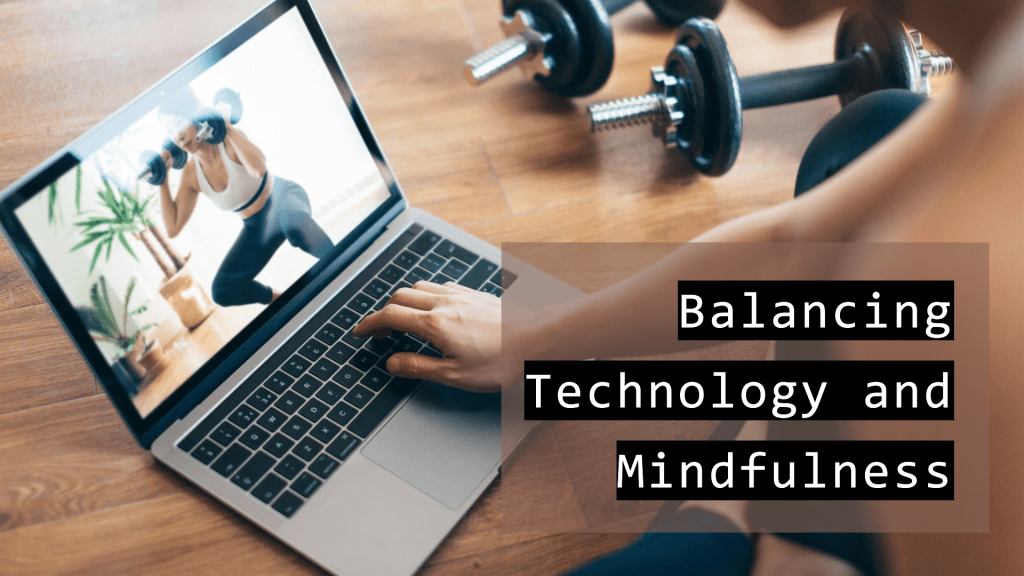
Holistic Wellness for the Digital Age: Balancing Technology and Mindfulness

In today’s world, technology surrounds us—phones, laptops, and smart devices are integral parts of our daily lives. While these tools offer convenience and connectivity, they can also contribute to stress, anxiety, and burnout. But what if there was a way to merge our digital existence with wellness? Holistic wellness for the digital age focuses on finding balance between using technology and maintaining mindfulness, helping us thrive in both realms without compromising well-being.

The Digital Dilemma: How Technology Impacts Wellness

Technology has brought many benefits, but it has also introduced new challenges. Prolonged screen time, social media overload, and the constant pressure to be available 24/7 can take a toll on our mental and physical health. Research has shown that excessive technology use can contribute to sleep problems, anxiety, and even depression.

Yet, technology doesn’t have to be the enemy. When used mindfully, it can actually enhance our well-being. The key is to find a balance between engaging with the digital world and nurturing our mental, emotional, and physical health.

The Intersection of Technology and Holistic Wellness

Holistic wellness takes a mind-body-spirit approach to health, focusing on balance and harmony. When applied to the digital age, it means integrating technology in ways that support rather than hinder our well-being. Here’s how:

  1. Mindful Use of Technology Practicing mindfulness with technology involves being present and intentional about how we use our devices. This could mean setting boundaries around screen time or being selective about what content we engage with.
    • Tip: Try scheduling “digital detox” periods during the day, where you completely unplug and focus on being present in the moment. Start small, like a 30-minute detox before bed.
  2. Digital Tools for Wellness While excessive tech use can be harmful, there are countless digital tools designed specifically to enhance well-being. Meditation apps, fitness trackers, and mental health platforms can help you stay grounded and connected to your health.
    • Tip: Incorporate wellness apps like Headspace for meditation, Sleep Cycle for better sleep, or Fitbit to track physical activity and ensure you’re staying active.
  3. Digital Boundaries for Mental Health Constant connectivity can lead to burnout and overwhelm. Setting digital boundaries is crucial for maintaining balance in the digital age. This could include limiting notifications, scheduling breaks from screens, or creating a tech-free zone in your home.
    • Tip: Use apps like Forest that encourage you to stay focused and off your phone by rewarding you with a growing tree for every period of focus.

How to Balance Technology with Mindfulness

Finding balance in the digital age means being intentional about how we use technology while prioritizing mindfulness and holistic wellness practices. Here are some actionable steps you can take:

  1. Create a Morning Ritual Without Technology Start your day with mindfulness instead of reaching for your phone. This can include a short meditation, journaling, or simply sitting quietly with a cup of tea. By starting the day in a calm and intentional way, you set the tone for more mindful interactions with technology.
  2. Use Technology as a Tool for Wellness, Not a Distraction Choose technology that supports your wellness journey. Meditation apps, fitness trackers, and nutrition planners can all be valuable tools in staying on top of your health goals. However, make sure these tools enhance your life rather than distract from it.
  3. Practice Digital Minimalism Digital minimalism is the practice of curating your digital life by removing unnecessary apps, notifications, and distractions. Focus on the essentials and get rid of what doesn’t serve your well-being.
  4. Take Regular Breaks Regular breaks from screens are essential for maintaining your mental and physical health. Every 60 minutes, step away from your device for a few minutes. Use this time to stretch, walk, or practice deep breathing.
  5. Implement a Digital Detox Routine Consider scheduling regular digital detoxes—periods where you disconnect from technology entirely. This could be a few hours each week or a whole weekend every month, allowing you to recharge and reconnect with yourself.
  6. Use Blue Light Blockers for Screen Time The blue light emitted from screens can disrupt your sleep and strain your eyes. Use blue light filter apps, wear blue light blocking glasses, or adjust the settings on your devices to reduce eye strain and improve your sleep cycle.

The Future of Wellness in a Digital World

As technology continues to evolve, so too does our relationship with it. More wellness-focused innovations are emerging, like virtual reality meditation spaces and AI-driven health tools, offering new ways to enhance our well-being. The future of wellness in the digital age lies in our ability to balance technological advancements with mindfulness and holistic health practices.

By embracing a mindful approach to technology, we can harness its benefits while minimizing the negative effects. The digital age doesn’t have to be a barrier to wellness—when approached with intention, it can be a powerful tool for cultivating balance, health, and harmony.

Conclusion

Holistic wellness in the digital age is about striking the right balance between our technological world and our inner well-being. By practicing mindfulness with technology, setting boundaries, and using digital tools to support our health, we can create a harmonious relationship with the devices that dominate our lives. In doing so, we open the door to a healthier, more balanced way of living—one that embraces the best of both worlds.


For more insights into balancing modern life with mindful practices, check out my book, The Mindful Executive: https://www.amazon.com/dp/B0D75YJCLW.

The Mindful Path: Transforming Your Mind and Body through Meditation

Meditation is a powerful tool for enhancing both mental and physical well-being. Whether you’re looking to reduce stress, improve focus, or simply cultivate a greater sense of inner peace, the practice of meditation offers numerous benefits. Here, we explore how regular meditation can positively impact your mind and body, providing a holistic approach to health.

1. Reduces Stress and Anxiety

Meditation is widely recognized for its ability to reduce stress and anxiety. By focusing on the breath and being present in the moment, meditation helps calm the mind, lower cortisol levels, and decrease overall stress. Over time, regular practice can lead to a more relaxed state of being, helping you manage life’s challenges with greater ease.

2. Enhances Emotional Health

Meditation encourages mindfulness, which allows you to become more aware of your thoughts and emotions without judgment. This increased awareness can lead to better emotional regulation and a more positive outlook on life. Studies have shown that mindfulness meditation can reduce symptoms of depression and increase overall well-being.

3. Improves Concentration and Attention

One of the key benefits of meditation is its ability to enhance concentration and attention. By training the mind to focus on a single point of reference, such as the breath, you can improve your ability to concentrate on tasks and reduce distractions. This heightened focus can lead to greater productivity and efficiency in daily life.

4. Promotes Better Sleep

Meditation can also improve the quality of your sleep. By practicing mindfulness or deep relaxation techniques before bed, you can quiet the mind, release tension, and prepare your body for restful sleep. Over time, regular meditation can help alleviate insomnia and other sleep disorders, leading to more restorative nights.

5. Boosts Physical Health

The benefits of meditation extend beyond the mind. Regular practice has been linked to a variety of physical health benefits, including lower blood pressure, improved heart health, and a stronger immune system. By reducing stress and promoting relaxation, meditation supports the body’s natural healing processes.

6. Encourages Self-Awareness

Meditation fosters a deeper connection with yourself. As you practice, you become more aware of your thoughts, feelings, and behaviors. This increased self-awareness can help you make healthier choices, break negative patterns, and cultivate a greater sense of self-compassion.

7. Supports Mind-Body Connection

Meditation strengthens the connection between the mind and body. By tuning into your bodily sensations and practicing mindfulness, you can develop a greater sense of harmony and balance. This mind-body connection is essential for overall well-being and can lead to a more holistic approach to health.

Conclusion

Incorporating meditation into your daily routine can have profound effects on both your mind and body. Whether you’re seeking stress relief, emotional balance, or improved physical health, meditation offers a path to greater well-being. Start with just a few minutes each day and gradually increase your practice as you become more comfortable. Over time, you’ll likely find that meditation becomes an integral part of your life, providing you with the tools you need to navigate life’s challenges with grace and ease.

DIY Natural Face Masks for Glowing Skin

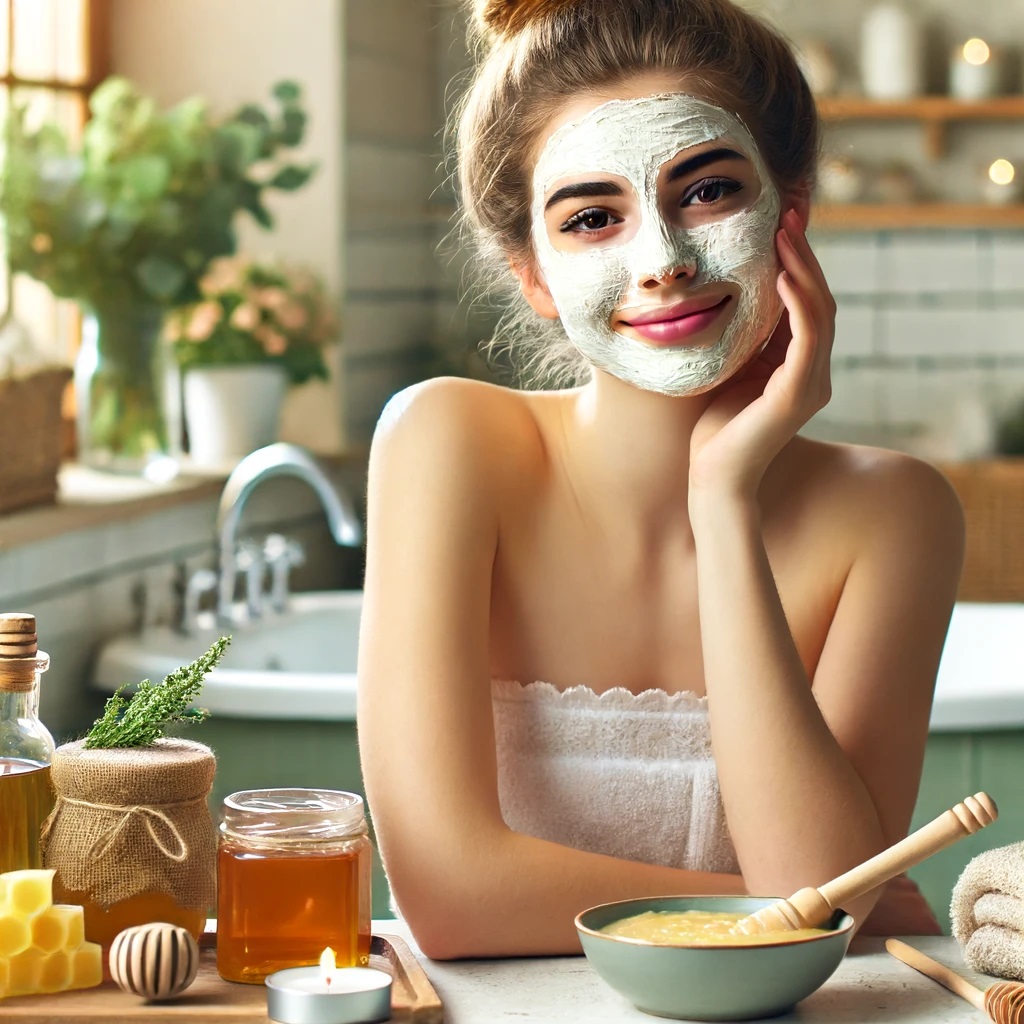
Radiate Naturally: DIY Natural Face Masks for Glowing Skin

In the quest for healthy, glowing skin, natural ingredients often provide the best results. DIY natural face masks are a fantastic way to nourish your skin without the harsh chemicals found in many commercial products. In this post, we’ll share some simple and effective natural face mask recipes that you can make at home to achieve that radiant glow.

Recipe 1: Honey and Lemon Brightening Mask: This honey and lemon face mask is perfect for brightening your complexion and evening out your skin tone. Honey is a natural humectant, drawing moisture into the skin, while lemon contains vitamin C, which helps to lighten dark spots and blemishes.

Ingredients:

  • 1 tablespoon raw honey
  • 1 teaspoon fresh lemon juice

Instructions:

  1. Mix the honey and lemon juice in a small bowl.
  2. Apply the mixture to your face, avoiding the eye area.
  3. Leave it on for 15-20 minutes.
  4. Rinse off with warm water and pat your skin dry.

Recipe 2: Avocado and Oatmeal Hydrating Mask: Avocado is packed with healthy fats and vitamins that deeply nourish and hydrate the skin. Oatmeal is soothing and helps to calm any irritation or redness. This mask is perfect for dry or sensitive skin types.

Ingredients:

  • 1/2 ripe avocado
  • 1 tablespoon oatmeal, finely ground
  • 1 teaspoon honey

Instructions:

  1. Mash the avocado in a bowl until smooth.
  2. Add the ground oatmeal and honey, mixing well.
  3. Apply the mask to your face and leave it on for 15 minutes.
  4. Rinse off with warm water and pat your skin dry.

Recipe 3: Turmeric and Yogurt Anti-Inflammatory Mask: Turmeric is known for its anti-inflammatory properties, making it great for reducing redness and acne. Yogurt contains lactic acid, which gently exfoliates the skin, leaving it smooth and refreshed.

Ingredients:

  • 1 tablespoon plain yogurt
  • 1/2 teaspoon turmeric powder

Instructions:

  1. Mix the yogurt and turmeric in a small bowl.
  2. Apply the mask to your face, avoiding the eye area.
  3. Leave it on for 10-15 minutes.
  4. Rinse off with warm water and pat your skin dry.

These DIY natural face masks are a wonderful way to treat your skin to some much-needed TLC. Not only are they easy to make with ingredients you likely already have at home, but they also provide excellent results without any harsh chemicals. At Alchemy International, we believe in the power of natural ingredients to enhance your beauty routine. Try these masks and see the difference they can make for your skin!