
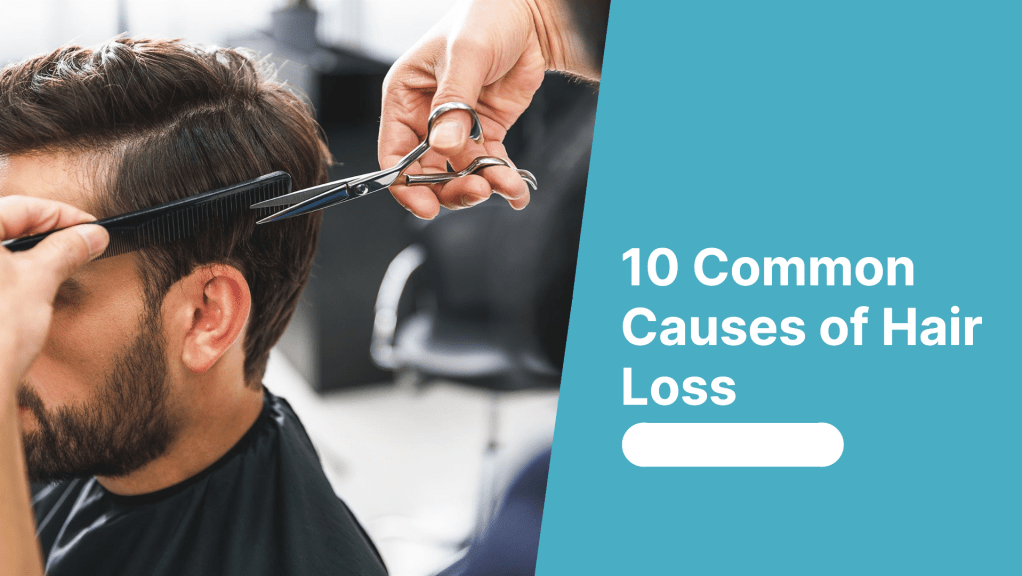
Hair loss can be distressing, but understanding the underlying causes can help you take appropriate steps to address it. Here are the ten most common causes of hair loss and what you can do about them.
1. Genetics
Genetic factors play a significant role in hair loss. Androgenetic alopecia, also known as male or female pattern baldness, is the most common cause of hair loss and is inherited from your parents.
Benefits of Early Detection:
- Allows for early intervention
- Helps in managing expectations
- Provides options for treatment and prevention
Learn more about genetic hair loss: American Academy of Dermatology
2. Hormonal Changes
Hormonal imbalances can lead to hair loss. Conditions such as thyroid disorders, pregnancy, menopause, and polycystic ovary syndrome (PCOS) can cause hair thinning and loss.
Benefits of Managing Hormonal Health:
- Stabilizes hair growth
- Improves overall health
- Reduces stress and anxiety
Discover more about hormonal hair loss: WebMD
3. Stress
Chronic stress can lead to hair loss conditions like telogen effluvium, where hair follicles enter a resting phase and fall out prematurely.
Benefits of Stress Management:
- Promotes healthy hair growth
- Enhances mental well-being
- Improves overall health
Learn stress management techniques: Mayo Clinic
4. Poor Diet
A diet lacking essential nutrients, such as vitamins, minerals, and proteins, can weaken hair and lead to hair loss.
Benefits of a Balanced Diet:
- Strengthens hair follicles
- Improves overall health
- Enhances hair texture and growth
Explore a hair-friendly diet: Healthline
5. Medical Conditions
Medical conditions like alopecia areata, lupus, and diabetes can cause hair loss. These conditions often require medical diagnosis and treatment.
Benefits of Medical Intervention:
- Identifies underlying health issues
- Provides targeted treatment
- Prevents further hair loss
Find out more about medical-related hair loss: National Institute of Arthritis and Musculoskeletal and Skin Diseases
6. Medications
Certain medications, including those for cancer, arthritis, depression, heart problems, and high blood pressure, can cause hair loss as a side effect.
Benefits of Consulting with Healthcare Providers:
- Adjusts medications if necessary
- Provides alternative treatments
- Manages side effects effectively
Learn about medication-induced hair loss: American Academy of Family Physicians
7. Environmental Factors
Exposure to pollutants, harsh weather conditions, and chemicals can weaken hair and lead to hair loss.
Benefits of Protecting Hair:
- Maintains hair health
- Prevents damage
- Enhances hair appearance
Discover tips for protecting your hair: Harvard Health
8. Hair Treatments and Styling
Frequent use of chemical treatments, heat styling, and tight hairstyles can damage hair and lead to hair loss.
Benefits of Gentle Hair Care:
- Prevents breakage
- Maintains hair strength
- Promotes healthy growth
Explore gentle hair care practices: Dermatology Times
9. Aging
As we age, hair naturally becomes thinner and more prone to falling out.
Benefits of Age-Appropriate Hair Care:
- Maintains hair volume
- Enhances hair texture
- Reduces breakage
Learn more about age-related hair loss: Cleveland Clinic
10. Smoking
Smoking can damage hair follicles and reduce blood flow to the scalp, leading to hair loss.
Benefits of Quitting Smoking:
- Improves hair health
- Enhances overall health
- Reduces hair thinning
Find resources to quit smoking: Smokefree.gov
Call to Action
Understanding the causes of hair loss can help you take proactive steps to address and prevent it. Visit Holistic Wellness Guide for more tips on maintaining healthy hair and overall well-being.
#HairLoss #HairCare #GeneticHairLoss #StressRelief #HealthyDiet #MedicalConditions #HairHealth #WellnessJourney

 Holistic Wellness Guide