

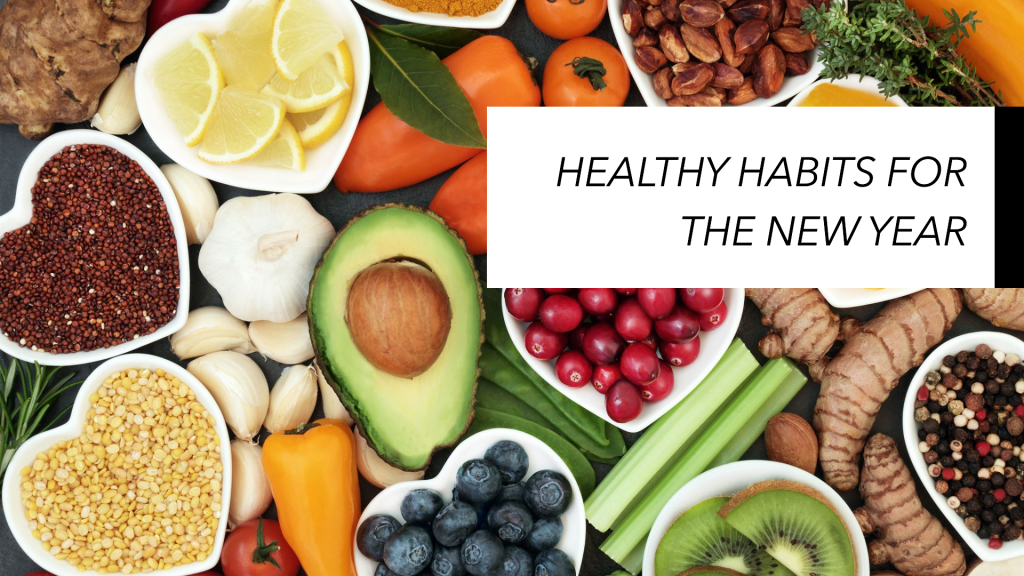
Nutrition is more than just food—it’s a cornerstone of holistic wellness, influencing your physical health, mental clarity, and emotional balance. As the new year begins, it’s the perfect time to explore emerging nutrition trends that align with holistic principles. From mindful eating to sustainable practices, these trends prioritize both personal health and the well-being of the planet. Let’s dive into the top holistic nutrition trends to embrace this year.
1. Mindful Eating for Better Digestion and Satisfaction
Mindful eating emphasizes being fully present during meals, allowing you to savor flavors, recognize hunger cues, and improve digestion.
- How to Practice: Eat without distractions, chew slowly, and notice the textures, tastes, and aromas of your food. Pause between bites to reflect on the experience.
- Pro Tip: Start with one mindful meal a day to build the habit.
2. Plant-Based Eating with Flexibility
Plant-based diets continue to gain traction for their health benefits and environmental sustainability. However, flexible approaches like “plant-forward” eating make it accessible to more people.
- How to Practice: Make plants the star of your meals, with small portions of meat or dairy as optional sides. Focus on whole, unprocessed plant foods like legumes, grains, and vegetables.
- Pro Tip: Explore plant-based proteins like lentils, tofu, and quinoa to diversify your meals.
3. Intuitive Eating for a Healthy Relationship with Food
Intuitive eating rejects dieting and promotes listening to your body’s natural hunger and fullness cues. It fosters a healthy, guilt-free relationship with food.
- How to Practice: Pay attention to how food makes you feel. Eat when you’re hungry, stop when you’re satisfied, and honor your cravings in moderation.
- Pro Tip: Avoid labeling foods as “good” or “bad” to reduce guilt and stress around eating.
4. Fermented Foods for Gut Health
Fermented foods like kimchi, yogurt, and kombucha are rich in probiotics, which support gut health, improve digestion, and boost immunity.
- How to Practice: Incorporate fermented foods into your meals a few times a week. Start small, as fermented foods can be potent for beginners.
- Pro Tip: Experiment with making your own fermented foods at home for a fun and rewarding project.
5. Personalized Nutrition for Optimal Wellness
Personalized nutrition involves tailoring your diet to your unique needs, such as your metabolic type, allergies, or genetic predispositions.
- How to Practice: Work with a nutritionist or use at-home testing kits to understand your body’s specific requirements.
- Pro Tip: Keep a food diary to track patterns and discover what works best for your energy and health.
6. Sustainable Eating for Planetary Health
Holistic nutrition extends beyond personal health to include environmental sustainability. Choosing local, organic, and seasonal foods reduces your carbon footprint.
- How to Practice: Shop at farmers’ markets or join a local CSA (community-supported agriculture) program. Avoid single-use packaging when possible.
- Pro Tip: Reduce food waste by planning meals and using leftovers creatively.
7. Functional Foods for Targeted Benefits
Functional foods are those that offer health benefits beyond basic nutrition, such as turmeric for inflammation or chia seeds for omega-3 fatty acids.
- How to Practice: Incorporate functional foods into your daily meals, such as adding turmeric to smoothies or sprinkling chia seeds on yogurt.
- Pro Tip: Research the benefits of superfoods like matcha, spirulina, and ashwagandha to target specific wellness goals.
8. Hydration as a Nutritional Priority
Staying hydrated is often overlooked but is essential for digestion, energy, and mental clarity. Hydration can also come from water-rich foods like cucumbers and melons.
- How to Practice: Drink a glass of water first thing in the morning and throughout the day. Keep a water bottle nearby as a visual reminder.
- Pro Tip: Add lemon, mint, or berries to your water for a refreshing twist.
9. Batch Cooking for Time Efficiency
Preparing meals in advance reduces stress and ensures you have access to healthy, balanced options throughout the week.
- How to Practice: Dedicate one day to cooking large portions of grains, roasted vegetables, and proteins. Store them in separate containers for mix-and-match meals.
- Pro Tip: Use mason jars for pre-made salads or soups to save time.
10. Exploring Global Cuisines for Diversity
Trying dishes from other cultures expands your palate and introduces nutrient-dense foods and spices you may not typically use.
- How to Practice: Incorporate recipes from Mediterranean, Asian, or African cuisines, which often emphasize whole foods and bold flavors.
- Pro Tip: Experiment with spices like turmeric, sumac, or harissa to elevate your meals.
11. Holistic Snacking for Energy
Choose snacks that provide sustained energy and support your overall wellness, such as nuts, seeds, or homemade energy balls.
- How to Practice: Prepare grab-and-go snacks at home using simple ingredients like oats, peanut butter, and dried fruit.
- Pro Tip: Keep snacks balanced with a mix of protein, healthy fats, and fiber for lasting energy.
12. Eating with the Seasons
Seasonal eating ensures you’re consuming the freshest, most nutrient-dense produce while supporting local farmers and reducing environmental impact.
- How to Practice: Research what’s in season in your area and build your meals around those ingredients.
- Pro Tip: Use seasonal produce guides or apps to plan your grocery shopping.
Conclusion
Holistic nutrition trends for the new year emphasize mindful, sustainable, and personalized approaches to eating. By integrating these practices into your lifestyle, you can support your physical health, mental well-being, and the environment. Whether you start small with mindful meals or dive into batch cooking and personalized nutrition, these trends will help you cultivate a deeper connection with your food and yourself.
For more insights on holistic wellness and mindful living, check out my book, The Mindful Executive: https://www.amazon.com/dp/B0D75YJCLW.
 Holistic Wellness Guide