


Unlocking Success with Visualization Techniques

Visualization is more than just daydreaming—it’s a powerful mental tool backed by science that can help you manifest your goals, reduce stress, and enhance overall well-being. Athletes, entrepreneurs, and even neuroscientists use visualization to rewire the brain for success and healing. Whether you want to improve focus, achieve personal growth, or cultivate inner peace, visualization can help you shape your reality.

Let’s explore the science behind visualization, its benefits, and practical ways to integrate it into your daily life.


1. The Science Behind Visualization

Your brain doesn’t distinguish between a vividly imagined experience and reality. This is known as neuroplasticity, the brain’s ability to rewire itself based on thoughts and experiences.

🔬 How It Works:

  • When you visualize an action, the brain activates the same neural pathways as if you were actually performing the action.
  • Studies show that mental rehearsal improves performance in sports, learning, and goal achievement.
  • Visualization influences the reticular activating system (RAS), the part of your brain that filters information and helps you focus on what’s important.
  • Pro Tip: Visualizing success before taking action increases confidence and motivation.

2. The Benefits of Visualization

✔️ Boosts Motivation & Confidence – Seeing success in your mind makes it feel attainable.
✔️ Enhances Performance – Used by top athletes to improve skills.
✔️ Reduces Stress & Anxiety – Activates relaxation responses in the brain.
✔️ Supports Healing – Studies show visualization can improve recovery rates.
✔️ Increases Focus & Goal Achievement – Keeps your subconscious mind aligned with your desires.

  • Pro Tip: Adding emotion to your visualizations enhances their effectiveness.

3. 5 Effective Visualization Techniques to Try

💭 1. Guided Visualization (Best for Beginners & Relaxation)

  • How to Practice:
    • Close your eyes and listen to a guided meditation that walks you through a mental journey.
    • Focus on vivid details—colors, sounds, sensations.
  • Best Time to Use: Before bed or during meditation.

🎯 2. Future Self Visualization (Best for Goal Setting & Manifestation)

  • How to Practice:
    • Picture yourself one year from now, achieving your biggest goal.
    • Feel the emotions of success—joy, pride, excitement.
  • Best Time to Use: Morning routine or before making important decisions.

🏆 3. Mental Rehearsal (Best for Performance & Skill Improvement)

  • How to Practice:
    • Visualize yourself performing an action perfectly (e.g., giving a speech, playing an instrument).
    • Imagine each step in detail, as if it’s happening in real time.
  • Best Time to Use: Before an event or when learning a new skill.

🌿 4. Healing Visualization (Best for Stress & Health Issues)

  • How to Practice:
    • Imagine healing energy flowing through your body.
    • Focus on areas of pain or tension, visualizing restoration and well-being.
  • Best Time to Use: Before sleep or during relaxation sessions.

🌟 5. Creative Visualization (Best for Inspiration & Problem-Solving)

  • How to Practice:
    • Close your eyes and let your mind create vivid mental images related to your project or idea.
    • Don’t judge—just observe what arises.
  • Best Time to Use: When brainstorming or facing creative blocks.
  • Pro Tip: Use a vision board with pictures and affirmations to enhance visualization power.

4. How to Incorporate Visualization Into Your Daily Routine

☀️ Morning: Start your day by visualizing your goals or future self.
💼 Before Work: Use mental rehearsal before an important meeting or task.
🧘 Evening: Wind down with guided visualization for relaxation and healing.

  • Pro Tip: Combine visualization with breathwork or affirmations for maximum effect.

5. Common Mistakes & How to Fix Them

Not seeing results from visualization? Avoid these mistakes:

Being Too Vague – Be specific with clear, detailed imagery.
Not Engaging Emotions – The brain responds better to feelings.
Only Thinking, Not Acting – Visualization works best when paired with action.
Inconsistency – Practice daily for lasting changes.

  • Pro Tip: Set a 5-minute visualization practice each day for consistency.

Conclusion

Visualization is a science-backed way to program your mind for success, healing, and emotional well-being. Whether you’re manifesting goals, reducing stress, or improving performance, visualization can transform your reality—starting with just a few minutes a day.


For more mindfulness insights, check out my book, The Mindful Executive: https://www.amazon.com/dp/B0D75YJCLW.
The Benefits of Meditation for Mental Health

Meditation offers numerous mental health benefits, from reducing stress to enhancing emotional well-being. Here’s how incorporating meditation into your daily routine can improve your mental health.

1. Reduces Stress

  • Example: Practicing mindfulness meditation for 10 minutes a day can significantly reduce stress levels. Focus on your breath and let go of any intrusive thoughts.
  • Story: John, a high-pressure sales executive, experienced high stress levels. After incorporating daily meditation, he felt calmer and more focused. John now uses meditation as his primary stress management tool.

2. Enhances Emotional Well-Being

  • Example: Guided meditations that focus on gratitude can improve mood and increase feelings of happiness.
  • Story: Maria, a teacher, struggled with negative emotions. She started a gratitude meditation practice and noticed a positive shift in her outlook on life. Maria now feels more content and emotionally balanced.

3. Improves Focus and Concentration

  • Example: Regular practice of concentration meditation can enhance cognitive abilities and attention span.
  • Story: Alex, a software developer, had difficulty concentrating on tasks. By meditating daily, he improved his focus and productivity. Alex now uses meditation to stay sharp and efficient at work.

Harnessing the Power of Meditation: Techniques for Beginners

Meditation is a powerful practice that can help reduce stress, improve mental clarity, and enhance overall well-being. For beginners, starting a meditation practice may seem daunting, but with simple techniques and consistent practice, anyone can harness its benefits. Here’s a guide to help you get started with meditation.

Understanding Meditation

Meditation involves focusing the mind and eliminating distractions to achieve a state of mental clarity and emotional calm. It can be practiced in various forms, such as mindfulness meditation, guided meditation, and transcendental meditation.

Benefits of Meditation

Regular meditation can reduce stress, enhance concentration, improve emotional health, increase self-awareness, and promote better sleep. It can also lower blood pressure and improve overall physical health.

Getting Started with Meditation

1. Find a Quiet Space

Choose a quiet, comfortable space where you won’t be disturbed. This helps create a conducive environment for meditation.

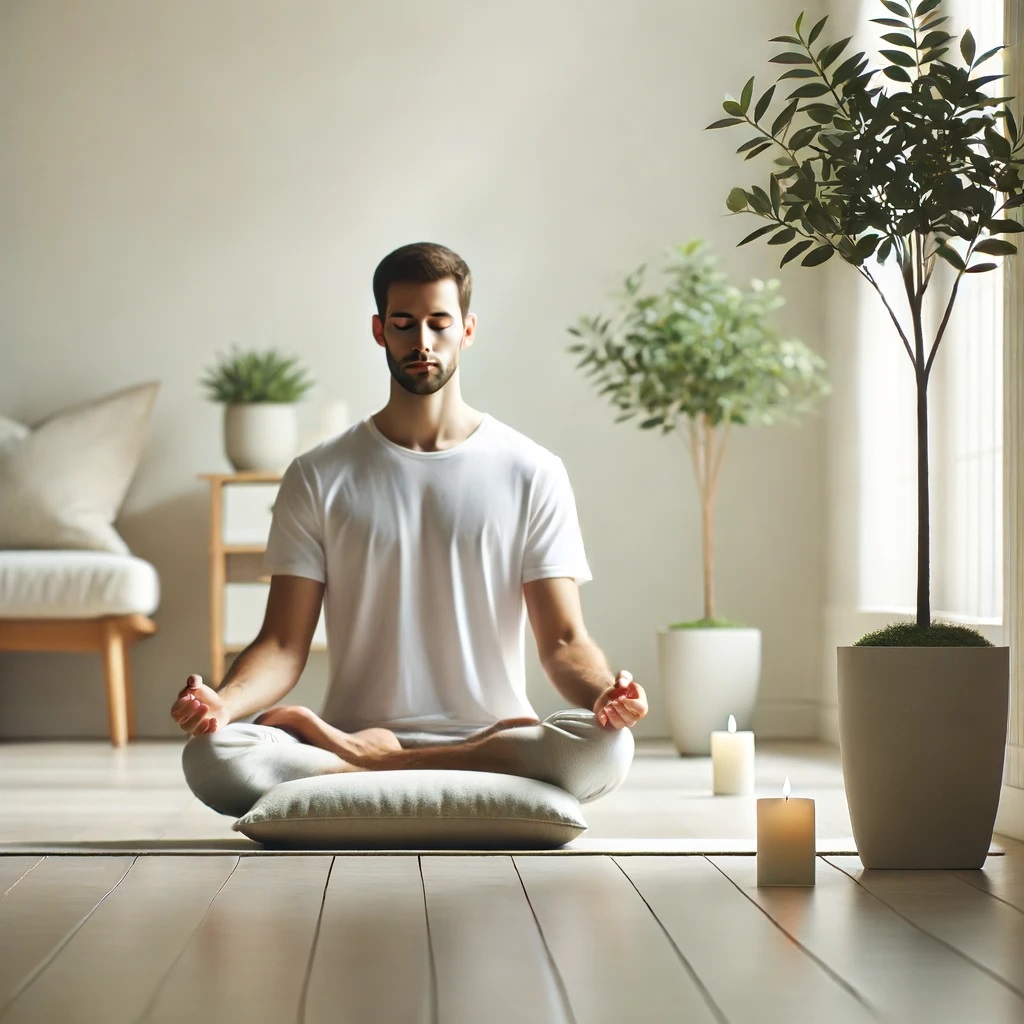
  • Example: Set up a corner in your home with a comfortable cushion or chair, dim lighting, and minimal distractions. This can become your dedicated meditation space.

2. Set a Regular Time

Establish a regular meditation routine by setting aside a specific time each day. Consistency is key to developing a successful practice.

  • Example: Start with 5-10 minutes of meditation each morning or evening. Gradually increase the duration as you become more comfortable with the practice.

3. Focus on Your Breath

One of the simplest and most effective meditation techniques is focusing on your breath. This helps anchor your mind and bring your attention to the present moment.

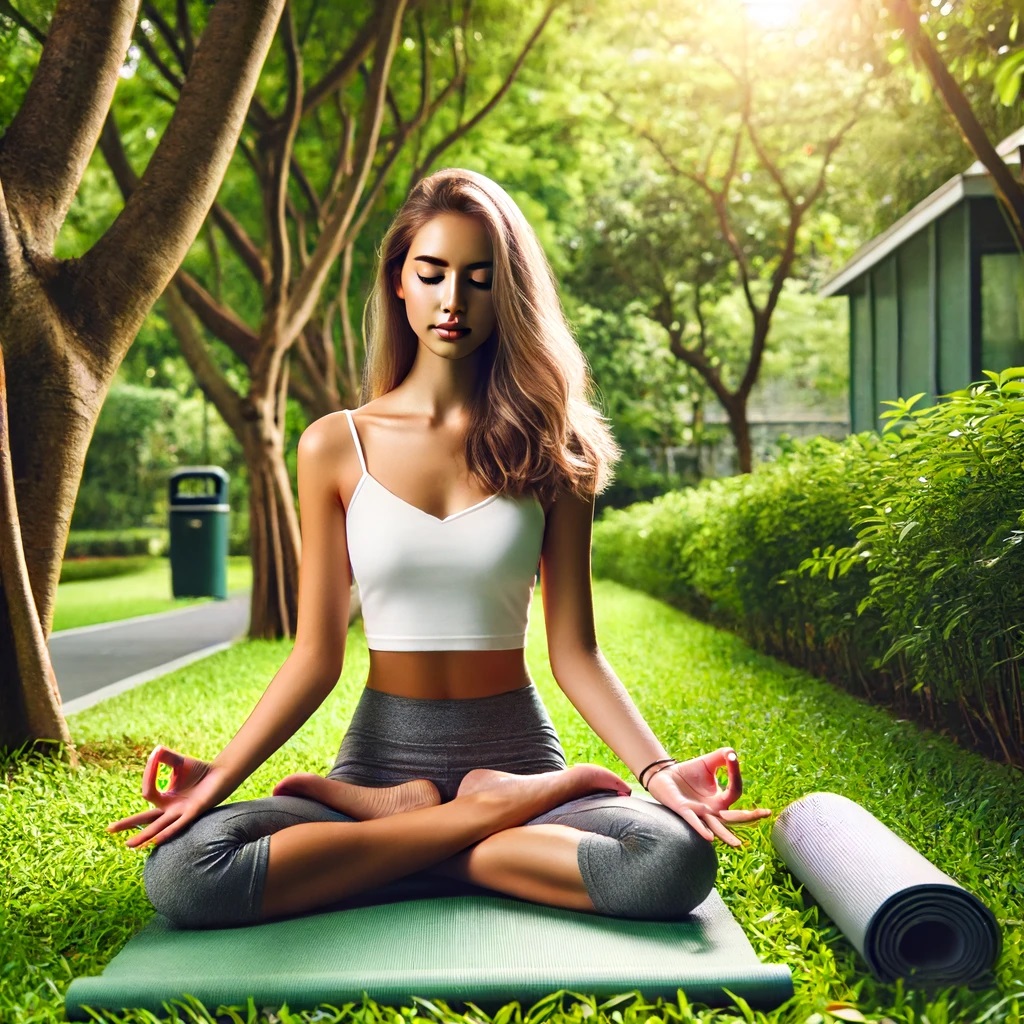
  • Example: Sit comfortably, close your eyes, and take slow, deep breaths. Focus on the sensation of the breath entering and leaving your nostrils. If your mind wanders, gently bring it back to your breath.

4. Guided Meditation

Guided meditation involves following along with a recorded meditation session led by an instructor. This can be especially helpful for beginners.

  • Example: Use meditation apps like Headspace, Calm, or Insight Timer, which offer a variety of guided meditation sessions for different needs and skill levels.

5. Body Scan Meditation

Body scan meditation involves paying attention to different parts of your body, from head to toe, to release tension and promote relaxation.

  • Example: Lie down or sit comfortably. Close your eyes and slowly bring your attention to each part of your body, starting from your toes and moving up to your head. Notice any sensations or areas of tension and relax them as you go.

6. Loving-Kindness Meditation

Loving-kindness meditation focuses on cultivating compassion and positive feelings toward yourself and others.

  • Example: Sit comfortably and close your eyes. Begin by silently repeating phrases like “May I be happy, may I be healthy, may I be safe, may I live with ease.” Gradually extend these wishes to loved ones, acquaintances, and even people you have conflicts with.

7. Walking Meditation

Walking meditation combines movement with mindfulness. It’s a great way to meditate if sitting still feels challenging.

  • Example: Find a quiet place where you can walk slowly. Pay attention to the sensation of each step, the movement of your legs, and the contact of your feet with the ground. Focus on your breathing and stay present with each step.

8. Use a Mantra

A mantra is a word or phrase repeated during meditation to help focus the mind and eliminate distractions.

  • Example: Choose a simple mantra like “peace,” “calm,” or “om.” Repeat it silently or aloud as you meditate, synchronizing it with your breath.

9. Start Small

As a beginner, it’s important to start with short meditation sessions and gradually increase the duration. This helps build your practice without feeling overwhelmed.

  • Example: Begin with 3-5 minutes of meditation each day. As you become more comfortable, gradually extend the sessions to 10, 15, or 20 minutes.

10. Be Patient and Compassionate

Meditation is a skill that takes time and practice to develop. Be patient with yourself and approach your practice with compassion, without judgment.

  • Example: If your mind wanders during meditation, gently bring your focus back to your breath or mantra. Understand that distractions are natural, and each session is an opportunity to practice refocusing.