
Designing Your Morning Routine for Holistic Success

The way you start your day sets the tone for everything that follows. A mindful morning routine can help you cultivate energy, clarity, and balance, allowing you to navigate your day with ease and purpose. By integrating holistic practices into your mornings, you nurture your mind, body, and spirit from the very beginning. Let’s explore how to design a morning routine that fosters holistic success and aligns with your well-being goals.


1. Wake Up with Intention

Begin your day with intention instead of rushing into tasks or distractions. This simple shift creates a sense of calm and control.

  • How to Practice: Set your alarm 10 minutes earlier and spend that time breathing deeply, stretching, or thinking about one positive thing you’re looking forward to.
  • Pro Tip: Place a journal or a gratitude notebook beside your bed to jot down your first thoughts of the day.

2. Hydrate for Vitality

After a night of rest, your body needs hydration to wake up your metabolism and energize your cells.

  • How to Practice: Drink a glass of room-temperature water with a squeeze of lemon to flush out toxins and hydrate your body.
  • Pro Tip: Keep a water bottle or glass near your bed to make hydration the first thing you do upon waking.

3. Move Your Body

Physical movement in the morning gets your blood flowing, energizes your body, and clears mental fog. It doesn’t have to be intense—a gentle stretch can do wonders.

  • How to Practice: Spend 5-10 minutes doing light yoga, stretching, or even a short walk outside. Focus on movements that feel good and energize you.
  • Pro Tip: Follow a quick yoga or mobility routine on YouTube to get started.

4. Practice Mindfulness or Meditation

A few minutes of mindfulness or meditation in the morning can calm your mind and set a positive tone for the day.

  • How to Practice: Sit quietly for 5-10 minutes, focusing on your breath or using a guided meditation app like Headspace or Calm.
  • Pro Tip: Pair meditation with a calming essential oil, such as lavender or frankincense, to deepen your practice.

5. Fuel Your Body with a Nutritious Breakfast

A balanced breakfast fuels your body and mind, giving you the energy and focus you need to start your day.

  • How to Practice: Include a mix of protein, healthy fats, and fiber. Examples include avocado toast, oatmeal with nuts and seeds, or a green smoothie.
  • Pro Tip: Prep ingredients the night before to save time and reduce decision fatigue in the morning.

6. Set Daily Intentions

Taking a moment to set intentions helps you approach your day with purpose and focus. It’s a way to align your actions with your values and goals.

  • How to Practice: Write down 1-3 intentions for the day, such as “stay present,” “be patient,” or “complete a project with focus.”
  • Pro Tip: Use affirmations like “I am capable of achieving my goals” to start the day with confidence.

7. Limit Technology First Thing in the Morning

Avoid diving into emails, social media, or news right after waking. This preserves your mental clarity and prevents overwhelm.

  • How to Practice: Set a “no technology” rule for the first 30 minutes of your day. Use this time for mindful activities instead.
  • Pro Tip: Replace your phone alarm with a traditional alarm clock to resist the urge to check notifications.

8. Create a Morning Playlist

Music can uplift your mood and create a positive atmosphere as you prepare for the day.

  • How to Practice: Curate a playlist of calming or energizing songs that inspire you. Play it as you move through your morning routine.
  • Pro Tip: Include instrumental tracks or nature sounds for a soothing vibe.

9. Journal for Clarity

Morning journaling clears your mind and helps you process thoughts or emotions before the day begins.

  • How to Practice: Write down your thoughts, goals, or anything that’s on your mind for 5-10 minutes. Focus on gratitude, affirmations, or even a quick brain dump.
  • Pro Tip: Use prompts like “What am I excited about today?” or “How can I show kindness today?”

10. Embrace Nature

Connecting with nature in the morning grounds you and boosts your mood. Even a few minutes outdoors can make a difference.

  • How to Practice: Spend time on your balcony, garden, or by a window with a view of greenery. If possible, take a short walk outside.
  • Pro Tip: Combine this practice with mindfulness by observing the sights and sounds around you.

Conclusion

A well-designed morning routine is a gift to yourself, creating space for intentionality, self-care, and focus. By incorporating hydration, mindfulness, movement, and nourishing habits, you can set the stage for a productive and peaceful day. Start small, experiment with these practices, and customize your routine to suit your unique needs. Your morning can become a powerful tool for holistic success, guiding you toward balance and fulfillment every day.


For more ideas on mindfulness and intentional living, check out my book, The Mindful Executive: https://www.amazon.com/dp/B0D75YJCLW.


Reset and Renew: A 30-Day Holistic Lifestyle Challenge for the New Year

The new year is the perfect time for a fresh start, and a holistic lifestyle challenge can help you reset, renew, and embrace wellness on every level—mind, body, and spirit. This 30-day guide is designed to inspire positive habits, improve your health, and bring balance to your life. Whether you’re new to holistic practices or looking to deepen your journey, this challenge offers actionable steps for a transformative start to the year.


Week 1: Detox and Declutter

Focus on creating a clean slate in your physical and mental space.

Day 1-3: Declutter Your Space

  • Clear one area of your home each day, starting with high-traffic zones like your kitchen, bedroom, or workspace. A clutter-free environment promotes mental clarity.
  • Pro Tip: Donate or recycle items that no longer serve you.

Day 4-5: Digital Detox

  • Spend two days decluttering your digital life—organize your inbox, delete unused apps, and unfollow accounts that drain your energy.
  • Pro Tip: Set screen time limits to reduce digital distractions.

Day 6-7: Nourish Your Body

  • Start incorporating fresh, whole foods into your diet. Add one green smoothie or a nutrient-packed salad to your meals.
  • Pro Tip: Keep a food journal to track how you feel after each meal.

Week 2: Mindful Practices

Introduce mindfulness into your daily routine to enhance mental clarity and emotional balance.

Day 8-10: Start a Morning Meditation Practice

  • Dedicate 5-10 minutes each morning to mindfulness meditation. Focus on your breath and set a positive intention for the day.
  • Pro Tip: Use a meditation app like Calm or Insight Timer to get started.

Day 11-12: Gratitude Journaling

  • Write down three things you’re grateful for each day. This practice helps shift your focus to positivity and abundance.
  • Pro Tip: Reflect on small moments of joy, such as a kind word or a peaceful walk.

Day 13-14: Mindful Movement

  • Try yoga, tai chi, or a gentle stretch routine to connect your body and mind.
  • Pro Tip: Join an online class or follow a free session on YouTube.

Week 3: Self-Care and Connection

Prioritize your well-being while deepening your connections with others.

Day 15-16: Schedule Self-Care Rituals

  • Dedicate time to activities that rejuvenate you, like a warm bath, reading, or a DIY spa day.
  • Pro Tip: Set boundaries to ensure uninterrupted self-care time.

Day 17-19: Deepen Personal Connections

  • Spend quality time with loved ones. Plan a meaningful activity or simply have a heartfelt conversation.
  • Pro Tip: Practice active listening to foster stronger relationships.

Day 20-21: Explore Creativity

  • Engage in a creative activity like painting, writing, or cooking a new recipe. Creativity is a powerful way to express emotions and recharge.
  • Pro Tip: Allow yourself to play and explore without judgment.

Week 4: Empower and Sustain

Focus on creating sustainable habits to carry your holistic lifestyle forward.

Day 22-24: Vision Board for the Future

  • Create a vision board reflecting your goals and aspirations. Use images, affirmations, and colors that inspire you.
  • Pro Tip: Keep your vision board in a visible spot to stay motivated.

Day 25-27: Establish an Evening Routine

  • Develop a relaxing evening routine to wind down and prepare for restful sleep. This could include journaling, meditation, or aromatherapy.
  • Pro Tip: Dim the lights and avoid screens an hour before bed.

Day 28-30: Reflect and Plan Ahead

  • Reflect on what you’ve learned during the challenge and plan how to sustain these habits.
  • Pro Tip: Write down your intentions for the year, focusing on what brings you joy and balance.

Conclusion

This 30-day holistic lifestyle challenge is your guide to starting the year with purpose and intention. By focusing on detoxing, mindfulness, self-care, and sustainable habits, you’ll create a strong foundation for a healthier, more balanced life. Remember, each small step contributes to lasting transformation. Take the challenge, embrace the journey, and make this year your most vibrant yet.

10 Holistic Sleep Tips to Rest Your Mind, Body, and Spirit

A good night’s sleep is one of the most important pillars of health, yet so many of us struggle to get the rest we need. Poor sleep not only affects your physical energy but also your mental clarity, mood, and overall well-being. Incorporating holistic practices into your bedtime routine can help improve sleep quality and allow your body, mind, and spirit to rejuvenate. Here are 10 holistic sleep tips to help you rest deeply and wake up feeling refreshed.

1. Create a Calming Bedtime Routine

Establishing a consistent bedtime routine signals to your body that it’s time to wind down. Engaging in relaxing activities like reading, journaling, or taking a warm bath can ease you into a peaceful sleep state.

  • Tip: Start your bedtime routine at least 30 minutes before bed and stick to it every night to condition your body for rest.

2. Use Essential Oils for Relaxation

Aromatherapy can be a powerful tool for promoting relaxation and improving sleep. Essential oils like lavender, chamomile, and cedarwood are known for their calming properties.

  • Tip: Diffuse lavender essential oil in your bedroom or apply a few drops to your pillow to create a soothing environment.

3. Practice Mindful Breathing

Stress and anxiety can interfere with your ability to fall asleep. Practicing mindful breathing before bed can help calm your nervous system and quiet your mind.

  • Tip: Try a simple breathing exercise: Inhale for 4 counts, hold for 4, exhale for 4, and repeat for 5-10 minutes to relax your body.

4. Limit Blue Light Exposure

Blue light from phones, tablets, and computers can disrupt your circadian rhythm and interfere with melatonin production. Limiting blue light exposure before bed is crucial for better sleep.

  • Tip: Turn off electronics at least 30 minutes before bedtime or use blue light-blocking glasses if you need to use devices in the evening.

5. Drink Herbal Teas for Relaxation

Herbal teas like chamomile, valerian root, and passionflower can have a calming effect on the body and promote sleepiness. Sipping a warm cup of herbal tea before bed can be a soothing part of your routine.

  • Tip: Make a cup of chamomile tea 30 minutes before bed to help you relax and unwind.

6. Set a Consistent Sleep Schedule

Going to bed and waking up at the same time every day helps regulate your body’s internal clock, making it easier to fall asleep and wake up naturally.

  • Tip: Choose a bedtime that allows for 7-8 hours of sleep and stick to it, even on weekends.

7. Create a Sleep Sanctuary

Your sleep environment plays a significant role in the quality of your rest. A clean, calm, and cozy space will help your body relax and prepare for sleep.

  • Tip: Use soft lighting, calming colors, and declutter your bedroom to create a peaceful atmosphere.

8. Practice Gratitude Journaling

Ending the day with a gratitude practice can shift your focus from stress to positivity, helping you relax and fall asleep with a calm mind.

  • Tip: Spend a few minutes before bed writing down three things you are grateful for from the day.

9. Try Sound Therapy

Sound therapy, such as listening to calming music, white noise, or binaural beats, can help soothe the mind and body, creating an ideal environment for sleep.

  • Tip: Play soft, calming sounds or a sleep meditation track as you prepare for bed to help ease into relaxation.

10. Limit Caffeine and Heavy Meals in the Evening

What you consume in the hours leading up to bedtime can greatly affect your sleep. Caffeine and heavy meals can disrupt your body’s ability to wind down and interfere with restful sleep.

  • Tip: Avoid caffeine after 2 PM and opt for lighter, easy-to-digest meals in the evening to help your body prepare for rest.

Conclusion

Improving your sleep doesn’t require drastic changes—small, mindful adjustments to your bedtime routine can lead to more restful nights and better overall health. By creating a calming environment, practicing relaxation techniques, and supporting your body with holistic approaches, you can enjoy deeper, more rejuvenating sleep that benefits your mind, body, and spirit.


For more tips on holistic wellness, check out my book, The Mindful Executive: https://www.amazon.com/dp/B0D75YJCLW.
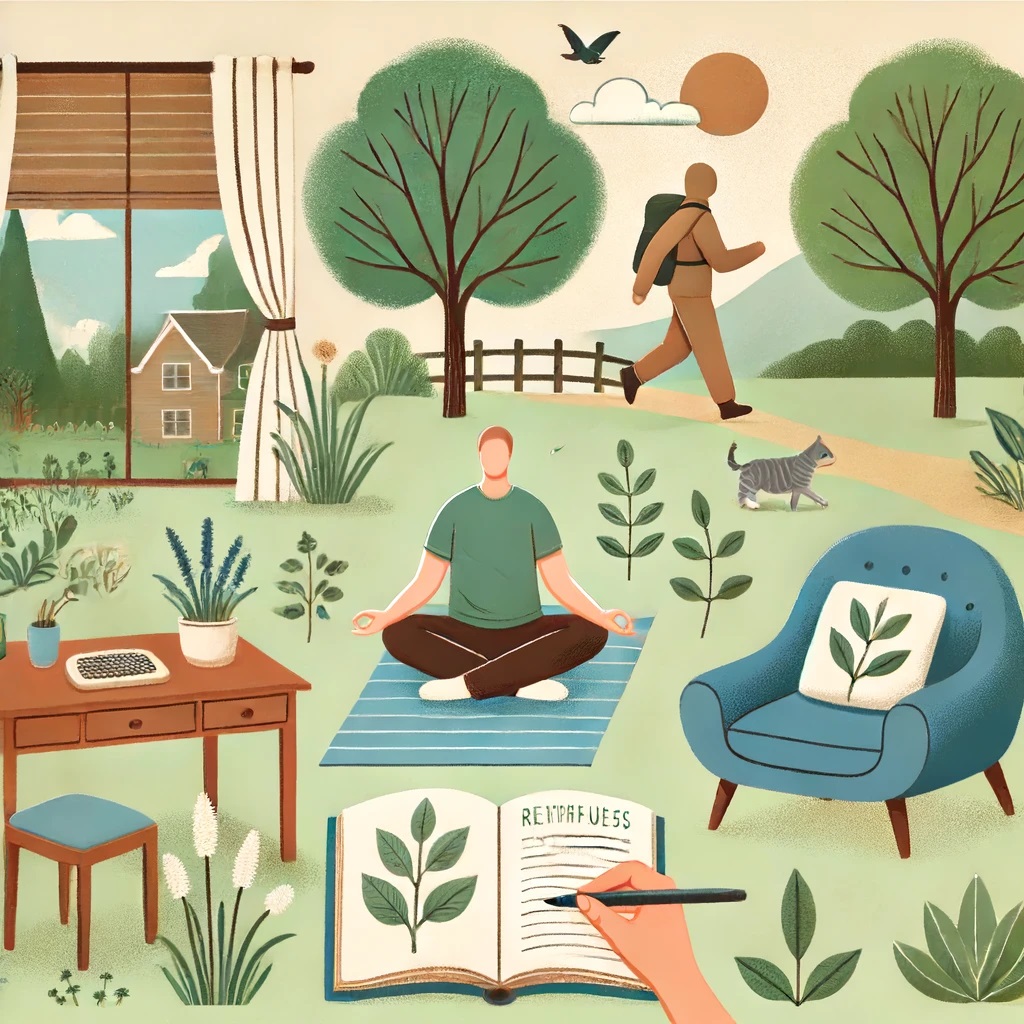
The Power of Mindfulness: Simple Practices to Reduce Stres

Mindfulness is a powerful tool for reducing stress and improving overall well-being. By practicing mindfulness, you can bring your attention to the present moment and experience greater peace and clarity. Here are some simple mindfulness practices to incorporate into your daily routine.

Mindful Breathing: Mindful breathing involves paying close attention to your breath. It helps calm the mind and reduce stress by bringing your focus to the present moment.

Example: Spend a few minutes each day sitting quietly and focusing on your breath. Inhale deeply through your nose, hold for a moment, and exhale slowly through your mouth. Notice the sensation of your breath as it flows in and out.

Body Scan Meditation: Body scan meditation involves focusing on different parts of your body and noticing any sensations. This practice helps you become more aware of your body and release tension.

Example: Lie down comfortably and close your eyes. Starting from your toes, slowly move your attention up through your body, noticing any sensations without judgment. Finish at the top of your head, feeling a sense of relaxation.

Mindful Walking: Mindful walking is about paying attention to the sensations of walking. It’s a great way to practice mindfulness while getting some exercise.

Example: Take a walk outside and focus on the sensation of your feet touching the ground, the movement of your legs, and the rhythm of your breath. Notice your surroundings and bring your mind back to the present moment whenever it wanders.

Mindful Eating: Mindful eating involves paying attention to the taste, texture, and smell of your food. It helps you appreciate your meals more and can improve digestion.

Example: During meals, take small bites and chew slowly. Notice the flavors and textures of the food. Avoid distractions like TV or smartphones to fully engage in the eating experience.

Gratitude Journaling: Writing down things you are grateful for can shift your focus from stress to positivity. It’s a simple practice that can boost your mood and overall outlook on life.

Example: Each evening, write down three things you are grateful for in a journal. Reflect on these moments and appreciate the positive aspects of your day.

By incorporating these simple mindfulness practices into your routine, you can reduce stress and enhance your overall well-being.

The Science of Happiness: Proven Strategies for a Joyful Life

Happiness is a universal pursuit, yet achieving it can sometimes feel elusive. However, scientific research has uncovered several proven strategies that can help enhance joy and overall well-being. In this blog post, we’ll explore these strategies and provide practical tips to incorporate them into your daily life for a more fulfilling and joyful existence.

Gratitude Practice

Gratitude is a powerful emotion that can significantly boost happiness. Studies have shown that regularly expressing gratitude can improve mood, increase resilience, and strengthen relationships. To incorporate gratitude into your daily routine, start a gratitude journal. Each day, write down three things you are grateful for. This simple practice can shift your focus from what you lack to what you have, fostering a sense of appreciation and contentment.

Positive Relationships

Strong social connections are crucial for happiness. Building and maintaining positive relationships with family, friends, and colleagues can provide emotional support, increase feelings of belonging, and enhance overall life satisfaction. Make time to nurture your relationships by scheduling regular catch-ups, engaging in meaningful conversations, and showing appreciation for the people in your life. For example, organize a weekly family dinner or a monthly outing with friends to strengthen your bonds.

Mindfulness and Meditation

Mindfulness and meditation practices can help reduce stress, increase self-awareness, and promote emotional well-being. Research has shown that regular mindfulness meditation can enhance focus, improve mood, and reduce symptoms of anxiety and depression. To start, find a quiet place, sit comfortably, and focus on your breath. When your mind wanders, gently bring it back to your breath. Apps like Headspace and Calm offer guided meditations that can help you develop a consistent practice.

Acts of Kindness

Performing acts of kindness can boost happiness by fostering a sense of connection and purpose. Small gestures, such as helping a neighbor, volunteering, or simply offering a kind word, can make a big difference in someone else’s life and your own. Challenge yourself to perform one act of kindness each day. For instance, pay for someone’s coffee, help a colleague with a task, or write a thank-you note to express your appreciation.

Physical Activity

Regular physical activity is not only beneficial for your physical health but also for your mental well-being. Exercise releases endorphins, which are natural mood lifters. Aim for at least 30 minutes of moderate exercise most days of the week. Choose activities you enjoy, such as walking, dancing, swimming, or playing a sport. For example, start your day with a morning jog, join a local dance class, or take evening walks in your neighborhood.

Pursuing Meaningful Goals

Setting and pursuing meaningful goals can provide a sense of purpose and direction in life. When your goals align with your values and passions, achieving them can bring a deep sense of fulfillment. Break your goals into manageable steps and celebrate your progress along the way. For instance, if your goal is to learn a new skill, such as playing an instrument or speaking a new language, set aside dedicated time each week to practice and track your improvement.

Cultivating Optimism

Optimism is the ability to focus on the positive aspects of life and expect good things to happen. Cultivating optimism can enhance resilience, improve health, and increase happiness. Practice reframing negative thoughts into positive ones. For example, instead of thinking, “I can’t do this,” shift your mindset to, “This is challenging, but I can learn and grow from it.” Surround yourself with positive influences and inspirational content to reinforce an optimistic outlook.

Engaging in Hobbies and Interests

Participating in activities you enjoy can bring joy and satisfaction to your life. Hobbies and interests provide opportunities for creativity, relaxation, and social interaction. Make time for activities that excite and engage you, whether it’s painting, gardening, reading, or playing a musical instrument. For example, join a book club, take up a new hobby, or dedicate a weekend afternoon to a creative project.

Sleep and Relaxation

Adequate sleep and relaxation are essential for maintaining mental and physical health. Lack of sleep can negatively impact mood, cognitive function, and overall well-being. Aim for 7-9 hours of sleep each night and establish a relaxing bedtime routine to improve sleep quality. Techniques such as deep breathing, progressive muscle relaxation, or reading a book can help you unwind and prepare for a restful night’s sleep.

10 Mindfulness Practices for Stress Relief

Find Your Calm: 10 Mindfulness Practices for Stress Relief

In today’s fast-paced world, stress has become a common companion for many of us. However, mindfulness practices can provide a powerful way to combat stress and bring a sense of calm and balance to your life. In this post, we’ll explore ten effective mindfulness practices that you can incorporate into your daily routine to help manage and reduce stress.

Practice 1: Deep Breathing: Deep breathing is one of the simplest yet most effective ways to relieve stress. By focusing on your breath, you can calm your mind and body, reducing the physiological symptoms of stress.

Instructions:

  1. Find a comfortable sitting position.
  2. Inhale deeply through your nose, allowing your abdomen to expand.
  3. Exhale slowly through your mouth.
  4. Repeat for 5-10 minutes.

Practice 2: Body Scan Meditation: Body scan meditation helps you become aware of physical sensations in your body, promoting relaxation and reducing tension.

Instructions:

  1. Lie down in a comfortable position.
  2. Close your eyes and take a few deep breaths.
  3. Slowly bring your attention to each part of your body, starting from your toes and moving up to your head.
  4. Notice any sensations, tension, or areas of relaxation.

Practice 3: Mindful Walking: Mindful walking involves paying close attention to the experience of walking, helping you stay present and connected to the moment.

Instructions:

  1. Find a quiet place to walk.
  2. Focus on the sensation of your feet touching the ground.
  3. Notice the movement of your legs and the rhythm of your breath.
  4. Stay present and observe your surroundings.

Practice 4: Gratitude Journaling: Writing down things you are grateful for can shift your focus from stress to positive aspects of your life.

Instructions:

  1. Take a few minutes each day to write down three things you are grateful for.
  2. Reflect on why these things are meaningful to you.
  3. Notice how this practice changes your perspective over time.

Practice 5: Mindful Eating: Mindful eating involves paying full attention to the experience of eating, which can enhance enjoyment and reduce overeating.

Instructions:

  1. Sit down to eat without distractions.
  2. Notice the colors, smells, and textures of your food.
  3. Chew slowly and savor each bite.
  4. Pay attention to how your body feels before, during, and after eating.

Practice 6: Progressive Muscle Relaxation: This practice involves tensing and then relaxing different muscle groups to release physical tension and reduce stress.

Instructions:

  1. Find a comfortable sitting or lying position.
  2. Start with your feet and work your way up to your head.
  3. Tense each muscle group for 5-10 seconds, then release.
  4. Notice the sensation of relaxation.

Practice 7: Visualization: Visualization involves creating a mental image of a peaceful place or situation, helping to calm the mind and body.

Instructions:

  1. Find a quiet place to sit or lie down.
  2. Close your eyes and take a few deep breaths.
  3. Imagine yourself in a peaceful place, such as a beach or forest.
  4. Engage all your senses and fully immerse yourself in the experience.

Practice 8: Mindful Listening: Mindful listening involves paying full attention to the sounds around you, helping to bring your focus to the present moment.

Instructions:

  1. Sit in a quiet place and close your eyes.
  2. Notice the sounds around you without judgment.
  3. Focus on each sound, one at a time.
  4. Allow yourself to be fully present with the experience.

Practice 9: Loving-Kindness Meditation: This meditation involves sending positive thoughts and wishes to yourself and others, promoting feelings of compassion and connection.

Instructions:

  1. Sit comfortably and close your eyes.
  2. Repeat phrases like, “May I be happy, may I be healthy, may I be safe.”
  3. Gradually extend these wishes to others, including loved ones, acquaintances, and even those you have conflicts with.
  4. Feel the sense of compassion and connection grow.

Practice 10: Mindfulness Apps: Using mindfulness apps can provide guided meditations and mindfulness exercises to help you practice regularly.

Instructions:

  1. Download a mindfulness app such as Headspace, Calm, or Insight Timer.
  2. Explore the guided meditations and exercises offered.
  3. Set aside time each day to practice with the app.

Incorporating mindfulness practices into your daily routine can significantly reduce stress and improve your overall well-being. At Alchemy International, we believe in the power of holistic practices to support a balanced and healthy life. Try these mindfulness techniques and discover the positive impact they can have on your stress levels and overall mental health.