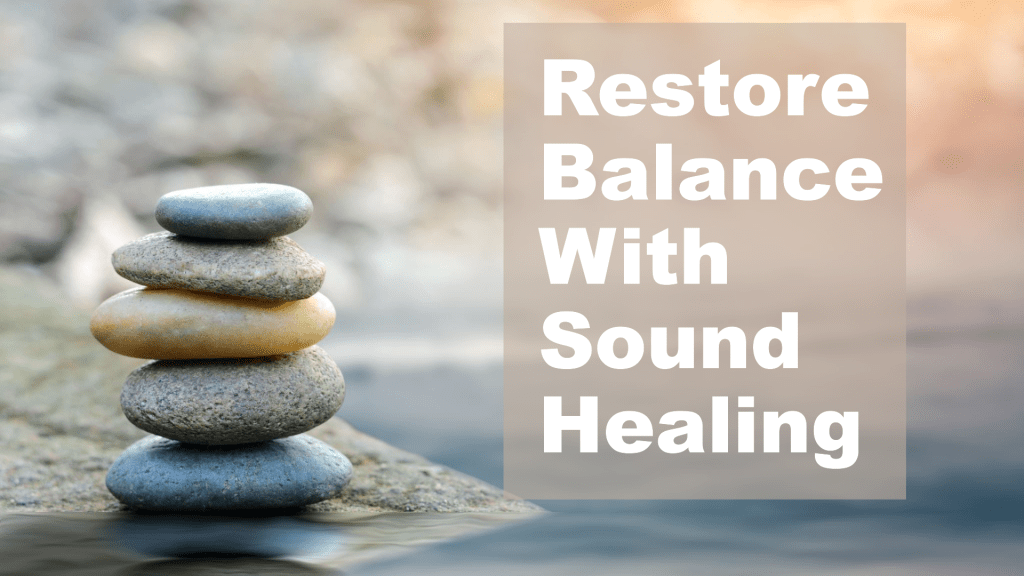
In recent years, there has been a resurgence in the use of ancient healing practices, and one that is gaining particular attention is sound healing. Sound has long been recognized as a tool for relaxation and emotional well-being, but it’s much more than that. Sound healing uses specific frequencies to influence the energy fields in the body, promoting physical, emotional, and mental balance. In a world filled with stress, this natural and holistic approach offers a simple yet powerful way to restore harmony in the body and mind.
The Science Behind Sound Healing
Sound healing isn’t just spiritual or metaphysical—it has scientific backing. Everything in the universe vibrates at a specific frequency, including our bodies. When we experience illness, stress, or emotional imbalances, our body’s frequencies can become misaligned. By using specific sounds and vibrations, sound healing helps to re-tune the body to its optimal frequency, much like tuning a musical instrument.
Different sound frequencies affect different parts of the body. For instance:
- 432 Hz is known for its calming effects, promoting relaxation and harmony.
- 528 Hz is often called the “miracle tone” and is believed to repair DNA and promote healing.
- 963 Hz is associated with spiritual connection and awakening.
Types of Sound Healing
There are various types of sound healing, each offering unique benefits. Let’s explore some of the most popular methods:
- Tibetan Singing Bowls
These metal bowls produce harmonic sounds when struck or circled with a mallet. The vibrations from the bowl are believed to penetrate the body, helping to release tension and stress. Tibetan bowls are often used in meditation or during energy healing sessions to align the body’s chakras.- Tip: Use a singing bowl at the beginning or end of your meditation practice to enhance focus and relaxation.
- Crystal Singing Bowls
Made from quartz crystal, these bowls produce a purer, more ethereal sound compared to their Tibetan counterparts. They are often associated with healing on a cellular level, as the quartz amplifies the sound’s vibrational frequency, promoting deeper healing.- Tip: Incorporate crystal singing bowls into your yoga or meditation practice to deepen your connection with your body.
- Binaural Beats
Binaural beats are an auditory illusion created by playing slightly different frequencies in each ear. The brain perceives a third tone, known as a binaural beat, which can influence brainwave activity. This method is particularly effective in promoting relaxation, focus, and sleep.- Tip: Listen to binaural beats before bed to improve sleep quality or use them to enhance focus while working or studying.
- Gongs and Tuning Forks
Gongs have been used for thousands of years in ceremonies and rituals, producing deep, reverberating sounds that are said to heal the body and mind. Tuning forks, on the other hand, are more targeted, used to tune specific areas of the body by applying vibration to acupuncture points or energy centers.- Tip: Try using a tuning fork on acupressure points to relieve tension or blockages in the body’s energy flow.
How Sound Healing Works
The mechanism behind sound healing lies in its ability to resonate with the body’s energy fields. When the body is exposed to harmonious sounds, it entrains or aligns its frequencies to match the healing tones. This process of entrainment helps to regulate brain waves, balance emotions, and improve overall health.
In addition to promoting relaxation, sound healing is believed to:
- Reduce stress and anxiety
- Improve concentration and focus
- Relieve physical pain
- Enhance creativity and intuition
- Balance the body’s energy centers (chakras)
How to Incorporate Sound Healing into Your Wellness Routine
Integrating sound healing into your daily routine is easier than you might think. Here are a few practical ways to bring the power of sound into your life:
- Morning Sound Bath:
Start your day with a short sound bath using a Tibetan or crystal singing bowl. This can set a positive tone for the day and align your energy. - Guided Meditation with Binaural Beats:
Listen to guided meditations that incorporate binaural beats to deepen your mindfulness practice. These frequencies can help you focus better, calm your mind, and reduce stress. - Use Sound for Sleep:
To enhance your sleep quality, play binaural beats or calming nature sounds (like rain or ocean waves) as you drift off. The right frequencies can help guide your brain into a state of deep relaxation. - Healing with Gongs or Tuning Forks:
If you have access to these instruments, use them during meditation or yoga practices. Alternatively, there are sound healing therapists who can offer more structured sound healing sessions.
The Future of Sound Healing
Sound healing is not just a trend; it’s a re-discovery of ancient knowledge that is now being supported by modern science. As more people seek out natural ways to heal, we can expect sound healing to become more prominent in wellness spaces. With further research, we might see sound therapy integrated into mainstream medical treatments, offering a complementary approach to conventional medicine.
Conclusion
Sound healing is a powerful tool that can restore balance in a chaotic world. Whether through Tibetan singing bowls, crystal bowls, binaural beats, or gongs, the vibrations from these healing sounds resonate deep within the body, helping to alleviate stress, anxiety, and physical discomfort. By incorporating sound healing into your wellness routine, you can attune your body’s frequencies to promote holistic well-being and harmony.
For more ways to enhance your wellness journey, check out my book, The Mindful Executive: https://www.amazon.com/dp/B0D75YJCLW.
 Holistic Wellness Guide