

Mastering Consistency: How to Stick to Your Goals

Starting a new goal is easy—sticking to it is the real challenge. Whether it’s a fitness journey, a business idea, or a personal habit, motivation fades over time, and consistency becomes the deciding factor for success.

But what if you could train yourself to stay motivated and consistent, even when you don’t feel like it? Science-backed techniques, mindset shifts, and small habits can help you stay on track without burning out.

Let’s explore how to keep momentum, stay inspired, and turn goals into lasting achievements.


1. Understand the Motivation vs. Discipline Myth

Motivation is temporary, but discipline is what keeps you going.

✔️ Why Motivation Fades:

  • The brain loves instant gratification, so long-term goals feel harder.
  • Emotional ups and downs affect energy levels.
  • The excitement of a new goal wears off over time.

✔️ How to Stay Consistent:

  • Don’t wait for motivation—act first, and motivation will follow.
  • Make habits automatic so they don’t require willpower.
  • Build discipline by showing up, even on low-energy days.
  • Pro Tip: Motivation gets you started, but routine keeps you going.

2. Set Goals That Actually Stick

Most people fail at their goals because they set vague, unrealistic targets.

✔️ How to Set Effective Goals (The SMART Method):

  • Specific – Define exactly what you want (e.g., “Exercise 3x a week” instead of “Get fit”).
  • Measurable – Track progress (e.g., “Lose 5 pounds” instead of “Be healthier”).
  • Achievable – Set realistic steps.
  • Relevant – Align goals with your values.
  • Time-bound – Have a deadline for accountability.
  • Pro Tip: Write your goals down—studies show this increases success rates by 42%.

3. Build Small, Daily Habits

Big results come from small, consistent actions.

✔️ How to Practice:

  • Break goals into tiny daily steps (e.g., 5-minute workouts instead of waiting for a full gym session).
  • Stack habits—attach new habits to existing ones (e.g., stretch after brushing your teeth).
  • Focus on showing up rather than perfection.
  • Pro Tip: Consistency beats intensity—doing something small daily is better than doing something big occasionally.

4. Overcome Resistance & Stay on Track

Lack of progress often comes from internal resistance.

✔️ How to Push Through:

  • Expect low-motivation days—create a “bare minimum” habit for those times.
  • Use the 5-minute rule—commit to 5 minutes; often, you’ll continue longer.
  • Track progress visually (habit tracker, journal, or calendar streaks).
  • Pro Tip: Remove decision fatigue by planning ahead (e.g., lay out workout clothes the night before).

5. Reward Yourself & Make It Fun

If you enjoy the process, you’ll stick with it longer.

✔️ How to Make It Rewarding:

  • Pair hard tasks with enjoyable ones (e.g., listen to music or a podcast while exercising).
  • Celebrate small wins—progress, not perfection.
  • Use a reward system—treat yourself after reaching milestones.
  • Pro Tip: Turn goals into a game (e.g., challenge yourself to a 30-day streak).

6. Surround Yourself with the Right Environment

Your surroundings affect your behavior more than willpower.

✔️ How to Optimize Your Environment:

  • Limit distractions—make bad habits harder and good habits easier.
  • Surround yourself with like-minded people—motivation is contagious.
  • Use accountability partners or join a group with similar goals.
  • Pro Tip: Find a mentor, coach, or community that keeps you inspired.

7. Adjust and Stay Flexible

Life happens—goals should be adjustable, not abandoned.

✔️ How to Stay Flexible Without Quitting:

  • If a strategy isn’t working, tweak it instead of giving up.
  • Accept that progress isn’t linear—consistency over time matters more than perfect streaks.
  • Take breaks when needed, but always restart.
  • Pro Tip: Progress > Perfection—even 80% consistency leads to success.

Conclusion

Staying motivated and consistent isn’t about waiting for the perfect moment—it’s about showing up even when it’s hard. By setting clear goals, building habits, rewarding progress, and adjusting as needed, you can turn motivation into lasting success.

Start today—what’s one small action you can take right now toward your goal?


For more insights on personal growth, check out my book, The Mindful Executive: https://www.amazon.com/dp/B0D75YJCLW.


Master Holistic Time Management for Productivity

In our quest for productivity, it’s easy to forget that time management is not just about checking tasks off a list—it’s about creating a life that feels balanced and meaningful. Holistic time management combines traditional productivity techniques with mindfulness and self-care, ensuring that your time is spent in alignment with your values and well-being. Let’s explore how you can master holistic time management to balance productivity and wellness seamlessly.


1. Define Your Priorities with Purpose

Productivity starts with clarity. Knowing your priorities helps you focus on what truly matters.

  • How to Practice:
    • Identify your top 3-5 life priorities (e.g., family, health, career, personal growth).
    • Break these priorities into actionable, time-specific goals.
  • Pro Tip: Use a weekly reflection ritual to reassess and realign your priorities.

2. Embrace the Power of Single-Tasking

Multitasking may seem efficient, but it often leads to stress and decreased focus. Single-tasking helps you work with intention.

  • How to Practice:
    • Focus on one task at a time, setting a timer for 25-30 minutes of dedicated work.
    • Eliminate distractions by silencing notifications and clearing your workspace.
  • Pro Tip: Try the Pomodoro Technique to balance focus and breaks effectively.

3. Incorporate Time for Self-Care

Productivity should never come at the expense of your well-being. Scheduling self-care ensures you stay energized and focused.

  • How to Practice:
    • Dedicate time each day for activities that nurture your mind and body, like exercise, meditation, or reading.
    • Block off “non-negotiable self-care time” in your calendar.
  • Pro Tip: Treat self-care as an essential task, not an optional one.

4. Use the 80/20 Rule

The Pareto Principle suggests that 80% of results come from 20% of efforts. Focus on the most impactful tasks to maximize productivity.

  • How to Practice:
    • At the start of each day, identify the top two or three tasks that will create the greatest impact.
    • Prioritize these tasks over smaller, less significant ones.
  • Pro Tip: Review your completed tasks weekly to identify what made the biggest difference.

5. Practice Time Blocking for Balance

Time blocking is a powerful tool for structuring your day and ensuring balance between work, rest, and play.

  • How to Practice:
    • Divide your day into blocks of time dedicated to specific activities, like focused work, exercise, or family time.
    • Stick to your schedule as closely as possible while allowing flexibility for unexpected events.
  • Pro Tip: Color-code your blocks for visual clarity (e.g., blue for work, green for self-care).

6. Schedule Downtime for Reflection

Rest and reflection are essential components of holistic time management. Taking breaks helps prevent burnout and fosters creativity.

  • How to Practice:
    • Build small breaks into your day, such as 5-minute stretches or a 10-minute walk.
    • Dedicate 30 minutes weekly to reflect on your progress and adjust your goals.
  • Pro Tip: Use your downtime to practice mindfulness or gratitude.

7. Set Boundaries to Protect Your Time

Without boundaries, your schedule can quickly become overwhelmed with demands that don’t align with your priorities.

  • How to Practice:
    • Learn to say no to requests that don’t serve your goals or well-being.
    • Communicate your boundaries clearly and respectfully to others.
  • Pro Tip: Use phrases like, “I’d love to help, but I don’t have the capacity right now.”

8. Minimize Digital Distractions

Technology can be a significant time-waster if not managed mindfully. Reducing digital distractions helps you stay focused and present.

  • How to Practice:
    • Set specific times to check emails and social media.
    • Use apps like Freedom or Focus@Will to limit screen time during work hours.
  • Pro Tip: Create a tech-free zone or time period each day to fully unplug.

9. Align Your Schedule with Your Energy Cycles

Understanding your natural energy patterns allows you to plan tasks when you’re at your peak performance.

  • How to Practice:
    • Observe your energy levels throughout the day and identify when you feel most alert and focused.
    • Schedule high-priority tasks during your peak energy times and lighter tasks during lulls.
  • Pro Tip: Experiment with adjusting your schedule until it feels aligned with your rhythm.

10. Celebrate Small Wins

Recognizing and celebrating your accomplishments fosters motivation and a positive mindset.

  • How to Practice:
    • At the end of each day, write down one or two wins, no matter how small.
    • Reward yourself for completing significant tasks, like enjoying a favorite snack or taking a relaxing break.
  • Pro Tip: Use a gratitude journal to reflect on your progress and accomplishments.

Conclusion

Holistic time management isn’t about doing more—it’s about doing what matters in a way that honors your well-being. By prioritizing your values, focusing on impactful tasks, and incorporating self-care into your schedule, you can create a balanced, fulfilling life. Start small, stay consistent, and let holistic time management guide you toward greater productivity and wellness.


For more strategies on living mindfully and achieving balance, check out my book, The Mindful Executive: https://www.amazon.com/dp/B0D75YJCLW.

How Weekly Reflection Can Enhance Your Well-Being

Life moves quickly, and it’s easy to lose sight of your goals, emotions, and progress amidst the daily hustle. Incorporating a weekly reflection ritual can be a game-changer, offering clarity, focus, and personal growth. Reflection allows you to reconnect with yourself, assess your week, and set intentions for the days ahead. Let’s explore how this simple practice can transform your life and provide you with actionable steps to start your journey of self-discovery and balance.


1. Why Reflection Matters

Reflection helps you gain insight into your actions, emotions, and habits. It creates a bridge between your current self and your aspirations.

  • Key Benefits:
    • Enhances self-awareness
    • Improves decision-making
    • Boosts emotional resilience
  • Pro Tip: Think of reflection as a way to “reset” your week with purpose and intention.

2. Designate a Weekly Check-In Time

Consistency is key to building a reflection habit. Choose a time that feels relaxed and uninterrupted.

  • How to Practice:
    • Schedule 30 minutes to an hour each week—Sunday evenings or Friday afternoons are popular choices.
    • Set up a quiet, comfortable space for reflection.
  • Pro Tip: Use calming aids like candles or soft music to create a soothing atmosphere.

3. Use Guided Questions to Structure Your Reflection

Thoughtful questions help you dive deeper into your experiences and emotions.

  • Example Prompts:
    • What were my biggest wins this week?
    • What challenges did I face, and how did I handle them?
    • How did I care for my physical, mental, and emotional health?
    • What am I grateful for this week?
    • What can I improve on next week?
  • Pro Tip: Keep a list of prompts handy to rotate for variety.

4. Reflect on Your Goals and Progress

Weekly check-ins are an opportunity to assess your progress toward short- and long-term goals.

  • How to Practice:
    • Review your goals and note any steps you’ve taken.
    • Adjust your plans if needed to stay aligned with your priorities.
  • Pro Tip: Celebrate small wins to stay motivated and encouraged.

5. Acknowledge and Process Your Emotions

Ignoring emotions can lead to burnout and stress. Use your reflection time to process feelings and reset your emotional state.

  • How to Practice:
    • Identify emotions you experienced during the week—both positive and negative.
    • Ask yourself, “What triggered these feelings, and how did I respond?”
  • Pro Tip: Journaling your emotions can help you uncover patterns and insights.

6. Practice Gratitude During Reflection

Gratitude shifts your perspective from what’s lacking to what’s abundant, fostering a sense of contentment.

  • How to Practice:
    • Write down 3-5 things you’re grateful for each week.
    • Reflect on how these moments brought joy or meaning to your life.
  • Pro Tip: Share your gratitude with someone close to strengthen your connection.

7. Set Intentions for the Upcoming Week

Reflection isn’t just about looking back—it’s also about preparing for what’s ahead.

  • How to Practice:
    • Identify 1-3 priorities or intentions for the coming week.
    • Be specific and actionable (e.g., “I will meditate for 10 minutes each morning”).
  • Pro Tip: Write your intentions somewhere visible to stay focused.

8. Incorporate Mindfulness into Your Reflection

Being fully present during your check-in helps you connect with your thoughts and feelings more deeply.

  • How to Practice:
    • Begin your reflection with a brief meditation or deep breathing exercise.
    • Focus on the present moment without judgment.
  • Pro Tip: Use a mindfulness app like Calm or Insight Timer for guided support.

9. Track Your Reflections for Growth

Keeping a record of your reflections helps you notice patterns and track your personal growth over time.

  • How to Practice:
    • Use a journal, app, or template to document your weekly check-ins.
    • Review past entries periodically to see how far you’ve come.
  • Pro Tip: Highlight significant milestones or breakthroughs in your entries.

10. Create a Closing Ritual

Ending your reflection with a ritual helps you transition into the next phase of your week with clarity and purpose.

  • How to Practice:
    • Light a candle, recite a mantra, or engage in a symbolic act like closing your journal.
    • Visualize the week ahead and how you want to feel.
  • Pro Tip: Choose a ritual that feels meaningful and aligns with your values.

Conclusion

Weekly reflections are a powerful tool for self-discovery, growth, and balance. By carving out time to pause, assess, and realign, you can approach each week with greater clarity and intention. Start small, stay consistent, and watch as this practice transforms your mindset, habits, and overall well-being.


For more insights on mindfulness and personal growth, check out my book, The Mindful Executive: https://www.amazon.com/dp/B0D75YJCLW.

9 Daily Habits to Kickstart Your Journey to Success

Success often begins with the small, daily habits that we cultivate. If you’re looking to start your journey to success but aren’t sure where to begin, adopting these nine habits can set you on the right path.


1. Reading Regularly

Successful people often dedicate time to reading every day. Reading not only expands your knowledge but also stimulates your mind and inspires new ideas.

Benefits:

  • Enhances knowledge and vocabulary
  • Stimulates cognitive functions
  • Sparks creativity and innovation

Discover more benefits of reading: Healthline


2. Exercising Daily

Physical activity is crucial for maintaining both physical and mental health. Daily exercise can boost your energy levels, improve your mood, and enhance your productivity.

Benefits:

  • Increases energy and stamina
  • Reduces stress and anxiety
  • Enhances focus and concentration

Explore the benefits of regular exercise: Mayo Clinic


3. Planning and Setting Goals

Planning your day and setting achievable goals helps you stay organized and focused. Successful people often begin their day with a clear plan and set priorities.

Benefits:

  • Increases productivity
  • Provides direction and focus
  • Helps track progress and achievements

Learn more about goal setting: Mind Tools


4. Networking

Building and maintaining a strong professional network is essential for success. Networking can open up opportunities, provide support, and offer new perspectives.

Benefits:

  • Expands your professional connections
  • Provides access to new opportunities
  • Offers support and advice

Understand the importance of networking: Forbes


5. Practicing Mindfulness

Mindfulness practices, such as meditation and deep breathing exercises, can improve your mental clarity and emotional resilience.

Benefits:

  • Reduces stress and enhances emotional well-being
  • Improves focus and concentration
  • Promotes a positive mindset

Discover mindfulness techniques: Mindful


6. Learning Continuously

Commit to lifelong learning by acquiring new skills and knowledge. Continuous learning keeps your mind sharp and adaptable to changes.

Benefits:

  • Enhances personal and professional growth
  • Keeps the brain active and engaged
  • Improves adaptability and resilience

Explore ways to continue learning: Coursera


7. Maintaining a Healthy Diet

A balanced diet fuels your body and mind, helping you stay focused and energized throughout the day.

Benefits:

  • Boosts cognitive function
  • Supports overall health
  • Enhances energy levels

Learn more about a healthy diet: Harvard T.H. Chan School of Public Health


8. Practicing Gratitude

Taking time each day to reflect on what you are grateful for can improve your mood and outlook on life.

Benefits:

  • Enhances emotional well-being
  • Promotes a positive mindset
  • Reduces stress and anxiety

Understand the power of gratitude: Psychology Today


9. Getting Adequate Sleep

Quality sleep is essential for overall health and productivity. Successful people prioritize sleep to ensure they are well-rested and ready for the day ahead.

Benefits:

  • Improves cognitive function
  • Enhances mood and emotional health
  • Supports physical health and recovery

Learn more about the importance of sleep: National Sleep Foundation

Call to Action

Start incorporating these daily habits into your routine to set yourself on the path to success. Visit Holistic Wellness Guide for more tips on building a successful and fulfilling life.

#SuccessHabits #DailyHabits #PersonalGrowth #Mindfulness #Networking #GoalSetting #ContinuousLearning #HealthyLiving #WellnessJourney

Mastering Self-Control: Habits to Enhance Discipline and Focus

Improving self-control and discipline can lead to greater success and fulfillment in various areas of life. Here are some expert-recommended habits to adopt for better self-control and discipline.


1. Setting Clear Goals

Clear goals provide direction and motivation. Break down your goals into manageable steps and track your progress. This helps maintain focus and prevents procrastination. Learn more about effective goal setting.

2. Regular Exercise

Physical activity improves not only your physical health but also your mental resilience and self-control. Incorporate a variety of exercises such as cardio, strength training, and flexibility workouts into your routine. Explore benefits of regular exercise.

3. Mindful Eating

Practicing mindful eating helps you make better food choices and avoid overeating. Pay attention to what you eat, savor each bite, and listen to your body’s hunger cues. Discover tips for mindful eating.

4. Time Management

Effective time management prevents procrastination and ensures you stay on track with your tasks. Use techniques like the Pomodoro Technique or time blocking to manage your day efficiently. Get time management tips.

5. Meditation and Mindfulness

Regular meditation enhances your ability to focus and manage stress, which are crucial for maintaining discipline. Incorporate mindfulness practices into your daily routine to stay centered and calm. Learn about mindfulness techniques.

6. Journaling

Writing down your thoughts, goals, and progress helps clarify your intentions and keep you accountable. Journaling can also provide insights into your habits and areas for improvement. Explore the benefits of journaling.

7. Healthy Sleep Habits

Quality sleep is essential for cognitive function and self-control. Establish a regular sleep schedule, create a restful environment, and avoid screens before bedtime. Learn about sleep tips.

8. Reducing Stress

High stress levels can undermine your self-control. Practice stress management techniques such as deep breathing, yoga, or spending time in nature. Discover stress reduction strategies.

9. Building a Support Network

Surround yourself with people who support your goals and provide positive reinforcement. Having a strong support network can help you stay motivated and disciplined. Understand the importance of social connections.

10. Practicing Self-Compassion

Being kind to yourself when you make mistakes helps maintain a positive mindset and resilience. Self-compassion encourages you to learn from setbacks rather than becoming discouraged. Learn about self-compassion.

Call to Action

Adopting these habits can significantly enhance your self-control and discipline, leading to a more focused and fulfilling life. Visit Holistic Wellness Guide for more tips and insights on leading a balanced and disciplined life.

#SelfControl #Discipline #GoalSetting #Mindfulness #HealthyHabits #TimeManagement #StressReduction #WellnessJourney #Productivity #SelfImprovement

Time Wasters: Habits That Drain Your Potential

We often unknowingly engage in habits that waste our time and hinder our potential. Here are some common time-wasting habits and strategies to overcome them.

1. Excessive Social Media Use

Spending too much time on social media can consume hours of your day without you even realizing it. To combat this, set specific times for checking social media and use apps to limit your screen time. Explore mindful social media use.

2. Procrastination

Procrastination can significantly delay your progress. Break tasks into smaller, manageable steps and use techniques like the Pomodoro Technique to stay focused. Learn effective time management strategies.

3. Multitasking

Multitasking can reduce your efficiency and increase errors. Focus on one task at a time to improve productivity and quality of work. Understand the benefits of mindfulness.

4. Poor Planning

Lack of planning can lead to wasted time and missed opportunities. Use tools like planners or digital apps to organize your tasks and set clear goals. Discover goal-setting techniques.

5. Overcommitting

Taking on too many responsibilities can spread you thin and lead to burnout. Learn to say no and prioritize tasks that align with your goals. Read about maintaining a balanced lifestyle.

6. Disorganization

A cluttered workspace can hinder your productivity. Keep your environment tidy and organized to save time and reduce stress. Get tips on decluttering.

7. Lack of Self-Care

Neglecting self-care can lead to burnout and decreased productivity. Make time for activities that rejuvenate you, such as exercise, meditation, and hobbies. Explore self-care strategies.

8. Constant Email Checking

Frequently checking emails can interrupt your workflow. Set specific times to check and respond to emails to stay focused on important tasks. Learn to manage your digital life.

9. Perfectionism

Striving for perfection can cause unnecessary delays. Aim for progress, not perfection, and recognize that mistakes are part of the learning process. Understand the impact of perfectionism.

10. Lack of Delegation

Trying to do everything yourself can be overwhelming. Delegate tasks when possible to free up your time for more important activities. Read about effective delegation.

Call to Action

Identify and eliminate these time-wasting habits to unlock your potential and lead a more productive life. Visit Holistic Wellness Guide for more insights and tips on achieving a balanced and fulfilling life.

#TimeManagement #Productivity #SelfCare #Mindfulness #GoalSetting #Decluttering #BalancedLife #Efficiency #Focus #WellnessJourney

30-Day Challenge to Reinvent Yourself

Embarking on a 30-day challenge can be a transformative experience, helping you build new habits and improve your overall well-being. Here’s a comprehensive guide to reinventing yourself in just one month.

Day 1-3: Set Goals and Plan

Day 1: Reflect on what you want to achieve and set clear, realistic goals. Write them down in a journal. Learn how to set effective goals.

Day 2: Create a detailed plan for your 30-day challenge. Include daily tasks and milestones. Explore planning strategies.

Day 3: Prepare your environment. Organize your space to support your goals and reduce distractions. Discover the benefits of a tidy space.


Day 4-6: Physical Health

Day 4: Start a fitness routine. Include a mix of cardio, strength training, and flexibility exercises. Find workout plans.

Day 5: Focus on nutrition. Plan healthy meals that include lean proteins, whole grains, and plenty of fruits and vegetables. Explore healthy eating tips.

Day 6: Hydrate. Aim to drink at least 8 glasses of water daily to keep your body functioning optimally. Understand the importance of hydration.


Day 7-9: Mental Health

Day 7: Practice mindfulness. Spend a few minutes each day meditating or doing deep breathing exercises. Learn how to meditate.

Day 8: Start a gratitude journal. Write down three things you’re grateful for each day. Explore the benefits of gratitude.

Day 9: Unplug from technology. Spend a day without screens to reset your mind. Discover the benefits of a digital detox.


Day 10-12: Learning and Growth

Day 10: Read a book. Choose a topic that interests you and dedicate time to read each day. Find book recommendations.

Day 11: Take an online course. Expand your knowledge and skills in a new area. Explore online courses.

Day 12: Listen to educational podcasts. Choose topics that inspire and educate you. Discover popular podcasts.


Day 13-15: Social Connections

Day 13: Reach out to a friend or family member. Strengthen your social bonds by reconnecting with loved ones. Understand the importance of social connections.

Day 14: Join a group or club. Find a community with similar interests and get involved. Explore social groups.

Day 15: Practice acts of kindness. Do something nice for someone else, like volunteering or helping a neighbor. Learn about the science of kindness.


Day 16-18: Self-Reflection

Day 16: Reflect on your progress. Review your goals and note any changes or improvements. Explore self-reflection techniques.

Day 17: Write about your experiences. Document your thoughts and feelings in your journal. Discover the benefits of journaling.

Day 18: Practice self-forgiveness. Let go of past mistakes and focus on personal growth. Learn about self-forgiveness.


Day 19-21: Creativity

Day 19: Start a creative project. Try painting, writing, or any other creative activity you enjoy. Explore the benefits of creativity.

Day 20: Engage in a hobby. Spend time doing something you love and find fulfilling. Understand the benefits of hobbies.

Day 21: Visit a museum or gallery. Expose yourself to new ideas and perspectives. Find museums near you.


Day 22-24: Financial Health

Day 22: Review your finances. Create a budget and track your spending. Learn about budgeting.

Day 23: Set financial goals. Plan for savings, investments, and future expenses. Explore financial planning tips.

Day 24: Educate yourself about personal finance. Read articles, watch videos, or take a course. Discover personal finance resources.


Day 25-27: Environment

Day 25: Declutter your space. Organize and clean your home or workspace. Explore decluttering tips.

Day 26: Create a relaxing environment. Add elements like plants, candles, and cozy furniture to enhance your space. Learn about creating a peaceful home.

Day 27: Practice eco-friendly habits. Reduce, reuse, and recycle to minimize your environmental impact. Understand eco-friendly practices.


Day 28-30: Reflection and Moving Forward

Day 28: Reflect on your journey. Review your progress, celebrate achievements, and acknowledge areas for improvement. Discover reflection techniques.

Day 29: Plan for the future. Set new goals and create a plan to maintain your positive habits. Explore goal-setting strategies.

Day 30: Celebrate your success. Reward yourself for completing the challenge and enjoy your newfound sense of accomplishment. Learn about the importance of celebration.

Call to Action

Take on this 30-day challenge to reinvent yourself and create lasting positive changes in your life. Visit Holistic Wellness Guide for more tips and insights on leading a balanced and fulfilling life.

#30DayChallenge #SelfImprovement #HealthyLiving #Mindfulness #PersonalGrowth #WellnessJourney #HolisticHealth #GoalSetting #SelfCare #HealthyHabits

Dream Big and Reach Your Goals: The Power of Holistic Wellness

Dreaming big is essential for achieving significant goals in life. Combining the principles of holistic wellness with goal-setting can enhance your journey toward success. This blog explores how to dream big and reach your goals through holistic wellness practices, featuring a real-life case study for inspiration.

Understanding Holistic Wellness

Holistic wellness considers the whole person—mind, body, and spirit—integrating various aspects of well-being to achieve a balanced and fulfilling life. It involves practices such as mindfulness, proper nutrition, physical activity, emotional well-being, and a positive mindset.

The Importance of Dreaming Big

Dreaming big involves setting ambitious goals that challenge and inspire you. It pushes you beyond your comfort zone and encourages growth and innovation.

Benefits of Dreaming Big:

  • Increased Motivation: Ambitious goals provide a sense of purpose and drive.
  • Personal Growth: Challenging goals foster continuous learning and development.
  • Enhanced Creativity: Thinking big encourages innovative ideas and solutions.
  • Long-Term Fulfillment: Achieving significant goals leads to lasting satisfaction and success.

How to Dream Big and Achieve Your Goals

1. Set Clear, Ambitious Goals

Define your big dreams clearly. Write them down and make sure they are specific, measurable, achievable, relevant, and time-bound (SMART).

2. Visualize Success

Spend time each day visualizing your goals. Imagine the details and emotions associated with achieving them. Visualization strengthens your belief and keeps you focused.

3. Develop a Holistic Wellness Routine

Incorporate holistic wellness practices into your daily life to support your journey:

  • Mindfulness: Practice meditation and mindfulness to reduce stress and enhance focus.
  • Nutrition: Maintain a balanced diet rich in nutrients to fuel your body and mind.
  • Exercise: Engage in regular physical activity to boost energy and resilience.
  • Emotional Health: Foster positive relationships and seek emotional support when needed.
  • Positive Thinking: Use affirmations and positive self-talk to maintain a positive mindset.

4. Create a Vision Board

A vision board is a visual representation of your goals. Include images, quotes, and symbols that resonate with your dreams. Place your vision board somewhere visible to keep your goals top of mind.

5. Take Consistent Action

Break down your big goals into smaller, actionable steps. Take consistent action towards these steps, and celebrate small victories along the way.

6. Stay Persistent and Adaptable

Stay committed to your goals, even when faced with challenges. Be adaptable and willing to adjust your plans as needed.

Case Study: Oprah Winfrey’s Journey

Oprah Winfrey is a prime example of dreaming big and achieving success through holistic wellness. From a challenging childhood, she dreamed of making a significant impact. Oprah combined her big dreams with holistic wellness practices, including mindfulness, positive thinking, and continuous learning.

Her commitment to holistic wellness helped her build resilience and maintain focus. Today, Oprah is a globally recognized media mogul, philanthropist, and advocate for well-being, demonstrating the power of dreaming big and integrating holistic wellness into one’s life.

Call to Action

Dream big and reach your goals by incorporating holistic wellness practices into your daily routine. Visit Holistic Wellness Guide for more tips and insights on achieving your dreams and leading a balanced life.

#DreamBig #GoalSetting #HolisticWellness #Motivation #Mindfulness #Success #PersonalDevelopment #WellBeing #PositiveThinking #HealthyLifestyle

Short-Term vs. Long-Term Motivation: How to Keep Your Motivation Going

Motivation is essential for achieving our goals, whether they are short-term or long-term. Understanding the difference between these types of motivation and how to maintain them can help you stay on track and reach your objectives.

Understanding Short-Term Motivation

Short-term motivation is about achieving immediate goals. These are the small, manageable tasks that provide quick rewards and a sense of accomplishment. Examples include completing a daily workout, finishing a project at work, or sticking to a meal plan for a week.

Benefits of Short-Term Motivation:

  • Provides quick wins that boost confidence.
  • Helps build momentum and establish habits.
  • Keeps you engaged with frequent rewards and milestones.

Strategies for Maintaining Short-Term Motivation:

  1. Set Clear, Achievable Goals: Break down larger tasks into smaller, manageable steps. This makes goals seem more attainable and less overwhelming.
  2. Track Your Progress: Use tools like planners, checklists, or apps to monitor your achievements. Seeing your progress can be incredibly motivating.
  3. Reward Yourself: Celebrate small victories with rewards. This reinforces positive behavior and keeps you motivated.

Understanding Long-Term Motivation

Long-term motivation is about sustaining effort over an extended period to achieve significant goals. These goals might include running a marathon, earning a degree, or building a successful business.

Benefits of Long-Term Motivation:

  • Leads to significant, life-changing achievements.
  • Builds resilience and perseverance.
  • Provides a sense of purpose and direction.

Strategies for Maintaining Long-Term Motivation:

  1. Visualize Your Success: Regularly imagine the outcome of your efforts. Visualization helps keep the end goal in sight and makes it feel more real and attainable.
  2. Create a Plan: Develop a detailed action plan with specific steps and deadlines. A clear roadmap makes it easier to stay focused and motivated.
  3. Seek Support: Surround yourself with supportive friends, family, or mentors who encourage and hold you accountable. Their support can provide a valuable boost when your motivation wanes.

Balancing Short-Term and Long-Term Motivation

To achieve both short-term and long-term goals, it’s essential to balance these types of motivation. Short-term wins can keep you energized and focused, while long-term vision provides direction and purpose.

Tips for Balancing Motivation:

  • Integrate Short-Term Goals into Your Long-Term Plan: Break down your long-term goals into smaller milestones. Each milestone can serve as a short-term goal that brings you closer to your ultimate objective.
  • Stay Flexible: Be prepared to adjust your plans as needed. Life can be unpredictable, and flexibility ensures you can stay on track even when faced with challenges.
  • Reflect on Your Progress: Regularly review your achievements and reassess your goals. Reflecting on your progress helps you stay connected to your motivation and adapt your strategies if necessary.

Call to Action

Keep your motivation going by understanding and balancing short-term and long-term goals. Visit Holistic Wellness Guide for more tips and insights on achieving your objectives and maintaining your motivation.

Motivation #GoalSetting #PersonalDevelopment #ShortTermGoals #LongTermGoals #Productivity #Mindset #Success #Wellness #HolisticHealth

The Power of Positive Thinking: Transform Your Life with Optimism

Positive thinking is more than just a habit; it’s a powerful tool that can transform your life in numerous ways. By adopting a positive mindset, you can improve your mental health, enhance your physical well-being, and create a more fulfilling and optimistic life. Here’s how positive thinking can make a difference and practical ways to cultivate it in your daily life.

Understanding Positive Thinking: Positive thinking involves focusing on the good in any situation and maintaining an optimistic outlook. It doesn’t mean ignoring life’s challenges but rather approaching them with a positive attitude. For example, when faced with a setback at work, instead of feeling defeated, you might view it as an opportunity to learn and grow.

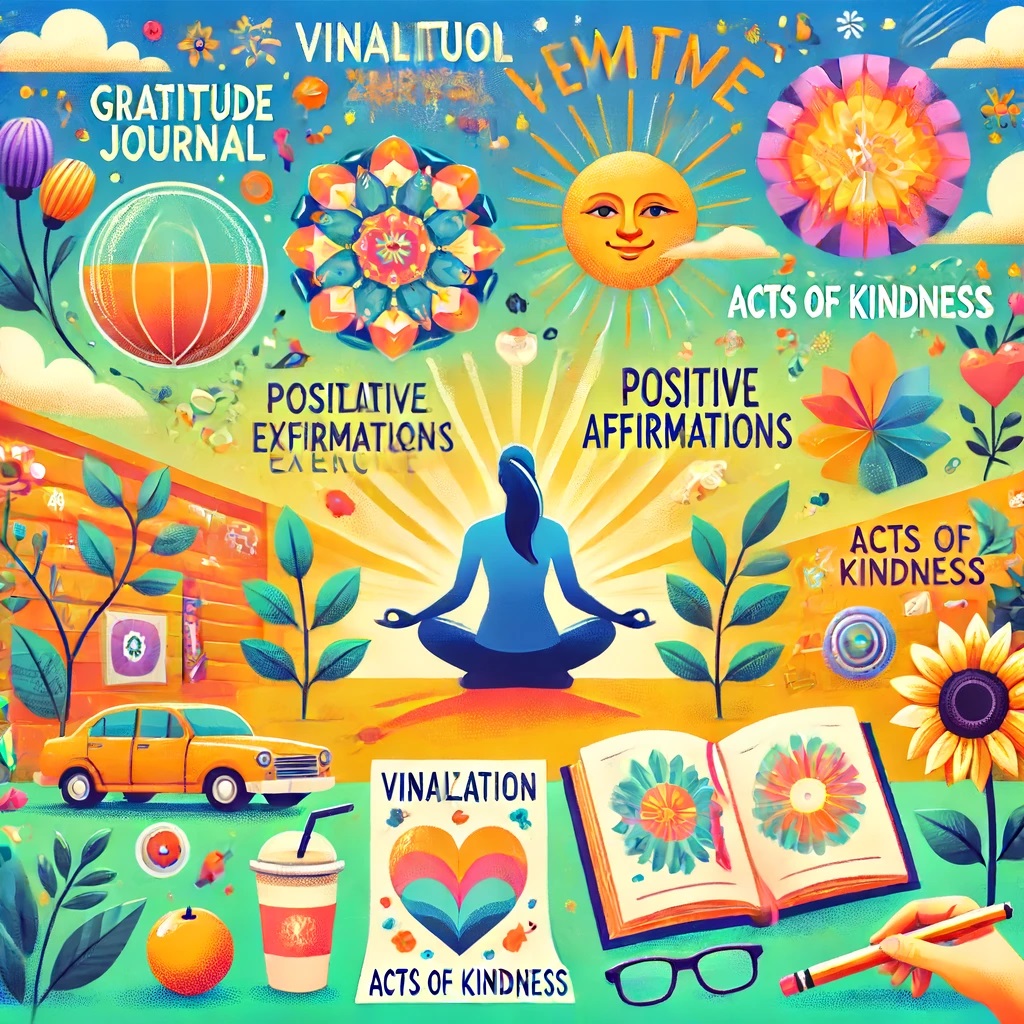
Daily Affirmations: Using daily affirmations can help promote positive thinking. For instance, start your day with affirmations like “I am capable and strong,” “I can handle whatever comes my way,” or “Today will be a great day.” Repeating these affirmations can help set a positive tone for your day.

Gratitude Practice: Incorporating gratitude into your routine can shift your focus from what’s lacking to what you have. Consider keeping a gratitude journal where you write down three things you’re thankful for each day. For example, “I am grateful for my supportive family,” “I appreciate the delicious meal I had today,” or “I am thankful for the sunny weather.”

Visualization Techniques: Visualization can help you achieve your goals by imagining yourself succeeding. Take a few minutes each day to visualize your goals as if they are already accomplished. For instance, if you aim to run a marathon, visualize yourself crossing the finish line, feeling strong and accomplished.

Surrounding Yourself with Positivity: Your environment can significantly influence your mindset. Surround yourself with positive influences, such as uplifting books, inspiring podcasts, and supportive friends. For example, join a local club or online community that shares your interests and values.

Mindfulness and Meditation: Mindfulness and meditation practices can help manage negative thoughts and cultivate a positive mindset. Spend a few minutes each day in meditation, focusing on your breath and letting go of negative thoughts. Apps like Headspace and Calm offer guided meditations that can help you get started.

Positive Self-Talk: Replacing negative self-talk with positive affirmations can boost your self-esteem and outlook. For example, if you catch yourself thinking, “I can’t do this,” replace it with, “I am capable of overcoming this challenge.”

Acts of Kindness: Performing acts of kindness can enhance your mood and promote positivity. Simple actions like complimenting a colleague, helping a neighbor, or volunteering at a local charity can make a big difference. These acts not only benefit others but also bring a sense of joy and fulfillment to your own life.

Setting Realistic Goals: Setting achievable goals can maintain your motivation and positive outlook. For instance, instead of setting a vague goal like “get fit,” set a specific and measurable goal like “exercise for 30 minutes three times a week.” Break larger goals into smaller, manageable steps, and celebrate your progress along the way.

Personal Stories and Testimonials: Many individuals have transformed their lives through positive thinking. For example, Sarah, a school teacher, found that starting each day with a gratitude journal helped her stay positive and resilient, even during challenging times. Similarly, John, a business executive, used daily affirmations and visualization techniques to stay motivated and achieve his career goals.