
The Healing Power of Nature: Why Forest Bathing is Essential for Modern Wellness

In our concrete jungles and climate-controlled environments, we’ve become increasingly disconnected from the natural world that once nurtured our ancestors. This separation comes at a profound cost to our physical, mental, and spiritual well-being. Enter shinrin-yoku, or “forest bathing”—a Japanese practice that’s revolutionizing how we understand nature’s role in healing and wellness.

What is Forest Bathing?

Forest bathing isn’t about hiking, exercising, or achieving any particular goal. It’s the simple practice of mindfully immersing yourself in a forest environment, engaging all your senses to absorb the natural atmosphere. This meditative approach to nature connection has been practiced in Japan since the 1980s and is now recognized worldwide as a powerful therapeutic intervention.

Unlike traditional outdoor activities focused on physical exertion or destination-reaching, forest bathing emphasizes presence, stillness, and sensory awareness. You might spend hours in a small forest area, sitting quietly, breathing deeply, and allowing nature to work its subtle magic on your nervous system.

The Science Behind Nature’s Healing Power

Research from Japan’s National Institute of Public Health reveals that forest bathing produces measurable physiological benefits. When you spend time in forests, you inhale phytoncides—antimicrobial compounds released by trees and plants. These natural chemicals boost your immune system by increasing the production of natural killer (NK) cells, which help fight infections and even cancer cells.

Studies show that just two hours of forest bathing can lower cortisol levels by up to 16%, reduce blood pressure, and decrease inflammation markers. The practice activates your parasympathetic nervous system, shifting you from stress mode into rest-and-digest mode, where healing naturally occurs.

Dr. Qing Li’s groundbreaking research at Nippon Medical School demonstrates that forest bathing benefits can last for weeks after a single session. Participants showed increased NK cell activity for up to 30 days following forest exposure, suggesting that nature’s healing effects have remarkable staying power.

Mental Health Benefits of Natural Environments

Time in nature serves as a powerful antidote to modern mental health challenges. The Japanese concept of “nature deficit disorder” describes the psychological costs of environmental disconnection—increased anxiety, depression, ADHD symptoms, and difficulty concentrating.

Forest environments naturally reduce rumination, the repetitive negative thinking patterns associated with depression and anxiety. The gentle sounds of rustling leaves, flowing water, and bird songs activate the brain’s default mode network in healing ways, promoting mental restoration and emotional regulation.

Research from Stanford University found that 90-minute nature walks significantly reduced activity in the brain’s subgenual prefrontal cortex, an area associated with depression and anxiety. Participants reported decreased brooding and showed improved mood and cognitive function.

Spiritual and Energetic Healing in Nature

Beyond measurable physiological benefits, many people experience profound spiritual renewal in natural settings. Indigenous cultures worldwide have long understood forests as sacred spaces where healing, wisdom, and connection to something greater naturally occur.

Trees and forests emit specific electromagnetic frequencies that resonate with human brainwaves, potentially explaining why many people feel immediate peace and clarity in forest environments. This bioenergetic connection suggests that our relationship with nature operates on levels beyond current scientific understanding.

Many practitioners report increased intuition, creative insights, and spiritual experiences during forest bathing sessions. The practice seems to quiet the analytical mind while awakening deeper ways of knowing and being.

How to Practice Forest Bathing

Finding Your Forest You don’t need an ancient growth forest to experience benefits. Urban parks, wooded areas, or even spaces with several mature trees can serve as forest bathing locations. The key is finding a place where you feel safely surrounded by green growing things.

Engaging Your Senses Begin by leaving your phone behind or putting it in airplane mode. Walk slowly and without destination, allowing your body to guide you to a spot that feels inviting. Sit or stand comfortably and begin engaging each sense deliberately.

Notice the visual textures of bark, leaves, and light patterns. Listen to the layered sounds of wind, birds, insects, and rustling vegetation. Breathe deeply, savoring the complex scents of earth, plants, and fresh air. If appropriate, touch tree bark, leaves, or other natural textures.

Mindful Presence Rather than thinking about nature, practice being with nature. When your mind wanders to daily concerns, gently redirect attention to immediate sensory experiences. This isn’t meditation in the traditional sense—it’s a practice of receptive awareness and connection.

Tree Meditation Many forest bathers develop relationships with particular trees, sitting with them regularly and observing their seasonal changes. This practice deepens your connection to natural cycles and provides a sense of continuity and grounding.

Bringing Nature Indoors

When forest access is limited, you can still harness nature’s healing power at home. Fill your living space with plants, which improve air quality and provide psychological benefits. Essential oils from forest plants like pine, cedar, and eucalyptus can recreate some forest bathing benefits indoors.

Create a daily practice of connecting with houseplants, tending them mindfully and appreciating their growth and beauty. Even brief moments of plant connection can shift your nervous system toward calm and restoration.

Urban Forest Bathing

City dwellers can adapt forest bathing principles to urban green spaces. Early morning visits to parks, before crowds arrive, can provide surprising levels of natural immersion. Focus on finding pockets of wildness within urban environments—old trees, garden areas, or waterfront spaces.

Even brief nature connections during lunch breaks or commutes can provide meaningful benefits. The key is approaching these moments with the same mindful presence you’d bring to a deep forest experience.

Seasonal Forest Bathing

Each season offers unique healing gifts through forest bathing practice. Spring forests buzz with new life energy, supporting renewal and growth. Summer forests provide lush abundance and full sensory immersion. Autumn forests teach lessons about letting go and natural cycles. Winter forests offer profound stillness and introspection.

Developing a year-round forest bathing practice connects you to natural rhythms that modern life often obscures, supporting your overall health and well-being through all seasons.

The Global Forest Bathing Movement

As research validates ancient wisdom about nature’s healing power, forest bathing programs are appearing in hospitals, schools, and wellness centers worldwide. South Korea has designated “forest healing centers,” while European countries integrate forest therapy into healthcare systems.

This growing movement represents a return to fundamental human needs—connection with the natural world that shaped our evolution and continues to shape our well-being.

Creating Your Forest Bathing Practice

Start with whatever time and space you have available. Even 20 minutes in a local park can provide meaningful benefits. Gradually extend your sessions as you develop comfort with slow, mindful nature connection.

Remember that forest bathing is about quality of attention rather than quantity of experience. A deeply present 30-minute session can be more beneficial than hours of distracted outdoor time.

Your body remembers its connection to the natural world. Forest bathing simply creates space for that ancient relationship to reawaken, bringing healing, peace, and profound well-being into your modern life.


For deeper insights into transforming your relationship with health and wellness through mindful practices, explore “The Path to Wellness: A Journey of Self-Discovery and Healing” – a comprehensive guide to creating lasting change in your well-being journey.
The Benefits of Forest Bathing: Reconnecting with Nature

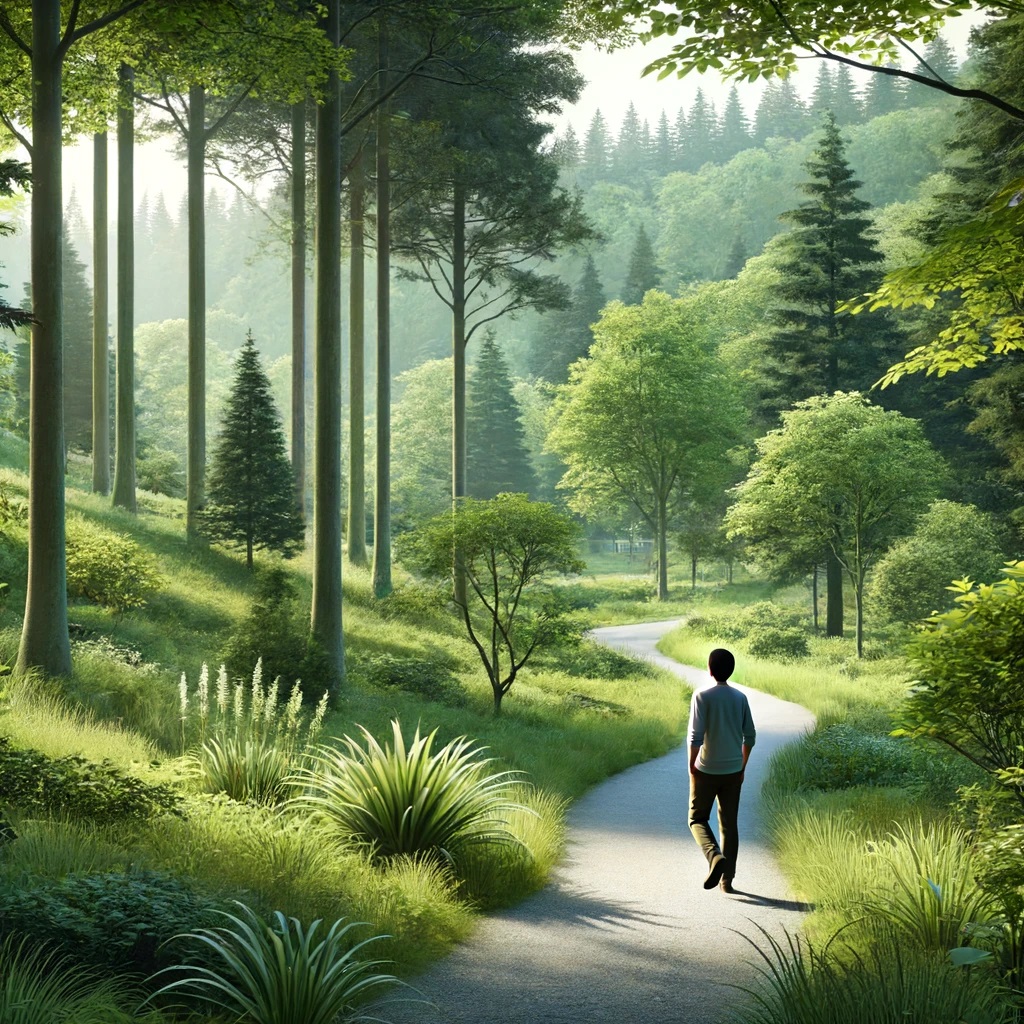
Forest bathing, or Shinrin-yoku, is a Japanese practice that involves immersing oneself in the forest atmosphere to improve health and well-being. This holistic practice offers numerous benefits for both the mind and body. Here’s how to embrace forest bathing and its benefits.

1. Reduces Stress

Spending time in the forest can significantly reduce stress levels and promote relaxation.

  • Tip: Find a local forest or park and spend at least 30 minutes walking slowly and mindfully.
  • Story: Jane, a corporate lawyer, started forest bathing on weekends to escape her high-stress job. She found that the peaceful environment of the forest helped her unwind and feel more relaxed.

2. Boosts Immune Function

Forest environments contain phytoncides, natural chemicals released by trees that can enhance immune function.

  • Tip: Breathe deeply to inhale the beneficial phytoncides and spend at least an hour in the forest to maximize benefits.
  • Story: Raj, a health-conscious individual, included forest bathing in his wellness routine. He noticed fewer illnesses and an overall improvement in his health after regular forest visits.

3. Enhances Mood

Being in nature can elevate mood and increase feelings of happiness and well-being.

  • Tip: Focus on the sights, sounds, and smells of the forest to fully immerse yourself in the experience.
  • Story: Lisa, a mother of two, found that forest bathing improved her mood and provided a much-needed break from her daily routine. She now looks forward to her weekly forest walks.

4. Improves Focus and Creativity

Forest bathing can enhance cognitive function, improve focus, and boost creativity.

  • Tip: Leave behind distractions like phones and focus on the present moment to clear your mind.
  • Story: Tom, a writer, found that his creativity and focus improved after incorporating forest bathing into his routine. He now visits the forest regularly to find inspiration and clarity.

5. Promotes Physical Health

Walking in the forest provides gentle exercise that can improve physical health and fitness.

  • Tip: Choose trails that match your fitness level and gradually increase the duration and intensity of your walks.
  • Story: Emily, a retired teacher, began forest bathing as a way to stay active. She enjoyed the gentle exercise and the opportunity to connect with nature, which improved her overall fitness and well-being.

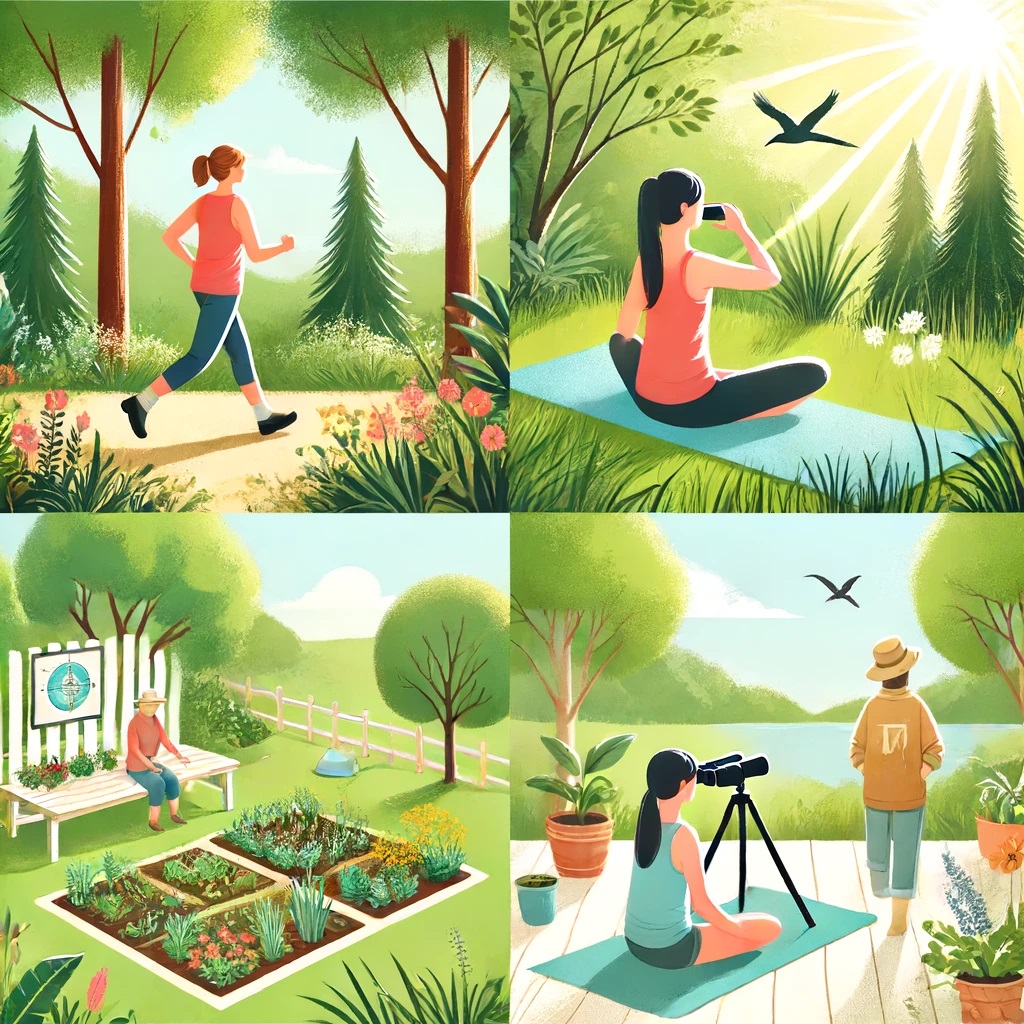
The Healing Power of Nature: Embracing Outdoor Activities for Wellness

Spending time in nature has numerous benefits for both mental and physical health. Embracing outdoor activities can improve your mood, reduce stress, and enhance overall well-being. Here’s a comprehensive guide on how to integrate nature into your wellness routine.

1. Hiking

Hiking is an excellent way to explore nature while getting a good workout. The physical activity combined with the beauty of natural landscapes can provide a sense of peace and accomplishment.

  • Benefits: Improves cardiovascular health, strengthens muscles, reduces stress, and enhances mental clarity.
  • How to Start: Find local trails or nature parks. Start with easy hikes and gradually increase the difficulty as your fitness improves.

2. Gardening

Gardening offers a therapeutic way to connect with nature. It can be a relaxing and rewarding activity that allows you to nurture plants and enjoy the beauty of your surroundings.

  • Benefits: Reduces stress, improves mood, enhances physical activity, and provides a sense of accomplishment.
  • How to Start: Begin with a small garden or even a few potted plants. Choose plants that are suitable for your climate and enjoy the process of caring for them.

3. Outdoor Yoga

Practicing yoga outdoors allows you to combine the benefits of yoga with the healing power of nature. The fresh air and natural surroundings can enhance your practice and provide a deeper sense of relaxation.

  • Benefits: Increases flexibility, improves mental focus, reduces stress, and enhances overall well-being.
  • How to Start: Find a quiet outdoor space, such as a park or your backyard. Bring a yoga mat and start with simple poses. Focus on your breath and the natural sounds around you.

4. Forest Bathing

Forest bathing, or Shinrin-yoku, is a Japanese practice that involves immersing oneself in nature to improve health and well-being. It’s about being mindful and present in the natural environment.

  • Benefits: Reduces stress, improves mood, boosts the immune system, and enhances overall well-being.
  • How to Start: Visit a forest or a park with plenty of trees. Walk slowly, breathe deeply, and take in the sights, sounds, and smells of the forest. Focus on being present in the moment.

5. Bird Watching

Bird watching is a relaxing activity that allows you to connect with nature and observe wildlife. It can be a meditative practice that provides a sense of calm and joy.

  • Benefits: Reduces stress, improves mental focus, enhances mood, and provides a sense of connection with nature.
  • How to Start: Get a pair of binoculars and a bird guidebook. Visit local parks or nature reserves and spend time quietly observing birds. Take notes and enjoy the peacefulness of the activity.

Conclusion

Integrating outdoor activities into your wellness routine can have profound benefits for your mental and physical health. Whether it’s hiking, gardening, practicing yoga, forest bathing, or bird watching, spending time in nature can enhance your overall well-being and provide a sense of peace and connection.

Japanese Secrets to a Longer and Meaningful Life

Japan is renowned for its longevity and quality of life. Here are some traditional Japanese techniques that can help you live a longer and more meaningful life.

1. Ikigai: Finding Your Life’s Purpose

Ikigai is a Japanese concept that means “a reason for being.” It involves finding a balance between what you love, what you are good at, what the world needs, and what you can be paid for. This sense of purpose is believed to contribute to a longer, more fulfilling life. Learn more about Ikigai.

2. Wabi-Sabi: Embracing Imperfection

Wabi-Sabi is the appreciation of the beauty in imperfection. It teaches you to find joy in the simple, rustic, and imperfect aspects of life. This mindset encourages acceptance and reduces stress. Explore the philosophy of Wabi-Sabi.

3. Traditional Diet

The traditional Japanese diet, rich in vegetables, fish, rice, and fermented foods like miso, is known for its health benefits. This diet is low in processed foods and high in nutrients, contributing to longevity. Discover the benefits of the Japanese diet.

4. Regular Physical Activity

Daily physical activity is a norm in Japan, whether it’s walking, cycling, or practicing martial arts. Regular exercise keeps the body fit and reduces the risk of chronic diseases. Learn about the benefits of regular physical activity.

5. Onsen: Hot Springs

Bathing in onsen, or hot springs, is a popular Japanese practice that promotes relaxation, improves circulation, and alleviates pain. The minerals in the water also have therapeutic benefits. Explore the health benefits of onsen.

6. Social Connections

Strong social bonds and community involvement are integral to Japanese culture. These connections provide emotional support and a sense of belonging, which are vital for mental health and longevity. Understand the importance of social connections.

7. Tea Ceremony

The Japanese tea ceremony is a ritualistic practice that promotes mindfulness and appreciation for the present moment. It’s a time to relax, reflect, and enjoy the simple pleasures of life. Learn about the Japanese tea ceremony.

8. Forest Bathing (Shinrin-yoku)

Shinrin-yoku, or forest bathing, involves spending time in nature to improve mental and physical health. It reduces stress, lowers blood pressure, and boosts mood. Discover the benefits of forest bathing.

9. Minimalist Living

Japanese minimalism focuses on living with less and finding contentment in simplicity. This approach reduces stress, fosters mindfulness, and allows you to focus on what truly matters. Explore the principles of Japanese minimalism.

10. Lifelong Learning

Continuously seeking knowledge and learning new skills is highly valued in Japan. This keeps the mind sharp and provides a sense of achievement and purpose. Learn about the benefits of lifelong learning.

Call to Action

Incorporate these Japanese techniques into your daily life to enhance your well-being and find deeper meaning. Visit Holistic Wellness Guide for more tips and insights on leading a balanced and fulfilling life.

#JapaneseWellness #Longevity #Mindfulness #HealthyLiving #Ikigai #WabiSabi #Minimalism #HolisticHealth #ForestBathing #TeaCeremony

Wellness Wisdom from Around the World

Explore various wellness practices and traditions from different cultures around the world. This blog post highlights unique wellness rituals, natural remedies, and healthy habits from diverse cultures, offering readers a global perspective on health and well-being.

Japanese Forest Bathing (Shinrin-yoku)

Shinrin-yoku, or forest bathing, is a Japanese practice that involves immersing oneself in nature to improve mental and physical health. This practice encourages individuals to spend time in forests, taking in the sights, sounds, and smells of nature to promote relaxation and reduce stress.

In Japan, people often visit designated forest therapy trails to practice Shinrin-yoku. Studies have shown that spending time in forests can lower cortisol levels, reduce blood pressure, and enhance immune function. To incorporate forest bathing into your life, find a local park or nature reserve and spend time walking mindfully, focusing on the natural environment around you.

Indian Ayurvedic Practices

Ayurveda is a traditional Indian system of medicine that focuses on balance and harmony in the body through diet, herbal remedies, and lifestyle practices. Ayurvedic practices such as oil pulling, drinking herbal teas, and following dosha-balancing diets are integral to maintaining health.

For example, oil pulling involves swishing sesame or coconut oil in the mouth for 10-20 minutes to improve oral health. Herbal teas made from ingredients like turmeric, ginger, and tulsi are used to support digestion and immunity. Simple Ayurvedic routines, like waking up early, practicing yoga, and eating according to your dosha (body type), can help promote overall well-being.

Scandinavian Hygge

Hygge is a Danish and Norwegian concept that emphasizes coziness, comfort, and contentment through simple pleasures. Creating a hygge-inspired environment can improve mental health by fostering a sense of warmth and relaxation.

To cultivate hygge, focus on creating a cozy atmosphere at home. Light candles, wrap yourself in a warm blanket, and enjoy a hot beverage like tea or cocoa. Spend quality time with loved ones, engage in activities like reading or crafting, and appreciate the small moments of joy in everyday life.

Traditional Chinese Medicine (TCM)

TCM includes practices like acupuncture, herbal medicine, and Tai Chi to promote health and balance in the body. The principles of TCM focus on the flow of Qi (energy) and the balance of Yin and Yang.

Acupuncture involves inserting thin needles into specific points on the body to stimulate energy flow and relieve pain. Tai Chi, a form of gentle martial arts, combines slow movements with deep breathing to improve balance, flexibility, and mental clarity. Incorporate TCM herbs like ginseng, goji berries, and astragalus into your diet to support overall health.

Mediterranean Diet

The Mediterranean diet, inspired by the traditional eating habits of Mediterranean countries, is known for its health benefits, including heart health and longevity. This diet emphasizes fresh vegetables, fruits, whole grains, olive oil, and lean proteins like fish and poultry.

To adopt the Mediterranean diet, incorporate more plant-based foods into your meals, use olive oil as your primary fat source, and include fish in your diet at least twice a week. Enjoy meals with family and friends, savoring the flavors and fostering a sense of community.

African Herbal Remedies

Many African cultures use herbal remedies for healing and wellness, relying on the medicinal properties of native plants. Herbs like moringa, baobab, and rooibos are widely used for their health benefits.

Moringa leaves are rich in vitamins and minerals and can be added to smoothies or salads. Baobab fruit is high in vitamin C and can be used in baking or mixed into drinks. Rooibos tea, made from the leaves of a South African shrub, is known for its antioxidant properties and can be enjoyed hot or cold.

South American Mate Rituals

Mate is a traditional South American drink made from the leaves of the yerba mate plant, known for its stimulating and health-boosting properties. In countries like Argentina and Uruguay, drinking mate is a social ritual that brings people together.

To prepare mate, fill a gourd with yerba mate leaves, add hot water, and sip through a metal straw called a bombilla. Mate is rich in antioxidants and nutrients, providing an energy boost without the jitters of coffee. Incorporate mate into your daily routine to experience its unique benefits.