

The Ultimate Evening Workouts for Weight Loss and Better Sleep

Finding the right time to exercise can significantly impact your weight loss journey and sleep quality. While morning workouts are popular, evening workouts have unique benefits. Here are six of the best evening workouts that can help you achieve your fitness goals and improve your sleep.


1. Evening Jogging

Jogging in the evening can help you unwind after a long day. It improves cardiovascular health and burns calories effectively. The cooler evening air can also make jogging more comfortable compared to the heat of the day.

Learn more about the benefits of evening jogging: Healthline


2. Yoga for Relaxation

Practicing yoga in the evening can be incredibly beneficial for both your body and mind. Yoga helps reduce stress, improve flexibility, and prepare your body for restful sleep. Poses like the child’s pose and savasana are perfect for winding down.

Explore evening yoga routines: Yoga Journal


3. Strength Training

Evening strength training can boost your metabolism and promote muscle growth. Exercises like weight lifting, resistance band workouts, and bodyweight exercises are effective ways to build strength and burn calories.

Discover effective strength training exercises: Verywell Fit


4. Cycling

Cycling in the evening is a great cardiovascular workout that can help with weight loss. It’s a low-impact exercise that’s easy on the joints and allows you to enjoy the outdoors or use a stationary bike indoors.

Find cycling tips and benefits: Bicycling


5. Swimming

Swimming is an excellent full-body workout that can be done in the evening to promote relaxation and weight loss. It’s a low-impact exercise that can help improve cardiovascular health and build muscle.

Learn more about the benefits of swimming: Swim England


6. Pilates

Pilates is a great way to improve core strength, flexibility, and posture. Evening Pilates sessions can help reduce stress and tension in your body, making it easier to fall asleep.

Explore Pilates routines: Pilates Foundation


Call to Action

Incorporate these evening workouts into your routine to maximize weight loss and enhance your sleep quality. For more tips and wellness guides, visit Holistic Wellness Guide.

#Fitness #EveningWorkouts #WeightLoss #BetterSleep #Yoga #StrengthTraining #Cycling #Swimming #Pilates #HealthyLiving


The Surprising Benefits of Slow Running

When most people think about running, they imagine pounding the pavement at a fast pace, breaking a sweat, and pushing their limits. However, recent research suggests that slow running might actually be more beneficial than running fast. Here’s why incorporating slow running into your exercise routine could lead to better overall health and fitness.


1. Lower Risk of Injury

Running at a slower pace reduces the impact on your joints and muscles. This means less wear and tear on your body and a lower risk of injuries such as shin splints, stress fractures, and tendonitis. Slow running allows your body to adapt gradually, making it a safer option for both beginners and seasoned runners.

Learn more about injury prevention through slow running: Runner’s World


2. Improved Cardiovascular Health

Slow running helps in building a strong cardiovascular foundation. It allows you to maintain a steady heart rate, which improves cardiovascular efficiency and endurance over time. This is particularly beneficial for long-distance runners who need a strong cardiovascular system to sustain their performance.

Read about the cardiovascular benefits of slow running: Healthline


3. Enhanced Fat Burning

Running at a slower pace for longer durations taps into fat stores for energy rather than relying on carbohydrates. This makes slow running an effective way to burn fat and manage weight. Incorporating slow runs into your routine can help you achieve a leaner physique without the intense strain of fast running.

Discover how slow running aids in fat burning: WebMD


4. Increased Mental Well-Being

Slow running can be a meditative experience. It allows you to focus on your surroundings, your breathing, and your thoughts. This mindfulness can reduce stress, improve mood, and promote mental clarity. Many runners find that slow running is a great way to clear their minds and relieve the pressures of daily life.

Explore the mental health benefits of slow running: Psychology Today


5. Better Running Form

Running slowly gives you the opportunity to focus on your form and technique. It’s easier to make adjustments and develop good habits when you’re not rushing. This can lead to more efficient running mechanics, which can prevent injuries and improve performance in the long run.

Learn how to improve your running form: Verywell Fit

Call to Action

Incorporate slow running into your exercise routine to enjoy these benefits and improve your overall health and well-being. For more fitness tips and healthy living advice, visit Holistic Wellness Guide.

#SlowRunning #Fitness #RunningBenefits #HealthyLiving #InjuryPrevention #MentalHealth #Cardio

9 Superfoods to Supercharge Your Weight Loss Journey

Incorporating the right superfoods into your diet can make a significant difference in your weight loss efforts. These nutrient-dense foods not only help you shed pounds but also provide numerous health benefits. Here are nine superfoods that can naturally aid in weight loss.


1. Kale

Kale is a leafy green packed with vitamins A, K, and C, as well as fiber and antioxidants. Its low calorie content makes it an ideal food for weight loss.

Learn more about kale’s benefits: Healthline


2. Quinoa

Quinoa is a complete protein, meaning it contains all nine essential amino acids. It’s also high in fiber, which helps keep you full longer.

Explore quinoa’s health benefits: Medical News Today


3. Berries

Berries, such as blueberries, strawberries, and raspberries, are low in calories but high in fiber and antioxidants. They can help curb your sweet cravings while providing essential nutrients.

Read about the benefits of berries: Healthline


4. Avocados

Avocados are rich in healthy fats, particularly monounsaturated fats, which can help reduce belly fat. They also contain fiber and various essential vitamins.

Discover more about avocados: WebMD


5. Nuts

Nuts, such as almonds and walnuts, are high in healthy fats, protein, and fiber. They make for a satisfying snack that can help control hunger.

Learn about the benefits of nuts: Harvard T.H. Chan School of Public Health


6. Chia Seeds

Chia seeds are rich in omega-3 fatty acids, fiber, and protein. They expand in your stomach, helping you feel full and satisfied.

Explore chia seeds’ health benefits: Healthline


7. Green Tea

Green tea contains catechins, antioxidants that boost metabolism and increase fat burning. Drinking green tea can enhance your weight loss efforts.

Read about green tea’s benefits: WebMD


8. Greek Yogurt

Greek yogurt is high in protein and probiotics, which support digestion and keep you full longer. It’s a great addition to a balanced diet.

Learn about Greek yogurt: Medical News Today


9. Sweet Potatoes

Sweet potatoes are high in fiber, vitamins, and minerals. Their low glycemic index helps regulate blood sugar levels, making them a great food for weight loss.

Discover the benefits of sweet potatoes: Healthline

Call to Action

Incorporate these superfoods into your daily meals to support your weight loss journey and enhance your overall health. For more tips on healthy living, visit Holistic Wellness Guide.

#WeightLoss #Superfoods #HealthyEating #Nutrition #Wellness #HealthyLiving #DietTips #Fitness #HealthyLifestyle

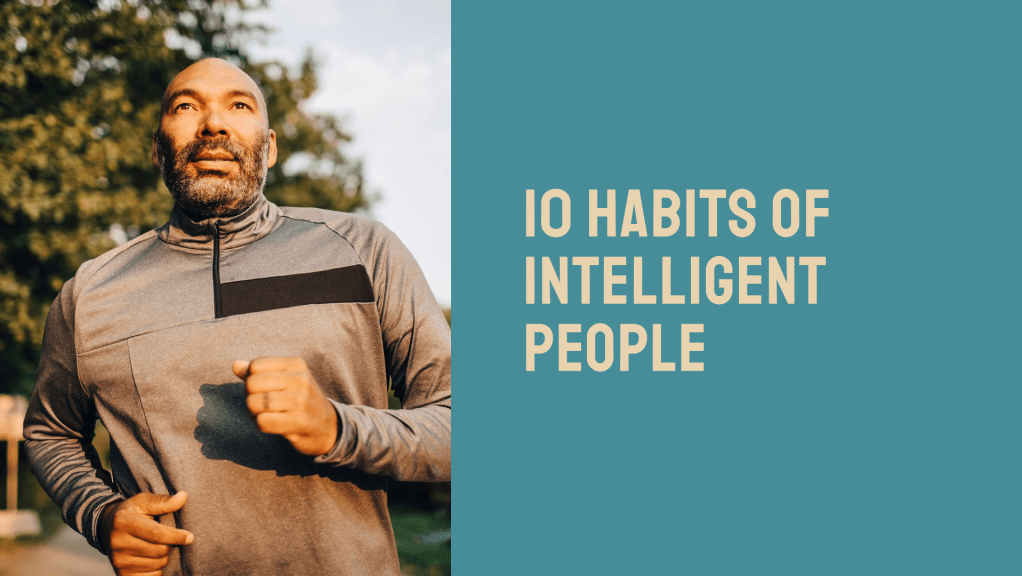
10 Healthy Habits of Intelligent People

Intelligent people often share common habits that contribute to their mental sharpness and overall well-being. Here are ten healthy habits that make intelligent people the way they are.


1. Reading Regularly

Reading is a cornerstone habit for intelligent people. It enhances knowledge, improves vocabulary, and stimulates cognitive functions.

Benefits:

  • Expands knowledge base
  • Improves focus and concentration
  • Enhances critical thinking

External Links:


2. Prioritizing Exercise

Regular physical activity boosts brain health and cognitive function. Exercise releases endorphins, reduces stress, and improves mood.

Benefits:

  • Enhances brain function
  • Reduces stress and anxiety
  • Improves physical health

External Links:


3. Practicing Mindfulness and Meditation

Mindfulness and meditation help intelligent people stay focused, reduce stress, and enhance emotional intelligence.

Benefits:

  • Reduces stress and anxiety
  • Improves focus and concentration
  • Enhances emotional regulation

External Links:


4. Eating a Balanced Diet

A nutritious diet fuels the brain and body. Intelligent people prioritize foods rich in essential nutrients to maintain optimal health.

Benefits:

  • Boosts brain function
  • Enhances energy levels
  • Supports overall health

External Links:


5. Getting Enough Sleep

Quality sleep is crucial for cognitive function and overall health. Intelligent people prioritize sleep to ensure they are well-rested and mentally sharp.

Benefits:

  • Enhances memory and learning
  • Improves mood and mental health
  • Supports physical health

External Links:


6. Setting Goals and Planning

Intelligent people set clear goals and create actionable plans to achieve them. This habit helps them stay organized and focused.

Benefits:

  • Enhances productivity
  • Provides direction and purpose
  • Reduces stress and anxiety

External Links:


7. Embracing Lifelong Learning

Continuous learning keeps the mind sharp and adaptable. Intelligent people seek new knowledge and skills throughout their lives.

Benefits:

  • Keeps the brain active
  • Enhances adaptability
  • Boosts self-confidence

External Links:


8. Maintaining Social Connections

Strong social ties contribute to mental and emotional health. Intelligent people prioritize relationships and social interactions.

Benefits:

  • Enhances emotional well-being
  • Reduces stress
  • Provides support and connection

External Links:


9. Staying Curious

Curiosity drives intelligent people to explore new ideas and experiences. It fuels creativity and problem-solving skills.

Benefits:

  • Enhances creativity
  • Promotes continuous learning
  • Encourages exploration

External Links:


10. Managing Stress Effectively

Intelligent people develop strategies to manage stress, such as relaxation techniques, exercise, and time management.

Benefits:

  • Reduces the negative effects of stress
  • Improves mental health
  • Enhances overall well-being

External Links:

Call to Action

Incorporate these habits into your daily routine to enhance your intelligence and overall well-being. Visit Holistic Wellness Guide for more insights on living a healthy and intelligent life.

#HealthyHabits #Intelligence #PersonalGrowth #MentalHealth #WellnessJourney #Mindfulness #LifelongLearning #EmotionalIntelligence #Fitness #HealthyEating

How to Start Walking: Small Habits to Build a Healthy Routine

Walking is one of the simplest and most effective ways to improve your overall health and well-being. Incorporating small walking habits into your daily routine can lead to significant benefits. Here’s a guide to help you start walking and make it an enjoyable part of your life.

1. Set Realistic Goals

Start with achievable goals, such as walking for 10-15 minutes a day. Gradually increase your walking time as you become more comfortable. Setting small, realistic goals helps build consistency and confidence.

2. Find a Walking Buddy

Walking with a friend or family member can make the activity more enjoyable and motivating. Having a walking buddy provides accountability and an opportunity to socialize while getting exercise.

3. Choose the Right Time

Identify the best time of day for your walks. Some people prefer morning walks to start their day with energy, while others enjoy evening walks to unwind. Consistency is key, so choose a time that fits your schedule.

4. Wear Comfortable Shoes

Invest in a good pair of walking shoes that provide support and comfort. Proper footwear can prevent injuries and make your walking experience more enjoyable.

5. Use Walking as a Social Activity

Combine walking with social activities, such as catching up with friends or making phone calls. Talking to someone while walking can make the time pass quickly and make the activity more enjoyable.

6. Enjoy Nature

Take advantage of nearby parks, trails, or beaches. Walking in nature can be soothing and invigorating. Enjoy the scenery, listen to the birds, and appreciate the beauty around you.

7. Listen to Music or Podcasts

Create a playlist of your favorite songs or listen to interesting podcasts to keep yourself entertained while walking. Music and podcasts can provide a distraction and make your walks more enjoyable.

8. Track Your Progress

Use a pedometer or a smartphone app to track your steps and progress. Seeing your improvement over time can be motivating and encourage you to keep going.

9. Reward Yourself

Set milestones and reward yourself when you reach them. Whether it’s a small treat, a new book, or a relaxing bath, rewarding yourself can keep you motivated.

10. Incorporate Walking into Daily Activities

Find ways to incorporate walking into your daily routine. Park farther from your destination, take the stairs instead of the elevator, or walk during your lunch break. These small changes can add up to significant benefits.

Call to Action

Start incorporating these small walking habits into your daily routine to improve your health and well-being. Visit Holistic Wellness Guide for more tips and insights on leading a healthy lifestyle.

How to Live Longer and Happier: Incorporate These Habits into Your Daily Life

Living a long and happy life is a goal for many. By incorporating specific habits into your daily routine, you can enhance your well-being and longevity. Here are some practical steps to help you achieve a healthier, more joyful life.

1. Maintain a Balanced Diet

Eating a balanced diet rich in fruits, vegetables, whole grains, and lean proteins supports overall health and longevity. Foods high in antioxidants, vitamins, and minerals boost your immune system and prevent chronic diseases. Learn more about healthy eating.

2. Stay Physically Active

Regular physical activity is crucial for maintaining a healthy body and mind. Aim for at least 150 minutes of moderate aerobic exercise or 75 minutes of vigorous exercise each week. Activities like walking, swimming, and cycling are excellent for cardiovascular health. Explore exercise tips.

3. Practice Mindfulness and Meditation

Mindfulness and meditation reduce stress, enhance emotional well-being, and improve focus. Dedicate a few minutes each day to practice deep breathing, meditation, or mindfulness exercises. Discover mindfulness practices.

4. Get Adequate Sleep

Quality sleep is essential for physical and mental health. Aim for 7-9 hours of sleep each night. Establish a regular sleep schedule and create a restful environment to improve sleep quality. Read about sleep hygiene.

5. Stay Hydrated

Drinking enough water is vital for maintaining bodily functions, energy levels, and overall health. Aim to drink at least 8 glasses of water a day. Hydration supports digestion, skin health, and cognitive function. Understand the importance of hydration.

6. Foster Strong Relationships

Healthy relationships contribute to emotional well-being and longevity. Spend time with loved ones, engage in meaningful conversations, and participate in social activities. Strong social connections reduce stress and improve happiness. Learn about the benefits of social connections.

7. Keep Your Mind Active

Engage in activities that challenge your brain, such as reading, puzzles, learning new skills, or playing musical instruments. Mental stimulation keeps your brain healthy and may reduce the risk of cognitive decline. Explore brain-boosting activities.

8. Manage Stress Effectively

Chronic stress can negatively impact your health. Practice stress management techniques such as yoga, meditation, deep breathing, or hobbies you enjoy. Managing stress improves your mood and overall health. Discover stress management techniques.

9. Avoid Harmful Habits

Avoid smoking, excessive alcohol consumption, and other harmful behaviors. These habits can lead to serious health issues and reduce your lifespan. Focus on adopting healthier alternatives and seek support if needed. Read about quitting smoking.

10. Regular Health Check-ups

Regular health check-ups help detect potential health issues early. Schedule routine visits with your healthcare provider for screenings, vaccinations, and overall health assessments. Understand the importance of regular check-ups.

Call to Action

Incorporate these habits into your daily life to enhance your well-being and longevity. Visit Holistic Wellness Guide for more tips and insights on living a long and happy life.

10 Ways to Boost Your Immune System Naturally

1. Eat a Balanced Diet

A diet rich in fruits, vegetables, whole grains, and lean proteins provides essential nutrients that support immune function. Vitamins and minerals, such as vitamin C, vitamin D, zinc, and iron, are crucial for maintaining a healthy immune system. Incorporate a variety of colorful produce to ensure you’re getting a broad range of nutrients.

2. Stay Hydrated

Proper hydration is vital for overall health and can help your immune system function optimally. Water helps in the production of lymph, which carries white blood cells and other immune system cells. Aim to drink at least 8 glasses of water a day and increase your intake if you are active or live in a hot climate.

3. Regular Exercise

Engaging in regular physical activity boosts your immune system and helps your body fight off infections. Exercise promotes good circulation, allowing immune cells and substances to move through the body more effectively. Aim for at least 30 minutes of moderate exercise, such as brisk walking or cycling, most days of the week.

4. Get Adequate Sleep

Quality sleep is essential for a healthy immune system. During sleep, your body produces and releases cytokines, which help fight infection and inflammation. Aim for 7-9 hours of sleep per night and establish a regular sleep routine to improve sleep quality.

5. Manage Stress

Chronic stress can weaken your immune system and make you more susceptible to illness. Practice stress-reducing techniques such as mindfulness, meditation, deep breathing exercises, and yoga. Regular relaxation practices can help maintain a robust immune response.

6. Maintain a Healthy Weight

Being overweight or underweight can affect your immune function. A healthy weight supports your body’s ability to fight off infections. Combine a balanced diet with regular physical activity to achieve and maintain a healthy weight.

7. Avoid Smoking and Limit Alcohol

Smoking and excessive alcohol consumption can suppress your immune system and make you more prone to infections. Quitting smoking and moderating alcohol intake can significantly improve your immune health. Seek support if you need help quitting these habits.

8. Incorporate Probiotics

Probiotics are beneficial bacteria that support gut health and enhance immune function. Foods like yogurt, kefir, sauerkraut, and kimchi are rich in probiotics. A healthy gut microbiome plays a critical role in your immune response.

9. Spend Time Outdoors

Exposure to sunlight helps your body produce vitamin D, which is essential for a healthy immune system. Spend time outdoors each day, aiming for at least 10-30 minutes of sunlight exposure, depending on your skin sensitivity and geographical location.

10. Stay Up-to-Date with Vaccinations

Vaccinations are an effective way to prevent certain infections and boost your immune system. Follow your healthcare provider’s recommendations for vaccinations and stay informed about new vaccines that may benefit you.

Call to Action: Start incorporating these natural strategies into your daily routine to boost your immune system and enhance your overall health. Visit Holistic Wellness Guide for more tips on maintaining a robust immune system.

How Regular Exercise Enhances Workplace Productivity

How Regular Exercise Enhances Workplace Productivity

Regular exercise is not only vital for physical health but also plays a crucial role in enhancing workplace productivity. By incorporating physical activity into your daily routine, you can boost your energy levels, improve mental clarity, and foster a more productive work environment.

1. Increases Energy Levels

Exercise boosts energy levels by improving cardiovascular health and promoting better oxygen flow throughout the body. This increased energy helps professionals stay alert and productive throughout the workday.

  • Tip: Incorporate short exercise sessions, such as a brisk walk or a quick workout, into your daily schedule.

2. Enhances Mental Clarity

Physical activity stimulates brain function and improves cognitive abilities. Regular exercise helps enhance memory, focus, and problem-solving skills, making it easier to tackle complex tasks.

  • Tip: Start your day with a morning workout to kickstart your brain and enhance mental clarity.

3. Reduces Stress and Improves Mood

Exercise releases endorphins, which are natural mood elevators. By reducing stress and improving mood, regular physical activity can lead to a more positive and productive work environment.

  • Tip: Take a break during the workday for a quick exercise session to reduce stress and refresh your mind.

4. Boosts Immune System

A strong immune system is crucial for maintaining good health and minimizing sick days. Regular exercise helps strengthen the immune system, reducing the risk of illness and absenteeism.

  • Tip: Engage in regular physical activity, such as jogging, cycling, or swimming, to keep your immune system strong.

5. Enhances Team Collaboration

Group exercise activities, such as team sports or fitness classes, can enhance team collaboration and communication. These activities build camaraderie and foster a sense of teamwork among colleagues.

  • Tip: Organize team-building exercises that involve physical activity to promote collaboration and a positive work environment.

Call to Action

Incorporating regular exercise into your daily routine can significantly enhance workplace productivity and overall well-being. Start small by adding short exercise breaks to your workday and gradually increase your activity levels. Encourage your team to join in and create a culture of health and productivity in your workplace.

The Benefits of Daily Walking: Simple Steps to Better Health

Walking is one of the simplest and most accessible forms of exercise, yet it offers numerous health benefits for both body and mind. Whether you’re looking to improve your physical health, boost your mental well-being, or simply enjoy some time outdoors, incorporating daily walks into your routine can make a significant difference.

Physical Health Benefits: Walking regularly can have a profound impact on your physical health. It helps improve cardiovascular fitness, strengthens bones and muscles, and aids in weight management. Research has shown that walking can lower the risk of chronic diseases such as heart disease, type 2 diabetes, and certain cancers. Additionally, walking enhances circulation, boosts immune function, and promotes better sleep.

Mental Health Benefits: In addition to its physical benefits, walking also has a positive effect on mental health. Engaging in regular walks can reduce stress, anxiety, and depression by releasing endorphins and promoting relaxation. It provides an opportunity to clear your mind, enjoy the present moment, and practice mindfulness. Walking in nature, in particular, has been shown to enhance mood and overall mental well-being.

Improving Creativity and Focus: Walking is not only good for your body and mind but also for your creativity and focus. Studies have found that walking can stimulate creative thinking and problem-solving. When you take a walk, your brain receives increased blood flow and oxygen, which can enhance cognitive function. Consider taking short walking breaks during work or study sessions to boost productivity and generate new ideas.

Social Benefits: Walking can be a social activity that strengthens relationships and builds a sense of community. Walking with friends, family, or joining walking groups provides an opportunity to connect with others, have meaningful conversations, and enjoy shared experiences. It can also be a great way to meet new people and expand your social network.

Incorporating Walking into Daily Routine: Making walking a regular part of your daily routine doesn’t have to be difficult. Start by setting specific times for your walks, such as a morning walk to kickstart your day, a lunchtime stroll to break up your workday, or an evening walk to unwind. Use walking as a mode of transportation whenever possible, such as walking to work, running errands on foot, or taking the stairs instead of the elevator.

Setting Goals and Tracking Progress: Setting walking goals and tracking your progress can help you stay motivated and accountable. Use apps or fitness trackers to monitor your steps and set daily or weekly goals. Celebrate milestones and reward yourself for achieving your targets. Gradually increase the duration and intensity of your walks as your fitness improves.

Exploring Nature and Local Areas: Walking is a great way to explore nature and discover new places in your local area. Take advantage of parks, nature trails, and scenic neighborhoods. Spending time outdoors and connecting with nature has additional benefits for your overall well-being, including reducing stress and improving mood.

Mindful Walking Practices: Enhance the benefits of walking by incorporating mindful practices. Focus on your breath, observe your surroundings, and stay present in the moment. Practice gratitude as you walk, appreciating the sights, sounds, and sensations around you. Mindful walking can improve mental clarity, reduce stress, and enhance your overall walking experience.

Personal Stories and Testimonials: Many individuals have experienced the transformative power of daily walking. For example, Jane, a busy professional, found that incorporating a 30-minute walk into her morning routine significantly reduced her stress levels and improved her productivity at work. Similarly, John, who struggled with weight management, started walking every evening and lost over 20 pounds in six months while also feeling more energetic and positive.

A Day in the Life of a Wellness Enthusiast

Explore a day in the life of someone who is passionate about wellness. This blog post can highlight various healthy habits, activities, and routines that promote physical and mental well-being. The narrative style can make it engaging and relatable.

Morning Routine: The wellness enthusiast starts their day with a series of healthy habits.

Example: Wake up early and begin the day with a glass of warm lemon water to kickstart digestion. Follow this with a 20-minute yoga session to stretch and energize the body.

Healthy Breakfast: A nutrient-rich breakfast is essential for fueling the day.

Example: Prepare a smoothie bowl with spinach, banana, berries, chia seeds, and almond milk. Top it with granola and fresh fruit for added texture and flavor.

Mindfulness Practice: Incorporate mindfulness to maintain mental clarity and focus.

Example: Spend 10 minutes meditating or practicing deep breathing exercises. This helps set a positive tone for the rest of the day.

Work and Productivity: Balance work responsibilities with wellness breaks.

Example: During work hours, take short breaks to stand, stretch, and walk around. This helps maintain physical health and mental sharpness.

Lunch Break: Enjoy a balanced meal that supports energy and concentration.

Example: Have a salad with mixed greens, quinoa, avocado, cherry tomatoes, and grilled chicken, dressed with olive oil and lemon juice.

Afternoon Activities: Engage in activities that promote relaxation and creativity.

Example: Take a walk in nature or visit a park to unwind and rejuvenate. Alternatively, spend time on a creative hobby like painting or playing a musical instrument.

Evening Exercise: Stay active with an enjoyable workout session.

Example: Join a dance class or go for a bike ride. Choose activities that are fun and keep you motivated.

Dinner and Relaxation: End the day with a light, nutritious dinner and relaxation techniques.

Example: Prepare a vegetable stir-fry with tofu or fish, and enjoy it with brown rice. After dinner, practice gentle stretching or read a book to wind down.

Nighttime Routine: Create a calming bedtime routine to ensure restful sleep.

Example: Take a warm bath with Epsom salts, followed by a cup of chamomile tea. Reflect on the day with a gratitude journal and set intentions for the next day.