
10 Transformative Practices to Release Negative Energy and Renew Your Spirit

Negative energy can creep into our lives in subtle ways, draining our vitality and weighing down our spirit. Holding onto stress, unresolved emotions, or unhelpful habits can create energetic blockages, affecting mental, physical, and emotional well-being. Releasing negative energy is essential to cultivate a refreshed, positive outlook. Here are 10 transformative practices to help you let go of negativity and renew your spirit.


1. Practice Energy Cleansing with Visualization

Visualization is a powerful way to clear negative energy and replenish yourself. By imagining energy moving through you, you can shift your mindset and release emotional burdens.

  • How to Practice: Close your eyes and imagine a bright, white light moving from the top of your head to your toes. Visualize this light washing away any negativity, leaving you with a refreshed, calm energy.

2. Let Go with a Symbolic Release Ritual

Physical symbols can help you process and release negative emotions. A release ritual allows you to let go of what no longer serves you, making space for renewal.

  • How to Practice: Write down anything that’s troubling you, then safely burn or tear the paper as a symbolic release. As you do, focus on letting go of each thought, feeling lighter with every piece that’s released.

3. Use Salt Baths for Energetic Detoxification

Salt has long been used for purification and energy cleansing. Taking a salt bath can draw out negative energy from your body, leaving you feeling relaxed and recharged.

  • How to Practice: Add 1-2 cups of Epsom or Himalayan salt to a warm bath. Soak for 20 minutes, visualizing any negativity dissolving into the water.

4. Practice Reframing Negative Thoughts

Shifting your perspective on negative thoughts helps reduce their impact. Reframing turns challenges into learning opportunities, creating a more positive mindset.

  • How to Practice: When a negative thought arises, consciously reframe it with a positive or neutral perspective. For example, change “I’m always failing” to “I’m learning from each experience.”

5. Use Sound Therapy to Shift Energy

Sound has a unique ability to alter our mood and energy. Using sound, like Tibetan singing bowls or chimes, can help clear negativity and bring a sense of harmony.

  • How to Practice: Spend a few minutes listening to calming sounds or using a singing bowl to create peaceful vibrations. Let the sound move through you, washing away any tension.

6. Practice Grounding with the Earth

Reconnecting with the earth helps neutralize negative energy. Grounding practices, like walking barefoot, allow you to absorb the earth’s natural energy, restoring balance.

  • How to Practice: Spend time outdoors, standing barefoot on grass or soil. Focus on the sensations beneath your feet and visualize any stress draining into the ground.

7. Create a “No Negativity” Zone at Home

Declaring certain areas of your home as negativity-free zones can create a peaceful space to recharge. This space can act as a sanctuary from daily stress.

  • How to Practice: Choose a small area, like a corner or a room, and fill it with objects that bring you peace—like plants, candles, or soothing artwork. Make a commitment to only bring positive thoughts into this space.

8. Cleanse with Essential Oils

Certain essential oils, like sage, frankincense, and lavender, are known for their cleansing properties. Using these oils can uplift your mood and clear negative energy.

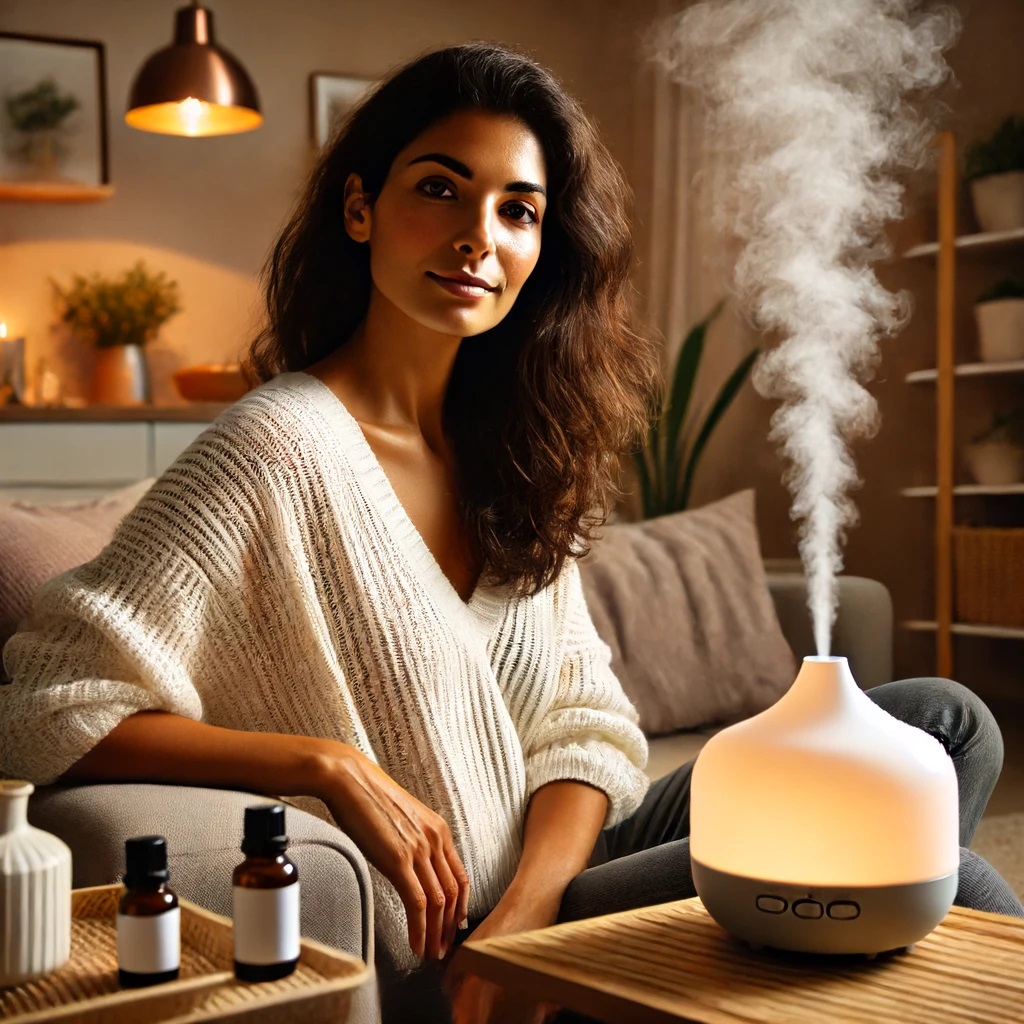
  • How to Practice: Diffuse essential oils in your home, or apply a few drops (diluted) to your wrists and inhale deeply. Focus on feeling lighter with each breath.

9. Engage in Energy-Release Exercises

Physical movement can release pent-up energy, leaving you feeling renewed. High-energy exercises help you process stress and create emotional balance.

  • How to Practice: Try a form of movement that allows you to release energy, like dancing, kickboxing, or even shaking out your body. Focus on letting go of tension with each movement.

10. Use Affirmations for Positive Energy

Positive affirmations shift your energy by reinforcing uplifting thoughts. Repeating affirmations regularly can create an internal environment that blocks negativity.

  • How to Practice: Write down a few affirmations that resonate with you, such as “I am free from negativity” or “I welcome peace into my life.” Repeat them in the morning and before bed for a consistent positive mindset.

Conclusion

Releasing negative energy and renewing your spirit requires a combination of awareness, intention, and small actions. By incorporating these practices into your routine, you create a foundation of calm and resilience that allows you to face life’s challenges with positivity. Choose the practices that resonate most with you, and embrace a journey of renewal and self-empowerment.


For more transformative wellness practices, check out my book, The Mindful Executive: https://www.amazon.com/dp/B0D75YJCLW.
10 Holistic Sleep Tips to Rest Your Mind, Body, and Spirit

A good night’s sleep is one of the most important pillars of health, yet so many of us struggle to get the rest we need. Poor sleep not only affects your physical energy but also your mental clarity, mood, and overall well-being. Incorporating holistic practices into your bedtime routine can help improve sleep quality and allow your body, mind, and spirit to rejuvenate. Here are 10 holistic sleep tips to help you rest deeply and wake up feeling refreshed.

1. Create a Calming Bedtime Routine

Establishing a consistent bedtime routine signals to your body that it’s time to wind down. Engaging in relaxing activities like reading, journaling, or taking a warm bath can ease you into a peaceful sleep state.

  • Tip: Start your bedtime routine at least 30 minutes before bed and stick to it every night to condition your body for rest.

2. Use Essential Oils for Relaxation

Aromatherapy can be a powerful tool for promoting relaxation and improving sleep. Essential oils like lavender, chamomile, and cedarwood are known for their calming properties.

  • Tip: Diffuse lavender essential oil in your bedroom or apply a few drops to your pillow to create a soothing environment.

3. Practice Mindful Breathing

Stress and anxiety can interfere with your ability to fall asleep. Practicing mindful breathing before bed can help calm your nervous system and quiet your mind.

  • Tip: Try a simple breathing exercise: Inhale for 4 counts, hold for 4, exhale for 4, and repeat for 5-10 minutes to relax your body.

4. Limit Blue Light Exposure

Blue light from phones, tablets, and computers can disrupt your circadian rhythm and interfere with melatonin production. Limiting blue light exposure before bed is crucial for better sleep.

  • Tip: Turn off electronics at least 30 minutes before bedtime or use blue light-blocking glasses if you need to use devices in the evening.

5. Drink Herbal Teas for Relaxation

Herbal teas like chamomile, valerian root, and passionflower can have a calming effect on the body and promote sleepiness. Sipping a warm cup of herbal tea before bed can be a soothing part of your routine.

  • Tip: Make a cup of chamomile tea 30 minutes before bed to help you relax and unwind.

6. Set a Consistent Sleep Schedule

Going to bed and waking up at the same time every day helps regulate your body’s internal clock, making it easier to fall asleep and wake up naturally.

  • Tip: Choose a bedtime that allows for 7-8 hours of sleep and stick to it, even on weekends.

7. Create a Sleep Sanctuary

Your sleep environment plays a significant role in the quality of your rest. A clean, calm, and cozy space will help your body relax and prepare for sleep.

  • Tip: Use soft lighting, calming colors, and declutter your bedroom to create a peaceful atmosphere.

8. Practice Gratitude Journaling

Ending the day with a gratitude practice can shift your focus from stress to positivity, helping you relax and fall asleep with a calm mind.

  • Tip: Spend a few minutes before bed writing down three things you are grateful for from the day.

9. Try Sound Therapy

Sound therapy, such as listening to calming music, white noise, or binaural beats, can help soothe the mind and body, creating an ideal environment for sleep.

  • Tip: Play soft, calming sounds or a sleep meditation track as you prepare for bed to help ease into relaxation.

10. Limit Caffeine and Heavy Meals in the Evening

What you consume in the hours leading up to bedtime can greatly affect your sleep. Caffeine and heavy meals can disrupt your body’s ability to wind down and interfere with restful sleep.

  • Tip: Avoid caffeine after 2 PM and opt for lighter, easy-to-digest meals in the evening to help your body prepare for rest.

Conclusion

Improving your sleep doesn’t require drastic changes—small, mindful adjustments to your bedtime routine can lead to more restful nights and better overall health. By creating a calming environment, practicing relaxation techniques, and supporting your body with holistic approaches, you can enjoy deeper, more rejuvenating sleep that benefits your mind, body, and spirit.


For more tips on holistic wellness, check out my book, The Mindful Executive: https://www.amazon.com/dp/B0D75YJCLW.

12 Mindful Practices to Reduce Stress in Under 10 Minutes

In today’s fast-paced world, stress has become a constant companion for many of us. The good news is that you don’t need hours of meditation or an elaborate wellness routine to bring some peace into your life. There are simple, effective practices that can help reduce stress in under 10 minutes, providing immediate relief and grounding. These quick mindfulness techniques are perfect for even the busiest of days. Let’s explore 12 ways to de-stress quickly and effectively.

1. Deep Breathing

One of the quickest ways to calm your mind and body is through deep breathing. By focusing on your breath, you can lower your heart rate, reduce tension, and bring your focus back to the present moment.

  • How to: Inhale deeply through your nose for four counts, hold for four counts, and exhale slowly through your mouth for four counts. Repeat for 2-3 minutes.

2. Body Scan

A body scan is a mindfulness practice that involves paying attention to each part of your body, noticing areas of tension or discomfort. This technique helps you release physical stress and reconnect with your body.

  • How to: Close your eyes, and starting from your feet, slowly move your awareness up through your body, noticing any sensations. Breathe into any areas of tension, and consciously relax each part.

3. Mindful Walking

Walking, especially in nature, is a great way to reduce stress. Mindful walking involves being fully present as you walk, paying attention to each step and the sensations in your body as you move.

  • How to: Take a short walk outside or around your home, focusing on the movement of your feet, the feel of the ground beneath you, and the rhythm of your breath.

4. Gratitude Practice

Shifting your focus to gratitude can instantly lift your mood and reduce stress. This practice allows you to focus on the positive aspects of your life, which helps shift your perspective away from stressors.

  • How to: Write down three things you’re grateful for in a journal or simply reflect on them in your mind for a few minutes.

5. Visualization

Visualization is a powerful tool for reducing stress. By imagining yourself in a peaceful, calming place, you can create a mental retreat that helps soothe your nervous system.

  • How to: Close your eyes and imagine a place where you feel safe and relaxed, such as a beach, forest, or mountain. Picture the details, sounds, and smells of this place, and spend a few moments soaking in the calm.

6. Progressive Muscle Relaxation

This technique involves tensing and then releasing each muscle group in your body, helping you release physical tension and stress.

  • How to: Start by tensing the muscles in your feet for five seconds, then relax them. Work your way up through your body, tensing and relaxing each muscle group until you reach your head.

7. Journaling

Writing down your thoughts and feelings can be an effective way to reduce mental clutter and stress. It helps you process emotions and release any pent-up tension.

  • How to: Spend five minutes writing about whatever is on your mind, without judgment. Let your thoughts flow freely onto the page.

8. Mindful Eating

Eating mindfully can transform even a short snack into a moment of relaxation. By focusing on the flavors, textures, and sensations of your food, you create a mindful moment that brings you back to the present.

  • How to: The next time you eat, take small bites, chew slowly, and savor the flavors and textures. Focus solely on the act of eating without distractions.

9. Breathing with Essential Oils

Essential oils such as lavender, chamomile, or eucalyptus have calming properties that can enhance a breathing practice. Inhaling these oils can help soothe your mind and body even faster.

  • How to: Place a drop of your favorite calming essential oil on your palms, rub them together, and cup your hands over your nose as you inhale deeply.

10. 5-Minute Meditation

You don’t need a long meditation session to benefit from mindfulness. Even five minutes of meditation can reduce stress and bring clarity.

  • How to: Find a quiet space, sit comfortably, and close your eyes. Focus on your breath, allowing thoughts to come and go without judgment. Simply observe, and bring your attention back to your breath if your mind wanders.

11. Affirmations

Positive affirmations can help reduce stress by shifting your mindset from negative to positive. Repeating affirmations allows you to rewire your thought patterns and reduce anxiety.

  • How to: Choose a calming affirmation like “I am at peace” or “I release stress and welcome calm.” Repeat it to yourself for a few minutes, either silently or out loud.

12. Earthing

Connecting with the earth, also known as “earthing,” can help you reduce stress and feel more grounded. Walking barefoot outside allows you to absorb the earth’s natural energy and release built-up tension.

  • How to: Step outside and walk barefoot on grass, dirt, or sand. Focus on the sensations beneath your feet and the connection you feel to the earth.

Conclusion

Stress relief doesn’t need to take up hours of your time. With these quick, mindful practices, you can reduce stress in under 10 minutes, no matter where you are or what your day looks like. Incorporating these techniques into your daily routine will help you stay calm, grounded, and centered, even in the midst of a busy life.


For more tips on reducing stress and improving your well-being, check out my book, The Mindful Executive: https://www.amazon.com/dp/B0D75YJCLW.

10 Ways to Balance Your Energy with Everyday Rituals

In our fast-paced world, it’s easy to feel off-balance and disconnected from our inner selves. Our energy gets depleted, scattered, and blocked by stress, unhealthy habits, and lack of mindfulness. Fortunately, you don’t need elaborate techniques to restore your energy and bring balance back into your life. Simple everyday rituals can help realign your mind, body, and spirit, allowing you to feel grounded, centered, and energized. Here are 10 ways to balance your energy through holistic and mindful practices.

1. Morning Grounding Rituals

Start your day by reconnecting with the earth through grounding. Walking barefoot on grass, sand, or soil for just a few minutes can help release negative energy and absorb the earth’s natural, stabilizing energy. This ritual helps balance your root chakra, providing a strong foundation for the rest of the day.

  • Tip: Try starting your morning with a short, mindful walk outside, focusing on the sensations of the ground beneath your feet.

2. Breathwork for Energy Flow

Breath is the bridge between your body and mind, and practicing mindful breathwork can help you balance your energy. Techniques like deep diaphragmatic breathing or alternate nostril breathing (Nadi Shodhana) can release stress, clear blocked energy pathways, and activate your body’s natural healing systems.

  • Tip: Spend 5 minutes practicing slow, deep breathing or alternate nostril breathing before starting your workday for enhanced focus and calm.

3. Crystal Energy Balancing

Crystals have been used for centuries to help balance energy. Different crystals resonate with various chakras and can support emotional, physical, and spiritual healing. Carrying crystals like amethyst for calming energy or citrine for positivity can subtly help balance your energy throughout the day.

  • Tip: Carry a small crystal in your pocket or wear one as jewelry to keep its energy close to your body.

4. Mindful Eating for Balanced Energy

The food we eat plays a significant role in how we feel. Eating mindfully not only nourishes your body but also helps maintain a steady flow of energy. Focus on whole, unprocessed foods rich in nutrients, and try to be fully present while eating—savoring every bite and appreciating the nourishment it provides.

  • Tip: Incorporate grounding foods like root vegetables (carrots, sweet potatoes) and leafy greens into your diet for sustained energy.

5. Use Essential Oils to Reset Your Energy

Aromatherapy is a powerful tool for balancing your energy. Essential oils like lavender can calm overactive energy, while oils like eucalyptus or peppermint can help uplift and refresh. Diffusing oils or applying them to pulse points helps bring your body’s energy back into alignment.

  • Tip: Keep a small roller of essential oils with you, and apply it when you need an energy boost or calming influence.

6. Chakra Meditation

Chakra meditation focuses on aligning and clearing the body’s energy centers. By focusing on each chakra (from the root to the crown), you can remove blockages and restore the free flow of energy throughout your system. This practice brings harmony between your physical, emotional, and spiritual bodies.

  • Tip: Spend 10 minutes meditating on each chakra, visualizing it glowing with light and spinning freely.

7. Hydration Ritual

Water is essential for maintaining energetic balance. Dehydration can block the natural flow of energy and cause sluggishness or fatigue. Drinking water with mindfulness—acknowledging its life-giving properties—helps connect you to the element of water, which is essential for cleansing and balancing.

  • Tip: Add a slice of lemon or cucumber to your water for added purification and refreshment.

8. Sound Healing for Energy Balance

Sound therapy, whether through listening to calming music, Tibetan singing bowls, or tuning forks, has the ability to restore energetic balance. Sound waves influence our brainwaves and can promote deep relaxation, realigning our internal energy.

  • Tip: Play calming music or sound healing tracks during moments of stress or before bed to help harmonize your body’s energy.

9. Create a Sleep Sanctuary

Sleep is when the body and mind naturally restore their energy. A cluttered, overstimulating sleep environment can hinder this process. Creating a sleep sanctuary—complete with soothing colors, dim lighting, and a clean, calm space—helps balance your energy overnight, leaving you refreshed in the morning.

  • Tip: Turn off electronics 30 minutes before bed and use soft lighting to create a calming atmosphere.

10. Daily Gratitude Ritual

Practicing gratitude is one of the simplest yet most powerful ways to balance your energy. When you focus on what you’re grateful for, you naturally raise your vibration and shift your energy to a more positive frequency. This practice opens up your heart chakra and enhances overall emotional well-being.

  • Tip: Keep a gratitude journal and write down three things you are grateful for every night before bed.

Conclusion

Balancing your energy doesn’t require grand changes. Small, mindful rituals can have a profound impact on your overall wellness. Whether it’s through grounding, breathwork, or crystal energy, these everyday practices can help you stay centered, grounded, and energetically aligned. Start with one or two rituals, and gradually build them into your daily routine to create a more balanced, harmonious life.


For more insights on integrating wellness practices into your daily life, check out my book, The Mindful Executive: https://www.amazon.com/dp/B0D75YJCLW.

Natural Remedies for Better Sleep

Getting quality sleep is essential for overall health and well-being. Natural remedies can help improve sleep patterns without the side effects of medication. Here’s a comprehensive guide on natural ways to enhance your sleep.

1. Herbal Teas

Certain herbal teas can promote relaxation and improve sleep quality.

  • Chamomile Tea: Known for its calming properties, chamomile tea can help you unwind before bed.
    • How to Use: Brew a cup of chamomile tea 30 minutes before bedtime.
  • Lavender Tea: Lavender has a soothing effect that can help reduce anxiety and promote better sleep.
    • How to Use: Drink a cup of lavender tea in the evening to prepare for a restful night.

2. Essential Oils

Aromatherapy with essential oils can create a relaxing environment conducive to sleep.

  • Lavender Oil: Known for its calming effects, lavender oil can help improve sleep quality.
    • How to Use: Add a few drops of lavender oil to a diffuser or spray it on your pillow.
  • Frankincense Oil: This oil has a grounding effect that can help you relax and sleep better.
    • How to Use: Diffuse frankincense oil in your bedroom or add a few drops to your bath.

3. Sleep-Inducing Foods

Certain foods can naturally enhance sleep quality by promoting relaxation and regulating sleep hormones.

  • Almonds: Rich in magnesium, almonds can help improve sleep quality.
    • How to Use: Eat a handful of almonds as an evening snack.
  • Kiwi: Kiwi fruit contains serotonin, which can help regulate your sleep cycle.
    • How to Use: Eat a couple of kiwis an hour before bedtime.

4. Bedtime Routine

Establishing a consistent bedtime routine can signal your body that it’s time to wind down and prepare for sleep.

  • Routine Example: Start by dimming the lights an hour before bed. Follow with a warm bath, and then spend 10-15 minutes doing a relaxing activity, such as reading or gentle stretching. End with a few minutes of deep breathing or meditation.

5. Creating a Sleep-Friendly Environment

Making your bedroom conducive to sleep can significantly improve your sleep quality.

  • Tips:
    • Keep your bedroom cool and dark.
    • Use blackout curtains to block out any external light.
    • Invest in a comfortable mattress and pillows.
    • Remove electronic devices from your bedroom to avoid blue light exposure.

Conclusion

Incorporating these natural remedies into your nightly routine can help you achieve better, more restful sleep. From herbal teas and essential oils to sleep-inducing foods and a consistent bedtime routine, these strategies can enhance your overall sleep quality and contribute to your well-being.

Natural Remedies for Better Sleep: Tips and Tricks

A good night’s sleep is essential for overall health and well-being. If you’re struggling with sleep issues, natural remedies can help you relax and improve your sleep quality. Here are some tips and tricks for better sleep using natural remedies.

Herbal Teas for Relaxation: Herbal teas like chamomile, valerian root, and lavender are known for their calming effects. These teas can help you unwind and prepare for a restful night’s sleep.

Example: Enjoy a warm cup of chamomile tea about 30 minutes before bedtime to help relax your mind and body.

Aromatherapy with Essential Oils: Aromatherapy using essential oils such as lavender, bergamot, and cedarwood can promote relaxation and improve sleep quality. You can use these oils in a diffuser or apply them to your pillow.

Example: Diffuse lavender oil in your bedroom or add a few drops to your pillow before going to bed for a calming effect.

Magnesium Supplements for Relaxation: Magnesium is a mineral that plays a crucial role in muscle relaxation and sleep. Taking a magnesium supplement can help you relax and improve sleep quality.

Example: Take a magnesium supplement an hour before bedtime to help your muscles relax and prepare for sleep.

Mindfulness Meditation for Calmness: Practicing mindfulness meditation before bed can help calm your mind and reduce anxiety, making it easier to fall asleep.

Example: Spend 10-15 minutes meditating before bed, focusing on your breath and letting go of any stressful thoughts.

Creating a Sleep-Friendly Environment: Your bedroom environment plays a significant role in your sleep quality. Make sure your room is cool, dark, and quiet. Use blackout curtains and consider white noise machines to block out any disruptive sounds.

Example: Invest in a comfortable mattress and pillows, and keep your bedroom cool and dark to create an optimal sleep environment.

Establishing a Bedtime Routine: A consistent bedtime routine signals to your body that it’s time to wind down and prepare for sleep. This routine can include activities like reading, taking a warm bath, or practicing gentle yoga.

Example: Create a bedtime routine that includes reading a book and taking a warm bath to help signal to your body that it’s time to sleep.

By incorporating these natural remedies and tips into your routine, you can improve your sleep quality and enjoy more restful nights.

From Stress to Serenity: A Journey Through Aromatherapy

Meet Anjali, a 35-year-old marketing manager from Mumbai, who was overwhelmed by the stresses of her demanding job. Constantly juggling deadlines and responsibilities, Anjali struggled to find peace and relaxation in her daily life. After a recommendation from a friend, she decided to try aromatherapy and discovered its transformative effects.

Anjali’s journey with aromatherapy began with simple steps. She started using essential oils to create a calming environment at home. Lavender oil became her go-to for relaxation, while peppermint oil helped her stay alert and focused during work.

Choosing the Right Essential Oils: Different essential oils offer various benefits. Anjali explored oils like lavender for relaxation, eucalyptus for clarity, and chamomile for stress relief. Each oil brought a unique sense of calm and well-being.

Example: Anjali diffused lavender oil in her living room every evening, helping her unwind after a long day. The soothing scent created a peaceful atmosphere, allowing her to de-stress and sleep better.

Incorporating Aromatherapy into Daily Routine: Anjali incorporated essential oils into her daily routine. She added a few drops of eucalyptus oil to her morning shower to invigorate her senses and used chamomile oil in a diffuser at bedtime to promote restful sleep.

Example: During her morning routine, Anjali applied a blend of peppermint and rosemary oils to her temples to boost her concentration and energy levels for the day ahead.

Using Aromatherapy for Stress Relief: To manage work-related stress, Anjali carried a small roller bottle of lavender oil in her bag. Whenever she felt overwhelmed, she applied it to her wrists and took deep breaths to regain her sense of calm.

With these simple yet effective steps, Anjali transformed her life through aromatherapy. The natural scents helped her find serenity amidst the chaos, enhancing her well-being and productivity.

The Healing Power of Aromatherapy: Essential Oils for Health and Wellness

Aromatherapy, the practice of using essential oils extracted from plants for therapeutic purposes, has been used for centuries to promote health and wellness. These oils can positively affect both the mind and body, offering a natural way to improve overall well-being. Here’s how you can harness the healing power of aromatherapy and essential oils to enhance your health and wellness.

Understanding Aromatherapy

Aromatherapy involves the use of essential oils, which are concentrated extracts from the roots, leaves, seeds, or blossoms of plants. These oils contain the plant’s essence and are believed to have healing properties when inhaled or applied to the skin.

Benefits of Aromatherapy

Aromatherapy can provide numerous benefits, including reducing stress, improving mood, enhancing sleep, and relieving pain. Different essential oils have unique properties that can address specific health concerns.

Popular Essential Oils and Their Benefits

1. Lavender

Lavender oil is widely known for its calming and relaxing properties. It can help reduce anxiety, improve sleep quality, and alleviate headaches.

  • Benefits: Reduces stress and anxiety, improves sleep, relieves headaches.
  • Example: Add a few drops of lavender oil to your pillow or use it in a diffuser before bedtime to promote restful sleep.

2. Peppermint

Peppermint oil has a refreshing and invigorating scent. It’s often used to relieve headaches, improve focus, and alleviate digestive issues.

  • Benefits: Eases headaches, enhances concentration, relieves digestive discomfort.
  • Example: Inhale peppermint oil directly from the bottle or add a few drops to a tissue and breathe deeply to relieve a headache.

3. Eucalyptus

Eucalyptus oil is known for its ability to clear the respiratory system and relieve congestion. It also has anti-inflammatory and pain-relieving properties.

  • Benefits: Relieves respiratory congestion, reduces inflammation, alleviates pain.
  • Example: Add eucalyptus oil to a bowl of hot water and inhale the steam to relieve nasal congestion and improve breathing.

4. Tea Tree

Tea tree oil has powerful antimicrobial properties and is often used to treat skin conditions, such as acne and fungal infections.

  • Benefits: Fights bacteria and fungi, treats acne, promotes skin health.
  • Example: Dilute tea tree oil with a carrier oil and apply it to acne-prone areas to help clear up breakouts.

5. Lemon

Lemon oil is uplifting and energizing. It’s commonly used to improve mood, boost energy levels, and support the immune system.

  • Benefits: Enhances mood, boosts energy, supports immune health.
  • Example: Add a few drops of lemon oil to a diffuser to create an energizing atmosphere in your home or office.

6. Frankincense

Frankincense oil is known for its grounding and calming effects. It’s often used in meditation and yoga practices to promote mental clarity and relaxation.

  • Benefits: Promotes relaxation, enhances mental clarity, supports emotional balance.
  • Example: Diffuse frankincense oil during meditation or yoga to create a serene and focused environment.

7. Chamomile

Chamomile oil has soothing and calming properties, making it ideal for reducing anxiety and promoting sleep. It’s also beneficial for skin health.

  • Benefits: Reduces anxiety, promotes sleep, supports skin health.
  • Example: Add a few drops of chamomile oil to a warm bath to unwind and relax before bed.

8. Rosemary

Rosemary oil is stimulating and invigorating. It can improve concentration, enhance memory, and promote hair health.

  • Benefits: Boosts concentration, improves memory, promotes hair growth.
  • Example: Use rosemary oil in a diffuser while studying or working to improve focus and mental clarity.

9. Ylang Ylang

Ylang ylang oil has a sweet, floral scent and is known for its mood-enhancing properties. It can reduce stress and promote a sense of well-being.

  • Benefits: Enhances mood, reduces stress, promotes relaxation.
  • Example: Add a few drops of ylang ylang oil to your bath or diffuser to create a calming and uplifting atmosphere.

How to Use Essential Oils

1. Diffusion

Using a diffuser is one of the most popular ways to enjoy the benefits of essential oils. Diffusers disperse the oils into the air, allowing you to inhale their therapeutic scents.

  • Example: Add 5-10 drops of your favorite essential oil to a diffuser filled with water. Turn it on and enjoy the aroma.

2. Inhalation

Direct inhalation involves breathing in the essential oil directly from the bottle or from a tissue with a few drops of the oil.

  • Example: Place a few drops of essential oil on a tissue and hold it close to your nose. Inhale deeply for several breaths.

3. Topical Application

Essential oils can be applied to the skin, but they should be diluted with a carrier oil to prevent irritation.

  • Example: Mix a few drops of essential oil with a carrier oil, such as coconut or jojoba oil, and apply it to your wrists, neck, or temples.

4. Bathing

Adding essential oils to your bath can enhance relaxation and provide therapeutic benefits.

  • Example: Add 5-10 drops of essential oil to your bathwater along with a cup of Epsom salts for a soothing and aromatic experience.

5. Massage

Incorporating essential oils into a massage can enhance relaxation and provide additional health benefits.

  • Example: Dilute essential oils with a carrier oil and use the mixture for a relaxing massage.

Safety Tips for Using Essential Oils

  • Always dilute essential oils with a carrier oil before applying them to the skin.
  • Perform a patch test to check for allergic reactions.
  • Use essential oils in well-ventilated areas.
  • Keep essential oils out of reach of children and pets.
  • Consult with a healthcare professional before using essential oils, especially if you are pregnant, nursing, or have a medical condition.

How Anika Managed Her Anxiety with Aromatherapy

Scent of Calm: How Anika Managed Her Anxiety with Aromatherapy

Meet Anika: Anika, a 28-year-old graphic designer from Mumbai, struggled with anxiety and frequent stress due to her job. She discovered aromatherapy as a natural way to manage her anxiety.

Using Essential Oils: Anika began using essential oils like lavender and chamomile to create a calming environment at home.

Example: Each evening, Anika diffused lavender oil in her bedroom to help her relax and unwind before bed.

Incorporating Aromatherapy into Daily Life: She carried a small bottle of essential oil blend with her to use whenever she felt anxious.

Example: During stressful moments at work, Anika applied a few drops of lavender oil to her wrists and took deep breaths to calm herself.

Exploring Different Scents: Anika experimented with different essential oils to find which scents worked best for her anxiety.

Example: She discovered that bergamot oil uplifted her mood and helped her stay focused during the day.

The Result: Aromatherapy helped Anika manage her anxiety more effectively, allowing her to feel calmer and more balanced throughout the day.