

Energy Healing 101: Understanding Your Body’s Subtle Energy Systems

Beyond the physical body that we can see and touch lies an intricate network of subtle energy systems that influence every aspect of our health and wellbeing. While Western medicine has traditionally focused on biochemical processes, ancient healing traditions worldwide have long recognized that we are fundamentally energetic beings whose vitality depends on the free flow of life force energy through specific pathways and centers.

The Universal Language of Energy

Every culture throughout history has recognized and named this vital life force: the Chinese call it “qi” or “chi,” Indians know it as “prana,” Japanese traditions refer to “ki,” and indigenous cultures speak of “spirit” or “life breath.” Modern physics confirms what ancient healers intuited—everything in the universe, including our bodies, is composed of energy vibrating at different frequencies.

This life force energy animates every cell, organ, and system in your body. When energy flows freely, you experience vitality, clarity, and robust health. When energy becomes blocked, stagnant, or depleted, physical symptoms, emotional imbalances, and spiritual disconnection often follow.

Research in quantum biology reveals that cellular communication occurs not just through chemical signals but also through electromagnetic fields and coherent energy patterns. This scientific understanding provides a bridge between ancient energy medicine and modern healthcare approaches.

The Chakra System: Your Energy Centers

The most widely recognized energy system in the West is the chakra system, originating from ancient Indian traditions. The word “chakra” means “wheel” in Sanskrit, describing spinning vortexes of energy that regulate different aspects of physical, emotional, and spiritual wellbeing.

Root Chakra (Muladhara) – Located at the base of the spine, this energy center governs survival, grounding, and your sense of safety in the world. When balanced, you feel secure and confident. Imbalances may manifest as anxiety, financial worries, or lower back problems.

Sacral Chakra (Svadhisthana) – Positioned below the navel, this center relates to creativity, sexuality, and emotional expression. Balanced sacral energy supports healthy relationships and creative flow. Blockages may appear as reproductive issues, creative blocks, or emotional numbness.

Solar Plexus Chakra (Manipura) – Located in the upper abdomen, this chakra governs personal power, confidence, and digestive health. When functioning optimally, you feel empowered and capable. Imbalances may manifest as digestive issues, low self-esteem, or control problems.

Heart Chakra (Anahata) – Situated in the center of the chest, this energy center manages love, compassion, and connection. A balanced heart chakra enables healthy relationships and self-acceptance. Blockages may present as heart problems, relationship difficulties, or emotional walls.

Throat Chakra (Vishuddha) – Located at the throat, this center governs communication and authentic self-expression. When balanced, you speak your truth with clarity and confidence. Imbalances may appear as throat problems, communication difficulties, or feeling unheard.

Third Eye Chakra (Ajna) – Positioned between the eyebrows, this chakra relates to intuition, wisdom, and spiritual insight. Balanced third eye energy supports clear perception and inner knowing. Blockages may manifest as headaches, confusion, or disconnection from intuition.

Crown Chakra (Sahasrara) – Located at the top of the head, this energy center connects you to divine consciousness and universal wisdom. When open, you experience spiritual connection and purposeful living. Imbalances may present as depression, spiritual emptiness, or feeling disconnected from meaning.

Meridians: The Body’s Energy Highways

Traditional Chinese Medicine maps a complex network of energy pathways called meridians that carry qi throughout the body. These invisible channels connect organs, tissues, and systems, maintaining energetic balance and supporting optimal function.

Twelve primary meridians correspond to major organ systems: lung, large intestine, stomach, spleen, heart, small intestine, bladder, kidney, pericardium, triple heater, gallbladder, and liver. Each meridian has specific acupuncture points where energy can be accessed and influenced through needles, pressure, or other techniques.

Modern research using electrical conductivity measurements has identified pathways that correspond remarkably to ancient meridian maps, suggesting these energy channels have measurable physical correlates.

The Aura: Your Energetic Field

Many spiritual traditions describe a luminous field of energy surrounding the physical body, commonly called the aura. This biofield extends several feet from the body and contains multiple layers, each vibrating at different frequencies and corresponding to different aspects of your being.

Advanced photography techniques like Kirlian photography can capture electromagnetic emanations from living beings, providing visual evidence of energetic fields around plants, animals, and humans. Some sensitive individuals can perceive auras as colors, patterns, or sensations.

The auric field serves as a protective boundary and information system, constantly exchanging energy with the environment. Practices that strengthen and cleanse the aura can improve overall vitality and emotional resilience.

Signs of Energy Imbalance

Energy blockages and imbalances often manifest as physical symptoms, emotional patterns, or life circumstances. Common signs include chronic fatigue despite adequate rest, recurring physical problems in specific body areas, persistent emotional states like anger or sadness, relationship patterns that repeat across different people, and feeling stuck or unable to move forward in life.

You might also experience sensitivity to certain environments or people, sudden energy drains in specific situations, difficulty setting boundaries, unexplained mood swings, or feeling disconnected from your authentic self.

Simple Energy Healing Techniques

Breathwork for Energy Flow Conscious breathing is one of the most accessible ways to influence your energy systems. The breath carries prana through your body, and specific breathing patterns can balance and energize different chakras. Try alternate nostril breathing to balance the nervous system or deep belly breathing to ground root chakra energy.

Visualization and Color Healing Each chakra resonates with specific colors. Visualizing these colors while breathing into each energy center can help restore balance. Imagine red light at your root chakra for grounding, orange at your sacral chakra for creativity, yellow at your solar plexus for confidence, and so forth.

Crystal and Stone Work Crystals and gemstones vibrate at specific frequencies that can influence your energy field. Place appropriate stones on chakra points during meditation, carry them throughout the day, or create gem elixirs for energetic support. Clear quartz amplifies energy, amethyst enhances spiritual connection, and rose quartz opens the heart center.

Sound Healing Sound vibrations can shift energy patterns throughout your body. Each chakra responds to specific tones and frequencies. Chanting Sanskrit mantras, using singing bowls, or listening to frequency-specific music can help clear blockages and restore energetic harmony.

Working with Energy Practitioners

Professional energy healers use various modalities to assess and balance your subtle energy systems. Reiki practitioners channel universal life force energy through their hands to promote healing. Acupuncturists insert fine needles at specific meridian points to restore qi flow. Shamanic healers work with spiritual energy and soul retrieval techniques.

When choosing an energy healer, trust your intuition and seek practitioners with proper training and ethical standards. A skilled healer creates a safe, sacred space and works in partnership with your own healing wisdom rather than imposing their will.

Integrating Energy Awareness into Daily Life

Developing sensitivity to subtle energy enhances your overall wellness journey. Begin each day with a brief energy assessment, noticing how you feel physically, emotionally, and energetically. Pay attention to how different foods, activities, environments, and relationships affect your energy levels.

Practice grounding by spending time in nature, walking barefoot on earth, or visualizing roots extending from your feet into the ground. Protect your energy field through visualization, setting intentions, and choosing environments and relationships that support your wellbeing.

The Science of Energy Medicine

Research institutions worldwide are investigating energy healing modalities with increasingly sophisticated equipment. Studies using EEG, fMRI, and biofield measurement devices show measurable changes in brain activity, cellular function, and electromagnetic fields during energy healing sessions.

The National Center for Complementary and Integrative Health now recognizes energy healing as a legitimate area of study, funding research into acupuncture, biofield therapies, and other energy-based interventions.

While we don’t yet fully understand the mechanisms behind energy healing, accumulating evidence suggests that these ancient practices influence health through pathways beyond conventional medical models.

Your body’s energy systems provide a profound pathway for healing, growth, and spiritual development. By learning to work with these subtle forces, you gain access to your innate healing wisdom and can support your wellbeing on levels that purely physical approaches cannot reach.

Energy is the language of life itself. Learning to speak this language opens doorways to healing possibilities limited only by your imagination and commitment to growth.


For deeper insights into transforming your relationship with health and wellness through mindful practices, explore “The Path to Wellness: A Journey of Self-Discovery and Healing” – a comprehensive guide to creating lasting change in your well-being journey.
The Silent Burnout: Why High-Functioning Exhaustion Is the New Epidemic

You get up. You perform. You smile. You hit deadlines. You respond to messages, deliver results, and look like you’ve got it all together.

But deep inside, you’re running on fumes.

This is high-functioning burnout—the kind that doesn’t look like collapse, but feels like emotional erosion. You’re not in bed all day, but you’re also not really living. Your spark is dimmed. Your laugh feels forced. And your peace? MIA.

The world praises your “resilience” while you quietly fall apart.


1. What Is High-Functioning Burnout?

It’s burnout without the breakdown. You’re still functioning—often exceptionally so—but it comes at a silent cost:

  • You’re constantly fatigued, even after rest.
  • You feel emotionally numb, but hide it well.
  • You keep performing, but feel disconnected from joy, purpose, or fulfillment.
  • You rely on caffeine, screens, or stress to keep going.

On the outside? You look fine. On the inside? You’re on the edge of collapse.

This is the burnout no one sees—because you’ve trained yourself to hide it so well.


2. Why It’s Hard to Detect—Even for You

High-functioning people are masters of compartmentalization. You push pain aside. You tell yourself it’s temporary. You confuse activity with wellness. But being busy isn’t the same as being okay.

You don’t stop because:

  • You fear what you’ll feel if you slow down.
  • You’re addicted to achievement.
  • You don’t want to disappoint anyone.
  • You’re used to being “the strong one.”

But suppression isn’t healing. And burnout doesn’t go away because you ignore it.


3. The Body Keeps Score

Your body always tells the truth. You may suppress your emotions mentally, but physically, they leak out.

💥 Symptoms of silent burnout:

  • Muscle tension, jaw clenching, or random body aches
  • Brain fog or memory lapses
  • Digestive issues and poor sleep
  • Anxiety that hits without warning
  • Emotional detachment, irritability, or tearfulness without cause

Your body is speaking. The question is: are you listening?


4. The Myth of Being “Fine”

Saying “I’m fine” is the armor. But deep down, you know:

  • You don’t remember the last time you truly relaxed
  • You’ve forgotten what joy without productivity feels like
  • You’re surviving, not thriving

You’re not weak for feeling this way. You’re human. And you’re allowed to need rest, support, and softness—even if the world only claps when you’re strong.


5. Breaking the Cycle: From Burnout to Reconnection

🔥 Start by Naming It
Burnout loses power when it’s acknowledged. Say it: “I am not okay, and that’s okay.” Let that honesty open the door to healing.

🌿 Redefine Success
Success isn’t pushing through. It’s honoring your energy. It’s waking up with peace, not pressure.

🧘 Create Micro-Pauses
Take 5-minute breaks to breathe, stretch, close your eyes. These tiny resets signal safety to your nervous system.

❤️ Reconnect with Joy
Do one thing a day that has no purpose except delight. Read poetry. Sit in the sun. Sing terribly. Be alive without a metric.

👥 Ask for Support
You don’t need a crisis to deserve care. Talk to someone. Therapist, friend, coach—someone who sees you, not just your performance.


You Deserve to Be Whole—Not Just Functional

Burnout doesn’t always scream. Sometimes it whispers, “this isn’t sustainable.” Don’t wait until your body forces you to stop.

Choose restoration before rupture. Choose softness before shutdown. You don’t have to prove anything to be worthy of rest.

This is your sign to pause.

And if you’re navigating this quiet exhaustion and want a deeper roadmap to healing, check out The Mindful Executive—a powerful guide to realignment, self-respect, and soulful success: https://www.amazon.com/dp/B0D75YJCLW

The Healing Power of Stillness: Why Doing Nothing Is Medicine

We live in a culture obsessed with doing. Hustle is glorified. Busyness is worn like a badge of honor. But in the endless pursuit of productivity, we’ve forgotten how to just be.

Stillness is not the absence of progress—it’s where healing, clarity, and inner intelligence begin. In fact, stillness is the missing nutrient in most people’s lives. And without it, your nervous system never truly rests.

We recharge our phones more than we recharge our minds. It’s time to change that.


1. What Is Stillness and Why It’s Essential

Stillness isn’t laziness. It’s presence without motion. It’s the deliberate act of creating space between stimulus and response—space that allows your nervous system to reset, your intuition to rise, and your body to heal.

🧠 Neurologically: Stillness shifts brainwaves from beta (problem-solving) to alpha and theta (creative, intuitive, restorative).
🫀 Physiologically: It activates the parasympathetic nervous system, lowering cortisol and inflammation.
💡 Energetically: It clears your emotional “static” and allows clarity to surface.

You don’t need hours of meditation. Even moments of stillness—waiting at a red light, sipping tea with no phone—are enough to shift your state.


2. What Happens to the Body in Stillness

In true stillness (not scrolling, not zoning out), your body enters a state of repair. Here’s what happens behind the scenes:

✔️ Heart rate slows
✔️ Blood pressure drops
✔️ Muscles relax
✔️ Digestion improves
✔️ Immune system activates
✔️ Brain releases GABA and serotonin (feel-good neurotransmitters)

Most of us live in a low-grade fight-or-flight mode. Stillness is your off-ramp.


3. 5 Ways to Practice Intentional Stillness

🌿 1. The One-Minute Pause
Set a timer. Do nothing. No thoughts. No effort. Just breathe and observe. It’s awkward at first, then blissful.

🪞 2. Morning Gaze Practice
Start your day by staring out the window for 2–3 minutes in silence. Let your eyes soften. Let the day arrive to you, instead of rushing into it.

🧘 3. Soft Focus Meditation
Sit with your eyes half-open, unfocused. Let your mind wander gently, without grabbing any thought. Stay in the in-between.

🕯️ 4. Candle or Fire Watch
Stare into a flame. Let your mind become as still as the wick. Fire is a natural nervous system soother.

🛁 5. Bath or Shower Without Distraction
No music, no phone. Just water and breath. Let your body melt. Notice what ideas rise when you’re not looking for them.


4. The Inner Healing that Happens in Stillness

Stillness allows your subconscious to integrate. Emotions that were “on hold” come forward. Old mental clutter drifts up and out. It’s not always comfortable—but it’s powerful.

In silence, you meet your real self.

The self beyond your job title, your plans, your worries. The self that knows what you need.
You don’t find answers by thinking harder. You find them by listening deeper.


5. Building a Stillness Practice in a Busy World

You don’t need a mountaintop or retreat. You need micro-moments.

✨ Before you pick up your phone in the morning
✨ Before your first bite of lunch
✨ During your evening wind-down
✨ When waiting in line or on hold

Stillness isn’t a luxury. It’s your biological right. Without it, you burn out. With it, you rise restored.

Start with just 3 minutes a day. You’ll begin to crave it.


You are not a machine. You’re a rhythmic, energetic, living being who needs pause, softness, and nothingness to heal. Stillness is the medicine you forgot you needed.

Let silence work on you. Let it whisper what chaos drowns out.

And if you’re ready to embrace a deeper rhythm of life, check out my book The Mindful Executive—a guide to intentional living, inner clarity, and modern-day healing: https://www.amazon.com/dp/B0D75YJCLW

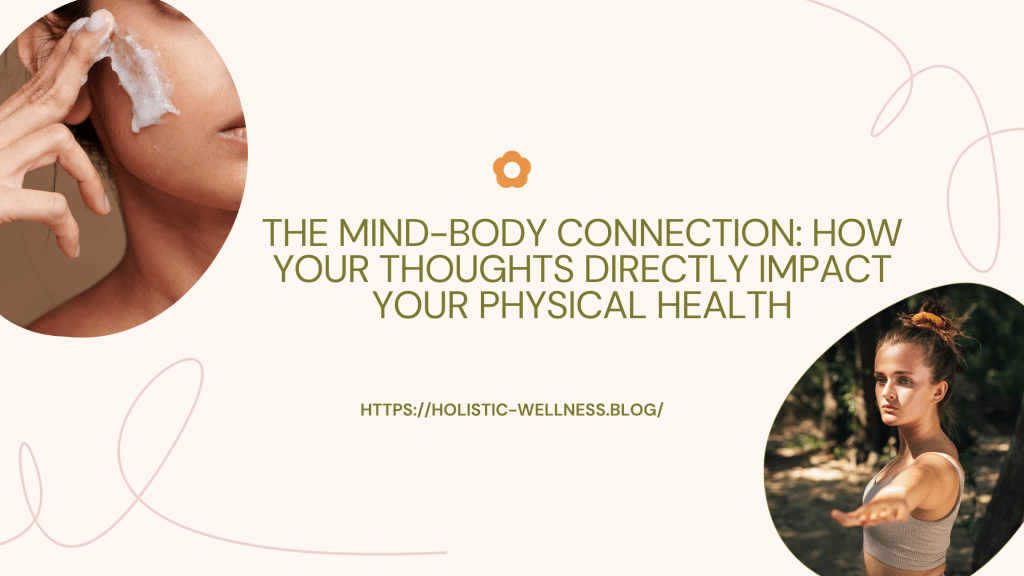
The Mind-Body Connection: How Your Thoughts Directly Impact Your Physical Health

The ancient wisdom “as above, so below” takes on profound meaning when we explore the intricate relationship between our mental and physical states. The mind-body connection isn’t just a philosophical concept—it’s a scientifically proven reality that can transform how we approach health and healing.

Understanding the Science Behind Mind-Body Medicine

Your thoughts, emotions, and beliefs create measurable changes in your body’s chemistry. When you experience stress, anxiety, or negative emotions, your brain releases cortisol and adrenaline, triggering inflammation and compromising your immune system. Conversely, positive thoughts and emotions flood your system with beneficial hormones like serotonin, dopamine, and oxytocin, promoting healing and vitality.

Research from Harvard Medical School demonstrates that chronic stress can literally rewire your brain, affecting memory, decision-making, and emotional regulation. Meanwhile, practices like meditation and mindfulness create positive neuroplasticity, strengthening neural pathways associated with calm, focus, and resilience.

The Physical Manifestations of Mental States

Your body serves as a mirror for your inner world. Persistent worry often manifests as digestive issues, tension headaches, or insomnia. Suppressed anger may appear as inflammation, autoimmune conditions, or chronic pain. Fear and anxiety frequently show up as respiratory problems, heart palpitations, or muscle tension.

This isn’t to suggest that all physical ailments stem from mental causes, but rather to recognize the powerful influence our psychological state has on our physical well-being. Traditional Chinese Medicine and Ayurveda have understood this connection for millennia, treating the person as a whole rather than isolated symptoms.

Practical Ways to Harness Your Mind-Body Connection

Daily Mindfulness Practice Begin each day with five minutes of conscious breathing. This simple practice activates your parasympathetic nervous system, reducing stress hormones and promoting healing. Focus on deep, slow breaths, allowing your belly to expand with each inhale.

Emotional Awareness and Processing Create space to acknowledge and process your emotions rather than suppressing them. Journaling, meditation, or speaking with a trusted friend can prevent emotional energy from becoming trapped in your physical body.

Positive Visualization Spend time each day visualizing your body in perfect health. See your immune system strong and vibrant, your organs functioning optimally, and your energy flowing freely. Your subconscious mind doesn’t distinguish between vividly imagined experiences and reality, making visualization a powerful healing tool.

Gratitude Practice Cultivate genuine appreciation for your body and its incredible capabilities. Thank your heart for beating, your lungs for breathing, and your immune system for protecting you. This practice shifts your energy from criticism to celebration, promoting healing at the cellular level.

Movement as Medicine Choose physical activities that bring you joy rather than punishment. Whether it’s dancing, walking in nature, or gentle yoga, movement that feels good creates positive associations in your nervous system, enhancing both mental and physical well-being.

The Role of Belief in Healing

Your beliefs about your health significantly impact your healing capacity. The placebo effect demonstrates that believing in recovery can trigger real physiological changes, even without active treatment. Conversely, nocebo effects show how negative expectations can worsen symptoms or create new ones.

Examine your health beliefs honestly. Do you see your body as fragile or resilient? Do you believe in your capacity to heal, or do you feel powerless over your health? Shifting limiting beliefs to empowering ones can dramatically accelerate your healing journey.

Creating a Holistic Healing Environment

Your external environment influences your internal state. Surround yourself with beauty, whether through plants, art, music, or natural light. These elements signal safety to your nervous system, promoting relaxation and healing.

Equally important is your social environment. Supportive relationships boost immune function, while toxic relationships create chronic stress. Prioritize connections that nourish your soul and set boundaries with those that drain your energy.

Integrating Mind-Body Practices into Daily Life

Start small and build consistency. Choose one practice that resonates with you—perhaps morning meditation, evening gratitude, or midday breathing exercises. As this becomes habit, gradually add other elements.

Remember that healing isn’t linear. Your body may need time to release old patterns and integrate new ones. Be patient and compassionate with yourself throughout this process.

The Future of Holistic Health

As conventional medicine increasingly recognizes the mind-body connection, we’re seeing exciting developments in integrative care. Hospitals now offer meditation programs, doctors prescribe nature therapy, and research validates ancient healing practices.

This shift represents a return to treating humans as complete beings rather than collections of symptoms. By embracing the mind-body connection in your own life, you become part of this healing revolution.

Your thoughts are powerful medicine. Use them wisely, and watch as your entire being transforms from the inside out. The journey to optimal health begins not just with what you put in your body, but with what you allow in your mind.


For deeper insights into transforming your relationship with health and wellness through mindful practices, explore “The Path to Wellness: A Journey of Self-Discovery and Healing” – a comprehensive guide to creating lasting change in your well-being journey.
Unlocking the Power of Grounding for Wellness

Modern life keeps us disconnected from the very thing that sustains us—the Earth. Grounding, also known as earthing, is the practice of physically connecting with the Earth’s surface to absorb its natural energy. Science suggests that grounding has profound effects on our nervous system, inflammation levels, and overall well-being. Let’s explore the benefits of grounding, how it works, and simple ways to integrate it into your daily life.


1. What is Grounding and How Does It Work?

Grounding is the practice of making direct physical contact with the Earth, allowing the body to absorb negatively charged electrons from the ground. This process helps balance electrical energy in the body, reducing stress and inflammation.

  • Scientific Basis:
    • Studies show that grounding can reduce cortisol levels, promoting relaxation.
    • It neutralizes free radicals, reducing oxidative stress that contributes to aging and chronic diseases.
    • Grounding improves heart rate variability, a key indicator of overall health and stress resilience.
  • Pro Tip: Walking barefoot on grass, sand, or soil for just 10-20 minutes daily can help restore your body’s natural balance.

2. The Health Benefits of Grounding

Scientific research supports grounding as a powerful natural healing tool. Here’s what it can do for your body:

✔️ Reduces Stress and Anxiety: Grounding calms the nervous system, lowering cortisol and promoting relaxation.
✔️ Decreases Inflammation: Studies suggest that grounding reduces chronic inflammation, which is linked to heart disease, arthritis, and autoimmune conditions.
✔️ Improves Sleep Quality: Connecting with the Earth’s energy helps regulate circadian rhythms, leading to deeper, more restorative sleep.
✔️ Enhances Circulation: Grounding improves blood flow, reducing the risk of blood clots and cardiovascular disease.
✔️ Boosts Energy Levels: By reducing electromagnetic stress, grounding helps combat fatigue and improves overall vitality.

  • Pro Tip: If you can’t go outside, use a grounding mat or sheet indoors for similar effects.

3. Simple Ways to Incorporate Grounding into Your Routine

You don’t need a forest retreat to practice grounding—small daily habits can make a big difference.

✔️ Walk Barefoot Outdoors – Spend 10-30 minutes barefoot on grass, dirt, or sand.
✔️ Sit or Lie on the Earth – Bring a blanket and relax in nature for deeper grounding.
✔️ Garden with Your Hands – Dig into the soil to connect directly with the Earth’s energy.
✔️ Swim in Natural Water – Lakes, rivers, and oceans all enhance grounding benefits.
✔️ Use Grounding Mats – If you can’t get outside, grounding mats and sheets help replicate the effects indoors.

  • Pro Tip: Combine grounding with meditation, deep breathing, or sun exposure for amplified benefits.

4. Grounding and the Mind-Body Connection

Grounding isn’t just about physical health—it also promotes emotional and mental well-being.

  • Mindfulness Enhancement: Walking barefoot naturally brings your awareness to the present moment, helping to relieve anxiety.
  • Emotional Healing: Grounding is linked to reduced PTSD symptoms, showing promise for emotional trauma recovery.
  • Better Focus & Productivity: Studies show grounding improves brainwave activity, helping you stay clear-headed.
  • Pro Tip: Practice grounding first thing in the morning for a fresh, energized start to your day.

5. Addressing Common Grounding Myths

Some people question whether grounding is scientifically valid. Let’s clear up the confusion:

Myth: Grounding is just a placebo effect.
✔️ Truth: Research shows measurable physiological changes, including lower inflammation markers and cortisol levels.

Myth: You need hours of grounding to see benefits.
✔️ Truth: As little as 10-15 minutes daily can improve sleep and reduce stress.

Myth: Grounding only works if you’re completely unplugged.
✔️ Truth: While tech-free grounding is ideal, even small outdoor breaks make a difference.

  • Pro Tip: Try grounding at different times of day to see when it benefits you the most.

Conclusion

Grounding is a simple yet powerful practice that reconnects us to nature and enhances overall wellness. Whether you’re walking barefoot, meditating outdoors, or using a grounding mat, incorporating grounding into your life can lead to better sleep, reduced stress, and improved vitality. Give it a try—you might just feel the difference!


For more natural wellness tips, check out my book, The Mindful Executive: https://www.amazon.com/dp/B0D75YJCLW.

10 Transformative Practices to Release Negative Energy and Renew Your Spirit

Negative energy can creep into our lives in subtle ways, draining our vitality and weighing down our spirit. Holding onto stress, unresolved emotions, or unhelpful habits can create energetic blockages, affecting mental, physical, and emotional well-being. Releasing negative energy is essential to cultivate a refreshed, positive outlook. Here are 10 transformative practices to help you let go of negativity and renew your spirit.


1. Practice Energy Cleansing with Visualization

Visualization is a powerful way to clear negative energy and replenish yourself. By imagining energy moving through you, you can shift your mindset and release emotional burdens.

  • How to Practice: Close your eyes and imagine a bright, white light moving from the top of your head to your toes. Visualize this light washing away any negativity, leaving you with a refreshed, calm energy.

2. Let Go with a Symbolic Release Ritual

Physical symbols can help you process and release negative emotions. A release ritual allows you to let go of what no longer serves you, making space for renewal.

  • How to Practice: Write down anything that’s troubling you, then safely burn or tear the paper as a symbolic release. As you do, focus on letting go of each thought, feeling lighter with every piece that’s released.

3. Use Salt Baths for Energetic Detoxification

Salt has long been used for purification and energy cleansing. Taking a salt bath can draw out negative energy from your body, leaving you feeling relaxed and recharged.

  • How to Practice: Add 1-2 cups of Epsom or Himalayan salt to a warm bath. Soak for 20 minutes, visualizing any negativity dissolving into the water.

4. Practice Reframing Negative Thoughts

Shifting your perspective on negative thoughts helps reduce their impact. Reframing turns challenges into learning opportunities, creating a more positive mindset.

  • How to Practice: When a negative thought arises, consciously reframe it with a positive or neutral perspective. For example, change “I’m always failing” to “I’m learning from each experience.”

5. Use Sound Therapy to Shift Energy

Sound has a unique ability to alter our mood and energy. Using sound, like Tibetan singing bowls or chimes, can help clear negativity and bring a sense of harmony.

  • How to Practice: Spend a few minutes listening to calming sounds or using a singing bowl to create peaceful vibrations. Let the sound move through you, washing away any tension.

6. Practice Grounding with the Earth

Reconnecting with the earth helps neutralize negative energy. Grounding practices, like walking barefoot, allow you to absorb the earth’s natural energy, restoring balance.

  • How to Practice: Spend time outdoors, standing barefoot on grass or soil. Focus on the sensations beneath your feet and visualize any stress draining into the ground.

7. Create a “No Negativity” Zone at Home

Declaring certain areas of your home as negativity-free zones can create a peaceful space to recharge. This space can act as a sanctuary from daily stress.

  • How to Practice: Choose a small area, like a corner or a room, and fill it with objects that bring you peace—like plants, candles, or soothing artwork. Make a commitment to only bring positive thoughts into this space.

8. Cleanse with Essential Oils

Certain essential oils, like sage, frankincense, and lavender, are known for their cleansing properties. Using these oils can uplift your mood and clear negative energy.

  • How to Practice: Diffuse essential oils in your home, or apply a few drops (diluted) to your wrists and inhale deeply. Focus on feeling lighter with each breath.

9. Engage in Energy-Release Exercises

Physical movement can release pent-up energy, leaving you feeling renewed. High-energy exercises help you process stress and create emotional balance.

  • How to Practice: Try a form of movement that allows you to release energy, like dancing, kickboxing, or even shaking out your body. Focus on letting go of tension with each movement.

10. Use Affirmations for Positive Energy

Positive affirmations shift your energy by reinforcing uplifting thoughts. Repeating affirmations regularly can create an internal environment that blocks negativity.

  • How to Practice: Write down a few affirmations that resonate with you, such as “I am free from negativity” or “I welcome peace into my life.” Repeat them in the morning and before bed for a consistent positive mindset.

Conclusion

Releasing negative energy and renewing your spirit requires a combination of awareness, intention, and small actions. By incorporating these practices into your routine, you create a foundation of calm and resilience that allows you to face life’s challenges with positivity. Choose the practices that resonate most with you, and embrace a journey of renewal and self-empowerment.


For more transformative wellness practices, check out my book, The Mindful Executive: https://www.amazon.com/dp/B0D75YJCLW.

10 Signs Your Energy is Out of Balance—and How to Fix It

Feeling off, drained, or out of sync? Our bodies, minds, and spirits thrive on balanced energy, but everyday stressors, emotional challenges, and lifestyle choices can throw that balance off. Recognizing the signs of energy imbalance allows you to address and restore harmony within. Here are 10 common indicators of energy imbalance and practical ways to bring yourself back into alignment.


1. Chronic Fatigue and Low Energy

Persistent fatigue, even after rest, can be a sign that your energy is misaligned. Emotional, mental, or physical blocks may be draining your energy reserves.

  • How to Fix It: Prioritize restorative activities like gentle exercise, breathwork, or nature walks. Grounding exercises, like walking barefoot or deep breathing, can help reconnect you to stable energy.

2. Frequent Mood Swings

Feeling emotionally turbulent or irritable may indicate an imbalance in your emotional energy. This can happen when you’re suppressing emotions or not expressing your needs.

  • How to Fix It: Practice emotional release exercises like journaling or talking to a trusted friend. Incorporating heart-opening yoga poses, such as camel or bridge pose, can help balance emotional energy.

3. Poor Sleep Quality

If you’re having trouble falling asleep, staying asleep, or waking up feeling unrefreshed, it may indicate an imbalance in your mental or physical energy.

  • How to Fix It: Develop a consistent bedtime routine and avoid screens before bed. Try a 4-7-8 breathing exercise to calm your mind and promote restful sleep.

4. Difficulty Concentrating

A scattered mind or trouble focusing may suggest an imbalance in your mental energy, often stemming from stress or overstimulation.

  • How to Fix It: Take regular breaks from digital devices and practice mindfulness techniques. Meditating for even five minutes can help you center and sharpen your focus.

5. Frequent Illness or Weakened Immune System

Regular colds or other illnesses might indicate that your body’s energy is depleted or blocked, affecting your immune defenses.

  • How to Fix It: Nourish your body with immune-boosting foods, like citrus fruits, ginger, and greens. Gentle movement and adequate rest can help restore physical vitality.

6. Digestive Issues

Bloating, indigestion, or other digestive discomforts may signal that your energy flow is disrupted, particularly in the solar plexus area, which is associated with personal power and confidence.

  • How to Fix It: Practice deep breathing exercises, especially belly breathing, to relax the digestive organs. Try mindful eating by slowing down and savoring each bite.

7. Persistent Self-Doubt

Constantly second-guessing yourself or feeling unworthy can indicate an imbalance in your personal power and self-esteem, often associated with the solar plexus chakra.

  • How to Fix It: Practice affirmations that reinforce your self-worth, such as “I am capable” or “I trust myself.” Physical activities like yoga can also boost your confidence and personal power.

8. Tension in the Neck, Shoulders, or Back

Physical tension, especially in the neck, shoulders, and back, often reflects stress, suppressed emotions, or a lack of support in life.

  • How to Fix It: Stretching, yoga, and bodywork therapies like massage can release physical tension. Focus on deep, mindful breaths during stretches to further relieve stress.

9. Feeling Disconnected or “Empty”

A sense of emptiness or disconnection from life’s purpose can indicate an imbalance in spiritual energy. This often occurs when we’re not nurturing our sense of purpose or spiritual connection.

  • How to Fix It: Engage in activities that nourish your spirit, like meditation, volunteering, or spending time in nature. Reflecting on what brings you joy and meaning can also rekindle your inner spark.

10. Overthinking or Constant Worry

Excessive worry or overthinking can indicate a blocked or imbalanced third eye chakra, which is associated with intuition and clarity of mind.

  • How to Fix It: Practice meditation or visualization techniques that calm the mind and focus on the present. Visualization exercises, like imagining a peaceful place, can help ease mental strain.

Conclusion

Recognizing these signs of energy imbalance empowers you to make simple yet effective adjustments to restore harmony within. By understanding the specific areas where your energy may be blocked or out of alignment, you can take proactive steps to renew and reenergize. Small practices, such as grounding exercises, mindfulness, and self-care rituals, can help you restore your natural flow and thrive in mind, body, and spirit.


For more insights on maintaining balanced energy, check out my book, The Mindful Executive: https://www.amazon.com/dp/B0D75YJCLW.

Tuning the Body’s Frequencies: How Sound Healing Can Restore Balance

In recent years, there has been a resurgence in the use of ancient healing practices, and one that is gaining particular attention is sound healing. Sound has long been recognized as a tool for relaxation and emotional well-being, but it’s much more than that. Sound healing uses specific frequencies to influence the energy fields in the body, promoting physical, emotional, and mental balance. In a world filled with stress, this natural and holistic approach offers a simple yet powerful way to restore harmony in the body and mind.

The Science Behind Sound Healing

Sound healing isn’t just spiritual or metaphysical—it has scientific backing. Everything in the universe vibrates at a specific frequency, including our bodies. When we experience illness, stress, or emotional imbalances, our body’s frequencies can become misaligned. By using specific sounds and vibrations, sound healing helps to re-tune the body to its optimal frequency, much like tuning a musical instrument.

Different sound frequencies affect different parts of the body. For instance:

  • 432 Hz is known for its calming effects, promoting relaxation and harmony.
  • 528 Hz is often called the “miracle tone” and is believed to repair DNA and promote healing.
  • 963 Hz is associated with spiritual connection and awakening.

Types of Sound Healing

There are various types of sound healing, each offering unique benefits. Let’s explore some of the most popular methods:

  1. Tibetan Singing Bowls
    These metal bowls produce harmonic sounds when struck or circled with a mallet. The vibrations from the bowl are believed to penetrate the body, helping to release tension and stress. Tibetan bowls are often used in meditation or during energy healing sessions to align the body’s chakras.
    • Tip: Use a singing bowl at the beginning or end of your meditation practice to enhance focus and relaxation.
  2. Crystal Singing Bowls
    Made from quartz crystal, these bowls produce a purer, more ethereal sound compared to their Tibetan counterparts. They are often associated with healing on a cellular level, as the quartz amplifies the sound’s vibrational frequency, promoting deeper healing.
    • Tip: Incorporate crystal singing bowls into your yoga or meditation practice to deepen your connection with your body.
  3. Binaural Beats
    Binaural beats are an auditory illusion created by playing slightly different frequencies in each ear. The brain perceives a third tone, known as a binaural beat, which can influence brainwave activity. This method is particularly effective in promoting relaxation, focus, and sleep.
    • Tip: Listen to binaural beats before bed to improve sleep quality or use them to enhance focus while working or studying.
  4. Gongs and Tuning Forks
    Gongs have been used for thousands of years in ceremonies and rituals, producing deep, reverberating sounds that are said to heal the body and mind. Tuning forks, on the other hand, are more targeted, used to tune specific areas of the body by applying vibration to acupuncture points or energy centers.
    • Tip: Try using a tuning fork on acupressure points to relieve tension or blockages in the body’s energy flow.

How Sound Healing Works

The mechanism behind sound healing lies in its ability to resonate with the body’s energy fields. When the body is exposed to harmonious sounds, it entrains or aligns its frequencies to match the healing tones. This process of entrainment helps to regulate brain waves, balance emotions, and improve overall health.

In addition to promoting relaxation, sound healing is believed to:

  • Reduce stress and anxiety
  • Improve concentration and focus
  • Relieve physical pain
  • Enhance creativity and intuition
  • Balance the body’s energy centers (chakras)

How to Incorporate Sound Healing into Your Wellness Routine

Integrating sound healing into your daily routine is easier than you might think. Here are a few practical ways to bring the power of sound into your life:

  1. Morning Sound Bath:
    Start your day with a short sound bath using a Tibetan or crystal singing bowl. This can set a positive tone for the day and align your energy.
  2. Guided Meditation with Binaural Beats:
    Listen to guided meditations that incorporate binaural beats to deepen your mindfulness practice. These frequencies can help you focus better, calm your mind, and reduce stress.
  3. Use Sound for Sleep:
    To enhance your sleep quality, play binaural beats or calming nature sounds (like rain or ocean waves) as you drift off. The right frequencies can help guide your brain into a state of deep relaxation.
  4. Healing with Gongs or Tuning Forks:
    If you have access to these instruments, use them during meditation or yoga practices. Alternatively, there are sound healing therapists who can offer more structured sound healing sessions.

The Future of Sound Healing

Sound healing is not just a trend; it’s a re-discovery of ancient knowledge that is now being supported by modern science. As more people seek out natural ways to heal, we can expect sound healing to become more prominent in wellness spaces. With further research, we might see sound therapy integrated into mainstream medical treatments, offering a complementary approach to conventional medicine.

Conclusion

Sound healing is a powerful tool that can restore balance in a chaotic world. Whether through Tibetan singing bowls, crystal bowls, binaural beats, or gongs, the vibrations from these healing sounds resonate deep within the body, helping to alleviate stress, anxiety, and physical discomfort. By incorporating sound healing into your wellness routine, you can attune your body’s frequencies to promote holistic well-being and harmony.


For more ways to enhance your wellness journey, check out my book, The Mindful Executive: https://www.amazon.com/dp/B0D75YJCLW.

Biohacking with Nature: Ancient Wisdom Meets Modern Wellness Technology

In a world where the line between technology and health is becoming increasingly blurred, there’s an exciting movement that’s taking wellness to new heights: biohacking. While this might conjure up images of futuristic gadgets and extreme diets, biohacking is also deeply rooted in ancient wisdom. By blending the time-tested practices of holistic health—like herbal remedies, meditation, and energy healing—with cutting-edge wellness technology, you can optimize your body and mind for peak performance. This integration of ancient and modern practices offers a unique path to ultimate well-being.

What Is Biohacking?

At its core, biohacking is the practice of making small, strategic changes to your body and lifestyle to enhance your overall health and well-being. These hacks range from dietary adjustments and sleep optimization to more advanced practices like wearable tech and cold therapy. The beauty of biohacking lies in its flexibility—you can mix and match what works for you, creating a personalized wellness routine.

But what makes it truly powerful is its overlap with holistic wellness, where the aim is not just physical optimization, but balance and harmony within the body.

Ancient Biohacks: The Wisdom of Holistic Practices

Before there were wearable devices or supplements designed to boost cognitive function, ancient cultures had their own ways of optimizing health and longevity. These time-tested practices are now being recognized for their biohacking potential:

  • Ayurveda: This ancient Indian system of medicine emphasizes balance through diet, exercise, and mindfulness. Ayurveda also utilizes adaptogenic herbs, like Ashwagandha, to manage stress—a natural biohack for modern lives.
  • Traditional Chinese Medicine (TCM): Practices like acupuncture, herbal medicine, and Qigong (a form of meditative movement) aim to balance the body’s energy (Qi). These methods work with the body’s natural healing processes, an early form of biohacking.
  • Indigenous Healing: Many indigenous cultures have long practiced natural medicine and healing, from using medicinal plants to incorporating rituals that align the mind, body, and spirit.

These ancient practices laid the foundation for modern biohacking by showing us how to tap into the body’s innate ability to heal and regenerate.

Modern Biohacking: The Tech-Savvy Approach to Wellness

In the digital age, biohacking has evolved into a sophisticated science that leverages technology to track and optimize various aspects of health. Some of the most popular modern biohacks include:

  • Wearable Technology: Devices like the Oura Ring or Fitbit help track your sleep, activity, and even heart rate variability (HRV), giving you real-time insights into your body’s needs. This data allows for personalized adjustments to sleep, fitness, and stress management.
  • Cold Therapy: Popularized by biohackers like Wim Hof, cold exposure (via ice baths or cryotherapy) activates the body’s natural defenses, boosting immunity and improving mental clarity.
  • Nootropics and Supplements: Biohackers often use brain-enhancing supplements, or nootropics, to boost focus, creativity, and mental stamina. These range from natural herbs like Rhodiola to more advanced stacks designed to optimize brain chemistry.

By combining these modern techniques with ancient practices, we create a biohacking system that is both holistic and highly personalized.

Bridging the Gap: How to Combine Ancient and Modern Biohacks

The key to unlocking your body’s full potential is to merge the wisdom of the past with the innovations of today. Here’s how you can integrate both:

  1. Start with the Basics: Mindfulness and Meditation Ancient practices like mindfulness and meditation are essential for grounding your biohacking efforts. By calming the mind and centering the body, you set the foundation for better health. Modern meditation apps like Headspace or Calm can enhance this practice with guided sessions tailored to your needs.
  2. Incorporate Adaptogens and Herbal Remedies Ancient herbal remedies, like those used in Ayurveda and TCM, can be combined with modern supplements to optimize your body’s stress response. Try using ashwagandha or holy basil as part of your daily routine to reduce cortisol levels and enhance mental clarity.
  3. Leverage Technology for Personalized Data Wearable devices allow you to monitor the effects of ancient practices on your health. Use a fitness tracker to see how meditation impacts your heart rate variability, or track your sleep cycles after taking adaptogens. This data-driven approach allows you to fine-tune your biohacking plan.
  4. Try Cold Exposure and Breathwork Cold therapy may sound modern, but it has roots in ancient practices. Indigenous cultures and Tibetan monks have used cold exposure and breathwork for centuries. Start small with cold showers and work your way up to ice baths, combining this practice with modern breathing techniques like those from the Wim Hof Method.
  5. Dietary Optimization with a Holistic Twist Combine intermittent fasting—a modern biohacking practice—with the principles of ancient diets like Ayurveda or TCM. Focus on balancing meals with seasonal foods and including medicinal herbs to enhance digestion and energy levels.

The Future of Biohacking: A Holistic Approach

As wellness continues to evolve, the future of biohacking is heading toward a more holistic approach. By incorporating ancient wisdom into modern wellness practices, we create a more sustainable and balanced way of optimizing health. This integration honors the body’s natural rhythms while leveraging technology to make wellness more accessible and personalized.

Conclusion

Biohacking isn’t just about high-tech gadgets and extreme diets—it’s about harnessing the best of both worlds: ancient wisdom and modern science. By blending practices like Ayurveda, TCM, and Indigenous healing with today’s technological advancements, we can create a powerful synergy that enhances our health, longevity, and overall well-being.

For more insights into the fusion of wellness and leadership, check out my book, The Mindful Executive: https://www.amazon.com/dp/B0D75YJCLW.

The Quantum Connection: How Quantum Physics Aligns with Holistic Wellness

In the world of wellness, we often hear about the importance of balance, energy, and harmony within the body and mind. But what if these principles had roots far deeper than ancient practices—reaching into the very fabric of reality itself? Quantum physics, a field that explores the smallest particles of the universe, might just hold the key to understanding how holistic wellness works on a subatomic level. This fascinating interplay between quantum mechanics and holistic health opens up new possibilities for healing, transformation, and personal empowerment.

The Quantum Universe: A Brief Overview

Quantum physics delves into how matter and energy behave on a microscopic scale. The famous double-slit experiment, for example, demonstrated that particles like electrons can exist in multiple states (as both particles and waves) until observed. This discovery challenges traditional Newtonian physics, suggesting that reality is not as fixed as we once thought. In many ways, quantum physics aligns with the idea that our thoughts, energy, and intentions can influence our health and well-being—key tenets of holistic wellness practices.

Quantum Entanglement and the Mind-Body Connection

One of the most intriguing aspects of quantum physics is quantum entanglement—when two particles become so deeply connected that their states mirror each other, no matter the distance. This concept can be mirrored in holistic practices that emphasize the mind-body connection. Just as entangled particles affect one another across great distances, our thoughts, emotions, and physical states are interconnected, influencing our overall wellness. Practices like mindfulness, meditation, and energy healing tap into this connection, aligning the mind and body to promote balance and healing.

The Power of Energy Healing in a Quantum World

Energy healing techniques, such as Reiki or acupuncture, have long been used in holistic wellness. At their core, these practices are based on the idea that the body contains a vital life force (or energy) that can be manipulated to achieve better health. This concept isn’t too far removed from the idea of quantum fields. In quantum physics, energy fields exist all around us, influencing matter and reality at a fundamental level. By working with the body’s energy fields, we may be engaging with the same invisible forces that quantum physics is just beginning to explore.

How Consciousness Shapes Reality: The Observer Effect

Another quantum phenomenon is the observer effect, which suggests that simply observing a particle changes its state. In holistic wellness, this concept aligns with the belief that consciousness shapes reality. The way we perceive and interact with our environment—our thoughts, beliefs, and emotions—can influence our physical and mental health. For instance, a positive mindset and visualizations can shift our emotional and physical state, creating a reality where healing is possible.

Practical Applications: Integrating Quantum Principles into Holistic Wellness

So, how can we apply these quantum principles to our daily lives in a way that supports holistic health and wellness? Here are some actionable tips:

  • Practice Mindful Observation: Just as the observer effect changes quantum particles, mindful observation of your thoughts, emotions, and bodily sensations can create shifts in your well-being. Pay close attention to how your thoughts influence your emotions and how that, in turn, affects your physical state.
  • Energy Alignment Through Meditation: Meditative practices are known to align energy within the body. When combined with visualization techniques, meditation taps into the quantum field of possibilities, opening pathways for healing and balance.
  • Sound Therapy and Frequency Healing: Quantum physics tells us that everything vibrates at a specific frequency. Sound healing, whether through Tibetan singing bowls or binaural beats, works to restore your body’s natural frequencies, promoting both mental and physical wellness.
  • Reiki and Quantum Touch: Energy healing modalities like Reiki operate on the assumption that a healer can influence the body’s energy field. These practices parallel the quantum idea that energy transfer can occur over long distances, much like entangled particles influencing one another.

The Future of Wellness: Bridging Science and Holistic Practices

As quantum physics continues to reveal the mysteries of the universe, its principles offer exciting possibilities for expanding our understanding of holistic health. The bridge between science and wellness is becoming clearer, and soon we may find even more ways to harness the power of quantum phenomena to enhance physical, emotional, and mental well-being.

By aligning our thoughts, energy, and practices with these cutting-edge scientific discoveries, we open ourselves to new pathways of healing and transformation. As we deepen our connection to both the seen and unseen forces of the universe, the potential for optimal health becomes boundless.

Conclusion

Quantum physics and holistic wellness are not as disparate as they might first seem. In fact, the principles of quantum mechanics may provide the scientific foundation for much of what holistic practitioners have known for centuries—that our thoughts, energy, and environment shape our reality. By integrating quantum principles into your wellness journey, you can tap into the hidden forces of the universe to achieve balance, healing, and well-being.


Explore the mind-body connection further in my book, The Mindful Executive: https://www.amazon.com/dp/B0D75YJCLW.