
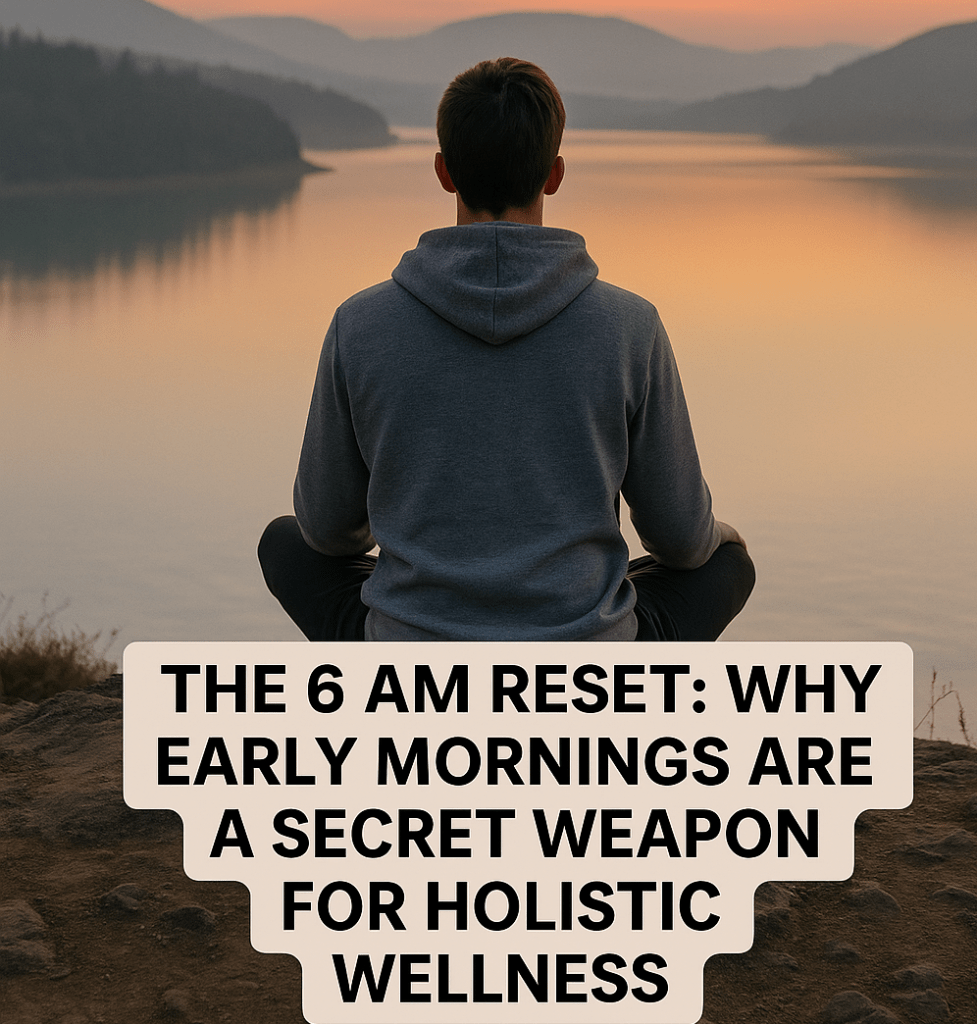
The 6 AM Reset: Why Early Mornings Are a Secret Weapon for Holistic Wellness

There’s a quiet magic to the world at 6 AM. The streets are still, the sky blushes with the first rays of light, and the world hasn’t started shouting at you yet. It’s in that silence that you can hear yourself again — your breath, your thoughts, your truth.

If you’re serious about living a holistic lifestyle, rewiring your day to begin earlier might be the missing link. It’s not just productivity hacks or discipline talk — waking up at 6 AM (or earlier) aligns your mind, body, and energy with natural rhythms that modern life has largely forgotten.

Let’s explore why the 6 AM reset is more than a morning — it’s a revolution in how you live.


🌞 1. Aligns You With the Circadian Rhythm

Waking up early naturally syncs your body with the earth’s cycle — something Ayurveda, Traditional Chinese Medicine, and even modern neuroscience agree on.
Your cortisol levels peak early in the morning, preparing your body to wake up and move. Ignoring this rhythm causes sluggishness, brain fog, and disrupted hormones.

Holistic Tip: Wake up with the sunlight, not your smartphone. Open a window, let the light in, and let your body feel nature’s clock again.


🧘‍♀️ 2. The Stillness is Sacred

Before the world starts demanding things from you, early mornings offer peace. This stillness is perfect for:

  • Meditation
  • Journaling
  • Gratitude practices
  • Mindful stretching or yoga

Your mind is most impressionable in the early morning. What you feed it — peace or panic — sets the tone for the entire day.


🫖 3. Morning Rituals Build Emotional Resilience

Having a 6 AM ritual grounds you. Whether it’s sipping warm lemon water, reading something inspiring, or doing breathwork — the consistency builds emotional security.

Why it works: Rituals reduce decision fatigue and activate the parasympathetic nervous system, keeping your mood more stable.

Bonus Practice: Try a simple Ayurvedic routine:

  • Wake up
  • Scrape tongue
  • Drink warm water
  • Lightly oil your skin (Abhyanga)
  • Move gently
  • Breathe deeply

🧠 4. Your Brain Loves Mornings

Research shows that your brain’s prefrontal cortex is most active in the early hours. That means:

  • Clearer thinking
  • Stronger willpower
  • More focus

For creatives, this is gold. For busy professionals, it’s uninterrupted flow. For parents, it’s your time before the house wakes up.


🥗 5. Better Choices Flow From Better Starts

When your morning is rushed, you’re in survival mode. When your morning is nourishing, your decisions all day improve.
You’re more likely to:

  • Eat cleaner
  • Say no to things that don’t serve you
  • Stay present
  • Avoid unnecessary conflict

The Science: Dopamine circuits respond positively to a sense of control and predictability, especially early in the day.


🛏️ 6. It Improves Sleep Quality

Ironically, waking up early helps you sleep better — but only when it’s done with consistency and intention.
Your body craves rhythm. Going to bed early and waking early reinforces melatonin production, improves sleep cycles, and reduces insomnia.

Sleep tip: Unwind without screens for 1 hour before bed. Journal or listen to calming music instead.


🧭 How to Start the 6 AM Reset (Even If You’re Not a Morning Person)

  1. Move Your Wake Time Back Gradually – 15 minutes earlier every 3 days.
  2. Create a Beautiful Reason to Wake Up – A new book, a walk, morning tea.
  3. Design a Simple Routine You Love – Keep it cozy, not complex.
  4. Stick to the Same Sleep-Wake Schedule (Even on Weekends!)
  5. Don’t Reach for Your Phone First Thing – Delay dopamine until after you’ve checked in with yourself.

✨ The 6 AM Shift Is a Lifestyle, Not a Rule

This isn’t about forcing yourself to rise early with shame. It’s about reclaiming the beginning of your day as yours. It’s sacred. It’s transformational.

Start slowly. Respect your current routine. But if you give it a few weeks, the benefits — clarity, creativity, calmness — will be impossible to ignore.


For more insights on building mindful routines and personal transformation, check out my book:
👉 The Mindful Executive
The Science of Emotional Resilience: How to Stay Strong in Difficult Times

The Science of Emotional Resilience: How to Strengthen Your Mind and Heart

Introduction

Life is unpredictable—challenges, setbacks, and stress are inevitable. But what separates those who thrive in adversity from those who struggle? The answer lies in emotional resilience—the ability to adapt, recover, and grow from challenges.

Emotional resilience isn’t something you’re just born with—it’s a skill you can build. Backed by psychology and neuroscience, resilience helps you handle stress, navigate emotions, and maintain inner balance. Let’s explore how to cultivate emotional strength for a more peaceful and fulfilling life.


1. What Is Emotional Resilience and Why Does It Matter?

Emotional resilience is the ability to stay strong and balanced in difficult situations.

🔬 The Science Behind Resilience:

  • Neuroplasticity: Your brain can rewire itself to handle stress better.
  • Cortisol Regulation: Resilient people recover faster from stress because their bodies manage cortisol more effectively.
  • Emotional Intelligence: Resilience is linked to higher self-awareness and better emotional regulation.

✔️ Benefits of Emotional Resilience:

  • Reduces stress, anxiety, and emotional burnout.
  • Improves problem-solving skills and adaptability.
  • Strengthens mental and emotional well-being.
  • Pro Tip: Resilience isn’t about avoiding emotions—it’s about processing them in a healthy way.

2. Build Self-Awareness: Understand Your Emotional Triggers

Resilient people are aware of their emotions and know how to navigate them mindfully.

✔️ How to Practice:

  • Pay attention to your emotional triggers—what situations stress you out the most?
  • Journal about your feelings instead of suppressing them.
  • Pause before reacting—observe your emotions without judgment.
  • Pro Tip: When feeling overwhelmed, ask yourself: “What is this emotion teaching me?”

3. Reframe Negative Thoughts: Train Your Brain for Positivity

Resilient people don’t deny problems—they shift perspective and focus on solutions.

✔️ How to Practice:

  • Catch negative thoughts and ask, “Is this thought helping me?”
  • Reframe setbacks as learning experiences (e.g., “This challenge is helping me grow”).
  • Practice self-compassion—speak to yourself like you would a friend.
  • Pro Tip: Try gratitude journaling—shifting focus to what’s going well strengthens resilience.

4. Strengthen Emotional Regulation with Breathwork & Mindfulness

Calming your nervous system helps you respond instead of react.

✔️ How to Practice:

  • Use the 4-7-8 breathing technique when stressed (Inhale 4 sec, hold 7 sec, exhale 8 sec).
  • Meditate for 5-10 minutes daily to improve emotional awareness.
  • Engage in grounding exercises (e.g., feel your feet on the ground, take deep breaths).
  • Pro Tip: Practicing mindfulness daily strengthens emotional resilience over time.

5. Develop a Strong Support System

Resilience doesn’t mean handling everything alone—it’s about knowing when to seek support.

✔️ How to Practice:

  • Surround yourself with positive, uplifting people.
  • Open up to someone you trust instead of bottling up emotions.
  • Set boundaries with people who drain your energy.
  • Pro Tip: Strong relationships boost resilience and happiness. Invest in them!

6. Build Healthy Coping Mechanisms

Instead of unhealthy coping (like overworking or emotional eating), adopt positive stress-management habits.

✔️ How to Practice:

  • Move your body—exercise releases mood-boosting chemicals.
  • Engage in creative activities like journaling, painting, or playing music.
  • Spend time in nature—outdoor time reduces stress hormones.
  • Pro Tip: Resilient people prioritize self-care instead of waiting for burnout.

7. Find Meaning and Purpose

Resilience is easier when you have a strong sense of purpose.

✔️ How to Practice:

  • Identify your core values—what truly matters to you?
  • Set meaningful goals that align with your passions.
  • Engage in activities that give you a sense of fulfillment (volunteering, learning, personal growth).
  • Pro Tip: Purpose fuels resilience, motivation, and inner strength.

Conclusion

Emotional resilience isn’t about avoiding struggles—it’s about handling them with strength and grace. By practicing self-awareness, mindfulness, healthy coping strategies, and positive relationships, you can train your mind to bounce back faster from challenges.

Start small—choose one resilience-building habit today, and see how it transforms your emotional well-being!


For more mindfulness insights, check out my book, The Mindful Executive: https://www.amazon.com/dp/B0D75YJCLW.

How Weekly Reflection Can Enhance Your Well-Being

Life moves quickly, and it’s easy to lose sight of your goals, emotions, and progress amidst the daily hustle. Incorporating a weekly reflection ritual can be a game-changer, offering clarity, focus, and personal growth. Reflection allows you to reconnect with yourself, assess your week, and set intentions for the days ahead. Let’s explore how this simple practice can transform your life and provide you with actionable steps to start your journey of self-discovery and balance.


1. Why Reflection Matters

Reflection helps you gain insight into your actions, emotions, and habits. It creates a bridge between your current self and your aspirations.

  • Key Benefits:
    • Enhances self-awareness
    • Improves decision-making
    • Boosts emotional resilience
  • Pro Tip: Think of reflection as a way to “reset” your week with purpose and intention.

2. Designate a Weekly Check-In Time

Consistency is key to building a reflection habit. Choose a time that feels relaxed and uninterrupted.

  • How to Practice:
    • Schedule 30 minutes to an hour each week—Sunday evenings or Friday afternoons are popular choices.
    • Set up a quiet, comfortable space for reflection.
  • Pro Tip: Use calming aids like candles or soft music to create a soothing atmosphere.

3. Use Guided Questions to Structure Your Reflection

Thoughtful questions help you dive deeper into your experiences and emotions.

  • Example Prompts:
    • What were my biggest wins this week?
    • What challenges did I face, and how did I handle them?
    • How did I care for my physical, mental, and emotional health?
    • What am I grateful for this week?
    • What can I improve on next week?
  • Pro Tip: Keep a list of prompts handy to rotate for variety.

4. Reflect on Your Goals and Progress

Weekly check-ins are an opportunity to assess your progress toward short- and long-term goals.

  • How to Practice:
    • Review your goals and note any steps you’ve taken.
    • Adjust your plans if needed to stay aligned with your priorities.
  • Pro Tip: Celebrate small wins to stay motivated and encouraged.

5. Acknowledge and Process Your Emotions

Ignoring emotions can lead to burnout and stress. Use your reflection time to process feelings and reset your emotional state.

  • How to Practice:
    • Identify emotions you experienced during the week—both positive and negative.
    • Ask yourself, “What triggered these feelings, and how did I respond?”
  • Pro Tip: Journaling your emotions can help you uncover patterns and insights.

6. Practice Gratitude During Reflection

Gratitude shifts your perspective from what’s lacking to what’s abundant, fostering a sense of contentment.

  • How to Practice:
    • Write down 3-5 things you’re grateful for each week.
    • Reflect on how these moments brought joy or meaning to your life.
  • Pro Tip: Share your gratitude with someone close to strengthen your connection.

7. Set Intentions for the Upcoming Week

Reflection isn’t just about looking back—it’s also about preparing for what’s ahead.

  • How to Practice:
    • Identify 1-3 priorities or intentions for the coming week.
    • Be specific and actionable (e.g., “I will meditate for 10 minutes each morning”).
  • Pro Tip: Write your intentions somewhere visible to stay focused.

8. Incorporate Mindfulness into Your Reflection

Being fully present during your check-in helps you connect with your thoughts and feelings more deeply.

  • How to Practice:
    • Begin your reflection with a brief meditation or deep breathing exercise.
    • Focus on the present moment without judgment.
  • Pro Tip: Use a mindfulness app like Calm or Insight Timer for guided support.

9. Track Your Reflections for Growth

Keeping a record of your reflections helps you notice patterns and track your personal growth over time.

  • How to Practice:
    • Use a journal, app, or template to document your weekly check-ins.
    • Review past entries periodically to see how far you’ve come.
  • Pro Tip: Highlight significant milestones or breakthroughs in your entries.

10. Create a Closing Ritual

Ending your reflection with a ritual helps you transition into the next phase of your week with clarity and purpose.

  • How to Practice:
    • Light a candle, recite a mantra, or engage in a symbolic act like closing your journal.
    • Visualize the week ahead and how you want to feel.
  • Pro Tip: Choose a ritual that feels meaningful and aligns with your values.

Conclusion

Weekly reflections are a powerful tool for self-discovery, growth, and balance. By carving out time to pause, assess, and realign, you can approach each week with greater clarity and intention. Start small, stay consistent, and watch as this practice transforms your mindset, habits, and overall well-being.


For more insights on mindfulness and personal growth, check out my book, The Mindful Executive: https://www.amazon.com/dp/B0D75YJCLW.

12 Holistic Practices for Emotional Balance

In our fast-paced world, emotional balance can often feel elusive. Stress, overwhelming responsibilities, and external challenges can disrupt our inner harmony, leaving us feeling disconnected and drained. However, holistic practices can help restore emotional balance by addressing the mind, body, and spirit as interconnected parts of a whole. This guide explores powerful tools and techniques to cultivate emotional resilience, self-awareness, and peace.


1. Practice Daily Mindfulness

Mindfulness anchors you in the present moment, reducing emotional overwhelm and fostering clarity.

  • How to Practice:
    • Dedicate 5-10 minutes each day to a mindfulness meditation or breathwork session.
    • Use grounding techniques like focusing on your five senses.
  • Pro Tip: Set a daily reminder to pause and take three deep breaths during stressful moments.

2. Journal for Emotional Release

Writing helps you process emotions, identify patterns, and release pent-up feelings.

  • How to Practice:
    • Start a daily journaling habit, writing about your thoughts, feelings, or gratitude.
    • Use prompts like, “What’s weighing on my mind today?” or “What made me happy this week?”
  • Pro Tip: Don’t overthink or judge your writing—let it flow naturally.

3. Cultivate Emotional Awareness

Understanding your emotions is key to managing them effectively. Awareness helps you respond rather than react.

  • How to Practice:
    • Check in with yourself several times a day. Ask, “What am I feeling right now?”
    • Label your emotions without judgment (e.g., “I feel frustrated”).
  • Pro Tip: Use an emotions wheel to explore deeper layers of your feelings.

4. Explore Breathwork for Emotional Reset

Controlled breathing techniques calm your nervous system and help you regain composure during emotional highs and lows.

  • How to Practice:
    • Try box breathing: Inhale for 4 counts, hold for 4, exhale for 4, and hold for 4.
    • Use this technique when feeling anxious, angry, or overwhelmed.
  • Pro Tip: Pair breathwork with calming music or aromatherapy for deeper relaxation.

5. Build a Gratitude Practice

Gratitude shifts your focus from what’s lacking to what’s abundant, fostering positive emotions.

  • How to Practice:
    • Write down three things you’re grateful for each day, no matter how small.
    • Reflect on why these things bring you joy or fulfillment.
  • Pro Tip: Share your gratitude with others to strengthen emotional connections.

6. Incorporate Gentle Movement

Movement helps release tension stored in the body and promotes emotional well-being.

  • How to Practice:
    • Engage in activities like yoga, tai chi, or a mindful walk.
    • Focus on the sensations in your body as you move, bringing awareness to the present moment.
  • Pro Tip: Start with just 10 minutes of movement to ease into the practice.

7. Practice Self-Compassion

Treating yourself with kindness and understanding can help you navigate difficult emotions with grace.

  • How to Practice:
    • When self-critical thoughts arise, ask yourself, “How would I speak to a friend in this situation?”
    • Use affirmations like, “I am worthy of love and kindness.”
  • Pro Tip: Practice a self-compassion break: Pause, acknowledge your struggle, and offer yourself words of encouragement.

8. Set Healthy Emotional Boundaries

Boundaries protect your energy and prevent emotional burnout.

  • How to Practice:
    • Clearly communicate your limits in a respectful way (e.g., “I need some time to recharge”).
    • Learn to say no to commitments that don’t align with your priorities.
  • Pro Tip: Reflect on situations where you feel drained and identify where boundaries might help.

9. Use Visualization for Emotional Resilience

Visualization helps you create a mental image of calm, strength, and balance, which can positively influence your emotions.

  • How to Practice:
    • Imagine a safe, peaceful place whenever you feel stressed, and focus on the sights, sounds, and feelings of that space.
    • Visualize yourself handling challenges with confidence and grace.
  • Pro Tip: Pair visualization with guided meditations for enhanced impact.

10. Engage in Creative Expression

Creativity allows you to channel emotions into a positive outlet, helping you process feelings and find joy.

  • How to Practice:
    • Experiment with painting, writing, music, or crafting to express your emotions.
    • Focus on the process, not the outcome.
  • Pro Tip: Keep a small notebook or sketchpad handy to capture moments of inspiration.

11. Create a Supportive Environment

Your surroundings influence your emotions. A calm, organized, and uplifting space can help you feel balanced.

  • How to Practice:
    • Declutter your space and incorporate calming elements like plants, soft lighting, or soothing scents.
    • Designate a corner for mindfulness practices, like meditation or journaling.
  • Pro Tip: Use calming colors, like blues or greens, to enhance the tranquility of your space.

12. Seek Support When Needed

Emotional balance doesn’t mean handling everything alone. Seeking help is a sign of strength.

  • How to Practice:
    • Reach out to a trusted friend, family member, or therapist to share your feelings.
    • Join a support group for connection and understanding.
  • Pro Tip: Schedule regular check-ins with loved ones to nurture emotional bonds.

Conclusion

Emotional balance is a journey, not a destination. By integrating these holistic practices into your daily life, you can cultivate resilience, self-awareness, and harmony. Remember, small, consistent efforts can lead to profound changes. Start with one or two practices that resonate with you and build from there. Your inner peace is worth the effort.


For more insights on creating balance and mindfulness in your life, check out my book, The Mindful Executive: https://www.amazon.com/dp/B0D75YJCLW.

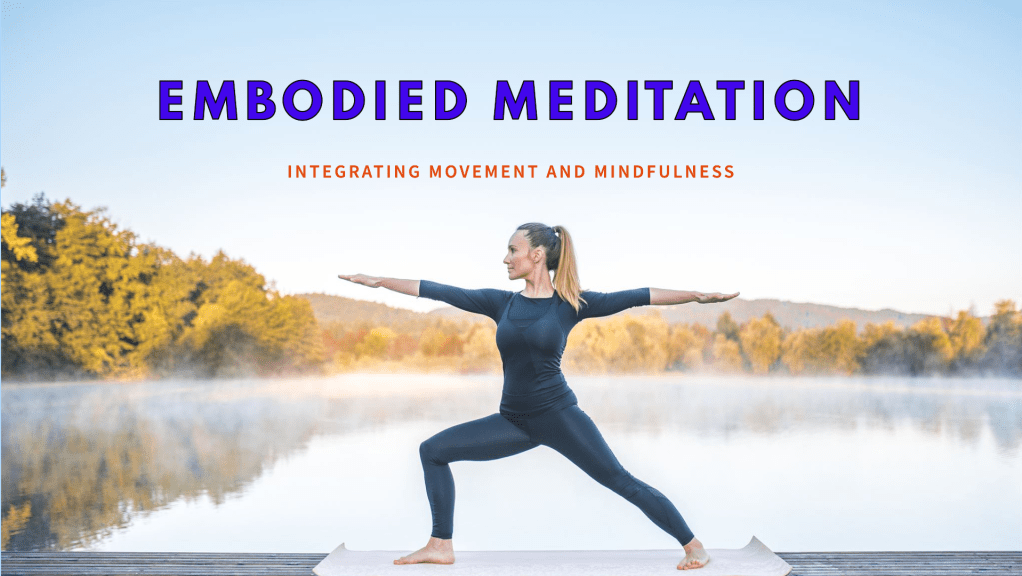
Embodied Meditation: Integrating Movement and Mindfulness for a Deeper Connection to Your Body

In the fast-paced world we live in, finding ways to connect deeply with our bodies and minds has become more essential than ever. Embodied meditation offers a unique approach that bridges the gap between traditional meditation practices and physical movement, allowing us to achieve a profound sense of mindfulness and holistic well-being.

The Concept of Embodied Meditation

Embodied meditation is not just about sitting still and focusing on your breath. It’s about becoming fully present in your body through mindful movement. Whether it’s through yoga, Tai Chi, or simple stretching exercises, embodied meditation encourages you to feel every sensation, notice every tension, and release every stressor held in your body. This practice is rooted in the understanding that our physical body holds emotions, memories, and stress, and by engaging in mindful movement, we can begin to release these stored energies and create a more harmonious state of being.

For example, in yoga, the focus is not only on the physical postures but also on the breath and the flow of energy within the body. Each movement is an opportunity to connect deeper with oneself, to understand the body’s needs, and to cultivate a sense of inner peace. The same principle applies to other forms of embodied meditation, such as Qi Gong, which integrates slow, deliberate movements with breath control and mental focus to promote healing and balance within the body.

Benefits of Embodied Meditation

  1. Enhanced Body Awareness
    • Embodied meditation helps you develop a deeper connection with your body, making you more aware of its signals. This heightened awareness can lead to better posture, reduced pain, and an overall improvement in physical health. As you move, you become more attuned to how your body feels, which can help in identifying areas of tension or discomfort that you may not have noticed otherwise.
  2. Reduction of Stress and Anxiety
    • By focusing on the physical sensations in your body, embodied meditation can help calm the mind and reduce stress. The physical act of moving with intention allows you to release pent-up energy and emotions, which can be particularly effective in managing anxiety and improving mental clarity. For instance, studies have shown that practices like Tai Chi and yoga can significantly reduce levels of cortisol, the stress hormone, in the body.
  3. Improved Emotional Resilience
    • Movement combined with mindfulness helps in processing emotions more effectively. When you engage in embodied meditation, you are not just moving your body; you are also moving through your emotions, allowing them to flow and release naturally. This can lead to greater emotional resilience, as you become better equipped to handle life’s challenges with a calm and centered mindset.
  4. Increased Focus and Mental Clarity
    • Engaging both the mind and body in meditation enhances cognitive function. When you practice embodied meditation, the mind is less likely to wander because it is actively engaged in coordinating movement and breath. This dual focus helps improve concentration, memory, and overall mental sharpness. According to a study published in the journal Frontiers in Psychology, regular practice of mindful movement can lead to significant improvements in attention and cognitive function.
  5. Holistic Health and Well-being
    • Embodied meditation is a holistic practice that benefits not just the mind, but the entire body. By integrating movement into your meditation practice, you are promoting circulation, flexibility, and strength, all of which contribute to overall health and longevity. Moreover, the mindful aspect of this practice ensures that you are not just going through the motions, but truly connecting with your body on a deeper level.

Practical Tips for Embodied Meditation

  1. Start with Simple Movements: Begin with movements you are comfortable with, such as gentle stretching or walking. The key is to focus on the sensations in your body as you move. Notice how your muscles feel, how your breath flows, and how your body responds to each movement.
  2. Incorporate Breath Awareness: Sync your movements with your breath. For example, as you stretch, inhale deeply to expand your body and exhale slowly to release tension. This not only enhances the meditative experience but also helps in regulating your nervous system.
  3. Be Present in Every Moment: It’s easy for the mind to wander, even during movement. If you find yourself lost in thought, gently bring your focus back to your body and the present moment. The more you practice, the easier it will become to stay grounded in your body.
  4. Use Guided Practices: If you’re new to embodied meditation, consider following a guided practice. There are numerous resources available online, such as guided yoga sessions or Tai Chi tutorials, that can help you get started.
  5. Reflect Post-Practice: After your session, take a few minutes to sit quietly and reflect on your experience. Notice any changes in your body, mind, or emotions. Journaling about your practice can also help deepen your awareness and track your progress over time.

Conclusion

Embodied meditation offers a unique path to mindfulness that incorporates the wisdom of the body into the meditative process. By combining movement with mindful awareness, you can deepen your connection to yourself, reduce stress, and enhance your overall well-being. Whether you’re looking to improve your mental clarity, emotional resilience, or physical health, embodied meditation is a powerful practice that can support your holistic journey.

Call to Action

Begin your journey with embodied meditation today and discover the profound benefits of integrating movement with mindfulness. Visit Holistic Wellness Guide for more insights and resources on how to incorporate this practice into your daily life.

#EmbodiedMeditation #Mindfulness #HolisticHealth #MindBodyConnection #StressRelief #Yoga #TaiChi #WellnessJourney #EmotionalResilience #HolisticWellness