
The Lost Art of Doing Nothing: Why Rest Isn’t a Luxury, It’s Survival

ChatGPT said:

Alright Ashish, let’s dive right into the next one. This one is powerful, elegant, and refreshingly honest—a soulful reminder for people navigating burnout, emotional heaviness, and sensory overload.


Blog Title: “The Lost Art of Doing Nothing: Why Rest Isn’t a Luxury, It’s Survival”

Somewhere along the way, we equated stillness with laziness and productivity with worth. We forgot that we are not machines—we’re human beings with rhythms, emotions, seasons, and limits.

In the noise of modern life, we are overstimulated but undernourished. Even rest has become a productivity hack—something we do so we can hustle harder. But rest, in its true form, isn’t a reward for burnout. It’s the foundation of resilience.

Doing nothing isn’t indulgent. It’s sacred.


1. The Biological Need for True Rest

Let’s be clear—scrolling isn’t resting. Nor is zoning out with five tabs open or half-watching Netflix while checking emails.

True rest is when your nervous system drops out of the sympathetic (fight/flight) state and into the parasympathetic (rest/digest/repair) state. That’s where healing happens.

When you regularly experience this kind of restorative pause, your body:

  • Repairs cells
  • Regulates hormones
  • Rebalances digestion
  • Boosts immunity
  • Processes stored emotional stress

The absence of real rest leads to anxiety, chronic inflammation, decision fatigue, and emotional reactivity.


2. Doing Nothing Is an Active Practice

Doing nothing isn’t easy. It’s a practice. Especially in a world that rewards doing.

Try this:

  • Sit on your couch without your phone.
  • Watch the clouds.
  • Stare at the ceiling.
  • Let your mind wander.
  • Let boredom arrive.

Notice the discomfort. Then notice the spaciousness that follows.

Doing nothing is not passive—it’s an act of nervous system repair. It’s where integration happens. When your body and brain catch up with everything you’ve pushed aside.


3. Rest Is Rebellion in a Hyperproductive World

Capitalism doesn’t value your rest. It measures your worth in output. But here’s the truth:

You are not your inbox.
You are not your goals.
You are not your to-do list.

You are a living being that needs recovery. Choosing to rest—deeply and unapologetically—is a form of rebellion.

It says:
🌿 “I am enough as I am.”
🌿 “My being matters more than my doing.”
🌿 “I don’t have to earn rest—I was born worthy of it.”


4. Practical Ways to Practice ‘Doing Nothing’

🛋 The 20-Minute Melt:
Lie down with a pillow under your knees. No phone. No music. Let gravity hold you. Let your breath return.

🌥 Cloud Watching:
Lie in the grass or by a window. Watch clouds float. Your nervous system loves this slow motion.

🌊 Sensory Reset:
Turn off all noise. Close your eyes. Feel the texture of your clothes. Feel the air on your skin. Let your senses defrost.

📴 Intentional Unplug:
Pick one hour this week. No tech. No stimulation. Just presence. Let your brain exhale.

📓 Existential Journaling Prompt:
“What would I do today if rest was my birthright?”
Answer slowly. You may surprise yourself.


5. The Emotional Healing Hidden in Stillness

We stay busy to avoid pain. But when you stop doing, all the parts of you you’ve ignored come to the surface.

Stillness is when grief visits. Joy too. Memories. Desires. Unmet needs.

Doing nothing gives your heart space to speak. Your intuition space to be heard. Your nervous system a chance to soften.

“Rest is not a break from life. It is life. It is where life restores itself.”


There’s no badge for burning out. No prize for being the most exhausted.

What if you made rest a ritual? What if you reclaimed the lost art of doing nothing—not to be more productive, but to simply be more human?

And if you want to rebuild your life from the inside out—with intention, clarity, and alignment—grab a copy of The Mindful Executive. It’s not a book about doing more. It’s about being better: https://www.amazon.com/dp/B0D75YJCLW
The Mind-Body Connection: How Your Thoughts Directly Impact Your Physical Health

The ancient wisdom “as above, so below” takes on profound meaning when we explore the intricate relationship between our mental and physical states. The mind-body connection isn’t just a philosophical concept—it’s a scientifically proven reality that can transform how we approach health and healing.

Understanding the Science Behind Mind-Body Medicine

Your thoughts, emotions, and beliefs create measurable changes in your body’s chemistry. When you experience stress, anxiety, or negative emotions, your brain releases cortisol and adrenaline, triggering inflammation and compromising your immune system. Conversely, positive thoughts and emotions flood your system with beneficial hormones like serotonin, dopamine, and oxytocin, promoting healing and vitality.

Research from Harvard Medical School demonstrates that chronic stress can literally rewire your brain, affecting memory, decision-making, and emotional regulation. Meanwhile, practices like meditation and mindfulness create positive neuroplasticity, strengthening neural pathways associated with calm, focus, and resilience.

The Physical Manifestations of Mental States

Your body serves as a mirror for your inner world. Persistent worry often manifests as digestive issues, tension headaches, or insomnia. Suppressed anger may appear as inflammation, autoimmune conditions, or chronic pain. Fear and anxiety frequently show up as respiratory problems, heart palpitations, or muscle tension.

This isn’t to suggest that all physical ailments stem from mental causes, but rather to recognize the powerful influence our psychological state has on our physical well-being. Traditional Chinese Medicine and Ayurveda have understood this connection for millennia, treating the person as a whole rather than isolated symptoms.

Practical Ways to Harness Your Mind-Body Connection

Daily Mindfulness Practice Begin each day with five minutes of conscious breathing. This simple practice activates your parasympathetic nervous system, reducing stress hormones and promoting healing. Focus on deep, slow breaths, allowing your belly to expand with each inhale.

Emotional Awareness and Processing Create space to acknowledge and process your emotions rather than suppressing them. Journaling, meditation, or speaking with a trusted friend can prevent emotional energy from becoming trapped in your physical body.

Positive Visualization Spend time each day visualizing your body in perfect health. See your immune system strong and vibrant, your organs functioning optimally, and your energy flowing freely. Your subconscious mind doesn’t distinguish between vividly imagined experiences and reality, making visualization a powerful healing tool.

Gratitude Practice Cultivate genuine appreciation for your body and its incredible capabilities. Thank your heart for beating, your lungs for breathing, and your immune system for protecting you. This practice shifts your energy from criticism to celebration, promoting healing at the cellular level.

Movement as Medicine Choose physical activities that bring you joy rather than punishment. Whether it’s dancing, walking in nature, or gentle yoga, movement that feels good creates positive associations in your nervous system, enhancing both mental and physical well-being.

The Role of Belief in Healing

Your beliefs about your health significantly impact your healing capacity. The placebo effect demonstrates that believing in recovery can trigger real physiological changes, even without active treatment. Conversely, nocebo effects show how negative expectations can worsen symptoms or create new ones.

Examine your health beliefs honestly. Do you see your body as fragile or resilient? Do you believe in your capacity to heal, or do you feel powerless over your health? Shifting limiting beliefs to empowering ones can dramatically accelerate your healing journey.

Creating a Holistic Healing Environment

Your external environment influences your internal state. Surround yourself with beauty, whether through plants, art, music, or natural light. These elements signal safety to your nervous system, promoting relaxation and healing.

Equally important is your social environment. Supportive relationships boost immune function, while toxic relationships create chronic stress. Prioritize connections that nourish your soul and set boundaries with those that drain your energy.

Integrating Mind-Body Practices into Daily Life

Start small and build consistency. Choose one practice that resonates with you—perhaps morning meditation, evening gratitude, or midday breathing exercises. As this becomes habit, gradually add other elements.

Remember that healing isn’t linear. Your body may need time to release old patterns and integrate new ones. Be patient and compassionate with yourself throughout this process.

The Future of Holistic Health

As conventional medicine increasingly recognizes the mind-body connection, we’re seeing exciting developments in integrative care. Hospitals now offer meditation programs, doctors prescribe nature therapy, and research validates ancient healing practices.

This shift represents a return to treating humans as complete beings rather than collections of symptoms. By embracing the mind-body connection in your own life, you become part of this healing revolution.

Your thoughts are powerful medicine. Use them wisely, and watch as your entire being transforms from the inside out. The journey to optimal health begins not just with what you put in your body, but with what you allow in your mind.


For deeper insights into transforming your relationship with health and wellness through mindful practices, explore “The Path to Wellness: A Journey of Self-Discovery and Healing” – a comprehensive guide to creating lasting change in your well-being journey.

Mastering the Art of Letting Go for Inner Peace

Holding onto stress, negativity, and emotional baggage can feel like carrying a heavy weight. Whether it’s past failures, difficult relationships, or everyday worries, letting go is essential for inner peace and well-being.

But letting go isn’t about ignoring problems—it’s about freeing yourself from emotional burdens that no longer serve you. It’s a skill that, when practiced regularly, can lead to more clarity, joy, and a lighter heart.

Let’s explore the art of letting go, how it benefits you, and practical ways to release stress and negative energy.


1. Understand Why Holding On Causes Stress

Emotions are energy in motion, and when we hold onto negative experiences, they stay stuck in our mind and body.

🔬 The Science Behind Letting Go:

  • Chronic stress weakens immunity and increases inflammation.
  • Rumination (overthinking) is linked to anxiety and depression.
  • Emotional suppression creates tension in the body, leading to physical discomfort.

✔️ Letting go isn’t about forgetting—it’s about making peace with the past.

  • Pro Tip: The longer you hold onto stress, the more it impacts your health—release it before it becomes a habit.

2. Release Emotional Baggage with Journaling

Writing your emotions onto paper helps you process and release them.

✔️ How to Practice:

  • Free-write your thoughts without judgment.
  • Write a letter to yourself or someone you need to forgive, then tear it up.
  • Keep a worry journal—list your worries, then release them mentally.
  • Pro Tip: Journaling for just 5 minutes a day can reduce anxiety and improve emotional clarity.

3. Practice Deep Breathing to Release Stress

Your breath controls your nervous system—breathing deeply signals safety and calm.

✔️ How to Practice:

  • Try the 4-7-8 breathing method: Inhale for 4 sec, hold for 7 sec, exhale for 8 sec.
  • Take long exhales—they activate the body’s relaxation response.
  • Pair breathwork with music or essential oils for extra relaxation.
  • Pro Tip: Exhaling deeply = physically releasing stress from the body.

4. Let Go of Perfectionism & Control

Holding onto the need to control everything leads to frustration and anxiety.

✔️ How to Practice:

  • Accept that some things are outside your control.
  • Replace “I have to do this perfectly” with “I will do my best, and that is enough.”
  • Allow space for mistakes—they’re part of growth.
  • Pro Tip: Control what you can (your reactions) and let go of what you can’t (external circumstances).

5. Physically Release Negative Energy

Emotions don’t just stay in your mind—they get stored in the body.

✔️ How to Practice:

  • Shake out tension by moving your body (yoga, stretching, walking).
  • Try dancing to uplifting music to shift your mood.
  • Take a cold shower to refresh your energy.
  • Pro Tip: Even five minutes of movement helps reset your nervous system.

6. Set Healthy Boundaries & Let Go of Toxicity

You don’t have to carry other people’s negativity.

✔️ How to Practice:

  • Limit time with people who drain your energy.
  • Say no to things that don’t align with your well-being.
  • Protect your peace by choosing where you invest your energy.
  • Pro Tip: Letting go of toxic energy creates space for peace and joy.

7. Use Affirmations to Rewire Your Mindset

Words are powerful tools for shifting thoughts.

✔️ How to Practice:

  • Repeat: “I let go of what no longer serves me.”
  • Say: “I am at peace with my past.”
  • Write: “I release stress and welcome calm.”
  • Pro Tip: Affirmations work best when spoken with deep emotion and belief.

8. Find Joy in the Present Moment

Letting go is easier when you focus on the now, not the past or future.

✔️ How to Practice:

  • Practice mindfulness—fully experience small moments (e.g., sipping tea, feeling the breeze).
  • Engage in hobbies that bring you joy.
  • Meditate for even two minutes a day to center yourself.
  • Pro Tip: Joy is in the present moment—don’t let stress take it away.

Conclusion

Letting go doesn’t mean ignoring problems—it means choosing peace over stress, acceptance over control, and joy over resentment. By using simple practices like journaling, breathwork, movement, and affirmations, you can release negative energy and welcome more calm, balance, and happiness into your life.

What’s one thing you’re ready to let go of today? Start now and feel the freedom!


For more mindfulness insights, check out my book, The Mindful Executive: https://www.amazon.com/dp/B0D75YJCLW.

Unlocking Success with Visualization Techniques

Visualization is more than just daydreaming—it’s a powerful mental tool backed by science that can help you manifest your goals, reduce stress, and enhance overall well-being. Athletes, entrepreneurs, and even neuroscientists use visualization to rewire the brain for success and healing. Whether you want to improve focus, achieve personal growth, or cultivate inner peace, visualization can help you shape your reality.

Let’s explore the science behind visualization, its benefits, and practical ways to integrate it into your daily life.


1. The Science Behind Visualization

Your brain doesn’t distinguish between a vividly imagined experience and reality. This is known as neuroplasticity, the brain’s ability to rewire itself based on thoughts and experiences.

🔬 How It Works:

  • When you visualize an action, the brain activates the same neural pathways as if you were actually performing the action.
  • Studies show that mental rehearsal improves performance in sports, learning, and goal achievement.
  • Visualization influences the reticular activating system (RAS), the part of your brain that filters information and helps you focus on what’s important.
  • Pro Tip: Visualizing success before taking action increases confidence and motivation.

2. The Benefits of Visualization

✔️ Boosts Motivation & Confidence – Seeing success in your mind makes it feel attainable.
✔️ Enhances Performance – Used by top athletes to improve skills.
✔️ Reduces Stress & Anxiety – Activates relaxation responses in the brain.
✔️ Supports Healing – Studies show visualization can improve recovery rates.
✔️ Increases Focus & Goal Achievement – Keeps your subconscious mind aligned with your desires.

  • Pro Tip: Adding emotion to your visualizations enhances their effectiveness.

3. 5 Effective Visualization Techniques to Try

💭 1. Guided Visualization (Best for Beginners & Relaxation)

  • How to Practice:
    • Close your eyes and listen to a guided meditation that walks you through a mental journey.
    • Focus on vivid details—colors, sounds, sensations.
  • Best Time to Use: Before bed or during meditation.

🎯 2. Future Self Visualization (Best for Goal Setting & Manifestation)

  • How to Practice:
    • Picture yourself one year from now, achieving your biggest goal.
    • Feel the emotions of success—joy, pride, excitement.
  • Best Time to Use: Morning routine or before making important decisions.

🏆 3. Mental Rehearsal (Best for Performance & Skill Improvement)

  • How to Practice:
    • Visualize yourself performing an action perfectly (e.g., giving a speech, playing an instrument).
    • Imagine each step in detail, as if it’s happening in real time.
  • Best Time to Use: Before an event or when learning a new skill.

🌿 4. Healing Visualization (Best for Stress & Health Issues)

  • How to Practice:
    • Imagine healing energy flowing through your body.
    • Focus on areas of pain or tension, visualizing restoration and well-being.
  • Best Time to Use: Before sleep or during relaxation sessions.

🌟 5. Creative Visualization (Best for Inspiration & Problem-Solving)

  • How to Practice:
    • Close your eyes and let your mind create vivid mental images related to your project or idea.
    • Don’t judge—just observe what arises.
  • Best Time to Use: When brainstorming or facing creative blocks.
  • Pro Tip: Use a vision board with pictures and affirmations to enhance visualization power.

4. How to Incorporate Visualization Into Your Daily Routine

☀️ Morning: Start your day by visualizing your goals or future self.
💼 Before Work: Use mental rehearsal before an important meeting or task.
🧘 Evening: Wind down with guided visualization for relaxation and healing.

  • Pro Tip: Combine visualization with breathwork or affirmations for maximum effect.

5. Common Mistakes & How to Fix Them

Not seeing results from visualization? Avoid these mistakes:

Being Too Vague – Be specific with clear, detailed imagery.
Not Engaging Emotions – The brain responds better to feelings.
Only Thinking, Not Acting – Visualization works best when paired with action.
Inconsistency – Practice daily for lasting changes.

  • Pro Tip: Set a 5-minute visualization practice each day for consistency.

Conclusion

Visualization is a science-backed way to program your mind for success, healing, and emotional well-being. Whether you’re manifesting goals, reducing stress, or improving performance, visualization can transform your reality—starting with just a few minutes a day.


For more mindfulness insights, check out my book, The Mindful Executive: https://www.amazon.com/dp/B0D75YJCLW.

10 Rituals for Deep Emotional Healing and Release

Emotional healing is an essential part of well-being, helping us process past pain, let go of negative patterns, and open ourselves up to growth. It’s a journey that involves recognizing, feeling, and releasing emotions in healthy ways. These 10 rituals can guide you toward deeper emotional healing, bringing more peace, self-acceptance, and emotional freedom into your life. Each practice supports you in moving through emotions mindfully, allowing you to release what no longer serves you.


1. Journaling for Emotional Clarity

Writing down your thoughts and feelings helps you make sense of complex emotions and release any negativity. Journaling allows you to express yourself freely and recognize patterns that may be holding you back.

  • How to Practice: Set aside 10-15 minutes daily to journal. Let your thoughts flow without judgment, focusing on whatever emotions are present.

2. Practice Mindful Meditation

Mindful meditation brings you into the present moment, helping you observe emotions without judgment. By sitting with your emotions in a non-reactive way, you cultivate a sense of peace and acceptance.

  • How to Practice: Dedicate 5-10 minutes to mindfulness meditation each day. Sit in a comfortable position, close your eyes, and focus on your breath. Notice any emotions that arise, allowing them to flow without pushing them away.

3. Release Through Breathwork

Breathwork is a powerful way to release pent-up emotions and clear mental clutter. Controlled breathing helps move stagnant energy and can bring a sense of calm and clarity.

  • How to Practice: Try a 4-7-8 breathing exercise to reduce anxiety: Inhale for 4 counts, hold for 7, and exhale for 8. Repeat 4-5 times to reset your emotional state.

4. Create a Gratitude Practice

Practicing gratitude helps shift your focus from negative emotions to positive experiences, promoting emotional resilience. It encourages you to focus on the good, which can be grounding during times of emotional upheaval.

  • How to Practice: Write down three things you’re grateful for each day. Reflect on moments of joy, support, or beauty that brought positivity to your day.

5. Let Go with Forgiveness Meditation

Holding onto resentment or anger can create emotional blockages. Practicing forgiveness, both toward yourself and others, releases these burdens and opens the path for healing.

  • How to Practice: Sit comfortably and visualize a person or situation you wish to forgive. Imagine sending love and understanding toward them, repeating, “I forgive you; I release this.” This practice can bring a deep sense of relief and freedom.

6. Use Visualization for Emotional Release

Visualization is a powerful tool for processing emotions. By creating mental imagery, you can bring a sense of closure and relief to unresolved feelings.

  • How to Practice: Visualize a peaceful scene, like a river, carrying away your worries or pain. Imagine yourself feeling lighter and more at peace with each breath.

7. Spend Time in Nature for Grounding

Nature has a grounding effect that can help release emotional tension. Spending time outdoors connects you with the earth, providing a sense of calm and balance.

  • How to Practice: Take a daily walk in nature, focusing on your surroundings. Observe the sights, sounds, and smells around you, letting them bring you back to the present moment.

8. Release Tension with Movement

Physical activity, especially gentle, flowing movements, helps release stored emotional tension. Practices like yoga, tai chi, or even dancing provide a physical outlet for emotional release.

  • How to Practice: Dedicate 10-15 minutes to gentle stretching, yoga, or free-flowing movement each day. Let your body move naturally to release any tension or pent-up emotions.

9. Sound Healing and Music Therapy

Music and sound healing can have a profound impact on emotions, helping to soothe, energize, or release feelings. Sound healing uses vibrations to bring harmony to the body, mind, and spirit.

  • How to Practice: Listen to calming music, sound baths, or even singing bowls. Allow the vibrations and sounds to resonate with your emotions, releasing tension and bringing balance.

10. Engage in Self-Compassion Exercises

Self-compassion is essential for emotional healing. Embracing yourself with kindness and understanding allows you to accept difficult emotions without judgment.

  • How to Practice: Speak to yourself with kindness when processing emotions. Practice affirmations like “I am worthy of love,” or “I am gentle with myself.” This practice nurtures self-acceptance and deepens emotional healing.

Conclusion

Emotional healing takes time and intentional practice, but these rituals can provide a nurturing space for processing and releasing difficult emotions. By integrating one or more of these practices into your daily routine, you can cultivate emotional resilience and find inner peace. Remember, healing is a journey, and each small step you take brings you closer to greater self-acceptance and emotional freedom.


For more insights on emotional well-being, check out my book, The Mindful Executive: https://www.amazon.com/dp/B0D75YJCLW.

Tuning the Body’s Frequencies: How Sound Healing Can Restore Balance

In recent years, there has been a resurgence in the use of ancient healing practices, and one that is gaining particular attention is sound healing. Sound has long been recognized as a tool for relaxation and emotional well-being, but it’s much more than that. Sound healing uses specific frequencies to influence the energy fields in the body, promoting physical, emotional, and mental balance. In a world filled with stress, this natural and holistic approach offers a simple yet powerful way to restore harmony in the body and mind.

The Science Behind Sound Healing

Sound healing isn’t just spiritual or metaphysical—it has scientific backing. Everything in the universe vibrates at a specific frequency, including our bodies. When we experience illness, stress, or emotional imbalances, our body’s frequencies can become misaligned. By using specific sounds and vibrations, sound healing helps to re-tune the body to its optimal frequency, much like tuning a musical instrument.

Different sound frequencies affect different parts of the body. For instance:

  • 432 Hz is known for its calming effects, promoting relaxation and harmony.
  • 528 Hz is often called the “miracle tone” and is believed to repair DNA and promote healing.
  • 963 Hz is associated with spiritual connection and awakening.

Types of Sound Healing

There are various types of sound healing, each offering unique benefits. Let’s explore some of the most popular methods:

  1. Tibetan Singing Bowls
    These metal bowls produce harmonic sounds when struck or circled with a mallet. The vibrations from the bowl are believed to penetrate the body, helping to release tension and stress. Tibetan bowls are often used in meditation or during energy healing sessions to align the body’s chakras.
    • Tip: Use a singing bowl at the beginning or end of your meditation practice to enhance focus and relaxation.
  2. Crystal Singing Bowls
    Made from quartz crystal, these bowls produce a purer, more ethereal sound compared to their Tibetan counterparts. They are often associated with healing on a cellular level, as the quartz amplifies the sound’s vibrational frequency, promoting deeper healing.
    • Tip: Incorporate crystal singing bowls into your yoga or meditation practice to deepen your connection with your body.
  3. Binaural Beats
    Binaural beats are an auditory illusion created by playing slightly different frequencies in each ear. The brain perceives a third tone, known as a binaural beat, which can influence brainwave activity. This method is particularly effective in promoting relaxation, focus, and sleep.
    • Tip: Listen to binaural beats before bed to improve sleep quality or use them to enhance focus while working or studying.
  4. Gongs and Tuning Forks
    Gongs have been used for thousands of years in ceremonies and rituals, producing deep, reverberating sounds that are said to heal the body and mind. Tuning forks, on the other hand, are more targeted, used to tune specific areas of the body by applying vibration to acupuncture points or energy centers.
    • Tip: Try using a tuning fork on acupressure points to relieve tension or blockages in the body’s energy flow.

How Sound Healing Works

The mechanism behind sound healing lies in its ability to resonate with the body’s energy fields. When the body is exposed to harmonious sounds, it entrains or aligns its frequencies to match the healing tones. This process of entrainment helps to regulate brain waves, balance emotions, and improve overall health.

In addition to promoting relaxation, sound healing is believed to:

  • Reduce stress and anxiety
  • Improve concentration and focus
  • Relieve physical pain
  • Enhance creativity and intuition
  • Balance the body’s energy centers (chakras)

How to Incorporate Sound Healing into Your Wellness Routine

Integrating sound healing into your daily routine is easier than you might think. Here are a few practical ways to bring the power of sound into your life:

  1. Morning Sound Bath:
    Start your day with a short sound bath using a Tibetan or crystal singing bowl. This can set a positive tone for the day and align your energy.
  2. Guided Meditation with Binaural Beats:
    Listen to guided meditations that incorporate binaural beats to deepen your mindfulness practice. These frequencies can help you focus better, calm your mind, and reduce stress.
  3. Use Sound for Sleep:
    To enhance your sleep quality, play binaural beats or calming nature sounds (like rain or ocean waves) as you drift off. The right frequencies can help guide your brain into a state of deep relaxation.
  4. Healing with Gongs or Tuning Forks:
    If you have access to these instruments, use them during meditation or yoga practices. Alternatively, there are sound healing therapists who can offer more structured sound healing sessions.

The Future of Sound Healing

Sound healing is not just a trend; it’s a re-discovery of ancient knowledge that is now being supported by modern science. As more people seek out natural ways to heal, we can expect sound healing to become more prominent in wellness spaces. With further research, we might see sound therapy integrated into mainstream medical treatments, offering a complementary approach to conventional medicine.

Conclusion

Sound healing is a powerful tool that can restore balance in a chaotic world. Whether through Tibetan singing bowls, crystal bowls, binaural beats, or gongs, the vibrations from these healing sounds resonate deep within the body, helping to alleviate stress, anxiety, and physical discomfort. By incorporating sound healing into your wellness routine, you can attune your body’s frequencies to promote holistic well-being and harmony.


For more ways to enhance your wellness journey, check out my book, The Mindful Executive: https://www.amazon.com/dp/B0D75YJCLW.

The Power of Forgiveness: Letting Go and Moving Forward

Forgiveness is a powerful tool for healing and personal growth. It allows you to let go of past hurts, find peace, and move forward in life. Here’s a guide on how to embrace forgiveness and let go of negativity.

Understanding Forgiveness

Forgiveness is the conscious decision to release feelings of resentment or vengeance toward someone who has harmed you. It doesn’t mean forgetting or condoning the behavior, but rather freeing yourself from the emotional burden. Learn more about the benefits of forgiveness.

1. Acknowledge Your Feelings

Recognize the pain and hurt caused by the situation. Allow yourself to feel these emotions fully before attempting to let go. Explore ways to process emotions.

2. Reflect on the Impact

Consider how holding onto resentment affects your mental and physical health. Holding grudges can lead to stress, anxiety, and even physical ailments. Understand the impact of holding grudges.

3. Cultivate Empathy

Try to understand the perspective of the person who hurt you. Empathy doesn’t excuse their actions but can help you see the situation differently and facilitate forgiveness. Learn about cultivating empathy.

4. Practice Self-Forgiveness

Forgive yourself for any mistakes or regrets you may have. Self-forgiveness is crucial for personal growth and moving forward without guilt. Discover the steps to self-forgiveness.

5. Let Go of Expectations

Release the expectation of an apology or acknowledgment from the other person. Focus on your healing process rather than waiting for external validation. Find out how to let go of expectations.

6. Engage in Mindfulness and Meditation

Mindfulness and meditation can help you stay present and manage negative emotions. These practices encourage a non-judgmental approach to your thoughts and feelings. Explore mindfulness practices.

7. Seek Professional Help

If forgiveness feels overwhelming, consider seeking help from a therapist. They can provide strategies and support to help you navigate through the process. Find a therapist near you.

Call to Action

Embrace the power of forgiveness to let go of past hurts and move forward in life. Visit Holistic Wellness Guide for more tips and insights on leading a balanced and peaceful life.

#Forgiveness #LettingGo #EmotionalHealing #MentalHealth #Mindfulness #SelfCare #HealingJourney #Empathy #HolisticWellness #PeaceAndHealing

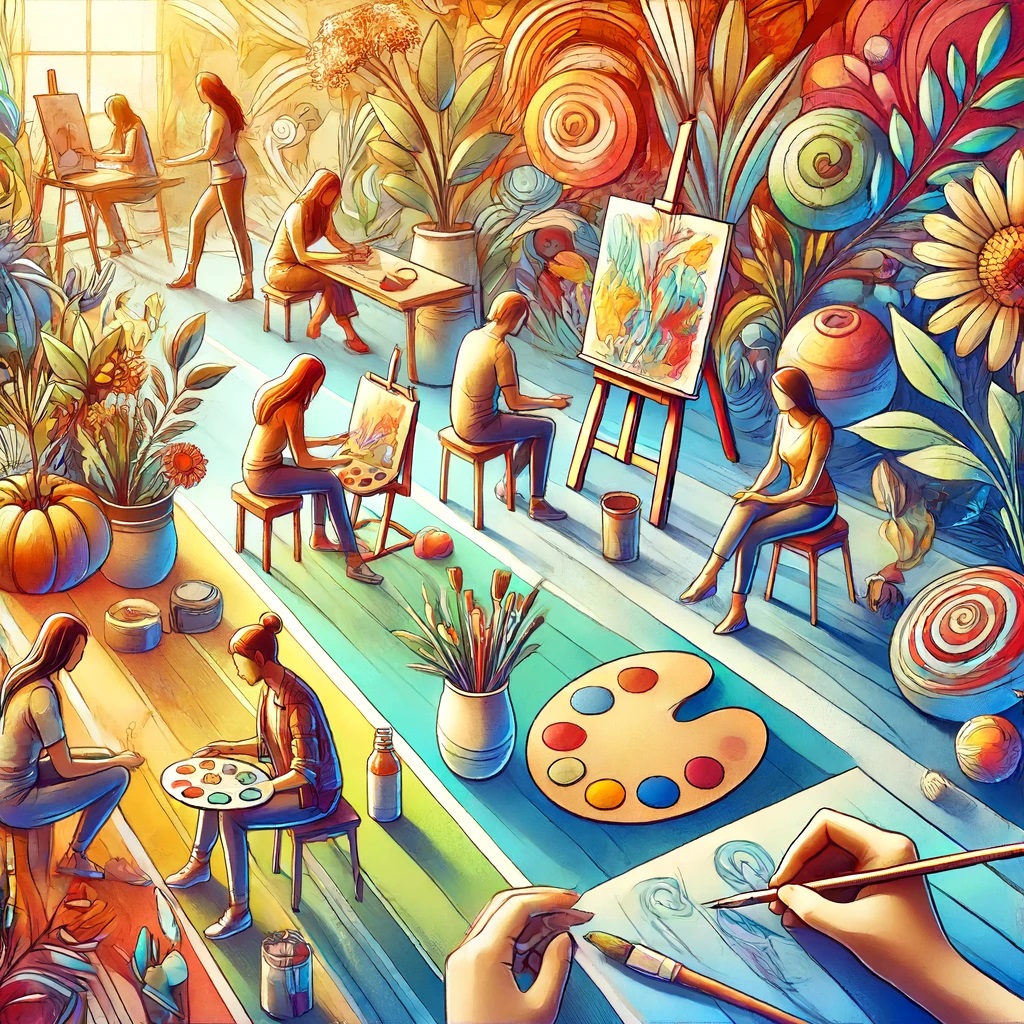
Healing Through Art: The Benefits of Creative Expression

Creative expression through art has been recognized as a powerful tool for healing and personal growth. Engaging in artistic activities can provide emotional, mental, and even physical benefits, making it a valuable practice for overall well-being. Here’s how you can harness the healing power of art and creative expression to enhance your health and wellness.

1. Emotional Healing

Art allows for the expression of emotions that might be difficult to articulate with words. It provides a safe outlet to explore and release feelings.

  • Example: Drawing, painting, or sculpting can help you process and express emotions such as sadness, anger, or joy. Create a piece of art that reflects your current emotional state to gain insights and find relief.

2. Stress Reduction

Engaging in creative activities can reduce stress by providing a distraction from daily pressures and fostering a state of relaxation.

  • Example: Spend time coloring in an adult coloring book or creating a mandala. The repetitive nature of these activities can induce a meditative state, reducing stress and promoting calmness.

3. Mental Health Benefits

Art therapy has been shown to improve mental health by enhancing self-awareness, self-esteem, and emotional resilience.

  • Example: Journaling with a combination of words and images can help you explore your thoughts and feelings, leading to greater self-awareness and emotional healing.

4. Cognitive Benefits

Creating art can enhance cognitive functions such as problem-solving, critical thinking, and memory.

  • Example: Try engaging in activities like puzzle-making, drawing intricate designs, or creating collages. These tasks stimulate the brain and can improve cognitive abilities.

5. Physical Benefits

Art can also have physical benefits, particularly for those recovering from illness or injury. It can improve motor skills, hand-eye coordination, and overall physical health.

  • Example: Activities like knitting, sculpting, or pottery can improve fine motor skills and hand strength. These activities also provide a sense of accomplishment and progress.

6. Social Connection

Participating in group art activities can foster a sense of community and connection with others, reducing feelings of isolation.

  • Example: Join a local art class or community art group. Collaborating with others on creative projects can enhance social bonds and provide emotional support.

7. Self-Expression and Identity

Art allows you to explore and express your identity, helping you understand yourself better and fostering personal growth.

  • Example: Create a self-portrait or a visual diary that reflects your experiences and identity. This practice can help you connect with your inner self and gain insights into your personal journey.

8. Healing Trauma

Art therapy can be particularly effective for healing trauma, as it provides a non-verbal outlet for processing traumatic experiences.

  • Example: Work with an art therapist to create pieces that reflect your trauma and healing journey. This process can help you process and release traumatic memories in a safe and supportive environment.

9. Enhancing Creativity

Engaging in artistic activities can boost creativity and inspire new ideas in various areas of life.

  • Example: Try experimenting with different art forms such as painting, digital art, or mixed media. Allow yourself to explore and take risks with your creativity.

10. Mindfulness and Presence

Creating art encourages mindfulness and being present in the moment, which can reduce anxiety and promote a sense of peace.

  • Example: Practice mindful drawing or painting by focusing on the sensations of the materials, the colors, and the movements of your hands. This can help you stay grounded and connected to the present moment.

Practical Tips for Incorporating Art into Your Life

  • Start Small: Begin with simple art activities that you enjoy, such as doodling or coloring. Gradually explore more complex projects as you become more comfortable.
    • Example: Set aside 10-15 minutes each day to engage in a creative activity.
  • Create a Dedicated Space: Set up a space in your home where you can create art without interruptions.
    • Example: Use a corner of a room with a table, art supplies, and good lighting to create your art studio.
  • Join a Class or Group: Look for local or online art classes and groups that align with your interests.
    • Example: Enroll in a painting class at a community center or join an online art workshop.
  • Use Art Supplies You Enjoy: Invest in quality art supplies that inspire you and make the creative process enjoyable.
    • Example: Buy a set of high-quality colored pencils, paints, or markers to enhance your creative experience.
  • Be Patient with Yourself: Remember that art is about the process, not the outcome. Allow yourself to create without judgment or pressure.
    • Example: Focus on enjoying the act of creating rather than striving for perfection.