

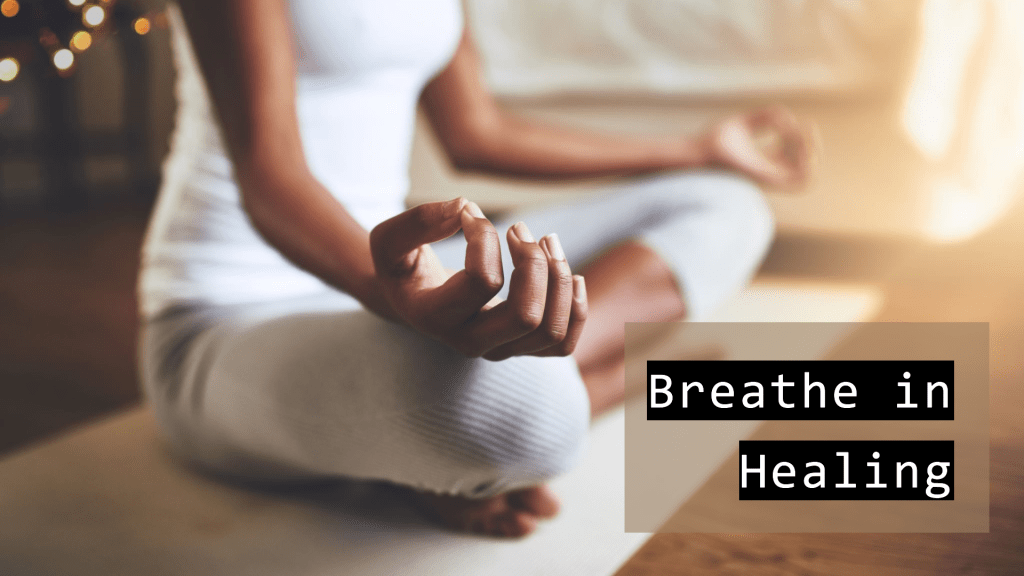
Unlock the Power of Breathwork for Healing

Breathing is something we do automatically, yet most of us do it wrong—shallow, fast, and disconnected from our body. But what if we told you that breathwork is one of the most powerful tools for healing, reducing stress, and boosting mental clarity?

Ancient practices like pranayama (yogic breathing), diaphragmatic breathing, and controlled breath techniques have been used for centuries to regulate emotions, enhance energy levels, and improve overall well-being. Science is now confirming that how you breathe affects your nervous system, brain function, and even immunity.

Let’s explore how breathwork can heal your mind and body—and simple techniques you can try today!


1. The Science Behind Breathwork

Your breath is the bridge between your mind and body—when controlled, it can calm or energize you.

🔬 What Breathwork Does:
✔️ Activates the Parasympathetic Nervous System – Promotes relaxation and reduces stress.
✔️ Lowers Cortisol – Helps with anxiety, depression, and emotional balance.
✔️ Increases Oxygen Flow – Boosts focus, energy, and mental clarity.
✔️ Improves Lung Capacity – Enhances endurance and respiratory health.

  • Pro Tip: Just one minute of deep breathing lowers heart rate and relaxes the nervous system.

2. 5 Powerful Breathwork Techniques to Try

🧘‍♂️ 1. Diaphragmatic Breathing (Best for Stress & Anxiety Relief)
This technique activates the vagus nerve, signaling deep relaxation.

✔️ How to Practice:

  • Sit or lie down, place one hand on your belly.
  • Inhale deeply through your nose, feeling your belly expand.
  • Exhale slowly through your mouth.
  • Pro Tip: Practice for 5 minutes daily to calm your nervous system.

🔥 2. The 4-7-8 Breath (Best for Sleep & Relaxation)
This breath slows down brain activity and prepares you for rest.

✔️ How to Practice:

  • Inhale for 4 seconds, hold for 7 seconds, exhale for 8 seconds.
  • Repeat for 4 rounds.
  • Pro Tip: Use this before bed to fall asleep faster.

🌊 3. Box Breathing (Best for Focus & Stress Management)
Used by Navy SEALs, this method improves concentration and emotional control.

✔️ How to Practice:

  • Inhale for 4 seconds, hold for 4 seconds, exhale for 4 seconds, hold for 4 seconds.
  • Repeat for 1-2 minutes.
  • Pro Tip: Try this before a big presentation or stressful event.

4. Breath of Fire (Best for Energy & Mental Clarity)
A rapid breathing technique that stimulates the brain and increases alertness.

✔️ How to Practice:

  • Inhale and exhale quickly through the nose, keeping the pace rapid.
  • Engage your diaphragm, allowing short, forceful breaths.
  • Pro Tip: Do this for 30 seconds in the morning for an instant energy boost.

🌬️ 5. Alternate Nostril Breathing (Best for Emotional Balance & Clarity)
Balances the left and right brain hemispheres, promoting inner calm and focus.

✔️ How to Practice:

  • Close your right nostril, inhale through the left.
  • Close your left nostril, exhale through the right.
  • Alternate for 5 minutes.
  • Pro Tip: Use this to reduce anxiety or prepare for meditation.

3. How to Incorporate Breathwork Into Daily Life

✔️ Morning: Start your day with Breath of Fire for energy.
✔️ Before Work: Use Box Breathing to boost focus.
✔️ Midday Reset: Try Diaphragmatic Breathing for stress relief.
✔️ Before Bed: Use 4-7-8 breathing for deep sleep.

  • Pro Tip: Set a reminder to pause and breathe mindfully throughout the day.

4. The Benefits of Long-Term Breathwork Practice

✔️ Reduced Anxiety & Stress – Helps regulate emotions and calm the nervous system.
✔️ Better Sleep – Lowers cortisol, helping with insomnia.
✔️ Stronger Immune System – Increases oxygenation, promoting cell health.
✔️ Enhanced Focus & Memory – Improves cognitive function.
✔️ Emotional Stability – Helps process and release trapped emotions.

  • Pro Tip: Breathwork is a free, powerful tool—use it daily for lifelong benefits.

Conclusion

Breathwork is one of the simplest and most effective ways to improve mental, emotional, and physical well-being. By learning how to control your breath, you can control your stress, energy, and overall health.

Start with just one technique today—your mind and body will thank you!


For more holistic wellness insights, check out my book, The Mindful Executive: https://www.amazon.com/dp/B0D75YJCLW.

12 Holistic Practices for Emotional Balance

In our fast-paced world, emotional balance can often feel elusive. Stress, overwhelming responsibilities, and external challenges can disrupt our inner harmony, leaving us feeling disconnected and drained. However, holistic practices can help restore emotional balance by addressing the mind, body, and spirit as interconnected parts of a whole. This guide explores powerful tools and techniques to cultivate emotional resilience, self-awareness, and peace.


1. Practice Daily Mindfulness

Mindfulness anchors you in the present moment, reducing emotional overwhelm and fostering clarity.

  • How to Practice:
    • Dedicate 5-10 minutes each day to a mindfulness meditation or breathwork session.
    • Use grounding techniques like focusing on your five senses.
  • Pro Tip: Set a daily reminder to pause and take three deep breaths during stressful moments.

2. Journal for Emotional Release

Writing helps you process emotions, identify patterns, and release pent-up feelings.

  • How to Practice:
    • Start a daily journaling habit, writing about your thoughts, feelings, or gratitude.
    • Use prompts like, “What’s weighing on my mind today?” or “What made me happy this week?”
  • Pro Tip: Don’t overthink or judge your writing—let it flow naturally.

3. Cultivate Emotional Awareness

Understanding your emotions is key to managing them effectively. Awareness helps you respond rather than react.

  • How to Practice:
    • Check in with yourself several times a day. Ask, “What am I feeling right now?”
    • Label your emotions without judgment (e.g., “I feel frustrated”).
  • Pro Tip: Use an emotions wheel to explore deeper layers of your feelings.

4. Explore Breathwork for Emotional Reset

Controlled breathing techniques calm your nervous system and help you regain composure during emotional highs and lows.

  • How to Practice:
    • Try box breathing: Inhale for 4 counts, hold for 4, exhale for 4, and hold for 4.
    • Use this technique when feeling anxious, angry, or overwhelmed.
  • Pro Tip: Pair breathwork with calming music or aromatherapy for deeper relaxation.

5. Build a Gratitude Practice

Gratitude shifts your focus from what’s lacking to what’s abundant, fostering positive emotions.

  • How to Practice:
    • Write down three things you’re grateful for each day, no matter how small.
    • Reflect on why these things bring you joy or fulfillment.
  • Pro Tip: Share your gratitude with others to strengthen emotional connections.

6. Incorporate Gentle Movement

Movement helps release tension stored in the body and promotes emotional well-being.

  • How to Practice:
    • Engage in activities like yoga, tai chi, or a mindful walk.
    • Focus on the sensations in your body as you move, bringing awareness to the present moment.
  • Pro Tip: Start with just 10 minutes of movement to ease into the practice.

7. Practice Self-Compassion

Treating yourself with kindness and understanding can help you navigate difficult emotions with grace.

  • How to Practice:
    • When self-critical thoughts arise, ask yourself, “How would I speak to a friend in this situation?”
    • Use affirmations like, “I am worthy of love and kindness.”
  • Pro Tip: Practice a self-compassion break: Pause, acknowledge your struggle, and offer yourself words of encouragement.

8. Set Healthy Emotional Boundaries

Boundaries protect your energy and prevent emotional burnout.

  • How to Practice:
    • Clearly communicate your limits in a respectful way (e.g., “I need some time to recharge”).
    • Learn to say no to commitments that don’t align with your priorities.
  • Pro Tip: Reflect on situations where you feel drained and identify where boundaries might help.

9. Use Visualization for Emotional Resilience

Visualization helps you create a mental image of calm, strength, and balance, which can positively influence your emotions.

  • How to Practice:
    • Imagine a safe, peaceful place whenever you feel stressed, and focus on the sights, sounds, and feelings of that space.
    • Visualize yourself handling challenges with confidence and grace.
  • Pro Tip: Pair visualization with guided meditations for enhanced impact.

10. Engage in Creative Expression

Creativity allows you to channel emotions into a positive outlet, helping you process feelings and find joy.

  • How to Practice:
    • Experiment with painting, writing, music, or crafting to express your emotions.
    • Focus on the process, not the outcome.
  • Pro Tip: Keep a small notebook or sketchpad handy to capture moments of inspiration.

11. Create a Supportive Environment

Your surroundings influence your emotions. A calm, organized, and uplifting space can help you feel balanced.

  • How to Practice:
    • Declutter your space and incorporate calming elements like plants, soft lighting, or soothing scents.
    • Designate a corner for mindfulness practices, like meditation or journaling.
  • Pro Tip: Use calming colors, like blues or greens, to enhance the tranquility of your space.

12. Seek Support When Needed

Emotional balance doesn’t mean handling everything alone. Seeking help is a sign of strength.

  • How to Practice:
    • Reach out to a trusted friend, family member, or therapist to share your feelings.
    • Join a support group for connection and understanding.
  • Pro Tip: Schedule regular check-ins with loved ones to nurture emotional bonds.

Conclusion

Emotional balance is a journey, not a destination. By integrating these holistic practices into your daily life, you can cultivate resilience, self-awareness, and harmony. Remember, small, consistent efforts can lead to profound changes. Start with one or two practices that resonate with you and build from there. Your inner peace is worth the effort.


For more insights on creating balance and mindfulness in your life, check out my book, The Mindful Executive: https://www.amazon.com/dp/B0D75YJCLW.
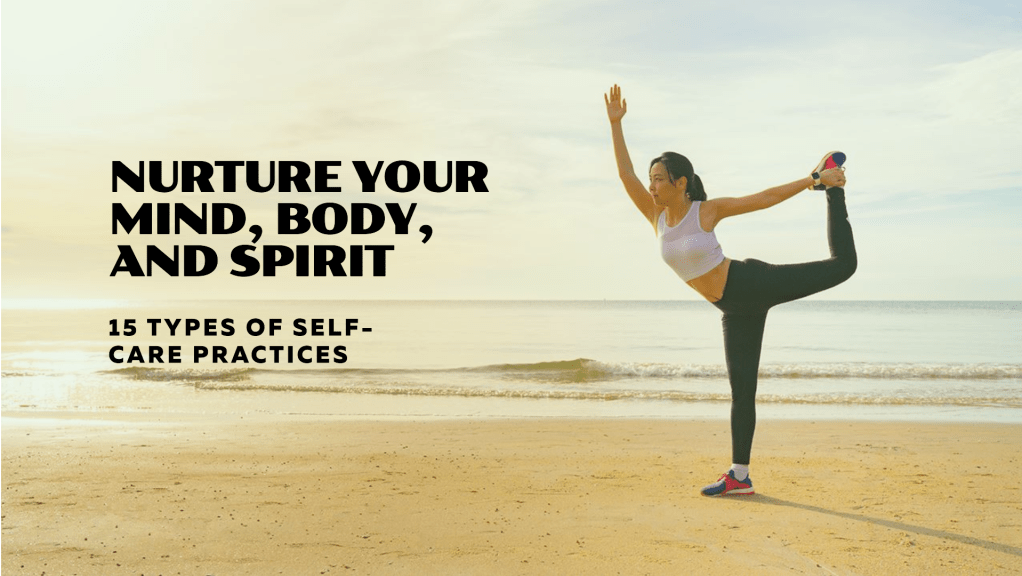
The Art of Saying No: Boundaries for a Balanced New Year

In a world that constantly demands our attention, learning to say “no” is an essential act of self-care. Setting boundaries allows you to protect your time, energy, and emotional well-being, enabling you to focus on what truly matters. As we step into the new year, embracing the art of saying no can help you cultivate a more balanced, intentional, and fulfilling life. Here’s how you can master this empowering skill and make it a cornerstone of your holistic lifestyle.


1. Redefine Your Priorities

Saying no becomes easier when you’re clear about what matters most to you. Start by identifying your core values and goals.

  • How to Practice:
    • Write down your top 3-5 priorities for the year (e.g., family, health, creative projects).
    • Use these priorities as a guide to decide where to invest your energy.
  • Pro Tip: When faced with a request, ask yourself, “Does this align with my priorities?”

2. Understand the Power of No

Saying no isn’t about rejection; it’s about respect—for yourself and others. It creates space for authenticity and ensures your commitments are meaningful.

  • Why It Matters:
    • A well-placed no allows you to give your best to the things that truly matter.
    • It prevents burnout and resentment by avoiding overcommitment.
  • Pro Tip: Reframe no as a positive boundary rather than a negative response.

3. Practice Saying No Gracefully

Turning down requests doesn’t have to feel awkward or harsh. With the right approach, you can decline gracefully while maintaining positive relationships.

  • How to Practice:
    • Use polite, empathetic language, such as, “Thank you for thinking of me, but I can’t commit to this right now.”
    • Offer an alternative if appropriate, like suggesting someone else who might be able to help.
  • Pro Tip: Practice responses in advance for common scenarios to feel more confident.

4. Set Boundaries with Yourself

Boundaries aren’t just for others—they’re also essential for managing your own habits and expectations.

  • How to Practice:
    • Limit your screen time, schedule regular self-care, and set clear work hours.
    • Avoid overloading your schedule by building in buffer time between commitments.
  • Pro Tip: Treat your personal boundaries with the same respect as professional obligations.

5. Recognize When to Say Yes

The art of saying no is also about knowing when to say yes. Accepting opportunities that align with your goals and values can be just as empowering as declining others.

  • How to Practice:
    • Evaluate requests based on their potential to bring joy, growth, or alignment with your priorities.
    • Say yes to things that energize you and contribute positively to your life.
  • Pro Tip: A clear yes often makes saying no to other things easier.

6. Use Time as a Filter

Time is a finite resource, and using it wisely means being selective about your commitments. Viewing time as valuable helps frame no as a necessary choice.

  • How to Practice:
    • Before agreeing to something, consider the time investment and its impact on your priorities.
    • Use phrases like, “I need to check my schedule,” to buy time for thoughtful decisions.
  • Pro Tip: Create a default “pause” rule—don’t commit to anything immediately.

7. Build Confidence Through Small Nos

If saying no feels uncomfortable, start with small, low-stakes situations. Over time, this practice builds your confidence and makes it easier to handle larger requests.

  • How to Practice:
    • Decline small favors or requests that don’t align with your priorities (e.g., “I can’t attend this meeting, but I’ll review the notes later.”).
    • Notice how freeing it feels to protect your time.
  • Pro Tip: Celebrate each no as a step toward empowerment.

8. Recognize and Address Guilt

Feeling guilty about saying no is common but often misplaced. Understanding that guilt is a natural response—and not an indicator of wrongdoing—helps you move past it.

  • How to Practice:
    • Remind yourself that saying no allows you to show up fully for your true commitments.
    • Use affirmations like, “It’s okay to prioritize my well-being.”
  • Pro Tip: Reflect on times you’ve said yes out of guilt and how it impacted your energy.

9. Create a Boundary Script

Having a go-to script for common scenarios makes it easier to respond without hesitation or over-explaining.

  • Examples:
    • “I appreciate the offer, but I’m not able to take on additional responsibilities right now.”
    • “I’d love to help, but I need to focus on my current priorities.”
  • Pro Tip: Keep your script simple and direct—less is often more.

10. Enforce Your Boundaries with Consistency

Boundaries are only effective if they’re upheld. Being consistent in how you enforce them sends a clear message to others and reinforces your commitment to yourself.

  • How to Practice:
    • Stick to your no, even if others push back. Calmly restate your position if needed.
    • Recognize that you’re not responsible for others’ reactions.
  • Pro Tip: Reflect on the benefits of upholding boundaries, such as increased energy and reduced stress.

Conclusion

Saying no is a skill that empowers you to lead a balanced and intentional life. By setting boundaries, you create space for the things that truly matter—your health, happiness, and growth. Remember, every no is a yes to something more meaningful. As you embrace this practice, you’ll find greater clarity, peace, and fulfillment in your daily life.


For more insights on creating balance and mindfulness in your life, check out my book, The Mindful Executive: https://www.amazon.com/dp/B0D75YJCLW.
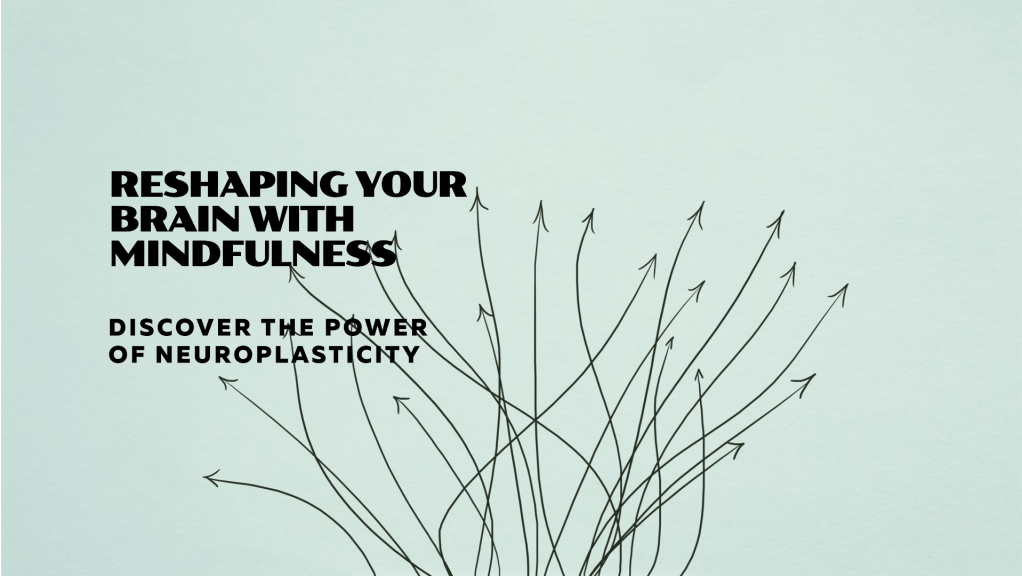
15 Types of Self-Care Practices to Nurture Your Mind, Body, and Spirit

Self-care is about more than treating yourself—it’s a commitment to nurturing your well-being in ways that support your mental, physical, and spiritual health. True self-care is a balanced blend of habits and practices that align with your personal needs and values. Here are 15 diverse types of self-care practices to inspire you, each offering unique benefits to your mind, body, and spirit.


1. Physical Movement for Vitality

Engaging in physical activity boosts energy, improves mood, and supports overall health. Movement is a powerful form of self-care that directly benefits both mind and body.

  • How to Practice: Try gentle activities like yoga, walking, or stretching if you’re looking for relaxation, or energizing exercises like running or dance to uplift your mood.

2. Mindful Meditation for Inner Peace

Meditation is a mental practice that promotes clarity and calmness. It allows you to observe your thoughts and feelings without judgment, fostering a sense of inner peace.

  • How to Practice: Dedicate 5-10 minutes each day to mindfulness meditation, focusing on your breath. Allow thoughts to come and go as you bring your attention back to the present.

3. Digital Detox for Mental Clarity

Constant digital engagement can clutter your mind and create stress. Taking intentional breaks from screens helps you reconnect with the present and clear mental clutter.

  • How to Practice: Set a daily or weekly time to unplug from screens. Use this time to read, connect with loved ones, or spend time outdoors.

4. Journaling for Emotional Expression

Writing down your thoughts and feelings helps you process emotions, gain insights, and release negativity. Journaling provides a safe space to explore your inner self.

  • How to Practice: Spend a few minutes each day or week writing about your thoughts, goals, or feelings. Don’t worry about structure—let your words flow freely.

5. Breathwork for Relaxation

Controlled breathing exercises reduce stress, calm the nervous system, and promote mental clarity. Breathwork is a quick, effective tool for managing emotions.

  • How to Practice: Try deep belly breathing or the 4-7-8 technique (inhale for 4, hold for 7, exhale for 8). Repeat for a few cycles to feel grounded and centered.

6. Creative Expression for Joy

Creative activities like painting, writing, or playing music provide an emotional release and bring joy. Creativity allows you to express yourself in ways words cannot.

  • How to Practice: Dedicate time each week for a creative outlet. Approach it playfully, letting go of perfectionism and focusing on the joy of creating.

7. Time in Nature for Grounding

Nature has a grounding effect that helps you reconnect with yourself and reduces stress. Being outdoors promotes mindfulness and emotional well-being.

  • How to Practice: Spend 10-15 minutes outdoors each day, observing your surroundings. Whether it’s a walk in the park or sitting in your backyard, allow nature to calm your mind.

8. Gratitude Practice for Positive Perspective

Reflecting on gratitude shifts your focus from what you lack to what you have, fostering a positive outlook and resilience.

  • How to Practice: Write down three things you’re grateful for each day. Focus on small details that brought joy or peace, reinforcing a sense of abundance.

9. Massage Therapy for Physical Release

Massage relieves tension in the body and promotes relaxation. It’s a way to release stress and reconnect with your body through touch.

  • How to Practice: Schedule a professional massage when possible, or practice self-massage techniques on areas like the neck and shoulders.

10. Herbal Teas for Calmness

Herbal teas like chamomile, lavender, and peppermint provide natural relaxation. Tea rituals are comforting and can help reduce stress and anxiety.

  • How to Practice: Enjoy a calming tea each evening or during stressful times. Savor the flavor and aroma as a form of mindful self-care.

11. Decluttering for Mental Peace

A clean, organized space promotes mental clarity and reduces stress. Decluttering is a form of self-care that improves your environment and your mindset.

  • How to Practice: Set aside time each week to declutter a specific area, such as your desk or bedroom. Focus on creating a space that feels peaceful and organized.

12. Affirmations for Self-Love

Positive affirmations shift your inner dialogue, boosting self-esteem and resilience. They help you build a supportive, loving relationship with yourself.

  • How to Practice: Choose affirmations that resonate with you, like “I am enough” or “I deserve love.” Repeat them daily to reinforce a positive mindset.

13. Setting Boundaries for Emotional Balance

Setting boundaries protects your energy and helps you manage stress. It’s an essential practice for emotional health and self-respect.

  • How to Practice: Identify areas where you feel overextended and set limits. Communicate your boundaries with kindness and clarity, honoring your needs.

14. Sleep Hygiene for Restoration

Quality sleep is crucial for emotional and physical well-being. Good sleep hygiene helps you recharge, improves mood, and boosts mental clarity.

  • How to Practice: Create a relaxing bedtime routine, avoiding screens and caffeine before bed. Aim for 7-8 hours of rest each night for optimal health.

15. Acts of Kindness for Connection

Kindness towards others promotes positive feelings and a sense of connection. Giving back supports both your mental and emotional well-being.

  • How to Practice: Perform a simple act of kindness daily, like offering a compliment, helping someone, or volunteering. These small acts create positive energy and foster connection.

Conclusion

Self-care encompasses a wide range of practices that nurture your mind, body, and spirit. By incorporating these diverse self-care techniques into your routine, you create a holistic foundation for well-being. Choose practices that resonate with you and adapt them to your needs, creating a self-care routine that truly supports your life.


For more insights on self-care and well-being, check out my book, The Mindful Executive: https://www.amazon.com/dp/B0D75YJCLW.

Neuroplasticity and Mindfulness: How Meditation Can Reshape Your Brain for the Better

Neuroplasticity is the brain’s remarkable ability to reorganize itself by forming new neural connections throughout life. This concept has gained significant attention in recent years, particularly in relation to mindfulness and meditation practices. These ancient practices are now backed by modern science, showing how regular meditation can enhance neuroplasticity, leading to improved mental health, emotional balance, and cognitive function.

The Science Behind Neuroplasticity Neuroplasticity is the foundation of how our brains adapt to new experiences, learn new skills, and recover from injuries. It is the brain’s ability to rewire itself, and it’s driven by our thoughts, behaviors, and environments. This means that we are not stuck with the brain we have; instead, we can actively shape it to improve our quality of life.

Studies have shown that mindfulness meditation can significantly enhance neuroplasticity. For example, a study published in NeuroImage found that individuals who engaged in an eight-week mindfulness meditation program had increased gray matter density in brain regions associated with memory, learning, and emotional regulation .

How Meditation Enhances Neuroplasticity Meditation practices, particularly mindfulness meditation, engage the brain in ways that promote neuroplastic changes. These changes are not only beneficial for emotional regulation but also for improving focus, memory, and resilience to stress.

  1. Increased Gray Matter: Regular meditation increases the gray matter in the hippocampus, a region of the brain associated with learning and memory. This can lead to enhanced cognitive abilities and better memory retention.
  2. Thicker Prefrontal Cortex: The prefrontal cortex, responsible for higher-order thinking and decision-making, becomes thicker with consistent meditation practice. This means better problem-solving skills, improved attention, and a more balanced emotional state.
  3. Reduced Amygdala Activity: The amygdala, known as the brain’s fear center, becomes less active with meditation. This reduction in activity leads to a decrease in stress and anxiety, allowing for a more calm and composed mind .

Practical Steps to Incorporate Meditation for Brain Health Incorporating mindfulness meditation into your daily routine can be simple yet transformative. Here are some practical steps to get started:

  1. Start Small: Begin with just 5-10 minutes of mindfulness meditation each day. Gradually increase the time as you become more comfortable with the practice.
  2. Consistency is Key: Regularity is more important than duration. Aim to meditate at the same time each day to build a habit.
  3. Focus on Your Breath: Concentrate on your breathing, paying attention to each inhale and exhale. This helps anchor your mind and reduces the likelihood of distraction.
  4. Use Guided Meditations: If you’re new to meditation, guided sessions can be very helpful. Apps like Headspace or Calm offer excellent resources to get you started.
  5. Be Patient: Neuroplasticity takes time. The benefits of meditation will accumulate over weeks and months, so be patient and persistent with your practice .

Conclusion The ability to reshape your brain through mindfulness meditation is a powerful tool for enhancing mental well-being and cognitive function. By committing to a regular meditation practice, you can take control of your neuroplasticity, leading to a healthier, more resilient brain.

Call to Action Start your mindfulness journey today and experience the transformative effects of meditation on your brain. For more tips and guides on holistic wellness, visit Holistic Wellness Guide.

The Role of Holistic Health in Managing Work-Related Stress

Work-related stress is a significant issue that affects employee well-being and organizational productivity. By integrating holistic health practices into the workplace, companies can help employees manage stress more effectively, leading to a healthier and more engaged workforce.

Understanding Work-Related Stress

Work-related stress arises from various factors, including high workloads, tight deadlines, and workplace conflicts. Chronic stress can lead to physical and mental health issues, reducing employee performance and increasing absenteeism.

Benefits of Holistic Health for Stress Management

Physical Health: Regular physical activity, such as yoga, tai chi, and walking, helps reduce stress by releasing endorphins and promoting relaxation. Encouraging employees to participate in physical activities can significantly lower stress levels.

Mental Well-Being: Mindfulness practices, including meditation and deep breathing exercises, improve mental clarity and reduce anxiety. These techniques help employees stay focused and calm, even in high-pressure situations.

Emotional Balance: Providing access to counseling services and stress management workshops supports emotional well-being. Employees who can manage their emotions are better equipped to handle workplace challenges.

Spiritual Health: Encouraging practices that promote spiritual well-being, such as spending time in nature or engaging in purposeful activities, helps employees find meaning and purpose in their work, reducing stress and enhancing job satisfaction.

Implementing Holistic Health Practices for Stress Management

Develop a Wellness Program: Create a comprehensive wellness program that includes physical, mental, emotional, and spiritual health components. Offer activities such as yoga classes, meditation sessions, and stress management workshops.

Encourage Mindfulness: Incorporate mindfulness practices into the daily routine. Provide resources such as guided meditation apps or organize mindfulness training sessions.

Promote Physical Activity: Encourage employees to engage in regular physical activity by providing fitness facilities, organizing walking meetings, or offering fitness classes. Physical activity boosts energy and reduces stress.

Support Emotional Well-Being: Offer resources for emotional support, such as counseling services and emotional intelligence training. A supportive environment fosters emotional balance and resilience.

Create a Positive Work Environment: Foster a work culture that values health and well-being. Encourage open communication, recognize employee achievements, and provide a safe space for employees to express themselves.

Case Study: Successful Stress Management through Holistic Health

A financial services company implemented a holistic wellness program that included weekly yoga classes, daily mindfulness sessions, and access to counseling services. Employees reported lower stress levels, improved mental clarity, and higher job satisfaction. The company observed a significant reduction in absenteeism and an increase in overall productivity.

Challenges and Solutions

Employee Buy-In: Some employees may be skeptical about holistic health practices. Provide education on the benefits and share success stories to build enthusiasm.

Resource Allocation: Implementing a comprehensive wellness program can require significant resources. Start with small initiatives and gradually expand the program as resources allow.

Maintaining Consistency: Consistency is key to reaping the benefits of holistic health. Encourage regular participation through reminders, incentives, and leadership support.

Call to Action

Integrate holistic health practices into your workplace to help employees manage stress effectively and enhance their well-being. Visit Holistic Wellness Guide for more insights and tips on promoting holistic health in the workplace.

How Holistic Wellness Enhances Employee Creativity and Innovation

In today’s fast-paced business world, fostering creativity and innovation is essential for maintaining a competitive edge. Integrating holistic wellness practices into the workplace can significantly enhance employees’ creative and innovative capacities, leading to groundbreaking ideas and solutions.

Understanding Holistic Wellness and Creativity

Holistic wellness involves a comprehensive approach to health, addressing physical, mental, emotional, and spiritual well-being. When employees are healthy and balanced in these areas, they are more likely to think creatively and innovate effectively.

Benefits of Holistic Wellness for Creativity and Innovation

Enhanced Mental Clarity: Holistic practices like meditation and mindfulness improve mental clarity and focus. Employees with clear minds can think more creatively and develop innovative solutions to problems.

Reduced Stress: High stress levels can stifle creativity. Practices such as yoga, deep breathing exercises, and regular physical activity reduce stress, allowing employees to think more freely and creatively.

Increased Energy Levels: A balanced diet, adequate sleep, and regular exercise boost energy levels. Energized employees are more likely to engage in creative thinking and innovation.

Emotional Balance: Emotional well-being is crucial for creativity. When employees feel emotionally balanced, they are more open to new ideas and can think more divergently.

Spiritual Fulfillment: Practices that promote spiritual health, such as spending time in nature or engaging in purposeful activities, enhance employees’ sense of fulfillment and purpose. This can lead to more innovative thinking and a greater willingness to take creative risks.

Implementing Holistic Wellness to Foster Creativity

Create a Wellness Program: Develop a comprehensive wellness program that includes physical, mental, emotional, and spiritual health components. Offer activities such as yoga classes, meditation sessions, and nutrition workshops.

Encourage Mindfulness Practices: Incorporate mindfulness practices into the daily routine. This could include short meditation breaks, mindfulness workshops, or providing access to mindfulness apps.

Promote Physical Activity: Encourage regular physical activity by providing fitness facilities, organizing walking meetings, or offering fitness classes. Physical activity boosts energy and mental clarity.

Support Emotional Well-Being: Provide resources for emotional support, such as counseling services, stress management workshops, and emotional intelligence training. A supportive environment fosters emotional balance and creativity.

Foster a Positive Work Environment: Create a work culture that values creativity and innovation. Encourage open communication, celebrate creative ideas, and provide a safe space for employees to express themselves.

Provide Time for Reflection: Allow employees time for reflection and relaxation. This can be achieved through quiet spaces, flexible work schedules, or designated “innovation time” where employees can work on creative projects.

Case Study: Holistic Wellness Boosting Creativity

A leading design firm implemented a holistic wellness program that included daily meditation sessions, weekly yoga classes, and regular mindfulness workshops. The program also offered access to nutritionists and mental health counselors. As a result, the firm saw a significant increase in creative output and innovation. Employees reported feeling more energized, less stressed, and more open to new ideas. The company’s innovative solutions and designs received industry recognition and awards.

Challenges and Solutions

Employee Buy-In: Some employees may be skeptical about holistic wellness practices. Provide education on the benefits and share success stories to build enthusiasm.

Resource Allocation: Implementing a comprehensive wellness program can require significant resources. Start with small initiatives and gradually expand the program as resources allow.

Maintaining Consistency: Consistency is key to reaping the benefits of holistic wellness. Encourage regular participation through reminders, incentives, and leadership support.

Call to Action

Integrate holistic wellness practices into your workplace to enhance employee creativity and innovation. Visit Holistic Wellness Guide for more insights and tips on fostering a creative and healthy work environment.