

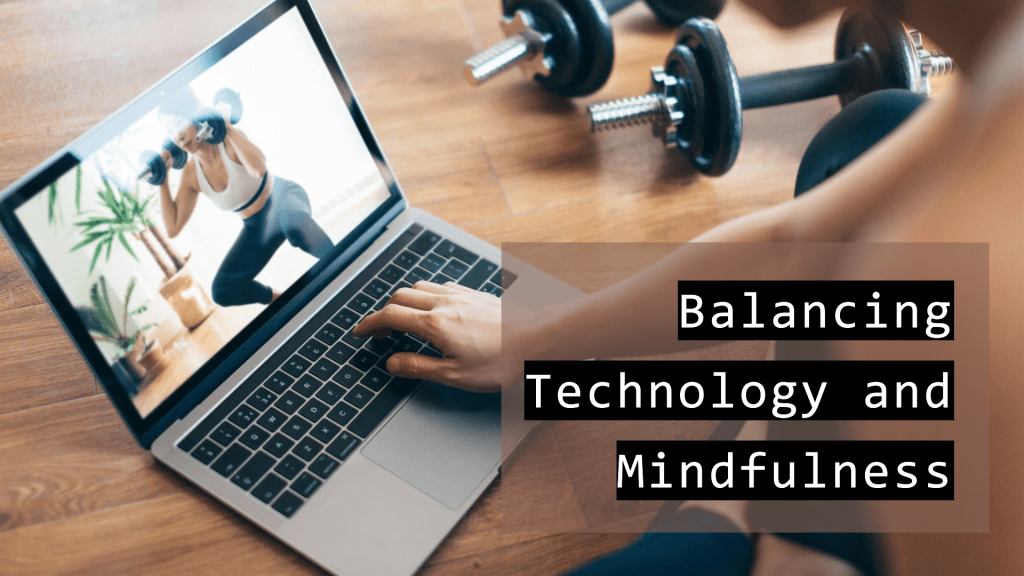
Holistic Wellness for the Digital Age: Balancing Technology and Mindfulness

In today’s world, technology surrounds us—phones, laptops, and smart devices are integral parts of our daily lives. While these tools offer convenience and connectivity, they can also contribute to stress, anxiety, and burnout. But what if there was a way to merge our digital existence with wellness? Holistic wellness for the digital age focuses on finding balance between using technology and maintaining mindfulness, helping us thrive in both realms without compromising well-being.

The Digital Dilemma: How Technology Impacts Wellness

Technology has brought many benefits, but it has also introduced new challenges. Prolonged screen time, social media overload, and the constant pressure to be available 24/7 can take a toll on our mental and physical health. Research has shown that excessive technology use can contribute to sleep problems, anxiety, and even depression.

Yet, technology doesn’t have to be the enemy. When used mindfully, it can actually enhance our well-being. The key is to find a balance between engaging with the digital world and nurturing our mental, emotional, and physical health.

The Intersection of Technology and Holistic Wellness

Holistic wellness takes a mind-body-spirit approach to health, focusing on balance and harmony. When applied to the digital age, it means integrating technology in ways that support rather than hinder our well-being. Here’s how:

  1. Mindful Use of Technology Practicing mindfulness with technology involves being present and intentional about how we use our devices. This could mean setting boundaries around screen time or being selective about what content we engage with.
    • Tip: Try scheduling “digital detox” periods during the day, where you completely unplug and focus on being present in the moment. Start small, like a 30-minute detox before bed.
  2. Digital Tools for Wellness While excessive tech use can be harmful, there are countless digital tools designed specifically to enhance well-being. Meditation apps, fitness trackers, and mental health platforms can help you stay grounded and connected to your health.
    • Tip: Incorporate wellness apps like Headspace for meditation, Sleep Cycle for better sleep, or Fitbit to track physical activity and ensure you’re staying active.
  3. Digital Boundaries for Mental Health Constant connectivity can lead to burnout and overwhelm. Setting digital boundaries is crucial for maintaining balance in the digital age. This could include limiting notifications, scheduling breaks from screens, or creating a tech-free zone in your home.
    • Tip: Use apps like Forest that encourage you to stay focused and off your phone by rewarding you with a growing tree for every period of focus.

How to Balance Technology with Mindfulness

Finding balance in the digital age means being intentional about how we use technology while prioritizing mindfulness and holistic wellness practices. Here are some actionable steps you can take:

  1. Create a Morning Ritual Without Technology Start your day with mindfulness instead of reaching for your phone. This can include a short meditation, journaling, or simply sitting quietly with a cup of tea. By starting the day in a calm and intentional way, you set the tone for more mindful interactions with technology.
  2. Use Technology as a Tool for Wellness, Not a Distraction Choose technology that supports your wellness journey. Meditation apps, fitness trackers, and nutrition planners can all be valuable tools in staying on top of your health goals. However, make sure these tools enhance your life rather than distract from it.
  3. Practice Digital Minimalism Digital minimalism is the practice of curating your digital life by removing unnecessary apps, notifications, and distractions. Focus on the essentials and get rid of what doesn’t serve your well-being.
  4. Take Regular Breaks Regular breaks from screens are essential for maintaining your mental and physical health. Every 60 minutes, step away from your device for a few minutes. Use this time to stretch, walk, or practice deep breathing.
  5. Implement a Digital Detox Routine Consider scheduling regular digital detoxes—periods where you disconnect from technology entirely. This could be a few hours each week or a whole weekend every month, allowing you to recharge and reconnect with yourself.
  6. Use Blue Light Blockers for Screen Time The blue light emitted from screens can disrupt your sleep and strain your eyes. Use blue light filter apps, wear blue light blocking glasses, or adjust the settings on your devices to reduce eye strain and improve your sleep cycle.

The Future of Wellness in a Digital World

As technology continues to evolve, so too does our relationship with it. More wellness-focused innovations are emerging, like virtual reality meditation spaces and AI-driven health tools, offering new ways to enhance our well-being. The future of wellness in the digital age lies in our ability to balance technological advancements with mindfulness and holistic health practices.

By embracing a mindful approach to technology, we can harness its benefits while minimizing the negative effects. The digital age doesn’t have to be a barrier to wellness—when approached with intention, it can be a powerful tool for cultivating balance, health, and harmony.

Conclusion

Holistic wellness in the digital age is about striking the right balance between our technological world and our inner well-being. By practicing mindfulness with technology, setting boundaries, and using digital tools to support our health, we can create a harmonious relationship with the devices that dominate our lives. In doing so, we open the door to a healthier, more balanced way of living—one that embraces the best of both worlds.


For more insights into balancing modern life with mindful practices, check out my book, The Mindful Executive: https://www.amazon.com/dp/B0D75YJCLW.


Creating a Mindful Morning Routine: Tips and Steps for a Positive Start

A mindful morning routine can set a positive tone for the day, helping you feel more centered, focused, and ready to tackle whatever comes your way. Here are some tips and steps to create a morning routine that incorporates mindfulness and self-care.

1. Wake Up Early

Waking up early gives you time to ease into your day without feeling rushed.

  • Tip: Set your alarm 30 minutes earlier than usual and avoid hitting the snooze button.
  • Story: Sarah, a busy entrepreneur, started waking up early and found that having extra time in the morning allowed her to start her day with intention and calm.

2. Practice Gratitude

Starting your day with gratitude can improve your mood and mindset.

  • Tip: Keep a gratitude journal by your bed and write down three things you’re grateful for each morning.
  • Story: John, a teacher, began practicing gratitude every morning. He noticed that focusing on the positive aspects of his life helped him feel happier and more content throughout the day.

3. Stretch and Move

Incorporating some form of physical activity can boost your energy and improve your mood.

  • Tip: Spend 10-15 minutes stretching, doing yoga, or going for a brisk walk.
  • Story: Emily, a writer, started her day with a short yoga session. She found that stretching and moving her body helped her feel more awake and ready to write.

4. Meditate

Meditation can help calm your mind and set a peaceful tone for the day.

  • Tip: Practice 5-10 minutes of mindfulness meditation or deep breathing exercises.
  • Story: Raj, a software developer, incorporated meditation into his morning routine. He noticed that it helped reduce his stress levels and improve his focus at work.

5. Eat a Nutritious Breakfast

Fueling your body with healthy food can provide you with sustained energy throughout the day.

  • Tip: Choose a balanced breakfast that includes protein, healthy fats, and whole grains.
  • Story: Lisa, a fitness enthusiast, made a habit of preparing a nutritious breakfast each morning. She found that eating a healthy meal helped her maintain her energy levels and stay focused.

6. Plan Your Day

Taking a few minutes to plan your day can help you feel more organized and in control.

  • Tip: Write down your top three priorities for the day and any important tasks or appointments.
  • Story: Alex, a student, started planning his day each morning. He found that it helped him stay on track with his studies and manage his time more effectively.

7. Avoid Digital Distractions

Limiting your screen time in the morning can help you start your day with a clear mind.

  • Tip: Avoid checking your phone, email, or social media for the first hour after waking up.
  • Story: Maria, a marketing manager, made a conscious effort to avoid digital distractions in the morning. She noticed that it helped her feel more focused and less stressed.

Digital Detox: How to Unplug and Reconnect with Life

In today’s fast-paced world, we are constantly surrounded by digital devices that demand our attention. While technology offers numerous benefits, it can also lead to stress, anxiety, and a sense of disconnection from the real world. A digital detox can help you unplug, reduce screen time, and reconnect with life. Here are some practical steps to help you embark on a successful digital detox.

Understanding the Need for a Digital Detox

Excessive screen time can have negative effects on both mental and physical health. It can lead to eye strain, poor posture, sleep disturbances, and increased stress levels. A digital detox allows you to take a break from technology, helping you regain balance and improve overall well-being.

Set Clear Goals and Boundaries

Start by setting clear goals for your digital detox. Determine what you want to achieve, whether it’s reducing screen time, improving sleep quality, or spending more time with loved ones. Establish specific boundaries, such as no screens during meals, no phone use after a certain hour, or designated screen-free days.

Create a Tech-Free Zone

Designate certain areas of your home as tech-free zones. For example, make your bedroom a sanctuary for rest and relaxation by removing all electronic devices. This can help improve sleep quality and create a peaceful environment. Similarly, create tech-free spaces in your living room or dining area to encourage face-to-face interactions.

Schedule Regular Digital Breaks

Incorporate regular digital breaks into your daily routine. Use techniques like the Pomodoro Technique, where you work for 25 minutes and then take a 5-minute break without any screens. During these breaks, engage in activities that relax and refresh you, such as stretching, deep breathing, or taking a short walk.

Engage in Offline Activities

Rediscover the joy of offline activities that don’t involve screens. Read a book, practice a hobby, exercise, or spend time outdoors. Engage in activities that stimulate your mind and body without the use of technology. For instance, take up gardening, painting, or cooking, and enjoy the satisfaction of creating something tangible.

Reconnect with Nature

Spending time in nature is a powerful way to disconnect from digital devices and reconnect with the world around you. Go for hikes, visit parks, or simply take a walk in your neighborhood. Nature has a calming effect that can reduce stress and improve mental clarity.

Practice Mindfulness and Meditation

Mindfulness and meditation can help you stay present and reduce the urge to constantly check your devices. Set aside time each day for mindfulness practices, such as meditation, deep breathing, or yoga. These practices can help you become more aware of your digital habits and make conscious choices about your screen time.

Limit Social Media Use

Social media can be a major source of distraction and stress. Limit your social media use by setting specific times for checking your accounts and avoiding mindless scrolling. Consider using apps that track and limit your social media usage. You can also declutter your feed by unfollowing accounts that don’t add value to your life.

Communicate Your Intentions

Inform your friends, family, and colleagues about your digital detox plans. This helps set expectations and reduces the likelihood of interruptions. Let them know how they can reach you in case of emergencies. By communicating your intentions, you also gain their support and understanding.

Reflect and Adjust

At the end of your digital detox, take time to reflect on your experience. Assess how the detox has impacted your well-being and identify any changes in your habits. Use this reflection to adjust your digital usage going forward. Consider making digital detoxes a regular practice, such as once a month or during vacations, to maintain a healthy balance.