
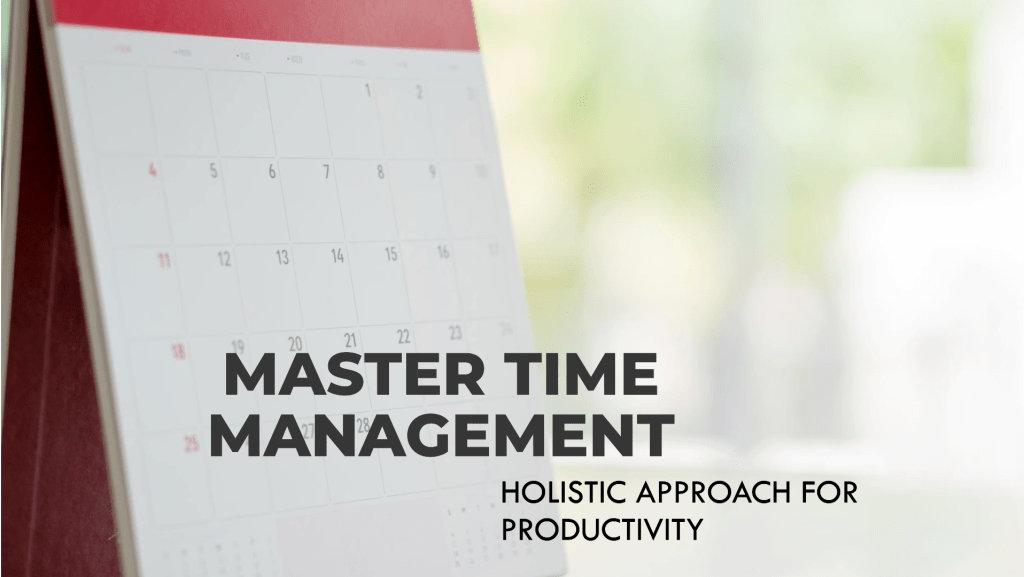
Master Holistic Time Management for Productivity

In our quest for productivity, it’s easy to forget that time management is not just about checking tasks off a list—it’s about creating a life that feels balanced and meaningful. Holistic time management combines traditional productivity techniques with mindfulness and self-care, ensuring that your time is spent in alignment with your values and well-being. Let’s explore how you can master holistic time management to balance productivity and wellness seamlessly.


1. Define Your Priorities with Purpose

Productivity starts with clarity. Knowing your priorities helps you focus on what truly matters.

  • How to Practice:
    • Identify your top 3-5 life priorities (e.g., family, health, career, personal growth).
    • Break these priorities into actionable, time-specific goals.
  • Pro Tip: Use a weekly reflection ritual to reassess and realign your priorities.

2. Embrace the Power of Single-Tasking

Multitasking may seem efficient, but it often leads to stress and decreased focus. Single-tasking helps you work with intention.

  • How to Practice:
    • Focus on one task at a time, setting a timer for 25-30 minutes of dedicated work.
    • Eliminate distractions by silencing notifications and clearing your workspace.
  • Pro Tip: Try the Pomodoro Technique to balance focus and breaks effectively.

3. Incorporate Time for Self-Care

Productivity should never come at the expense of your well-being. Scheduling self-care ensures you stay energized and focused.

  • How to Practice:
    • Dedicate time each day for activities that nurture your mind and body, like exercise, meditation, or reading.
    • Block off “non-negotiable self-care time” in your calendar.
  • Pro Tip: Treat self-care as an essential task, not an optional one.

4. Use the 80/20 Rule

The Pareto Principle suggests that 80% of results come from 20% of efforts. Focus on the most impactful tasks to maximize productivity.

  • How to Practice:
    • At the start of each day, identify the top two or three tasks that will create the greatest impact.
    • Prioritize these tasks over smaller, less significant ones.
  • Pro Tip: Review your completed tasks weekly to identify what made the biggest difference.

5. Practice Time Blocking for Balance

Time blocking is a powerful tool for structuring your day and ensuring balance between work, rest, and play.

  • How to Practice:
    • Divide your day into blocks of time dedicated to specific activities, like focused work, exercise, or family time.
    • Stick to your schedule as closely as possible while allowing flexibility for unexpected events.
  • Pro Tip: Color-code your blocks for visual clarity (e.g., blue for work, green for self-care).

6. Schedule Downtime for Reflection

Rest and reflection are essential components of holistic time management. Taking breaks helps prevent burnout and fosters creativity.

  • How to Practice:
    • Build small breaks into your day, such as 5-minute stretches or a 10-minute walk.
    • Dedicate 30 minutes weekly to reflect on your progress and adjust your goals.
  • Pro Tip: Use your downtime to practice mindfulness or gratitude.

7. Set Boundaries to Protect Your Time

Without boundaries, your schedule can quickly become overwhelmed with demands that don’t align with your priorities.

  • How to Practice:
    • Learn to say no to requests that don’t serve your goals or well-being.
    • Communicate your boundaries clearly and respectfully to others.
  • Pro Tip: Use phrases like, “I’d love to help, but I don’t have the capacity right now.”

8. Minimize Digital Distractions

Technology can be a significant time-waster if not managed mindfully. Reducing digital distractions helps you stay focused and present.

  • How to Practice:
    • Set specific times to check emails and social media.
    • Use apps like Freedom or Focus@Will to limit screen time during work hours.
  • Pro Tip: Create a tech-free zone or time period each day to fully unplug.

9. Align Your Schedule with Your Energy Cycles

Understanding your natural energy patterns allows you to plan tasks when you’re at your peak performance.

  • How to Practice:
    • Observe your energy levels throughout the day and identify when you feel most alert and focused.
    • Schedule high-priority tasks during your peak energy times and lighter tasks during lulls.
  • Pro Tip: Experiment with adjusting your schedule until it feels aligned with your rhythm.

10. Celebrate Small Wins

Recognizing and celebrating your accomplishments fosters motivation and a positive mindset.

  • How to Practice:
    • At the end of each day, write down one or two wins, no matter how small.
    • Reward yourself for completing significant tasks, like enjoying a favorite snack or taking a relaxing break.
  • Pro Tip: Use a gratitude journal to reflect on your progress and accomplishments.

Conclusion

Holistic time management isn’t about doing more—it’s about doing what matters in a way that honors your well-being. By prioritizing your values, focusing on impactful tasks, and incorporating self-care into your schedule, you can create a balanced, fulfilling life. Start small, stay consistent, and let holistic time management guide you toward greater productivity and wellness.


For more strategies on living mindfully and achieving balance, check out my book, The Mindful Executive: https://www.amazon.com/dp/B0D75YJCLW.
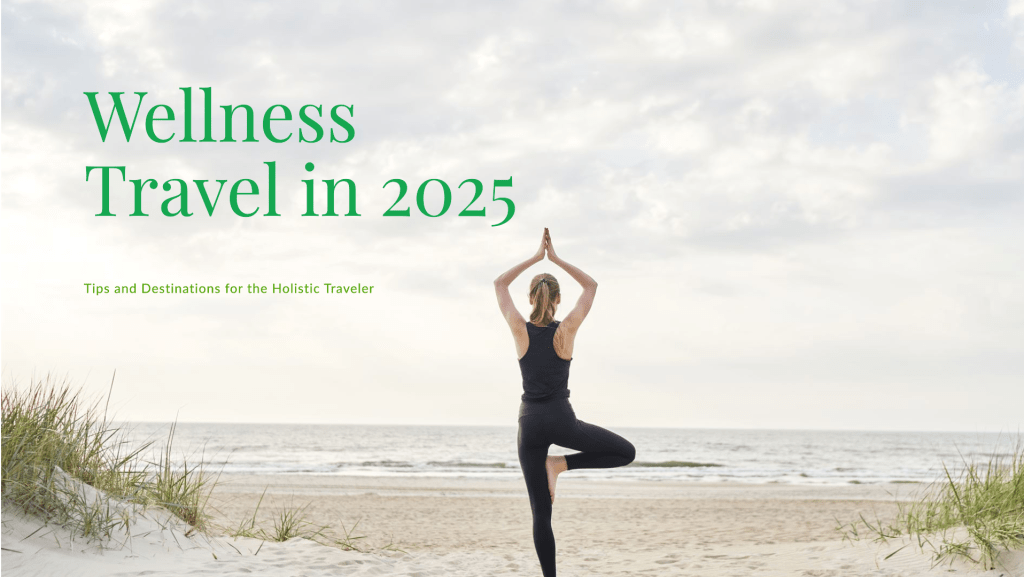
The Holistic Traveler: Wellness-Focused Destinations and Tips for 2025

Traveling offers the perfect opportunity to reset, recharge, and reconnect with yourself. By combining exploration with wellness, holistic travel allows you to nourish your mind, body, and soul while discovering the world. In 2025, wellness-focused destinations and mindful travel practices are leading the way for those seeking meaningful experiences. Here’s your guide to planning the ultimate holistic getaway.


1. Seek Out Wellness Retreats

Wellness retreats provide structured programs designed to enhance physical, mental, and emotional well-being.

  • Top Destinations:
    • Bali, Indonesia: Known for yoga retreats and lush, tranquil surroundings.
    • Sedona, Arizona: Famous for its energy vortexes and spiritual healing.
    • Kerala, India: Home to Ayurvedic treatments and serene backwaters.
  • Pro Tip: Look for retreats that offer a mix of activities, such as meditation, nature walks, and personalized wellness consultations.

2. Embrace Nature-Based Escapes

Immersing yourself in nature promotes mental clarity, stress relief, and a sense of connection to the earth.

  • Top Activities:
    • Hiking in New Zealand’s Fiordland National Park.
    • Forest bathing in Japan’s serene woodlands.
    • Stargazing in Chile’s Atacama Desert.
  • Pro Tip: Choose accommodations that prioritize sustainability, like eco-lodges or glamping sites.

3. Explore Mindful Urban Getaways

Even bustling cities can offer moments of peace and mindfulness if you know where to look.

  • Mindful Cities:
    • Kyoto, Japan: Experience Zen gardens and traditional tea ceremonies.
    • Copenhagen, Denmark: Known for its hygge-inspired wellness culture.
    • Vancouver, Canada: Enjoy scenic city parks and waterfront yoga.
  • Pro Tip: Include visits to museums, art galleries, or cultural workshops to deepen your urban experience.

4. Dive Into Healing Waters

Water has long been associated with renewal and healing, making destinations with thermal springs, spas, or pristine beaches ideal for relaxation.

  • Healing Waters Destinations:
    • Blue Lagoon, Iceland: Soak in mineral-rich geothermal waters.
    • Baden-Baden, Germany: Indulge in world-class spa experiences.
    • Maldives: Rejuvenate by crystal-clear oceans and tranquil beaches.
  • Pro Tip: Pair water therapies with meditation or journaling for deeper renewal.

5. Embark on Spiritual Journeys

Spiritual travel allows you to explore deeper questions about purpose and connection while visiting sacred places.

  • Sacred Sites:
    • Rishikesh, India: The yoga capital of the world.
    • Machu Picchu, Peru: A mystical Incan site surrounded by breathtaking nature.
    • Mount Shasta, USA: Believed to be a source of healing and spiritual energy.
  • Pro Tip: Research the history and significance of each destination to enhance your experience.

6. Savor Mindful Culinary Adventures

Holistic travel isn’t just about where you go—it’s also about what you eat. Mindful culinary experiences emphasize fresh, local, and sustainable ingredients.

  • Culinary Destinations:
    • Tuscany, Italy: Discover farm-to-table meals and wine tastings.
    • Chiang Mai, Thailand: Learn to cook authentic Thai dishes.
    • Morocco: Enjoy vibrant flavors from tagines to mint tea.
  • Pro Tip: Take a local cooking class or visit a farmers’ market to immerse yourself in the food culture.

7. Practice Digital Detox While Traveling

Disconnecting from technology during your trip enhances mindfulness and allows you to fully experience the moment.

  • How to Practice:
    • Limit phone usage to specific times for photos or navigation.
    • Carry a journal to record memories instead of relying on social media.
  • Pro Tip: Choose accommodations without Wi-Fi or digital distractions to make unplugging easier.

8. Travel Light for a Stress-Free Experience

Packing minimally reduces stress and allows you to focus on the experience rather than your belongings.

  • Packing Tips:
    • Choose versatile clothing that can be mixed and matched.
    • Bring essential wellness items like a travel yoga mat or compact aromatherapy diffuser.
  • Pro Tip: Use packing cubes to stay organized and make unpacking a breeze.

9. Engage in Local Wellness Traditions

Embracing wellness practices unique to your destination deepens your connection to the culture and enhances your journey.

  • Examples:
    • Turkish hammam (bath) in Istanbul, Turkey.
    • Acupuncture in Beijing, China.
    • Traditional Nordic sauna in Finland.
  • Pro Tip: Research customs and etiquette to show respect for local traditions.

10. Build Restorative Travel Routines

Maintaining a sense of routine while traveling helps you stay balanced and energized.

  • How to Practice:
    • Start each day with 5-10 minutes of stretching or meditation.
    • Schedule downtime between activities to recharge.
  • Pro Tip: Carry wellness essentials like herbal teas, a reusable water bottle, and sleep aids for comfort on the go.

Conclusion

Holistic travel is about more than exploring new places—it’s about nurturing your well-being, fostering connection, and creating memories that inspire growth. Whether you’re soaking in healing waters, hiking in nature, or discovering local traditions, these wellness-focused travel practices can transform your journey into an experience of renewal and joy. Plan your next trip with intention, and let the world become your sanctuary.


For more insights on living mindfully and creating balance, check out my book, The Mindful Executive: https://www.amazon.com/dp/B0D75YJCLW.

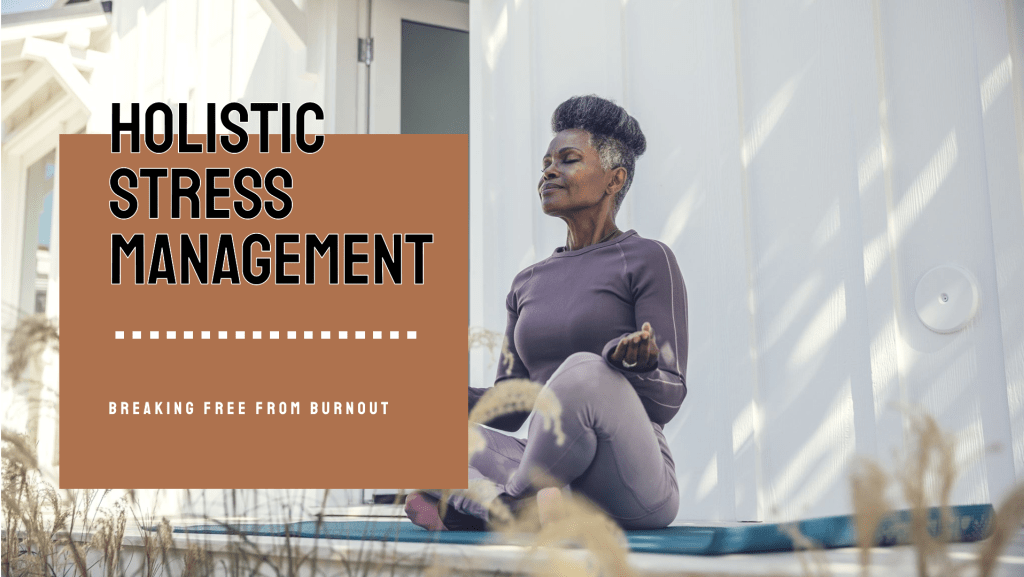
Breaking Free from Burnout: Holistic Strategies for Stress Management

Burnout has become a common challenge in our fast-paced world, affecting physical health, emotional well-being, and productivity. While stress is an inevitable part of life, holistic strategies can help you manage and prevent burnout by addressing its root causes and nurturing your mind, body, and spirit. Let’s explore actionable and empowering ways to break free from burnout and cultivate lasting resilience.


1. Recognize the Signs of Burnout

Burnout often creeps in slowly, making it crucial to recognize the warning signs before it becomes overwhelming.

  • Common Signs:
    • Chronic fatigue and lack of energy
    • Emotional detachment or cynicism
    • Difficulty concentrating or reduced productivity
  • Pro Tip: Keep a journal to track your energy levels and emotions, helping you identify patterns early.

2. Prioritize Sleep for Recovery

Sleep is the foundation of resilience. It helps restore your body and mind, giving you the energy to tackle stressors.

  • How to Practice:
    • Create a calming evening routine, such as reading, stretching, or meditating.
    • Avoid screens at least an hour before bed to improve sleep quality.
  • Pro Tip: Aim for 7-9 hours of sleep each night and maintain a consistent schedule.

3. Practice Mindful Breathing

Mindful breathing is a simple yet powerful tool to calm your nervous system and reduce stress in the moment.

  • How to Practice:
    • Try the 4-7-8 technique: Inhale for 4 counts, hold for 7, and exhale for 8.
    • Use mindful breathing during breaks or before stressful situations.
  • Pro Tip: Pair breathing exercises with aromatherapy for enhanced relaxation.

4. Establish Boundaries to Protect Your Energy

Setting boundaries helps you maintain balance and prevent overcommitment, a common cause of burnout.

  • How to Practice:
    • Politely decline tasks or events that don’t align with your priorities.
    • Create “non-negotiable” time blocks for self-care or rest.
  • Pro Tip: Practice saying no gracefully with phrases like, “I appreciate the opportunity, but I need to focus on other priorities right now.”

5. Engage in Restorative Movement

Gentle, mindful movement like yoga, Tai Chi, or stretching helps release tension and restore balance.

  • How to Practice:
    • Dedicate 10-20 minutes daily to restorative exercises.
    • Focus on movements that feel good and support relaxation.
  • Pro Tip: Try yoga poses like Child’s Pose or Legs-Up-The-Wall for deep relaxation.

6. Fuel Your Body with Nourishing Foods

Nutrition plays a key role in managing stress and maintaining energy levels.

  • How to Practice:
    • Focus on whole, unprocessed foods like leafy greens, nuts, and whole grains.
    • Incorporate stress-reducing nutrients like magnesium (found in almonds) and omega-3s (found in salmon or flaxseeds).
  • Pro Tip: Prepare meals in advance to avoid resorting to unhealthy choices during busy periods.

7. Embrace Gratitude Practices

Gratitude shifts your perspective, helping you focus on positive aspects of life and counteracting stress.

  • How to Practice:
    • Write down three things you’re grateful for each day.
    • Share gratitude with loved ones by expressing appreciation.
  • Pro Tip: Use a gratitude journal to reflect on positive moments before bed.

8. Unplug for Digital Detox

Constant connectivity can contribute to mental exhaustion. Taking intentional breaks from technology helps reduce overwhelm.

  • How to Practice:
    • Set specific times during the day to disconnect from screens.
    • Create tech-free zones, like your bedroom or dining area.
  • Pro Tip: Replace screen time with relaxing activities, such as reading or spending time outdoors.

9. Build a Support Network

Connection with others can provide emotional support and perspective, reducing feelings of isolation.

  • How to Practice:
    • Reach out to friends, family, or a mentor for encouragement.
    • Consider joining a support group or engaging in community activities.
  • Pro Tip: Schedule regular check-ins with loved ones to maintain strong connections.

10. Incorporate Daily Mindfulness

Mindfulness practices help you stay present, reducing the mental clutter that contributes to stress.

  • How to Practice:
    • Start your day with a 5-minute mindfulness meditation or journaling session.
    • Use mindfulness techniques like focusing on your breath during challenging moments.
  • Pro Tip: Try apps like Headspace or Calm to guide your mindfulness practice.

Conclusion

Breaking free from burnout requires a holistic approach that nurtures your entire being. By recognizing the signs early and implementing these strategies, you can create a life that balances productivity with peace and purpose. Start small, make self-care a priority, and remember that preventing burnout is an act of empowerment and self-love.


For more strategies on living mindfully and achieving balance, check out my book, The Mindful Executive: https://www.amazon.com/dp/B0D75YJCLW.

Boost Well-Being Through Daily Mindful Rituals

Rituals have been a cornerstone of human culture for centuries, offering a sense of stability, intention, and meaning. Unlike habits, which are often automatic, rituals are imbued with purpose and mindfulness. By incorporating meaningful rituals into your daily life, you can create a sense of control, boost your emotional well-being, and cultivate a mindset geared toward growth and positivity. Let’s explore how to harness the transformative power of daily rituals for a more intentional and fulfilling life.


1. Morning Intention-Setting Ritual

Start your day with purpose by setting clear intentions. This ritual helps you focus on what matters most.

  • How to Practice:
    • Upon waking, take a few moments to reflect on how you want to feel and what you want to achieve during the day.
    • Write down one or two key intentions (e.g., “Stay present” or “Approach challenges with patience”).
  • Pro Tip: Pair this with a morning mantra, such as, “I am calm, capable, and focused.”

2. Ritual of Gratitude

Gratitude rituals shift your mindset from scarcity to abundance, fostering positivity and contentment.

  • How to Practice:
    • Spend 5 minutes each morning or evening writing down three things you’re grateful for.
    • Focus on small, specific moments, like a kind gesture or a beautiful sunrise.
  • Pro Tip: Create a gratitude jar where you write your notes on slips of paper and review them at the end of the year.

3. Mindful Movement Practice

Incorporating intentional movement into your day enhances physical health while grounding your mind.

  • How to Practice:
    • Dedicate 10-20 minutes to yoga, tai chi, or stretching with a focus on mindful breathing.
    • Use this time to check in with your body and release tension.
  • Pro Tip: Choose a time of day when you need an energy boost or mental reset.

4. Nourishment Rituals for Meals

Transform your meals into a mindful practice that nourishes your body and spirit.

  • How to Practice:
    • Begin each meal by taking a moment to appreciate the food, its flavors, and the effort it took to prepare it.
    • Eat slowly, savoring each bite and noticing how your body responds.
  • Pro Tip: Avoid distractions like screens or multitasking while eating.

5. Midday Reset Ritual

A midday pause helps break the cycle of stress and restores focus.

  • How to Practice:
    • Set an alarm for a midday break where you spend 5-10 minutes meditating, journaling, or stepping outside.
    • Reflect on your morning and realign your intentions for the rest of the day.
  • Pro Tip: Incorporate aromatherapy with energizing scents like citrus or peppermint during this ritual.

6. Evening Reflection Ritual

Reflection at the end of the day provides closure and insight, allowing you to let go of stress and prepare for restful sleep.

  • How to Practice:
    • Spend 10 minutes reviewing your day by journaling or simply reflecting on key moments.
    • Ask yourself questions like, “What went well today?” and “What can I learn from today’s challenges?”
  • Pro Tip: End the ritual with a positive affirmation, such as, “I am proud of my efforts today.”

7. Nature Connection Ritual

Connecting with nature helps you feel grounded, reduces stress, and enhances your sense of well-being.

  • How to Practice:
    • Spend 10-15 minutes outdoors, whether it’s a walk in the park, tending to a garden, or simply sitting under a tree.
    • Observe your surroundings with curiosity and appreciation.
  • Pro Tip: Try incorporating this ritual in the morning or evening for a peaceful start or end to your day.

8. Digital Detox Ritual

Detaching from technology is essential for mental clarity and emotional balance.

  • How to Practice:
    • Set a designated time each day to unplug from screens—start with 30 minutes and gradually increase.
    • Use this time for activities like reading, meditating, or creative hobbies.
  • Pro Tip: Create a tech-free zone in your home, such as your bedroom or dining area.

9. Affirmation Ritual

Positive affirmations help reframe negative thought patterns and boost confidence.

  • How to Practice:
    • Write or repeat affirmations each morning, focusing on areas where you seek growth or strength.
    • Examples include, “I am resilient,” “I am deserving of love,” or “I have the power to create change.”
  • Pro Tip: Pair affirmations with a mirror to enhance their impact.

10. Weekly Visioning Ritual

A weekly ritual for envisioning your goals keeps you aligned with your aspirations and motivated to take action.

  • How to Practice:
    • Dedicate 20-30 minutes at the start of each week to review your goals and set actionable steps.
    • Visualize what success looks and feels like for the week ahead.
  • Pro Tip: Combine this ritual with a calming activity, like lighting a candle or sipping tea.

Conclusion

Rituals infuse your daily routine with intention, creating meaningful moments that enhance your mindset and well-being. By incorporating even a few of these practices into your life, you can foster greater focus, resilience, and joy. Start small, build consistency, and watch how these rituals transform not just your days, but your entire outlook on life.


For more insights on cultivating mindfulness and intentional living, check out my book, The Mindful Executive: https://www.amazon.com/dp/B0D75YJCLW.
12 Powerful Rituals to Release Stress and Restore Balance

Stress can creep into our lives in many forms, impacting our well-being, mindset, and productivity. But with mindful, intentional practices, we can release stress and restore balance to our lives. These 12 powerful rituals offer grounding and relaxation, helping you navigate life with a calm, resilient spirit. Incorporate these into your daily or weekly routine to experience a renewed sense of peace and balance.


1. Ground Yourself with a Daily “Nature Walk” Ritual

Walking in nature is a natural stress reliever, grounding your energy and clearing your mind. Connecting with the outdoors helps you feel calm and rejuvenated.

  • How to Practice: Spend 10-15 minutes walking in a park, garden, or even a quiet street. Focus on your surroundings, breathe deeply, and let nature’s energy recharge you.

2. Practice Journaling for Mental Clarity

Journaling helps release mental clutter, giving your thoughts a place to land outside of your mind. It’s an effective way to process emotions and gain clarity.

  • How to Practice: Each evening, write down anything weighing on your mind. Don’t worry about structure—just let your thoughts flow freely. End with one positive thought or intention for the next day.

3. Unwind with a Guided Meditation

Guided meditation brings you back to the present moment, releasing tension and calming the mind. It’s especially helpful when your mind feels scattered or overwhelmed.

  • How to Practice: Use a meditation app or search for a short, calming guided meditation on YouTube. Spend at least 5-10 minutes fully immersed in the experience.

4. Create a Soothing Tea Ritual

Sipping herbal tea is a simple, comforting way to wind down. Herbs like chamomile, lavender, and peppermint are known for their calming effects and can be a gentle way to relieve stress.

  • How to Practice: Brew a calming herbal tea, sit in a comfortable spot, and savor each sip. Focus on the warmth and flavor, using this time as a mindful break.

5. Try a Tension-Release Breathwork Exercise

Breathwork activates your body’s relaxation response, releasing tension and bringing you back to center. It’s especially useful when you need a quick stress release.

  • How to Practice: Try the box breathing technique—inhale for 4 counts, hold for 4, exhale for 4, hold for 4, and repeat for 3-5 cycles.

6. Engage in Creative Expression

Creative activities allow you to express and release emotions in a constructive way. Art, music, writing, or any creative outlet can serve as a therapeutic release.

  • How to Practice: Set aside time each week to engage in a creative activity you enjoy, whether it’s painting, playing music, or crafting. Focus on the process rather than the outcome.

7. Use Aromatherapy for Calming Energy

Essential oils like lavender, eucalyptus, and bergamot can help reduce anxiety and create a peaceful environment. Aromatherapy is a simple, accessible way to improve mood and calm the mind.

  • How to Practice: Use a diffuser with calming essential oils, or place a few drops on a cloth and inhale deeply. You can also add essential oils to a warm bath for a relaxing experience.

8. Release Tension with Progressive Muscle Relaxation

Progressive muscle relaxation involves tensing and releasing different muscle groups, helping to relieve physical stress. This technique is effective for letting go of built-up tension.

  • How to Practice: Start from your feet, tensing each muscle group for a few seconds, then releasing. Move up your body until you’ve relaxed each area.

9. Try Visualization for Peace and Balance

Visualization helps you shift your mindset and create a mental escape from stress. Imagining a peaceful place or a positive outcome can reduce anxiety and restore calm.

  • How to Practice: Close your eyes and imagine a peaceful place, like a beach or forest. Focus on the sights, sounds, and smells, allowing yourself to feel fully immersed and relaxed.

10. Create a Decluttering Ritual

A clean, organized space promotes mental clarity and reduces stress. Decluttering helps you let go of unnecessary items, creating a peaceful environment that reflects balance.

  • How to Practice: Dedicate 10 minutes each day or week to decluttering a small area, such as your desk or closet. Organize with intention, keeping only what adds value or joy.

11. Embrace a “Digital Detox” Hour

Screen time, especially before bed, can contribute to stress and overstimulation. A digital detox allows your mind to reset, reducing anxiety and promoting relaxation.

  • How to Practice: Set aside at least one hour each evening to turn off screens. Use this time for non-digital activities like reading, journaling, or meditating.

12. Use Self-Compassion Affirmations

Self-compassion affirmations encourage kindness toward yourself, reducing self-criticism and cultivating inner peace. Affirmations can help you release negative thoughts and embrace self-acceptance.

  • How to Practice: Choose affirmations like “I am enough,” “I release today’s stress,” or “I am worthy of rest.” Repeat them quietly to yourself before bed, allowing each phrase to resonate.

Conclusion

Incorporating these powerful rituals into your life can provide consistent relief from stress and help restore balance to your mind, body, and spirit. Choose the practices that resonate most with you and turn them into daily or weekly rituals, creating a toolkit for peace and resilience. With each small act, you’re nurturing a foundation of calm, helping you navigate life’s ups and downs with grace.


For more insights on managing stress and finding balance, check out my book, The Mindful Executive: https://www.amazon.com/dp/B0D75YJCLW.
15 Types of Self-Care Practices to Nurture Your Mind, Body, and Spirit

Self-care is about more than treating yourself—it’s a commitment to nurturing your well-being in ways that support your mental, physical, and spiritual health. True self-care is a balanced blend of habits and practices that align with your personal needs and values. Here are 15 diverse types of self-care practices to inspire you, each offering unique benefits to your mind, body, and spirit.


1. Physical Movement for Vitality

Engaging in physical activity boosts energy, improves mood, and supports overall health. Movement is a powerful form of self-care that directly benefits both mind and body.

  • How to Practice: Try gentle activities like yoga, walking, or stretching if you’re looking for relaxation, or energizing exercises like running or dance to uplift your mood.

2. Mindful Meditation for Inner Peace

Meditation is a mental practice that promotes clarity and calmness. It allows you to observe your thoughts and feelings without judgment, fostering a sense of inner peace.

  • How to Practice: Dedicate 5-10 minutes each day to mindfulness meditation, focusing on your breath. Allow thoughts to come and go as you bring your attention back to the present.

3. Digital Detox for Mental Clarity

Constant digital engagement can clutter your mind and create stress. Taking intentional breaks from screens helps you reconnect with the present and clear mental clutter.

  • How to Practice: Set a daily or weekly time to unplug from screens. Use this time to read, connect with loved ones, or spend time outdoors.

4. Journaling for Emotional Expression

Writing down your thoughts and feelings helps you process emotions, gain insights, and release negativity. Journaling provides a safe space to explore your inner self.

  • How to Practice: Spend a few minutes each day or week writing about your thoughts, goals, or feelings. Don’t worry about structure—let your words flow freely.

5. Breathwork for Relaxation

Controlled breathing exercises reduce stress, calm the nervous system, and promote mental clarity. Breathwork is a quick, effective tool for managing emotions.

  • How to Practice: Try deep belly breathing or the 4-7-8 technique (inhale for 4, hold for 7, exhale for 8). Repeat for a few cycles to feel grounded and centered.

6. Creative Expression for Joy

Creative activities like painting, writing, or playing music provide an emotional release and bring joy. Creativity allows you to express yourself in ways words cannot.

  • How to Practice: Dedicate time each week for a creative outlet. Approach it playfully, letting go of perfectionism and focusing on the joy of creating.

7. Time in Nature for Grounding

Nature has a grounding effect that helps you reconnect with yourself and reduces stress. Being outdoors promotes mindfulness and emotional well-being.

  • How to Practice: Spend 10-15 minutes outdoors each day, observing your surroundings. Whether it’s a walk in the park or sitting in your backyard, allow nature to calm your mind.

8. Gratitude Practice for Positive Perspective

Reflecting on gratitude shifts your focus from what you lack to what you have, fostering a positive outlook and resilience.

  • How to Practice: Write down three things you’re grateful for each day. Focus on small details that brought joy or peace, reinforcing a sense of abundance.

9. Massage Therapy for Physical Release

Massage relieves tension in the body and promotes relaxation. It’s a way to release stress and reconnect with your body through touch.

  • How to Practice: Schedule a professional massage when possible, or practice self-massage techniques on areas like the neck and shoulders.

10. Herbal Teas for Calmness

Herbal teas like chamomile, lavender, and peppermint provide natural relaxation. Tea rituals are comforting and can help reduce stress and anxiety.

  • How to Practice: Enjoy a calming tea each evening or during stressful times. Savor the flavor and aroma as a form of mindful self-care.

11. Decluttering for Mental Peace

A clean, organized space promotes mental clarity and reduces stress. Decluttering is a form of self-care that improves your environment and your mindset.

  • How to Practice: Set aside time each week to declutter a specific area, such as your desk or bedroom. Focus on creating a space that feels peaceful and organized.

12. Affirmations for Self-Love

Positive affirmations shift your inner dialogue, boosting self-esteem and resilience. They help you build a supportive, loving relationship with yourself.

  • How to Practice: Choose affirmations that resonate with you, like “I am enough” or “I deserve love.” Repeat them daily to reinforce a positive mindset.

13. Setting Boundaries for Emotional Balance

Setting boundaries protects your energy and helps you manage stress. It’s an essential practice for emotional health and self-respect.

  • How to Practice: Identify areas where you feel overextended and set limits. Communicate your boundaries with kindness and clarity, honoring your needs.

14. Sleep Hygiene for Restoration

Quality sleep is crucial for emotional and physical well-being. Good sleep hygiene helps you recharge, improves mood, and boosts mental clarity.

  • How to Practice: Create a relaxing bedtime routine, avoiding screens and caffeine before bed. Aim for 7-8 hours of rest each night for optimal health.

15. Acts of Kindness for Connection

Kindness towards others promotes positive feelings and a sense of connection. Giving back supports both your mental and emotional well-being.

  • How to Practice: Perform a simple act of kindness daily, like offering a compliment, helping someone, or volunteering. These small acts create positive energy and foster connection.

Conclusion

Self-care encompasses a wide range of practices that nurture your mind, body, and spirit. By incorporating these diverse self-care techniques into your routine, you create a holistic foundation for well-being. Choose practices that resonate with you and adapt them to your needs, creating a self-care routine that truly supports your life.


For more insights on self-care and well-being, check out my book, The Mindful Executive: https://www.amazon.com/dp/B0D75YJCLW.

10 Ways to Detox Your Mind for Mental Clarity

In a world filled with constant distractions and information overload, mental clarity can feel elusive. Just like our bodies, our minds benefit from regular detoxing to clear away clutter and restore focus. A mental detox involves creating space, letting go of negative thought patterns, and adopting practices that support a calm, clear mind. Here are 10 ways to detox your mind and regain mental clarity, helping you feel refreshed, focused, and ready for whatever comes your way.


1. Practice Mindfulness Meditation

Mindfulness meditation helps quiet the mind by focusing on the present moment. It trains you to become aware of your thoughts without getting tangled in them, promoting mental clarity and reducing stress.

  • How to Practice: Dedicate just 5-10 minutes each day to mindfulness meditation. Sit in a comfortable position, close your eyes, and focus on your breath. Allow thoughts to come and go without judgment, gently bringing your attention back to your breath.

2. Engage in a Digital Detox

Constant notifications and digital distractions can clutter the mind and decrease focus. A digital detox helps you step away from screens and reconnect with the present moment.

  • How to Practice: Set aside one day a week to minimize or completely avoid screen time. Use this time to connect with loved ones, spend time in nature, or engage in hobbies that bring you joy.

3. Journal to Release Mental Clutter

Writing down your thoughts allows you to clear mental clutter and gain insights into recurring patterns. Journaling can be a powerful tool for processing emotions and organizing your thoughts.

  • How to Practice: Spend a few minutes each day or week writing down whatever is on your mind. Don’t worry about grammar or structure; simply let your thoughts flow onto the page.

4. Practice Breathwork for Mental Refreshment

Breathwork exercises calm the mind and reduce stress, promoting mental clarity. They’re especially useful when you’re feeling overwhelmed or unfocused.

  • How to Practice: Try a simple breathing exercise, like the 4-7-8 technique: Inhale for 4 counts, hold for 7, exhale for 8. Repeat this cycle 4-5 times to clear your mind and regain focus.

5. Declutter Your Physical Space

Your environment plays a significant role in your mental state. A cluttered space can lead to a cluttered mind, while a clean, organized environment promotes calm and focus.

  • How to Practice: Take a few minutes each day to tidy up your workspace or living area. Remove items you no longer need and organize belongings for a clear, peaceful space.

6. Engage in Creative Outlets

Creative activities, such as drawing, painting, or playing music, provide a mental release and allow you to express emotions in a constructive way. Creativity encourages mental flexibility and helps you process emotions.

  • How to Practice: Set aside time each week for a creative activity you enjoy. Approach it with a playful mindset and let go of any pressure to be perfect.

7. Practice Gratitude to Shift Focus

Shifting your focus to gratitude can help release negative thought patterns and foster a more positive mindset. It’s a powerful way to detox the mind from stress and worry.

  • How to Practice: Each day, write down three things you’re grateful for. Focus on small details and moments that brought you joy, creating a positive mental habit.

8. Limit Negative Influences

Surrounding yourself with negativity, whether through social media, news, or people, can clutter the mind and create stress. Limiting exposure to negative influences can create a lighter mental space.

  • How to Practice: Curate your social media feeds, reduce time spent on negative news, and surround yourself with positive influences that uplift and inspire you.

9. Practice Grounding Techniques

Grounding exercises help you reconnect with the present moment and reduce anxious thoughts. By focusing on your senses, you bring your attention away from worries and back to what’s happening now.

  • How to Practice: Try walking barefoot on grass, sand, or natural surfaces. You can also do a grounding exercise by holding an object and focusing on its texture, weight, and temperature.

10. Set Boundaries to Protect Your Energy

Overextending yourself can lead to burnout and mental fatigue. Setting boundaries helps protect your energy, allowing you to focus on what’s important and say “no” to unnecessary stress.

  • How to Practice: Identify areas in your life where you’re feeling overextended and set boundaries to protect your time. This could include limiting work hours, saying “no” to extra commitments, or setting boundaries around social engagements.

Conclusion

A mental detox isn’t about completely emptying your mind but rather creating a sense of clarity, peace, and focus. By adopting these practices, you can reduce mental clutter and build a foundation for a balanced, clear mind. Start with one or two strategies and gradually integrate more to cultivate a mental detox routine that supports your well-being.


For more insights on mental clarity and focus, check out my book, The Mindful Executive: https://www.amazon.com/dp/B0D75YJCLW.
15 Self-Care Rituals to Reconnect with Your Mind, Body, and Spirit

In the hustle and bustle of daily life, it’s easy to lose touch with ourselves, leading to stress, fatigue, and a sense of imbalance. True self-care goes beyond quick fixes; it’s about nurturing your mind, body, and spirit in meaningful ways that promote lasting well-being. These 15 holistic self-care rituals can help you reconnect with yourself, providing comfort, clarity, and a deep sense of peace.


1. Start the Day with Gratitude

Practicing gratitude can shift your mindset and set a positive tone for the day. It’s a simple yet powerful way to center yourself and find appreciation in life’s small moments.

  • How to Practice: Take a few minutes each morning to list three things you’re grateful for, either in a journal or silently to yourself.

2. Incorporate Breathwork for Calmness

Conscious breathing exercises help release stress and calm the nervous system, grounding you in the present moment. Breathwork can be a gentle way to reconnect with your body.

  • How to Practice: Spend 5 minutes each day focusing on deep, slow breaths. Try inhaling for a count of four, holding, and then exhaling for a count of four.

3. Create a Soothing Morning Ritual

A slow, intentional morning routine can set a peaceful tone for your day. Incorporating rituals like stretching, drinking warm lemon water, or practicing mindfulness can provide a gentle start.

  • How to Practice: Dedicate 15 minutes to a mindful activity each morning, whether it’s stretching, journaling, or enjoying a quiet cup of tea.

4. Practice Digital Detox

Constant digital engagement can be mentally exhausting. Taking intentional breaks from screens can refresh your mind and help you reconnect with yourself and the world around you.

  • How to Practice: Set aside time each day, even just 15 minutes, to turn off all devices and be fully present. Use this time to reflect, meditate, or simply be still.

5. Ground Yourself in Nature

Spending time in nature can be incredibly healing, providing a sense of grounding and connection. It’s a great way to recharge and find peace away from daily stresses.

  • How to Practice: Aim to spend a few minutes outdoors each day, whether it’s a walk in the park or sitting in your backyard. Focus on your surroundings and take in the sights, sounds, and scents of nature.

6. Use Essential Oils for Emotional Balance

Aromatherapy is a powerful tool for self-care. Essential oils like lavender, chamomile, and eucalyptus can help reduce stress and promote relaxation.

  • How to Practice: Diffuse your favorite calming essential oil, or apply it to your wrists and inhale deeply to help center your mind.

7. Take Time for Mindful Eating

Mindful eating encourages you to savor each bite, allowing you to fully appreciate your food. This practice can bring a sense of calm and help you reconnect with your body’s needs.

  • How to Practice: Eat your meals without distractions. Focus on each bite, noting the flavors, textures, and sensations as you eat.

8. Journal for Self-Reflection

Journaling is a powerful way to process emotions, clarify thoughts, and reconnect with yourself. It allows you to express your innermost feelings and thoughts.

  • How to Practice: Spend 5-10 minutes each day writing about whatever is on your mind. Let your thoughts flow freely without judgment.

9. Engage in Movement That You Love

Physical activity doesn’t have to be intense to be beneficial. Gentle movement like yoga, walking, or dancing can uplift your spirit, boost your mood, and reconnect you with your body.

  • How to Practice: Find a form of movement you enjoy, and make time for it each day. Focus on how your body feels during the activity.

10. Practice a Relaxing Evening Routine

Creating a calming evening routine helps signal to your body that it’s time to wind down. Activities like reading, stretching, or taking a warm bath can prepare you for restful sleep.

  • How to Practice: Set aside 30 minutes before bed to relax. Turn off electronics, light a candle, or enjoy a warm beverage.

11. Practice Visualization

Visualization is a powerful technique for cultivating positive emotions and setting intentions. Visualizing a peaceful scene or a positive outcome can shift your mindset and reduce stress.

  • How to Practice: Spend a few minutes each day visualizing a place or scenario that brings you peace. Imagine the sights, sounds, and feelings associated with it.

12. Take a Salt Bath for Cleansing

Salt baths are not only relaxing but also help detoxify the body, soothing muscles and releasing tension. Adding Epsom salt or Himalayan salt can enhance the healing benefits.

  • How to Practice: Run a warm bath with 1-2 cups of Epsom salt. Soak for at least 20 minutes, focusing on releasing any tension.

13. Connect with Loved Ones

Building connections with family or friends is an essential part of self-care. Sharing moments of joy, love, and laughter can lift your spirit and enhance your emotional well-being.

  • How to Practice: Dedicate time each week to connect with loved ones, whether it’s through a call, a meal, or simply spending quality time together.

14. Create a Personal Sanctuary

Having a designated space for relaxation or meditation helps reinforce a sense of calm. This can be a corner of your room with items that bring you peace, such as candles, crystals, or favorite books.

  • How to Practice: Set up a small area in your home with things that make you feel grounded. Spend time here daily, even if it’s just a few minutes.

15. End the Day with Gratitude

Ending your day with gratitude fosters a positive mindset, helping you focus on what you have rather than what’s lacking. This practice can be deeply calming and uplifting.

  • How to Practice: Reflect on the day’s positive moments and write down three things you’re grateful for before bed.

Conclusion

Self-care is about creating routines that nurture and restore your inner balance. These rituals don’t require a lot of time or resources but can bring immense peace and joy when practiced regularly. By making self-care a daily habit, you’ll reconnect with yourself and create a foundation of well-being for both your mind and body.


For more insights on holistic self-care and wellness, check out my book, The Mindful Executive: https://www.amazon.com/dp/B0D75YJCLW.

10 Ways to Cultivate Inner Peace in a Busy World

In a world that moves at a relentless pace, finding inner peace can feel like an impossible task. However, by adopting small, intentional practices, you can cultivate calm and balance within, no matter how hectic life gets. Inner peace isn’t about escaping the chaos; it’s about finding a steady center amid it. Here are 10 powerful ways to nurture inner peace and carry that tranquility with you throughout the day.

1. Start Your Day with Mindful Breathing

Before diving into your to-do list, take a few moments to center yourself with mindful breathing. Focused breathing helps you start the day with clarity and calm, setting a peaceful tone for whatever comes next.

  • Tip: Spend 5 minutes each morning breathing deeply and intentionally. Inhale for four counts, hold for four, exhale for four, and repeat. This simple exercise can make a profound difference.

2. Practice Grounding Techniques

Grounding techniques connect you to the present moment, helping to alleviate stress and reduce anxiety. Spending a few minutes each day connecting with the earth can bring immediate feelings of peace and stability.

  • Tip: Try walking barefoot on grass, sand, or soil. Focus on the sensation of the earth beneath your feet and take a few deep breaths to ground yourself.

3. Limit Digital Overload

Constant digital engagement can be mentally draining, leading to restlessness and stress. By limiting screen time, you can create space for calm, real-life moments that bring peace.

  • Tip: Set aside at least an hour each day to unplug from all devices. Use this time to meditate, read, or connect with loved ones without the distraction of screens.

4. Embrace Minimalism in Your Space

A cluttered environment can create a cluttered mind. By embracing minimalism and keeping your space organized, you invite more peace and clarity into your surroundings.

  • Tip: Spend a few minutes each day tidying up. Start with small spaces, like your work desk or bedside table, to create an environment that promotes calm.

5. Prioritize Mindful Eating

Eating mindfully means savoring each bite and being fully present during meals. This practice not only aids digestion but also enhances appreciation for food, creating a calm and satisfying eating experience.

  • Tip: Avoid distractions like TV or your phone while eating. Take time to chew slowly, noticing the flavors and textures, and express gratitude for the nourishment.

6. Incorporate Meditation into Your Routine

Meditation is one of the most powerful tools for cultivating inner peace. Regular meditation helps train the mind to be more present, reducing stress and promoting a sense of calm that lasts throughout the day.

  • Tip: Start with just 5-10 minutes of meditation each day. Focus on your breath or use a guided meditation app to help you develop this peaceful practice.

7. Engage in Nature Therapy

Spending time in nature has a grounding and rejuvenating effect. Whether it’s a quick walk in the park or a weekend hike, being in nature can significantly boost your sense of inner peace.

  • Tip: Aim to spend at least 10-15 minutes outside every day. Observe your surroundings, breathe in the fresh air, and let nature’s beauty calm your mind.

8. Practice Letting Go of Control

Trying to control everything in life can lead to stress and frustration. By letting go and accepting that some things are beyond your control, you free up mental energy and create room for peace.

  • Tip: Reflect on what’s truly within your control each day. Write down any worries and consciously release those beyond your influence.

9. Use Affirmations for Calmness

Positive affirmations can shift your mindset, helping you cultivate a peaceful inner dialogue. Repeating calming affirmations trains the mind to embrace positivity and resilience.

  • Tip: Use affirmations like “I am at peace” or “I trust the process of life.” Repeat them to yourself during moments of stress to create a steadying inner voice.

10. End the Day with Gratitude

Practicing gratitude helps you focus on the positive aspects of life, creating a sense of peace and contentment. Reflecting on the day’s blessings can bring a peaceful closure to your day.

  • Tip: Before bed, jot down three things you’re grateful for. This simple practice can shift your perspective and create a calming end to each day.

Conclusion

Inner peace is within reach, even in the midst of a busy world. By incorporating these small practices into your routine, you create a foundation of calm and balance that can carry you through life’s challenges. Remember, inner peace is not about avoiding life’s chaos but about cultivating a quiet strength that allows you to move through it gracefully.


For more tips on cultivating peace and balance, check out my book, The Mindful Executive: https://www.amazon.com/dp/B0D75YJCLW.

15 Things to Stop Doing for Better Holistic Health

Achieving better holistic health often starts with removing the habits, behaviors, and patterns that drain our energy or prevent us from living in alignment. While adding healthy practices to your life is important, letting go of negative ones can be equally transformative. By stopping certain behaviors, you make room for growth, balance, and healing. Here are 15 things you should stop doing for better holistic health and well-being.

1. Stop Overusing Technology

Constant screen time and excessive use of social media can leave your mind overstimulated and drained. Disconnecting from technology, especially before bed, helps restore mental clarity and calm.

  • Tip: Schedule regular digital detoxes, even if it’s just for a few hours each day.

2. Stop Skipping Meals

Skipping meals can wreak havoc on your energy levels and metabolism. Balanced, regular meals are essential for maintaining a stable energy flow and supporting your body’s natural rhythms.

  • Tip: Prepare easy, nutrient-dense snacks if you tend to get busy during the day.

3. Stop Ignoring Hydration

Dehydration is a major energy drainer and can lead to headaches, fatigue, and sluggishness. Make it a priority to drink water throughout the day, as it’s crucial for maintaining balanced energy and detoxifying the body.

  • Tip: Set reminders on your phone to drink water every hour.

4. Stop Neglecting Sleep

A consistent lack of sleep disrupts both your physical and mental health. Without proper rest, your body can’t heal, and your mind can’t process emotions effectively, leading to stress and imbalances.

  • Tip: Create a calming bedtime routine and prioritize 7-8 hours of sleep each night.

5. Stop Holding onto Grudges

Negative emotions like resentment and anger can weigh down your energy and block healing. Forgiveness and emotional release are key to clearing energy blockages and fostering holistic well-being.

  • Tip: Practice journaling or meditation to process and let go of negative emotions.

6. Stop Multitasking

While it may feel efficient, multitasking actually scatters your focus and drains your mental energy. Focusing on one task at a time leads to greater productivity and mental balance.

  • Tip: Use time-blocking techniques to manage your day with intention and focus.

7. Stop Eating Processed Foods

Processed foods are often loaded with chemicals, sugar, and unhealthy fats that can disrupt your body’s natural balance. Opting for whole, natural foods supports your body’s energy and overall well-being.

  • Tip: Choose fresh fruits, vegetables, and whole grains as the foundation of your meals.

8. Stop Saying Yes to Everything

Overcommitting and constantly saying “yes” to requests can leave you feeling overwhelmed and depleted. Learning to set boundaries and prioritize your energy is essential for maintaining balance.

  • Tip: Practice saying “no” when necessary, and focus on what aligns with your wellness goals.

9. Stop Living in the Past

Holding onto the past keeps you stuck in old patterns and prevents you from living in the present. Embracing mindfulness and releasing what no longer serves you can open you up to new opportunities for growth.

  • Tip: Try grounding exercises and mindfulness meditation to bring your focus back to the present moment.

10. Stop Neglecting Physical Activity

A sedentary lifestyle can lead to physical and mental stagnation. Movement is essential for maintaining a healthy energy flow, boosting mood, and reducing stress.

  • Tip: Find enjoyable ways to stay active, such as yoga, walking, or dancing, and make it a part of your daily routine.

11. Stop Overloading Your Schedule

Constantly filling up your schedule with tasks, appointments, and obligations can lead to burnout. Leaving space for rest and relaxation is just as important as getting things done.

  • Tip: Practice time management and schedule downtime for yourself each week.

12. Stop Comparing Yourself to Others

Comparison is a surefire way to drain your energy and erode self-esteem. Focusing on your own journey and celebrating your unique progress is key to cultivating self-love and mental wellness.

  • Tip: Shift your focus inward by journaling about your personal growth and achievements.

13. Stop Suppressing Your Emotions

Suppressing emotions can lead to energy blockages and even physical illness. Allowing yourself to feel and process emotions in a healthy way supports both mental and physical healing.

  • Tip: Engage in emotional release practices, like deep breathing, EFT tapping, or expressive writing.

14. Stop Fearing Change

Fear of change can keep you stuck in unhealthy patterns. Embracing change, both big and small, is necessary for personal growth and holistic wellness.

  • Tip: Start small by making one positive change each week, whether it’s in your diet, habits, or mindset.

15. Stop Isolating Yourself

While alone time is important, too much isolation can lead to loneliness and emotional imbalance. Building connections with supportive people enhances your emotional and mental well-being.

  • Tip: Make an effort to reach out to friends or join wellness communities to nurture positive connections.

Conclusion

Sometimes the best way to improve your well-being is to let go of the things that are holding you back. By stopping these 15 behaviors, you can clear space for more positive energy and practices that support holistic health. Embrace the power of letting go, and allow your mind, body, and spirit to thrive in balance.


For more holistic health tips and guidance, check out my book, The Mindful Executive: https://www.amazon.com/dp/B0D75YJCLW.