We live in a culture obsessed with doing. Hustle is glorified. Busyness is worn like a badge of honor. But in the endless pursuit of productivity, we’ve forgotten how to just be.
Stillness is not the absence of progress—it’s where healing, clarity, and inner intelligence begin. In fact, stillness is the missing nutrient in most people’s lives. And without it, your nervous system never truly rests.
We recharge our phones more than we recharge our minds. It’s time to change that.
1. What Is Stillness and Why It’s Essential
Stillness isn’t laziness. It’s presence without motion. It’s the deliberate act of creating space between stimulus and response—space that allows your nervous system to reset, your intuition to rise, and your body to heal.
🧠 Neurologically: Stillness shifts brainwaves from beta (problem-solving) to alpha and theta (creative, intuitive, restorative). 🫀 Physiologically: It activates the parasympathetic nervous system, lowering cortisol and inflammation. 💡 Energetically: It clears your emotional “static” and allows clarity to surface.
You don’t need hours of meditation. Even moments of stillness—waiting at a red light, sipping tea with no phone—are enough to shift your state.
2. What Happens to the Body in Stillness
In true stillness (not scrolling, not zoning out), your body enters a state of repair. Here’s what happens behind the scenes:
Most of us live in a low-grade fight-or-flight mode. Stillness is your off-ramp.
3. 5 Ways to Practice Intentional Stillness
🌿 1. The One-Minute Pause Set a timer. Do nothing. No thoughts. No effort. Just breathe and observe. It’s awkward at first, then blissful.
🪞 2. Morning Gaze Practice Start your day by staring out the window for 2–3 minutes in silence. Let your eyes soften. Let the day arrive to you, instead of rushing into it.
🧘 3. Soft Focus Meditation Sit with your eyes half-open, unfocused. Let your mind wander gently, without grabbing any thought. Stay in the in-between.
🕯️ 4. Candle or Fire Watch Stare into a flame. Let your mind become as still as the wick. Fire is a natural nervous system soother.
🛁 5. Bath or Shower Without Distraction No music, no phone. Just water and breath. Let your body melt. Notice what ideas rise when you’re not looking for them.
4. The Inner Healing that Happens in Stillness
Stillness allows your subconscious to integrate. Emotions that were “on hold” come forward. Old mental clutter drifts up and out. It’s not always comfortable—but it’s powerful.
In silence, you meet your real self.
The self beyond your job title, your plans, your worries. The self that knows what you need. You don’t find answers by thinking harder. You find them by listening deeper.
5. Building a Stillness Practice in a Busy World
You don’t need a mountaintop or retreat. You need micro-moments.
✨ Before you pick up your phone in the morning ✨ Before your first bite of lunch ✨ During your evening wind-down ✨ When waiting in line or on hold
Stillness isn’t a luxury. It’s your biological right. Without it, you burn out. With it, you rise restored.
Start with just 3 minutes a day. You’ll begin to crave it.
You are not a machine. You’re a rhythmic, energetic, living being who needs pause, softness, and nothingness to heal. Stillness is the medicine you forgot you needed.
Let silence work on you. Let it whisper what chaos drowns out.
And if you’re ready to embrace a deeper rhythm of life, check out my book The Mindful Executive—a guide to intentional living, inner clarity, and modern-day healing: https://www.amazon.com/dp/B0D75YJCLW
You clean your closet. You clear your desk. But what about your emotional space? The resentment from five years ago, the unresolved argument last week, the constant low-level anxiety you never name—this emotional clutter doesn’t just live in your mind. It lives in your body.
Holistic wellness teaches us that emotions are energy in motion. When they don’t move, they get stuck. And what’s stuck in the body starts showing up as fatigue, inflammation, sleep disruption, poor digestion, and even chronic illness.
We talk about detoxing our diet. But the deeper detox is emotional. It’s time to clear the unseen.
1. What Is Emotional Clutter—And Why It Matters
Emotional clutter is the accumulation of unprocessed feelings, unresolved conflicts, limiting beliefs, and subconscious fears. Unlike physical clutter, you can’t see it—but you feel it.
Signs you’re emotionally cluttered:
You overreact to small things
You feel weighed down without knowing why
You keep replaying past events in your head
You feel tired even without exertion
You resist silence, stillness, or solitude
Why does this matter? Because your body stores your story. Muscles tighten. Breathing becomes shallow. The nervous system stays on alert. Over time, this becomes your default state—wired for stress.
2. How Emotional Clutter Shows Up Physically
🔸 Tight Shoulders & Jaw = Unspoken anger 🔸 Digestive Issues = Suppressed fear or lack of emotional safety 🔸 Chronic Fatigue = Carrying unresolved burdens 🔸 Skin Breakouts = Stress and stored frustration 🔸 Insomnia = Overthinking, emotional backlog
Western medicine is finally catching up with what energy medicine has always known: unprocessed emotion creates energetic congestion. And where energy doesn’t flow, health declines.
3. How to Start Your Inner Decluttering Practice
📝 1. The 3-Line Dump (Daily Emotional Hygiene) Every night, write just 3 lines about what bothered you, excited you, or confused you. Don’t analyze—just release.
🧘♀️ 2. Stillness Before Screens Start your day in silence—no phone, no input. Let your own emotional temperature surface. Most people never know how they feel because they never stop absorbing noise.
💧 3. Cry Without Judgment Tears are literal emotional detox. Crying isn’t weakness—it’s your nervous system releasing what it no longer needs. Make space for it without labeling.
🔥 4. Burn the Old Stories (Literally) Write the beliefs or past events that still haunt you on paper. Burn them. Watch the ashes fall. Your subconscious responds to ritual more than logic.
🌬️ 5. Breathwork for Releasing Stored Emotion Try breath patterns like 4-4-8 (inhale 4, hold 4, exhale 8). This calms your system and gently brings stuck emotions to the surface.
4. Create an Emotionally Clear Environment
Your outer world mirrors your inner world. Begin to curate your emotional environment the way you curate your home.
🌿 Declutter Your Circle Spend time with people who uplift, not drain. Guilt is not a good enough reason to stay emotionally entangled.
🕯️ Create Rituals of Closure Whether it’s journaling, full moon release ceremonies, or silent walks—ritual helps your emotional body know: this is complete.
📱 Unfollow to Unburden Digital emotional clutter is real. Unfollow accounts that trigger insecurity, rage, or comparison. You’re not required to carry virtual chaos.
5. Emotional Clarity = Physical Healing
As you release emotional clutter, here’s what starts to happen:
Your breath deepens without effort
Your skin glows again
Sleep becomes natural and undisturbed
Digestion improves
You start feeling lighter—not just in mood, but in the body
Healing is less about adding more, and more about clearing what doesn’t serve you. You don’t need a better version of you. You need a less burdened one.
Your wellness journey begins when you stop ignoring what your body remembers. Let go of the emotional messiness you’ve been storing, and you’ll be amazed at how much space joy, clarity, and vitality take up in its place.
In our always-on digital age, the average person checks their phone 96 times daily and spends over seven hours staring at screens. While technology has brought incredible conveniences, it’s also created an unprecedented level of mental overwhelm, anxiety, and disconnection from our inner wisdom. The solution isn’t abandoning technology entirely—it’s learning to create healthy boundaries that restore mental clarity and inner peace.
The Hidden Cost of Digital Overwhelm
Your brain wasn’t designed to process the constant stream of information, notifications, and stimulation that modern devices provide. This digital overload triggers your stress response, flooding your system with cortisol and keeping you in a perpetual state of fight-or-flight.
Research from the University of California, Irvine reveals that it takes an average of 23 minutes to regain focus after a digital interruption. When you consider how often we’re interrupted throughout the day, it becomes clear why so many people struggle with concentration, decision fatigue, and mental fog.
The blue light emitted by screens disrupts your circadian rhythm, interfering with melatonin production and compromising sleep quality. Poor sleep then creates a cascade of health issues, from weakened immunity to increased inflammation and emotional instability.
Signs You Need a Digital Detox
Your body and mind are constantly sending signals about digital overwhelm. Common signs include feeling anxious when separated from your phone, experiencing phantom vibrations, struggling to focus on single tasks, feeling mentally exhausted despite minimal physical activity, and having difficulty falling asleep or staying asleep.
You might notice increased irritability, a constant sense of urgency, or feeling like you’re always “on” without ever truly relaxing. These symptoms indicate that your nervous system is stuck in overdrive, desperately needing the reset that only digital boundaries can provide.
The Neuroscience of Digital Addiction
Social media platforms and apps are deliberately designed to trigger dopamine release, creating addictive patterns similar to gambling. Each notification, like, or comment provides a small hit of pleasure, training your brain to crave more digital stimulation.
This constant dopamine seeking disrupts your brain’s natural reward system, making it harder to find satisfaction in simple, present-moment experiences. Activities that once brought joy—reading a book, having a conversation, enjoying nature—may feel boring or insufficient compared to the artificial highs of digital engagement.
Creating Your Personal Digital Detox Plan
Start with Awareness Begin by tracking your current digital habits without judgment. Use built-in screen time features or apps to understand exactly how much time you’re spending on various platforms. Many people are shocked to discover they’re spending 3-5 hours daily on social media alone.
Establish Sacred Spaces and Times Designate your bedroom as a phone-free zone to protect your sleep and create a peaceful sanctuary. Keep devices out of reach during meals to foster mindful eating and meaningful connections. Consider implementing a “no phones” rule during the first hour after waking and the hour before bed.
Practice Gradual Reduction Rather than going cold turkey, gradually reduce your digital consumption. Start by removing social media apps from your phone’s home screen, requiring intentional effort to access them. Turn off non-essential notifications, keeping only truly urgent ones like calls or important messages.
Replace Digital Habits with Nourishing Activities Nature abhors a vacuum, so fill the space left by reduced screen time with activities that genuinely nourish your soul. This might include meditation, journaling, reading physical books, taking walks, practicing yoga, cooking, gardening, or engaging in creative pursuits.
The Mental Clarity Benefits
Within just a few days of implementing digital boundaries, most people notice improved focus and concentration. Without constant interruptions, your brain can engage in deeper thinking and creative problem-solving. You may find that solutions to challenges arise more naturally when your mind has space to wander and process.
Sleep quality typically improves within a week, leading to better mood regulation, increased energy, and enhanced immune function. Many people report feeling more present in their relationships and more connected to their own thoughts and feelings.
Mindful Technology Use
The goal isn’t to eliminate technology but to use it intentionally rather than compulsively. Before picking up your device, pause and ask: “What am I hoping to accomplish?” This simple question can prevent mindless scrolling and help you use technology as a tool rather than an escape.
Set specific times for checking email and social media rather than allowing these activities to interrupt your day randomly. Batch similar digital tasks together to minimize context switching and preserve mental energy for more important activities.
Creating Digital-Free Rituals
Develop morning and evening routines that don’t involve screens. Begin your day with meditation, journaling, or gentle movement rather than immediately diving into news and notifications. End your evening with reading, gratitude practice, or calming activities that prepare your mind for restorative sleep.
Consider implementing regular digital sabbaths—designated periods where you completely disconnect from devices. This might be a few hours weekly or an entire day monthly, allowing your nervous system to fully reset and your creativity to flourish.
The Ripple Effects of Digital Wellness
As you create healthier relationships with technology, you’ll likely notice positive changes extending beyond personal mental clarity. Your relationships may deepen as you become more present with loved ones. Your productivity may increase as you focus on fewer things with greater attention.
You might rediscover hobbies and interests that digital distractions had crowded out. Many people find that reducing screen time naturally leads to increased physical activity, better nutrition choices, and greater connection with nature.
Building Long-Term Digital Wellness
Sustainable digital wellness requires ongoing attention and adjustment. Technology continues evolving, and new platforms constantly compete for your attention. Regular check-ins with your digital habits help ensure your boundaries remain effective and aligned with your values.
Remember that digital detox isn’t about perfection—it’s about progress. Some days you’ll use technology more than intended, and that’s perfectly normal. The key is returning to your intentional practices without self-judgment.
In our hyperconnected world, the ability to disconnect has become a superpower. By reclaiming control over your digital consumption, you’re not just improving your mental clarity—you’re modeling healthy boundaries for others and contributing to a more mindful, present world.
Your attention is your most precious resource. Invest it wisely, and watch as your mental clarity, creativity, and sense of peace naturally flourish in the space you create.
For deeper insights into transforming your relationship with health and wellness through mindful practices, explore “The Path to Wellness: A Journey of Self-Discovery and Healing” – a comprehensive guide to creating lasting change in your well-being journey.
We often associate burnout with dramatic crashes—exhaustion, breakdowns, or quitting jobs. But the more dangerous version is the quiet kind—the one that simmers under the surface while you keep functioning. You wake up tired, get through the day in a fog, and feel a constant weight you can’t explain. That’s silent burnout—and it’s more common than we realize.
In the holistic wellness world, we understand that burnout isn’t just physical fatigue; it’s energetic depletion, emotional disconnection, and spiritual dullness. You don’t just feel tired—you feel disconnected from your own life.
Let’s break it down and see how you can catch the early signs and begin your healing journey before it consumes you.
1. The Hidden Signs of Silent Burnout
Silent burnout isn’t always dramatic. It shows up subtly:
You’re tired even after a full night’s sleep.
Joy feels distant. Things you used to love feel like chores.
Your focus slips. Tasks take longer. Your mind wanders.
You start avoiding social interactions—even the ones you enjoy.
You feel emotionally flat—neither sad nor happy. Just numb.
And yet, on the outside, you’re still functioning. Still going to work, replying to emails, eating your meals. That’s what makes silent burnout dangerous: you can keep going long after your inner self has checked out.
2. The Root Causes (It’s Not Just Work)
Burnout isn’t always from overworking. It can stem from:
Emotional suppression (not expressing your feelings)
Lack of purpose or meaning
Digital overload and zero true rest
Poor boundaries in relationships
Caring for others while neglecting yourself
Lack of time in nature and natural light
Holistic wellness teaches us that when our soul’s needs are unmet—connection, creativity, rest, movement—we slowly burn out. One spark at a time.
3. Reclaiming Yourself: The Holistic Way to Heal
Burnout recovery isn’t about quitting your job or booking a vacation. It’s about realignment. Getting back in touch with what truly nourishes you. Here’s how:
🧘♀️ Schedule Soul Time (Daily) Even 20 minutes of doing something you love—gardening, sketching, dancing, or sitting in silence—has the power to reconnect you to your center.
🌿 Digital Reset Spend one day each week unplugged. No screens, no emails, no notifications. Just you and real life. Reclaim your mental space.
🍵 Eat to Replenish, Not Just Fuel Swap out caffeine and processed carbs for grounding foods—sweet potatoes, green veggies, warm soups, herbal teas. Your adrenals need nourishment, not stimulation.
☀️ Light First, Work Later Expose your eyes to natural light within 30 minutes of waking. It resets your circadian rhythm and energizes you more than coffee.
📓 Journaling for Emotional Hygiene Burnout builds when feelings are unexpressed. Every night, write out what you felt during the day. No filter. Let it all out.
🌸 Restore Nervous System through Nature 30 minutes in a park or under trees isn’t “extra.” It’s medicine. It recharges your system at a cellular level.
🚫 Say No More Often Your energy is sacred. You don’t owe your availability to everyone. Every “no” you say to others is a “yes” to yourself.
4. The Truth About Recovery
Burnout isn’t fixed with a bubble bath. It requires intentional, consistent lifestyle shifts. And the goal isn’t just to feel less tired—it’s to feel fully alive again.
You’ll know you’re healing when:
You laugh spontaneously.
Food tastes better.
You get inspired again.
You stop watching the clock.
You remember what it feels like to want to be awake.
This is your invitation to return to yourself. You don’t have to wait until you crash. You can begin healing now, quietly, gently, and fully.
In today’s always-on world, your phone has become your new limb, notifications never stop buzzing, and downtime feels like a luxury. But beneath the dopamine-driven scroll sessions lies something more dangerous — digital burnout.
That’s where Digital Detox Sundays come in. It’s not about becoming a monk or tossing your phone into the sea. It’s about creating intentional space, once a week, to disconnect from screens and reconnect with life.
Let’s explore how dedicating just one day to digital detox can recalibrate your brain, nervous system, and emotional well-being — and how you can build the perfect Detox Sunday ritual.
1. Why You Need a Digital Detox
Modern devices are incredible tools, but they’re also addictive. Constant screen time disrupts sleep, messes with attention span, spikes cortisol, and contributes to anxiety, FOMO, and decision fatigue.
🔌 A weekly digital break helps you:
Reclaim control over your time
Recharge your mental battery
Improve relationships and real-life presence
Boost creativity and emotional balance
2. Signs You’re Due for a Detox
You check your phone within 5 minutes of waking up
You feel restless when there’s nothing to scroll
Your sleep is poor despite being tired
You zone out or multitask even during conversations
You’ve forgotten what it’s like to be bored
Sound familiar? You’re not alone.
3. Planning a Digital Detox Sunday
Here’s how to structure your screen-free reset day:
✔️ Morning:
Don’t check your phone first thing.
Begin with breathwork, meditation, or journaling.
Brew a mindful cup of tea or coffee and just sit with it.
✔️ Afternoon:
Go outside. Nature heals the overstimulated mind.
Read a physical book. Sketch. Garden. Write.
Call or meet a friend in person.
✔️ Evening:
Practice a slow wind-down.
Cook a nourishing dinner without screens.
Take a long bath. Use candles. Light incense.
Sleep early — with your phone in another room.
4. Make It Easy: Digital Detox Hacks
Use a real alarm clock instead of your phone
Let key people know you’ll be offline for the day
Set an auto-reply for messages or use focus mode
Keep your devices out of reach or in another room
Replace the habit: every time you crave screen time, go for a walk, hydrate, stretch, or breathe
5. The Long-Term Impact
Doing this once a week:
Resets your nervous system
Reduces stress and improves emotional regulation
Improves deep sleep and energy
Helps build presence and intentional living
Makes screen time a conscious choice, not a compulsion
You’ll be shocked at how much more human you feel after just one Sunday.
Conclusion
Digital Detox Sundays are not a punishment — they’re a gift to your nervous system. In a world of endless noise, choosing stillness is a radical act of self-love.
Try it this week. Put your phone down, lift your head up — and remember what being alive really feels like.
🧘♂️ Your mind will thank you. 💬 Let me know how it goes.
The way you start your morning sets the tone for the rest of your day. If you wake up rushed, stressed, and reactive, chances are the rest of your day will follow the same pattern. But when you start with intention, self-care, and mindfulness, you create a foundation of balance, focus, and well-being.
A self-care morning routine doesn’t have to be long or complicated—it just needs to be intentional. Let’s explore how to build a morning routine that nourishes your mind, body, and spirit for a more productive and peaceful day.
1. Wake Up with Awareness (No Phone First Thing!)
The first thing you do in the morning affects your mood, mindset, and energy levels.
How to Practice: ✔️ Avoid checking your phone immediately (no emails or social media!). ✔️ Take a few deep breaths and set an intention for the day. ✔️ Stretch your body before getting out of bed.
Pro Tip: Try waking up with natural light or a sunrise alarm clock for a gentler start.
2. Hydrate and Nourish Your Body
After hours of sleep, your body needs hydration and fuel to wake up properly.
How to Practice: ✔️ Start with a glass of warm lemon water to hydrate and boost digestion. ✔️ Have a nutrient-rich breakfast—include protein, fiber, and healthy fats. ✔️ Avoid caffeine first thing—opt for herbal tea or a smoothie before coffee.
Pro Tip: Adding sea salt to your morning water replenishes electrolytes naturally.
3. Move Your Body (Even for 5 Minutes!)
A little movement wakes up your muscles and brain, improving circulation and energy.
How to Practice: ✔️ Stretch or do gentle yoga for 5-10 minutes. ✔️ Try a quick walk or sun exposure for a morning boost. ✔️ Do a few minutes of breathwork to oxygenate your body.
Pro Tip: Morning movement releases dopamine and serotonin, setting a positive tone for the day.
4. Practice Mindfulness & Mental Clarity
Taking a few moments for mental self-care improves focus and emotional resilience.
How to Practice: ✔️ Meditate for 5-10 minutes (guided or silent). ✔️ Write down 3 things you’re grateful for. ✔️ Set an affirmation for the day (e.g., “I am calm and focused”).
Pro Tip: Use a gratitude journal to track positive moments over time.
5. Plan Your Day with Intention
Instead of jumping into reactive mode, take control of your schedule.
How to Practice: ✔️ Identify your top 3 priorities for the day. ✔️ Schedule time for self-care, breaks, and focused work. ✔️ Visualize a successful, peaceful day before starting work.
Pro Tip: Use time-blocking to ensure balance between productivity and self-care.
6. Create a Ritual You Enjoy
Your morning routine should feel refreshing, not forced. Find something that brings you joy.
✔️ Read a few pages of an inspiring book. ✔️ Listen to uplifting music or a podcast. ✔️ Enjoy your morning tea or coffee slowly.
Pro Tip:Consistency is key—even a 10-minute routine makes a difference!
Conclusion
A self-care morning routine isn’t about perfection—it’s about creating space for balance and intention. Whether you have 10 minutes or an hour, starting your day mindfully improves your mood, focus, and energy.
Start tomorrow with just one change, and see how it transforms your day!
In today’s fast-paced, overstimulated world, our minds are constantly bombarded with information, distractions, and clutter—both physically and mentally. Minimalism is not just about owning fewer things; it’s a mindset shift that helps you create space for what truly matters.
By embracing minimalism for mental clarity, you can reduce decision fatigue, stress, and overwhelm, leading to greater focus, peace, and fulfillment. Let’s explore how simplifying your environment, schedule, and thoughts can transform your life.
1. The Science Behind Minimalism and Mental Clarity
🔬 Studies show that clutter increases stress and anxiety, making it harder for your brain to process information efficiently.
Cognitive Load: Too much clutter—physical or digital—overloads the brain, reducing focus.
Decision Fatigue: The more choices you have, the harder it is to make decisions.
Emotional Stress: Clutter is linked to higher cortisol levels, making you feel overwhelmed.
Pro Tip: A clutter-free space = a clutter-free mind.
2. Declutter Your Physical Space for a Clearer Mind
Your surroundings directly impact your mental state. A tidy space reduces stress and increases focus.
✔️ Simplify Your Home: Keep only what adds value or joy—let go of unused items. ✔️ Adopt the One-Touch Rule: Handle things once—don’t pile up decisions. ✔️ Clear Your Work Area: A clean desk = a clearer, more focused mind. ✔️ Digitally Declutter: Remove unused apps, organize files, and unsubscribe from distractions.
Pro Tip: Start small—declutter one area per day instead of all at once.
3. Minimalism in Time: Simplify Your Schedule
Your calendar can be just as cluttered as your home. Too many commitments = mental exhaustion.
✔️ Prioritize Essentials: Say no to tasks that don’t align with your goals. ✔️ Time Block Wisely: Schedule deep work, breaks, and unstructured time. ✔️ Batch Tasks: Handle emails, errands, and calls in dedicated time slots. ✔️ Limit Social Media: Reduce screen time and digital consumption.
Pro Tip: Protect your energy by not overloading your days.
4. Mental Minimalism: Clear Out Unnecessary Thoughts
Mental clutter is just as draining as physical clutter. Letting go of negative thoughts, worries, and overthinking creates space for peace and clarity.
✔️ Daily Journaling: Write down thoughts to release mental clutter. ✔️ Meditation & Breathwork: Helps quiet a busy mind. ✔️ Eliminate Unnecessary Decisions: Simplify choices—wear a capsule wardrobe, plan meals in advance. ✔️ Unfollow the Noise: Reduce media consumption that doesn’t serve you.
Pro Tip: Keep a “thought dump” journal for mental clarity.
5. The Emotional & Spiritual Side of Minimalism
Minimalism isn’t just about stuff—it’s about creating space for what fulfills you.
✔️ Practice Gratitude: Appreciate what you have instead of seeking more. ✔️ Let Go of Attachments: Free yourself from material and emotional burdens. ✔️ Make Space for What Matters: More time for relationships, creativity, and self-care. ✔️ Simplify Your Self-Image: You are not defined by what you own.
Pro Tip:Less distraction = more connection with yourself and others.
Conclusion
Minimalism isn’t about deprivation—it’s about intention. By simplifying your physical space, schedule, and thoughts, you create room for clarity, purpose, and joy. Start small, let go of one thing today, and experience the mental freedom that comes with minimalism!
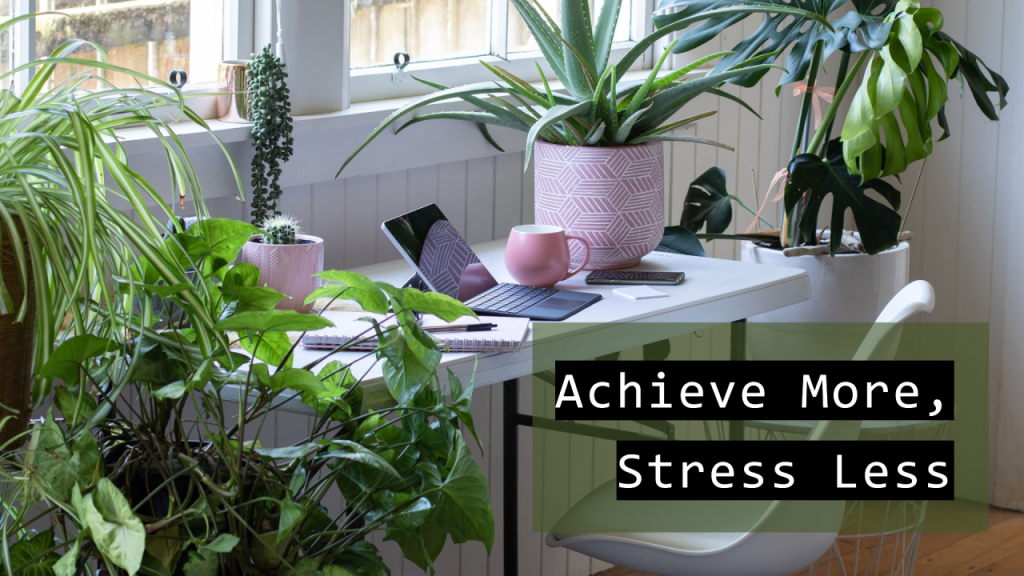
In a world obsessed with hustle culture, productivity is often mistaken for busyness. But true productivity isn’t about doing more—it’s about doing what matters with focus and clarity. Holistic productivity goes beyond traditional time management, integrating mindfulness, energy balance, and well-being into the way you work.
If you’re feeling overwhelmed by endless to-do lists, it’s time to rethink productivity. Let’s explore how to work smarter, not harder, using holistic techniques that prioritize both success and well-being.
1. Redefine Productivity: Focus on Meaning, Not Just Output
Most people measure productivity by how much they accomplish, but true productivity is about impact, not just activity.
🔹 Traditional Productivity: Focuses on tasks completed. 🔹 Holistic Productivity: Focuses on quality, purpose, and energy alignment.
How to Practice:
Define what truly matters—identify 3 priorities per day instead of endless tasks.
Focus on high-impact activities that move you toward your long-term goals.
Let go of busywork—ask yourself, “Is this essential?” before committing to tasks.
Pro Tip:Less is more—prioritizing fewer, meaningful tasks leads to better results and less burnout.
2. Align Your Work with Your Energy Cycles
Not all hours are created equal! Your productivity depends on your natural energy rhythms.
🔹 Morning: Best for deep work (creative, strategic thinking). 🔹 Midday: Best for collaborative tasks (meetings, teamwork). 🔹 Afternoon/Evening: Best for admin and planning (emails, light tasks).
How to Practice:
Track your energy levels for a week and schedule tasks accordingly.
Do your most challenging tasks when your energy is highest.
Take breaks before exhaustion—prevention is better than burnout.
Pro Tip: Use the 90-minute work cycle (focus for 90 minutes, rest for 10-15 minutes).
3. Use Mindful Time Blocking for Balance
Time blocking is a powerful way to structure your day, but a holistic approach makes it sustainable and flexible.
How to Practice:
Block 3-4 key focus sessions per day.
Include time for self-care, reflection, and movement.
Avoid rigid schedules—allow room for flow and spontaneity.
Pro Tip:The 50/10 Rule—Work for 50 minutes, then take a 10-minute movement or breathwork break.
4. Reduce Decision Fatigue with Intentional Planning
Making too many decisions drains mental energy. Simplify where possible!
How to Practice:
Plan your top 3 tasks the night before to reduce morning stress.
Batch similar tasks together (emails, meetings, creative work).
Pro Tip: Keep a not-to-do list to avoid distractions and low-value tasks.
5. Protect Your Focus with Digital Detox Strategies
Your brain isn’t wired to multitask effectively—constant digital interruptions kill productivity.
How to Practice:
Use Focus Mode or Do Not Disturb during deep work.
Set specific times for checking emails and social media.
Try 1-hour phone-free blocks for better concentration.
Pro Tip:Turn off notifications—every interruption costs you focus time.
6. Balance Productivity with Rest & Reflection
Sustainable productivity requires intentional rest and recovery.
How to Practice:
Take movement breaks every hour (stretching, walking).
Practice end-of-day reflection—journal what went well and what to improve.
Schedule unstructured time to prevent burnout.
Pro Tip:Sleep is the ultimate productivity hack—prioritize 7-9 hours of rest.
7. The Power of Saying No: Set Healthy Boundaries
Not everything deserves your time. Saying “yes” to the wrong things drains your energy.
How to Practice:
Before saying yes, ask: Does this align with my priorities?
Use polite but firm boundaries, e.g., “I’d love to help, but I don’t have capacity right now.”
Declutter your schedule—eliminate unnecessary commitments.
Pro Tip:Protecting your time = protecting your well-being.
Conclusion
Holistic productivity isn’t about working harder—it’s about working smarter while maintaining well-being. By aligning your tasks with your energy, setting clear priorities, and creating space for rest, you can accomplish more while feeling less overwhelmed.
Start small—implement one or two strategies today, and watch your productivity and happiness soar!
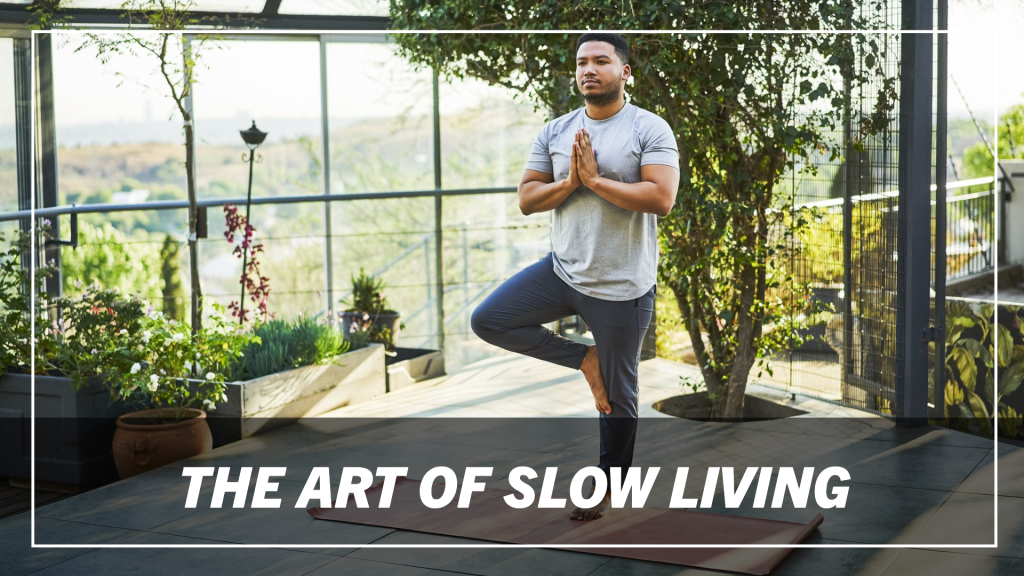
In a world that glorifies busyness, slowing down has become a radical act of self-care. Slow living is about intentionality, mindfulness, and embracing a lifestyle that prioritizes well-being over constant hustle. It’s not about doing less—it’s about doing what truly matters with purpose and presence. Let’s explore how to cultivate a slow living mindset for a more fulfilling and balanced life.
1. Embrace Intentional Mornings
The way you start your morning sets the tone for your entire day. Instead of rushing through tasks, create a slow morning routine.
How to Practice:
Wake up 15 minutes earlier to avoid starting the day in a rush.
Enjoy your morning coffee or tea mindfully, savoring each sip.
Stretch, journal, or meditate before checking your phone.
Pro Tip: Try sunlight exposure in the morning to regulate your circadian rhythm and boost mood.
2. Prioritize Meaningful Activities Over Busyness
Being busy isn’t the same as being productive. Slow living encourages you to focus on what truly brings you joy and fulfillment.
How to Practice:
List your top priorities for the day and eliminate unnecessary tasks.
Learn to say no to activities that don’t align with your values.
Create space for hobbies, deep conversations, and self-reflection.
Pro Tip: At the end of each day, ask yourself, “Did I spend my time in a way that aligns with my values?”
3. Eat Mindfully and Enjoy the Process
Slow living extends to how we nourish ourselves. Instead of rushing meals, cultivate a mindful eating practice.
How to Practice:
Cook at home more often, focusing on fresh, whole foods.
Eat without distractions—turn off the TV and put away your phone.
Chew slowly and appreciate the flavors, textures, and aromas of your food.
Pro Tip: Try a gratitude pause before meals, reflecting on where your food came from.
4. Reduce Digital Overload
Technology is useful, but constant screen time can drain your energy and focus.
How to Practice:
Set tech-free zones, like no phones at the dinner table or in the bedroom.
Take regular breaks from social media and digital notifications.
Replace scrolling with analog activities like reading or journaling.
Pro Tip: Use the 20-20-20 rule—every 20 minutes, look 20 feet away for 20 seconds to reduce eye strain.
5. Cultivate Slow, Intentional Evenings
How you end your day influences your sleep quality and emotional well-being.
How to Practice:
Create a calming nighttime routine with activities like journaling or gentle stretching.
Dim the lights an hour before bed to signal to your body that it’s time to rest.
Reflect on the day’s highlights rather than stressing over unfinished tasks.
Pro Tip: Keep a gratitude journal by your bedside to end the day on a positive note.
Conclusion
Slow living isn’t about doing nothing—it’s about doing things with presence and purpose. By integrating mindfulness, simplifying your schedule, and creating intentional moments, you can transform your daily life into a more fulfilling and balanced experience. Start small, be consistent, and allow yourself to savor the beauty of slowing down.
Sleep is the foundation of well-being, yet so many struggle with getting quality rest. Poor sleep affects everything—mental clarity, emotional balance, and physical health. Instead of relying on quick fixes, a holistic approach to sleep can help you achieve deep, restorative rest naturally. Let’s explore effective sleep hacks to improve your sleep cycle and wake up feeling refreshed.
1. Establish a Consistent Sleep Routine
Your body thrives on rhythm. A consistent sleep schedule regulates your circadian clock.
How to Practice:
Go to bed and wake up at the same time every day, even on weekends.
Create a 30-minute wind-down ritual before bed (stretching, reading, or sipping herbal tea).
Pro Tip: Set an alarm for bedtime, not just waking up.
2. Optimize Your Sleep Environment
A relaxing sleep environment signals to your brain that it’s time to rest.
How to Practice:
Keep your room cool (60-67°F or 16-19°C) for optimal sleep.
Use blackout curtains and eliminate blue light exposure.
Choose comfortable, breathable bedding.
Pro Tip: A white noise machine or nature sounds can help block distractions.
3. Limit Stimulants and Heavy Meals Before Bed
Caffeine, sugar, and late-night snacking can disrupt sleep quality.
How to Practice:
Avoid caffeine 6 hours before bed.
Have dinner at least 2-3 hours before bedtime to allow digestion.
Choose light, sleep-friendly snacks like bananas, almonds, or chamomile tea.
Pro Tip: Magnesium-rich foods like dark chocolate and pumpkin seeds help relax muscles.
4. Reduce Screen Time and Blue Light Exposure
Screens emit blue light that interferes with melatonin production.
How to Practice:
Avoid screens 1 hour before bedtime.
Use blue light-blocking glasses or enable night mode on devices.
Replace screen time with reading, journaling, or meditation.
Pro Tip: If you need to check your phone, use red light settings instead of blue light.
5. Incorporate Sleep-Inducing Herbs and Essential Oils
Natural remedies can support relaxation and deeper sleep.
How to Practice:
Drink chamomile, valerian root, or lavender tea before bed.
Use essential oils like lavender, sandalwood, or bergamot in a diffuser.
Pro Tip: Rub lavender oil on your wrists or pillow for a calming effect.
6. Try Sleep-Enhancing Breathwork
Deep breathing exercises can calm your nervous system and prepare your body for sleep.
How to Practice:
Try the 4-7-8 breathing technique: Inhale for 4 seconds, hold for 7, exhale for 8.
Do this for 3-5 minutes before bed to activate the parasympathetic nervous system.
Pro Tip: Combine breathwork with gentle stretching or meditation.
7. Sync Your Sleep Cycle with Nature
Exposure to natural light helps regulate melatonin and circadian rhythms.
How to Practice:
Get morning sunlight within an hour of waking up.
Dim indoor lights after sunset to mimic natural light patterns.
Pro Tip: If you wake up groggy, try a sunrise alarm clock that simulates natural daylight.
8. Use a Weighted Blanket for Deeper Sleep
Weighted blankets provide a calming, cocoon-like effect that reduces stress.
How to Practice:
Use a 10-15% body weight blanket for maximum relaxation.
Ideal for those with anxiety, insomnia, or restless sleep.
Pro Tip: Try it for 20 minutes before bed to experience deep relaxation.
9. Journal to Clear Your Mind
Overthinking keeps many people awake. Journaling helps process emotions before bed.
How to Practice:
Write down 3 things you’re grateful for and any lingering thoughts.
Keep a worry journal to brain-dump stress before sleeping.
Pro Tip: A gratitude journal shifts your mindset to positive thoughts, improving sleep quality.
10. Try Yoga Nidra for Ultimate Relaxation
Yoga Nidra, also known as “yogic sleep,” is a deep relaxation technique that helps improve sleep.
How to Practice:
Lie down in a comfortable position and follow a guided Yoga Nidra session.
Focus on body awareness and slow breathing to enter a meditative state.
Pro Tip: Try 15 minutes of Yoga Nidra instead of scrolling through your phone before bed.
Conclusion
Holistic sleep isn’t just about how many hours you rest—it’s about the quality of that rest. By creating a consistent routine, optimizing your environment, and incorporating natural sleep aids, you can fall asleep faster, stay asleep longer, and wake up refreshed. Start small, experiment with these tips, and enjoy the benefits of truly restorative sleep.





 Holistic Wellness Guide