


12 Essential Herbs for Women’s Holistic Health

For centuries, herbs have been used to support women’s health, addressing everything from hormonal balance to mental clarity and physical vitality. Today, these natural remedies are still powerful allies in a holistic approach to well-being. Incorporating herbs into your routine can help you maintain balance, enhance resilience, and promote overall wellness. Here are 12 essential herbs for women’s holistic health, each offering unique benefits and gentle support.


1. Ashwagandha: The Adaptogen for Stress Relief

Known as a powerful adaptogen, Ashwagandha helps the body adapt to stress, reduces anxiety, and supports mental clarity. It also aids hormonal balance, making it ideal for women’s overall well-being.

  • How to Use: Take Ashwagandha as a capsule, tincture, or add powdered Ashwagandha to smoothies for daily stress support.

2. Red Raspberry Leaf: The Uterine Tonic

Often referred to as “the woman’s herb,” red raspberry leaf supports menstrual and reproductive health by strengthening the uterine muscles. It’s also rich in vitamins and minerals, providing gentle nourishment.

  • How to Use: Brew red raspberry leaf tea daily, especially beneficial during menstrual cycles or pregnancy.

3. Maca Root: The Energy and Libido Booster

Maca root is known for boosting energy, improving libido, and supporting hormonal balance. Its adaptogenic properties help with endurance and stamina, both physically and mentally.

  • How to Use: Add powdered maca to smoothies, energy balls, or oatmeal for a natural energy boost.

4. Vitex (Chasteberry): The Hormone Balancer

Vitex is well-known for balancing hormones, particularly during the menstrual cycle or menopause. It helps regulate estrogen and progesterone, making it helpful for managing PMS and other hormonal imbalances.

  • How to Use: Take Vitex as a tincture or capsule under the guidance of a health practitioner, especially if addressing specific hormonal issues.

5. Stinging Nettle: The Nutrient-Rich Detoxifier

Stinging nettle is rich in iron, calcium, and vitamins, which are essential for women’s health. It supports energy levels, particularly beneficial for women with low iron, and acts as a gentle detoxifier.

  • How to Use: Drink nettle tea regularly, or incorporate it as a dried herb in soups and stews.

6. Shatavari: The Reproductive Supporter

Shatavari, a root commonly used in Ayurvedic medicine, is known for its ability to support female reproductive health, especially during menopause and lactation. It promotes hormonal balance and aids emotional wellness.

  • How to Use: Take Shatavari powder in a glass of warm milk or water, or use it as a capsule supplement.

7. Dong Quai: The Blood and Circulation Enhancer

Known as the “female ginseng,” Dong Quai supports blood circulation and is often used to balance hormones, especially during menopause. It also helps alleviate menstrual cramps and other PMS symptoms.

  • How to Use: Take Dong Quai in capsule or tincture form, particularly during PMS or menopause for targeted support.

8. Lemon Balm: The Calming Herb

Lemon balm is a gentle herb that reduces anxiety, supports digestion, and promotes restful sleep. It’s particularly helpful for easing tension, making it ideal for women dealing with stress or irritability.

  • How to Use: Enjoy lemon balm as a tea or add a few drops of tincture to water for a calming effect.

9. Black Cohosh: The Menopause Supporter

Black cohosh is renowned for alleviating menopause symptoms, particularly hot flashes and night sweats. It also supports bone health, making it a valuable herb during menopause.

  • How to Use: Take black cohosh in capsule or tincture form for targeted menopause support, under the guidance of a health practitioner.

10. Evening Primrose Oil: The Skin and Hormone Supporter

Evening primrose oil is rich in gamma-linolenic acid, which supports hormonal balance, skin health, and reduces PMS symptoms. It’s particularly useful for women experiencing hormonal acne or irregular cycles.

  • How to Use: Take evening primrose oil as a capsule, or use it topically on the skin to reduce inflammation.

11. Peppermint: The Digestive Aid

Peppermint aids in digestion, relieves bloating, and reduces menstrual cramps. Its cooling properties make it especially useful for women who experience digestive discomfort or need a gentle energy boost.

  • How to Use: Drink peppermint tea after meals for digestive support or apply diluted peppermint oil to the abdomen to relieve cramps.

12. Turmeric: The Anti-Inflammatory Powerhouse

Turmeric, rich in curcumin, is an anti-inflammatory herb that supports overall health, particularly joint, skin, and hormonal health. It helps reduce inflammation, balances hormones, and supports liver detoxification.

  • How to Use: Add turmeric powder to curries, golden milk, or smoothies to reap its anti-inflammatory benefits.

Conclusion

These 12 herbs provide a powerful, natural way to support women’s health, helping to address everything from stress and digestion to hormonal balance and skin health. By incorporating these herbs into your routine, you can nurture your mind, body, and spirit, creating a holistic approach to well-being. Start by choosing one or two herbs that resonate with your needs, and gradually incorporate others to build a balanced herbal wellness routine.


For more holistic wellness insights, check out my book, The Mindful Executive: https://www.amazon.com/dp/B0D75YJCLW.
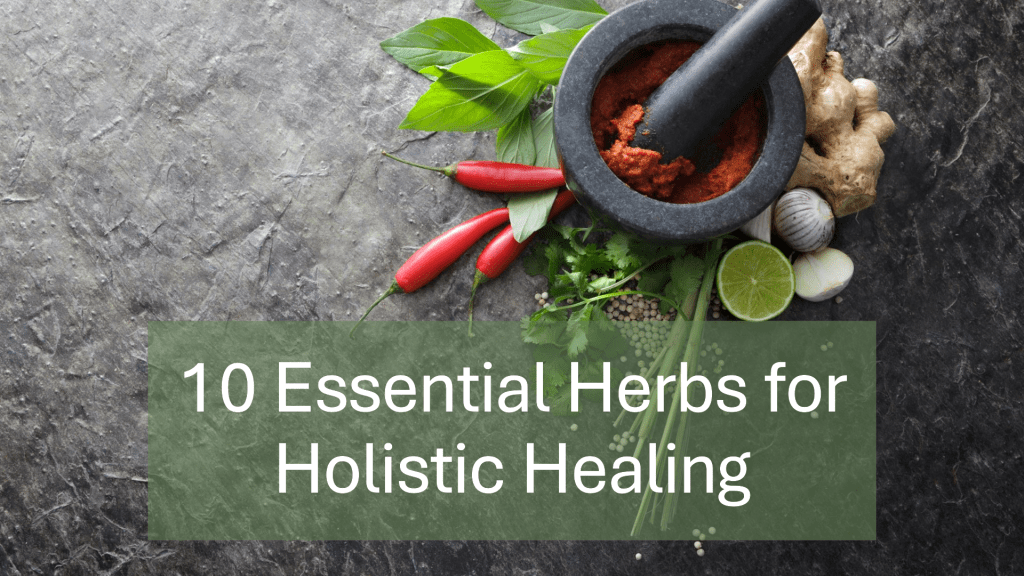
10 Essential Herbs for Holistic Healing and How to Use Them

For centuries, herbs have been used as powerful tools in holistic healing, offering natural remedies for various ailments and promoting overall wellness. Whether it’s calming the mind, boosting the immune system, or reducing inflammation, certain herbs hold incredible potential for enhancing our health. Here are 10 essential herbs for holistic healing and how you can incorporate them into your daily routine.

1. Ashwagandha: The Stress Reliever

Known as an adaptogen, Ashwagandha helps the body manage stress by reducing cortisol levels and balancing the nervous system. It’s commonly used to improve mental clarity and support relaxation.

  • How to Use: Add Ashwagandha powder to smoothies, teas, or take it as a supplement capsule to combat stress and improve focus.

2. Turmeric: The Anti-Inflammatory Hero

Turmeric is rich in curcumin, a compound known for its powerful anti-inflammatory and antioxidant properties. It’s great for reducing inflammation, boosting immunity, and supporting joint health.

  • How to Use: Add turmeric to soups, curries, or make a golden turmeric latte for an anti-inflammatory boost.

3. Chamomile: The Calming Herb

Chamomile is well known for its calming effects, making it an excellent herb for reducing anxiety, aiding digestion, and promoting restful sleep.

  • How to Use: Brew chamomile tea before bed to unwind and improve sleep quality.

4. Holy Basil: The Adaptogenic Wonder

Also known as Tulsi, Holy Basil is revered for its ability to balance the body’s systems and promote physical and emotional well-being. It’s particularly beneficial for reducing stress and enhancing immune function.

  • How to Use: Drink Holy Basil tea in the morning to enhance mental clarity and promote relaxation.

5. Ginger: The Digestive Soother

Ginger has been used for centuries to relieve digestive issues, reduce nausea, and support immune health. It’s a warming herb that can help stimulate circulation and reduce inflammation.

  • How to Use: Add fresh ginger to your tea, smoothies, or stir-fry for digestive support and to boost immunity.

6. Echinacea: The Immune Booster

Echinacea is widely known for its immune-boosting properties, particularly for fighting off colds and flu. It stimulates the immune system and helps the body recover faster from illness.

  • How to Use: Drink Echinacea tea during cold season or take it as a supplement at the onset of symptoms.

7. Lavender: The Relaxation Herb

Lavender is famous for its soothing properties, helping to relieve stress, anxiety, and insomnia. It’s also used to ease headaches and muscle tension.

  • How to Use: Add a few drops of lavender essential oil to your bath, or use it in a diffuser for a calming atmosphere.

8. Peppermint: The Energizer

Peppermint is great for promoting focus and relieving headaches, while also supporting digestion. Its cooling effect makes it perfect for soothing upset stomachs and enhancing alertness.

  • How to Use: Drink peppermint tea to ease indigestion, or inhale peppermint essential oil for a quick energy boost.

9. St. John’s Wort: The Mood Booster

Known for its antidepressant properties, St. John’s Wort is often used to treat mild to moderate depression, improve mood, and reduce anxiety. It’s also used to relieve nerve pain.

  • How to Use: Take St. John’s Wort in capsule form, or brew it as tea to support emotional well-being.

10. Milk Thistle: The Liver Detoxifier

Milk Thistle is prized for its liver-protecting properties, as it helps detoxify and regenerate liver cells. It’s commonly used to support liver function and improve digestion.

  • How to Use: Drink milk thistle tea or take it as a supplement to promote liver detox and improve overall digestion.

Conclusion

Incorporating these powerful herbs into your daily life is a simple, natural way to support your holistic wellness journey. From stress relief and better digestion to immune boosting and inflammation reduction, each of these herbs offers unique benefits to help you feel your best. Try adding one or more of these herbs to your routine and experience the healing power of nature firsthand.


For more insights into holistic wellness practices, check out my book, The Mindful Executive: https://www.amazon.com/dp/B0D75YJCLW.
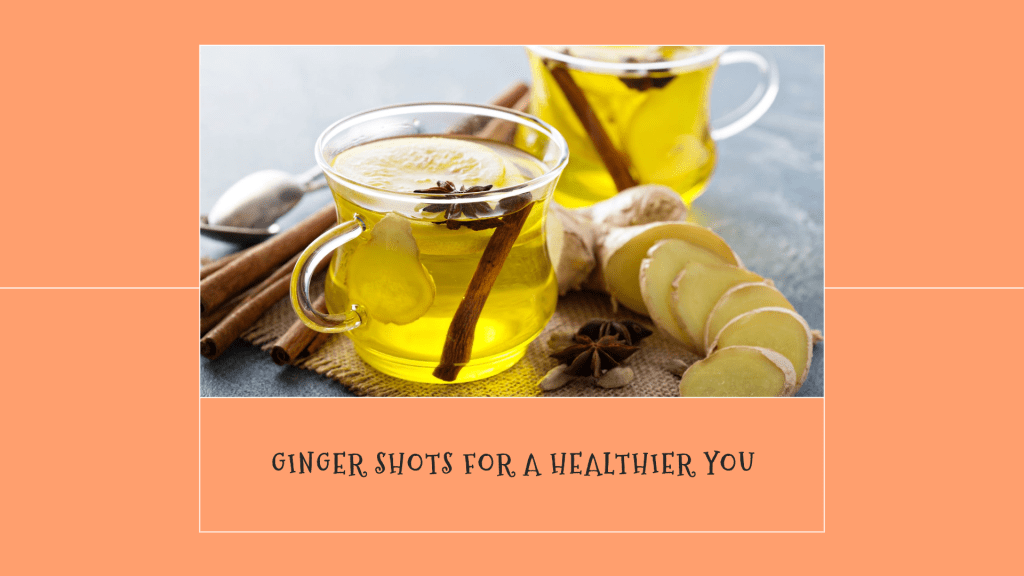
Boost Your Metabolism with Ginger Shots: A Natural Way to Support Weight Loss

Ginger shots are a potent, concentrated form of ginger that can offer numerous health benefits, particularly for those looking to boost their metabolism and support weight loss. Here are five compelling reasons to incorporate ginger shots into your daily routine.


1. Enhances Metabolism

Ginger is known for its thermogenic properties, which can help increase your metabolic rate. This means your body burns more calories, even at rest, aiding in weight management and fat loss.

Learn more about the metabolism-boosting benefits of ginger: Healthline


2. Reduces Appetite

Taking a ginger shot before meals can help curb your appetite. Ginger has been shown to reduce feelings of hunger, making it easier to control portion sizes and prevent overeating.

Read about how ginger can help with appetite control: Medical News Today


3. Improves Digestion

Ginger is excellent for digestive health. It can help with the movement of food through the digestive tract, reducing bloating and promoting regular bowel movements. Improved digestion can also aid in weight loss.

Discover the digestive benefits of ginger: WebMD


4. Boosts Immune Function

Ginger shots are packed with antioxidants that help strengthen your immune system. A robust immune system can better support your body in maintaining overall health and managing weight effectively.

Learn how ginger supports immune health: Verywell Health


5. Provides a Natural Energy Boost

The natural compounds in ginger can enhance energy levels without the crash associated with caffeine. Starting your day with a ginger shot can help you feel more awake and ready to tackle your daily activities.

Read more about the energy-boosting properties of ginger: Healthline

Call to Action

Incorporate ginger shots into your daily routine to enjoy these health benefits and support your weight loss journey. For more wellness tips and healthy living advice, visit Holistic Wellness Guide.

#GingerShots #MetabolismBoost #WeightLoss #HealthyLiving #Nutrition #ImmuneBoost #DigestiveHealth #NaturalEnergy

The Art of Mindful Eating: Nourish Your Body and Soul

Mindful eating is the practice of paying full attention to the experience of eating and drinking, both inside and outside the body. By being mindful during meals, you can improve your relationship with food, enhance digestion, and enjoy your meals more fully. Here’s how to practice mindful eating and its benefits.

1. Slow Down

Eating slowly allows you to savor each bite and recognize when you’re full.

  • Tip: Put your fork down between bites and chew thoroughly.
  • Story: Emily, a busy professional, used to rush through meals. After practicing mindful eating, she found that slowing down helped her enjoy her food more and reduced overeating.

2. Engage Your Senses

Pay attention to the colors, smells, textures, and flavors of your food.

  • Tip: Take a moment to appreciate the presentation of your meal and the aroma before taking your first bite.
  • Story: Raj, a food enthusiast, started engaging his senses while eating. He discovered new flavors and textures, making his meals more enjoyable and satisfying.

3. Listen to Your Body

Tune into your body’s hunger and fullness signals to avoid overeating.

  • Tip: Eat when you’re hungry and stop when you’re satisfied, not stuffed.
  • Story: Lisa, who struggled with weight management, began listening to her body’s signals. She found that eating mindfully helped her maintain a healthy weight and improved her digestion.

4. Avoid Distractions

Focus solely on your meal without the distractions of TV, smartphones, or work.

  • Tip: Create a calm eating environment, free from electronic devices.
  • Story: John, who often ate in front of the TV, decided to eliminate distractions during meals. He noticed a significant improvement in his digestion and a greater appreciation for his food.

5. Practice Gratitude

Expressing gratitude for your food can enhance the mindful eating experience.

  • Tip: Take a moment to appreciate the effort that went into preparing your meal and the nourishment it provides.
  • Story: Sarah, a yoga instructor, incorporated gratitude into her meals. She found that this practice not only made her more mindful but also brought a sense of peace and contentment to her eating habits.

10 Common Health Questions Answered: Insights and Practical Tips

Navigating health information can be overwhelming. Here, we address ten common health questions with insights and practical tips to help you maintain your well-being.

1. How Can I Improve My Immune System?

Improving your immune system involves a balanced diet, regular exercise, adequate sleep, and stress management. Foods rich in vitamins C and D, zinc, and antioxidants are beneficial. Regular physical activity and sufficient sleep also play crucial roles. Learn more about boosting your immune system.

2. What Are the Best Foods for Weight Loss?

Foods high in fiber, protein, and healthy fats can aid in weight loss. Incorporate fruits, vegetables, whole grains, lean proteins, and healthy fats like avocados and nuts into your diet. These foods help keep you full longer and provide essential nutrients. Discover more weight-loss foods.

3. How Can I Manage Stress Effectively?

Effective stress management includes mindfulness practices, regular physical activity, adequate sleep, and social support. Techniques such as meditation, deep breathing, and yoga can significantly reduce stress levels. Explore stress management techniques.

4. What Are the Benefits of Regular Exercise?

Regular exercise offers numerous benefits, including improved cardiovascular health, better mood, increased energy, and weight management. Aim for at least 150 minutes of moderate aerobic activity or 75 minutes of vigorous activity each week, along with muscle-strengthening exercises. Read about the benefits of exercise.

5. How Do I Maintain Healthy Skin?

Healthy skin requires a combination of proper hydration, a balanced diet, and a skincare routine that includes cleansing, moisturizing, and sun protection. Avoid smoking and limit alcohol consumption to maintain skin health. Learn about skincare tips.

6. What Should I Know About Heart Health?

Maintaining heart health involves a healthy diet, regular exercise, avoiding tobacco, and managing stress. Foods rich in omega-3 fatty acids, fiber, and antioxidants support heart health. Regular check-ups and monitoring blood pressure and cholesterol levels are also essential. Understand more about heart health.

7. How Can I Improve My Digestive Health?

Improving digestive health involves eating a diet high in fiber, staying hydrated, and incorporating probiotics. Avoiding excessive processed foods and eating smaller, more frequent meals can also help. Discover tips for better digestion.

8. What Are the Signs of Depression?

Signs of depression include persistent sadness, loss of interest in activities, changes in appetite or weight, sleep disturbances, and difficulty concentrating. If you experience these symptoms, seek help from a healthcare professional. Learn more about depression.

9. How Do I Manage Diabetes?

Managing diabetes involves monitoring blood sugar levels, eating a balanced diet, regular physical activity, and taking prescribed medications. It’s important to maintain a healthy weight and avoid excessive sugar and refined carbs. Read about diabetes management.

10. What Are the Health Benefits of Drinking Water?

Drinking water supports various bodily functions, including maintaining hydration, aiding digestion, regulating body temperature, and transporting nutrients. Aim to drink at least eight glasses of water a day. Explore the benefits of water.

Call to Action

Stay informed and proactive about your health by incorporating these tips into your daily routine. For more comprehensive health information, visit Holistic Wellness Guide.

The Benefits of Acupuncture: What You Need to Know

Discover the Healing Power: The Benefits of Acupuncture

Acupuncture is an ancient healing practice that has been used for thousands of years to treat a variety of ailments. By stimulating specific points on the body, acupuncture can help alleviate pain, reduce stress, and improve overall health. In this post, we’ll explore the benefits of acupuncture and what you need to know before trying it.

Benefit 1: Pain Relief: Acupuncture is widely known for its ability to relieve pain. It can be effective for treating chronic pain conditions such as arthritis, back pain, and migraines.

Benefit 2: Stress Reduction: Acupuncture helps to balance the body’s energy flow, which can reduce stress and promote relaxation. It stimulates the release of endorphins, the body’s natural painkillers, and mood enhancers.

Benefit 3: Improved Sleep: Regular acupuncture sessions can improve sleep quality by addressing underlying issues such as stress, anxiety, and pain. It promotes relaxation and helps regulate sleep patterns.

Benefit 4: Enhanced Immune Function: Acupuncture can boost the immune system by increasing the production of immune cells and enhancing the body’s ability to fight off infections and illnesses.

Benefit 5: Digestive Health: Acupuncture can help improve digestive function and alleviate issues such as irritable bowel syndrome (IBS), bloating, and indigestion by balancing the body’s energy and promoting proper digestion.

What to Expect During an Acupuncture Session:

  • Initial Consultation: Your acupuncturist will ask about your health history and any specific issues you want to address.
  • Treatment: Fine needles will be inserted into specific points on your body. You may feel a slight tingling or warmth but generally no pain.
  • Relaxation: You’ll lie still for about 20-30 minutes while the needles work. Many people find this time very relaxing.

Acupuncture is a powerful and natural way to enhance your health and well-being. At Alchemy International, we support holistic practices like acupuncture that promote balance and healing. If you’re considering acupuncture, consult with a qualified practitioner to explore how it can benefit you.