
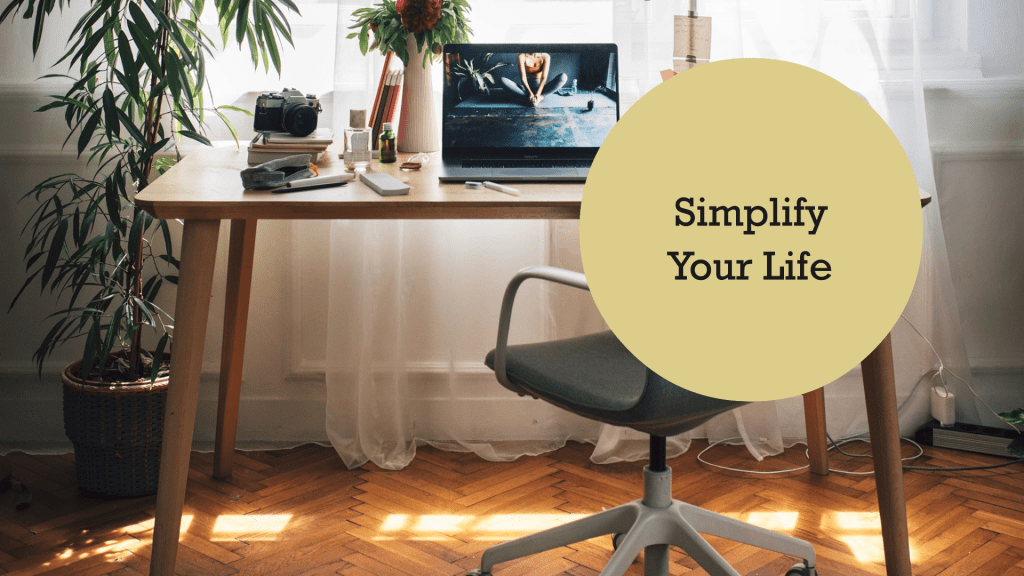
Embrace Minimalism for Mental Clarity

In today’s fast-paced, overstimulated world, our minds are constantly bombarded with information, distractions, and clutter—both physically and mentally. Minimalism is not just about owning fewer things; it’s a mindset shift that helps you create space for what truly matters.

By embracing minimalism for mental clarity, you can reduce decision fatigue, stress, and overwhelm, leading to greater focus, peace, and fulfillment. Let’s explore how simplifying your environment, schedule, and thoughts can transform your life.


1. The Science Behind Minimalism and Mental Clarity

🔬 Studies show that clutter increases stress and anxiety, making it harder for your brain to process information efficiently.

  • Cognitive Load: Too much clutter—physical or digital—overloads the brain, reducing focus.
  • Decision Fatigue: The more choices you have, the harder it is to make decisions.
  • Emotional Stress: Clutter is linked to higher cortisol levels, making you feel overwhelmed.
  • Pro Tip: A clutter-free space = a clutter-free mind.

2. Declutter Your Physical Space for a Clearer Mind

Your surroundings directly impact your mental state. A tidy space reduces stress and increases focus.

✔️ Simplify Your Home: Keep only what adds value or joy—let go of unused items.
✔️ Adopt the One-Touch Rule: Handle things once—don’t pile up decisions.
✔️ Clear Your Work Area: A clean desk = a clearer, more focused mind.
✔️ Digitally Declutter: Remove unused apps, organize files, and unsubscribe from distractions.

  • Pro Tip: Start small—declutter one area per day instead of all at once.

3. Minimalism in Time: Simplify Your Schedule

Your calendar can be just as cluttered as your home. Too many commitments = mental exhaustion.

✔️ Prioritize Essentials: Say no to tasks that don’t align with your goals.
✔️ Time Block Wisely: Schedule deep work, breaks, and unstructured time.
✔️ Batch Tasks: Handle emails, errands, and calls in dedicated time slots.
✔️ Limit Social Media: Reduce screen time and digital consumption.

  • Pro Tip: Protect your energy by not overloading your days.

4. Mental Minimalism: Clear Out Unnecessary Thoughts

Mental clutter is just as draining as physical clutter. Letting go of negative thoughts, worries, and overthinking creates space for peace and clarity.

✔️ Daily Journaling: Write down thoughts to release mental clutter.
✔️ Meditation & Breathwork: Helps quiet a busy mind.
✔️ Eliminate Unnecessary Decisions: Simplify choices—wear a capsule wardrobe, plan meals in advance.
✔️ Unfollow the Noise: Reduce media consumption that doesn’t serve you.

  • Pro Tip: Keep a “thought dump” journal for mental clarity.

5. The Emotional & Spiritual Side of Minimalism

Minimalism isn’t just about stuff—it’s about creating space for what fulfills you.

✔️ Practice Gratitude: Appreciate what you have instead of seeking more.
✔️ Let Go of Attachments: Free yourself from material and emotional burdens.
✔️ Make Space for What Matters: More time for relationships, creativity, and self-care.
✔️ Simplify Your Self-Image: You are not defined by what you own.

  • Pro Tip: Less distraction = more connection with yourself and others.

Conclusion

Minimalism isn’t about deprivation—it’s about intention. By simplifying your physical space, schedule, and thoughts, you create room for clarity, purpose, and joy. Start small, let go of one thing today, and experience the mental freedom that comes with minimalism!


For more mindfulness insights, check out my book, The Mindful Executive: https://www.amazon.com/dp/B0D75YJCLW.
Reset and Renew: A 30-Day Holistic Lifestyle Challenge for the New Year

The new year is the perfect time for a fresh start, and a holistic lifestyle challenge can help you reset, renew, and embrace wellness on every level—mind, body, and spirit. This 30-day guide is designed to inspire positive habits, improve your health, and bring balance to your life. Whether you’re new to holistic practices or looking to deepen your journey, this challenge offers actionable steps for a transformative start to the year.


Week 1: Detox and Declutter

Focus on creating a clean slate in your physical and mental space.

Day 1-3: Declutter Your Space

  • Clear one area of your home each day, starting with high-traffic zones like your kitchen, bedroom, or workspace. A clutter-free environment promotes mental clarity.
  • Pro Tip: Donate or recycle items that no longer serve you.

Day 4-5: Digital Detox

  • Spend two days decluttering your digital life—organize your inbox, delete unused apps, and unfollow accounts that drain your energy.
  • Pro Tip: Set screen time limits to reduce digital distractions.

Day 6-7: Nourish Your Body

  • Start incorporating fresh, whole foods into your diet. Add one green smoothie or a nutrient-packed salad to your meals.
  • Pro Tip: Keep a food journal to track how you feel after each meal.

Week 2: Mindful Practices

Introduce mindfulness into your daily routine to enhance mental clarity and emotional balance.

Day 8-10: Start a Morning Meditation Practice

  • Dedicate 5-10 minutes each morning to mindfulness meditation. Focus on your breath and set a positive intention for the day.
  • Pro Tip: Use a meditation app like Calm or Insight Timer to get started.

Day 11-12: Gratitude Journaling

  • Write down three things you’re grateful for each day. This practice helps shift your focus to positivity and abundance.
  • Pro Tip: Reflect on small moments of joy, such as a kind word or a peaceful walk.

Day 13-14: Mindful Movement

  • Try yoga, tai chi, or a gentle stretch routine to connect your body and mind.
  • Pro Tip: Join an online class or follow a free session on YouTube.

Week 3: Self-Care and Connection

Prioritize your well-being while deepening your connections with others.

Day 15-16: Schedule Self-Care Rituals

  • Dedicate time to activities that rejuvenate you, like a warm bath, reading, or a DIY spa day.
  • Pro Tip: Set boundaries to ensure uninterrupted self-care time.

Day 17-19: Deepen Personal Connections

  • Spend quality time with loved ones. Plan a meaningful activity or simply have a heartfelt conversation.
  • Pro Tip: Practice active listening to foster stronger relationships.

Day 20-21: Explore Creativity

  • Engage in a creative activity like painting, writing, or cooking a new recipe. Creativity is a powerful way to express emotions and recharge.
  • Pro Tip: Allow yourself to play and explore without judgment.

Week 4: Empower and Sustain

Focus on creating sustainable habits to carry your holistic lifestyle forward.

Day 22-24: Vision Board for the Future

  • Create a vision board reflecting your goals and aspirations. Use images, affirmations, and colors that inspire you.
  • Pro Tip: Keep your vision board in a visible spot to stay motivated.

Day 25-27: Establish an Evening Routine

  • Develop a relaxing evening routine to wind down and prepare for restful sleep. This could include journaling, meditation, or aromatherapy.
  • Pro Tip: Dim the lights and avoid screens an hour before bed.

Day 28-30: Reflect and Plan Ahead

  • Reflect on what you’ve learned during the challenge and plan how to sustain these habits.
  • Pro Tip: Write down your intentions for the year, focusing on what brings you joy and balance.

Conclusion

This 30-day holistic lifestyle challenge is your guide to starting the year with purpose and intention. By focusing on detoxing, mindfulness, self-care, and sustainable habits, you’ll create a strong foundation for a healthier, more balanced life. Remember, each small step contributes to lasting transformation. Take the challenge, embrace the journey, and make this year your most vibrant yet.

12 Powerful Rituals to Release Stress and Restore Balance

Stress can creep into our lives in many forms, impacting our well-being, mindset, and productivity. But with mindful, intentional practices, we can release stress and restore balance to our lives. These 12 powerful rituals offer grounding and relaxation, helping you navigate life with a calm, resilient spirit. Incorporate these into your daily or weekly routine to experience a renewed sense of peace and balance.


1. Ground Yourself with a Daily “Nature Walk” Ritual

Walking in nature is a natural stress reliever, grounding your energy and clearing your mind. Connecting with the outdoors helps you feel calm and rejuvenated.

  • How to Practice: Spend 10-15 minutes walking in a park, garden, or even a quiet street. Focus on your surroundings, breathe deeply, and let nature’s energy recharge you.

2. Practice Journaling for Mental Clarity

Journaling helps release mental clutter, giving your thoughts a place to land outside of your mind. It’s an effective way to process emotions and gain clarity.

  • How to Practice: Each evening, write down anything weighing on your mind. Don’t worry about structure—just let your thoughts flow freely. End with one positive thought or intention for the next day.

3. Unwind with a Guided Meditation

Guided meditation brings you back to the present moment, releasing tension and calming the mind. It’s especially helpful when your mind feels scattered or overwhelmed.

  • How to Practice: Use a meditation app or search for a short, calming guided meditation on YouTube. Spend at least 5-10 minutes fully immersed in the experience.

4. Create a Soothing Tea Ritual

Sipping herbal tea is a simple, comforting way to wind down. Herbs like chamomile, lavender, and peppermint are known for their calming effects and can be a gentle way to relieve stress.

  • How to Practice: Brew a calming herbal tea, sit in a comfortable spot, and savor each sip. Focus on the warmth and flavor, using this time as a mindful break.

5. Try a Tension-Release Breathwork Exercise

Breathwork activates your body’s relaxation response, releasing tension and bringing you back to center. It’s especially useful when you need a quick stress release.

  • How to Practice: Try the box breathing technique—inhale for 4 counts, hold for 4, exhale for 4, hold for 4, and repeat for 3-5 cycles.

6. Engage in Creative Expression

Creative activities allow you to express and release emotions in a constructive way. Art, music, writing, or any creative outlet can serve as a therapeutic release.

  • How to Practice: Set aside time each week to engage in a creative activity you enjoy, whether it’s painting, playing music, or crafting. Focus on the process rather than the outcome.

7. Use Aromatherapy for Calming Energy

Essential oils like lavender, eucalyptus, and bergamot can help reduce anxiety and create a peaceful environment. Aromatherapy is a simple, accessible way to improve mood and calm the mind.

  • How to Practice: Use a diffuser with calming essential oils, or place a few drops on a cloth and inhale deeply. You can also add essential oils to a warm bath for a relaxing experience.

8. Release Tension with Progressive Muscle Relaxation

Progressive muscle relaxation involves tensing and releasing different muscle groups, helping to relieve physical stress. This technique is effective for letting go of built-up tension.

  • How to Practice: Start from your feet, tensing each muscle group for a few seconds, then releasing. Move up your body until you’ve relaxed each area.

9. Try Visualization for Peace and Balance

Visualization helps you shift your mindset and create a mental escape from stress. Imagining a peaceful place or a positive outcome can reduce anxiety and restore calm.

  • How to Practice: Close your eyes and imagine a peaceful place, like a beach or forest. Focus on the sights, sounds, and smells, allowing yourself to feel fully immersed and relaxed.

10. Create a Decluttering Ritual

A clean, organized space promotes mental clarity and reduces stress. Decluttering helps you let go of unnecessary items, creating a peaceful environment that reflects balance.

  • How to Practice: Dedicate 10 minutes each day or week to decluttering a small area, such as your desk or closet. Organize with intention, keeping only what adds value or joy.

11. Embrace a “Digital Detox” Hour

Screen time, especially before bed, can contribute to stress and overstimulation. A digital detox allows your mind to reset, reducing anxiety and promoting relaxation.

  • How to Practice: Set aside at least one hour each evening to turn off screens. Use this time for non-digital activities like reading, journaling, or meditating.

12. Use Self-Compassion Affirmations

Self-compassion affirmations encourage kindness toward yourself, reducing self-criticism and cultivating inner peace. Affirmations can help you release negative thoughts and embrace self-acceptance.

  • How to Practice: Choose affirmations like “I am enough,” “I release today’s stress,” or “I am worthy of rest.” Repeat them quietly to yourself before bed, allowing each phrase to resonate.

Conclusion

Incorporating these powerful rituals into your life can provide consistent relief from stress and help restore balance to your mind, body, and spirit. Choose the practices that resonate most with you and turn them into daily or weekly rituals, creating a toolkit for peace and resilience. With each small act, you’re nurturing a foundation of calm, helping you navigate life’s ups and downs with grace.


For more insights on managing stress and finding balance, check out my book, The Mindful Executive: https://www.amazon.com/dp/B0D75YJCLW.

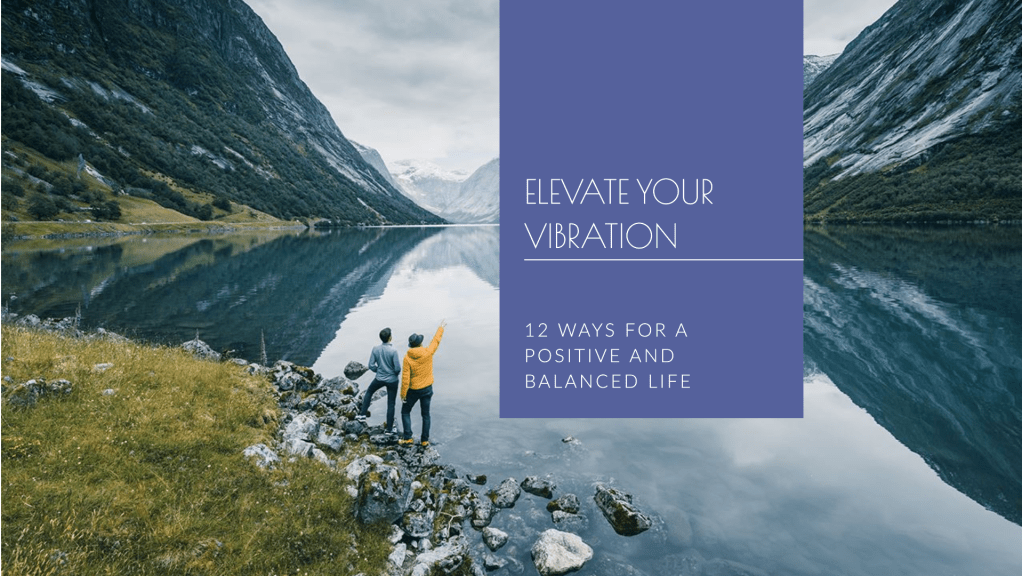
12 Ways to Elevate Your Vibration for a Positive and Balanced Life

Raising your vibration is about aligning your energy with positivity, balance, and inner peace. When you operate at a higher vibrational frequency, you attract positivity, connect more deeply with yourself, and experience an overall sense of well-being. Here are 12 transformative practices to help you elevate your vibration, creating a harmonious, energized life.


1. Practice Daily Gratitude

Gratitude is a powerful way to raise your vibration by shifting focus to the positive aspects of your life. Acknowledging even small blessings can bring joy, which uplifts your entire energy.

  • How to Practice: Each day, write down three things you’re grateful for, focusing on the feeling of gratitude. Reflecting on these moments with appreciation helps create a positive mindset.

2. Nourish Your Body with High-Vibration Foods

The foods we consume have their own energy. Fresh fruits, vegetables, whole grains, and other unprocessed foods carry high vibrational energy, enhancing both your physical and mental well-being.

  • How to Practice: Incorporate more whole foods into your diet, focusing on colorful fruits, leafy greens, and foods rich in antioxidants. Avoid processed foods, which tend to carry lower vibrational energy.

3. Connect with Nature Regularly

Nature’s pure, grounding energy naturally raises your vibration. Time outdoors helps calm the mind, balances energy, and provides a sense of connectedness.

  • How to Practice: Spend at least 10-15 minutes each day in nature. Walk barefoot on grass, sit under a tree, or enjoy the beauty around you to feel grounded and recharged.

4. Practice Forgiveness to Release Negative Energy

Holding onto grudges or resentment lowers your vibration. Practicing forgiveness allows you to release negative energy, freeing up space for love, compassion, and positivity.

  • How to Practice: Reflect on any resentment you may be holding. Visualize releasing it, focusing on the benefits of letting go. This can be a silent practice or one done through journaling.

5. Meditate to Center and Elevate Your Energy

Meditation brings clarity, reduces stress, and raises your energy by aligning your mind with calmness and positivity. It creates a peaceful inner environment conducive to higher vibrations.

  • How to Practice: Dedicate 5-10 minutes daily to meditation. Focus on your breath or use a mantra that resonates with you, like “peace” or “love,” to cultivate calm and elevate your energy.

6. Listen to High-Vibrational Music

Sound has a powerful impact on our mood and energy. High-frequency music, such as 432 Hz or 528 Hz tunes, can calm your mind, clear negativity, and raise your vibrational state.

  • How to Practice: Listen to soothing or uplifting music that resonates with you. Spend time each day listening to calming sounds or songs with positive lyrics.

7. Surround Yourself with Positive Influences

The people and environment around you can affect your vibration. Spending time with those who uplift and inspire you helps maintain a high-energy state, while negative influences can bring you down.

  • How to Practice: Be mindful of the people you spend time with and the media you consume. Choose influences that bring positivity, support, and inspiration into your life.

8. Practice Self-Love and Positive Self-Talk

How you speak to yourself affects your vibrational energy. Embracing self-love and kindness raises your vibration, promoting confidence, resilience, and inner peace.

  • How to Practice: Consciously replace self-critical thoughts with affirmations and positive language. Try affirmations like “I am worthy” or “I radiate love” to reinforce a positive self-image.

9. Engage in Acts of Kindness

Giving and receiving kindness generates positive energy. Acts of kindness—big or small—benefit both the giver and receiver, raising the vibration of everyone involved.

  • How to Practice: Perform small acts of kindness daily, such as helping someone, offering a compliment, or expressing gratitude. Notice how each act lifts your mood and energy.

10. Use Crystals for Energetic Balance

Crystals like amethyst, rose quartz, and clear quartz are known for their high vibrations and balancing effects. Working with crystals can help align your energy with calm and positivity.

  • How to Practice: Keep a crystal nearby or carry it with you. Hold it during meditation or set an intention with it to amplify your energy and keep your vibration high.

11. Declutter Your Space for a Clean Energy Flow

Clutter can create stagnant energy, lowering your vibration. An organized, clean space helps energy flow freely and promotes a calm, positive atmosphere.

  • How to Practice: Set aside time each week to declutter your space, starting with small areas like your desk or bedroom. Clearing physical clutter can help you feel more mentally and emotionally open.

12. Practice Visualization to Manifest Positivity

Visualization allows you to focus on positive outcomes, helping you create a high-vibration mindset. Imagining your goals and dreams helps align your thoughts and energy with what you want to attract.

  • How to Practice: Spend a few minutes each day visualizing positive outcomes. Picture yourself achieving your goals, feeling happy and fulfilled. This practice aligns your vibration with your aspirations.

Conclusion

Elevating your vibration is about cultivating positive energy, releasing negativity, and connecting with practices that nourish your mind, body, and spirit. By adopting even a few of these practices, you can create a balanced, vibrant life that aligns with your highest self. Remember, small actions add up, and as you consistently choose practices that elevate you, your energy will naturally shift to a higher frequency.


For more guidance on living a balanced and high-vibration life, check out my book, The Mindful Executive: https://www.amazon.com/dp/B0D75YJCLW.

10 Ways to Detox Your Mind for Mental Clarity

In a world filled with constant distractions and information overload, mental clarity can feel elusive. Just like our bodies, our minds benefit from regular detoxing to clear away clutter and restore focus. A mental detox involves creating space, letting go of negative thought patterns, and adopting practices that support a calm, clear mind. Here are 10 ways to detox your mind and regain mental clarity, helping you feel refreshed, focused, and ready for whatever comes your way.


1. Practice Mindfulness Meditation

Mindfulness meditation helps quiet the mind by focusing on the present moment. It trains you to become aware of your thoughts without getting tangled in them, promoting mental clarity and reducing stress.

  • How to Practice: Dedicate just 5-10 minutes each day to mindfulness meditation. Sit in a comfortable position, close your eyes, and focus on your breath. Allow thoughts to come and go without judgment, gently bringing your attention back to your breath.

2. Engage in a Digital Detox

Constant notifications and digital distractions can clutter the mind and decrease focus. A digital detox helps you step away from screens and reconnect with the present moment.

  • How to Practice: Set aside one day a week to minimize or completely avoid screen time. Use this time to connect with loved ones, spend time in nature, or engage in hobbies that bring you joy.

3. Journal to Release Mental Clutter

Writing down your thoughts allows you to clear mental clutter and gain insights into recurring patterns. Journaling can be a powerful tool for processing emotions and organizing your thoughts.

  • How to Practice: Spend a few minutes each day or week writing down whatever is on your mind. Don’t worry about grammar or structure; simply let your thoughts flow onto the page.

4. Practice Breathwork for Mental Refreshment

Breathwork exercises calm the mind and reduce stress, promoting mental clarity. They’re especially useful when you’re feeling overwhelmed or unfocused.

  • How to Practice: Try a simple breathing exercise, like the 4-7-8 technique: Inhale for 4 counts, hold for 7, exhale for 8. Repeat this cycle 4-5 times to clear your mind and regain focus.

5. Declutter Your Physical Space

Your environment plays a significant role in your mental state. A cluttered space can lead to a cluttered mind, while a clean, organized environment promotes calm and focus.

  • How to Practice: Take a few minutes each day to tidy up your workspace or living area. Remove items you no longer need and organize belongings for a clear, peaceful space.

6. Engage in Creative Outlets

Creative activities, such as drawing, painting, or playing music, provide a mental release and allow you to express emotions in a constructive way. Creativity encourages mental flexibility and helps you process emotions.

  • How to Practice: Set aside time each week for a creative activity you enjoy. Approach it with a playful mindset and let go of any pressure to be perfect.

7. Practice Gratitude to Shift Focus

Shifting your focus to gratitude can help release negative thought patterns and foster a more positive mindset. It’s a powerful way to detox the mind from stress and worry.

  • How to Practice: Each day, write down three things you’re grateful for. Focus on small details and moments that brought you joy, creating a positive mental habit.

8. Limit Negative Influences

Surrounding yourself with negativity, whether through social media, news, or people, can clutter the mind and create stress. Limiting exposure to negative influences can create a lighter mental space.

  • How to Practice: Curate your social media feeds, reduce time spent on negative news, and surround yourself with positive influences that uplift and inspire you.

9. Practice Grounding Techniques

Grounding exercises help you reconnect with the present moment and reduce anxious thoughts. By focusing on your senses, you bring your attention away from worries and back to what’s happening now.

  • How to Practice: Try walking barefoot on grass, sand, or natural surfaces. You can also do a grounding exercise by holding an object and focusing on its texture, weight, and temperature.

10. Set Boundaries to Protect Your Energy

Overextending yourself can lead to burnout and mental fatigue. Setting boundaries helps protect your energy, allowing you to focus on what’s important and say “no” to unnecessary stress.

  • How to Practice: Identify areas in your life where you’re feeling overextended and set boundaries to protect your time. This could include limiting work hours, saying “no” to extra commitments, or setting boundaries around social engagements.

Conclusion

A mental detox isn’t about completely emptying your mind but rather creating a sense of clarity, peace, and focus. By adopting these practices, you can reduce mental clutter and build a foundation for a balanced, clear mind. Start with one or two strategies and gradually integrate more to cultivate a mental detox routine that supports your well-being.


For more insights on mental clarity and focus, check out my book, The Mindful Executive: https://www.amazon.com/dp/B0D75YJCLW.
The Holistic Blueprint: Designing Your Environment for Total Wellness

In our fast-paced world, wellness often takes a back seat to the hustle of daily life. However, the environment we live and work in can have a profound impact on our well-being. The Holistic Blueprint is about designing your surroundings—whether it’s your home, office, or personal space—to promote physical, emotional, and mental wellness. By incorporating holistic elements into your environment, you create a sanctuary that fosters balance, peace, and optimal health.

What is the Holistic Blueprint?

The Holistic Blueprint is the intentional design of your environment using wellness-centered principles. This approach takes into account the importance of natural elements, energy flow, and sensory experiences. The goal is to create a space that not only feels good but actively supports your health, reducing stress and promoting mindfulness.

Key Elements of a Holistic Space

  1. Nature-Inspired Design
    Bringing the outdoors in is a cornerstone of holistic wellness. Plants, natural light, and earthy materials like wood, stone, and water can create a calming and rejuvenating atmosphere. Studies have shown that exposure to nature improves mood and reduces anxiety.
    • Tip: Add indoor plants, like snake plants or peace lilies, which purify the air while also promoting a sense of calm.
  2. Crystals and Energy Flow
    Crystals have long been used in holistic practices to balance energy. Whether you believe in their metaphysical properties or simply appreciate their beauty, placing crystals in your space can enhance the energy flow. Choose stones like amethyst for calming energy or citrine for positive vibes.
    • Tip: Place amethyst near your bed for better sleep, or rose quartz in your living room to invite love and compassion.
  3. Essential Oils and Aromatherapy
    Our sense of smell is closely tied to our emotions, and aromatherapy can be an effective tool for creating a relaxing environment. Diffuse essential oils like lavender for stress relief or eucalyptus for respiratory health.
    • Tip: Use a diffuser or create DIY room sprays using essential oils to customize the scent of your home.
  4. Sound Therapy for Balance
    Sound has a direct impact on our well-being. Tibetan singing bowls, wind chimes, or even calming playlists can bring a sense of peace and grounding to your space. Sound healing is a growing trend in wellness, believed to balance the body’s energy fields.
    • Tip: Use a sound bowl during meditation or simply play soothing music in the background to enhance relaxation.
  5. Decluttering and Feng Shui
    Feng Shui is the ancient Chinese practice of arranging your space to harmonize with natural energy flow. At its core, it’s about creating balance and reducing clutter, which can cause mental fog and stress. The placement of furniture, plants, and even the use of mirrors can influence the energy in your home.
    • Tip: Apply Feng Shui principles by keeping pathways clear, using mirrors to reflect light, and ensuring the bedroom promotes rest by placing the bed in a command position.
  6. Color Therapy
    Colors have a psychological effect on our mood. Warm colors like reds and oranges can energize a space, while cool colors like blues and greens have a calming effect. Color therapy is used to create environments that evoke specific feelings—calm, focus, creativity, or energy.
    • Tip: Choose calming colors like soft blues or greens for bedrooms and meditation spaces, and use vibrant hues in areas where you want to feel energized, like a workout space or home office.

How to Start Designing Your Holistic Space

Designing a holistic space doesn’t require a complete home makeover. Start by identifying the areas of your environment that feel stressful or disorganized and work from there. Here’s a step-by-step guide to get you started:

  1. Identify Your Goals: Are you looking to create a calming environment? Increase productivity? Foster creativity? Knowing your goal will help you choose the right elements.
  2. Add Natural Elements: Begin with simple additions like plants, natural materials, and diffused lighting to bring in a sense of nature.
  3. Clear the Clutter: A clean, organized space is crucial for mental clarity. Remove any items that no longer serve you and reorganize for better energy flow.
  4. Incorporate Wellness Tools: Introduce elements like crystals, essential oils, or sound healing tools that align with your wellness goals.
  5. Focus on the Senses: Create a multi-sensory environment by considering how your space looks, smells, and sounds. The goal is to engage all the senses in a way that promotes relaxation and well-being.

Conclusion

By designing your environment with holistic wellness in mind, you create a space that nurtures and supports your health, both physically and emotionally. Whether you’re bringing in plants, diffusing essential oils, or rearranging your furniture for better energy flow, every change contributes to a more balanced, serene lifestyle. Your environment should be a reflection of your wellness journey, offering peace and restoration in every corner.


For more insights on how to integrate wellness into your daily life, check out my book, The Mindful Executive: https://www.amazon.com/dp/B0D75YJCLW.

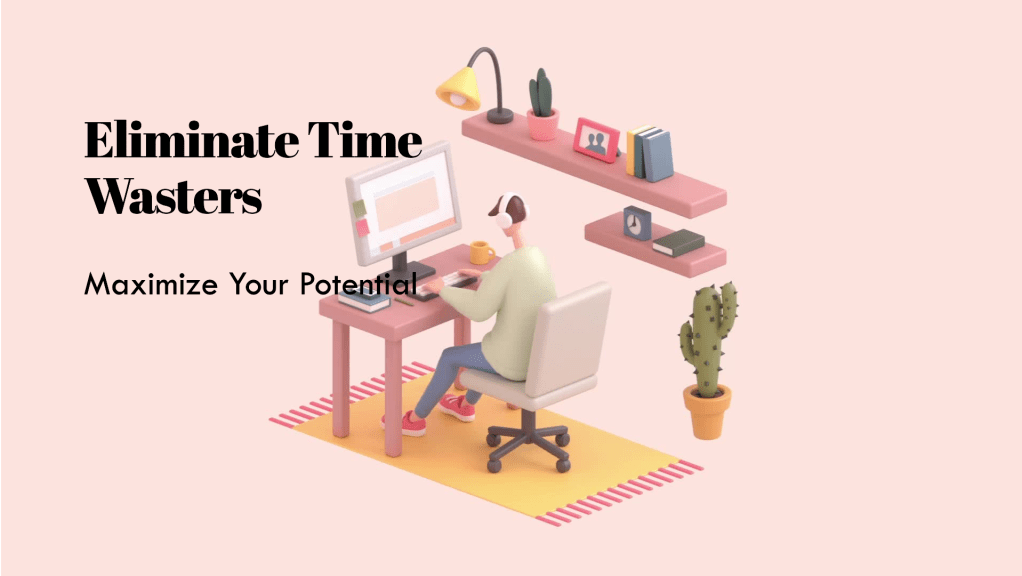
Time Wasters: Habits That Drain Your Potential

We often unknowingly engage in habits that waste our time and hinder our potential. Here are some common time-wasting habits and strategies to overcome them.

1. Excessive Social Media Use

Spending too much time on social media can consume hours of your day without you even realizing it. To combat this, set specific times for checking social media and use apps to limit your screen time. Explore mindful social media use.

2. Procrastination

Procrastination can significantly delay your progress. Break tasks into smaller, manageable steps and use techniques like the Pomodoro Technique to stay focused. Learn effective time management strategies.

3. Multitasking

Multitasking can reduce your efficiency and increase errors. Focus on one task at a time to improve productivity and quality of work. Understand the benefits of mindfulness.

4. Poor Planning

Lack of planning can lead to wasted time and missed opportunities. Use tools like planners or digital apps to organize your tasks and set clear goals. Discover goal-setting techniques.

5. Overcommitting

Taking on too many responsibilities can spread you thin and lead to burnout. Learn to say no and prioritize tasks that align with your goals. Read about maintaining a balanced lifestyle.

6. Disorganization

A cluttered workspace can hinder your productivity. Keep your environment tidy and organized to save time and reduce stress. Get tips on decluttering.

7. Lack of Self-Care

Neglecting self-care can lead to burnout and decreased productivity. Make time for activities that rejuvenate you, such as exercise, meditation, and hobbies. Explore self-care strategies.

8. Constant Email Checking

Frequently checking emails can interrupt your workflow. Set specific times to check and respond to emails to stay focused on important tasks. Learn to manage your digital life.

9. Perfectionism

Striving for perfection can cause unnecessary delays. Aim for progress, not perfection, and recognize that mistakes are part of the learning process. Understand the impact of perfectionism.

10. Lack of Delegation

Trying to do everything yourself can be overwhelming. Delegate tasks when possible to free up your time for more important activities. Read about effective delegation.

Call to Action

Identify and eliminate these time-wasting habits to unlock your potential and lead a more productive life. Visit Holistic Wellness Guide for more insights and tips on achieving a balanced and fulfilling life.

#TimeManagement #Productivity #SelfCare #Mindfulness #GoalSetting #Decluttering #BalancedLife #Efficiency #Focus #WellnessJourney

Embracing Minimalism: Simplify Your Life for Greater Happiness

Minimalism is more than just a trend; it’s a lifestyle choice that can lead to greater happiness, clarity, and freedom. By focusing on what truly matters and eliminating excess, you can create a more meaningful and fulfilling life. Here’s how to embrace minimalism and simplify your life for greater happiness.

Understanding Minimalism

Minimalism is about living with intention, focusing on the essentials, and letting go of the unnecessary. It’s not about deprivation but about creating space for what brings you joy and purpose.

Declutter Your Space

Start by decluttering your physical space. Remove items that no longer serve a purpose or bring you joy. A clutter-free environment can reduce stress and improve mental clarity.

  • Example: Go room by room and assess each item. Donate, sell, or recycle things you no longer need. Keep only what adds value to your life.

Simplify Your Wardrobe

A minimalist wardrobe, often called a capsule wardrobe, consists of versatile, timeless pieces that you love and wear regularly. This approach can save you time, reduce decision fatigue, and enhance your personal style.

  • Example: Sort your clothes into categories: keep, donate, and discard. Choose neutral colors and classic styles that can be mixed and matched easily.

Reduce Digital Clutter

Digital clutter can be just as overwhelming as physical clutter. Simplify your digital life by organizing files, deleting unnecessary apps, and unsubscribing from unwanted emails.

  • Example: Set aside time each week to clean your inbox, organize your desktop, and remove apps you don’t use. Consider using tools to manage your digital files efficiently.

Adopt Mindful Consumption

Minimalism encourages mindful consumption. Before making a purchase, consider whether the item is necessary and if it will add value to your life.

  • Example: Implement a 30-day rule for non-essential purchases. If you still want the item after 30 days, it’s likely a thoughtful addition. This helps curb impulse buying and promotes intentional spending.

Focus on Quality Over Quantity

Invest in high-quality items that last longer and serve multiple purposes. This approach not only reduces waste but also enhances your overall experience with the products you use.

  • Example: Choose durable, well-made items over cheap, disposable ones. For instance, invest in a sturdy pair of shoes that will last for years instead of buying several low-quality pairs.

Create a Simplified Schedule

A minimalist approach to your schedule means prioritizing activities that align with your values and bring you joy. Eliminate commitments that cause unnecessary stress or don’t contribute to your well-being.

  • Example: Review your weekly commitments and identify areas where you can cut back. Focus on activities that enrich your life, such as spending time with loved ones, pursuing hobbies, or practicing self-care.

Practice Mindfulness and Gratitude

Incorporate mindfulness and gratitude into your daily routine to cultivate a sense of contentment and appreciation for what you have.

  • Example: Start and end your day with a few minutes of mindfulness meditation. Keep a gratitude journal where you write down three things you’re grateful for each day.

Embrace Sustainable Living

Minimalism often aligns with sustainable living practices. Reduce your environmental footprint by choosing eco-friendly products, reducing waste, and conserving resources.

  • Example: Use reusable bags, bottles, and containers. Support brands that prioritize sustainability and ethical practices. Reduce energy consumption by turning off lights and appliances when not in use.

Build Meaningful Relationships

Focus on building and nurturing meaningful relationships rather than accumulating material possessions. Strong connections with others can significantly enhance your happiness and well-being.

  • Example: Prioritize quality time with family and friends. Engage in activities that foster deep connections, such as having heartfelt conversations, sharing meals, or working on projects together.

Live with Intention

Living with intention means making conscious choices that align with your values and goals. It involves being present in the moment and appreciating the simplicity of life.

  • Example: Regularly reflect on your values and goals to ensure your actions align with them. Practice mindfulness to stay grounded and fully engage with your daily experiences.