

Emotional Clutter Is Making You Sick: How to Declutter Your Inner World for Real Health

You clean your closet. You clear your desk. But what about your emotional space? The resentment from five years ago, the unresolved argument last week, the constant low-level anxiety you never name—this emotional clutter doesn’t just live in your mind. It lives in your body.

Holistic wellness teaches us that emotions are energy in motion. When they don’t move, they get stuck. And what’s stuck in the body starts showing up as fatigue, inflammation, sleep disruption, poor digestion, and even chronic illness.

We talk about detoxing our diet. But the deeper detox is emotional. It’s time to clear the unseen.


1. What Is Emotional Clutter—And Why It Matters

Emotional clutter is the accumulation of unprocessed feelings, unresolved conflicts, limiting beliefs, and subconscious fears. Unlike physical clutter, you can’t see it—but you feel it.

Signs you’re emotionally cluttered:

  • You overreact to small things
  • You feel weighed down without knowing why
  • You keep replaying past events in your head
  • You feel tired even without exertion
  • You resist silence, stillness, or solitude

Why does this matter? Because your body stores your story. Muscles tighten. Breathing becomes shallow. The nervous system stays on alert. Over time, this becomes your default state—wired for stress.


2. How Emotional Clutter Shows Up Physically

🔸 Tight Shoulders & Jaw = Unspoken anger
🔸 Digestive Issues = Suppressed fear or lack of emotional safety
🔸 Chronic Fatigue = Carrying unresolved burdens
🔸 Skin Breakouts = Stress and stored frustration
🔸 Insomnia = Overthinking, emotional backlog

Western medicine is finally catching up with what energy medicine has always known: unprocessed emotion creates energetic congestion. And where energy doesn’t flow, health declines.


3. How to Start Your Inner Decluttering Practice

📝 1. The 3-Line Dump (Daily Emotional Hygiene)
Every night, write just 3 lines about what bothered you, excited you, or confused you. Don’t analyze—just release.

🧘‍♀️ 2. Stillness Before Screens
Start your day in silence—no phone, no input. Let your own emotional temperature surface. Most people never know how they feel because they never stop absorbing noise.

💧 3. Cry Without Judgment
Tears are literal emotional detox. Crying isn’t weakness—it’s your nervous system releasing what it no longer needs. Make space for it without labeling.

🔥 4. Burn the Old Stories (Literally)
Write the beliefs or past events that still haunt you on paper. Burn them. Watch the ashes fall. Your subconscious responds to ritual more than logic.

🌬️ 5. Breathwork for Releasing Stored Emotion
Try breath patterns like 4-4-8 (inhale 4, hold 4, exhale 8). This calms your system and gently brings stuck emotions to the surface.


4. Create an Emotionally Clear Environment

Your outer world mirrors your inner world. Begin to curate your emotional environment the way you curate your home.

🌿 Declutter Your Circle
Spend time with people who uplift, not drain. Guilt is not a good enough reason to stay emotionally entangled.

🕯️ Create Rituals of Closure
Whether it’s journaling, full moon release ceremonies, or silent walks—ritual helps your emotional body know: this is complete.

📱 Unfollow to Unburden
Digital emotional clutter is real. Unfollow accounts that trigger insecurity, rage, or comparison. You’re not required to carry virtual chaos.


5. Emotional Clarity = Physical Healing

As you release emotional clutter, here’s what starts to happen:

  • Your breath deepens without effort
  • Your skin glows again
  • Sleep becomes natural and undisturbed
  • Digestion improves
  • You start feeling lighter—not just in mood, but in the body

Healing is less about adding more, and more about clearing what doesn’t serve you. You don’t need a better version of you. You need a less burdened one.


Your wellness journey begins when you stop ignoring what your body remembers. Let go of the emotional messiness you’ve been storing, and you’ll be amazed at how much space joy, clarity, and vitality take up in its place.

For deeper tools on emotional awareness and embodied healing, explore The Mindful Executive: https://www.amazon.com/dp/B0D75YJCLW.

15-Minute Mindfulness Practices for Daily Calm

Mindfulness isn’t just for long meditations or yoga retreats—it can be seamlessly woven into your daily life, even if you only have 15 minutes to spare. These quick mindfulness practices can help you reduce stress, enhance focus, and reconnect with the present moment. Whether you’re at work, home, or on the go, these simple techniques are your guide to finding calm and clarity in any situation.


1. Morning Breath Awareness

Start your day with 5-10 minutes of mindful breathing to center yourself and set a positive tone.

  • How to Practice:
    • Sit comfortably, close your eyes, and focus on your breath. Count to 4 as you inhale, hold for 4, and exhale for 6.
    • Visualize each inhale bringing in calm energy and each exhale releasing tension.
  • Pro Tip: Pair this practice with a short mantra like, “I breathe in calm, I breathe out stress.”

2. Mindful Walking

Transform your daily walk into a meditative experience that grounds you in the present.

  • How to Practice:
    • Walk slowly and focus on each step, feeling the ground beneath your feet.
    • Notice the sights, sounds, and smells around you without judgment.
  • Pro Tip: Leave your phone behind or put it on silent to fully immerse yourself.

3. Gratitude Pause

Taking a moment to reflect on gratitude can instantly uplift your mood and shift your perspective.

  • How to Practice:
    • Pause for 5 minutes and write down three things you’re grateful for.
    • Reflect on why these moments or things are meaningful to you.
  • Pro Tip: Keep a small gratitude journal handy for quick entries.

4. Sensory Check-In

Engaging your senses helps anchor you to the present moment and reduce mental clutter.

  • How to Practice:
    • Take 2 minutes to notice five things you can see, four you can feel, three you can hear, two you can smell, and one you can taste.
  • Pro Tip: Use this practice during stressful moments to ground yourself quickly.

5. Tea or Coffee Ritual

Turn your morning or afternoon drink into a mindful ritual of relaxation and focus.

  • How to Practice:
    • Hold your cup, feel its warmth, and take in the aroma.
    • Sip slowly, savoring the taste and texture, while focusing on the present.
  • Pro Tip: Avoid distractions like checking your phone during this ritual.

6. Mindful Stretching

Release tension and reconnect with your body through gentle, intentional stretches.

  • How to Practice:
    • Spend 5-10 minutes stretching, focusing on areas where you feel tightness.
    • Breathe deeply into each stretch, feeling your body relax with every exhale.
  • Pro Tip: Try neck rolls, shoulder shrugs, or seated twists for a quick reset.

7. 5-Minute Body Scan

A body scan meditation helps you release physical tension and calm your mind.

  • How to Practice:
    • Sit or lie down comfortably. Close your eyes and slowly bring your attention to each part of your body, from your toes to your head.
    • Notice sensations without judgment and breathe into areas of tightness.
  • Pro Tip: Use a guided body scan meditation app for extra support.

8. Mindful Listening

Deep listening can be a mindfulness practice that strengthens connections and reduces stress.

  • How to Practice:
    • During a conversation, give your full attention to the speaker without interrupting or formulating a response.
    • Notice their tone, body language, and words, and respond thoughtfully.
  • Pro Tip: Use this practice in casual conversations to build presence and empathy.

9. Creative Break

Engaging in a creative activity mindfully can spark joy and reduce stress.

  • How to Practice:
    • Spend 10-15 minutes drawing, coloring, writing, or playing music without focusing on the outcome.
    • Let go of judgment and enjoy the process of creating.
  • Pro Tip: Keep a small notebook or coloring book for quick creative sessions.

10. Mindful Eating

Transform your meals into a moment of mindfulness by savoring every bite.

  • How to Practice:
    • Eat slowly, focusing on the taste, texture, and aroma of your food.
    • Put down your utensils between bites and chew thoroughly.
  • Pro Tip: Begin with one mindful meal a day to build the habit.

11. Nature Connection

Spending time in nature, even briefly, can rejuvenate your mind and body.

  • How to Practice:
    • Step outside for 10-15 minutes and notice the natural elements around you—the rustling of leaves, the warmth of the sun, or the chirping of birds.
  • Pro Tip: If you can’t get outside, sit by a window with a view of nature.

12. Evening Gratitude Reflection

End your day on a positive note with a gratitude reflection.

  • How to Practice:
    • Before bed, write or think about three things you appreciated during the day.
    • Reflect on how these moments made you feel.
  • Pro Tip: Combine this with a calming activity, like sipping herbal tea or stretching.

Conclusion

Mindfulness doesn’t require hours of practice—it’s about being present, even for a few minutes, throughout your day. By incorporating these quick rituals into your routine, you can reduce stress, improve focus, and find moments of peace. Start small, stay consistent, and experience the transformative power of mindfulness in your daily life.


For more tips on living mindfully and achieving balance, check out my book, The Mindful Executive: https://www.amazon.com/dp/B0D75YJCLW.

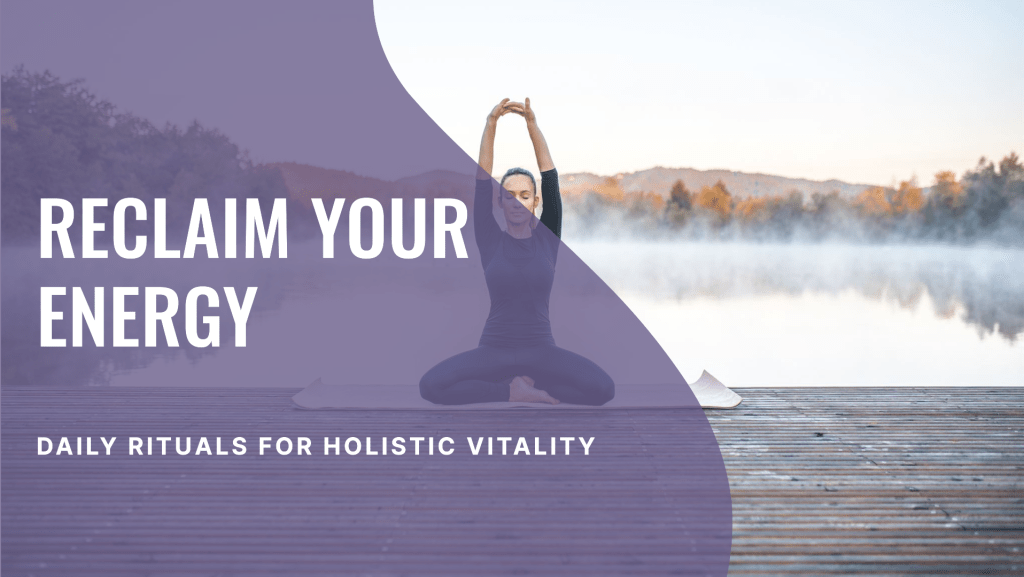
Reclaim Your Energy: Daily Rituals for Holistic Vitality

In our fast-paced world, it’s easy to feel drained, both physically and mentally. Energy isn’t just about physical stamina—it’s about nurturing your mind, body, and spirit to thrive throughout the day. By incorporating holistic rituals into your daily routine, you can recharge and maintain vitality. Let’s explore transformative practices that will help you reclaim your energy and live with purpose.


1. Start the Day with Hydration

Dehydration can sap your energy before the day even begins. Starting your morning with water helps rehydrate your body and jumpstarts your metabolism.

  • How to Practice:
    • Drink a glass of water with lemon as soon as you wake up.
    • Add a pinch of sea salt or a slice of cucumber for extra minerals and flavor.
  • Pro Tip: Keep a water bottle beside your bed as a gentle reminder.

2. Practice Morning Sun Salutations

Movement in the morning energizes your body and sets a positive tone for the day. Yoga’s Sun Salutations are a perfect blend of stretch and flow.

  • How to Practice:
    • Perform 3-5 rounds of Sun Salutations to awaken your body and mind.
    • Sync your breath with your movements for added mindfulness.
  • Pro Tip: If you’re short on time, even 5 minutes of stretching can make a difference.

3. Incorporate Energizing Foods

The right nutrition fuels your body and mind, sustaining your energy levels throughout the day.

  • How to Practice:
    • Include foods rich in complex carbs, healthy fats, and protein, like oatmeal, avocado, or nuts.
    • Snack on energy-boosting options like bananas or trail mix.
  • Pro Tip: Avoid heavy, processed meals that can lead to energy crashes.

4. Embrace the Power of Breathwork

Intentional breathing techniques can instantly boost your energy and focus, especially during midday slumps.

  • How to Practice:
    • Try energizing breathwork, like Kapalabhati (Skull Shining Breath): Inhale deeply, then exhale forcefully in short bursts through your nose.
    • Practice for 1-2 minutes to feel revitalized.
  • Pro Tip: Pair this practice with a few stretches to amplify its effects.

5. Create a Midday Ritual

A midday pause helps prevent burnout and restores your energy for the rest of the day.

  • How to Practice:
    • Take a 10-minute walk outside, focusing on your surroundings to stay present.
    • Use this time for a mindful practice, like sipping herbal tea or journaling.
  • Pro Tip: Schedule your ritual as a non-negotiable appointment.

6. Use Aromatherapy for a Quick Boost

Scents like citrus, peppermint, and eucalyptus are known for their energizing properties.

  • How to Practice:
    • Use an essential oil diffuser, or dab a drop of oil on your wrists or temples.
    • Inhale deeply for a quick pick-me-up during the day.
  • Pro Tip: Carry a small roller bottle of energizing essential oils for on-the-go use.

7. Prioritize Energy-Protecting Boundaries

Energy isn’t just physical—it’s emotional, too. Setting boundaries protects you from draining interactions and activities.

  • How to Practice:
    • Learn to say no to requests that don’t align with your priorities.
    • Limit time spent on energy-draining activities, like excessive screen time or multitasking.
  • Pro Tip: Identify one habit or relationship that consistently drains you and create a plan to address it.

8. Incorporate Restorative Breaks

Short, restorative breaks throughout the day prevent exhaustion and improve productivity.

  • How to Practice:
    • Follow the Pomodoro Technique: Work for 25 minutes, then take a 5-minute break.
    • Use breaks for movement, deep breathing, or a quick meditation.
  • Pro Tip: Avoid scrolling through social media during breaks to keep them truly restorative.

9. End Your Day with Gratitude

Reflecting on positive moments from your day helps you wind down and recharge emotionally.

  • How to Practice:
    • Write down three things you’re grateful for before bed.
    • Focus on small moments, like a kind word or a peaceful walk.
  • Pro Tip: Pair this ritual with a calming activity, like sipping herbal tea or lighting a candle.

10. Establish a Sleep-Friendly Evening Routine

Quality sleep is essential for energy restoration. A mindful evening routine ensures you’re well-rested and ready to tackle the next day.

  • How to Practice:
    • Dim the lights, unplug from screens, and engage in relaxing activities like reading or stretching.
    • Use calming aids, like lavender essential oil or a weighted blanket.
  • Pro Tip: Go to bed at the same time every night to regulate your body’s natural rhythm.

Conclusion

Energy isn’t just about physical stamina—it’s a reflection of how well you care for your mind, body, and spirit. By incorporating these daily rituals into your routine, you can recharge, stay focused, and maintain vitality throughout your day. Start small, be consistent, and watch as your energy levels transform, empowering you to live your fullest life.


For more tips on cultivating energy and balance, check out my book, The Mindful Executive: https://www.amazon.com/dp/B0D75YJCLW.
Boost Well-Being Through Daily Mindful Rituals

Rituals have been a cornerstone of human culture for centuries, offering a sense of stability, intention, and meaning. Unlike habits, which are often automatic, rituals are imbued with purpose and mindfulness. By incorporating meaningful rituals into your daily life, you can create a sense of control, boost your emotional well-being, and cultivate a mindset geared toward growth and positivity. Let’s explore how to harness the transformative power of daily rituals for a more intentional and fulfilling life.


1. Morning Intention-Setting Ritual

Start your day with purpose by setting clear intentions. This ritual helps you focus on what matters most.

  • How to Practice:
    • Upon waking, take a few moments to reflect on how you want to feel and what you want to achieve during the day.
    • Write down one or two key intentions (e.g., “Stay present” or “Approach challenges with patience”).
  • Pro Tip: Pair this with a morning mantra, such as, “I am calm, capable, and focused.”

2. Ritual of Gratitude

Gratitude rituals shift your mindset from scarcity to abundance, fostering positivity and contentment.

  • How to Practice:
    • Spend 5 minutes each morning or evening writing down three things you’re grateful for.
    • Focus on small, specific moments, like a kind gesture or a beautiful sunrise.
  • Pro Tip: Create a gratitude jar where you write your notes on slips of paper and review them at the end of the year.

3. Mindful Movement Practice

Incorporating intentional movement into your day enhances physical health while grounding your mind.

  • How to Practice:
    • Dedicate 10-20 minutes to yoga, tai chi, or stretching with a focus on mindful breathing.
    • Use this time to check in with your body and release tension.
  • Pro Tip: Choose a time of day when you need an energy boost or mental reset.

4. Nourishment Rituals for Meals

Transform your meals into a mindful practice that nourishes your body and spirit.

  • How to Practice:
    • Begin each meal by taking a moment to appreciate the food, its flavors, and the effort it took to prepare it.
    • Eat slowly, savoring each bite and noticing how your body responds.
  • Pro Tip: Avoid distractions like screens or multitasking while eating.

5. Midday Reset Ritual

A midday pause helps break the cycle of stress and restores focus.

  • How to Practice:
    • Set an alarm for a midday break where you spend 5-10 minutes meditating, journaling, or stepping outside.
    • Reflect on your morning and realign your intentions for the rest of the day.
  • Pro Tip: Incorporate aromatherapy with energizing scents like citrus or peppermint during this ritual.

6. Evening Reflection Ritual

Reflection at the end of the day provides closure and insight, allowing you to let go of stress and prepare for restful sleep.

  • How to Practice:
    • Spend 10 minutes reviewing your day by journaling or simply reflecting on key moments.
    • Ask yourself questions like, “What went well today?” and “What can I learn from today’s challenges?”
  • Pro Tip: End the ritual with a positive affirmation, such as, “I am proud of my efforts today.”

7. Nature Connection Ritual

Connecting with nature helps you feel grounded, reduces stress, and enhances your sense of well-being.

  • How to Practice:
    • Spend 10-15 minutes outdoors, whether it’s a walk in the park, tending to a garden, or simply sitting under a tree.
    • Observe your surroundings with curiosity and appreciation.
  • Pro Tip: Try incorporating this ritual in the morning or evening for a peaceful start or end to your day.

8. Digital Detox Ritual

Detaching from technology is essential for mental clarity and emotional balance.

  • How to Practice:
    • Set a designated time each day to unplug from screens—start with 30 minutes and gradually increase.
    • Use this time for activities like reading, meditating, or creative hobbies.
  • Pro Tip: Create a tech-free zone in your home, such as your bedroom or dining area.

9. Affirmation Ritual

Positive affirmations help reframe negative thought patterns and boost confidence.

  • How to Practice:
    • Write or repeat affirmations each morning, focusing on areas where you seek growth or strength.
    • Examples include, “I am resilient,” “I am deserving of love,” or “I have the power to create change.”
  • Pro Tip: Pair affirmations with a mirror to enhance their impact.

10. Weekly Visioning Ritual

A weekly ritual for envisioning your goals keeps you aligned with your aspirations and motivated to take action.

  • How to Practice:
    • Dedicate 20-30 minutes at the start of each week to review your goals and set actionable steps.
    • Visualize what success looks and feels like for the week ahead.
  • Pro Tip: Combine this ritual with a calming activity, like lighting a candle or sipping tea.

Conclusion

Rituals infuse your daily routine with intention, creating meaningful moments that enhance your mindset and well-being. By incorporating even a few of these practices into your life, you can foster greater focus, resilience, and joy. Start small, build consistency, and watch how these rituals transform not just your days, but your entire outlook on life.


For more insights on cultivating mindfulness and intentional living, check out my book, The Mindful Executive: https://www.amazon.com/dp/B0D75YJCLW.

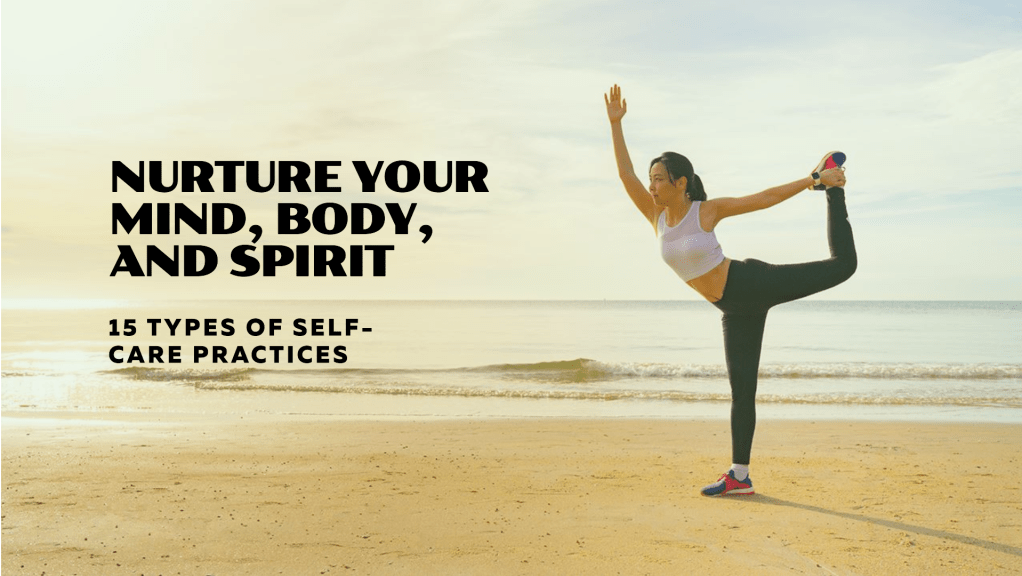
15 Types of Self-Care Practices to Nurture Your Mind, Body, and Spirit

Self-care is about more than treating yourself—it’s a commitment to nurturing your well-being in ways that support your mental, physical, and spiritual health. True self-care is a balanced blend of habits and practices that align with your personal needs and values. Here are 15 diverse types of self-care practices to inspire you, each offering unique benefits to your mind, body, and spirit.


1. Physical Movement for Vitality

Engaging in physical activity boosts energy, improves mood, and supports overall health. Movement is a powerful form of self-care that directly benefits both mind and body.

  • How to Practice: Try gentle activities like yoga, walking, or stretching if you’re looking for relaxation, or energizing exercises like running or dance to uplift your mood.

2. Mindful Meditation for Inner Peace

Meditation is a mental practice that promotes clarity and calmness. It allows you to observe your thoughts and feelings without judgment, fostering a sense of inner peace.

  • How to Practice: Dedicate 5-10 minutes each day to mindfulness meditation, focusing on your breath. Allow thoughts to come and go as you bring your attention back to the present.

3. Digital Detox for Mental Clarity

Constant digital engagement can clutter your mind and create stress. Taking intentional breaks from screens helps you reconnect with the present and clear mental clutter.

  • How to Practice: Set a daily or weekly time to unplug from screens. Use this time to read, connect with loved ones, or spend time outdoors.

4. Journaling for Emotional Expression

Writing down your thoughts and feelings helps you process emotions, gain insights, and release negativity. Journaling provides a safe space to explore your inner self.

  • How to Practice: Spend a few minutes each day or week writing about your thoughts, goals, or feelings. Don’t worry about structure—let your words flow freely.

5. Breathwork for Relaxation

Controlled breathing exercises reduce stress, calm the nervous system, and promote mental clarity. Breathwork is a quick, effective tool for managing emotions.

  • How to Practice: Try deep belly breathing or the 4-7-8 technique (inhale for 4, hold for 7, exhale for 8). Repeat for a few cycles to feel grounded and centered.

6. Creative Expression for Joy

Creative activities like painting, writing, or playing music provide an emotional release and bring joy. Creativity allows you to express yourself in ways words cannot.

  • How to Practice: Dedicate time each week for a creative outlet. Approach it playfully, letting go of perfectionism and focusing on the joy of creating.

7. Time in Nature for Grounding

Nature has a grounding effect that helps you reconnect with yourself and reduces stress. Being outdoors promotes mindfulness and emotional well-being.

  • How to Practice: Spend 10-15 minutes outdoors each day, observing your surroundings. Whether it’s a walk in the park or sitting in your backyard, allow nature to calm your mind.

8. Gratitude Practice for Positive Perspective

Reflecting on gratitude shifts your focus from what you lack to what you have, fostering a positive outlook and resilience.

  • How to Practice: Write down three things you’re grateful for each day. Focus on small details that brought joy or peace, reinforcing a sense of abundance.

9. Massage Therapy for Physical Release

Massage relieves tension in the body and promotes relaxation. It’s a way to release stress and reconnect with your body through touch.

  • How to Practice: Schedule a professional massage when possible, or practice self-massage techniques on areas like the neck and shoulders.

10. Herbal Teas for Calmness

Herbal teas like chamomile, lavender, and peppermint provide natural relaxation. Tea rituals are comforting and can help reduce stress and anxiety.

  • How to Practice: Enjoy a calming tea each evening or during stressful times. Savor the flavor and aroma as a form of mindful self-care.

11. Decluttering for Mental Peace

A clean, organized space promotes mental clarity and reduces stress. Decluttering is a form of self-care that improves your environment and your mindset.

  • How to Practice: Set aside time each week to declutter a specific area, such as your desk or bedroom. Focus on creating a space that feels peaceful and organized.

12. Affirmations for Self-Love

Positive affirmations shift your inner dialogue, boosting self-esteem and resilience. They help you build a supportive, loving relationship with yourself.

  • How to Practice: Choose affirmations that resonate with you, like “I am enough” or “I deserve love.” Repeat them daily to reinforce a positive mindset.

13. Setting Boundaries for Emotional Balance

Setting boundaries protects your energy and helps you manage stress. It’s an essential practice for emotional health and self-respect.

  • How to Practice: Identify areas where you feel overextended and set limits. Communicate your boundaries with kindness and clarity, honoring your needs.

14. Sleep Hygiene for Restoration

Quality sleep is crucial for emotional and physical well-being. Good sleep hygiene helps you recharge, improves mood, and boosts mental clarity.

  • How to Practice: Create a relaxing bedtime routine, avoiding screens and caffeine before bed. Aim for 7-8 hours of rest each night for optimal health.

15. Acts of Kindness for Connection

Kindness towards others promotes positive feelings and a sense of connection. Giving back supports both your mental and emotional well-being.

  • How to Practice: Perform a simple act of kindness daily, like offering a compliment, helping someone, or volunteering. These small acts create positive energy and foster connection.

Conclusion

Self-care encompasses a wide range of practices that nurture your mind, body, and spirit. By incorporating these diverse self-care techniques into your routine, you create a holistic foundation for well-being. Choose practices that resonate with you and adapt them to your needs, creating a self-care routine that truly supports your life.


For more insights on self-care and well-being, check out my book, The Mindful Executive: https://www.amazon.com/dp/B0D75YJCLW.

10 Daily Habits to Balance Your Energy and Feel Grounded

In our fast-paced world, it’s easy to feel ungrounded, scattered, or energetically depleted. Establishing daily habits to balance your energy can help you feel calm, centered, and resilient. Small, intentional practices can recharge your mind and body, creating a steady foundation for each day. Here are 10 daily habits to balance your energy and stay grounded, no matter what life brings.


1. Start Your Morning with Breathwork

Breathwork is a simple yet effective way to balance your energy and set a peaceful tone for the day. Deep, intentional breathing calms the nervous system and helps you feel centered.

  • How to Practice: Spend 5 minutes on a simple breathwork exercise, like the 4-7-8 technique. Inhale for 4 counts, hold for 7, and exhale for 8. Repeat for 3-5 cycles to feel grounded.

2. Incorporate Grounding Foods into Your Diet

Eating root vegetables, whole grains, and hearty greens can help stabilize your energy. Grounding foods provide steady energy and promote feelings of security and strength.

  • How to Practice: Add foods like sweet potatoes, carrots, and spinach to your meals. Savor each bite and focus on how these nutrient-rich foods make you feel connected to the earth.

3. Limit Digital Overload

Spending too much time on devices can drain energy and create mental clutter. Reducing screen time helps restore focus and prevent overstimulation.

  • How to Practice: Set specific times to check your phone or computer, and take regular breaks from screens throughout the day. Consider turning off notifications to minimize distractions.

4. Practice Daily Visualization

Visualization helps bring clarity to your goals and directs your energy toward positive outcomes. This practice encourages a sense of grounding and purpose.

  • How to Practice: Spend a few minutes each morning visualizing your day. Imagine yourself feeling calm, centered, and successful in your tasks. Picture yourself grounded and at ease.

5. Engage in Gentle Movement

Gentle movement like yoga, tai chi, or stretching helps release physical tension and balances your energy flow. These practices also improve body awareness, making you feel more grounded.

  • How to Practice: Dedicate at least 10 minutes to a mindful movement practice. Focus on the sensation of each movement and how it brings energy and stability to your body.

6. Create a Mini Meditation Break

A short meditation session during the day can help you recenter and regain focus, especially if you’re feeling scattered or overwhelmed.

  • How to Practice: Set aside 5 minutes each afternoon for a grounding meditation. Close your eyes, take a few deep breaths, and focus on your breath or visualize roots extending from your feet into the earth.

7. Drink Herbal Teas for Calmness

Certain herbal teas like chamomile, peppermint, and lemon balm promote relaxation and calm. They support balanced energy by soothing the nervous system.

  • How to Practice: Sip on herbal tea throughout the day, especially during stressful moments. Take a mindful approach, noticing the taste, warmth, and aroma of the tea.

8. Set Intentions in the Evening

Reflecting on the day and setting positive intentions for the next can help you release the day’s stress and recharge your mind. It promotes a peaceful night’s sleep, preparing you for a balanced start in the morning.

  • How to Practice: Spend a few minutes before bed reflecting on what you’re grateful for and setting an intention for tomorrow, like “I will approach the day with calm and clarity.”

9. Spend Time Outdoors

Nature has a naturally grounding effect, helping to reset your energy. Spending time outdoors can help you feel more connected to yourself and the world around you.

  • How to Practice: Try to spend at least 10-15 minutes outside each day, whether it’s in your garden, a park, or even a quick walk. Observe the sights, sounds, and smells around you, connecting with nature’s rhythms.

10. Practice Mindful Gratitude

Practicing gratitude reminds you of the positive aspects of your life, balancing energy and fostering contentment. It shifts your focus from what you lack to what you have, promoting emotional balance.

  • How to Practice: Each evening, write down three things you’re grateful for. This small ritual can uplift your mood and reinforce feelings of positivity and grounding.

Conclusion

Incorporating these daily habits into your routine can transform your energy and keep you feeling balanced and grounded. Small, mindful practices help you reconnect with your body and mind, empowering you to navigate life with greater clarity and calm. Start with one or two habits, gradually adding more as you build a routine that supports your unique energy needs.


For more guidance on grounding practices, check out my book, The Mindful Executive: https://www.amazon.com/dp/B0D75YJCLW.

15 Self-Care Rituals to Reconnect with Your Mind, Body, and Spirit

In the hustle and bustle of daily life, it’s easy to lose touch with ourselves, leading to stress, fatigue, and a sense of imbalance. True self-care goes beyond quick fixes; it’s about nurturing your mind, body, and spirit in meaningful ways that promote lasting well-being. These 15 holistic self-care rituals can help you reconnect with yourself, providing comfort, clarity, and a deep sense of peace.


1. Start the Day with Gratitude

Practicing gratitude can shift your mindset and set a positive tone for the day. It’s a simple yet powerful way to center yourself and find appreciation in life’s small moments.

  • How to Practice: Take a few minutes each morning to list three things you’re grateful for, either in a journal or silently to yourself.

2. Incorporate Breathwork for Calmness

Conscious breathing exercises help release stress and calm the nervous system, grounding you in the present moment. Breathwork can be a gentle way to reconnect with your body.

  • How to Practice: Spend 5 minutes each day focusing on deep, slow breaths. Try inhaling for a count of four, holding, and then exhaling for a count of four.

3. Create a Soothing Morning Ritual

A slow, intentional morning routine can set a peaceful tone for your day. Incorporating rituals like stretching, drinking warm lemon water, or practicing mindfulness can provide a gentle start.

  • How to Practice: Dedicate 15 minutes to a mindful activity each morning, whether it’s stretching, journaling, or enjoying a quiet cup of tea.

4. Practice Digital Detox

Constant digital engagement can be mentally exhausting. Taking intentional breaks from screens can refresh your mind and help you reconnect with yourself and the world around you.

  • How to Practice: Set aside time each day, even just 15 minutes, to turn off all devices and be fully present. Use this time to reflect, meditate, or simply be still.

5. Ground Yourself in Nature

Spending time in nature can be incredibly healing, providing a sense of grounding and connection. It’s a great way to recharge and find peace away from daily stresses.

  • How to Practice: Aim to spend a few minutes outdoors each day, whether it’s a walk in the park or sitting in your backyard. Focus on your surroundings and take in the sights, sounds, and scents of nature.

6. Use Essential Oils for Emotional Balance

Aromatherapy is a powerful tool for self-care. Essential oils like lavender, chamomile, and eucalyptus can help reduce stress and promote relaxation.

  • How to Practice: Diffuse your favorite calming essential oil, or apply it to your wrists and inhale deeply to help center your mind.

7. Take Time for Mindful Eating

Mindful eating encourages you to savor each bite, allowing you to fully appreciate your food. This practice can bring a sense of calm and help you reconnect with your body’s needs.

  • How to Practice: Eat your meals without distractions. Focus on each bite, noting the flavors, textures, and sensations as you eat.

8. Journal for Self-Reflection

Journaling is a powerful way to process emotions, clarify thoughts, and reconnect with yourself. It allows you to express your innermost feelings and thoughts.

  • How to Practice: Spend 5-10 minutes each day writing about whatever is on your mind. Let your thoughts flow freely without judgment.

9. Engage in Movement That You Love

Physical activity doesn’t have to be intense to be beneficial. Gentle movement like yoga, walking, or dancing can uplift your spirit, boost your mood, and reconnect you with your body.

  • How to Practice: Find a form of movement you enjoy, and make time for it each day. Focus on how your body feels during the activity.

10. Practice a Relaxing Evening Routine

Creating a calming evening routine helps signal to your body that it’s time to wind down. Activities like reading, stretching, or taking a warm bath can prepare you for restful sleep.

  • How to Practice: Set aside 30 minutes before bed to relax. Turn off electronics, light a candle, or enjoy a warm beverage.

11. Practice Visualization

Visualization is a powerful technique for cultivating positive emotions and setting intentions. Visualizing a peaceful scene or a positive outcome can shift your mindset and reduce stress.

  • How to Practice: Spend a few minutes each day visualizing a place or scenario that brings you peace. Imagine the sights, sounds, and feelings associated with it.

12. Take a Salt Bath for Cleansing

Salt baths are not only relaxing but also help detoxify the body, soothing muscles and releasing tension. Adding Epsom salt or Himalayan salt can enhance the healing benefits.

  • How to Practice: Run a warm bath with 1-2 cups of Epsom salt. Soak for at least 20 minutes, focusing on releasing any tension.

13. Connect with Loved Ones

Building connections with family or friends is an essential part of self-care. Sharing moments of joy, love, and laughter can lift your spirit and enhance your emotional well-being.

  • How to Practice: Dedicate time each week to connect with loved ones, whether it’s through a call, a meal, or simply spending quality time together.

14. Create a Personal Sanctuary

Having a designated space for relaxation or meditation helps reinforce a sense of calm. This can be a corner of your room with items that bring you peace, such as candles, crystals, or favorite books.

  • How to Practice: Set up a small area in your home with things that make you feel grounded. Spend time here daily, even if it’s just a few minutes.

15. End the Day with Gratitude

Ending your day with gratitude fosters a positive mindset, helping you focus on what you have rather than what’s lacking. This practice can be deeply calming and uplifting.

  • How to Practice: Reflect on the day’s positive moments and write down three things you’re grateful for before bed.

Conclusion

Self-care is about creating routines that nurture and restore your inner balance. These rituals don’t require a lot of time or resources but can bring immense peace and joy when practiced regularly. By making self-care a daily habit, you’ll reconnect with yourself and create a foundation of well-being for both your mind and body.


For more insights on holistic self-care and wellness, check out my book, The Mindful Executive: https://www.amazon.com/dp/B0D75YJCLW.

10 Ways to Balance Your Energy with Everyday Rituals

In our fast-paced world, it’s easy to feel off-balance and disconnected from our inner selves. Our energy gets depleted, scattered, and blocked by stress, unhealthy habits, and lack of mindfulness. Fortunately, you don’t need elaborate techniques to restore your energy and bring balance back into your life. Simple everyday rituals can help realign your mind, body, and spirit, allowing you to feel grounded, centered, and energized. Here are 10 ways to balance your energy through holistic and mindful practices.

1. Morning Grounding Rituals

Start your day by reconnecting with the earth through grounding. Walking barefoot on grass, sand, or soil for just a few minutes can help release negative energy and absorb the earth’s natural, stabilizing energy. This ritual helps balance your root chakra, providing a strong foundation for the rest of the day.

  • Tip: Try starting your morning with a short, mindful walk outside, focusing on the sensations of the ground beneath your feet.

2. Breathwork for Energy Flow

Breath is the bridge between your body and mind, and practicing mindful breathwork can help you balance your energy. Techniques like deep diaphragmatic breathing or alternate nostril breathing (Nadi Shodhana) can release stress, clear blocked energy pathways, and activate your body’s natural healing systems.

  • Tip: Spend 5 minutes practicing slow, deep breathing or alternate nostril breathing before starting your workday for enhanced focus and calm.

3. Crystal Energy Balancing

Crystals have been used for centuries to help balance energy. Different crystals resonate with various chakras and can support emotional, physical, and spiritual healing. Carrying crystals like amethyst for calming energy or citrine for positivity can subtly help balance your energy throughout the day.

  • Tip: Carry a small crystal in your pocket or wear one as jewelry to keep its energy close to your body.

4. Mindful Eating for Balanced Energy

The food we eat plays a significant role in how we feel. Eating mindfully not only nourishes your body but also helps maintain a steady flow of energy. Focus on whole, unprocessed foods rich in nutrients, and try to be fully present while eating—savoring every bite and appreciating the nourishment it provides.

  • Tip: Incorporate grounding foods like root vegetables (carrots, sweet potatoes) and leafy greens into your diet for sustained energy.

5. Use Essential Oils to Reset Your Energy

Aromatherapy is a powerful tool for balancing your energy. Essential oils like lavender can calm overactive energy, while oils like eucalyptus or peppermint can help uplift and refresh. Diffusing oils or applying them to pulse points helps bring your body’s energy back into alignment.

  • Tip: Keep a small roller of essential oils with you, and apply it when you need an energy boost or calming influence.

6. Chakra Meditation

Chakra meditation focuses on aligning and clearing the body’s energy centers. By focusing on each chakra (from the root to the crown), you can remove blockages and restore the free flow of energy throughout your system. This practice brings harmony between your physical, emotional, and spiritual bodies.

  • Tip: Spend 10 minutes meditating on each chakra, visualizing it glowing with light and spinning freely.

7. Hydration Ritual

Water is essential for maintaining energetic balance. Dehydration can block the natural flow of energy and cause sluggishness or fatigue. Drinking water with mindfulness—acknowledging its life-giving properties—helps connect you to the element of water, which is essential for cleansing and balancing.

  • Tip: Add a slice of lemon or cucumber to your water for added purification and refreshment.

8. Sound Healing for Energy Balance

Sound therapy, whether through listening to calming music, Tibetan singing bowls, or tuning forks, has the ability to restore energetic balance. Sound waves influence our brainwaves and can promote deep relaxation, realigning our internal energy.

  • Tip: Play calming music or sound healing tracks during moments of stress or before bed to help harmonize your body’s energy.

9. Create a Sleep Sanctuary

Sleep is when the body and mind naturally restore their energy. A cluttered, overstimulating sleep environment can hinder this process. Creating a sleep sanctuary—complete with soothing colors, dim lighting, and a clean, calm space—helps balance your energy overnight, leaving you refreshed in the morning.

  • Tip: Turn off electronics 30 minutes before bed and use soft lighting to create a calming atmosphere.

10. Daily Gratitude Ritual

Practicing gratitude is one of the simplest yet most powerful ways to balance your energy. When you focus on what you’re grateful for, you naturally raise your vibration and shift your energy to a more positive frequency. This practice opens up your heart chakra and enhances overall emotional well-being.

  • Tip: Keep a gratitude journal and write down three things you are grateful for every night before bed.

Conclusion

Balancing your energy doesn’t require grand changes. Small, mindful rituals can have a profound impact on your overall wellness. Whether it’s through grounding, breathwork, or crystal energy, these everyday practices can help you stay centered, grounded, and energetically aligned. Start with one or two rituals, and gradually build them into your daily routine to create a more balanced, harmonious life.


For more insights on integrating wellness practices into your daily life, check out my book, The Mindful Executive: https://www.amazon.com/dp/B0D75YJCLW.

Harnessing the Power of Rituals for Daily Wellness

Rituals have been an integral part of human culture for centuries, providing structure, comfort, and meaning to our lives. In today’s fast-paced world, incorporating intentional rituals into your daily routine can significantly enhance your overall well-being. Whether it’s a morning ritual to set the tone for your day, a mindfulness practice to reduce stress, or an evening routine to wind down, the power of rituals lies in their ability to bring consistency, mindfulness, and balance to your life.

1. The Science Behind Rituals

Rituals are more than just repetitive actions; they have a profound impact on our psychological well-being. Studies have shown that rituals can reduce anxiety, increase confidence, and even improve performance. The act of performing a ritual, whether simple or complex, gives a sense of control and predictability in an otherwise chaotic world.

2. Morning Rituals: Starting the Day with Intention

How you start your day can set the tone for the rest of it. A well-crafted morning ritual can help you feel grounded, focused, and ready to tackle the day’s challenges. Consider incorporating activities such as:

  • Mindful Meditation: Spend 5-10 minutes focusing on your breath and setting an intention for the day.
  • Gratitude Journaling: Write down three things you’re grateful for each morning to cultivate a positive mindset.
  • Nourishing Breakfast: Prepare a healthy, balanced meal to fuel your body and mind.

3. Midday Rituals: Re-centering and Recharging

In the middle of a busy day, it’s easy to feel overwhelmed. Incorporating a midday ritual can help you re-center and recharge:

  • Breathwork: Take a few minutes to practice deep breathing exercises to calm your mind and body.
  • Stretching: A short stretching routine can relieve physical tension and increase your energy levels.
  • Mindful Eating: If possible, enjoy a lunch break away from your desk, focusing on the flavors and textures of your food.

4. Evening Rituals: Winding Down for Restful Sleep

Evening rituals are essential for signaling to your body that it’s time to wind down. Establishing a consistent evening routine can improve your sleep quality and overall health:

  • Digital Detox: Avoid screens at least an hour before bed to reduce blue light exposure and help your mind relax.
  • Relaxing Bath: A warm bath with Epsom salts or essential oils can soothe your muscles and prepare you for sleep.
  • Reflective Journaling: Write down your thoughts, worries, or achievements of the day to clear your mind before bed.

5. Weekly and Monthly Rituals: Long-Term Well-Being

In addition to daily rituals, consider establishing weekly or monthly rituals to maintain long-term well-being:

  • Weekly Reflection: Take time each week to reflect on your goals, progress, and challenges. Adjust your plans as necessary to stay on track.
  • Monthly Self-Care Day: Dedicate one day each month to indulge in activities that rejuvenate your body and mind, such as a spa day, hiking, or a creative hobby.

Conclusion

Rituals offer more than just routine; they provide an anchor in our lives, helping us navigate through the ups and downs with grace and intention. By integrating rituals into your daily life, you can cultivate a greater sense of balance, mindfulness, and overall well-being. Start small, be consistent, and watch how these simple practices transform your life.

Call to Action: Ready to harness the power of rituals for your daily wellness? Start today by integrating one small ritual into your routine, and feel the difference it makes in your life. Visit our Holistic Wellness Guide for more tips and inspiration on living a balanced and healthy life.