

Energy Healing 101: Understanding Your Body’s Subtle Energy Systems

Beyond the physical body that we can see and touch lies an intricate network of subtle energy systems that influence every aspect of our health and wellbeing. While Western medicine has traditionally focused on biochemical processes, ancient healing traditions worldwide have long recognized that we are fundamentally energetic beings whose vitality depends on the free flow of life force energy through specific pathways and centers.

The Universal Language of Energy

Every culture throughout history has recognized and named this vital life force: the Chinese call it “qi” or “chi,” Indians know it as “prana,” Japanese traditions refer to “ki,” and indigenous cultures speak of “spirit” or “life breath.” Modern physics confirms what ancient healers intuited—everything in the universe, including our bodies, is composed of energy vibrating at different frequencies.

This life force energy animates every cell, organ, and system in your body. When energy flows freely, you experience vitality, clarity, and robust health. When energy becomes blocked, stagnant, or depleted, physical symptoms, emotional imbalances, and spiritual disconnection often follow.

Research in quantum biology reveals that cellular communication occurs not just through chemical signals but also through electromagnetic fields and coherent energy patterns. This scientific understanding provides a bridge between ancient energy medicine and modern healthcare approaches.

The Chakra System: Your Energy Centers

The most widely recognized energy system in the West is the chakra system, originating from ancient Indian traditions. The word “chakra” means “wheel” in Sanskrit, describing spinning vortexes of energy that regulate different aspects of physical, emotional, and spiritual wellbeing.

Root Chakra (Muladhara) – Located at the base of the spine, this energy center governs survival, grounding, and your sense of safety in the world. When balanced, you feel secure and confident. Imbalances may manifest as anxiety, financial worries, or lower back problems.

Sacral Chakra (Svadhisthana) – Positioned below the navel, this center relates to creativity, sexuality, and emotional expression. Balanced sacral energy supports healthy relationships and creative flow. Blockages may appear as reproductive issues, creative blocks, or emotional numbness.

Solar Plexus Chakra (Manipura) – Located in the upper abdomen, this chakra governs personal power, confidence, and digestive health. When functioning optimally, you feel empowered and capable. Imbalances may manifest as digestive issues, low self-esteem, or control problems.

Heart Chakra (Anahata) – Situated in the center of the chest, this energy center manages love, compassion, and connection. A balanced heart chakra enables healthy relationships and self-acceptance. Blockages may present as heart problems, relationship difficulties, or emotional walls.

Throat Chakra (Vishuddha) – Located at the throat, this center governs communication and authentic self-expression. When balanced, you speak your truth with clarity and confidence. Imbalances may appear as throat problems, communication difficulties, or feeling unheard.

Third Eye Chakra (Ajna) – Positioned between the eyebrows, this chakra relates to intuition, wisdom, and spiritual insight. Balanced third eye energy supports clear perception and inner knowing. Blockages may manifest as headaches, confusion, or disconnection from intuition.

Crown Chakra (Sahasrara) – Located at the top of the head, this energy center connects you to divine consciousness and universal wisdom. When open, you experience spiritual connection and purposeful living. Imbalances may present as depression, spiritual emptiness, or feeling disconnected from meaning.

Meridians: The Body’s Energy Highways

Traditional Chinese Medicine maps a complex network of energy pathways called meridians that carry qi throughout the body. These invisible channels connect organs, tissues, and systems, maintaining energetic balance and supporting optimal function.

Twelve primary meridians correspond to major organ systems: lung, large intestine, stomach, spleen, heart, small intestine, bladder, kidney, pericardium, triple heater, gallbladder, and liver. Each meridian has specific acupuncture points where energy can be accessed and influenced through needles, pressure, or other techniques.

Modern research using electrical conductivity measurements has identified pathways that correspond remarkably to ancient meridian maps, suggesting these energy channels have measurable physical correlates.

The Aura: Your Energetic Field

Many spiritual traditions describe a luminous field of energy surrounding the physical body, commonly called the aura. This biofield extends several feet from the body and contains multiple layers, each vibrating at different frequencies and corresponding to different aspects of your being.

Advanced photography techniques like Kirlian photography can capture electromagnetic emanations from living beings, providing visual evidence of energetic fields around plants, animals, and humans. Some sensitive individuals can perceive auras as colors, patterns, or sensations.

The auric field serves as a protective boundary and information system, constantly exchanging energy with the environment. Practices that strengthen and cleanse the aura can improve overall vitality and emotional resilience.

Signs of Energy Imbalance

Energy blockages and imbalances often manifest as physical symptoms, emotional patterns, or life circumstances. Common signs include chronic fatigue despite adequate rest, recurring physical problems in specific body areas, persistent emotional states like anger or sadness, relationship patterns that repeat across different people, and feeling stuck or unable to move forward in life.

You might also experience sensitivity to certain environments or people, sudden energy drains in specific situations, difficulty setting boundaries, unexplained mood swings, or feeling disconnected from your authentic self.

Simple Energy Healing Techniques

Breathwork for Energy Flow Conscious breathing is one of the most accessible ways to influence your energy systems. The breath carries prana through your body, and specific breathing patterns can balance and energize different chakras. Try alternate nostril breathing to balance the nervous system or deep belly breathing to ground root chakra energy.

Visualization and Color Healing Each chakra resonates with specific colors. Visualizing these colors while breathing into each energy center can help restore balance. Imagine red light at your root chakra for grounding, orange at your sacral chakra for creativity, yellow at your solar plexus for confidence, and so forth.

Crystal and Stone Work Crystals and gemstones vibrate at specific frequencies that can influence your energy field. Place appropriate stones on chakra points during meditation, carry them throughout the day, or create gem elixirs for energetic support. Clear quartz amplifies energy, amethyst enhances spiritual connection, and rose quartz opens the heart center.

Sound Healing Sound vibrations can shift energy patterns throughout your body. Each chakra responds to specific tones and frequencies. Chanting Sanskrit mantras, using singing bowls, or listening to frequency-specific music can help clear blockages and restore energetic harmony.

Working with Energy Practitioners

Professional energy healers use various modalities to assess and balance your subtle energy systems. Reiki practitioners channel universal life force energy through their hands to promote healing. Acupuncturists insert fine needles at specific meridian points to restore qi flow. Shamanic healers work with spiritual energy and soul retrieval techniques.

When choosing an energy healer, trust your intuition and seek practitioners with proper training and ethical standards. A skilled healer creates a safe, sacred space and works in partnership with your own healing wisdom rather than imposing their will.

Integrating Energy Awareness into Daily Life

Developing sensitivity to subtle energy enhances your overall wellness journey. Begin each day with a brief energy assessment, noticing how you feel physically, emotionally, and energetically. Pay attention to how different foods, activities, environments, and relationships affect your energy levels.

Practice grounding by spending time in nature, walking barefoot on earth, or visualizing roots extending from your feet into the ground. Protect your energy field through visualization, setting intentions, and choosing environments and relationships that support your wellbeing.

The Science of Energy Medicine

Research institutions worldwide are investigating energy healing modalities with increasingly sophisticated equipment. Studies using EEG, fMRI, and biofield measurement devices show measurable changes in brain activity, cellular function, and electromagnetic fields during energy healing sessions.

The National Center for Complementary and Integrative Health now recognizes energy healing as a legitimate area of study, funding research into acupuncture, biofield therapies, and other energy-based interventions.

While we don’t yet fully understand the mechanisms behind energy healing, accumulating evidence suggests that these ancient practices influence health through pathways beyond conventional medical models.

Your body’s energy systems provide a profound pathway for healing, growth, and spiritual development. By learning to work with these subtle forces, you gain access to your innate healing wisdom and can support your wellbeing on levels that purely physical approaches cannot reach.

Energy is the language of life itself. Learning to speak this language opens doorways to healing possibilities limited only by your imagination and commitment to growth.


For deeper insights into transforming your relationship with health and wellness through mindful practices, explore “The Path to Wellness: A Journey of Self-Discovery and Healing” – a comprehensive guide to creating lasting change in your well-being journey.
The Lost Art of Doing Nothing: Why Rest Isn’t a Luxury, It’s Survival

ChatGPT said:

Alright Ashish, let’s dive right into the next one. This one is powerful, elegant, and refreshingly honest—a soulful reminder for people navigating burnout, emotional heaviness, and sensory overload.


Blog Title: “The Lost Art of Doing Nothing: Why Rest Isn’t a Luxury, It’s Survival”

Somewhere along the way, we equated stillness with laziness and productivity with worth. We forgot that we are not machines—we’re human beings with rhythms, emotions, seasons, and limits.

In the noise of modern life, we are overstimulated but undernourished. Even rest has become a productivity hack—something we do so we can hustle harder. But rest, in its true form, isn’t a reward for burnout. It’s the foundation of resilience.

Doing nothing isn’t indulgent. It’s sacred.


1. The Biological Need for True Rest

Let’s be clear—scrolling isn’t resting. Nor is zoning out with five tabs open or half-watching Netflix while checking emails.

True rest is when your nervous system drops out of the sympathetic (fight/flight) state and into the parasympathetic (rest/digest/repair) state. That’s where healing happens.

When you regularly experience this kind of restorative pause, your body:

  • Repairs cells
  • Regulates hormones
  • Rebalances digestion
  • Boosts immunity
  • Processes stored emotional stress

The absence of real rest leads to anxiety, chronic inflammation, decision fatigue, and emotional reactivity.


2. Doing Nothing Is an Active Practice

Doing nothing isn’t easy. It’s a practice. Especially in a world that rewards doing.

Try this:

  • Sit on your couch without your phone.
  • Watch the clouds.
  • Stare at the ceiling.
  • Let your mind wander.
  • Let boredom arrive.

Notice the discomfort. Then notice the spaciousness that follows.

Doing nothing is not passive—it’s an act of nervous system repair. It’s where integration happens. When your body and brain catch up with everything you’ve pushed aside.


3. Rest Is Rebellion in a Hyperproductive World

Capitalism doesn’t value your rest. It measures your worth in output. But here’s the truth:

You are not your inbox.
You are not your goals.
You are not your to-do list.

You are a living being that needs recovery. Choosing to rest—deeply and unapologetically—is a form of rebellion.

It says:
🌿 “I am enough as I am.”
🌿 “My being matters more than my doing.”
🌿 “I don’t have to earn rest—I was born worthy of it.”


4. Practical Ways to Practice ‘Doing Nothing’

🛋 The 20-Minute Melt:
Lie down with a pillow under your knees. No phone. No music. Let gravity hold you. Let your breath return.

🌥 Cloud Watching:
Lie in the grass or by a window. Watch clouds float. Your nervous system loves this slow motion.

🌊 Sensory Reset:
Turn off all noise. Close your eyes. Feel the texture of your clothes. Feel the air on your skin. Let your senses defrost.

📴 Intentional Unplug:
Pick one hour this week. No tech. No stimulation. Just presence. Let your brain exhale.

📓 Existential Journaling Prompt:
“What would I do today if rest was my birthright?”
Answer slowly. You may surprise yourself.


5. The Emotional Healing Hidden in Stillness

We stay busy to avoid pain. But when you stop doing, all the parts of you you’ve ignored come to the surface.

Stillness is when grief visits. Joy too. Memories. Desires. Unmet needs.

Doing nothing gives your heart space to speak. Your intuition space to be heard. Your nervous system a chance to soften.

“Rest is not a break from life. It is life. It is where life restores itself.”


There’s no badge for burning out. No prize for being the most exhausted.

What if you made rest a ritual? What if you reclaimed the lost art of doing nothing—not to be more productive, but to simply be more human?

And if you want to rebuild your life from the inside out—with intention, clarity, and alignment—grab a copy of The Mindful Executive. It’s not a book about doing more. It’s about being better: https://www.amazon.com/dp/B0D75YJCLW

The Healing Power of Stillness: Why Doing Nothing Is Medicine

We live in a culture obsessed with doing. Hustle is glorified. Busyness is worn like a badge of honor. But in the endless pursuit of productivity, we’ve forgotten how to just be.

Stillness is not the absence of progress—it’s where healing, clarity, and inner intelligence begin. In fact, stillness is the missing nutrient in most people’s lives. And without it, your nervous system never truly rests.

We recharge our phones more than we recharge our minds. It’s time to change that.


1. What Is Stillness and Why It’s Essential

Stillness isn’t laziness. It’s presence without motion. It’s the deliberate act of creating space between stimulus and response—space that allows your nervous system to reset, your intuition to rise, and your body to heal.

🧠 Neurologically: Stillness shifts brainwaves from beta (problem-solving) to alpha and theta (creative, intuitive, restorative).
🫀 Physiologically: It activates the parasympathetic nervous system, lowering cortisol and inflammation.
💡 Energetically: It clears your emotional “static” and allows clarity to surface.

You don’t need hours of meditation. Even moments of stillness—waiting at a red light, sipping tea with no phone—are enough to shift your state.


2. What Happens to the Body in Stillness

In true stillness (not scrolling, not zoning out), your body enters a state of repair. Here’s what happens behind the scenes:

✔️ Heart rate slows
✔️ Blood pressure drops
✔️ Muscles relax
✔️ Digestion improves
✔️ Immune system activates
✔️ Brain releases GABA and serotonin (feel-good neurotransmitters)

Most of us live in a low-grade fight-or-flight mode. Stillness is your off-ramp.


3. 5 Ways to Practice Intentional Stillness

🌿 1. The One-Minute Pause
Set a timer. Do nothing. No thoughts. No effort. Just breathe and observe. It’s awkward at first, then blissful.

🪞 2. Morning Gaze Practice
Start your day by staring out the window for 2–3 minutes in silence. Let your eyes soften. Let the day arrive to you, instead of rushing into it.

🧘 3. Soft Focus Meditation
Sit with your eyes half-open, unfocused. Let your mind wander gently, without grabbing any thought. Stay in the in-between.

🕯️ 4. Candle or Fire Watch
Stare into a flame. Let your mind become as still as the wick. Fire is a natural nervous system soother.

🛁 5. Bath or Shower Without Distraction
No music, no phone. Just water and breath. Let your body melt. Notice what ideas rise when you’re not looking for them.


4. The Inner Healing that Happens in Stillness

Stillness allows your subconscious to integrate. Emotions that were “on hold” come forward. Old mental clutter drifts up and out. It’s not always comfortable—but it’s powerful.

In silence, you meet your real self.

The self beyond your job title, your plans, your worries. The self that knows what you need.
You don’t find answers by thinking harder. You find them by listening deeper.


5. Building a Stillness Practice in a Busy World

You don’t need a mountaintop or retreat. You need micro-moments.

✨ Before you pick up your phone in the morning
✨ Before your first bite of lunch
✨ During your evening wind-down
✨ When waiting in line or on hold

Stillness isn’t a luxury. It’s your biological right. Without it, you burn out. With it, you rise restored.

Start with just 3 minutes a day. You’ll begin to crave it.


You are not a machine. You’re a rhythmic, energetic, living being who needs pause, softness, and nothingness to heal. Stillness is the medicine you forgot you needed.

Let silence work on you. Let it whisper what chaos drowns out.

And if you’re ready to embrace a deeper rhythm of life, check out my book The Mindful Executive—a guide to intentional living, inner clarity, and modern-day healing: https://www.amazon.com/dp/B0D75YJCLW

Digital Detox Sundays: How to Reclaim Your Sanity in a Hyperconnected World

In today’s always-on world, your phone has become your new limb, notifications never stop buzzing, and downtime feels like a luxury.
But beneath the dopamine-driven scroll sessions lies something more dangerous — digital burnout.

That’s where Digital Detox Sundays come in.
It’s not about becoming a monk or tossing your phone into the sea. It’s about creating intentional space, once a week, to disconnect from screens and reconnect with life.

Let’s explore how dedicating just one day to digital detox can recalibrate your brain, nervous system, and emotional well-being — and how you can build the perfect Detox Sunday ritual.


1. Why You Need a Digital Detox

Modern devices are incredible tools, but they’re also addictive. Constant screen time disrupts sleep, messes with attention span, spikes cortisol, and contributes to anxiety, FOMO, and decision fatigue.

🔌 A weekly digital break helps you:

  • Reclaim control over your time
  • Recharge your mental battery
  • Improve relationships and real-life presence
  • Boost creativity and emotional balance

2. Signs You’re Due for a Detox

  • You check your phone within 5 minutes of waking up
  • You feel restless when there’s nothing to scroll
  • Your sleep is poor despite being tired
  • You zone out or multitask even during conversations
  • You’ve forgotten what it’s like to be bored

Sound familiar? You’re not alone.


3. Planning a Digital Detox Sunday

Here’s how to structure your screen-free reset day:

✔️ Morning:

  • Don’t check your phone first thing.
  • Begin with breathwork, meditation, or journaling.
  • Brew a mindful cup of tea or coffee and just sit with it.

✔️ Afternoon:

  • Go outside. Nature heals the overstimulated mind.
  • Read a physical book. Sketch. Garden. Write.
  • Call or meet a friend in person.

✔️ Evening:

  • Practice a slow wind-down.
  • Cook a nourishing dinner without screens.
  • Take a long bath. Use candles. Light incense.
  • Sleep early — with your phone in another room.

4. Make It Easy: Digital Detox Hacks

  • Use a real alarm clock instead of your phone
  • Let key people know you’ll be offline for the day
  • Set an auto-reply for messages or use focus mode
  • Keep your devices out of reach or in another room
  • Replace the habit: every time you crave screen time, go for a walk, hydrate, stretch, or breathe

5. The Long-Term Impact

Doing this once a week:

  • Resets your nervous system
  • Reduces stress and improves emotional regulation
  • Improves deep sleep and energy
  • Helps build presence and intentional living
  • Makes screen time a conscious choice, not a compulsion

You’ll be shocked at how much more human you feel after just one Sunday.


Conclusion

Digital Detox Sundays are not a punishment — they’re a gift to your nervous system. In a world of endless noise, choosing stillness is a radical act of self-love.

Try it this week. Put your phone down, lift your head up — and remember what being alive really feels like.

🧘‍♂️ Your mind will thank you.
💬 Let me know how it goes.

👉 For deeper lifestyle shifts, check out my book: The Mindful Executive

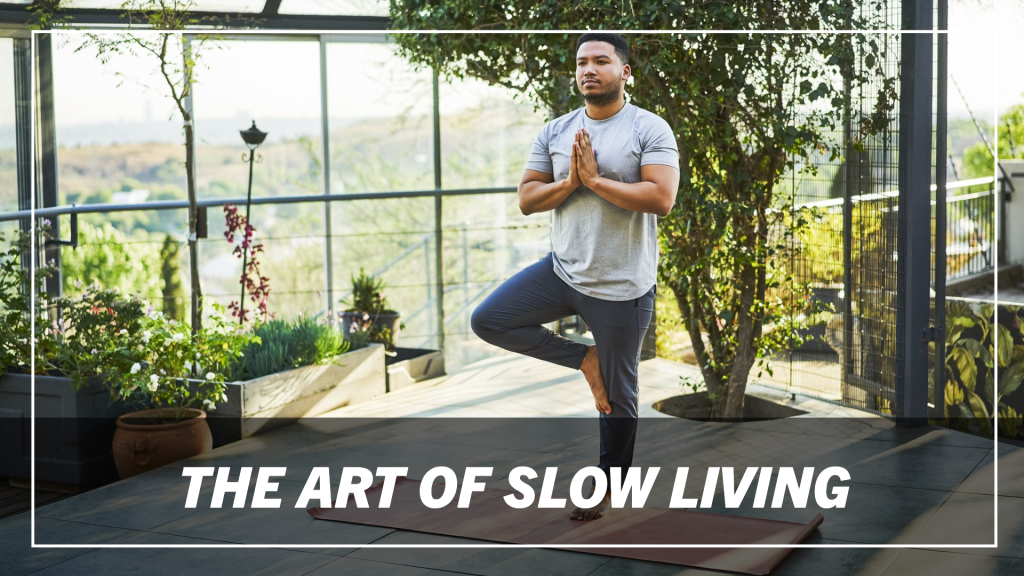
The Power of Slow Living: Cultivating Mindfulness

In a world that glorifies busyness, slowing down has become a radical act of self-care. Slow living is about intentionality, mindfulness, and embracing a lifestyle that prioritizes well-being over constant hustle. It’s not about doing less—it’s about doing what truly matters with purpose and presence. Let’s explore how to cultivate a slow living mindset for a more fulfilling and balanced life.


1. Embrace Intentional Mornings

The way you start your morning sets the tone for your entire day. Instead of rushing through tasks, create a slow morning routine.

  • How to Practice:
    • Wake up 15 minutes earlier to avoid starting the day in a rush.
    • Enjoy your morning coffee or tea mindfully, savoring each sip.
    • Stretch, journal, or meditate before checking your phone.
  • Pro Tip: Try sunlight exposure in the morning to regulate your circadian rhythm and boost mood.

2. Prioritize Meaningful Activities Over Busyness

Being busy isn’t the same as being productive. Slow living encourages you to focus on what truly brings you joy and fulfillment.

  • How to Practice:
    • List your top priorities for the day and eliminate unnecessary tasks.
    • Learn to say no to activities that don’t align with your values.
    • Create space for hobbies, deep conversations, and self-reflection.
  • Pro Tip: At the end of each day, ask yourself, “Did I spend my time in a way that aligns with my values?”

3. Eat Mindfully and Enjoy the Process

Slow living extends to how we nourish ourselves. Instead of rushing meals, cultivate a mindful eating practice.

  • How to Practice:
    • Cook at home more often, focusing on fresh, whole foods.
    • Eat without distractions—turn off the TV and put away your phone.
    • Chew slowly and appreciate the flavors, textures, and aromas of your food.
  • Pro Tip: Try a gratitude pause before meals, reflecting on where your food came from.

4. Reduce Digital Overload

Technology is useful, but constant screen time can drain your energy and focus.

  • How to Practice:
    • Set tech-free zones, like no phones at the dinner table or in the bedroom.
    • Take regular breaks from social media and digital notifications.
    • Replace scrolling with analog activities like reading or journaling.
  • Pro Tip: Use the 20-20-20 rule—every 20 minutes, look 20 feet away for 20 seconds to reduce eye strain.

5. Cultivate Slow, Intentional Evenings

How you end your day influences your sleep quality and emotional well-being.

  • How to Practice:
    • Create a calming nighttime routine with activities like journaling or gentle stretching.
    • Dim the lights an hour before bed to signal to your body that it’s time to rest.
    • Reflect on the day’s highlights rather than stressing over unfinished tasks.
  • Pro Tip: Keep a gratitude journal by your bedside to end the day on a positive note.

Conclusion

Slow living isn’t about doing nothing—it’s about doing things with presence and purpose. By integrating mindfulness, simplifying your schedule, and creating intentional moments, you can transform your daily life into a more fulfilling and balanced experience. Start small, be consistent, and allow yourself to savor the beauty of slowing down.


For more mindfulness insights, check out my book, The Mindful Executive: https://www.amazon.com/dp/B0D75YJCLW.