
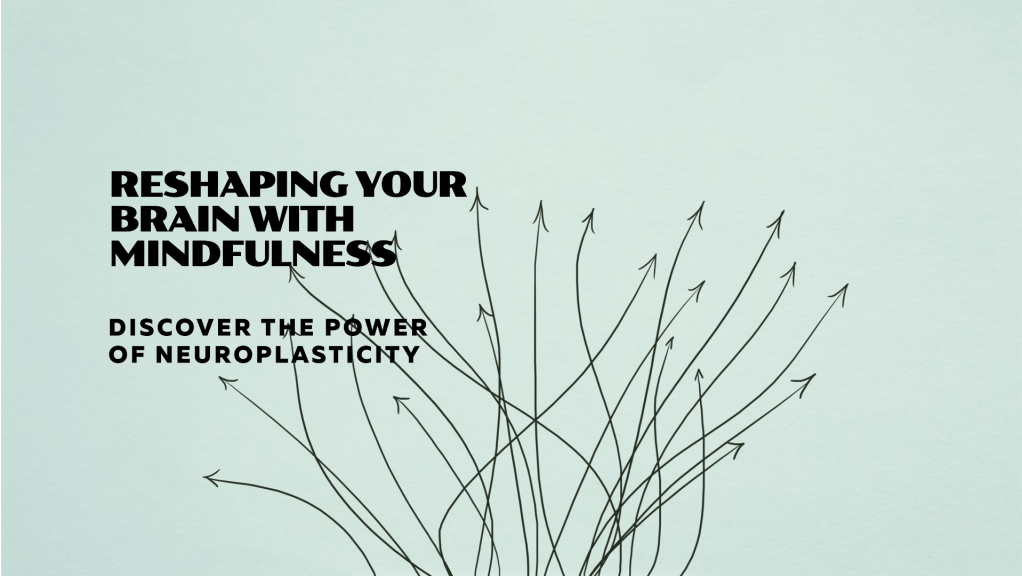
Neuroplasticity and Mindfulness: How Meditation Can Reshape Your Brain for the Better

Neuroplasticity is the brain’s remarkable ability to reorganize itself by forming new neural connections throughout life. This concept has gained significant attention in recent years, particularly in relation to mindfulness and meditation practices. These ancient practices are now backed by modern science, showing how regular meditation can enhance neuroplasticity, leading to improved mental health, emotional balance, and cognitive function.

The Science Behind Neuroplasticity Neuroplasticity is the foundation of how our brains adapt to new experiences, learn new skills, and recover from injuries. It is the brain’s ability to rewire itself, and it’s driven by our thoughts, behaviors, and environments. This means that we are not stuck with the brain we have; instead, we can actively shape it to improve our quality of life.

Studies have shown that mindfulness meditation can significantly enhance neuroplasticity. For example, a study published in NeuroImage found that individuals who engaged in an eight-week mindfulness meditation program had increased gray matter density in brain regions associated with memory, learning, and emotional regulation .

How Meditation Enhances Neuroplasticity Meditation practices, particularly mindfulness meditation, engage the brain in ways that promote neuroplastic changes. These changes are not only beneficial for emotional regulation but also for improving focus, memory, and resilience to stress.

  1. Increased Gray Matter: Regular meditation increases the gray matter in the hippocampus, a region of the brain associated with learning and memory. This can lead to enhanced cognitive abilities and better memory retention.
  2. Thicker Prefrontal Cortex: The prefrontal cortex, responsible for higher-order thinking and decision-making, becomes thicker with consistent meditation practice. This means better problem-solving skills, improved attention, and a more balanced emotional state.
  3. Reduced Amygdala Activity: The amygdala, known as the brain’s fear center, becomes less active with meditation. This reduction in activity leads to a decrease in stress and anxiety, allowing for a more calm and composed mind .

Practical Steps to Incorporate Meditation for Brain Health Incorporating mindfulness meditation into your daily routine can be simple yet transformative. Here are some practical steps to get started:

  1. Start Small: Begin with just 5-10 minutes of mindfulness meditation each day. Gradually increase the time as you become more comfortable with the practice.
  2. Consistency is Key: Regularity is more important than duration. Aim to meditate at the same time each day to build a habit.
  3. Focus on Your Breath: Concentrate on your breathing, paying attention to each inhale and exhale. This helps anchor your mind and reduces the likelihood of distraction.
  4. Use Guided Meditations: If you’re new to meditation, guided sessions can be very helpful. Apps like Headspace or Calm offer excellent resources to get you started.
  5. Be Patient: Neuroplasticity takes time. The benefits of meditation will accumulate over weeks and months, so be patient and persistent with your practice .

Conclusion The ability to reshape your brain through mindfulness meditation is a powerful tool for enhancing mental well-being and cognitive function. By committing to a regular meditation practice, you can take control of your neuroplasticity, leading to a healthier, more resilient brain.

Call to Action Start your mindfulness journey today and experience the transformative effects of meditation on your brain. For more tips and guides on holistic wellness, visit Holistic Wellness Guide.


The Benefits of Forest Bathing: Reconnecting with Nature

Forest bathing, or Shinrin-yoku, is a Japanese practice that involves immersing oneself in the forest atmosphere to improve health and well-being. This holistic practice offers numerous benefits for both the mind and body. Here’s how to embrace forest bathing and its benefits.

1. Reduces Stress

Spending time in the forest can significantly reduce stress levels and promote relaxation.

  • Tip: Find a local forest or park and spend at least 30 minutes walking slowly and mindfully.
  • Story: Jane, a corporate lawyer, started forest bathing on weekends to escape her high-stress job. She found that the peaceful environment of the forest helped her unwind and feel more relaxed.

2. Boosts Immune Function

Forest environments contain phytoncides, natural chemicals released by trees that can enhance immune function.

  • Tip: Breathe deeply to inhale the beneficial phytoncides and spend at least an hour in the forest to maximize benefits.
  • Story: Raj, a health-conscious individual, included forest bathing in his wellness routine. He noticed fewer illnesses and an overall improvement in his health after regular forest visits.

3. Enhances Mood

Being in nature can elevate mood and increase feelings of happiness and well-being.

  • Tip: Focus on the sights, sounds, and smells of the forest to fully immerse yourself in the experience.
  • Story: Lisa, a mother of two, found that forest bathing improved her mood and provided a much-needed break from her daily routine. She now looks forward to her weekly forest walks.

4. Improves Focus and Creativity

Forest bathing can enhance cognitive function, improve focus, and boost creativity.

  • Tip: Leave behind distractions like phones and focus on the present moment to clear your mind.
  • Story: Tom, a writer, found that his creativity and focus improved after incorporating forest bathing into his routine. He now visits the forest regularly to find inspiration and clarity.

5. Promotes Physical Health

Walking in the forest provides gentle exercise that can improve physical health and fitness.

  • Tip: Choose trails that match your fitness level and gradually increase the duration and intensity of your walks.
  • Story: Emily, a retired teacher, began forest bathing as a way to stay active. She enjoyed the gentle exercise and the opportunity to connect with nature, which improved her overall fitness and well-being.

Healing Through Art: The Benefits of Creative Expression

Creative expression through art has been recognized as a powerful tool for healing and personal growth. Engaging in artistic activities can provide emotional, mental, and even physical benefits, making it a valuable practice for overall well-being. Here’s how you can harness the healing power of art and creative expression to enhance your health and wellness.

1. Emotional Healing

Art allows for the expression of emotions that might be difficult to articulate with words. It provides a safe outlet to explore and release feelings.

  • Example: Drawing, painting, or sculpting can help you process and express emotions such as sadness, anger, or joy. Create a piece of art that reflects your current emotional state to gain insights and find relief.

2. Stress Reduction

Engaging in creative activities can reduce stress by providing a distraction from daily pressures and fostering a state of relaxation.

  • Example: Spend time coloring in an adult coloring book or creating a mandala. The repetitive nature of these activities can induce a meditative state, reducing stress and promoting calmness.

3. Mental Health Benefits

Art therapy has been shown to improve mental health by enhancing self-awareness, self-esteem, and emotional resilience.

  • Example: Journaling with a combination of words and images can help you explore your thoughts and feelings, leading to greater self-awareness and emotional healing.

4. Cognitive Benefits

Creating art can enhance cognitive functions such as problem-solving, critical thinking, and memory.

  • Example: Try engaging in activities like puzzle-making, drawing intricate designs, or creating collages. These tasks stimulate the brain and can improve cognitive abilities.

5. Physical Benefits

Art can also have physical benefits, particularly for those recovering from illness or injury. It can improve motor skills, hand-eye coordination, and overall physical health.

  • Example: Activities like knitting, sculpting, or pottery can improve fine motor skills and hand strength. These activities also provide a sense of accomplishment and progress.

6. Social Connection

Participating in group art activities can foster a sense of community and connection with others, reducing feelings of isolation.

  • Example: Join a local art class or community art group. Collaborating with others on creative projects can enhance social bonds and provide emotional support.

7. Self-Expression and Identity

Art allows you to explore and express your identity, helping you understand yourself better and fostering personal growth.

  • Example: Create a self-portrait or a visual diary that reflects your experiences and identity. This practice can help you connect with your inner self and gain insights into your personal journey.

8. Healing Trauma

Art therapy can be particularly effective for healing trauma, as it provides a non-verbal outlet for processing traumatic experiences.

  • Example: Work with an art therapist to create pieces that reflect your trauma and healing journey. This process can help you process and release traumatic memories in a safe and supportive environment.

9. Enhancing Creativity

Engaging in artistic activities can boost creativity and inspire new ideas in various areas of life.

  • Example: Try experimenting with different art forms such as painting, digital art, or mixed media. Allow yourself to explore and take risks with your creativity.

10. Mindfulness and Presence

Creating art encourages mindfulness and being present in the moment, which can reduce anxiety and promote a sense of peace.

  • Example: Practice mindful drawing or painting by focusing on the sensations of the materials, the colors, and the movements of your hands. This can help you stay grounded and connected to the present moment.

Practical Tips for Incorporating Art into Your Life

  • Start Small: Begin with simple art activities that you enjoy, such as doodling or coloring. Gradually explore more complex projects as you become more comfortable.
    • Example: Set aside 10-15 minutes each day to engage in a creative activity.
  • Create a Dedicated Space: Set up a space in your home where you can create art without interruptions.
    • Example: Use a corner of a room with a table, art supplies, and good lighting to create your art studio.
  • Join a Class or Group: Look for local or online art classes and groups that align with your interests.
    • Example: Enroll in a painting class at a community center or join an online art workshop.
  • Use Art Supplies You Enjoy: Invest in quality art supplies that inspire you and make the creative process enjoyable.
    • Example: Buy a set of high-quality colored pencils, paints, or markers to enhance your creative experience.
  • Be Patient with Yourself: Remember that art is about the process, not the outcome. Allow yourself to create without judgment or pressure.
    • Example: Focus on enjoying the act of creating rather than striving for perfection.

The Benefits of Regular Exercise for Mental Health

Regular exercise is not only essential for physical health but also has profound benefits for mental health. Engaging in physical activities can help reduce stress, improve mood, boost self-esteem, and enhance overall well-being. Here’s how regular exercise can positively impact your mental health.

Reducing Stress and Anxiety: Exercise helps lower stress levels and reduce anxiety. Physical activity increases the production of endorphins, which are natural mood lifters.

Example: Incorporate activities like jogging, swimming, or cycling into your routine to help alleviate stress and anxiety.

Improving Mood and Fighting Depression: Regular exercise can improve mood and act as a natural antidepressant. It helps increase the production of serotonin, a neurotransmitter that plays a crucial role in mood regulation.

Example: Join a fitness class or engage in a group sport to boost your mood and combat feelings of depression.

Boosting Self-Esteem and Confidence: Exercise can help improve self-esteem and confidence by enhancing your physical appearance and overall health. Achieving fitness goals can provide a sense of accomplishment.

Example: Set achievable fitness goals, such as running a 5K or mastering a new yoga pose, to build confidence and self-esteem.

Enhancing Cognitive Function: Physical activity improves cognitive function by increasing blood flow to the brain. It can enhance memory, concentration, and overall brain health.

Example: Incorporate exercises that require coordination and focus, such as dance or martial arts, to boost cognitive function.

Promoting Better Sleep: Regular exercise can help improve sleep quality and duration. Physical activity helps regulate your sleep-wake cycle and can alleviate insomnia.

Example: Engage in moderate-intensity exercises like brisk walking or swimming during the day to promote better sleep at night.

Providing Social Support: Participating in group exercises or sports can provide social support and reduce feelings of loneliness and isolation.

Example: Join a local sports team, fitness class, or running club to build social connections and enjoy the mental health benefits of exercise.

Practical Tips for Incorporating Exercise into Your Routine:

  1. Choose Activities You Enjoy:
    • Find physical activities that you enjoy and are more likely to stick with, such as dancing, hiking, or swimming.
  2. Set Realistic Goals:
    • Start with small, achievable goals and gradually increase the intensity and duration of your workouts.
  3. Make It a Habit:
    • Schedule regular exercise sessions into your daily routine to make it a consistent habit.
  4. Stay Motivated:
    • Keep yourself motivated by tracking your progress, joining exercise groups, or working out with a friend.

By incorporating regular exercise into your routine, you can experience significant improvements in your mental health and overall well-being.

The Top 5 Benefits of Regular Exercise for Mental Health

Mind and Body: The Top 5 Benefits of Regular Exercise for Mental Health

Regular exercise is not only crucial for physical health but also plays a significant role in mental well-being. Engaging in physical activities can help alleviate symptoms of depression, anxiety, and stress. In this post, we’ll explore the top five benefits of regular exercise for mental health and how it can enhance your overall quality of life.

Benefit 1: Reduces Symptoms of Depression: Exercise increases the production of endorphins, which are natural mood lifters. It can help reduce symptoms of depression and improve overall mood.

Benefit 2: Alleviates Anxiety: Regular physical activity helps reduce anxiety by promoting relaxation and reducing stress hormones. It provides a healthy outlet for tension and worry.

Benefit 3: Enhances Cognitive Function: Exercise improves brain function by increasing blood flow and promoting the growth of new brain cells. It can enhance memory, focus, and overall cognitive abilities.

Benefit 4: Improves Sleep Quality: Physical activity can help regulate sleep patterns and improve the quality of your sleep. It promotes relaxation and reduces the likelihood of insomnia.

Benefit 5: Boosts Self-Esteem: Engaging in regular exercise can boost self-esteem and confidence. It helps you feel better about your body and abilities, which can translate into a more positive self-image.

Regular exercise is a powerful tool for improving mental health and overall well-being. At Alchemy International, we believe in the holistic benefits of physical activity to support a healthy mind and body. Incorporate regular exercise into your routine and experience the mental health benefits for yourself.

The Benefits of Meditation for Mental Clarity

Clear Your Mind: The Benefits of Meditation for Mental Clarity

In today’s fast-paced world, it’s easy to feel overwhelmed and mentally cluttered. Meditation is a powerful practice that can help clear your mind and improve mental clarity. In this post, we’ll explore the benefits of meditation and how it can enhance your focus, concentration, and overall mental well-being.

Benefit 1: Reduces Stress and Anxiety: Meditation helps calm the mind and reduce stress and anxiety by promoting relaxation and mindfulness. Regular practice can lead to a greater sense of inner peace.

Benefit 2: Improves Focus and Concentration: By training your mind to focus on the present moment, meditation enhances your ability to concentrate and maintain attention on tasks.

Benefit 3: Enhances Emotional Well-Being: Meditation can improve your mood and emotional well-being by increasing self-awareness and promoting positive thinking.

Benefit 4: Boosts Memory and Cognitive Function: Studies have shown that meditation can improve memory and cognitive function by enhancing brain plasticity and connectivity.

Benefit 5: Promotes Better Sleep: Meditation can help improve sleep quality by calming the mind and reducing the mental chatter that often interferes with restful sleep.

How to Get Started with Meditation:

  • Find a Quiet Space: Choose a quiet, comfortable space where you won’t be disturbed.
  • Set a Timer: Start with 5-10 minutes and gradually increase the duration as you become more comfortable.
  • Focus on Your Breath: Pay attention to your breath, noticing each inhale and exhale. If your mind wanders, gently bring your focus back to your breath.
  • Be Consistent: Try to meditate at the same time each day to build a regular practice.

Meditation is a simple yet powerful tool for improving mental clarity and overall well-being. At Alchemy International, we support holistic practices like meditation that promote a balanced and healthy life. Start incorporating meditation into your daily routine and experience the benefits for yourself.