
The Silent Burnout: Why High-Functioning Exhaustion Is the New Epidemic

You get up. You perform. You smile. You hit deadlines. You respond to messages, deliver results, and look like you’ve got it all together.

But deep inside, you’re running on fumes.

This is high-functioning burnout—the kind that doesn’t look like collapse, but feels like emotional erosion. You’re not in bed all day, but you’re also not really living. Your spark is dimmed. Your laugh feels forced. And your peace? MIA.

The world praises your “resilience” while you quietly fall apart.


1. What Is High-Functioning Burnout?

It’s burnout without the breakdown. You’re still functioning—often exceptionally so—but it comes at a silent cost:

  • You’re constantly fatigued, even after rest.
  • You feel emotionally numb, but hide it well.
  • You keep performing, but feel disconnected from joy, purpose, or fulfillment.
  • You rely on caffeine, screens, or stress to keep going.

On the outside? You look fine. On the inside? You’re on the edge of collapse.

This is the burnout no one sees—because you’ve trained yourself to hide it so well.


2. Why It’s Hard to Detect—Even for You

High-functioning people are masters of compartmentalization. You push pain aside. You tell yourself it’s temporary. You confuse activity with wellness. But being busy isn’t the same as being okay.

You don’t stop because:

  • You fear what you’ll feel if you slow down.
  • You’re addicted to achievement.
  • You don’t want to disappoint anyone.
  • You’re used to being “the strong one.”

But suppression isn’t healing. And burnout doesn’t go away because you ignore it.


3. The Body Keeps Score

Your body always tells the truth. You may suppress your emotions mentally, but physically, they leak out.

💥 Symptoms of silent burnout:

  • Muscle tension, jaw clenching, or random body aches
  • Brain fog or memory lapses
  • Digestive issues and poor sleep
  • Anxiety that hits without warning
  • Emotional detachment, irritability, or tearfulness without cause

Your body is speaking. The question is: are you listening?


4. The Myth of Being “Fine”

Saying “I’m fine” is the armor. But deep down, you know:

  • You don’t remember the last time you truly relaxed
  • You’ve forgotten what joy without productivity feels like
  • You’re surviving, not thriving

You’re not weak for feeling this way. You’re human. And you’re allowed to need rest, support, and softness—even if the world only claps when you’re strong.


5. Breaking the Cycle: From Burnout to Reconnection

🔥 Start by Naming It
Burnout loses power when it’s acknowledged. Say it: “I am not okay, and that’s okay.” Let that honesty open the door to healing.

🌿 Redefine Success
Success isn’t pushing through. It’s honoring your energy. It’s waking up with peace, not pressure.

🧘 Create Micro-Pauses
Take 5-minute breaks to breathe, stretch, close your eyes. These tiny resets signal safety to your nervous system.

❤️ Reconnect with Joy
Do one thing a day that has no purpose except delight. Read poetry. Sit in the sun. Sing terribly. Be alive without a metric.

👥 Ask for Support
You don’t need a crisis to deserve care. Talk to someone. Therapist, friend, coach—someone who sees you, not just your performance.


You Deserve to Be Whole—Not Just Functional

Burnout doesn’t always scream. Sometimes it whispers, “this isn’t sustainable.” Don’t wait until your body forces you to stop.

Choose restoration before rupture. Choose softness before shutdown. You don’t have to prove anything to be worthy of rest.

This is your sign to pause.

And if you’re navigating this quiet exhaustion and want a deeper roadmap to healing, check out The Mindful Executive—a powerful guide to realignment, self-respect, and soulful success: https://www.amazon.com/dp/B0D75YJCLW
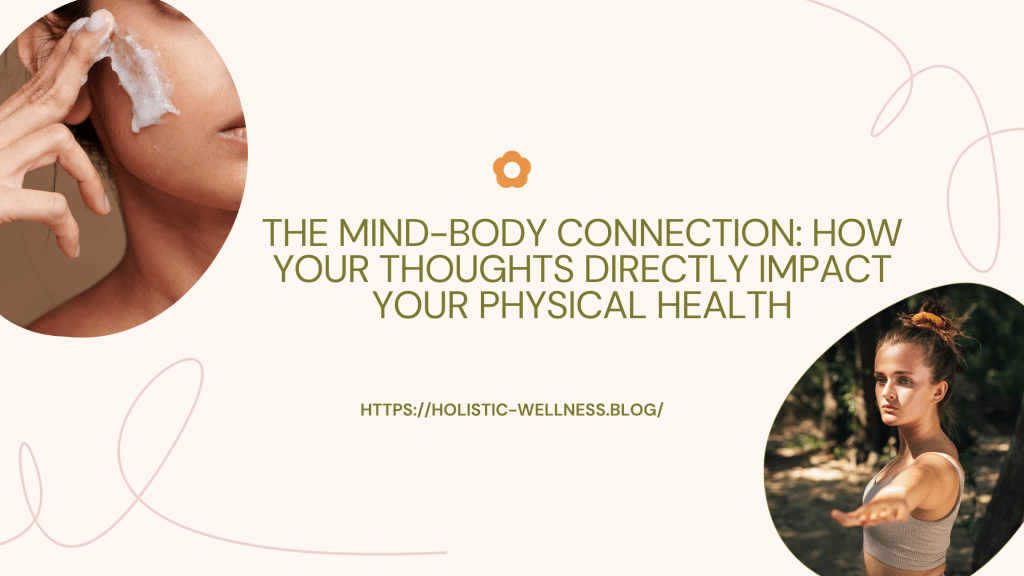
The Mind-Body Connection: How Your Thoughts Directly Impact Your Physical Health

The ancient wisdom “as above, so below” takes on profound meaning when we explore the intricate relationship between our mental and physical states. The mind-body connection isn’t just a philosophical concept—it’s a scientifically proven reality that can transform how we approach health and healing.

Understanding the Science Behind Mind-Body Medicine

Your thoughts, emotions, and beliefs create measurable changes in your body’s chemistry. When you experience stress, anxiety, or negative emotions, your brain releases cortisol and adrenaline, triggering inflammation and compromising your immune system. Conversely, positive thoughts and emotions flood your system with beneficial hormones like serotonin, dopamine, and oxytocin, promoting healing and vitality.

Research from Harvard Medical School demonstrates that chronic stress can literally rewire your brain, affecting memory, decision-making, and emotional regulation. Meanwhile, practices like meditation and mindfulness create positive neuroplasticity, strengthening neural pathways associated with calm, focus, and resilience.

The Physical Manifestations of Mental States

Your body serves as a mirror for your inner world. Persistent worry often manifests as digestive issues, tension headaches, or insomnia. Suppressed anger may appear as inflammation, autoimmune conditions, or chronic pain. Fear and anxiety frequently show up as respiratory problems, heart palpitations, or muscle tension.

This isn’t to suggest that all physical ailments stem from mental causes, but rather to recognize the powerful influence our psychological state has on our physical well-being. Traditional Chinese Medicine and Ayurveda have understood this connection for millennia, treating the person as a whole rather than isolated symptoms.

Practical Ways to Harness Your Mind-Body Connection

Daily Mindfulness Practice Begin each day with five minutes of conscious breathing. This simple practice activates your parasympathetic nervous system, reducing stress hormones and promoting healing. Focus on deep, slow breaths, allowing your belly to expand with each inhale.

Emotional Awareness and Processing Create space to acknowledge and process your emotions rather than suppressing them. Journaling, meditation, or speaking with a trusted friend can prevent emotional energy from becoming trapped in your physical body.

Positive Visualization Spend time each day visualizing your body in perfect health. See your immune system strong and vibrant, your organs functioning optimally, and your energy flowing freely. Your subconscious mind doesn’t distinguish between vividly imagined experiences and reality, making visualization a powerful healing tool.

Gratitude Practice Cultivate genuine appreciation for your body and its incredible capabilities. Thank your heart for beating, your lungs for breathing, and your immune system for protecting you. This practice shifts your energy from criticism to celebration, promoting healing at the cellular level.

Movement as Medicine Choose physical activities that bring you joy rather than punishment. Whether it’s dancing, walking in nature, or gentle yoga, movement that feels good creates positive associations in your nervous system, enhancing both mental and physical well-being.

The Role of Belief in Healing

Your beliefs about your health significantly impact your healing capacity. The placebo effect demonstrates that believing in recovery can trigger real physiological changes, even without active treatment. Conversely, nocebo effects show how negative expectations can worsen symptoms or create new ones.

Examine your health beliefs honestly. Do you see your body as fragile or resilient? Do you believe in your capacity to heal, or do you feel powerless over your health? Shifting limiting beliefs to empowering ones can dramatically accelerate your healing journey.

Creating a Holistic Healing Environment

Your external environment influences your internal state. Surround yourself with beauty, whether through plants, art, music, or natural light. These elements signal safety to your nervous system, promoting relaxation and healing.

Equally important is your social environment. Supportive relationships boost immune function, while toxic relationships create chronic stress. Prioritize connections that nourish your soul and set boundaries with those that drain your energy.

Integrating Mind-Body Practices into Daily Life

Start small and build consistency. Choose one practice that resonates with you—perhaps morning meditation, evening gratitude, or midday breathing exercises. As this becomes habit, gradually add other elements.

Remember that healing isn’t linear. Your body may need time to release old patterns and integrate new ones. Be patient and compassionate with yourself throughout this process.

The Future of Holistic Health

As conventional medicine increasingly recognizes the mind-body connection, we’re seeing exciting developments in integrative care. Hospitals now offer meditation programs, doctors prescribe nature therapy, and research validates ancient healing practices.

This shift represents a return to treating humans as complete beings rather than collections of symptoms. By embracing the mind-body connection in your own life, you become part of this healing revolution.

Your thoughts are powerful medicine. Use them wisely, and watch as your entire being transforms from the inside out. The journey to optimal health begins not just with what you put in your body, but with what you allow in your mind.


For deeper insights into transforming your relationship with health and wellness through mindful practices, explore “The Path to Wellness: A Journey of Self-Discovery and Healing” – a comprehensive guide to creating lasting change in your well-being journey.