

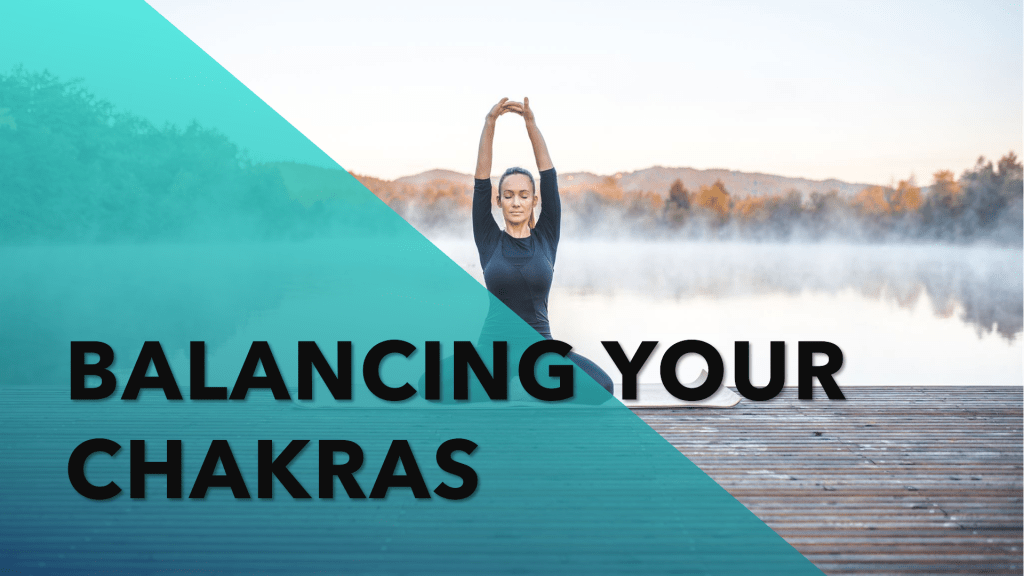
10 Daily Habits to Balance Your Chakras Naturally

Our body contains seven primary energy centers, known as chakras, that influence our physical, mental, and spiritual health. When these chakras are balanced, energy flows freely, promoting overall wellness. However, daily stresses and negative patterns can create blockages, leading to emotional or physical imbalance. By incorporating simple habits into your routine, you can keep your chakras aligned, supporting a harmonious and healthy life. Here are 10 daily habits to naturally balance your chakras and create energetic harmony.


1. Ground Yourself with Root Chakra Practices

The root chakra, located at the base of the spine, represents stability and security. When balanced, it helps you feel grounded and safe. Practicing grounding exercises can strengthen your root chakra and connect you to the earth.

  • Daily Habit: Begin your day with a grounding exercise, like walking barefoot on natural surfaces, or sitting outdoors and focusing on your breath, visualizing roots connecting you to the earth.

2. Incorporate Creative Expression for the Sacral Chakra

The sacral chakra, located just below the navel, governs creativity, pleasure, and emotional health. Keeping it balanced allows you to enjoy life and embrace change. Creativity and emotional openness are key to a healthy sacral chakra.

  • Daily Habit: Engage in a creative activity, such as drawing, dancing, or journaling, allowing your emotions and thoughts to flow freely.

3. Build Self-Confidence with Solar Plexus Chakra Exercises

The solar plexus chakra, located in the upper abdomen, is the seat of personal power, self-confidence, and willpower. A balanced solar plexus chakra helps you feel in control of your life and assertive.

  • Daily Habit: Practice positive affirmations in the morning, such as “I am powerful” or “I am confident.” Visualize a bright yellow light in your solar plexus, radiating warmth and strength.

4. Practice Heart-Opening Exercises for the Heart Chakra

The heart chakra, located in the center of the chest, represents love, compassion, and connection. A balanced heart chakra helps you build healthy relationships with others and foster self-love.

  • Daily Habit: Spend a few minutes each day doing a heart-opening yoga pose, like a gentle backbend or seated chest opener. Focus on breathing deeply and sending love to yourself and others.

5. Use Mindful Communication for the Throat Chakra

The throat chakra governs communication, expression, and truth. When balanced, it allows you to express yourself clearly and confidently. Practicing mindful speech can help keep this chakra in alignment.

  • Daily Habit: Take time each day to practice speaking mindfully and expressing your true thoughts. Avoid gossip or negative talk, and focus on clear, kind communication.

6. Nurture Your Intuition with Third Eye Chakra Meditation

The third eye chakra, located between the eyebrows, is the center of intuition, wisdom, and spiritual insight. A balanced third eye helps you connect with your inner self and trust your intuition.

  • Daily Habit: Spend 5-10 minutes each day meditating with your eyes closed, focusing on the space between your eyebrows. Visualize a deep indigo light expanding and brightening with each breath.

7. Cultivate Spiritual Awareness for the Crown Chakra

The crown chakra, located at the top of the head, represents spiritual connection and enlightenment. A balanced crown chakra helps you feel connected to the universe and your higher self.

  • Daily Habit: End your day with a short gratitude practice or meditation, visualizing a pure white light at the top of your head. Focus on your connection to the universe and express gratitude for the day.

8. Eat Foods that Correspond to Each Chakra

The food you eat can also influence your chakra health. Each chakra has a color associated with it, and eating foods of those colors can help balance the respective chakras.

  • Daily Habit: Incorporate a colorful variety of fruits and vegetables into your diet. For example, eat red foods (like strawberries) for the root chakra, orange foods (like carrots) for the sacral, and so on.

9. Practice Breathwork to Balance Energy

Breathwork is a powerful tool for balancing all the chakras, as it helps energy flow smoothly throughout the body. Regular breathwork helps release blockages and promotes relaxation.

  • Daily Habit: Try alternate nostril breathing or deep belly breathing for 5 minutes each day to calm your mind, balance your energy, and align your chakras.

10. Use Affirmations for Each Chakra

Positive affirmations are an effective way to reset your mindset and reinforce positive energy in each chakra. Repeating specific affirmations helps you connect with and energize each chakra.

  • Daily Habit: Use a different affirmation for each chakra daily. For example: “I am grounded” (Root), “I am creative” (Sacral), “I am strong” (Solar Plexus), “I am loved” (Heart), “I speak my truth” (Throat), “I trust my intuition” (Third Eye), and “I am connected to the divine” (Crown).

Conclusion

Balancing your chakras doesn’t require drastic changes to your routine. Small, daily practices can help align your energy centers, bringing peace, clarity, and vitality into your life. By incorporating these simple habits, you’ll be able to support your holistic wellness journey and create a balanced and harmonious life.


For more insights on holistic practices, check out my book, The Mindful Executive: https://www.amazon.com/dp/B0D75YJCLW.


10 Ways to Balance Your Energy with Everyday Rituals

In our fast-paced world, it’s easy to feel off-balance and disconnected from our inner selves. Our energy gets depleted, scattered, and blocked by stress, unhealthy habits, and lack of mindfulness. Fortunately, you don’t need elaborate techniques to restore your energy and bring balance back into your life. Simple everyday rituals can help realign your mind, body, and spirit, allowing you to feel grounded, centered, and energized. Here are 10 ways to balance your energy through holistic and mindful practices.

1. Morning Grounding Rituals

Start your day by reconnecting with the earth through grounding. Walking barefoot on grass, sand, or soil for just a few minutes can help release negative energy and absorb the earth’s natural, stabilizing energy. This ritual helps balance your root chakra, providing a strong foundation for the rest of the day.

  • Tip: Try starting your morning with a short, mindful walk outside, focusing on the sensations of the ground beneath your feet.

2. Breathwork for Energy Flow

Breath is the bridge between your body and mind, and practicing mindful breathwork can help you balance your energy. Techniques like deep diaphragmatic breathing or alternate nostril breathing (Nadi Shodhana) can release stress, clear blocked energy pathways, and activate your body’s natural healing systems.

  • Tip: Spend 5 minutes practicing slow, deep breathing or alternate nostril breathing before starting your workday for enhanced focus and calm.

3. Crystal Energy Balancing

Crystals have been used for centuries to help balance energy. Different crystals resonate with various chakras and can support emotional, physical, and spiritual healing. Carrying crystals like amethyst for calming energy or citrine for positivity can subtly help balance your energy throughout the day.

  • Tip: Carry a small crystal in your pocket or wear one as jewelry to keep its energy close to your body.

4. Mindful Eating for Balanced Energy

The food we eat plays a significant role in how we feel. Eating mindfully not only nourishes your body but also helps maintain a steady flow of energy. Focus on whole, unprocessed foods rich in nutrients, and try to be fully present while eating—savoring every bite and appreciating the nourishment it provides.

  • Tip: Incorporate grounding foods like root vegetables (carrots, sweet potatoes) and leafy greens into your diet for sustained energy.

5. Use Essential Oils to Reset Your Energy

Aromatherapy is a powerful tool for balancing your energy. Essential oils like lavender can calm overactive energy, while oils like eucalyptus or peppermint can help uplift and refresh. Diffusing oils or applying them to pulse points helps bring your body’s energy back into alignment.

  • Tip: Keep a small roller of essential oils with you, and apply it when you need an energy boost or calming influence.

6. Chakra Meditation

Chakra meditation focuses on aligning and clearing the body’s energy centers. By focusing on each chakra (from the root to the crown), you can remove blockages and restore the free flow of energy throughout your system. This practice brings harmony between your physical, emotional, and spiritual bodies.

  • Tip: Spend 10 minutes meditating on each chakra, visualizing it glowing with light and spinning freely.

7. Hydration Ritual

Water is essential for maintaining energetic balance. Dehydration can block the natural flow of energy and cause sluggishness or fatigue. Drinking water with mindfulness—acknowledging its life-giving properties—helps connect you to the element of water, which is essential for cleansing and balancing.

  • Tip: Add a slice of lemon or cucumber to your water for added purification and refreshment.

8. Sound Healing for Energy Balance

Sound therapy, whether through listening to calming music, Tibetan singing bowls, or tuning forks, has the ability to restore energetic balance. Sound waves influence our brainwaves and can promote deep relaxation, realigning our internal energy.

  • Tip: Play calming music or sound healing tracks during moments of stress or before bed to help harmonize your body’s energy.

9. Create a Sleep Sanctuary

Sleep is when the body and mind naturally restore their energy. A cluttered, overstimulating sleep environment can hinder this process. Creating a sleep sanctuary—complete with soothing colors, dim lighting, and a clean, calm space—helps balance your energy overnight, leaving you refreshed in the morning.

  • Tip: Turn off electronics 30 minutes before bed and use soft lighting to create a calming atmosphere.

10. Daily Gratitude Ritual

Practicing gratitude is one of the simplest yet most powerful ways to balance your energy. When you focus on what you’re grateful for, you naturally raise your vibration and shift your energy to a more positive frequency. This practice opens up your heart chakra and enhances overall emotional well-being.

  • Tip: Keep a gratitude journal and write down three things you are grateful for every night before bed.

Conclusion

Balancing your energy doesn’t require grand changes. Small, mindful rituals can have a profound impact on your overall wellness. Whether it’s through grounding, breathwork, or crystal energy, these everyday practices can help you stay centered, grounded, and energetically aligned. Start with one or two rituals, and gradually build them into your daily routine to create a more balanced, harmonious life.


For more insights on integrating wellness practices into your daily life, check out my book, The Mindful Executive: https://www.amazon.com/dp/B0D75YJCLW.

The Benefits of Yoga: A Holistic Approach to Health and Well-Being

Yoga is an ancient practice that combines physical postures, breathing exercises, meditation, and a distinct philosophy to promote overall health and well-being. This holistic approach can provide numerous benefits for the mind, body, and spirit. Here’s how incorporating yoga into your daily routine can enhance your health and well-being.

1. Physical Health Benefits

Yoga offers a wide range of physical health benefits, making it an excellent addition to your fitness routine.

  • Improves Flexibility: Regular yoga practice helps increase flexibility, reducing the risk of injuries and improving overall mobility.
    • Example: Practicing poses like the forward bend or seated stretches can gradually improve flexibility over time.
  • Builds Strength: Many yoga poses are weight-bearing, which helps build and tone muscles throughout the body.
    • Example: Holding poses like plank, warrior, and chair pose can strengthen various muscle groups.
  • Enhances Balance and Coordination: Yoga poses often involve balancing on one leg or holding a pose for an extended period, which improves balance and coordination.
    • Example: Tree pose and eagle pose are excellent for developing balance.
  • Supports Cardiovascular Health: Certain styles of yoga, like Vinyasa or Power Yoga, can provide a cardiovascular workout that enhances heart health.
    • Example: Flowing through a series of sun salutations increases heart rate and improves cardiovascular endurance.

2. Mental Health Benefits

Yoga is well-known for its positive effects on mental health, helping to reduce stress, anxiety, and depression.

  • Reduces Stress: Yoga encourages relaxation and helps reduce the production of stress hormones.
    • Example: Incorporating relaxation poses like child’s pose and corpse pose into your routine can help reduce stress levels.
  • Improves Mood: The combination of physical activity, breathing exercises, and meditation in yoga promotes the release of endorphins, which can enhance mood.
    • Example: Practicing a gentle yoga sequence followed by a short meditation session can lift your spirits.
  • Enhances Focus and Concentration: The mindfulness aspect of yoga helps improve focus and concentration, making it easier to stay present in daily activities.
    • Example: Breathing exercises, such as alternate nostril breathing, can improve mental clarity and concentration.
  • Promotes Better Sleep: Regular yoga practice can help regulate sleep patterns and improve the quality of sleep.
    • Example: Practicing restorative yoga or gentle stretches before bed can promote relaxation and better sleep.

3. Emotional Health Benefits

Yoga helps cultivate a positive mindset and emotional resilience, which are essential for overall well-being.

  • Boosts Self-Esteem: Achieving and holding challenging poses can enhance self-esteem and confidence.
    • Example: Mastering poses like crow pose or headstand can boost your sense of accomplishment and self-worth.
  • Encourages Mindfulness: Yoga teaches you to be present in the moment, which can enhance your appreciation of life and foster a positive outlook.
    • Example: Mindful breathing exercises during yoga practice help you stay connected to the present moment.
  • Improves Emotional Regulation: The meditative aspects of yoga can help you manage and process emotions more effectively.
    • Example: Incorporating meditation and mindfulness practices into your yoga routine can help you stay calm and balanced in stressful situations.

4. Spiritual Health Benefits

Yoga can deepen your spiritual awareness and foster a sense of inner peace and connection.

  • Promotes Inner Peace: The meditative practices in yoga help you connect with your inner self, fostering a sense of peace and tranquility.
    • Example: Practicing yoga nidra, a form of guided meditation, can promote deep relaxation and inner peace.
  • Encourages Personal Growth: Yoga’s philosophy encourages self-reflection and personal growth, helping you develop a deeper understanding of yourself and your purpose.
    • Example: Keeping a yoga journal to reflect on your practice and personal insights can promote self-awareness and growth.
  • Fosters a Sense of Connection: Yoga encourages a sense of connection to others and the world around you, promoting compassion and empathy.
    • Example: Group yoga classes and community events can foster a sense of belonging and connection.

5. Practical Tips for Incorporating Yoga into Your Daily Routine

  • Start Small: Begin with short, manageable sessions and gradually increase the duration and intensity as you become more comfortable.
    • Example: Start with a 10-minute morning yoga routine and gradually increase it to 30 minutes.
  • Create a Dedicated Space: Set up a quiet, clutter-free space in your home where you can practice yoga without distractions.
    • Example: Use a yoga mat, blocks, and a cushion to create a comfortable practice area.
  • Follow Online Classes: If you’re new to yoga, consider following online classes or tutorials to guide your practice.
    • Example: Platforms like YouTube, Yoga with Adriene, and Gaia offer a variety of classes for all levels.
  • Join a Yoga Community: Joining a local yoga class or community can provide support and motivation.
    • Example: Participate in group classes or workshops to deepen your practice and connect with like-minded individuals.
  • Listen to Your Body: Pay attention to your body’s signals and modify poses as needed to avoid injury.
    • Example: If a pose feels uncomfortable or painful, use props or adjust the pose to suit your body’s needs.