


15-Minute Mindfulness Practices for Daily Calm

Mindfulness isn’t just for long meditations or yoga retreats—it can be seamlessly woven into your daily life, even if you only have 15 minutes to spare. These quick mindfulness practices can help you reduce stress, enhance focus, and reconnect with the present moment. Whether you’re at work, home, or on the go, these simple techniques are your guide to finding calm and clarity in any situation.


1. Morning Breath Awareness

Start your day with 5-10 minutes of mindful breathing to center yourself and set a positive tone.

  • How to Practice:
    • Sit comfortably, close your eyes, and focus on your breath. Count to 4 as you inhale, hold for 4, and exhale for 6.
    • Visualize each inhale bringing in calm energy and each exhale releasing tension.
  • Pro Tip: Pair this practice with a short mantra like, “I breathe in calm, I breathe out stress.”

2. Mindful Walking

Transform your daily walk into a meditative experience that grounds you in the present.

  • How to Practice:
    • Walk slowly and focus on each step, feeling the ground beneath your feet.
    • Notice the sights, sounds, and smells around you without judgment.
  • Pro Tip: Leave your phone behind or put it on silent to fully immerse yourself.

3. Gratitude Pause

Taking a moment to reflect on gratitude can instantly uplift your mood and shift your perspective.

  • How to Practice:
    • Pause for 5 minutes and write down three things you’re grateful for.
    • Reflect on why these moments or things are meaningful to you.
  • Pro Tip: Keep a small gratitude journal handy for quick entries.

4. Sensory Check-In

Engaging your senses helps anchor you to the present moment and reduce mental clutter.

  • How to Practice:
    • Take 2 minutes to notice five things you can see, four you can feel, three you can hear, two you can smell, and one you can taste.
  • Pro Tip: Use this practice during stressful moments to ground yourself quickly.

5. Tea or Coffee Ritual

Turn your morning or afternoon drink into a mindful ritual of relaxation and focus.

  • How to Practice:
    • Hold your cup, feel its warmth, and take in the aroma.
    • Sip slowly, savoring the taste and texture, while focusing on the present.
  • Pro Tip: Avoid distractions like checking your phone during this ritual.

6. Mindful Stretching

Release tension and reconnect with your body through gentle, intentional stretches.

  • How to Practice:
    • Spend 5-10 minutes stretching, focusing on areas where you feel tightness.
    • Breathe deeply into each stretch, feeling your body relax with every exhale.
  • Pro Tip: Try neck rolls, shoulder shrugs, or seated twists for a quick reset.

7. 5-Minute Body Scan

A body scan meditation helps you release physical tension and calm your mind.

  • How to Practice:
    • Sit or lie down comfortably. Close your eyes and slowly bring your attention to each part of your body, from your toes to your head.
    • Notice sensations without judgment and breathe into areas of tightness.
  • Pro Tip: Use a guided body scan meditation app for extra support.

8. Mindful Listening

Deep listening can be a mindfulness practice that strengthens connections and reduces stress.

  • How to Practice:
    • During a conversation, give your full attention to the speaker without interrupting or formulating a response.
    • Notice their tone, body language, and words, and respond thoughtfully.
  • Pro Tip: Use this practice in casual conversations to build presence and empathy.

9. Creative Break

Engaging in a creative activity mindfully can spark joy and reduce stress.

  • How to Practice:
    • Spend 10-15 minutes drawing, coloring, writing, or playing music without focusing on the outcome.
    • Let go of judgment and enjoy the process of creating.
  • Pro Tip: Keep a small notebook or coloring book for quick creative sessions.

10. Mindful Eating

Transform your meals into a moment of mindfulness by savoring every bite.

  • How to Practice:
    • Eat slowly, focusing on the taste, texture, and aroma of your food.
    • Put down your utensils between bites and chew thoroughly.
  • Pro Tip: Begin with one mindful meal a day to build the habit.

11. Nature Connection

Spending time in nature, even briefly, can rejuvenate your mind and body.

  • How to Practice:
    • Step outside for 10-15 minutes and notice the natural elements around you—the rustling of leaves, the warmth of the sun, or the chirping of birds.
  • Pro Tip: If you can’t get outside, sit by a window with a view of nature.

12. Evening Gratitude Reflection

End your day on a positive note with a gratitude reflection.

  • How to Practice:
    • Before bed, write or think about three things you appreciated during the day.
    • Reflect on how these moments made you feel.
  • Pro Tip: Combine this with a calming activity, like sipping herbal tea or stretching.

Conclusion

Mindfulness doesn’t require hours of practice—it’s about being present, even for a few minutes, throughout your day. By incorporating these quick rituals into your routine, you can reduce stress, improve focus, and find moments of peace. Start small, stay consistent, and experience the transformative power of mindfulness in your daily life.


For more tips on living mindfully and achieving balance, check out my book, The Mindful Executive: https://www.amazon.com/dp/B0D75YJCLW.
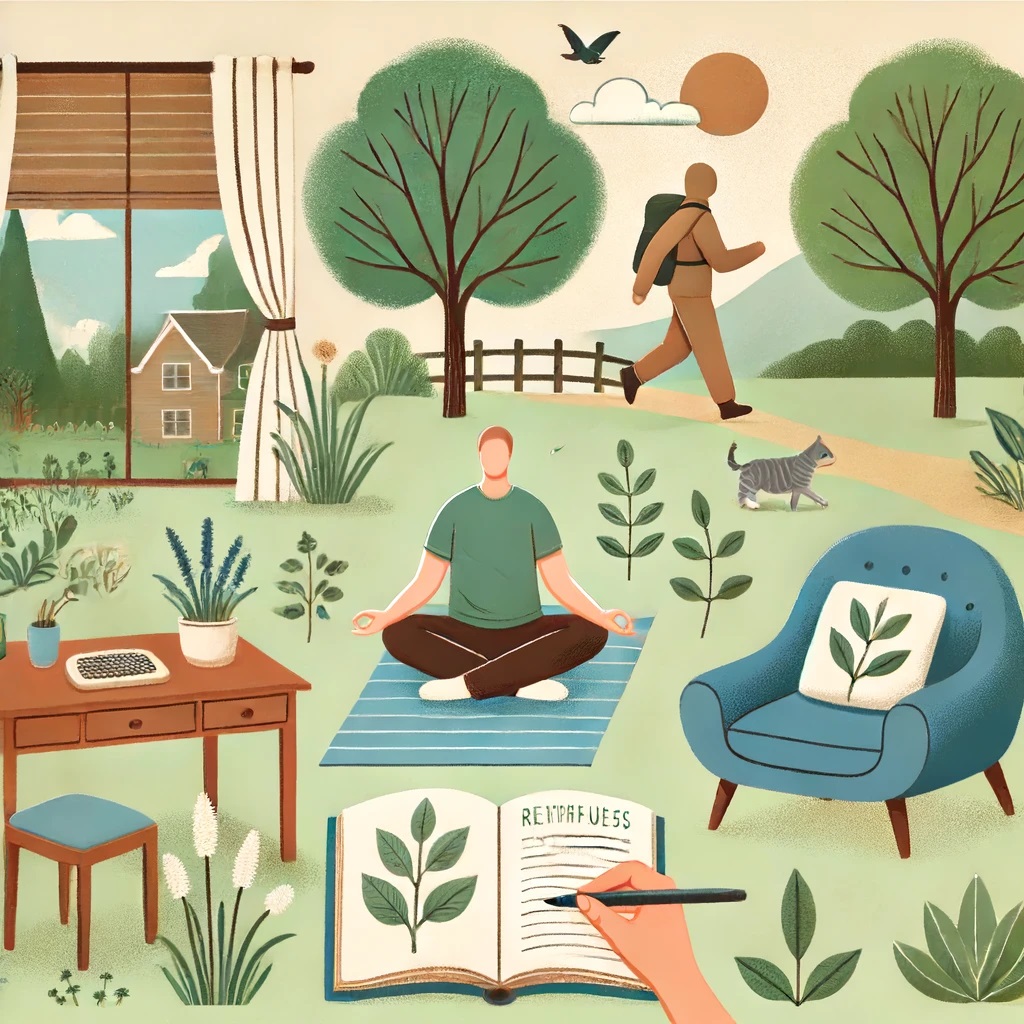
The Power of Mindfulness: Simple Practices to Reduce Stres

Mindfulness is a powerful tool for reducing stress and improving overall well-being. By practicing mindfulness, you can bring your attention to the present moment and experience greater peace and clarity. Here are some simple mindfulness practices to incorporate into your daily routine.

Mindful Breathing: Mindful breathing involves paying close attention to your breath. It helps calm the mind and reduce stress by bringing your focus to the present moment.

Example: Spend a few minutes each day sitting quietly and focusing on your breath. Inhale deeply through your nose, hold for a moment, and exhale slowly through your mouth. Notice the sensation of your breath as it flows in and out.

Body Scan Meditation: Body scan meditation involves focusing on different parts of your body and noticing any sensations. This practice helps you become more aware of your body and release tension.

Example: Lie down comfortably and close your eyes. Starting from your toes, slowly move your attention up through your body, noticing any sensations without judgment. Finish at the top of your head, feeling a sense of relaxation.

Mindful Walking: Mindful walking is about paying attention to the sensations of walking. It’s a great way to practice mindfulness while getting some exercise.

Example: Take a walk outside and focus on the sensation of your feet touching the ground, the movement of your legs, and the rhythm of your breath. Notice your surroundings and bring your mind back to the present moment whenever it wanders.

Mindful Eating: Mindful eating involves paying attention to the taste, texture, and smell of your food. It helps you appreciate your meals more and can improve digestion.

Example: During meals, take small bites and chew slowly. Notice the flavors and textures of the food. Avoid distractions like TV or smartphones to fully engage in the eating experience.

Gratitude Journaling: Writing down things you are grateful for can shift your focus from stress to positivity. It’s a simple practice that can boost your mood and overall outlook on life.

Example: Each evening, write down three things you are grateful for in a journal. Reflect on these moments and appreciate the positive aspects of your day.

By incorporating these simple mindfulness practices into your routine, you can reduce stress and enhance your overall well-being.

How to Start a Mindfulness Practice: A Beginner’s Guide

Begin Your Journey: How to Start a Mindfulness Practice

Mindfulness is the practice of being fully present and engaged in the moment. It can help reduce stress, improve focus, and enhance overall well-being. Starting a mindfulness practice can seem daunting, but it doesn’t have to be. In this post, we’ll provide a beginner’s guide to mindfulness, including simple techniques to help you get started.

Step 1: Understand Mindfulness: Mindfulness involves paying attention to your thoughts, feelings, and surroundings without judgment. It’s about being present and aware in each moment.

Step 2: Set Aside Time: Start by setting aside a few minutes each day for your mindfulness practice. Consistency is key, so try to practice at the same time each day.

Step 3: Find a Quiet Space: Choose a quiet, comfortable space where you won’t be disturbed. This can be a corner of your home, a park, or any place where you feel relaxed.

Step 4: Focus on Your Breath: Breath awareness is a simple and effective mindfulness technique. Pay attention to each inhale and exhale, noticing the sensations in your body as you breathe.

How to Practice:

  1. Sit comfortably with your back straight.
  2. Close your eyes and take a few deep breaths.
  3. Focus on the natural rhythm of your breath.
  4. If your mind wanders, gently bring your attention back to your breath.

Step 5: Practice Body Scan Meditation: Body scan meditation involves bringing awareness to different parts of your body, helping you relax and connect with your physical sensations.

How to Practice:

  1. Lie down or sit comfortably.
  2. Close your eyes and take a few deep breaths.
  3. Focus on each part of your body, starting from your toes and moving up to your head.
  4. Notice any sensations, tension, or areas of relaxation.

Step 6: Incorporate Mindfulness into Daily Activities: You don’t need to set aside special time for mindfulness. You can incorporate it into everyday activities like eating, walking, or even washing dishes.

How to Practice:

  1. Choose an activity and focus fully on the experience.
  2. Pay attention to the sights, sounds, smells, and sensations.
  3. If your mind wanders, gently bring your focus back to the activity.

Step 7: Use Guided Meditations: Guided meditations can be a helpful tool for beginners. They provide structure and guidance, making it easier to stay focused.

How to Practice:

  1. Find a guided meditation app or website.
  2. Set aside time to listen to a guided meditation.
  3. Follow the instructions and focus on the experience.

Starting a mindfulness practice can bring numerous benefits to your life, from reducing stress to improving mental clarity. At Alchemy International, we support holistic practices like mindfulness that promote overall well-being. Begin your mindfulness journey today and experience the positive impact it can have on your life.

10 Mindfulness Practices for Stress Relief

Find Your Calm: 10 Mindfulness Practices for Stress Relief

In today’s fast-paced world, stress has become a common companion for many of us. However, mindfulness practices can provide a powerful way to combat stress and bring a sense of calm and balance to your life. In this post, we’ll explore ten effective mindfulness practices that you can incorporate into your daily routine to help manage and reduce stress.

Practice 1: Deep Breathing: Deep breathing is one of the simplest yet most effective ways to relieve stress. By focusing on your breath, you can calm your mind and body, reducing the physiological symptoms of stress.

Instructions:

  1. Find a comfortable sitting position.
  2. Inhale deeply through your nose, allowing your abdomen to expand.
  3. Exhale slowly through your mouth.
  4. Repeat for 5-10 minutes.

Practice 2: Body Scan Meditation: Body scan meditation helps you become aware of physical sensations in your body, promoting relaxation and reducing tension.

Instructions:

  1. Lie down in a comfortable position.
  2. Close your eyes and take a few deep breaths.
  3. Slowly bring your attention to each part of your body, starting from your toes and moving up to your head.
  4. Notice any sensations, tension, or areas of relaxation.

Practice 3: Mindful Walking: Mindful walking involves paying close attention to the experience of walking, helping you stay present and connected to the moment.

Instructions:

  1. Find a quiet place to walk.
  2. Focus on the sensation of your feet touching the ground.
  3. Notice the movement of your legs and the rhythm of your breath.
  4. Stay present and observe your surroundings.

Practice 4: Gratitude Journaling: Writing down things you are grateful for can shift your focus from stress to positive aspects of your life.

Instructions:

  1. Take a few minutes each day to write down three things you are grateful for.
  2. Reflect on why these things are meaningful to you.
  3. Notice how this practice changes your perspective over time.

Practice 5: Mindful Eating: Mindful eating involves paying full attention to the experience of eating, which can enhance enjoyment and reduce overeating.

Instructions:

  1. Sit down to eat without distractions.
  2. Notice the colors, smells, and textures of your food.
  3. Chew slowly and savor each bite.
  4. Pay attention to how your body feels before, during, and after eating.

Practice 6: Progressive Muscle Relaxation: This practice involves tensing and then relaxing different muscle groups to release physical tension and reduce stress.

Instructions:

  1. Find a comfortable sitting or lying position.
  2. Start with your feet and work your way up to your head.
  3. Tense each muscle group for 5-10 seconds, then release.
  4. Notice the sensation of relaxation.

Practice 7: Visualization: Visualization involves creating a mental image of a peaceful place or situation, helping to calm the mind and body.

Instructions:

  1. Find a quiet place to sit or lie down.
  2. Close your eyes and take a few deep breaths.
  3. Imagine yourself in a peaceful place, such as a beach or forest.
  4. Engage all your senses and fully immerse yourself in the experience.

Practice 8: Mindful Listening: Mindful listening involves paying full attention to the sounds around you, helping to bring your focus to the present moment.

Instructions:

  1. Sit in a quiet place and close your eyes.
  2. Notice the sounds around you without judgment.
  3. Focus on each sound, one at a time.
  4. Allow yourself to be fully present with the experience.

Practice 9: Loving-Kindness Meditation: This meditation involves sending positive thoughts and wishes to yourself and others, promoting feelings of compassion and connection.

Instructions:

  1. Sit comfortably and close your eyes.
  2. Repeat phrases like, “May I be happy, may I be healthy, may I be safe.”
  3. Gradually extend these wishes to others, including loved ones, acquaintances, and even those you have conflicts with.
  4. Feel the sense of compassion and connection grow.

Practice 10: Mindfulness Apps: Using mindfulness apps can provide guided meditations and mindfulness exercises to help you practice regularly.

Instructions:

  1. Download a mindfulness app such as Headspace, Calm, or Insight Timer.
  2. Explore the guided meditations and exercises offered.
  3. Set aside time each day to practice with the app.

Incorporating mindfulness practices into your daily routine can significantly reduce stress and improve your overall well-being. At Alchemy International, we believe in the power of holistic practices to support a balanced and healthy life. Try these mindfulness techniques and discover the positive impact they can have on your stress levels and overall mental health.