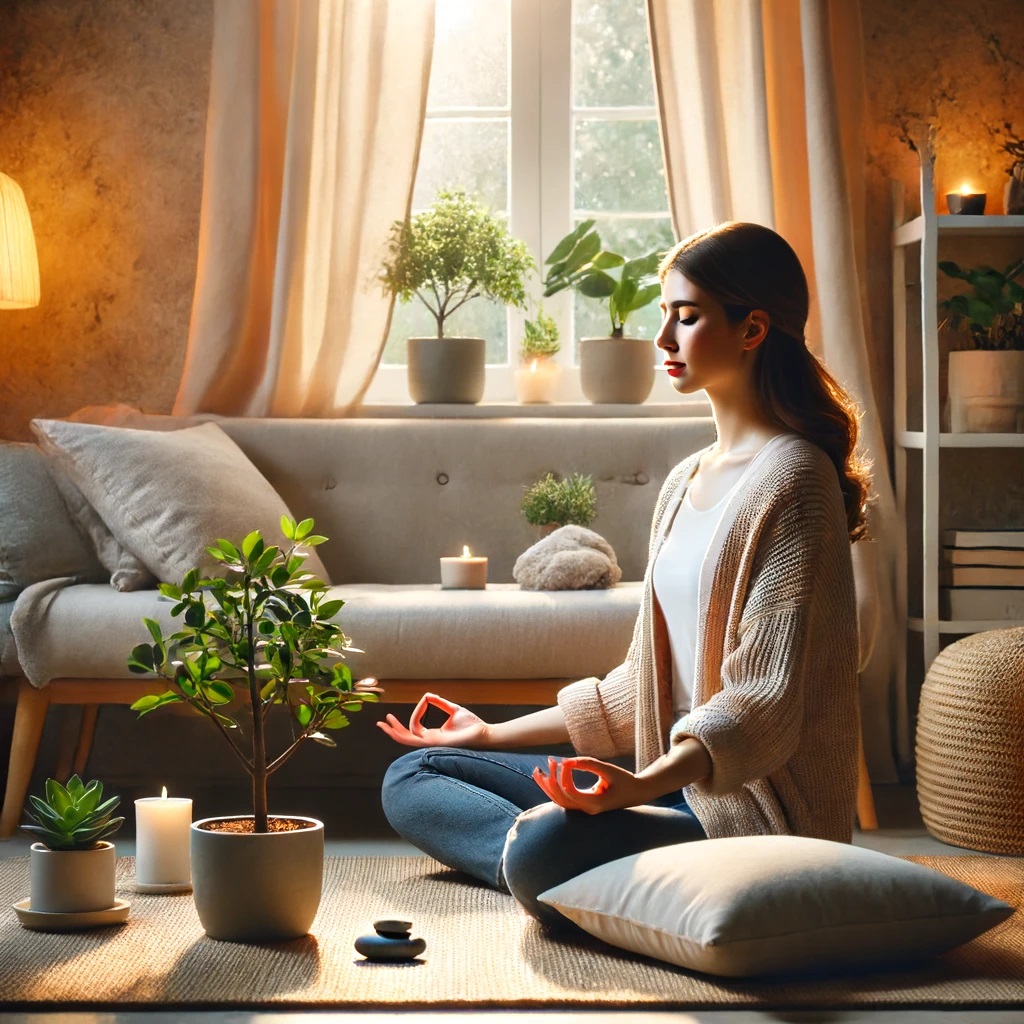
The Ultimate Evening Workouts for Weight Loss and Better Sleep

Finding the right time to exercise can significantly impact your weight loss journey and sleep quality. While morning workouts are popular, evening workouts have unique benefits. Here are six of the best evening workouts that can help you achieve your fitness goals and improve your sleep.


1. Evening Jogging

Jogging in the evening can help you unwind after a long day. It improves cardiovascular health and burns calories effectively. The cooler evening air can also make jogging more comfortable compared to the heat of the day.

Learn more about the benefits of evening jogging: Healthline


2. Yoga for Relaxation

Practicing yoga in the evening can be incredibly beneficial for both your body and mind. Yoga helps reduce stress, improve flexibility, and prepare your body for restful sleep. Poses like the child’s pose and savasana are perfect for winding down.

Explore evening yoga routines: Yoga Journal


3. Strength Training

Evening strength training can boost your metabolism and promote muscle growth. Exercises like weight lifting, resistance band workouts, and bodyweight exercises are effective ways to build strength and burn calories.

Discover effective strength training exercises: Verywell Fit


4. Cycling

Cycling in the evening is a great cardiovascular workout that can help with weight loss. It’s a low-impact exercise that’s easy on the joints and allows you to enjoy the outdoors or use a stationary bike indoors.

Find cycling tips and benefits: Bicycling


5. Swimming

Swimming is an excellent full-body workout that can be done in the evening to promote relaxation and weight loss. It’s a low-impact exercise that can help improve cardiovascular health and build muscle.

Learn more about the benefits of swimming: Swim England


6. Pilates

Pilates is a great way to improve core strength, flexibility, and posture. Evening Pilates sessions can help reduce stress and tension in your body, making it easier to fall asleep.

Explore Pilates routines: Pilates Foundation


Call to Action

Incorporate these evening workouts into your routine to maximize weight loss and enhance your sleep quality. For more tips and wellness guides, visit Holistic Wellness Guide.

#Fitness #EveningWorkouts #WeightLoss #BetterSleep #Yoga #StrengthTraining #Cycling #Swimming #Pilates #HealthyLiving

Natural Remedies for Better Sleep

Getting quality sleep is essential for overall health and well-being. Natural remedies can help improve sleep patterns without the side effects of medication. Here’s a comprehensive guide on natural ways to enhance your sleep.

1. Herbal Teas

Certain herbal teas can promote relaxation and improve sleep quality.

  • Chamomile Tea: Known for its calming properties, chamomile tea can help you unwind before bed.
    • How to Use: Brew a cup of chamomile tea 30 minutes before bedtime.
  • Lavender Tea: Lavender has a soothing effect that can help reduce anxiety and promote better sleep.
    • How to Use: Drink a cup of lavender tea in the evening to prepare for a restful night.

2. Essential Oils

Aromatherapy with essential oils can create a relaxing environment conducive to sleep.

  • Lavender Oil: Known for its calming effects, lavender oil can help improve sleep quality.
    • How to Use: Add a few drops of lavender oil to a diffuser or spray it on your pillow.
  • Frankincense Oil: This oil has a grounding effect that can help you relax and sleep better.
    • How to Use: Diffuse frankincense oil in your bedroom or add a few drops to your bath.

3. Sleep-Inducing Foods

Certain foods can naturally enhance sleep quality by promoting relaxation and regulating sleep hormones.

  • Almonds: Rich in magnesium, almonds can help improve sleep quality.
    • How to Use: Eat a handful of almonds as an evening snack.
  • Kiwi: Kiwi fruit contains serotonin, which can help regulate your sleep cycle.
    • How to Use: Eat a couple of kiwis an hour before bedtime.

4. Bedtime Routine

Establishing a consistent bedtime routine can signal your body that it’s time to wind down and prepare for sleep.

  • Routine Example: Start by dimming the lights an hour before bed. Follow with a warm bath, and then spend 10-15 minutes doing a relaxing activity, such as reading or gentle stretching. End with a few minutes of deep breathing or meditation.

5. Creating a Sleep-Friendly Environment

Making your bedroom conducive to sleep can significantly improve your sleep quality.

  • Tips:
    • Keep your bedroom cool and dark.
    • Use blackout curtains to block out any external light.
    • Invest in a comfortable mattress and pillows.
    • Remove electronic devices from your bedroom to avoid blue light exposure.

Conclusion

Incorporating these natural remedies into your nightly routine can help you achieve better, more restful sleep. From herbal teas and essential oils to sleep-inducing foods and a consistent bedtime routine, these strategies can enhance your overall sleep quality and contribute to your well-being.

Natural Remedies for Better Sleep: Tips and Tricks

A good night’s sleep is essential for overall health and well-being. If you’re struggling with sleep issues, natural remedies can help you relax and improve your sleep quality. Here are some tips and tricks for better sleep using natural remedies.

Herbal Teas for Relaxation: Herbal teas like chamomile, valerian root, and lavender are known for their calming effects. These teas can help you unwind and prepare for a restful night’s sleep.

Example: Enjoy a warm cup of chamomile tea about 30 minutes before bedtime to help relax your mind and body.

Aromatherapy with Essential Oils: Aromatherapy using essential oils such as lavender, bergamot, and cedarwood can promote relaxation and improve sleep quality. You can use these oils in a diffuser or apply them to your pillow.

Example: Diffuse lavender oil in your bedroom or add a few drops to your pillow before going to bed for a calming effect.

Magnesium Supplements for Relaxation: Magnesium is a mineral that plays a crucial role in muscle relaxation and sleep. Taking a magnesium supplement can help you relax and improve sleep quality.

Example: Take a magnesium supplement an hour before bedtime to help your muscles relax and prepare for sleep.

Mindfulness Meditation for Calmness: Practicing mindfulness meditation before bed can help calm your mind and reduce anxiety, making it easier to fall asleep.

Example: Spend 10-15 minutes meditating before bed, focusing on your breath and letting go of any stressful thoughts.

Creating a Sleep-Friendly Environment: Your bedroom environment plays a significant role in your sleep quality. Make sure your room is cool, dark, and quiet. Use blackout curtains and consider white noise machines to block out any disruptive sounds.

Example: Invest in a comfortable mattress and pillows, and keep your bedroom cool and dark to create an optimal sleep environment.

Establishing a Bedtime Routine: A consistent bedtime routine signals to your body that it’s time to wind down and prepare for sleep. This routine can include activities like reading, taking a warm bath, or practicing gentle yoga.

Example: Create a bedtime routine that includes reading a book and taking a warm bath to help signal to your body that it’s time to sleep.

By incorporating these natural remedies and tips into your routine, you can improve your sleep quality and enjoy more restful nights.

Emily’s Journey to Better Sleep with Natural Remedies

Restful Nights: Emily’s Journey to Better Sleep with Natural Remedies

Meet Emily, a 29-year-old graphic designer who struggled with insomnia and restless nights. Frustrated with over-the-counter sleep aids, she turned to natural remedies and found lasting relief. In this post, we’ll share Emily’s journey to better sleep and the natural solutions she discovered.

Emily’s sleepless nights affected her daily life and productivity. Determined to find a natural solution, she researched and tried various remedies to improve her sleep.

Step 1: Establishing a Sleep Routine: Emily created a consistent bedtime routine to signal her body that it was time to wind down.

Example: Every night, Emily turned off electronics an hour before bed, dimmed the lights, and read a book to relax.

Step 2: Using Herbal Teas: She incorporated calming herbal teas like chamomile and valerian root into her nightly routine to promote relaxation.

Example: Emily enjoyed a cup of chamomile tea 30 minutes before bed to help her unwind.

Step 3: Aromatherapy: Emily used essential oils like lavender and bergamot in a diffuser to create a calming sleep environment.

Example: She diffused lavender oil in her bedroom to help relax her mind and body before sleep.

Step 4: Practicing Relaxation Techniques: To calm her mind, Emily practiced relaxation techniques such as deep breathing and progressive muscle relaxation.

Example: Emily spent 10 minutes each night practicing deep breathing exercises to reduce anxiety and prepare for sleep.

With these natural remedies, Emily experienced significant improvements in her sleep quality. She fell asleep faster, stayed asleep longer, and woke up feeling refreshed. The natural solutions transformed her nights and improved her overall well-being.

Emily’s journey demonstrates the effectiveness of natural remedies for improving sleep quality. At Alchemy International, we believe in the power of holistic solutions to support restful sleep. Try incorporating these natural remedies into your nightly routine and experience the benefits of better sleep.

The Top Benefits of Full Body Massage

Rejuvenate and Relax: The Top Benefits of Full Body Massage

Full body massage is a therapeutic practice that has been used for centuries to promote relaxation and overall well-being. It involves the manipulation of muscles and soft tissues to relieve tension, reduce stress, and improve circulation. In this post, we’ll explore the top benefits of full body massage and how it can enhance your health.

Benefit 1: Reduces Stress and Anxiety: Massage therapy helps lower stress hormones and increase the production of endorphins, the body’s natural mood elevators.

Benefit 2: Relieves Muscle Tension and Pain: A full body massage targets areas of muscle tension and pain, helping to relax tight muscles and alleviate discomfort.

Benefit 3: Improves Circulation: Massage therapy enhances blood flow, which helps deliver oxygen and nutrients to tissues and organs, promoting overall health.

Benefit 4: Boosts Immune Function: Regular massage sessions can boost the immune system by increasing the activity of white blood cells that fight off infections.

Benefit 5: Enhances Flexibility and Range of Motion: Massage helps improve flexibility by stretching and relaxing muscles, tendons, and ligaments.

Benefit 6: Promotes Better Sleep: Massage therapy can improve sleep quality by promoting relaxation and reducing the physical discomfort that may interfere with restful sleep.

How to Get the Most Out of Your Massage:

  • Choose a Qualified Therapist: Ensure your massage therapist is certified and experienced.
  • Communicate Your Needs: Let your therapist know about any specific areas of tension or pain.
  • Stay Hydrated: Drink plenty of water before and after your massage to help flush out toxins.
  • Relax and Breathe: Focus on your breath and allow yourself to fully relax during the session.

Full body massage is a powerful way to support your physical and mental health. At Alchemy International, we believe in the benefits of holistic practices like massage therapy to enhance well-being. Treat yourself to a massage and experience the rejuvenating effects for yourself.

The Benefits of Regular Exercise for Mental Health

Regular exercise is not only essential for physical health but also has profound benefits for mental health. Engaging in physical activities can help reduce stress, improve mood, boost self-esteem, and enhance overall well-being. Here’s how regular exercise can positively impact your mental health.

Reducing Stress and Anxiety: Exercise helps lower stress levels and reduce anxiety. Physical activity increases the production of endorphins, which are natural mood lifters.

Example: Incorporate activities like jogging, swimming, or cycling into your routine to help alleviate stress and anxiety.

Improving Mood and Fighting Depression: Regular exercise can improve mood and act as a natural antidepressant. It helps increase the production of serotonin, a neurotransmitter that plays a crucial role in mood regulation.

Example: Join a fitness class or engage in a group sport to boost your mood and combat feelings of depression.

Boosting Self-Esteem and Confidence: Exercise can help improve self-esteem and confidence by enhancing your physical appearance and overall health. Achieving fitness goals can provide a sense of accomplishment.

Example: Set achievable fitness goals, such as running a 5K or mastering a new yoga pose, to build confidence and self-esteem.

Enhancing Cognitive Function: Physical activity improves cognitive function by increasing blood flow to the brain. It can enhance memory, concentration, and overall brain health.

Example: Incorporate exercises that require coordination and focus, such as dance or martial arts, to boost cognitive function.

Promoting Better Sleep: Regular exercise can help improve sleep quality and duration. Physical activity helps regulate your sleep-wake cycle and can alleviate insomnia.

Example: Engage in moderate-intensity exercises like brisk walking or swimming during the day to promote better sleep at night.

Providing Social Support: Participating in group exercises or sports can provide social support and reduce feelings of loneliness and isolation.

Example: Join a local sports team, fitness class, or running club to build social connections and enjoy the mental health benefits of exercise.

Practical Tips for Incorporating Exercise into Your Routine:

  1. Choose Activities You Enjoy:
    • Find physical activities that you enjoy and are more likely to stick with, such as dancing, hiking, or swimming.
  2. Set Realistic Goals:
    • Start with small, achievable goals and gradually increase the intensity and duration of your workouts.
  3. Make It a Habit:
    • Schedule regular exercise sessions into your daily routine to make it a consistent habit.
  4. Stay Motivated:
    • Keep yourself motivated by tracking your progress, joining exercise groups, or working out with a friend.

By incorporating regular exercise into your routine, you can experience significant improvements in your mental health and overall well-being.

Discover the Healing Power of Epsom Salt Baths

Epsom salt baths are a simple yet powerful way to improve your overall well-being. The magnesium and sulfate in Epsom salts provide numerous health benefits, from relieving muscle pain to reducing stress. Here’s how you can discover the healing power of Epsom salt baths.

Relieving Muscle Pain and Tension: Epsom salts are known for their ability to relax muscles and alleviate pain. The magnesium in Epsom salts helps reduce inflammation and ease muscle cramps.

Example: Add two cups of Epsom salts to your bathwater and soak for at least 20 minutes to relieve muscle soreness after a workout.

Reducing Stress and Promoting Relaxation: Soaking in an Epsom salt bath can help reduce stress and promote relaxation. The warm water combined with the soothing properties of magnesium helps calm the nervous system.

Example: Create a spa-like experience at home by adding a few drops of lavender essential oil to your Epsom salt bath and soaking in the tranquility.

Detoxifying the Body: Epsom salts can help draw out toxins from the body, promoting detoxification. This can help improve skin health and overall wellness.

Example: Take a detox bath by mixing Epsom salts with baking soda and soaking for 20-30 minutes. This can help cleanse your body and leave your skin feeling refreshed.

Improving Skin Health: Epsom salts can help exfoliate the skin, removing dead skin cells and leaving your skin soft and smooth. They also help reduce inflammation and treat conditions like eczema and psoriasis.

Example: Use Epsom salts as a gentle exfoliant by mixing them with a bit of water or oil and massaging onto your skin in the shower.

Promoting Better Sleep: A warm Epsom salt bath before bed can help improve sleep quality. The magnesium helps relax your muscles and mind, making it easier to fall asleep.

Example: Incorporate Epsom salt baths into your nightly routine to help you wind down and prepare for a restful night’s sleep.

Practical Tips for Epsom Salt Baths:

  1. Choose the Right Epsom Salts:
    • Look for high-quality, pure Epsom salts without added fragrances or chemicals.
  2. Set the Mood:
    • Create a relaxing environment with dim lighting, candles, and calming music to enhance your bath experience.
  3. Stay Hydrated:
    • Drink plenty of water before and after your bath to stay hydrated and support the detoxification process.
  4. Regular Routine:
    • Incorporate Epsom salt baths into your weekly routine for ongoing benefits to your health and well-being.

By incorporating Epsom salt baths into your self-care routine, you can experience their powerful healing benefits and enhance your overall well-being.

The Benefits of Meditation for Mental Clarity

Clear Your Mind: The Benefits of Meditation for Mental Clarity

In today’s fast-paced world, it’s easy to feel overwhelmed and mentally cluttered. Meditation is a powerful practice that can help clear your mind and improve mental clarity. In this post, we’ll explore the benefits of meditation and how it can enhance your focus, concentration, and overall mental well-being.

Benefit 1: Reduces Stress and Anxiety: Meditation helps calm the mind and reduce stress and anxiety by promoting relaxation and mindfulness. Regular practice can lead to a greater sense of inner peace.

Benefit 2: Improves Focus and Concentration: By training your mind to focus on the present moment, meditation enhances your ability to concentrate and maintain attention on tasks.

Benefit 3: Enhances Emotional Well-Being: Meditation can improve your mood and emotional well-being by increasing self-awareness and promoting positive thinking.

Benefit 4: Boosts Memory and Cognitive Function: Studies have shown that meditation can improve memory and cognitive function by enhancing brain plasticity and connectivity.

Benefit 5: Promotes Better Sleep: Meditation can help improve sleep quality by calming the mind and reducing the mental chatter that often interferes with restful sleep.

How to Get Started with Meditation:

  • Find a Quiet Space: Choose a quiet, comfortable space where you won’t be disturbed.
  • Set a Timer: Start with 5-10 minutes and gradually increase the duration as you become more comfortable.
  • Focus on Your Breath: Pay attention to your breath, noticing each inhale and exhale. If your mind wanders, gently bring your focus back to your breath.
  • Be Consistent: Try to meditate at the same time each day to build a regular practice.

Meditation is a simple yet powerful tool for improving mental clarity and overall well-being. At Alchemy International, we support holistic practices like meditation that promote a balanced and healthy life. Start incorporating meditation into your daily routine and experience the benefits for yourself.

The Power of Gratitude: How Keeping a Gratitude Journal Can Improve Your Mental Health

The Power of Gratitude: How Keeping a Gratitude Journal Can Improve Your Mental Health

Gratitude is a powerful emotion that can have a profound impact on your mental health and overall well-being. Keeping a gratitude journal is a simple yet effective practice that can help you focus on the positive aspects of your life. In this post, we’ll explore the benefits of gratitude journaling and provide tips on how to start your own gratitude journal.

Benefit 1: Enhances Positivity: Regularly writing down things you are grateful for helps shift your focus from negative to positive thoughts. This practice can boost your overall mood and outlook on life.

How to Practice:

  1. Each day, write down three things you are grateful for.
  2. Reflect on why these things are meaningful to you.

Benefit 2: Reduces Stress and Anxiety: Focusing on gratitude can reduce stress and anxiety levels by promoting a sense of calm and contentment. It helps you appreciate the good things in your life, even during challenging times.

How to Practice:

  1. Take a few minutes each day to write in your gratitude journal, especially during stressful times.
  2. Reflect on positive experiences and how they made you feel.

Benefit 3: Improves Sleep: Practicing gratitude before bed can improve sleep quality by calming your mind and reducing negative thoughts that may interfere with your rest.

How to Practice:

  1. Spend a few minutes each night writing in your gratitude journal before going to bed.
  2. Focus on positive events from the day and things you are looking forward to.

Benefit 4: Boosts Self-Esteem: Gratitude journaling can boost your self-esteem by helping you recognize your accomplishments and strengths. It encourages you to appreciate your unique qualities and contributions.

How to Practice:

  1. Write about personal achievements and positive feedback you have received.
  2. Reflect on your strengths and how they have helped you overcome challenges.

Benefit 5: Encourages Mindfulness: Gratitude journaling promotes mindfulness by encouraging you to be present and fully engaged in the moment. It helps you savor positive experiences and appreciate the simple joys of life.

How to Practice:

  1. Pay attention to the details of your daily experiences.
  2. Write about small moments that brought you joy or made you feel grateful.

Keeping a gratitude journal is a powerful tool for improving your mental health and overall well-being. By focusing on the positive aspects of your life, you can enhance your mood, reduce stress, and cultivate a greater sense of happiness. At Alchemy International, we believe in the power of gratitude and mindfulness to support mental wellness. Start your gratitude journal today and experience the benefits for yourself.

Top 7 Tips for Better Sleep and Relaxation

Sweet Dreams: Top 7 Tips for Better Sleep and Relaxation

In our busy lives, getting a good night’s sleep is essential for overall health and well-being. Quality sleep helps us recover, rejuvenate, and function at our best. In this post, we’ll share seven effective tips to improve your sleep and enhance relaxation, ensuring you wake up feeling refreshed and ready to take on the day.

Tip 1: Establish a Sleep Routine: Creating a consistent sleep schedule can significantly improve the quality of your sleep. Going to bed and waking up at the same time each day helps regulate your body’s internal clock.

Instructions:

  1. Set a regular bedtime and wake-up time, even on weekends.
  2. Stick to your schedule as closely as possible to establish a healthy sleep pattern.

Tip 2: Create a Relaxing Bedtime Ritual: A calming bedtime routine signals your body that it’s time to wind down and prepare for sleep. This can include activities that help you relax and de-stress.

Instructions:

  1. Spend 30 minutes before bed doing a relaxing activity, such as reading, taking a warm bath, or practicing gentle yoga.
  2. Avoid stimulating activities like watching TV or using electronic devices.

Tip 3: Make Your Sleep Environment Comfortable: Your sleep environment plays a crucial role in the quality of your sleep. Ensure that your bedroom is conducive to relaxation and rest.

Instructions:

  1. Keep your bedroom cool, quiet, and dark.
  2. Invest in a comfortable mattress and pillows.
  3. Use blackout curtains or an eye mask to block out light.

Tip 4: Watch Your Diet: What you eat and drink can impact your sleep. Certain foods and beverages can help promote sleep, while others can disrupt it.

Instructions:

  1. Avoid caffeine and heavy meals close to bedtime.
  2. Opt for sleep-friendly snacks like a banana, a handful of almonds, or a warm glass of milk.

Tip 5: Limit Naps: While napping can be beneficial, excessive or irregular napping can interfere with nighttime sleep.

Instructions:

  1. If you need to nap, keep it short (20-30 minutes) and avoid napping late in the afternoon.
  2. Try to nap earlier in the day to avoid disrupting your nighttime sleep.

Tip 6: Manage Stress: Stress and anxiety can make it difficult to fall asleep and stay asleep. Finding ways to manage stress can improve your sleep quality.

Instructions:

  1. Practice relaxation techniques such as deep breathing, meditation, or progressive muscle relaxation.
  2. Write down your thoughts in a journal to clear your mind before bed.

Tip 7: Stay Active: Regular physical activity can help you fall asleep faster and enjoy deeper sleep. However, timing is important.

Instructions:

  1. Engage in moderate exercise during the day, such as walking, swimming, or cycling.
  2. Avoid vigorous exercise close to bedtime, as it may interfere with sleep.

By incorporating these tips into your daily routine, you can improve your sleep quality and wake up feeling more refreshed and energized. At Alchemy International, we believe in the importance of holistic wellness, including the benefits of a good night’s sleep. Try these strategies to enhance your relaxation and achieve better sleep.