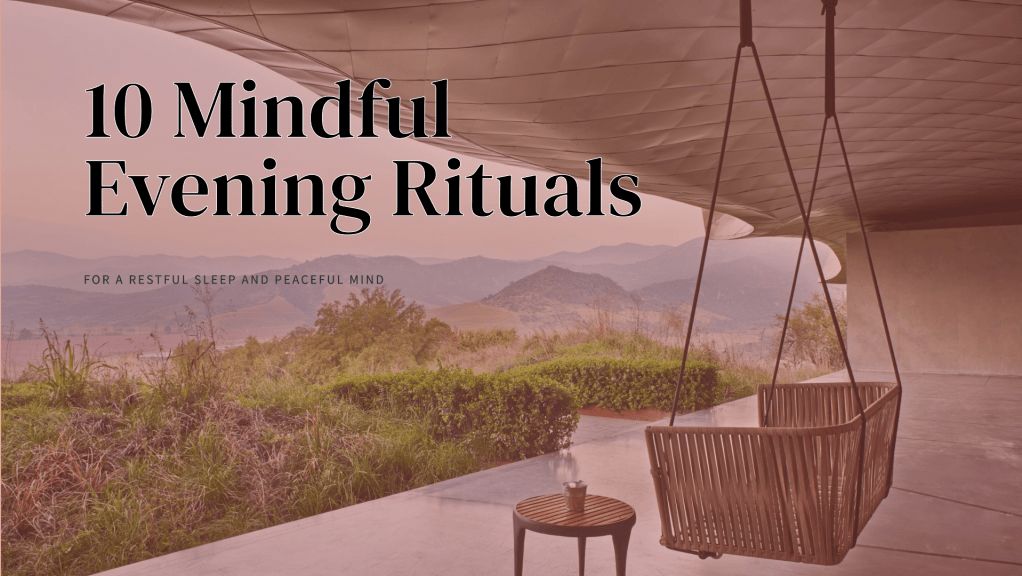
10 Mindful Evening Rituals for a Restful Sleep and Peaceful Mind

How you end your day can greatly affect your quality of sleep and mental well-being. By incorporating mindful evening rituals, you can create a smooth transition from the day’s busyness to a state of calm, preparing your body and mind for restful sleep. Here are 10 evening rituals to help you unwind, release stress, and cultivate a peaceful state of mind before bed.


1. Unplug and Limit Screen Time

Exposure to blue light from screens disrupts your body’s natural sleep cycle, making it harder to fall asleep. Limiting screen time in the evening helps your mind wind down naturally.

  • How to Practice: Set a “no screens” rule at least 30-60 minutes before bed. Use this time for offline activities like reading, meditating, or journaling.

2. Create a Relaxing Tea Ritual

Herbal teas like chamomile, valerian, or lavender promote relaxation and help you unwind. Sipping warm tea is a soothing way to signal your body that it’s time to rest.

  • How to Practice: Brew a cup of calming tea 30 minutes before bed. Sip it slowly, savoring the warmth and aroma, and use it as a cue to let go of the day’s stresses.

3. Practice Gentle Evening Yoga

Evening yoga relaxes tense muscles, clears mental clutter, and prepares your body for restful sleep. Gentle poses help release any tension accumulated throughout the day.

  • How to Practice: Try a simple, gentle yoga sequence that focuses on deep stretching and breathing. Poses like child’s pose, forward folds, and legs-up-the-wall are particularly calming.

4. Write in a Reflection Journal

Reflecting on your day helps you process emotions and experiences, clearing your mind for sleep. Journaling can release any lingering thoughts, providing mental closure for the day.

  • How to Practice: Take 5-10 minutes to write down what you’re grateful for, memorable moments, or anything weighing on your mind. This practice can bring a sense of peace and closure to the day.

5. Try Aromatherapy with Essential Oils

Certain essential oils, like lavender, cedarwood, and frankincense, have calming properties that promote relaxation. Aromatherapy can create a peaceful atmosphere conducive to sleep.

  • How to Practice: Diffuse a calming essential oil in your bedroom or apply a few drops of diluted oil to your wrists or pillow. Inhale deeply to let the scent soothe your mind.

6. Take a Warm Bath or Shower

A warm bath or shower helps relax your muscles and signal your body that it’s time for rest. The rise and fall in body temperature after a bath mimic the natural process of falling asleep.

  • How to Practice: Take a warm bath or shower about an hour before bed. Add Epsom salts for an added relaxation boost, and let the warm water ease any physical tension.

7. Engage in Breathwork for Deep Relaxation

Breathwork exercises calm your mind and prepare your body for restful sleep by slowing down your heart rate. Practicing focused breathing helps release anxiety or tension.

  • How to Practice: Try deep belly breathing or the 4-7-8 technique. Inhale for 4 counts, hold for 7, exhale for 8, and repeat for several cycles.

8. Visualize a Peaceful Place

Visualization can help redirect your mind from stress and create a calm mental environment for sleep. By imagining a serene scene, you can induce relaxation and ease into sleep.

  • How to Practice: Close your eyes and picture a peaceful place, like a beach, forest, or mountain retreat. Imagine every detail—the sounds, smells, and colors—and allow yourself to fully immerse in this calming scene.

9. Practice Self-Compassion Affirmations

Ending your day with positive affirmations promotes self-compassion and releases self-judgment. It helps you let go of any regrets or negative thoughts that may keep you awake.

  • How to Practice: Repeat affirmations such as “I release today’s worries,” “I am at peace with myself,” or “I am worthy of rest.” Use affirmations that bring comfort and peace to your mind.

10. Prepare Your Bedroom for Restful Sleep

A sleep-friendly environment can make all the difference in achieving quality rest. Creating a cool, dark, and comfortable bedroom helps promote uninterrupted sleep.

  • How to Practice: Dim the lights, set the room temperature to a comfortable level, and eliminate noise and distractions. Use blackout curtains, cozy bedding, and perhaps a white noise machine to create an optimal sleep environment.

Conclusion

Incorporating these mindful evening rituals can transform your nights, helping you sleep more peacefully and wake up feeling refreshed. By making small adjustments to your nighttime routine, you can build a foundation for restful sleep and cultivate a sense of inner calm. Choose a few practices that resonate with you and turn them into a cherished part of your evening routine.


For more tips on mindfulness and well-being, check out my book, The Mindful Executive: https://www.amazon.com/dp/B0D75YJCLW.


12 Natural Ways to Boost Your Mood and Energy Levels

Low mood and lack of energy can impact every area of life, from productivity to relationships. While coffee or sugar might offer a quick fix, they don’t provide the lasting uplift your mind and body need. Instead, natural practices can boost your mood and energy levels sustainably, bringing vitality to your day without the crash. Here are 12 ways to lift your spirits and increase energy naturally, helping you feel your best every day.


1. Start Your Day with Sunshine

Exposure to natural light in the morning helps regulate your circadian rhythm, making you feel more alert and energized. Sunlight also boosts serotonin, a neurotransmitter that contributes to a positive mood.

  • How to Practice: Spend at least 10-15 minutes outside each morning. If you can’t get outdoors, sit by a window with natural light to soak up its benefits.

2. Hydrate First Thing in the Morning

Dehydration can lead to fatigue, mood swings, and poor concentration. Drinking water in the morning replenishes your body after hours of rest, giving you a natural energy boost.

  • How to Practice: Start each day with a glass of water, ideally with a slice of lemon for added vitamin C and flavor.

3. Practice Deep Breathing Exercises

Oxygen is a natural energy source, and deep breathing helps bring more oxygen to your body, reducing stress and boosting energy.

  • How to Practice: Try deep belly breathing or the 4-7-8 technique. Inhale for 4 counts, hold for 7, exhale for 8. Repeat for a few cycles whenever you feel sluggish.

4. Add Energizing Foods to Your Diet

Foods high in fiber, protein, and complex carbs provide steady energy throughout the day, unlike sugary snacks, which lead to crashes.

  • How to Practice: Incorporate foods like oats, nuts, yogurt, and fresh fruits into your meals. These foods provide long-lasting energy and stabilize blood sugar levels.

5. Take a Movement Break Every Hour

Physical activity stimulates the release of endorphins, which improve mood and energy levels. Even short breaks can re-energize your mind and body.

  • How to Practice: Set a reminder to stand up, stretch, or do a quick exercise every hour, especially if you’re at a desk. A few minutes of movement can refresh your mind and body.

6. Practice Gratitude

Reflecting on things you’re grateful for can shift your perspective and increase positivity, which boosts mood and overall energy.

  • How to Practice: Write down three things you’re grateful for each day. Focus on small joys, like a good cup of coffee or a kind conversation, to cultivate a positive mindset.

7. Limit Caffeine After Noon

Caffeine can interfere with your natural energy cycle, especially if consumed later in the day. Reducing caffeine intake helps maintain a more consistent energy level.

  • How to Practice: Opt for herbal teas or decaf options in the afternoon. Chamomile, peppermint, or rooibos teas provide a gentle boost without disrupting your sleep.

8. Use Aromatherapy for a Mood Boost

Essential oils like peppermint, lemon, and lavender can have a quick, positive effect on mood and focus. Aromatherapy offers a natural way to elevate energy and calm the mind.

  • How to Practice: Diffuse energizing essential oils or apply diluted oils to your wrists for an instant mood lift. Inhale the aroma deeply to feel refreshed.

9. Include Omega-3 Fatty Acids in Your Diet

Omega-3 fatty acids, found in foods like salmon, chia seeds, and walnuts, play a vital role in brain function and emotional health.

  • How to Practice: Incorporate omega-3-rich foods into your meals to support mood regulation and mental clarity. Aim to include these foods a few times a week.

10. Practice Mindfulness for Mental Clarity

Mindfulness brings awareness to the present, reducing stress and creating a sense of peace. It helps you focus on what’s happening now, preventing mental fatigue.

  • How to Practice: Spend a few minutes each day in mindfulness meditation. Close your eyes, breathe deeply, and observe your thoughts without judgment, bringing your attention to your breath.

11. Connect with Loved Ones

Spending time with friends or family releases oxytocin, often called the “love hormone,” which can improve mood and boost energy.

  • How to Practice: Make time each week to connect with loved ones, whether it’s through a call, video chat, or in person. Even short interactions can make a big difference in your mood.

12. End the Day with a Relaxing Ritual

Winding down at night helps reset your energy and promotes restful sleep, which is essential for mood regulation and energy the following day.

  • How to Practice: Create an evening routine that relaxes you, such as reading, taking a warm bath, or doing gentle stretches. Avoid screens before bed and focus on activities that bring calmness.

Conclusion

Natural methods for boosting mood and energy provide steady, lasting effects without the crash associated with stimulants. By making small changes, like incorporating mindfulness, healthy foods, and regular movement, you can create a foundation of balanced energy and emotional well-being. Experiment with these practices to find what resonates best and brings the most positivity to your life.


For more wellness insights, check out my book, The Mindful Executive: https://www.amazon.com/dp/B0D75YJCLW.

The Holistic Blueprint: Designing Your Environment for Total Wellness

In our fast-paced world, wellness often takes a back seat to the hustle of daily life. However, the environment we live and work in can have a profound impact on our well-being. The Holistic Blueprint is about designing your surroundings—whether it’s your home, office, or personal space—to promote physical, emotional, and mental wellness. By incorporating holistic elements into your environment, you create a sanctuary that fosters balance, peace, and optimal health.

What is the Holistic Blueprint?

The Holistic Blueprint is the intentional design of your environment using wellness-centered principles. This approach takes into account the importance of natural elements, energy flow, and sensory experiences. The goal is to create a space that not only feels good but actively supports your health, reducing stress and promoting mindfulness.

Key Elements of a Holistic Space

  1. Nature-Inspired Design
    Bringing the outdoors in is a cornerstone of holistic wellness. Plants, natural light, and earthy materials like wood, stone, and water can create a calming and rejuvenating atmosphere. Studies have shown that exposure to nature improves mood and reduces anxiety.
    • Tip: Add indoor plants, like snake plants or peace lilies, which purify the air while also promoting a sense of calm.
  2. Crystals and Energy Flow
    Crystals have long been used in holistic practices to balance energy. Whether you believe in their metaphysical properties or simply appreciate their beauty, placing crystals in your space can enhance the energy flow. Choose stones like amethyst for calming energy or citrine for positive vibes.
    • Tip: Place amethyst near your bed for better sleep, or rose quartz in your living room to invite love and compassion.
  3. Essential Oils and Aromatherapy
    Our sense of smell is closely tied to our emotions, and aromatherapy can be an effective tool for creating a relaxing environment. Diffuse essential oils like lavender for stress relief or eucalyptus for respiratory health.
    • Tip: Use a diffuser or create DIY room sprays using essential oils to customize the scent of your home.
  4. Sound Therapy for Balance
    Sound has a direct impact on our well-being. Tibetan singing bowls, wind chimes, or even calming playlists can bring a sense of peace and grounding to your space. Sound healing is a growing trend in wellness, believed to balance the body’s energy fields.
    • Tip: Use a sound bowl during meditation or simply play soothing music in the background to enhance relaxation.
  5. Decluttering and Feng Shui
    Feng Shui is the ancient Chinese practice of arranging your space to harmonize with natural energy flow. At its core, it’s about creating balance and reducing clutter, which can cause mental fog and stress. The placement of furniture, plants, and even the use of mirrors can influence the energy in your home.
    • Tip: Apply Feng Shui principles by keeping pathways clear, using mirrors to reflect light, and ensuring the bedroom promotes rest by placing the bed in a command position.
  6. Color Therapy
    Colors have a psychological effect on our mood. Warm colors like reds and oranges can energize a space, while cool colors like blues and greens have a calming effect. Color therapy is used to create environments that evoke specific feelings—calm, focus, creativity, or energy.
    • Tip: Choose calming colors like soft blues or greens for bedrooms and meditation spaces, and use vibrant hues in areas where you want to feel energized, like a workout space or home office.

How to Start Designing Your Holistic Space

Designing a holistic space doesn’t require a complete home makeover. Start by identifying the areas of your environment that feel stressful or disorganized and work from there. Here’s a step-by-step guide to get you started:

  1. Identify Your Goals: Are you looking to create a calming environment? Increase productivity? Foster creativity? Knowing your goal will help you choose the right elements.
  2. Add Natural Elements: Begin with simple additions like plants, natural materials, and diffused lighting to bring in a sense of nature.
  3. Clear the Clutter: A clean, organized space is crucial for mental clarity. Remove any items that no longer serve you and reorganize for better energy flow.
  4. Incorporate Wellness Tools: Introduce elements like crystals, essential oils, or sound healing tools that align with your wellness goals.
  5. Focus on the Senses: Create a multi-sensory environment by considering how your space looks, smells, and sounds. The goal is to engage all the senses in a way that promotes relaxation and well-being.

Conclusion

By designing your environment with holistic wellness in mind, you create a space that nurtures and supports your health, both physically and emotionally. Whether you’re bringing in plants, diffusing essential oils, or rearranging your furniture for better energy flow, every change contributes to a more balanced, serene lifestyle. Your environment should be a reflection of your wellness journey, offering peace and restoration in every corner.


For more insights on how to integrate wellness into your daily life, check out my book, The Mindful Executive: https://www.amazon.com/dp/B0D75YJCLW.
Natural Remedies for Better Sleep: Tips and Tricks

A good night’s sleep is essential for overall health and well-being. If you’re struggling with sleep issues, natural remedies can help you relax and improve your sleep quality. Here are some tips and tricks for better sleep using natural remedies.

Herbal Teas for Relaxation: Herbal teas like chamomile, valerian root, and lavender are known for their calming effects. These teas can help you unwind and prepare for a restful night’s sleep.

Example: Enjoy a warm cup of chamomile tea about 30 minutes before bedtime to help relax your mind and body.

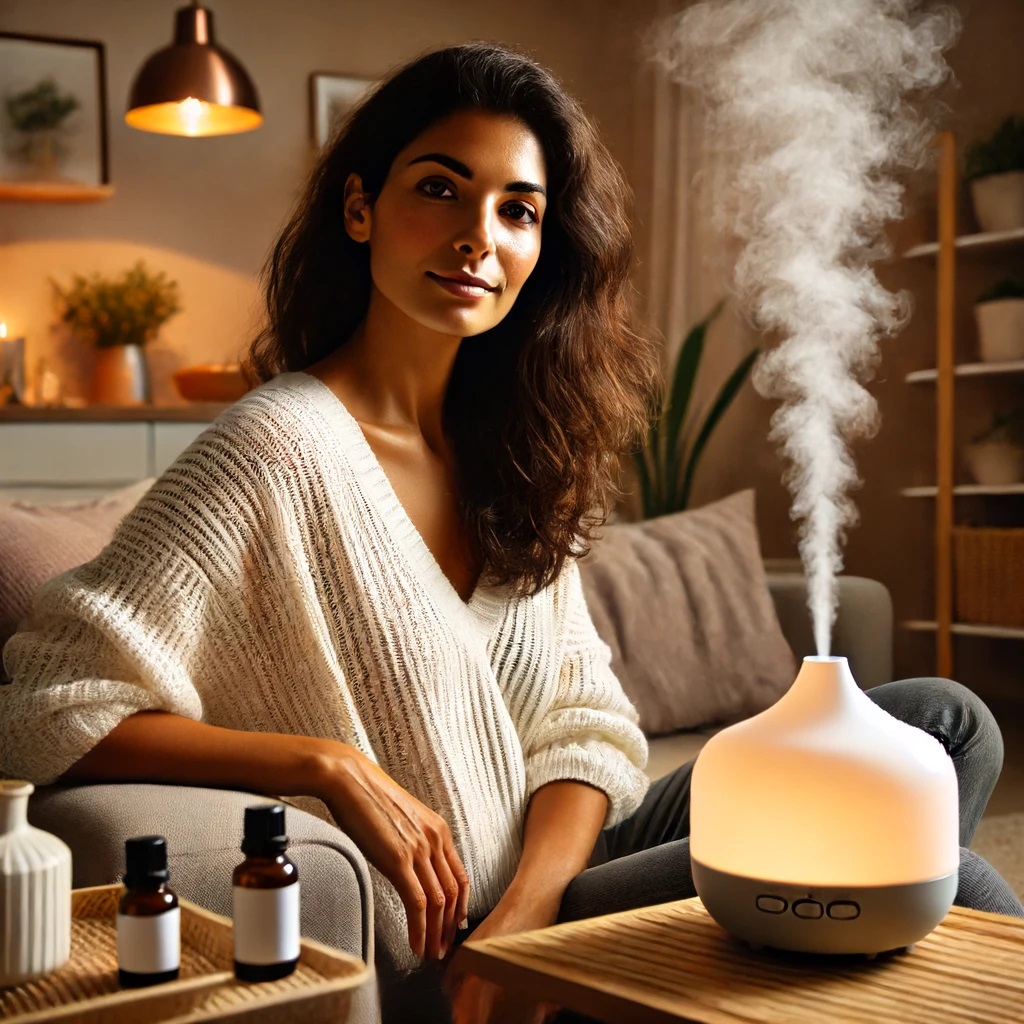
Aromatherapy with Essential Oils: Aromatherapy using essential oils such as lavender, bergamot, and cedarwood can promote relaxation and improve sleep quality. You can use these oils in a diffuser or apply them to your pillow.

Example: Diffuse lavender oil in your bedroom or add a few drops to your pillow before going to bed for a calming effect.

Magnesium Supplements for Relaxation: Magnesium is a mineral that plays a crucial role in muscle relaxation and sleep. Taking a magnesium supplement can help you relax and improve sleep quality.

Example: Take a magnesium supplement an hour before bedtime to help your muscles relax and prepare for sleep.

Mindfulness Meditation for Calmness: Practicing mindfulness meditation before bed can help calm your mind and reduce anxiety, making it easier to fall asleep.

Example: Spend 10-15 minutes meditating before bed, focusing on your breath and letting go of any stressful thoughts.

Creating a Sleep-Friendly Environment: Your bedroom environment plays a significant role in your sleep quality. Make sure your room is cool, dark, and quiet. Use blackout curtains and consider white noise machines to block out any disruptive sounds.

Example: Invest in a comfortable mattress and pillows, and keep your bedroom cool and dark to create an optimal sleep environment.

Establishing a Bedtime Routine: A consistent bedtime routine signals to your body that it’s time to wind down and prepare for sleep. This routine can include activities like reading, taking a warm bath, or practicing gentle yoga.

Example: Create a bedtime routine that includes reading a book and taking a warm bath to help signal to your body that it’s time to sleep.

By incorporating these natural remedies and tips into your routine, you can improve your sleep quality and enjoy more restful nights.

From Stress to Serenity: A Journey Through Aromatherapy

Meet Anjali, a 35-year-old marketing manager from Mumbai, who was overwhelmed by the stresses of her demanding job. Constantly juggling deadlines and responsibilities, Anjali struggled to find peace and relaxation in her daily life. After a recommendation from a friend, she decided to try aromatherapy and discovered its transformative effects.

Anjali’s journey with aromatherapy began with simple steps. She started using essential oils to create a calming environment at home. Lavender oil became her go-to for relaxation, while peppermint oil helped her stay alert and focused during work.

Choosing the Right Essential Oils: Different essential oils offer various benefits. Anjali explored oils like lavender for relaxation, eucalyptus for clarity, and chamomile for stress relief. Each oil brought a unique sense of calm and well-being.

Example: Anjali diffused lavender oil in her living room every evening, helping her unwind after a long day. The soothing scent created a peaceful atmosphere, allowing her to de-stress and sleep better.

Incorporating Aromatherapy into Daily Routine: Anjali incorporated essential oils into her daily routine. She added a few drops of eucalyptus oil to her morning shower to invigorate her senses and used chamomile oil in a diffuser at bedtime to promote restful sleep.

Example: During her morning routine, Anjali applied a blend of peppermint and rosemary oils to her temples to boost her concentration and energy levels for the day ahead.

Using Aromatherapy for Stress Relief: To manage work-related stress, Anjali carried a small roller bottle of lavender oil in her bag. Whenever she felt overwhelmed, she applied it to her wrists and took deep breaths to regain her sense of calm.

With these simple yet effective steps, Anjali transformed her life through aromatherapy. The natural scents helped her find serenity amidst the chaos, enhancing her well-being and productivity.

Emily’s Journey to Better Sleep with Natural Remedies

Restful Nights: Emily’s Journey to Better Sleep with Natural Remedies

Meet Emily, a 29-year-old graphic designer who struggled with insomnia and restless nights. Frustrated with over-the-counter sleep aids, she turned to natural remedies and found lasting relief. In this post, we’ll share Emily’s journey to better sleep and the natural solutions she discovered.

Emily’s sleepless nights affected her daily life and productivity. Determined to find a natural solution, she researched and tried various remedies to improve her sleep.

Step 1: Establishing a Sleep Routine: Emily created a consistent bedtime routine to signal her body that it was time to wind down.

Example: Every night, Emily turned off electronics an hour before bed, dimmed the lights, and read a book to relax.

Step 2: Using Herbal Teas: She incorporated calming herbal teas like chamomile and valerian root into her nightly routine to promote relaxation.

Example: Emily enjoyed a cup of chamomile tea 30 minutes before bed to help her unwind.

Step 3: Aromatherapy: Emily used essential oils like lavender and bergamot in a diffuser to create a calming sleep environment.

Example: She diffused lavender oil in her bedroom to help relax her mind and body before sleep.

Step 4: Practicing Relaxation Techniques: To calm her mind, Emily practiced relaxation techniques such as deep breathing and progressive muscle relaxation.

Example: Emily spent 10 minutes each night practicing deep breathing exercises to reduce anxiety and prepare for sleep.

With these natural remedies, Emily experienced significant improvements in her sleep quality. She fell asleep faster, stayed asleep longer, and woke up feeling refreshed. The natural solutions transformed her nights and improved her overall well-being.

Emily’s journey demonstrates the effectiveness of natural remedies for improving sleep quality. At Alchemy International, we believe in the power of holistic solutions to support restful sleep. Try incorporating these natural remedies into your nightly routine and experience the benefits of better sleep.

The Healing Power of Aromatherapy: Essential Oils for Health and Wellness

Aromatherapy, the practice of using essential oils extracted from plants for therapeutic purposes, has been used for centuries to promote health and wellness. These oils can positively affect both the mind and body, offering a natural way to improve overall well-being. Here’s how you can harness the healing power of aromatherapy and essential oils to enhance your health and wellness.

Understanding Aromatherapy

Aromatherapy involves the use of essential oils, which are concentrated extracts from the roots, leaves, seeds, or blossoms of plants. These oils contain the plant’s essence and are believed to have healing properties when inhaled or applied to the skin.

Benefits of Aromatherapy

Aromatherapy can provide numerous benefits, including reducing stress, improving mood, enhancing sleep, and relieving pain. Different essential oils have unique properties that can address specific health concerns.

Popular Essential Oils and Their Benefits

1. Lavender

Lavender oil is widely known for its calming and relaxing properties. It can help reduce anxiety, improve sleep quality, and alleviate headaches.

  • Benefits: Reduces stress and anxiety, improves sleep, relieves headaches.
  • Example: Add a few drops of lavender oil to your pillow or use it in a diffuser before bedtime to promote restful sleep.

2. Peppermint

Peppermint oil has a refreshing and invigorating scent. It’s often used to relieve headaches, improve focus, and alleviate digestive issues.

  • Benefits: Eases headaches, enhances concentration, relieves digestive discomfort.
  • Example: Inhale peppermint oil directly from the bottle or add a few drops to a tissue and breathe deeply to relieve a headache.

3. Eucalyptus

Eucalyptus oil is known for its ability to clear the respiratory system and relieve congestion. It also has anti-inflammatory and pain-relieving properties.

  • Benefits: Relieves respiratory congestion, reduces inflammation, alleviates pain.
  • Example: Add eucalyptus oil to a bowl of hot water and inhale the steam to relieve nasal congestion and improve breathing.

4. Tea Tree

Tea tree oil has powerful antimicrobial properties and is often used to treat skin conditions, such as acne and fungal infections.

  • Benefits: Fights bacteria and fungi, treats acne, promotes skin health.
  • Example: Dilute tea tree oil with a carrier oil and apply it to acne-prone areas to help clear up breakouts.

5. Lemon

Lemon oil is uplifting and energizing. It’s commonly used to improve mood, boost energy levels, and support the immune system.

  • Benefits: Enhances mood, boosts energy, supports immune health.
  • Example: Add a few drops of lemon oil to a diffuser to create an energizing atmosphere in your home or office.

6. Frankincense

Frankincense oil is known for its grounding and calming effects. It’s often used in meditation and yoga practices to promote mental clarity and relaxation.

  • Benefits: Promotes relaxation, enhances mental clarity, supports emotional balance.
  • Example: Diffuse frankincense oil during meditation or yoga to create a serene and focused environment.

7. Chamomile

Chamomile oil has soothing and calming properties, making it ideal for reducing anxiety and promoting sleep. It’s also beneficial for skin health.

  • Benefits: Reduces anxiety, promotes sleep, supports skin health.
  • Example: Add a few drops of chamomile oil to a warm bath to unwind and relax before bed.

8. Rosemary

Rosemary oil is stimulating and invigorating. It can improve concentration, enhance memory, and promote hair health.

  • Benefits: Boosts concentration, improves memory, promotes hair growth.
  • Example: Use rosemary oil in a diffuser while studying or working to improve focus and mental clarity.

9. Ylang Ylang

Ylang ylang oil has a sweet, floral scent and is known for its mood-enhancing properties. It can reduce stress and promote a sense of well-being.

  • Benefits: Enhances mood, reduces stress, promotes relaxation.
  • Example: Add a few drops of ylang ylang oil to your bath or diffuser to create a calming and uplifting atmosphere.

How to Use Essential Oils

1. Diffusion

Using a diffuser is one of the most popular ways to enjoy the benefits of essential oils. Diffusers disperse the oils into the air, allowing you to inhale their therapeutic scents.

  • Example: Add 5-10 drops of your favorite essential oil to a diffuser filled with water. Turn it on and enjoy the aroma.

2. Inhalation

Direct inhalation involves breathing in the essential oil directly from the bottle or from a tissue with a few drops of the oil.

  • Example: Place a few drops of essential oil on a tissue and hold it close to your nose. Inhale deeply for several breaths.

3. Topical Application

Essential oils can be applied to the skin, but they should be diluted with a carrier oil to prevent irritation.

  • Example: Mix a few drops of essential oil with a carrier oil, such as coconut or jojoba oil, and apply it to your wrists, neck, or temples.

4. Bathing

Adding essential oils to your bath can enhance relaxation and provide therapeutic benefits.

  • Example: Add 5-10 drops of essential oil to your bathwater along with a cup of Epsom salts for a soothing and aromatic experience.

5. Massage

Incorporating essential oils into a massage can enhance relaxation and provide additional health benefits.

  • Example: Dilute essential oils with a carrier oil and use the mixture for a relaxing massage.

Safety Tips for Using Essential Oils

  • Always dilute essential oils with a carrier oil before applying them to the skin.
  • Perform a patch test to check for allergic reactions.
  • Use essential oils in well-ventilated areas.
  • Keep essential oils out of reach of children and pets.
  • Consult with a healthcare professional before using essential oils, especially if you are pregnant, nursing, or have a medical condition.

How Anika Managed Her Anxiety with Aromatherapy

Scent of Calm: How Anika Managed Her Anxiety with Aromatherapy

Meet Anika: Anika, a 28-year-old graphic designer from Mumbai, struggled with anxiety and frequent stress due to her job. She discovered aromatherapy as a natural way to manage her anxiety.

Using Essential Oils: Anika began using essential oils like lavender and chamomile to create a calming environment at home.

Example: Each evening, Anika diffused lavender oil in her bedroom to help her relax and unwind before bed.

Incorporating Aromatherapy into Daily Life: She carried a small bottle of essential oil blend with her to use whenever she felt anxious.

Example: During stressful moments at work, Anika applied a few drops of lavender oil to her wrists and took deep breaths to calm herself.

Exploring Different Scents: Anika experimented with different essential oils to find which scents worked best for her anxiety.

Example: She discovered that bergamot oil uplifted her mood and helped her stay focused during the day.

The Result: Aromatherapy helped Anika manage her anxiety more effectively, allowing her to feel calmer and more balanced throughout the day.