

Sacred Sleep: Ancient Rituals and Modern Science for Deep, Restorative Rest

Sleep has become one of the most undervalued aspects of health in our 24/7 society, yet it remains one of the most powerful tools for healing, creativity, and spiritual connection. Ancient cultures understood sleep as a sacred practice—a time for the soul to journey, the body to repair, and wisdom to emerge through dreams. Modern science now validates what our ancestors knew: quality sleep is not a luxury but an essential pillar of holistic wellness.

The Modern Sleep Crisis

Nearly 70 million Americans suffer from sleep disorders, while countless others survive on inadequate rest, believing that sleep is time wasted rather than time invested in their wellbeing. The average adult gets 6.8 hours of sleep nightly—significantly less than the 7-9 hours recommended for optimal health.

This sleep deficit creates a cascade of health problems: compromised immune function, increased inflammation, weight gain, mood disorders, reduced cognitive performance, and accelerated aging. Chronic sleep deprivation literally rewires your brain, affecting memory consolidation, emotional regulation, and decision-making abilities.

The blue light from screens, constant stimulation, irregular schedules, and cultural glorification of busyness have created an epidemic of sleep disruption that ancient peoples would find incomprehensible.

Ancient Wisdom About Sacred Sleep

Traditional cultures worldwide recognized sleep as a bridge between the physical and spiritual realms. In Ayurveda, sleep is considered one of the three pillars of health alongside food and energy management. Quality rest allows the body’s natural intelligence to restore tissues, process emotions, and integrate daily experiences.

Ancient Egyptians believed that during sleep, the soul (ka) would travel and receive guidance from divine sources. Greek temples dedicated to Asclepius, the god of healing, offered “temple sleep” where pilgrims would sleep in sacred spaces to receive healing dreams and divine messages.

Traditional Chinese Medicine views sleep as essential for balancing yin and yang energies. The hours between 10 PM and 2 AM are considered most crucial for physical restoration, while 2-6 AM supports mental and emotional processing.

Indigenous cultures often practiced dream work, recognizing sleep as a time for receiving visions, connecting with ancestors, and accessing collective wisdom unavailable during waking consciousness.

The Science of Restorative Sleep

Modern research reveals the sophisticated processes occurring during sleep. Your brain cycles through distinct stages approximately every 90 minutes, each serving specific restoration functions.

During deep sleep (slow-wave sleep), your brain’s glymphatic system activates, washing away metabolic waste including amyloid-beta plaques associated with Alzheimer’s disease. Growth hormone release peaks, promoting tissue repair and regeneration. Your immune system strengthens, consolidating memories of pathogens encountered during the day.

REM sleep supports emotional processing, creativity, and memory consolidation. Studies show that people who get adequate REM sleep demonstrate improved problem-solving abilities and emotional resilience. Dreams during REM sleep help process traumatic experiences and integrate complex emotions.

Research from Harvard Medical School demonstrates that consistent, quality sleep improves insulin sensitivity, reduces inflammation markers, and supports healthy weight management. Sleep-deprived individuals show increased activity in brain regions associated with reward-seeking behavior, making them more likely to crave high-calorie foods.

Creating Sacred Sleep Rituals

Evening Wind-Down Ceremony Begin transitioning toward sleep 2-3 hours before bedtime. Dim lights throughout your home, signaling to your circadian rhythm that night is approaching. Ancient cultures worked by candlelight after sunset, naturally preparing their bodies for rest.

Create a personal evening ritual that honors the transition from day to night. This might include gentle stretching, journaling, herbal tea, or meditation. The key is consistency—your body learns to anticipate sleep when you follow the same soothing sequence nightly.

Digital Sunset Practice Institute a “digital sunset” by turning off screens 1-2 hours before bed. Blue light suppresses melatonin production, disrupting your natural sleep-wake cycle. If you must use devices, invest in blue light blocking glasses or use night mode settings.

Replace evening screen time with activities that promote relaxation: reading physical books, gentle yoga, creative pursuits, or meaningful conversations with loved ones.

Sacred Sleep Environment Transform your bedroom into a sleep sanctuary that honors rest as a sacred practice. Keep the room cool (65-68°F), dark, and quiet. Consider blackout curtains, white noise machines, or earplugs if needed.

Remove work materials, exercise equipment, and other stimulating objects from your sleep space. Your bedroom should signal to your subconscious that this is a place dedicated solely to rest and intimacy.

Aromatherapy and Plant Medicine Many cultures have used plant allies to support restful sleep. Lavender, chamomile, passionflower, and valerian root have sedative properties validated by research. Create a bedtime tea blend or use essential oils in a diffuser to engage your sense of smell in sleep preparation.

Breathe consciously as you inhale these calming scents, allowing them to signal your nervous system that it’s time to shift into rest mode.

Ancient Breathing Techniques for Sleep

4-7-8 Breathing This technique, rooted in pranayama practices, activates your parasympathetic nervous system. Inhale for 4 counts, hold for 7, exhale for 8. Repeat 3-4 cycles to naturally induce drowsiness.

Box Breathing Used by ancient yogis and modern Navy SEALs alike, this technique involves equal counts of inhaling, holding, exhaling, and holding empty. Start with 4 counts for each phase, gradually increasing as you become more comfortable.

Left Nostril Breathing Ayurvedic tradition teaches that breathing through your left nostril activates the parasympathetic nervous system. Gently close your right nostril and breathe slowly through the left for 5-10 minutes before sleep.

The Power of Dream Work

Ancient cultures valued dreams as sources of guidance, healing, and creativity. Keep a dream journal by your bedside to capture insights from your unconscious mind. Recording dreams immediately upon waking helps strengthen your connection to this inner wisdom.

Set intentions before sleep, asking for guidance on specific questions or challenges. Many people report receiving creative solutions or emotional clarity through their dreams when they approach sleep with reverence and intention.

Circadian Rhythm Restoration

Your body’s internal clock, governed by the suprachiasmatic nucleus in your brain, responds to light and darkness cues. Exposure to bright morning sunlight within an hour of waking helps establish healthy circadian rhythms.

Spend time outdoors during daylight hours, especially in the morning. Even cloudy days provide enough natural light to support healthy sleep-wake cycles. In winter or low-light environments, consider a light therapy box for morning use.

Sleep as Spiritual Practice

Approach sleep not as unconsciousness but as an altered state of consciousness offering unique opportunities for healing and growth. Some traditions practice lucid dreaming, maintaining awareness during dream states to explore inner landscapes and receive guidance.

Before sleep, express gratitude for the day’s experiences and set intentions for restoration and renewal. This practice transforms sleep from mere physical necessity into conscious participation in your healing journey.

Seasonal Sleep Wisdom

Honor natural seasonal rhythms by adjusting your sleep patterns with changing daylight hours. In winter, when days are shorter, allow yourself more sleep and earlier bedtimes. Summer’s longer days may naturally support slightly later sleep and earlier rising.

Ancient agricultural societies followed these natural rhythms, sleeping longer in winter months and rising earlier during summer harvest times. This seasonal adjustment supports your body’s evolutionary programming.

Creating Community Around Sacred Sleep

Share your sleep journey with family members or close friends. Create household agreements about evening routines, screen use, and respect for sleep time. When families prioritize sleep together, everyone benefits from better rest and stronger relationships.

Consider joining or creating a sleep wellness group where people share experiences, challenges, and successes in improving sleep quality. Community support makes lasting change more achievable and enjoyable.

Sleep is not time lost but time invested in every aspect of your wellbeing. By honoring sleep as a sacred practice and implementing both ancient wisdom and modern science, you create the foundation for vibrant health, emotional resilience, and spiritual connection.

Your pillow awaits—not just as a place to rest your head, but as a gateway to profound healing and renewal.


For deeper insights into transforming your relationship with health and wellness through mindful practices, explore “The Path to Wellness: A Journey of Self-Discovery and Healing” – a comprehensive guide to creating lasting change in your well-being journey.
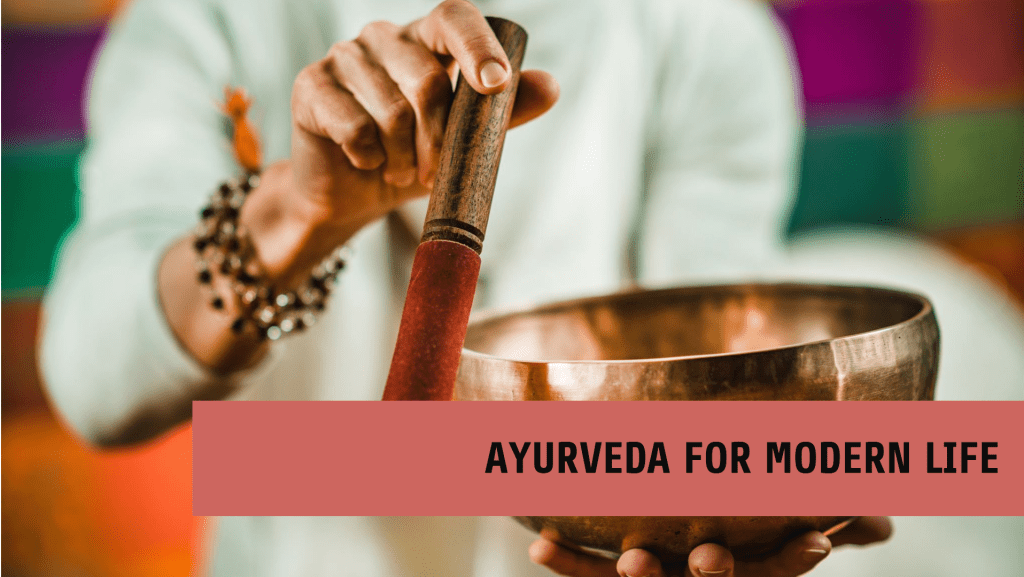
Unlock Ayurveda’s Secrets: Daily Rituals for Vitality

Ayurveda, the ancient system of healing from India, has been practiced for over 5,000 years—yet its wisdom remains incredibly relevant today. Rooted in the belief that mind, body, and spirit must be in harmony, Ayurveda provides timeless insights for modern wellness. Whether you’re seeking better digestion, more energy, or a calmer mind, Ayurveda offers natural solutions tailored to your unique constitution. Let’s explore how to incorporate Ayurvedic principles into your daily life for optimal well-being.


1. Understanding the Three Doshas: Vata, Pitta, Kapha

Ayurveda teaches that each person has a unique balance of three energies, or doshas. Knowing your dosha helps you make lifestyle and dietary choices that align with your natural constitution.

  • Vata (Air & Space): Creative, energetic, but prone to anxiety and dryness. Needs warmth and grounding.
  • Pitta (Fire & Water): Passionate, driven, but susceptible to overheating and irritability. Needs cooling and balance.
  • Kapha (Earth & Water): Nurturing, stable, but prone to sluggishness and weight gain. Needs stimulation and movement.
  • Pro Tip: Take a quick dosha quiz online to discover your primary dosha and lifestyle adjustments.

2. Start Your Day with a Morning Ritual (Dinacharya)

Ayurveda emphasizes daily routines (dinacharya) to promote balance and vitality.

  • How to Practice:
    • Wake up before sunrise (or with the sun) to sync with nature’s rhythms.
    • Scrape your tongue with a tongue scraper to remove toxins.
    • Drink warm lemon water to aid digestion.
    • Oil pulling (swishing sesame or coconut oil) for oral health and detox.
  • Pro Tip: Dry brushing before a shower boosts circulation and lymphatic drainage.

3. Eat According to Your Dosha and the Seasons

Ayurveda teaches that food is medicine, but what you eat depends on your body type and the season.

  • Vata (Fall/Winter): Warm, cooked foods like soups, stews, and herbal teas. Avoid raw and cold foods.
  • Pitta (Summer): Cooling foods like cucumbers, leafy greens, and coconut water. Avoid spicy and fried foods.
  • Kapha (Spring): Light, spicy, and warm foods like ginger tea, quinoa, and greens. Avoid heavy dairy and fried foods.
  • Pro Tip: Eat your largest meal at lunchtime when digestion is strongest.

4. Balance Your Energy with Ayurvedic Herbs

Herbs play a huge role in Ayurveda, supporting immunity, digestion, and mental clarity.

  • Ashwagandha: Adaptogen for stress and energy balance.
  • Triphala: A powerful detoxifying blend that supports digestion.
  • Brahmi: Improves focus and calms the mind.
  • Turmeric: Anti-inflammatory, supports immune function.
  • Pro Tip: Sip golden milk (turmeric latte) at night for relaxation and anti-inflammatory benefits.

5. Align Your Movement with Your Dosha

Exercise should support your body’s natural rhythms.

  • Vata: Gentle movement like yoga, walking, tai chi to ground energy.
  • Pitta: Moderate activity like swimming, hiking, cycling—avoid overheating.
  • Kapha: More intense movement like HIIT, running, or dance to boost circulation.
  • Pro Tip: Avoid excessive workouts at night, as they disturb sleep.

6. Cultivate Mindfulness and Emotional Balance

Ayurveda sees mental health as just as important as physical health.

  • How to Practice:
    • Meditation: Helps balance all three doshas.
    • Pranayama (breathwork): Cooling breath for Pitta, warming breath for Kapha, balancing breath for Vata.
    • Journaling: Writing down thoughts can reduce stress and anxiety.
  • Pro Tip: Try Abhyanga (self-massage with warm oil) before bed to calm the nervous system.

7. Detox Naturally with Ayurvedic Cleansing

Ayurveda believes in gentle daily detoxing rather than extreme cleanses.

  • How to Practice:
    • Drink warm water with lemon in the morning.
    • Eat light, seasonal foods to support digestion.
    • Incorporate herbs like Triphala for digestive cleansing.
  • Pro Tip: Fasting once a week (skipping dinner or having only liquids) can reset digestion.

Conclusion

Ayurveda isn’t about strict rules—it’s about living in harmony with nature and your body’s unique constitution. By making small changes like adjusting your diet, adopting mindful routines, and practicing self-care, you can restore balance and vitality in your life. Start with one or two practices and experience the transformative power of Ayurveda!


For more insights on holistic well-being, check out my book, The Mindful Executive: https://www.amazon.com/dp/B0D75YJCLW.

Biohacking with Nature: Ancient Wisdom Meets Modern Wellness Technology

In a world where the line between technology and health is becoming increasingly blurred, there’s an exciting movement that’s taking wellness to new heights: biohacking. While this might conjure up images of futuristic gadgets and extreme diets, biohacking is also deeply rooted in ancient wisdom. By blending the time-tested practices of holistic health—like herbal remedies, meditation, and energy healing—with cutting-edge wellness technology, you can optimize your body and mind for peak performance. This integration of ancient and modern practices offers a unique path to ultimate well-being.

What Is Biohacking?

At its core, biohacking is the practice of making small, strategic changes to your body and lifestyle to enhance your overall health and well-being. These hacks range from dietary adjustments and sleep optimization to more advanced practices like wearable tech and cold therapy. The beauty of biohacking lies in its flexibility—you can mix and match what works for you, creating a personalized wellness routine.

But what makes it truly powerful is its overlap with holistic wellness, where the aim is not just physical optimization, but balance and harmony within the body.

Ancient Biohacks: The Wisdom of Holistic Practices

Before there were wearable devices or supplements designed to boost cognitive function, ancient cultures had their own ways of optimizing health and longevity. These time-tested practices are now being recognized for their biohacking potential:

  • Ayurveda: This ancient Indian system of medicine emphasizes balance through diet, exercise, and mindfulness. Ayurveda also utilizes adaptogenic herbs, like Ashwagandha, to manage stress—a natural biohack for modern lives.
  • Traditional Chinese Medicine (TCM): Practices like acupuncture, herbal medicine, and Qigong (a form of meditative movement) aim to balance the body’s energy (Qi). These methods work with the body’s natural healing processes, an early form of biohacking.
  • Indigenous Healing: Many indigenous cultures have long practiced natural medicine and healing, from using medicinal plants to incorporating rituals that align the mind, body, and spirit.

These ancient practices laid the foundation for modern biohacking by showing us how to tap into the body’s innate ability to heal and regenerate.

Modern Biohacking: The Tech-Savvy Approach to Wellness

In the digital age, biohacking has evolved into a sophisticated science that leverages technology to track and optimize various aspects of health. Some of the most popular modern biohacks include:

  • Wearable Technology: Devices like the Oura Ring or Fitbit help track your sleep, activity, and even heart rate variability (HRV), giving you real-time insights into your body’s needs. This data allows for personalized adjustments to sleep, fitness, and stress management.
  • Cold Therapy: Popularized by biohackers like Wim Hof, cold exposure (via ice baths or cryotherapy) activates the body’s natural defenses, boosting immunity and improving mental clarity.
  • Nootropics and Supplements: Biohackers often use brain-enhancing supplements, or nootropics, to boost focus, creativity, and mental stamina. These range from natural herbs like Rhodiola to more advanced stacks designed to optimize brain chemistry.

By combining these modern techniques with ancient practices, we create a biohacking system that is both holistic and highly personalized.

Bridging the Gap: How to Combine Ancient and Modern Biohacks

The key to unlocking your body’s full potential is to merge the wisdom of the past with the innovations of today. Here’s how you can integrate both:

  1. Start with the Basics: Mindfulness and Meditation Ancient practices like mindfulness and meditation are essential for grounding your biohacking efforts. By calming the mind and centering the body, you set the foundation for better health. Modern meditation apps like Headspace or Calm can enhance this practice with guided sessions tailored to your needs.
  2. Incorporate Adaptogens and Herbal Remedies Ancient herbal remedies, like those used in Ayurveda and TCM, can be combined with modern supplements to optimize your body’s stress response. Try using ashwagandha or holy basil as part of your daily routine to reduce cortisol levels and enhance mental clarity.
  3. Leverage Technology for Personalized Data Wearable devices allow you to monitor the effects of ancient practices on your health. Use a fitness tracker to see how meditation impacts your heart rate variability, or track your sleep cycles after taking adaptogens. This data-driven approach allows you to fine-tune your biohacking plan.
  4. Try Cold Exposure and Breathwork Cold therapy may sound modern, but it has roots in ancient practices. Indigenous cultures and Tibetan monks have used cold exposure and breathwork for centuries. Start small with cold showers and work your way up to ice baths, combining this practice with modern breathing techniques like those from the Wim Hof Method.
  5. Dietary Optimization with a Holistic Twist Combine intermittent fasting—a modern biohacking practice—with the principles of ancient diets like Ayurveda or TCM. Focus on balancing meals with seasonal foods and including medicinal herbs to enhance digestion and energy levels.

The Future of Biohacking: A Holistic Approach

As wellness continues to evolve, the future of biohacking is heading toward a more holistic approach. By incorporating ancient wisdom into modern wellness practices, we create a more sustainable and balanced way of optimizing health. This integration honors the body’s natural rhythms while leveraging technology to make wellness more accessible and personalized.

Conclusion

Biohacking isn’t just about high-tech gadgets and extreme diets—it’s about harnessing the best of both worlds: ancient wisdom and modern science. By blending practices like Ayurveda, TCM, and Indigenous healing with today’s technological advancements, we can create a powerful synergy that enhances our health, longevity, and overall well-being.

For more insights into the fusion of wellness and leadership, check out my book, The Mindful Executive: https://www.amazon.com/dp/B0D75YJCLW.