


Boost Well-Being Through Daily Mindful Rituals

Rituals have been a cornerstone of human culture for centuries, offering a sense of stability, intention, and meaning. Unlike habits, which are often automatic, rituals are imbued with purpose and mindfulness. By incorporating meaningful rituals into your daily life, you can create a sense of control, boost your emotional well-being, and cultivate a mindset geared toward growth and positivity. Let’s explore how to harness the transformative power of daily rituals for a more intentional and fulfilling life.


1. Morning Intention-Setting Ritual

Start your day with purpose by setting clear intentions. This ritual helps you focus on what matters most.

  • How to Practice:
    • Upon waking, take a few moments to reflect on how you want to feel and what you want to achieve during the day.
    • Write down one or two key intentions (e.g., “Stay present” or “Approach challenges with patience”).
  • Pro Tip: Pair this with a morning mantra, such as, “I am calm, capable, and focused.”

2. Ritual of Gratitude

Gratitude rituals shift your mindset from scarcity to abundance, fostering positivity and contentment.

  • How to Practice:
    • Spend 5 minutes each morning or evening writing down three things you’re grateful for.
    • Focus on small, specific moments, like a kind gesture or a beautiful sunrise.
  • Pro Tip: Create a gratitude jar where you write your notes on slips of paper and review them at the end of the year.

3. Mindful Movement Practice

Incorporating intentional movement into your day enhances physical health while grounding your mind.

  • How to Practice:
    • Dedicate 10-20 minutes to yoga, tai chi, or stretching with a focus on mindful breathing.
    • Use this time to check in with your body and release tension.
  • Pro Tip: Choose a time of day when you need an energy boost or mental reset.

4. Nourishment Rituals for Meals

Transform your meals into a mindful practice that nourishes your body and spirit.

  • How to Practice:
    • Begin each meal by taking a moment to appreciate the food, its flavors, and the effort it took to prepare it.
    • Eat slowly, savoring each bite and noticing how your body responds.
  • Pro Tip: Avoid distractions like screens or multitasking while eating.

5. Midday Reset Ritual

A midday pause helps break the cycle of stress and restores focus.

  • How to Practice:
    • Set an alarm for a midday break where you spend 5-10 minutes meditating, journaling, or stepping outside.
    • Reflect on your morning and realign your intentions for the rest of the day.
  • Pro Tip: Incorporate aromatherapy with energizing scents like citrus or peppermint during this ritual.

6. Evening Reflection Ritual

Reflection at the end of the day provides closure and insight, allowing you to let go of stress and prepare for restful sleep.

  • How to Practice:
    • Spend 10 minutes reviewing your day by journaling or simply reflecting on key moments.
    • Ask yourself questions like, “What went well today?” and “What can I learn from today’s challenges?”
  • Pro Tip: End the ritual with a positive affirmation, such as, “I am proud of my efforts today.”

7. Nature Connection Ritual

Connecting with nature helps you feel grounded, reduces stress, and enhances your sense of well-being.

  • How to Practice:
    • Spend 10-15 minutes outdoors, whether it’s a walk in the park, tending to a garden, or simply sitting under a tree.
    • Observe your surroundings with curiosity and appreciation.
  • Pro Tip: Try incorporating this ritual in the morning or evening for a peaceful start or end to your day.

8. Digital Detox Ritual

Detaching from technology is essential for mental clarity and emotional balance.

  • How to Practice:
    • Set a designated time each day to unplug from screens—start with 30 minutes and gradually increase.
    • Use this time for activities like reading, meditating, or creative hobbies.
  • Pro Tip: Create a tech-free zone in your home, such as your bedroom or dining area.

9. Affirmation Ritual

Positive affirmations help reframe negative thought patterns and boost confidence.

  • How to Practice:
    • Write or repeat affirmations each morning, focusing on areas where you seek growth or strength.
    • Examples include, “I am resilient,” “I am deserving of love,” or “I have the power to create change.”
  • Pro Tip: Pair affirmations with a mirror to enhance their impact.

10. Weekly Visioning Ritual

A weekly ritual for envisioning your goals keeps you aligned with your aspirations and motivated to take action.

  • How to Practice:
    • Dedicate 20-30 minutes at the start of each week to review your goals and set actionable steps.
    • Visualize what success looks and feels like for the week ahead.
  • Pro Tip: Combine this ritual with a calming activity, like lighting a candle or sipping tea.

Conclusion

Rituals infuse your daily routine with intention, creating meaningful moments that enhance your mindset and well-being. By incorporating even a few of these practices into your life, you can foster greater focus, resilience, and joy. Start small, build consistency, and watch how these rituals transform not just your days, but your entire outlook on life.


For more insights on cultivating mindfulness and intentional living, check out my book, The Mindful Executive: https://www.amazon.com/dp/B0D75YJCLW.

12 Powerful Rituals to Release Stress and Restore Balance

Stress can creep into our lives in many forms, impacting our well-being, mindset, and productivity. But with mindful, intentional practices, we can release stress and restore balance to our lives. These 12 powerful rituals offer grounding and relaxation, helping you navigate life with a calm, resilient spirit. Incorporate these into your daily or weekly routine to experience a renewed sense of peace and balance.


1. Ground Yourself with a Daily “Nature Walk” Ritual

Walking in nature is a natural stress reliever, grounding your energy and clearing your mind. Connecting with the outdoors helps you feel calm and rejuvenated.

  • How to Practice: Spend 10-15 minutes walking in a park, garden, or even a quiet street. Focus on your surroundings, breathe deeply, and let nature’s energy recharge you.

2. Practice Journaling for Mental Clarity

Journaling helps release mental clutter, giving your thoughts a place to land outside of your mind. It’s an effective way to process emotions and gain clarity.

  • How to Practice: Each evening, write down anything weighing on your mind. Don’t worry about structure—just let your thoughts flow freely. End with one positive thought or intention for the next day.

3. Unwind with a Guided Meditation

Guided meditation brings you back to the present moment, releasing tension and calming the mind. It’s especially helpful when your mind feels scattered or overwhelmed.

  • How to Practice: Use a meditation app or search for a short, calming guided meditation on YouTube. Spend at least 5-10 minutes fully immersed in the experience.

4. Create a Soothing Tea Ritual

Sipping herbal tea is a simple, comforting way to wind down. Herbs like chamomile, lavender, and peppermint are known for their calming effects and can be a gentle way to relieve stress.

  • How to Practice: Brew a calming herbal tea, sit in a comfortable spot, and savor each sip. Focus on the warmth and flavor, using this time as a mindful break.

5. Try a Tension-Release Breathwork Exercise

Breathwork activates your body’s relaxation response, releasing tension and bringing you back to center. It’s especially useful when you need a quick stress release.

  • How to Practice: Try the box breathing technique—inhale for 4 counts, hold for 4, exhale for 4, hold for 4, and repeat for 3-5 cycles.

6. Engage in Creative Expression

Creative activities allow you to express and release emotions in a constructive way. Art, music, writing, or any creative outlet can serve as a therapeutic release.

  • How to Practice: Set aside time each week to engage in a creative activity you enjoy, whether it’s painting, playing music, or crafting. Focus on the process rather than the outcome.

7. Use Aromatherapy for Calming Energy

Essential oils like lavender, eucalyptus, and bergamot can help reduce anxiety and create a peaceful environment. Aromatherapy is a simple, accessible way to improve mood and calm the mind.

  • How to Practice: Use a diffuser with calming essential oils, or place a few drops on a cloth and inhale deeply. You can also add essential oils to a warm bath for a relaxing experience.

8. Release Tension with Progressive Muscle Relaxation

Progressive muscle relaxation involves tensing and releasing different muscle groups, helping to relieve physical stress. This technique is effective for letting go of built-up tension.

  • How to Practice: Start from your feet, tensing each muscle group for a few seconds, then releasing. Move up your body until you’ve relaxed each area.

9. Try Visualization for Peace and Balance

Visualization helps you shift your mindset and create a mental escape from stress. Imagining a peaceful place or a positive outcome can reduce anxiety and restore calm.

  • How to Practice: Close your eyes and imagine a peaceful place, like a beach or forest. Focus on the sights, sounds, and smells, allowing yourself to feel fully immersed and relaxed.

10. Create a Decluttering Ritual

A clean, organized space promotes mental clarity and reduces stress. Decluttering helps you let go of unnecessary items, creating a peaceful environment that reflects balance.

  • How to Practice: Dedicate 10 minutes each day or week to decluttering a small area, such as your desk or closet. Organize with intention, keeping only what adds value or joy.

11. Embrace a “Digital Detox” Hour

Screen time, especially before bed, can contribute to stress and overstimulation. A digital detox allows your mind to reset, reducing anxiety and promoting relaxation.

  • How to Practice: Set aside at least one hour each evening to turn off screens. Use this time for non-digital activities like reading, journaling, or meditating.

12. Use Self-Compassion Affirmations

Self-compassion affirmations encourage kindness toward yourself, reducing self-criticism and cultivating inner peace. Affirmations can help you release negative thoughts and embrace self-acceptance.

  • How to Practice: Choose affirmations like “I am enough,” “I release today’s stress,” or “I am worthy of rest.” Repeat them quietly to yourself before bed, allowing each phrase to resonate.

Conclusion

Incorporating these powerful rituals into your life can provide consistent relief from stress and help restore balance to your mind, body, and spirit. Choose the practices that resonate most with you and turn them into daily or weekly rituals, creating a toolkit for peace and resilience. With each small act, you’re nurturing a foundation of calm, helping you navigate life’s ups and downs with grace.


For more insights on managing stress and finding balance, check out my book, The Mindful Executive: https://www.amazon.com/dp/B0D75YJCLW.

10 Rituals to Start Your Day with Positive Energy and Mindfulness

Starting your day with positive energy and mindfulness can set the tone for a calm, productive, and fulfilling day. By establishing intentional morning rituals, you create a foundation of peace and focus that can carry you through daily challenges with ease. Here are 10 rituals to start your day with clarity, positivity, and mindful presence, helping you feel balanced and ready for whatever lies ahead.


1. Hydrate First Thing in the Morning

After a night’s sleep, your body needs hydration to kickstart your metabolism and awaken your mind. Drinking water in the morning provides an instant boost to your energy levels and mental clarity.

  • How to Practice: Keep a glass of water by your bedside and drink it upon waking. Add lemon for extra vitamin C and flavor, which aids digestion and boosts immunity.

2. Practice Gentle Stretching or Yoga

Morning stretches or yoga awaken the body, release tension, and increase circulation, preparing you for a focused and energized day. Gentle movement also helps you connect with your body and mind.

  • How to Practice: Spend 5-10 minutes on gentle stretches or a quick yoga flow. Focus on each movement and breathe deeply, appreciating how it makes your body feel.

3. Set Intentions for the Day

Setting a positive intention helps you approach the day with clarity and purpose. It aligns your energy with your goals, fostering a mindful approach to tasks and interactions.

  • How to Practice: Before diving into your day, take a few moments to think about what you want to accomplish or feel. Set a simple intention, like “Today, I will stay present” or “I will approach challenges with calm.”

4. Practice Mindfulness Meditation

Starting your day with a few minutes of mindfulness meditation can help you stay grounded and centered. It allows you to observe your thoughts without judgment, promoting calmness and focus.

  • How to Practice: Dedicate 5-10 minutes to sitting quietly and focusing on your breath. Let any thoughts come and go, gently bringing your attention back to the present.

5. Write in a Gratitude Journal

Practicing gratitude is a powerful way to cultivate positive energy. Reflecting on what you’re grateful for helps shift your mindset from lack to abundance, creating an uplifting start to your day.

  • How to Practice: Each morning, write down three things you’re grateful for. Focus on specific details, such as a supportive friend or a moment of joy, to deepen the sense of gratitude.

6. Enjoy a Nutritious Breakfast Mindfully

A balanced, nourishing breakfast fuels your body and mind, preparing you for a productive day. Eating mindfully also helps you enjoy each bite, creating a peaceful start to your morning.

  • How to Practice: Choose whole foods, like oats, fruits, and protein, and take the time to savor each bite. Avoid screens while eating and focus on the flavors, textures, and nourishment your meal provides.

7. Incorporate Breathwork for Focus and Calm

Breathwork is a simple but effective way to increase oxygen flow, calm the mind, and boost focus. It’s especially helpful if you wake up feeling anxious or ungrounded.

  • How to Practice: Try the 4-7-8 breathing technique: inhale for 4 counts, hold for 7, exhale for 8. Repeat 3-5 times to feel centered and ready for the day.

8. Listen to Uplifting Music or a Positive Podcast

Sound has a powerful effect on mood and energy. Listening to uplifting music or a motivational podcast in the morning can inspire positivity and create a focused mindset.

  • How to Practice: Create a playlist of songs that lift your spirits, or listen to a short podcast with a positive message. Let the music or words set an optimistic tone for the day.

9. Visualize a Successful Day

Visualization helps you mentally prepare for your day, setting you up for success. Imagining positive outcomes builds confidence and brings clarity to your goals.

  • How to Practice: Take a few minutes to picture your day going smoothly. Visualize yourself completing tasks with ease, staying calm in challenging situations, and ending the day feeling accomplished.

10. Express Self-Compassion and Positive Affirmations

Starting your day with self-compassion and affirmations fosters a supportive inner dialogue. Positive affirmations can reinforce self-belief, resilience, and a growth-oriented mindset.

  • How to Practice: Choose affirmations that resonate with you, such as “I am capable” or “Today, I choose happiness.” Repeat them in the mirror or quietly to yourself as you start the day.

Conclusion

A mindful morning routine doesn’t have to take hours; small, intentional rituals can make a big difference. By incorporating one or more of these practices into your morning, you set the foundation for a day filled with positivity, clarity, and purpose. Choose the rituals that resonate with you, and watch as your mornings transform into a time of peace and empowerment.


For more insights on mindfulness and personal growth, check out my book, The Mindful Executive: https://www.amazon.com/dp/B0D75YJCLW.
12 Mindful Practices to Reduce Stress in Under 10 Minutes

In today’s fast-paced world, stress has become a constant companion for many of us. The good news is that you don’t need hours of meditation or an elaborate wellness routine to bring some peace into your life. There are simple, effective practices that can help reduce stress in under 10 minutes, providing immediate relief and grounding. These quick mindfulness techniques are perfect for even the busiest of days. Let’s explore 12 ways to de-stress quickly and effectively.

1. Deep Breathing

One of the quickest ways to calm your mind and body is through deep breathing. By focusing on your breath, you can lower your heart rate, reduce tension, and bring your focus back to the present moment.

  • How to: Inhale deeply through your nose for four counts, hold for four counts, and exhale slowly through your mouth for four counts. Repeat for 2-3 minutes.

2. Body Scan

A body scan is a mindfulness practice that involves paying attention to each part of your body, noticing areas of tension or discomfort. This technique helps you release physical stress and reconnect with your body.

  • How to: Close your eyes, and starting from your feet, slowly move your awareness up through your body, noticing any sensations. Breathe into any areas of tension, and consciously relax each part.

3. Mindful Walking

Walking, especially in nature, is a great way to reduce stress. Mindful walking involves being fully present as you walk, paying attention to each step and the sensations in your body as you move.

  • How to: Take a short walk outside or around your home, focusing on the movement of your feet, the feel of the ground beneath you, and the rhythm of your breath.

4. Gratitude Practice

Shifting your focus to gratitude can instantly lift your mood and reduce stress. This practice allows you to focus on the positive aspects of your life, which helps shift your perspective away from stressors.

  • How to: Write down three things you’re grateful for in a journal or simply reflect on them in your mind for a few minutes.

5. Visualization

Visualization is a powerful tool for reducing stress. By imagining yourself in a peaceful, calming place, you can create a mental retreat that helps soothe your nervous system.

  • How to: Close your eyes and imagine a place where you feel safe and relaxed, such as a beach, forest, or mountain. Picture the details, sounds, and smells of this place, and spend a few moments soaking in the calm.

6. Progressive Muscle Relaxation

This technique involves tensing and then releasing each muscle group in your body, helping you release physical tension and stress.

  • How to: Start by tensing the muscles in your feet for five seconds, then relax them. Work your way up through your body, tensing and relaxing each muscle group until you reach your head.

7. Journaling

Writing down your thoughts and feelings can be an effective way to reduce mental clutter and stress. It helps you process emotions and release any pent-up tension.

  • How to: Spend five minutes writing about whatever is on your mind, without judgment. Let your thoughts flow freely onto the page.

8. Mindful Eating

Eating mindfully can transform even a short snack into a moment of relaxation. By focusing on the flavors, textures, and sensations of your food, you create a mindful moment that brings you back to the present.

  • How to: The next time you eat, take small bites, chew slowly, and savor the flavors and textures. Focus solely on the act of eating without distractions.

9. Breathing with Essential Oils

Essential oils such as lavender, chamomile, or eucalyptus have calming properties that can enhance a breathing practice. Inhaling these oils can help soothe your mind and body even faster.

  • How to: Place a drop of your favorite calming essential oil on your palms, rub them together, and cup your hands over your nose as you inhale deeply.

10. 5-Minute Meditation

You don’t need a long meditation session to benefit from mindfulness. Even five minutes of meditation can reduce stress and bring clarity.

  • How to: Find a quiet space, sit comfortably, and close your eyes. Focus on your breath, allowing thoughts to come and go without judgment. Simply observe, and bring your attention back to your breath if your mind wanders.

11. Affirmations

Positive affirmations can help reduce stress by shifting your mindset from negative to positive. Repeating affirmations allows you to rewire your thought patterns and reduce anxiety.

  • How to: Choose a calming affirmation like “I am at peace” or “I release stress and welcome calm.” Repeat it to yourself for a few minutes, either silently or out loud.

12. Earthing

Connecting with the earth, also known as “earthing,” can help you reduce stress and feel more grounded. Walking barefoot outside allows you to absorb the earth’s natural energy and release built-up tension.

  • How to: Step outside and walk barefoot on grass, dirt, or sand. Focus on the sensations beneath your feet and the connection you feel to the earth.

Conclusion

Stress relief doesn’t need to take up hours of your time. With these quick, mindful practices, you can reduce stress in under 10 minutes, no matter where you are or what your day looks like. Incorporating these techniques into your daily routine will help you stay calm, grounded, and centered, even in the midst of a busy life.


For more tips on reducing stress and improving your well-being, check out my book, The Mindful Executive: https://www.amazon.com/dp/B0D75YJCLW.

The Power of Manifesting: How to Attract Your Goals

Manifesting is the process of bringing your goals and desires into reality through positive thinking, visualization, and belief. Here’s a guide on how to start manifesting effectively and incorporate it into your daily life.

Understanding Manifesting

Manifesting involves focusing on what you want to achieve and believing that it will come true. It’s about aligning your thoughts, feelings, and actions with your goals.

Benefits of Manifesting

  1. Increased Focus: Manifesting helps you clarify what you truly want, allowing you to focus your efforts on achieving those goals.
  2. Positive Mindset: By concentrating on positive outcomes, manifesting promotes an optimistic outlook on life.
  3. Motivation and Action: Manifesting encourages you to take actionable steps towards your goals, increasing your motivation and determination.

How to Practice Manifesting

1. Set Clear Goals

Define what you want to manifest. Be specific about your goals and write them down. For example, instead of saying, “I want to be successful,” specify what success means to you.

2. Visualize Your Goals

Spend a few minutes each day visualizing your goals as if they have already been achieved. Imagine the details and emotions associated with reaching your goals. Visualization strengthens your belief and makes your goals feel more attainable.

3. Use Positive Affirmations

Incorporate positive affirmations into your daily routine. Affirmations are powerful statements that reinforce your belief in achieving your goals. For example, say, “I am capable of achieving my dreams,” or “Success flows to me effortlessly.”

4. Create a Vision Board

A vision board is a visual representation of your goals. Include images, quotes, and symbols that resonate with your desires. Place your vision board somewhere you can see it daily to keep your goals top of mind.

5. Practice Gratitude

Gratitude amplifies positive energy and attracts more good into your life. Take time each day to express gratitude for what you have and for the goals you are working towards. This practice helps maintain a positive mindset.

6. Take Inspired Action

Manifesting isn’t just about thinking positively; it requires action. Identify steps you can take to move closer to your goals and act on them. Trust your intuition and follow through with determination.

Examples and Studies:

  • Studies have shown that visualization and positive thinking can improve performance and increase the likelihood of achieving goals. For instance, athletes often use visualization techniques to enhance their performance.
  • Oprah Winfrey, Jim Carrey, and Will Smith are among successful individuals who attribute part of their success to the practice of manifesting.

Challenges and Solutions

1. Doubt and Negativity

Doubt can hinder the manifesting process. Combat this by reinforcing positive affirmations and focusing on past successes.

2. Impatience

Manifesting takes time and persistence. Be patient and trust the process. Celebrate small milestones along the way to maintain motivation.

Call to Action

Start your manifesting journey today to attract your goals and dreams. Visit Holistic Wellness Guide for more tips and insights on manifesting and leading a balanced life.

Manifesting #PositiveThinking #Visualization #Goals #Affirmations #LawOfAttraction #Mindset #Success #PersonalDevelopment #HolisticWellness

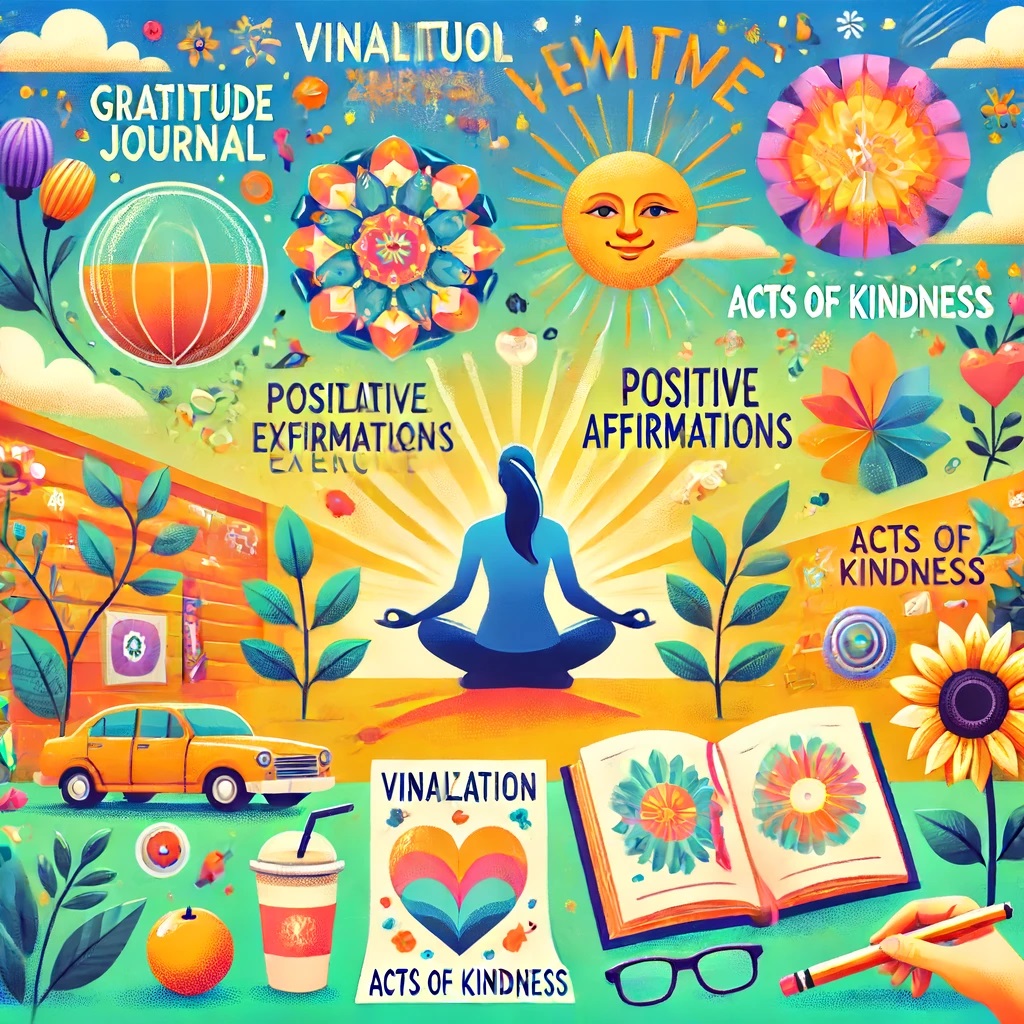
The Power of Positive Thinking: Transform Your Life with Optimism

Positive thinking is more than just a habit; it’s a powerful tool that can transform your life in numerous ways. By adopting a positive mindset, you can improve your mental health, enhance your physical well-being, and create a more fulfilling and optimistic life. Here’s how positive thinking can make a difference and practical ways to cultivate it in your daily life.

Understanding Positive Thinking: Positive thinking involves focusing on the good in any situation and maintaining an optimistic outlook. It doesn’t mean ignoring life’s challenges but rather approaching them with a positive attitude. For example, when faced with a setback at work, instead of feeling defeated, you might view it as an opportunity to learn and grow.

Daily Affirmations: Using daily affirmations can help promote positive thinking. For instance, start your day with affirmations like “I am capable and strong,” “I can handle whatever comes my way,” or “Today will be a great day.” Repeating these affirmations can help set a positive tone for your day.

Gratitude Practice: Incorporating gratitude into your routine can shift your focus from what’s lacking to what you have. Consider keeping a gratitude journal where you write down three things you’re thankful for each day. For example, “I am grateful for my supportive family,” “I appreciate the delicious meal I had today,” or “I am thankful for the sunny weather.”

Visualization Techniques: Visualization can help you achieve your goals by imagining yourself succeeding. Take a few minutes each day to visualize your goals as if they are already accomplished. For instance, if you aim to run a marathon, visualize yourself crossing the finish line, feeling strong and accomplished.

Surrounding Yourself with Positivity: Your environment can significantly influence your mindset. Surround yourself with positive influences, such as uplifting books, inspiring podcasts, and supportive friends. For example, join a local club or online community that shares your interests and values.

Mindfulness and Meditation: Mindfulness and meditation practices can help manage negative thoughts and cultivate a positive mindset. Spend a few minutes each day in meditation, focusing on your breath and letting go of negative thoughts. Apps like Headspace and Calm offer guided meditations that can help you get started.

Positive Self-Talk: Replacing negative self-talk with positive affirmations can boost your self-esteem and outlook. For example, if you catch yourself thinking, “I can’t do this,” replace it with, “I am capable of overcoming this challenge.”

Acts of Kindness: Performing acts of kindness can enhance your mood and promote positivity. Simple actions like complimenting a colleague, helping a neighbor, or volunteering at a local charity can make a big difference. These acts not only benefit others but also bring a sense of joy and fulfillment to your own life.

Setting Realistic Goals: Setting achievable goals can maintain your motivation and positive outlook. For instance, instead of setting a vague goal like “get fit,” set a specific and measurable goal like “exercise for 30 minutes three times a week.” Break larger goals into smaller, manageable steps, and celebrate your progress along the way.

Personal Stories and Testimonials: Many individuals have transformed their lives through positive thinking. For example, Sarah, a school teacher, found that starting each day with a gratitude journal helped her stay positive and resilient, even during challenging times. Similarly, John, a business executive, used daily affirmations and visualization techniques to stay motivated and achieve his career goals.