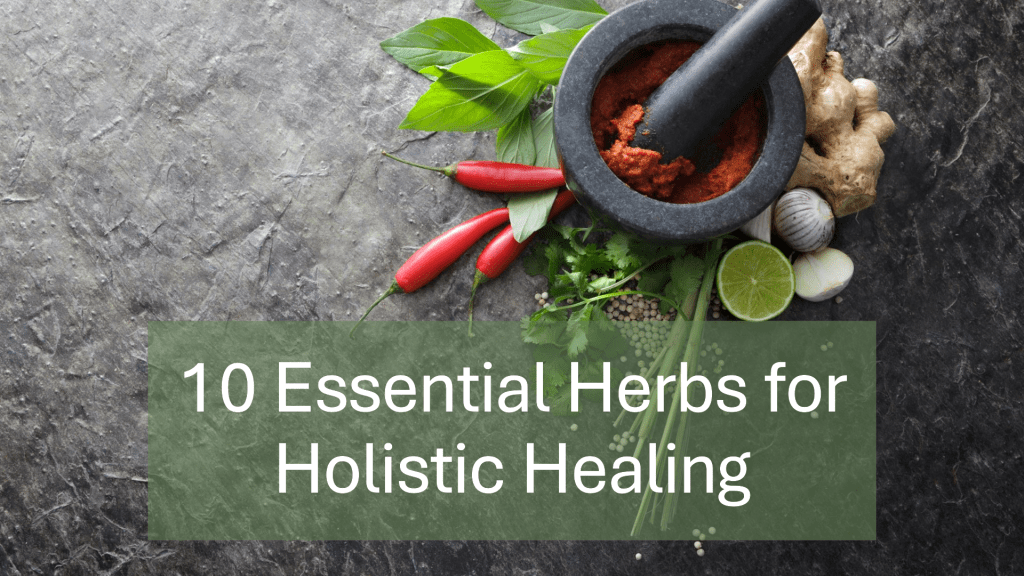
10 Essential Herbs for Holistic Healing and How to Use Them

For centuries, herbs have been used as powerful tools in holistic healing, offering natural remedies for various ailments and promoting overall wellness. Whether it’s calming the mind, boosting the immune system, or reducing inflammation, certain herbs hold incredible potential for enhancing our health. Here are 10 essential herbs for holistic healing and how you can incorporate them into your daily routine.

1. Ashwagandha: The Stress Reliever

Known as an adaptogen, Ashwagandha helps the body manage stress by reducing cortisol levels and balancing the nervous system. It’s commonly used to improve mental clarity and support relaxation.

  • How to Use: Add Ashwagandha powder to smoothies, teas, or take it as a supplement capsule to combat stress and improve focus.

2. Turmeric: The Anti-Inflammatory Hero

Turmeric is rich in curcumin, a compound known for its powerful anti-inflammatory and antioxidant properties. It’s great for reducing inflammation, boosting immunity, and supporting joint health.

  • How to Use: Add turmeric to soups, curries, or make a golden turmeric latte for an anti-inflammatory boost.

3. Chamomile: The Calming Herb

Chamomile is well known for its calming effects, making it an excellent herb for reducing anxiety, aiding digestion, and promoting restful sleep.

  • How to Use: Brew chamomile tea before bed to unwind and improve sleep quality.

4. Holy Basil: The Adaptogenic Wonder

Also known as Tulsi, Holy Basil is revered for its ability to balance the body’s systems and promote physical and emotional well-being. It’s particularly beneficial for reducing stress and enhancing immune function.

  • How to Use: Drink Holy Basil tea in the morning to enhance mental clarity and promote relaxation.

5. Ginger: The Digestive Soother

Ginger has been used for centuries to relieve digestive issues, reduce nausea, and support immune health. It’s a warming herb that can help stimulate circulation and reduce inflammation.

  • How to Use: Add fresh ginger to your tea, smoothies, or stir-fry for digestive support and to boost immunity.

6. Echinacea: The Immune Booster

Echinacea is widely known for its immune-boosting properties, particularly for fighting off colds and flu. It stimulates the immune system and helps the body recover faster from illness.

  • How to Use: Drink Echinacea tea during cold season or take it as a supplement at the onset of symptoms.

7. Lavender: The Relaxation Herb

Lavender is famous for its soothing properties, helping to relieve stress, anxiety, and insomnia. It’s also used to ease headaches and muscle tension.

  • How to Use: Add a few drops of lavender essential oil to your bath, or use it in a diffuser for a calming atmosphere.

8. Peppermint: The Energizer

Peppermint is great for promoting focus and relieving headaches, while also supporting digestion. Its cooling effect makes it perfect for soothing upset stomachs and enhancing alertness.

  • How to Use: Drink peppermint tea to ease indigestion, or inhale peppermint essential oil for a quick energy boost.

9. St. John’s Wort: The Mood Booster

Known for its antidepressant properties, St. John’s Wort is often used to treat mild to moderate depression, improve mood, and reduce anxiety. It’s also used to relieve nerve pain.

  • How to Use: Take St. John’s Wort in capsule form, or brew it as tea to support emotional well-being.

10. Milk Thistle: The Liver Detoxifier

Milk Thistle is prized for its liver-protecting properties, as it helps detoxify and regenerate liver cells. It’s commonly used to support liver function and improve digestion.

  • How to Use: Drink milk thistle tea or take it as a supplement to promote liver detox and improve overall digestion.

Conclusion

Incorporating these powerful herbs into your daily life is a simple, natural way to support your holistic wellness journey. From stress relief and better digestion to immune boosting and inflammation reduction, each of these herbs offers unique benefits to help you feel your best. Try adding one or more of these herbs to your routine and experience the healing power of nature firsthand.


For more insights into holistic wellness practices, check out my book, The Mindful Executive: https://www.amazon.com/dp/B0D75YJCLW.

Biohacking with Nature: Ancient Wisdom Meets Modern Wellness Technology

In a world where the line between technology and health is becoming increasingly blurred, there’s an exciting movement that’s taking wellness to new heights: biohacking. While this might conjure up images of futuristic gadgets and extreme diets, biohacking is also deeply rooted in ancient wisdom. By blending the time-tested practices of holistic health—like herbal remedies, meditation, and energy healing—with cutting-edge wellness technology, you can optimize your body and mind for peak performance. This integration of ancient and modern practices offers a unique path to ultimate well-being.

What Is Biohacking?

At its core, biohacking is the practice of making small, strategic changes to your body and lifestyle to enhance your overall health and well-being. These hacks range from dietary adjustments and sleep optimization to more advanced practices like wearable tech and cold therapy. The beauty of biohacking lies in its flexibility—you can mix and match what works for you, creating a personalized wellness routine.

But what makes it truly powerful is its overlap with holistic wellness, where the aim is not just physical optimization, but balance and harmony within the body.

Ancient Biohacks: The Wisdom of Holistic Practices

Before there were wearable devices or supplements designed to boost cognitive function, ancient cultures had their own ways of optimizing health and longevity. These time-tested practices are now being recognized for their biohacking potential:

  • Ayurveda: This ancient Indian system of medicine emphasizes balance through diet, exercise, and mindfulness. Ayurveda also utilizes adaptogenic herbs, like Ashwagandha, to manage stress—a natural biohack for modern lives.
  • Traditional Chinese Medicine (TCM): Practices like acupuncture, herbal medicine, and Qigong (a form of meditative movement) aim to balance the body’s energy (Qi). These methods work with the body’s natural healing processes, an early form of biohacking.
  • Indigenous Healing: Many indigenous cultures have long practiced natural medicine and healing, from using medicinal plants to incorporating rituals that align the mind, body, and spirit.

These ancient practices laid the foundation for modern biohacking by showing us how to tap into the body’s innate ability to heal and regenerate.

Modern Biohacking: The Tech-Savvy Approach to Wellness

In the digital age, biohacking has evolved into a sophisticated science that leverages technology to track and optimize various aspects of health. Some of the most popular modern biohacks include:

  • Wearable Technology: Devices like the Oura Ring or Fitbit help track your sleep, activity, and even heart rate variability (HRV), giving you real-time insights into your body’s needs. This data allows for personalized adjustments to sleep, fitness, and stress management.
  • Cold Therapy: Popularized by biohackers like Wim Hof, cold exposure (via ice baths or cryotherapy) activates the body’s natural defenses, boosting immunity and improving mental clarity.
  • Nootropics and Supplements: Biohackers often use brain-enhancing supplements, or nootropics, to boost focus, creativity, and mental stamina. These range from natural herbs like Rhodiola to more advanced stacks designed to optimize brain chemistry.

By combining these modern techniques with ancient practices, we create a biohacking system that is both holistic and highly personalized.

Bridging the Gap: How to Combine Ancient and Modern Biohacks

The key to unlocking your body’s full potential is to merge the wisdom of the past with the innovations of today. Here’s how you can integrate both:

  1. Start with the Basics: Mindfulness and Meditation Ancient practices like mindfulness and meditation are essential for grounding your biohacking efforts. By calming the mind and centering the body, you set the foundation for better health. Modern meditation apps like Headspace or Calm can enhance this practice with guided sessions tailored to your needs.
  2. Incorporate Adaptogens and Herbal Remedies Ancient herbal remedies, like those used in Ayurveda and TCM, can be combined with modern supplements to optimize your body’s stress response. Try using ashwagandha or holy basil as part of your daily routine to reduce cortisol levels and enhance mental clarity.
  3. Leverage Technology for Personalized Data Wearable devices allow you to monitor the effects of ancient practices on your health. Use a fitness tracker to see how meditation impacts your heart rate variability, or track your sleep cycles after taking adaptogens. This data-driven approach allows you to fine-tune your biohacking plan.
  4. Try Cold Exposure and Breathwork Cold therapy may sound modern, but it has roots in ancient practices. Indigenous cultures and Tibetan monks have used cold exposure and breathwork for centuries. Start small with cold showers and work your way up to ice baths, combining this practice with modern breathing techniques like those from the Wim Hof Method.
  5. Dietary Optimization with a Holistic Twist Combine intermittent fasting—a modern biohacking practice—with the principles of ancient diets like Ayurveda or TCM. Focus on balancing meals with seasonal foods and including medicinal herbs to enhance digestion and energy levels.

The Future of Biohacking: A Holistic Approach

As wellness continues to evolve, the future of biohacking is heading toward a more holistic approach. By incorporating ancient wisdom into modern wellness practices, we create a more sustainable and balanced way of optimizing health. This integration honors the body’s natural rhythms while leveraging technology to make wellness more accessible and personalized.

Conclusion

Biohacking isn’t just about high-tech gadgets and extreme diets—it’s about harnessing the best of both worlds: ancient wisdom and modern science. By blending practices like Ayurveda, TCM, and Indigenous healing with today’s technological advancements, we can create a powerful synergy that enhances our health, longevity, and overall well-being.

For more insights into the fusion of wellness and leadership, check out my book, The Mindful Executive: https://www.amazon.com/dp/B0D75YJCLW.