

12 Natural Ways to Boost Your Mood and Energy Levels

Low mood and lack of energy can impact every area of life, from productivity to relationships. While coffee or sugar might offer a quick fix, they don’t provide the lasting uplift your mind and body need. Instead, natural practices can boost your mood and energy levels sustainably, bringing vitality to your day without the crash. Here are 12 ways to lift your spirits and increase energy naturally, helping you feel your best every day.


1. Start Your Day with Sunshine

Exposure to natural light in the morning helps regulate your circadian rhythm, making you feel more alert and energized. Sunlight also boosts serotonin, a neurotransmitter that contributes to a positive mood.

  • How to Practice: Spend at least 10-15 minutes outside each morning. If you can’t get outdoors, sit by a window with natural light to soak up its benefits.

2. Hydrate First Thing in the Morning

Dehydration can lead to fatigue, mood swings, and poor concentration. Drinking water in the morning replenishes your body after hours of rest, giving you a natural energy boost.

  • How to Practice: Start each day with a glass of water, ideally with a slice of lemon for added vitamin C and flavor.

3. Practice Deep Breathing Exercises

Oxygen is a natural energy source, and deep breathing helps bring more oxygen to your body, reducing stress and boosting energy.

  • How to Practice: Try deep belly breathing or the 4-7-8 technique. Inhale for 4 counts, hold for 7, exhale for 8. Repeat for a few cycles whenever you feel sluggish.

4. Add Energizing Foods to Your Diet

Foods high in fiber, protein, and complex carbs provide steady energy throughout the day, unlike sugary snacks, which lead to crashes.

  • How to Practice: Incorporate foods like oats, nuts, yogurt, and fresh fruits into your meals. These foods provide long-lasting energy and stabilize blood sugar levels.

5. Take a Movement Break Every Hour

Physical activity stimulates the release of endorphins, which improve mood and energy levels. Even short breaks can re-energize your mind and body.

  • How to Practice: Set a reminder to stand up, stretch, or do a quick exercise every hour, especially if you’re at a desk. A few minutes of movement can refresh your mind and body.

6. Practice Gratitude

Reflecting on things you’re grateful for can shift your perspective and increase positivity, which boosts mood and overall energy.

  • How to Practice: Write down three things you’re grateful for each day. Focus on small joys, like a good cup of coffee or a kind conversation, to cultivate a positive mindset.

7. Limit Caffeine After Noon

Caffeine can interfere with your natural energy cycle, especially if consumed later in the day. Reducing caffeine intake helps maintain a more consistent energy level.

  • How to Practice: Opt for herbal teas or decaf options in the afternoon. Chamomile, peppermint, or rooibos teas provide a gentle boost without disrupting your sleep.

8. Use Aromatherapy for a Mood Boost

Essential oils like peppermint, lemon, and lavender can have a quick, positive effect on mood and focus. Aromatherapy offers a natural way to elevate energy and calm the mind.

  • How to Practice: Diffuse energizing essential oils or apply diluted oils to your wrists for an instant mood lift. Inhale the aroma deeply to feel refreshed.

9. Include Omega-3 Fatty Acids in Your Diet

Omega-3 fatty acids, found in foods like salmon, chia seeds, and walnuts, play a vital role in brain function and emotional health.

  • How to Practice: Incorporate omega-3-rich foods into your meals to support mood regulation and mental clarity. Aim to include these foods a few times a week.

10. Practice Mindfulness for Mental Clarity

Mindfulness brings awareness to the present, reducing stress and creating a sense of peace. It helps you focus on what’s happening now, preventing mental fatigue.

  • How to Practice: Spend a few minutes each day in mindfulness meditation. Close your eyes, breathe deeply, and observe your thoughts without judgment, bringing your attention to your breath.

11. Connect with Loved Ones

Spending time with friends or family releases oxytocin, often called the “love hormone,” which can improve mood and boost energy.

  • How to Practice: Make time each week to connect with loved ones, whether it’s through a call, video chat, or in person. Even short interactions can make a big difference in your mood.

12. End the Day with a Relaxing Ritual

Winding down at night helps reset your energy and promotes restful sleep, which is essential for mood regulation and energy the following day.

  • How to Practice: Create an evening routine that relaxes you, such as reading, taking a warm bath, or doing gentle stretches. Avoid screens before bed and focus on activities that bring calmness.

Conclusion

Natural methods for boosting mood and energy provide steady, lasting effects without the crash associated with stimulants. By making small changes, like incorporating mindfulness, healthy foods, and regular movement, you can create a foundation of balanced energy and emotional well-being. Experiment with these practices to find what resonates best and brings the most positivity to your life.


For more wellness insights, check out my book, The Mindful Executive: https://www.amazon.com/dp/B0D75YJCLW.


10 Daily Habits to Balance Your Energy and Feel Grounded

In our fast-paced world, it’s easy to feel ungrounded, scattered, or energetically depleted. Establishing daily habits to balance your energy can help you feel calm, centered, and resilient. Small, intentional practices can recharge your mind and body, creating a steady foundation for each day. Here are 10 daily habits to balance your energy and stay grounded, no matter what life brings.


1. Start Your Morning with Breathwork

Breathwork is a simple yet effective way to balance your energy and set a peaceful tone for the day. Deep, intentional breathing calms the nervous system and helps you feel centered.

  • How to Practice: Spend 5 minutes on a simple breathwork exercise, like the 4-7-8 technique. Inhale for 4 counts, hold for 7, and exhale for 8. Repeat for 3-5 cycles to feel grounded.

2. Incorporate Grounding Foods into Your Diet

Eating root vegetables, whole grains, and hearty greens can help stabilize your energy. Grounding foods provide steady energy and promote feelings of security and strength.

  • How to Practice: Add foods like sweet potatoes, carrots, and spinach to your meals. Savor each bite and focus on how these nutrient-rich foods make you feel connected to the earth.

3. Limit Digital Overload

Spending too much time on devices can drain energy and create mental clutter. Reducing screen time helps restore focus and prevent overstimulation.

  • How to Practice: Set specific times to check your phone or computer, and take regular breaks from screens throughout the day. Consider turning off notifications to minimize distractions.

4. Practice Daily Visualization

Visualization helps bring clarity to your goals and directs your energy toward positive outcomes. This practice encourages a sense of grounding and purpose.

  • How to Practice: Spend a few minutes each morning visualizing your day. Imagine yourself feeling calm, centered, and successful in your tasks. Picture yourself grounded and at ease.

5. Engage in Gentle Movement

Gentle movement like yoga, tai chi, or stretching helps release physical tension and balances your energy flow. These practices also improve body awareness, making you feel more grounded.

  • How to Practice: Dedicate at least 10 minutes to a mindful movement practice. Focus on the sensation of each movement and how it brings energy and stability to your body.

6. Create a Mini Meditation Break

A short meditation session during the day can help you recenter and regain focus, especially if you’re feeling scattered or overwhelmed.

  • How to Practice: Set aside 5 minutes each afternoon for a grounding meditation. Close your eyes, take a few deep breaths, and focus on your breath or visualize roots extending from your feet into the earth.

7. Drink Herbal Teas for Calmness

Certain herbal teas like chamomile, peppermint, and lemon balm promote relaxation and calm. They support balanced energy by soothing the nervous system.

  • How to Practice: Sip on herbal tea throughout the day, especially during stressful moments. Take a mindful approach, noticing the taste, warmth, and aroma of the tea.

8. Set Intentions in the Evening

Reflecting on the day and setting positive intentions for the next can help you release the day’s stress and recharge your mind. It promotes a peaceful night’s sleep, preparing you for a balanced start in the morning.

  • How to Practice: Spend a few minutes before bed reflecting on what you’re grateful for and setting an intention for tomorrow, like “I will approach the day with calm and clarity.”

9. Spend Time Outdoors

Nature has a naturally grounding effect, helping to reset your energy. Spending time outdoors can help you feel more connected to yourself and the world around you.

  • How to Practice: Try to spend at least 10-15 minutes outside each day, whether it’s in your garden, a park, or even a quick walk. Observe the sights, sounds, and smells around you, connecting with nature’s rhythms.

10. Practice Mindful Gratitude

Practicing gratitude reminds you of the positive aspects of your life, balancing energy and fostering contentment. It shifts your focus from what you lack to what you have, promoting emotional balance.

  • How to Practice: Each evening, write down three things you’re grateful for. This small ritual can uplift your mood and reinforce feelings of positivity and grounding.

Conclusion

Incorporating these daily habits into your routine can transform your energy and keep you feeling balanced and grounded. Small, mindful practices help you reconnect with your body and mind, empowering you to navigate life with greater clarity and calm. Start with one or two habits, gradually adding more as you build a routine that supports your unique energy needs.


For more guidance on grounding practices, check out my book, The Mindful Executive: https://www.amazon.com/dp/B0D75YJCLW.

10 Rituals for Deep Emotional Healing and Release

Emotional healing is an essential part of well-being, helping us process past pain, let go of negative patterns, and open ourselves up to growth. It’s a journey that involves recognizing, feeling, and releasing emotions in healthy ways. These 10 rituals can guide you toward deeper emotional healing, bringing more peace, self-acceptance, and emotional freedom into your life. Each practice supports you in moving through emotions mindfully, allowing you to release what no longer serves you.


1. Journaling for Emotional Clarity

Writing down your thoughts and feelings helps you make sense of complex emotions and release any negativity. Journaling allows you to express yourself freely and recognize patterns that may be holding you back.

  • How to Practice: Set aside 10-15 minutes daily to journal. Let your thoughts flow without judgment, focusing on whatever emotions are present.

2. Practice Mindful Meditation

Mindful meditation brings you into the present moment, helping you observe emotions without judgment. By sitting with your emotions in a non-reactive way, you cultivate a sense of peace and acceptance.

  • How to Practice: Dedicate 5-10 minutes to mindfulness meditation each day. Sit in a comfortable position, close your eyes, and focus on your breath. Notice any emotions that arise, allowing them to flow without pushing them away.

3. Release Through Breathwork

Breathwork is a powerful way to release pent-up emotions and clear mental clutter. Controlled breathing helps move stagnant energy and can bring a sense of calm and clarity.

  • How to Practice: Try a 4-7-8 breathing exercise to reduce anxiety: Inhale for 4 counts, hold for 7, and exhale for 8. Repeat 4-5 times to reset your emotional state.

4. Create a Gratitude Practice

Practicing gratitude helps shift your focus from negative emotions to positive experiences, promoting emotional resilience. It encourages you to focus on the good, which can be grounding during times of emotional upheaval.

  • How to Practice: Write down three things you’re grateful for each day. Reflect on moments of joy, support, or beauty that brought positivity to your day.

5. Let Go with Forgiveness Meditation

Holding onto resentment or anger can create emotional blockages. Practicing forgiveness, both toward yourself and others, releases these burdens and opens the path for healing.

  • How to Practice: Sit comfortably and visualize a person or situation you wish to forgive. Imagine sending love and understanding toward them, repeating, “I forgive you; I release this.” This practice can bring a deep sense of relief and freedom.

6. Use Visualization for Emotional Release

Visualization is a powerful tool for processing emotions. By creating mental imagery, you can bring a sense of closure and relief to unresolved feelings.

  • How to Practice: Visualize a peaceful scene, like a river, carrying away your worries or pain. Imagine yourself feeling lighter and more at peace with each breath.

7. Spend Time in Nature for Grounding

Nature has a grounding effect that can help release emotional tension. Spending time outdoors connects you with the earth, providing a sense of calm and balance.

  • How to Practice: Take a daily walk in nature, focusing on your surroundings. Observe the sights, sounds, and smells around you, letting them bring you back to the present moment.

8. Release Tension with Movement

Physical activity, especially gentle, flowing movements, helps release stored emotional tension. Practices like yoga, tai chi, or even dancing provide a physical outlet for emotional release.

  • How to Practice: Dedicate 10-15 minutes to gentle stretching, yoga, or free-flowing movement each day. Let your body move naturally to release any tension or pent-up emotions.

9. Sound Healing and Music Therapy

Music and sound healing can have a profound impact on emotions, helping to soothe, energize, or release feelings. Sound healing uses vibrations to bring harmony to the body, mind, and spirit.

  • How to Practice: Listen to calming music, sound baths, or even singing bowls. Allow the vibrations and sounds to resonate with your emotions, releasing tension and bringing balance.

10. Engage in Self-Compassion Exercises

Self-compassion is essential for emotional healing. Embracing yourself with kindness and understanding allows you to accept difficult emotions without judgment.

  • How to Practice: Speak to yourself with kindness when processing emotions. Practice affirmations like “I am worthy of love,” or “I am gentle with myself.” This practice nurtures self-acceptance and deepens emotional healing.

Conclusion

Emotional healing takes time and intentional practice, but these rituals can provide a nurturing space for processing and releasing difficult emotions. By integrating one or more of these practices into your daily routine, you can cultivate emotional resilience and find inner peace. Remember, healing is a journey, and each small step you take brings you closer to greater self-acceptance and emotional freedom.


For more insights on emotional well-being, check out my book, The Mindful Executive: https://www.amazon.com/dp/B0D75YJCLW.

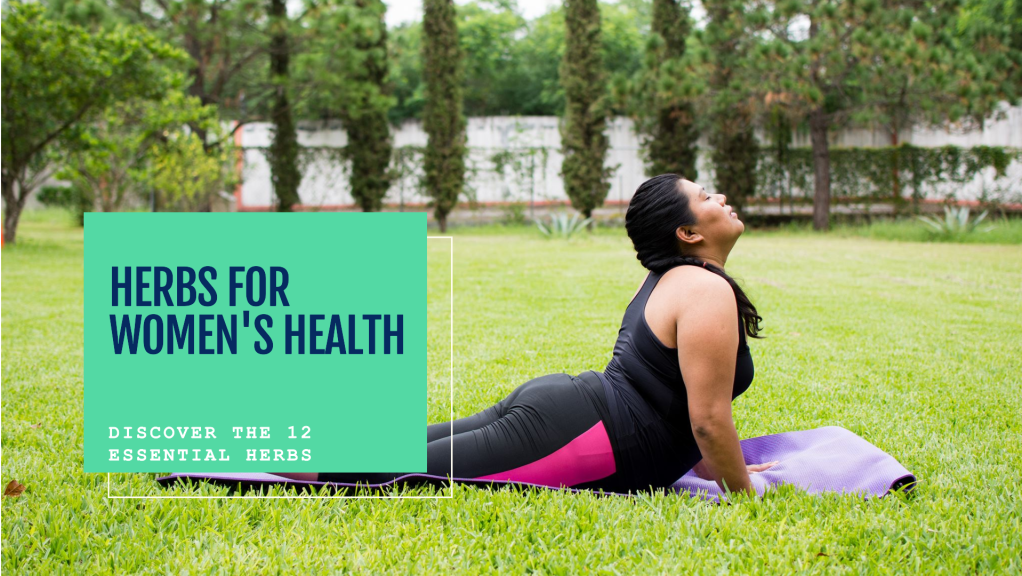
12 Essential Herbs for Women’s Holistic Health

For centuries, herbs have been used to support women’s health, addressing everything from hormonal balance to mental clarity and physical vitality. Today, these natural remedies are still powerful allies in a holistic approach to well-being. Incorporating herbs into your routine can help you maintain balance, enhance resilience, and promote overall wellness. Here are 12 essential herbs for women’s holistic health, each offering unique benefits and gentle support.


1. Ashwagandha: The Adaptogen for Stress Relief

Known as a powerful adaptogen, Ashwagandha helps the body adapt to stress, reduces anxiety, and supports mental clarity. It also aids hormonal balance, making it ideal for women’s overall well-being.

  • How to Use: Take Ashwagandha as a capsule, tincture, or add powdered Ashwagandha to smoothies for daily stress support.

2. Red Raspberry Leaf: The Uterine Tonic

Often referred to as “the woman’s herb,” red raspberry leaf supports menstrual and reproductive health by strengthening the uterine muscles. It’s also rich in vitamins and minerals, providing gentle nourishment.

  • How to Use: Brew red raspberry leaf tea daily, especially beneficial during menstrual cycles or pregnancy.

3. Maca Root: The Energy and Libido Booster

Maca root is known for boosting energy, improving libido, and supporting hormonal balance. Its adaptogenic properties help with endurance and stamina, both physically and mentally.

  • How to Use: Add powdered maca to smoothies, energy balls, or oatmeal for a natural energy boost.

4. Vitex (Chasteberry): The Hormone Balancer

Vitex is well-known for balancing hormones, particularly during the menstrual cycle or menopause. It helps regulate estrogen and progesterone, making it helpful for managing PMS and other hormonal imbalances.

  • How to Use: Take Vitex as a tincture or capsule under the guidance of a health practitioner, especially if addressing specific hormonal issues.

5. Stinging Nettle: The Nutrient-Rich Detoxifier

Stinging nettle is rich in iron, calcium, and vitamins, which are essential for women’s health. It supports energy levels, particularly beneficial for women with low iron, and acts as a gentle detoxifier.

  • How to Use: Drink nettle tea regularly, or incorporate it as a dried herb in soups and stews.

6. Shatavari: The Reproductive Supporter

Shatavari, a root commonly used in Ayurvedic medicine, is known for its ability to support female reproductive health, especially during menopause and lactation. It promotes hormonal balance and aids emotional wellness.

  • How to Use: Take Shatavari powder in a glass of warm milk or water, or use it as a capsule supplement.

7. Dong Quai: The Blood and Circulation Enhancer

Known as the “female ginseng,” Dong Quai supports blood circulation and is often used to balance hormones, especially during menopause. It also helps alleviate menstrual cramps and other PMS symptoms.

  • How to Use: Take Dong Quai in capsule or tincture form, particularly during PMS or menopause for targeted support.

8. Lemon Balm: The Calming Herb

Lemon balm is a gentle herb that reduces anxiety, supports digestion, and promotes restful sleep. It’s particularly helpful for easing tension, making it ideal for women dealing with stress or irritability.

  • How to Use: Enjoy lemon balm as a tea or add a few drops of tincture to water for a calming effect.

9. Black Cohosh: The Menopause Supporter

Black cohosh is renowned for alleviating menopause symptoms, particularly hot flashes and night sweats. It also supports bone health, making it a valuable herb during menopause.

  • How to Use: Take black cohosh in capsule or tincture form for targeted menopause support, under the guidance of a health practitioner.

10. Evening Primrose Oil: The Skin and Hormone Supporter

Evening primrose oil is rich in gamma-linolenic acid, which supports hormonal balance, skin health, and reduces PMS symptoms. It’s particularly useful for women experiencing hormonal acne or irregular cycles.

  • How to Use: Take evening primrose oil as a capsule, or use it topically on the skin to reduce inflammation.

11. Peppermint: The Digestive Aid

Peppermint aids in digestion, relieves bloating, and reduces menstrual cramps. Its cooling properties make it especially useful for women who experience digestive discomfort or need a gentle energy boost.

  • How to Use: Drink peppermint tea after meals for digestive support or apply diluted peppermint oil to the abdomen to relieve cramps.

12. Turmeric: The Anti-Inflammatory Powerhouse

Turmeric, rich in curcumin, is an anti-inflammatory herb that supports overall health, particularly joint, skin, and hormonal health. It helps reduce inflammation, balances hormones, and supports liver detoxification.

  • How to Use: Add turmeric powder to curries, golden milk, or smoothies to reap its anti-inflammatory benefits.

Conclusion

These 12 herbs provide a powerful, natural way to support women’s health, helping to address everything from stress and digestion to hormonal balance and skin health. By incorporating these herbs into your routine, you can nurture your mind, body, and spirit, creating a holistic approach to well-being. Start by choosing one or two herbs that resonate with your needs, and gradually incorporate others to build a balanced herbal wellness routine.


For more holistic wellness insights, check out my book, The Mindful Executive: https://www.amazon.com/dp/B0D75YJCLW.
10 Ways to Detox Your Mind for Mental Clarity

In a world filled with constant distractions and information overload, mental clarity can feel elusive. Just like our bodies, our minds benefit from regular detoxing to clear away clutter and restore focus. A mental detox involves creating space, letting go of negative thought patterns, and adopting practices that support a calm, clear mind. Here are 10 ways to detox your mind and regain mental clarity, helping you feel refreshed, focused, and ready for whatever comes your way.


1. Practice Mindfulness Meditation

Mindfulness meditation helps quiet the mind by focusing on the present moment. It trains you to become aware of your thoughts without getting tangled in them, promoting mental clarity and reducing stress.

  • How to Practice: Dedicate just 5-10 minutes each day to mindfulness meditation. Sit in a comfortable position, close your eyes, and focus on your breath. Allow thoughts to come and go without judgment, gently bringing your attention back to your breath.

2. Engage in a Digital Detox

Constant notifications and digital distractions can clutter the mind and decrease focus. A digital detox helps you step away from screens and reconnect with the present moment.

  • How to Practice: Set aside one day a week to minimize or completely avoid screen time. Use this time to connect with loved ones, spend time in nature, or engage in hobbies that bring you joy.

3. Journal to Release Mental Clutter

Writing down your thoughts allows you to clear mental clutter and gain insights into recurring patterns. Journaling can be a powerful tool for processing emotions and organizing your thoughts.

  • How to Practice: Spend a few minutes each day or week writing down whatever is on your mind. Don’t worry about grammar or structure; simply let your thoughts flow onto the page.

4. Practice Breathwork for Mental Refreshment

Breathwork exercises calm the mind and reduce stress, promoting mental clarity. They’re especially useful when you’re feeling overwhelmed or unfocused.

  • How to Practice: Try a simple breathing exercise, like the 4-7-8 technique: Inhale for 4 counts, hold for 7, exhale for 8. Repeat this cycle 4-5 times to clear your mind and regain focus.

5. Declutter Your Physical Space

Your environment plays a significant role in your mental state. A cluttered space can lead to a cluttered mind, while a clean, organized environment promotes calm and focus.

  • How to Practice: Take a few minutes each day to tidy up your workspace or living area. Remove items you no longer need and organize belongings for a clear, peaceful space.

6. Engage in Creative Outlets

Creative activities, such as drawing, painting, or playing music, provide a mental release and allow you to express emotions in a constructive way. Creativity encourages mental flexibility and helps you process emotions.

  • How to Practice: Set aside time each week for a creative activity you enjoy. Approach it with a playful mindset and let go of any pressure to be perfect.

7. Practice Gratitude to Shift Focus

Shifting your focus to gratitude can help release negative thought patterns and foster a more positive mindset. It’s a powerful way to detox the mind from stress and worry.

  • How to Practice: Each day, write down three things you’re grateful for. Focus on small details and moments that brought you joy, creating a positive mental habit.

8. Limit Negative Influences

Surrounding yourself with negativity, whether through social media, news, or people, can clutter the mind and create stress. Limiting exposure to negative influences can create a lighter mental space.

  • How to Practice: Curate your social media feeds, reduce time spent on negative news, and surround yourself with positive influences that uplift and inspire you.

9. Practice Grounding Techniques

Grounding exercises help you reconnect with the present moment and reduce anxious thoughts. By focusing on your senses, you bring your attention away from worries and back to what’s happening now.

  • How to Practice: Try walking barefoot on grass, sand, or natural surfaces. You can also do a grounding exercise by holding an object and focusing on its texture, weight, and temperature.

10. Set Boundaries to Protect Your Energy

Overextending yourself can lead to burnout and mental fatigue. Setting boundaries helps protect your energy, allowing you to focus on what’s important and say “no” to unnecessary stress.

  • How to Practice: Identify areas in your life where you’re feeling overextended and set boundaries to protect your time. This could include limiting work hours, saying “no” to extra commitments, or setting boundaries around social engagements.

Conclusion

A mental detox isn’t about completely emptying your mind but rather creating a sense of clarity, peace, and focus. By adopting these practices, you can reduce mental clutter and build a foundation for a balanced, clear mind. Start with one or two strategies and gradually integrate more to cultivate a mental detox routine that supports your well-being.


For more insights on mental clarity and focus, check out my book, The Mindful Executive: https://www.amazon.com/dp/B0D75YJCLW.

10 Signs Your Energy is Out of Balance—and How to Fix It

Feeling off, drained, or out of sync? Our bodies, minds, and spirits thrive on balanced energy, but everyday stressors, emotional challenges, and lifestyle choices can throw that balance off. Recognizing the signs of energy imbalance allows you to address and restore harmony within. Here are 10 common indicators of energy imbalance and practical ways to bring yourself back into alignment.


1. Chronic Fatigue and Low Energy

Persistent fatigue, even after rest, can be a sign that your energy is misaligned. Emotional, mental, or physical blocks may be draining your energy reserves.

  • How to Fix It: Prioritize restorative activities like gentle exercise, breathwork, or nature walks. Grounding exercises, like walking barefoot or deep breathing, can help reconnect you to stable energy.

2. Frequent Mood Swings

Feeling emotionally turbulent or irritable may indicate an imbalance in your emotional energy. This can happen when you’re suppressing emotions or not expressing your needs.

  • How to Fix It: Practice emotional release exercises like journaling or talking to a trusted friend. Incorporating heart-opening yoga poses, such as camel or bridge pose, can help balance emotional energy.

3. Poor Sleep Quality

If you’re having trouble falling asleep, staying asleep, or waking up feeling unrefreshed, it may indicate an imbalance in your mental or physical energy.

  • How to Fix It: Develop a consistent bedtime routine and avoid screens before bed. Try a 4-7-8 breathing exercise to calm your mind and promote restful sleep.

4. Difficulty Concentrating

A scattered mind or trouble focusing may suggest an imbalance in your mental energy, often stemming from stress or overstimulation.

  • How to Fix It: Take regular breaks from digital devices and practice mindfulness techniques. Meditating for even five minutes can help you center and sharpen your focus.

5. Frequent Illness or Weakened Immune System

Regular colds or other illnesses might indicate that your body’s energy is depleted or blocked, affecting your immune defenses.

  • How to Fix It: Nourish your body with immune-boosting foods, like citrus fruits, ginger, and greens. Gentle movement and adequate rest can help restore physical vitality.

6. Digestive Issues

Bloating, indigestion, or other digestive discomforts may signal that your energy flow is disrupted, particularly in the solar plexus area, which is associated with personal power and confidence.

  • How to Fix It: Practice deep breathing exercises, especially belly breathing, to relax the digestive organs. Try mindful eating by slowing down and savoring each bite.

7. Persistent Self-Doubt

Constantly second-guessing yourself or feeling unworthy can indicate an imbalance in your personal power and self-esteem, often associated with the solar plexus chakra.

  • How to Fix It: Practice affirmations that reinforce your self-worth, such as “I am capable” or “I trust myself.” Physical activities like yoga can also boost your confidence and personal power.

8. Tension in the Neck, Shoulders, or Back

Physical tension, especially in the neck, shoulders, and back, often reflects stress, suppressed emotions, or a lack of support in life.

  • How to Fix It: Stretching, yoga, and bodywork therapies like massage can release physical tension. Focus on deep, mindful breaths during stretches to further relieve stress.

9. Feeling Disconnected or “Empty”

A sense of emptiness or disconnection from life’s purpose can indicate an imbalance in spiritual energy. This often occurs when we’re not nurturing our sense of purpose or spiritual connection.

  • How to Fix It: Engage in activities that nourish your spirit, like meditation, volunteering, or spending time in nature. Reflecting on what brings you joy and meaning can also rekindle your inner spark.

10. Overthinking or Constant Worry

Excessive worry or overthinking can indicate a blocked or imbalanced third eye chakra, which is associated with intuition and clarity of mind.

  • How to Fix It: Practice meditation or visualization techniques that calm the mind and focus on the present. Visualization exercises, like imagining a peaceful place, can help ease mental strain.

Conclusion

Recognizing these signs of energy imbalance empowers you to make simple yet effective adjustments to restore harmony within. By understanding the specific areas where your energy may be blocked or out of alignment, you can take proactive steps to renew and reenergize. Small practices, such as grounding exercises, mindfulness, and self-care rituals, can help you restore your natural flow and thrive in mind, body, and spirit.


For more insights on maintaining balanced energy, check out my book, The Mindful Executive: https://www.amazon.com/dp/B0D75YJCLW.

10 Types of Breathwork Techniques and Their Benefits for Wellness

Breathwork is a powerful, natural tool for enhancing physical, mental, and emotional well-being. By practicing intentional breathing, you can reduce stress, increase energy, and improve focus. Breathwork techniques vary widely, from energizing and invigorating methods to calming and grounding exercises. Here are 10 different types of breathwork techniques, each offering unique benefits to support your holistic wellness journey.


1. Box Breathing: The Stress Reliever

Box breathing, also known as four-square breathing, is a technique that promotes calmness by balancing oxygen and carbon dioxide levels in the blood. It’s commonly used by athletes and military personnel to manage stress and improve focus.

  • How to Practice: Inhale for 4 counts, hold for 4 counts, exhale for 4 counts, and hold again for 4 counts. Repeat for several cycles.

2. Alternate Nostril Breathing: The Energy Balancer

Also known as Nadi Shodhana, alternate nostril breathing balances the energy channels in the body, promoting mental clarity and reducing anxiety. It’s especially helpful for enhancing focus and calming the mind.

  • How to Practice: Using your thumb, close your right nostril and inhale through the left nostril. Then close your left nostril, open the right, and exhale. Inhale through the right, close it, and exhale through the left. Repeat for 5-10 cycles.

3. Diaphragmatic Breathing: The Deep Relaxer

Diaphragmatic or belly breathing involves breathing deeply into the diaphragm rather than shallowly into the chest. This technique activates the parasympathetic nervous system, promoting relaxation and reducing stress.

  • How to Practice: Place one hand on your chest and one on your abdomen. Inhale deeply, expanding your belly rather than your chest. Exhale slowly. Practice for 5-10 minutes to feel deeply relaxed.

4. 4-7-8 Breathing: The Sleep Promoter

Developed by Dr. Andrew Weil, the 4-7-8 technique is often recommended for relaxation and improving sleep quality. It slows down your heart rate, making it ideal for winding down at night.

  • How to Practice: Inhale for 4 counts, hold for 7 counts, and exhale for 8 counts. Repeat 4-5 times before bed for a restful night’s sleep.

5. Kapalabhati: The Energizer

Kapalabhati, or “Skull Shining Breath,” is a powerful, energizing technique often used in yoga. It involves short, forceful exhales, which stimulate the respiratory system and energize the body.

  • How to Practice: Sit comfortably and take a deep inhale. Begin a series of rapid, forceful exhales through the nose while pulling in your abdomen, allowing natural inhales between each exhale. Practice for 1-2 minutes to boost energy.

6. Ujjayi Breath: The Oceanic Calm

Ujjayi, also known as “Ocean Breath,” creates a soothing sound that mimics ocean waves. This technique is common in yoga practice for its calming effects and its ability to center the mind during challenging poses.

  • How to Practice: Inhale deeply through the nose, slightly constricting the back of your throat as you exhale, producing a gentle ocean-like sound. Repeat throughout your yoga session or anytime you need to calm your mind.

7. Lion’s Breath: The Tension Releaser

Lion’s Breath is an expressive technique that involves opening your mouth wide and exhaling forcefully, which helps release physical and emotional tension.

  • How to Practice: Take a deep breath in through your nose, then open your mouth wide, stick out your tongue, and exhale with a loud “ha” sound. Repeat 3-5 times for a refreshing tension release.

8. Bhramari: The Humming Bee Breath

Bhramari, or Humming Bee Breath, produces a calming, buzzing sound during exhalation. This vibration helps soothe the nervous system and is effective for relieving anxiety.

  • How to Practice: Inhale deeply, then close your mouth and create a gentle humming sound as you exhale. Feel the vibration in your head and body. Practice for 5-10 minutes to experience tranquility.

9. Shitali: The Cooling Breath

Shitali, or Cooling Breath, is a technique that cools down the body and mind, making it ideal for use in warm weather or during heated situations.

  • How to Practice: Roll your tongue into a “U” shape, inhale deeply through it, then close your mouth and exhale through your nose. Repeat for several breaths to cool down and feel refreshed.

10. Wim Hof Method: The Immune Booster

Developed by Wim Hof, this technique combines controlled hyperventilation with cold exposure and has been shown to strengthen the immune system. It’s known for boosting resilience, energy, and focus.

  • How to Practice: Inhale fully through the nose or mouth, then exhale naturally. Repeat for 30 breaths, then hold your breath for as long as possible after the last exhale. Breathe in deeply, hold for 15 seconds, then release. Repeat 2-3 cycles.

Conclusion

Breathwork can transform your well-being, providing a direct pathway to relaxation, energy, and balance. Incorporating even one or two of these techniques into your daily routine can make a significant difference. Experiment with these practices to discover which ones resonate with you and bring more calm, energy, and clarity into your life.


For further exploration of mindfulness practices, check out my book, The Mindful Executive: https://www.amazon.com/dp/B0D75YJCLW.

15 Self-Care Rituals to Reconnect with Your Mind, Body, and Spirit

In the hustle and bustle of daily life, it’s easy to lose touch with ourselves, leading to stress, fatigue, and a sense of imbalance. True self-care goes beyond quick fixes; it’s about nurturing your mind, body, and spirit in meaningful ways that promote lasting well-being. These 15 holistic self-care rituals can help you reconnect with yourself, providing comfort, clarity, and a deep sense of peace.


1. Start the Day with Gratitude

Practicing gratitude can shift your mindset and set a positive tone for the day. It’s a simple yet powerful way to center yourself and find appreciation in life’s small moments.

  • How to Practice: Take a few minutes each morning to list three things you’re grateful for, either in a journal or silently to yourself.

2. Incorporate Breathwork for Calmness

Conscious breathing exercises help release stress and calm the nervous system, grounding you in the present moment. Breathwork can be a gentle way to reconnect with your body.

  • How to Practice: Spend 5 minutes each day focusing on deep, slow breaths. Try inhaling for a count of four, holding, and then exhaling for a count of four.

3. Create a Soothing Morning Ritual

A slow, intentional morning routine can set a peaceful tone for your day. Incorporating rituals like stretching, drinking warm lemon water, or practicing mindfulness can provide a gentle start.

  • How to Practice: Dedicate 15 minutes to a mindful activity each morning, whether it’s stretching, journaling, or enjoying a quiet cup of tea.

4. Practice Digital Detox

Constant digital engagement can be mentally exhausting. Taking intentional breaks from screens can refresh your mind and help you reconnect with yourself and the world around you.

  • How to Practice: Set aside time each day, even just 15 minutes, to turn off all devices and be fully present. Use this time to reflect, meditate, or simply be still.

5. Ground Yourself in Nature

Spending time in nature can be incredibly healing, providing a sense of grounding and connection. It’s a great way to recharge and find peace away from daily stresses.

  • How to Practice: Aim to spend a few minutes outdoors each day, whether it’s a walk in the park or sitting in your backyard. Focus on your surroundings and take in the sights, sounds, and scents of nature.

6. Use Essential Oils for Emotional Balance

Aromatherapy is a powerful tool for self-care. Essential oils like lavender, chamomile, and eucalyptus can help reduce stress and promote relaxation.

  • How to Practice: Diffuse your favorite calming essential oil, or apply it to your wrists and inhale deeply to help center your mind.

7. Take Time for Mindful Eating

Mindful eating encourages you to savor each bite, allowing you to fully appreciate your food. This practice can bring a sense of calm and help you reconnect with your body’s needs.

  • How to Practice: Eat your meals without distractions. Focus on each bite, noting the flavors, textures, and sensations as you eat.

8. Journal for Self-Reflection

Journaling is a powerful way to process emotions, clarify thoughts, and reconnect with yourself. It allows you to express your innermost feelings and thoughts.

  • How to Practice: Spend 5-10 minutes each day writing about whatever is on your mind. Let your thoughts flow freely without judgment.

9. Engage in Movement That You Love

Physical activity doesn’t have to be intense to be beneficial. Gentle movement like yoga, walking, or dancing can uplift your spirit, boost your mood, and reconnect you with your body.

  • How to Practice: Find a form of movement you enjoy, and make time for it each day. Focus on how your body feels during the activity.

10. Practice a Relaxing Evening Routine

Creating a calming evening routine helps signal to your body that it’s time to wind down. Activities like reading, stretching, or taking a warm bath can prepare you for restful sleep.

  • How to Practice: Set aside 30 minutes before bed to relax. Turn off electronics, light a candle, or enjoy a warm beverage.

11. Practice Visualization

Visualization is a powerful technique for cultivating positive emotions and setting intentions. Visualizing a peaceful scene or a positive outcome can shift your mindset and reduce stress.

  • How to Practice: Spend a few minutes each day visualizing a place or scenario that brings you peace. Imagine the sights, sounds, and feelings associated with it.

12. Take a Salt Bath for Cleansing

Salt baths are not only relaxing but also help detoxify the body, soothing muscles and releasing tension. Adding Epsom salt or Himalayan salt can enhance the healing benefits.

  • How to Practice: Run a warm bath with 1-2 cups of Epsom salt. Soak for at least 20 minutes, focusing on releasing any tension.

13. Connect with Loved Ones

Building connections with family or friends is an essential part of self-care. Sharing moments of joy, love, and laughter can lift your spirit and enhance your emotional well-being.

  • How to Practice: Dedicate time each week to connect with loved ones, whether it’s through a call, a meal, or simply spending quality time together.

14. Create a Personal Sanctuary

Having a designated space for relaxation or meditation helps reinforce a sense of calm. This can be a corner of your room with items that bring you peace, such as candles, crystals, or favorite books.

  • How to Practice: Set up a small area in your home with things that make you feel grounded. Spend time here daily, even if it’s just a few minutes.

15. End the Day with Gratitude

Ending your day with gratitude fosters a positive mindset, helping you focus on what you have rather than what’s lacking. This practice can be deeply calming and uplifting.

  • How to Practice: Reflect on the day’s positive moments and write down three things you’re grateful for before bed.

Conclusion

Self-care is about creating routines that nurture and restore your inner balance. These rituals don’t require a lot of time or resources but can bring immense peace and joy when practiced regularly. By making self-care a daily habit, you’ll reconnect with yourself and create a foundation of well-being for both your mind and body.


For more insights on holistic self-care and wellness, check out my book, The Mindful Executive: https://www.amazon.com/dp/B0D75YJCLW.

12 Immune-Boosting Foods to Include in Your Holistic Diet

A strong immune system is essential for overall health and resilience against illness. Rather than relying solely on supplements, you can naturally support your immune system through a balanced, nutrient-dense diet. Here are 12 immune-boosting foods that are easy to incorporate into your meals, providing the vitamins, minerals, and antioxidants your body needs to stay healthy and energized.


1. Citrus Fruits: The Vitamin C Powerhouse

Citrus fruits like oranges, lemons, and grapefruits are rich in vitamin C, an antioxidant that supports immune function by encouraging white blood cell production. Vitamin C also helps protect cells from damage and inflammation.

  • How to Use: Start your day with a glass of warm lemon water, or add fresh citrus to smoothies, salads, or even as a garnish for meals.

2. Garlic: The Natural Antimicrobial

Garlic contains allicin, a compound known for its antiviral, antibacterial, and antifungal properties. It enhances immune cell function, helping the body fend off infections and reducing inflammation.

  • How to Use: Incorporate raw or lightly cooked garlic into dressings, sauces, or soups to enjoy its immune-supporting benefits.

3. Ginger: The Anti-Inflammatory Root

Known for its warming effects, ginger helps reduce inflammation, relieve sore throats, and prevent oxidative stress. It’s particularly effective for easing nausea and digestive discomfort, which can arise during illness.

  • How to Use: Add fresh ginger to teas, stir-fries, or homemade juices for a spicy, immune-boosting kick.

4. Turmeric: The Golden Anti-Inflammatory Spice

Turmeric contains curcumin, a powerful anti-inflammatory and antioxidant that supports immune health. It’s often used to reduce inflammation and improve the body’s natural defense against pathogens.

  • How to Use: Enjoy turmeric in golden milk lattes, curries, or as a seasoning for roasted vegetables to get its immune benefits.

5. Spinach: The Leafy Green with Nutrients

Spinach is packed with vitamins A, C, and E, as well as antioxidants that help the body fight infection. It’s also a good source of iron and folate, which support blood health and energy levels.

  • How to Use: Add fresh spinach to salads, smoothies, or soups for a nutrient-rich immune boost.

6. Yogurt: The Probiotic-Rich Food

Yogurt contains probiotics—beneficial bacteria that support gut health. Since a significant portion of the immune system is located in the gut, maintaining a healthy balance of gut bacteria is key for overall immunity.

  • How to Use: Enjoy plain yogurt with fresh fruit or add it to smoothies to boost your gut health naturally.

7. Almonds: The Vitamin E Source

Almonds are rich in vitamin E, an antioxidant that plays a crucial role in immune function. Vitamin E helps neutralize free radicals, supporting cellular health and reducing oxidative stress.

  • How to Use: Snack on a handful of almonds or add them to oatmeal, salads, or yogurt bowls.

8. Bell Peppers: The Vitamin C Boosters

Bell peppers, especially red ones, are packed with vitamin C—more so than citrus fruits! This makes them a great choice for enhancing immune function and supporting healthy skin.

  • How to Use: Slice bell peppers into salads, stir-fries, or as a snack with hummus.

9. Broccoli: The Antioxidant-Rich Veggie

Broccoli is rich in vitamins C, A, and E, as well as fiber and antioxidants that support immune health. It also contains sulforaphane, a compound known to have cancer-fighting properties.

  • How to Use: Lightly steam broccoli to preserve its nutrients or add it to salads, soups, and pasta dishes.

10. Green Tea: The Antioxidant Beverage

Green tea contains catechins, a type of antioxidant known for its immune-supporting properties. It also contains L-theanine, an amino acid that may help strengthen immune response.

  • How to Use: Sip on green tea throughout the day to stay hydrated and support your immune system naturally.

11. Sunflower Seeds: The Nutrient-Dense Snack

Sunflower seeds are rich in vitamin E, magnesium, and selenium, which support immune function and reduce inflammation. Vitamin E in particular helps the body defend itself against infections.

  • How to Use: Sprinkle sunflower seeds on salads, yogurt, or oatmeal, or enjoy them as a snack.

12. Kiwi: The Immune-Boosting Fruit

Kiwi is high in vitamin C and potassium, supporting immune function and heart health. It’s also packed with fiber, which promotes digestive health and nutrient absorption.

  • How to Use: Slice kiwi for a healthy snack, add it to fruit salads, or blend it into smoothies.

Conclusion

Adding these immune-boosting foods to your diet is a simple, effective way to support your body’s natural defenses. From vitamin C-rich fruits and vegetables to probiotic-packed yogurt and antioxidant-filled green tea, these foods offer a holistic approach to strengthening your immune system. Start incorporating them into your daily meals to stay healthy and energized year-round.


For more tips on holistic wellness and immunity, check out my book, The Mindful Executive: https://www.amazon.com/dp/B0D75YJCLW.

10 Daily Habits to Balance Your Chakras Naturally

Our body contains seven primary energy centers, known as chakras, that influence our physical, mental, and spiritual health. When these chakras are balanced, energy flows freely, promoting overall wellness. However, daily stresses and negative patterns can create blockages, leading to emotional or physical imbalance. By incorporating simple habits into your routine, you can keep your chakras aligned, supporting a harmonious and healthy life. Here are 10 daily habits to naturally balance your chakras and create energetic harmony.


1. Ground Yourself with Root Chakra Practices

The root chakra, located at the base of the spine, represents stability and security. When balanced, it helps you feel grounded and safe. Practicing grounding exercises can strengthen your root chakra and connect you to the earth.

  • Daily Habit: Begin your day with a grounding exercise, like walking barefoot on natural surfaces, or sitting outdoors and focusing on your breath, visualizing roots connecting you to the earth.

2. Incorporate Creative Expression for the Sacral Chakra

The sacral chakra, located just below the navel, governs creativity, pleasure, and emotional health. Keeping it balanced allows you to enjoy life and embrace change. Creativity and emotional openness are key to a healthy sacral chakra.

  • Daily Habit: Engage in a creative activity, such as drawing, dancing, or journaling, allowing your emotions and thoughts to flow freely.

3. Build Self-Confidence with Solar Plexus Chakra Exercises

The solar plexus chakra, located in the upper abdomen, is the seat of personal power, self-confidence, and willpower. A balanced solar plexus chakra helps you feel in control of your life and assertive.

  • Daily Habit: Practice positive affirmations in the morning, such as “I am powerful” or “I am confident.” Visualize a bright yellow light in your solar plexus, radiating warmth and strength.

4. Practice Heart-Opening Exercises for the Heart Chakra

The heart chakra, located in the center of the chest, represents love, compassion, and connection. A balanced heart chakra helps you build healthy relationships with others and foster self-love.

  • Daily Habit: Spend a few minutes each day doing a heart-opening yoga pose, like a gentle backbend or seated chest opener. Focus on breathing deeply and sending love to yourself and others.

5. Use Mindful Communication for the Throat Chakra

The throat chakra governs communication, expression, and truth. When balanced, it allows you to express yourself clearly and confidently. Practicing mindful speech can help keep this chakra in alignment.

  • Daily Habit: Take time each day to practice speaking mindfully and expressing your true thoughts. Avoid gossip or negative talk, and focus on clear, kind communication.

6. Nurture Your Intuition with Third Eye Chakra Meditation

The third eye chakra, located between the eyebrows, is the center of intuition, wisdom, and spiritual insight. A balanced third eye helps you connect with your inner self and trust your intuition.

  • Daily Habit: Spend 5-10 minutes each day meditating with your eyes closed, focusing on the space between your eyebrows. Visualize a deep indigo light expanding and brightening with each breath.

7. Cultivate Spiritual Awareness for the Crown Chakra

The crown chakra, located at the top of the head, represents spiritual connection and enlightenment. A balanced crown chakra helps you feel connected to the universe and your higher self.

  • Daily Habit: End your day with a short gratitude practice or meditation, visualizing a pure white light at the top of your head. Focus on your connection to the universe and express gratitude for the day.

8. Eat Foods that Correspond to Each Chakra

The food you eat can also influence your chakra health. Each chakra has a color associated with it, and eating foods of those colors can help balance the respective chakras.

  • Daily Habit: Incorporate a colorful variety of fruits and vegetables into your diet. For example, eat red foods (like strawberries) for the root chakra, orange foods (like carrots) for the sacral, and so on.

9. Practice Breathwork to Balance Energy

Breathwork is a powerful tool for balancing all the chakras, as it helps energy flow smoothly throughout the body. Regular breathwork helps release blockages and promotes relaxation.

  • Daily Habit: Try alternate nostril breathing or deep belly breathing for 5 minutes each day to calm your mind, balance your energy, and align your chakras.

10. Use Affirmations for Each Chakra

Positive affirmations are an effective way to reset your mindset and reinforce positive energy in each chakra. Repeating specific affirmations helps you connect with and energize each chakra.

  • Daily Habit: Use a different affirmation for each chakra daily. For example: “I am grounded” (Root), “I am creative” (Sacral), “I am strong” (Solar Plexus), “I am loved” (Heart), “I speak my truth” (Throat), “I trust my intuition” (Third Eye), and “I am connected to the divine” (Crown).

Conclusion

Balancing your chakras doesn’t require drastic changes to your routine. Small, daily practices can help align your energy centers, bringing peace, clarity, and vitality into your life. By incorporating these simple habits, you’ll be able to support your holistic wellness journey and create a balanced and harmonious life.


For more insights on holistic practices, check out my book, The Mindful Executive: https://www.amazon.com/dp/B0D75YJCLW.