
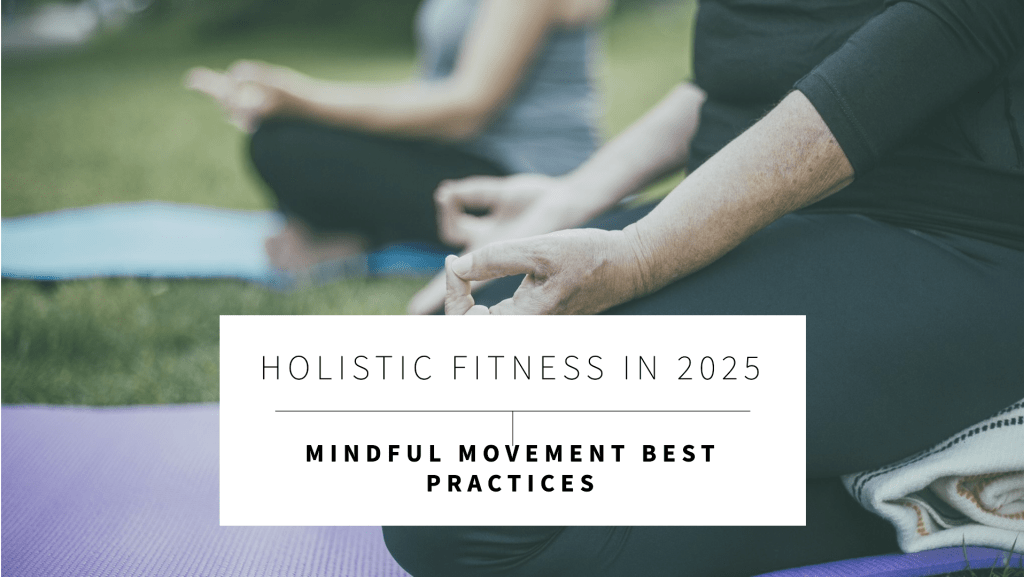
Mindful Movement: The Best Practices for Holistic Fitness in 2025

Fitness isn’t just about physical strength or appearance—it’s about creating harmony between your body, mind, and spirit. Mindful movement practices prioritize connection and presence, helping you achieve holistic wellness. As we move into 2025, integrating mindful fitness into your routine can elevate your health, reduce stress, and bring deeper fulfillment to your workouts. Here are the best mindful movement practices to embrace this year.


1. Yoga for Flexibility and Inner Peace

Yoga is a timeless practice that promotes strength, flexibility, and mindfulness. It combines movement with breath, grounding you in the present moment.

  • How to Practice:
    • Begin with beginner-friendly poses like Child’s Pose, Cat-Cow, or Downward Dog.
    • Focus on your breathing to enhance the connection between body and mind.
  • Pro Tip: Explore different styles like Hatha for relaxation or Vinyasa for a dynamic flow.

2. Tai Chi for Balance and Energy Flow

Known as “meditation in motion,” Tai Chi is a slow, flowing martial art that improves balance, flexibility, and energy circulation.

  • How to Practice:
    • Follow a Tai Chi video or join a local class to learn the foundational moves.
    • Practice outdoors to enhance the connection with nature.
  • Pro Tip: Combine Tai Chi with deep breathing to amplify its calming effects.

3. Dance as Creative Expression

Dance is a joyful way to connect with your body while expressing emotions and creativity. It boosts cardiovascular health and enhances mood.

  • How to Practice:
    • Put on your favorite music and dance freely in your living room.
    • Try dance-based workouts like Zumba or ecstatic dance for guided movement.
  • Pro Tip: Focus on how movement feels rather than how it looks.

4. Walking Meditation for Grounding

Walking meditation combines the benefits of gentle exercise with mindfulness. It’s a perfect way to calm your mind while staying active.

  • How to Practice:
    • Walk at a slow, deliberate pace, focusing on the sensation of your feet touching the ground.
    • Notice the sights, sounds, and smells around you as you walk.
  • Pro Tip: Practice walking meditation in a park or quiet area to deepen the experience.

5. Pilates for Core Strength and Focus

Pilates emphasizes controlled movements, core strength, and alignment, making it a mindful and effective workout.

  • How to Practice:
    • Start with beginner exercises like the Hundred or Roll-Up.
    • Concentrate on maintaining proper form and controlled breathing.
  • Pro Tip: Use resistance bands or a stability ball to enhance your practice.

6. Qi Gong for Vitality and Relaxation

Qi Gong is an ancient Chinese practice that combines gentle movements, breathing techniques, and meditation to cultivate energy and vitality.

  • How to Practice:
    • Follow a guided Qi Gong session to learn simple, flowing movements.
    • Practice daily for 10-15 minutes to feel its calming effects.
  • Pro Tip: Visualize energy flowing through your body during each movement.

7. Swimming for Mind-Body Synchrony

Swimming offers a full-body workout that soothes the mind and strengthens the body. The rhythmic nature of swimming promotes mindfulness.

  • How to Practice:
    • Focus on your breathing and the feeling of water supporting your body.
    • Experiment with different strokes to keep your routine engaging.
  • Pro Tip: Swim in natural bodies of water for a deeper connection with nature.

8. Stretching for Relaxation

Stretching not only improves flexibility but also calms the nervous system and releases tension stored in the body.

  • How to Practice:
    • Dedicate 5-10 minutes to stretching after your workouts or before bed.
    • Hold each stretch for at least 20-30 seconds, breathing deeply.
  • Pro Tip: Focus on areas where you tend to carry tension, like your shoulders or hips.

9. Strength Training with Intention

Strength training can be a mindful practice when approached with focus and purpose. Lifting weights mindfully enhances both physical and mental strength.

  • How to Practice:
    • Pay attention to your form and the sensation of your muscles working.
    • Breathe deeply and exhale during exertion for better focus and control.
  • Pro Tip: Use lighter weights and slower movements to build control.

10. Nature-Based Exercise for Serenity

Exercising in nature combines physical activity with the therapeutic effects of the outdoors, reducing stress and boosting well-being.

  • How to Practice:
    • Go for a hike, practice yoga in a park, or jog along a nature trail.
    • Pause to take in the beauty of your surroundings.
  • Pro Tip: Make it a weekly ritual to exercise outdoors for a mood boost.

Conclusion

Mindful movement transforms fitness into a holistic practice, fostering balance and connection between your body, mind, and spirit. By exploring these practices, you can create a fitness routine that aligns with your values and promotes overall well-being. Start small, experiment with different approaches, and find what resonates with your unique journey toward holistic fitness.


For more inspiration on living mindfully and embracing balance, check out my book, The Mindful Executive: https://www.amazon.com/dp/B0D75YJCLW.

The Art of Saying No: Boundaries for a Balanced New Year

In a world that constantly demands our attention, learning to say “no” is an essential act of self-care. Setting boundaries allows you to protect your time, energy, and emotional well-being, enabling you to focus on what truly matters. As we step into the new year, embracing the art of saying no can help you cultivate a more balanced, intentional, and fulfilling life. Here’s how you can master this empowering skill and make it a cornerstone of your holistic lifestyle.


1. Redefine Your Priorities

Saying no becomes easier when you’re clear about what matters most to you. Start by identifying your core values and goals.

  • How to Practice:
    • Write down your top 3-5 priorities for the year (e.g., family, health, creative projects).
    • Use these priorities as a guide to decide where to invest your energy.
  • Pro Tip: When faced with a request, ask yourself, “Does this align with my priorities?”

2. Understand the Power of No

Saying no isn’t about rejection; it’s about respect—for yourself and others. It creates space for authenticity and ensures your commitments are meaningful.

  • Why It Matters:
    • A well-placed no allows you to give your best to the things that truly matter.
    • It prevents burnout and resentment by avoiding overcommitment.
  • Pro Tip: Reframe no as a positive boundary rather than a negative response.

3. Practice Saying No Gracefully

Turning down requests doesn’t have to feel awkward or harsh. With the right approach, you can decline gracefully while maintaining positive relationships.

  • How to Practice:
    • Use polite, empathetic language, such as, “Thank you for thinking of me, but I can’t commit to this right now.”
    • Offer an alternative if appropriate, like suggesting someone else who might be able to help.
  • Pro Tip: Practice responses in advance for common scenarios to feel more confident.

4. Set Boundaries with Yourself

Boundaries aren’t just for others—they’re also essential for managing your own habits and expectations.

  • How to Practice:
    • Limit your screen time, schedule regular self-care, and set clear work hours.
    • Avoid overloading your schedule by building in buffer time between commitments.
  • Pro Tip: Treat your personal boundaries with the same respect as professional obligations.

5. Recognize When to Say Yes

The art of saying no is also about knowing when to say yes. Accepting opportunities that align with your goals and values can be just as empowering as declining others.

  • How to Practice:
    • Evaluate requests based on their potential to bring joy, growth, or alignment with your priorities.
    • Say yes to things that energize you and contribute positively to your life.
  • Pro Tip: A clear yes often makes saying no to other things easier.

6. Use Time as a Filter

Time is a finite resource, and using it wisely means being selective about your commitments. Viewing time as valuable helps frame no as a necessary choice.

  • How to Practice:
    • Before agreeing to something, consider the time investment and its impact on your priorities.
    • Use phrases like, “I need to check my schedule,” to buy time for thoughtful decisions.
  • Pro Tip: Create a default “pause” rule—don’t commit to anything immediately.

7. Build Confidence Through Small Nos

If saying no feels uncomfortable, start with small, low-stakes situations. Over time, this practice builds your confidence and makes it easier to handle larger requests.

  • How to Practice:
    • Decline small favors or requests that don’t align with your priorities (e.g., “I can’t attend this meeting, but I’ll review the notes later.”).
    • Notice how freeing it feels to protect your time.
  • Pro Tip: Celebrate each no as a step toward empowerment.

8. Recognize and Address Guilt

Feeling guilty about saying no is common but often misplaced. Understanding that guilt is a natural response—and not an indicator of wrongdoing—helps you move past it.

  • How to Practice:
    • Remind yourself that saying no allows you to show up fully for your true commitments.
    • Use affirmations like, “It’s okay to prioritize my well-being.”
  • Pro Tip: Reflect on times you’ve said yes out of guilt and how it impacted your energy.

9. Create a Boundary Script

Having a go-to script for common scenarios makes it easier to respond without hesitation or over-explaining.

  • Examples:
    • “I appreciate the offer, but I’m not able to take on additional responsibilities right now.”
    • “I’d love to help, but I need to focus on my current priorities.”
  • Pro Tip: Keep your script simple and direct—less is often more.

10. Enforce Your Boundaries with Consistency

Boundaries are only effective if they’re upheld. Being consistent in how you enforce them sends a clear message to others and reinforces your commitment to yourself.

  • How to Practice:
    • Stick to your no, even if others push back. Calmly restate your position if needed.
    • Recognize that you’re not responsible for others’ reactions.
  • Pro Tip: Reflect on the benefits of upholding boundaries, such as increased energy and reduced stress.

Conclusion

Saying no is a skill that empowers you to lead a balanced and intentional life. By setting boundaries, you create space for the things that truly matter—your health, happiness, and growth. Remember, every no is a yes to something more meaningful. As you embrace this practice, you’ll find greater clarity, peace, and fulfillment in your daily life.


For more insights on creating balance and mindfulness in your life, check out my book, The Mindful Executive: https://www.amazon.com/dp/B0D75YJCLW.

Manifesting Your Goals with Holistic Vision Boards

A vision board is a powerful tool to align your goals and aspirations with your energy. But what if you infused it with holistic elements? A holistic vision board focuses not just on external achievements but also on nurturing your mind, body, and spirit. By combining visualization, intention-setting, and mindfulness, you can create a vision board that resonates deeply with your personal values and wellness goals. Let’s explore how to manifest your dreams through this creative and transformative process.


1. Understand the Power of Vision Boards

Vision boards work by tapping into the Law of Attraction, where visualizing your goals can help bring them to reality. A holistic vision board goes beyond material desires, focusing on harmony, well-being, and inner peace.

  • Why It Works: Seeing your goals daily keeps them at the forefront of your mind, creating a sense of alignment and motivation.
  • Pro Tip: Think about how you want to feel when achieving your goals, not just what you want to achieve.

2. Gather Your Materials

Creating a vision board is a hands-on, creative process. Gather materials that inspire you and represent your aspirations.

  • What You Need:
    • A board or large piece of cardboard
    • Magazines, photos, printed images, or art supplies
    • Glue, scissors, markers, and stickers
  • Pro Tip: Use recycled or sustainable materials to keep your vision board eco-friendly.

3. Define Your Holistic Goals

Before starting, take time to reflect on what you want to manifest in all areas of your life—health, relationships, career, personal growth, and spirituality.

  • How to Define Goals:
    • Write down your intentions in each area.
    • Focus on goals that nurture your holistic well-being, like “cultivate mindfulness,” “improve physical fitness,” or “build meaningful connections.”
  • Pro Tip: Use a journaling session or meditation to clarify your intentions.

4. Incorporate Visual and Emotional Elements

The power of a vision board lies in the connection between your visuals and emotions. Choose images, words, and symbols that resonate deeply with your aspirations.

  • How to Practice:
    • Select visuals that evoke the feelings you want to experience (e.g., calm, joy, confidence).
    • Include affirmations or mantras like “I am at peace” or “I am capable of growth.”
  • Pro Tip: Add personal photos or drawings for a unique, meaningful touch.

5. Use Color Psychology

Colors have a profound impact on mood and energy. Integrate color psychology into your vision board to amplify its effectiveness.

  • Examples of Colors:
    • Blue: Peace and calm
    • Green: Growth and health
    • Yellow: Positivity and energy
    • Purple: Creativity and spirituality
  • Pro Tip: Use a cohesive color palette to make your vision board visually appealing and energizing.

6. Include Holistic Themes

A holistic vision board incorporates elements that reflect balance and well-being. Go beyond traditional goals to focus on your inner state and lifestyle choices.

  • Themes to Include:
    • Mindfulness: Images of meditation or peaceful nature scenes
    • Wellness: Photos of healthy meals or exercise
    • Connection: Visuals of meaningful relationships or community
    • Joy: Symbols of hobbies, travel, or creative pursuits
  • Pro Tip: Add quotes or poetry that inspires you.

7. Make It Interactive

An interactive vision board encourages engagement and keeps your goals dynamic. This helps you stay motivated and connected to your aspirations.

  • How to Practice:
    • Use sticky notes for goals that may evolve.
    • Include a section for tracking progress, like a gratitude list or small milestones.
  • Pro Tip: Place your board where you’ll see it daily, such as near your desk or in a meditation corner.

8. Visualize Your Goals Daily

Visualization bridges the gap between intention and action. Spending even a few minutes each day with your vision board can strengthen your focus and motivation.

  • How to Practice:
    • Spend 5 minutes each morning visualizing yourself achieving your goals.
    • Focus on the emotions you feel in that reality.
  • Pro Tip: Pair this practice with deep breathing or a morning affirmation.

9. Refresh and Revisit Your Board

As you grow and your goals evolve, your vision board should adapt to reflect your current aspirations.

  • How to Practice:
    • Review your board monthly or quarterly to update goals or add new inspirations.
    • Celebrate milestones by adding symbols of success, like a star or heart sticker.
  • Pro Tip: Take a photo of your vision board to keep a digital version on your phone for motivation on the go.

Conclusion

A holistic vision board is more than a collection of images—it’s a powerful tool for manifesting a balanced, intentional life. By focusing on your mind, body, and spirit, you create a visual reminder of the life you’re working toward. Take time to craft your board thoughtfully, reflect on it daily, and embrace the journey of turning your aspirations into reality.


For more insights on setting intentions and creating balance, check out my book, The Mindful Executive: https://www.amazon.com/dp/B0D75YJCLW.

Holistic Nutrition Trends to Embrace in the New Year

Nutrition is more than just food—it’s a cornerstone of holistic wellness, influencing your physical health, mental clarity, and emotional balance. As the new year begins, it’s the perfect time to explore emerging nutrition trends that align with holistic principles. From mindful eating to sustainable practices, these trends prioritize both personal health and the well-being of the planet. Let’s dive into the top holistic nutrition trends to embrace this year.


1. Mindful Eating for Better Digestion and Satisfaction

Mindful eating emphasizes being fully present during meals, allowing you to savor flavors, recognize hunger cues, and improve digestion.

  • How to Practice: Eat without distractions, chew slowly, and notice the textures, tastes, and aromas of your food. Pause between bites to reflect on the experience.
  • Pro Tip: Start with one mindful meal a day to build the habit.

2. Plant-Based Eating with Flexibility

Plant-based diets continue to gain traction for their health benefits and environmental sustainability. However, flexible approaches like “plant-forward” eating make it accessible to more people.

  • How to Practice: Make plants the star of your meals, with small portions of meat or dairy as optional sides. Focus on whole, unprocessed plant foods like legumes, grains, and vegetables.
  • Pro Tip: Explore plant-based proteins like lentils, tofu, and quinoa to diversify your meals.

3. Intuitive Eating for a Healthy Relationship with Food

Intuitive eating rejects dieting and promotes listening to your body’s natural hunger and fullness cues. It fosters a healthy, guilt-free relationship with food.

  • How to Practice: Pay attention to how food makes you feel. Eat when you’re hungry, stop when you’re satisfied, and honor your cravings in moderation.
  • Pro Tip: Avoid labeling foods as “good” or “bad” to reduce guilt and stress around eating.

4. Fermented Foods for Gut Health

Fermented foods like kimchi, yogurt, and kombucha are rich in probiotics, which support gut health, improve digestion, and boost immunity.

  • How to Practice: Incorporate fermented foods into your meals a few times a week. Start small, as fermented foods can be potent for beginners.
  • Pro Tip: Experiment with making your own fermented foods at home for a fun and rewarding project.

5. Personalized Nutrition for Optimal Wellness

Personalized nutrition involves tailoring your diet to your unique needs, such as your metabolic type, allergies, or genetic predispositions.

  • How to Practice: Work with a nutritionist or use at-home testing kits to understand your body’s specific requirements.
  • Pro Tip: Keep a food diary to track patterns and discover what works best for your energy and health.

6. Sustainable Eating for Planetary Health

Holistic nutrition extends beyond personal health to include environmental sustainability. Choosing local, organic, and seasonal foods reduces your carbon footprint.

  • How to Practice: Shop at farmers’ markets or join a local CSA (community-supported agriculture) program. Avoid single-use packaging when possible.
  • Pro Tip: Reduce food waste by planning meals and using leftovers creatively.

7. Functional Foods for Targeted Benefits

Functional foods are those that offer health benefits beyond basic nutrition, such as turmeric for inflammation or chia seeds for omega-3 fatty acids.

  • How to Practice: Incorporate functional foods into your daily meals, such as adding turmeric to smoothies or sprinkling chia seeds on yogurt.
  • Pro Tip: Research the benefits of superfoods like matcha, spirulina, and ashwagandha to target specific wellness goals.

8. Hydration as a Nutritional Priority

Staying hydrated is often overlooked but is essential for digestion, energy, and mental clarity. Hydration can also come from water-rich foods like cucumbers and melons.

  • How to Practice: Drink a glass of water first thing in the morning and throughout the day. Keep a water bottle nearby as a visual reminder.
  • Pro Tip: Add lemon, mint, or berries to your water for a refreshing twist.

9. Batch Cooking for Time Efficiency

Preparing meals in advance reduces stress and ensures you have access to healthy, balanced options throughout the week.

  • How to Practice: Dedicate one day to cooking large portions of grains, roasted vegetables, and proteins. Store them in separate containers for mix-and-match meals.
  • Pro Tip: Use mason jars for pre-made salads or soups to save time.

10. Exploring Global Cuisines for Diversity

Trying dishes from other cultures expands your palate and introduces nutrient-dense foods and spices you may not typically use.

  • How to Practice: Incorporate recipes from Mediterranean, Asian, or African cuisines, which often emphasize whole foods and bold flavors.
  • Pro Tip: Experiment with spices like turmeric, sumac, or harissa to elevate your meals.

11. Holistic Snacking for Energy

Choose snacks that provide sustained energy and support your overall wellness, such as nuts, seeds, or homemade energy balls.

  • How to Practice: Prepare grab-and-go snacks at home using simple ingredients like oats, peanut butter, and dried fruit.
  • Pro Tip: Keep snacks balanced with a mix of protein, healthy fats, and fiber for lasting energy.

12. Eating with the Seasons

Seasonal eating ensures you’re consuming the freshest, most nutrient-dense produce while supporting local farmers and reducing environmental impact.

  • How to Practice: Research what’s in season in your area and build your meals around those ingredients.
  • Pro Tip: Use seasonal produce guides or apps to plan your grocery shopping.

Conclusion

Holistic nutrition trends for the new year emphasize mindful, sustainable, and personalized approaches to eating. By integrating these practices into your lifestyle, you can support your physical health, mental well-being, and the environment. Whether you start small with mindful meals or dive into batch cooking and personalized nutrition, these trends will help you cultivate a deeper connection with your food and yourself.


For more insights on holistic wellness and mindful living, check out my book, The Mindful Executive: https://www.amazon.com/dp/B0D75YJCLW.
Digital Decluttering for Mental Clarity in the New Year

    • Delete unnecessary files and organize the rest into labeled folders.
    • Use cloud storage, like Google Drive or Dropbox, to store important documents securely.
    • Keep your desktop clean with only essential shortcuts.
  • Pro Tip: Schedule monthly file clean-ups to prevent buildup.

3. Declutter Your Phone

Your smartphone is a hub of daily activity, but unused apps and notifications can create mental noise.

  • How to Practice:
    • Delete apps you haven’t used in the past three months.
    • Organize apps into folders by category for easy navigation.
    • Turn off unnecessary notifications to reduce distractions.
  • Pro Tip: Use focus modes or screen time settings to limit app usage during certain hours.

4. Streamline Your Social Media

Social media can be a source of inspiration—or a source of stress. Curating your feeds helps create a more positive and intentional experience.

  • How to Practice:
    • Unfollow accounts that no longer align with your interests or values.
    • Mute or block accounts that cause stress or negativity.
    • Set time limits for social media usage each day.
  • Pro Tip: Consider taking a social media detox for a week or month to reset.

5. Refresh Your Devices

A slow or outdated device can add unnecessary frustration to your day. Taking time to refresh your hardware and software improves efficiency.

  • How to Practice:
    • Update your operating system and apps to the latest versions.
    • Clear your browser cache and cookies for faster performance.
    • Backup important data to prevent loss.
  • Pro Tip: Consider resetting your device to factory settings if it’s significantly slowed down.

6. Declutter Your Digital Subscriptions

Subscriptions to apps, services, or memberships can pile up, draining both your wallet and your attention.

  • How to Practice:
    • Review all your subscriptions and cancel any that you no longer use.
    • Set reminders for subscription renewals so you’re not caught off guard.
  • Pro Tip: Use tools like Truebill or Bobby to track and manage subscriptions.

7. Organize Your Photos and Videos

Your digital photo library can quickly become overwhelming with duplicates, screenshots, and random pictures.

  • How to Practice:
    • Delete duplicate or blurry photos.
    • Organize remaining photos into albums by date, event, or theme.
    • Back up your photos to cloud storage or an external drive.
  • Pro Tip: Use apps like Google Photos or Apple Photos to automatically sort and back up your images.

8. Manage Your Passwords

Keeping track of passwords can be a source of stress if you don’t have a system in place.

  • How to Practice:
    • Use a password manager like LastPass or Dashlane to securely store and organize passwords.
    • Update weak or reused passwords to strengthen your security.
  • Pro Tip: Enable two-factor authentication for added protection.

9. Curate Your Digital Entertainment

Streaming platforms, podcasts, and playlists can easily become cluttered with content you no longer enjoy.

  • How to Practice:
    • Organize playlists, delete songs you skip often, and create new themed lists.
    • Remove shows or movies from your streaming watchlist that no longer interest you.
    • Unsubscribe from podcasts you’ve outgrown.
  • Pro Tip: Create a “favorites” list for quick access to your most-loved content.

10. Set Boundaries with Technology

Digital decluttering isn’t just about organizing—it’s also about creating healthier habits with your devices.

  • How to Practice:
    • Set “device-free” times or zones, such as during meals or before bed.
    • Limit work-related emails or tasks to specific hours.
    • Prioritize in-person interactions over digital communication when possible.
  • Pro Tip: Use a digital well-being app to track and manage your screen time.

Conclusion

Digital decluttering is a powerful way to reduce stress, improve focus, and create a sense of clarity in the new year. By organizing your devices, streamlining your digital habits, and setting boundaries, you can foster a healthier relationship with technology. Start small, tackle one area at a time, and enjoy the mental freedom that comes with a simplified digital life.


For more insights on creating balance and mindfulness in your life, check out my book, The Mindful Executive: https://www.amazon.com/dp/B0D75YJCLW.
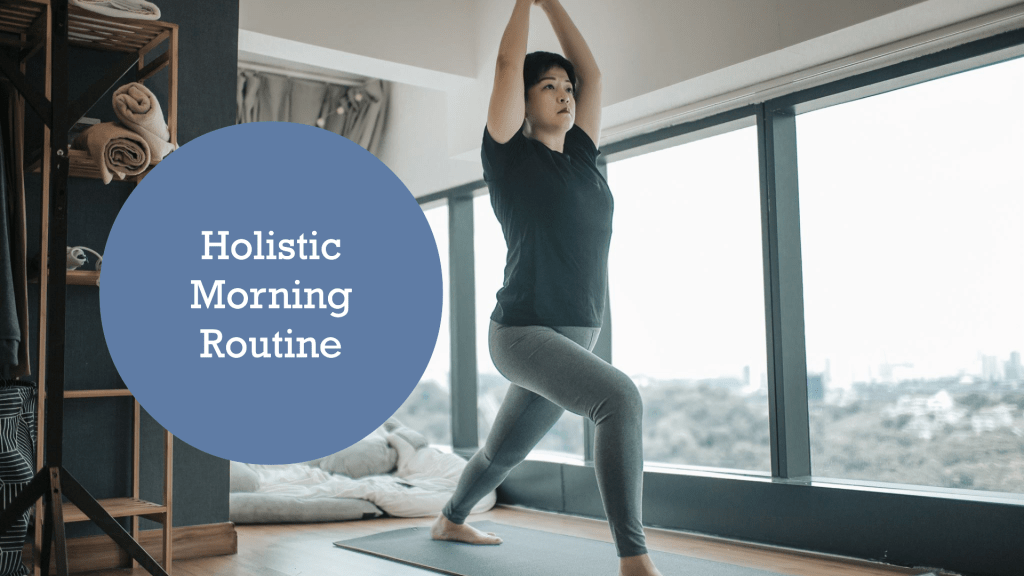
Designing Your Morning Routine for Holistic Success

The way you start your day sets the tone for everything that follows. A mindful morning routine can help you cultivate energy, clarity, and balance, allowing you to navigate your day with ease and purpose. By integrating holistic practices into your mornings, you nurture your mind, body, and spirit from the very beginning. Let’s explore how to design a morning routine that fosters holistic success and aligns with your well-being goals.


1. Wake Up with Intention

Begin your day with intention instead of rushing into tasks or distractions. This simple shift creates a sense of calm and control.

  • How to Practice: Set your alarm 10 minutes earlier and spend that time breathing deeply, stretching, or thinking about one positive thing you’re looking forward to.
  • Pro Tip: Place a journal or a gratitude notebook beside your bed to jot down your first thoughts of the day.

2. Hydrate for Vitality

After a night of rest, your body needs hydration to wake up your metabolism and energize your cells.

  • How to Practice: Drink a glass of room-temperature water with a squeeze of lemon to flush out toxins and hydrate your body.
  • Pro Tip: Keep a water bottle or glass near your bed to make hydration the first thing you do upon waking.

3. Move Your Body

Physical movement in the morning gets your blood flowing, energizes your body, and clears mental fog. It doesn’t have to be intense—a gentle stretch can do wonders.

  • How to Practice: Spend 5-10 minutes doing light yoga, stretching, or even a short walk outside. Focus on movements that feel good and energize you.
  • Pro Tip: Follow a quick yoga or mobility routine on YouTube to get started.

4. Practice Mindfulness or Meditation

A few minutes of mindfulness or meditation in the morning can calm your mind and set a positive tone for the day.

  • How to Practice: Sit quietly for 5-10 minutes, focusing on your breath or using a guided meditation app like Headspace or Calm.
  • Pro Tip: Pair meditation with a calming essential oil, such as lavender or frankincense, to deepen your practice.

5. Fuel Your Body with a Nutritious Breakfast

A balanced breakfast fuels your body and mind, giving you the energy and focus you need to start your day.

  • How to Practice: Include a mix of protein, healthy fats, and fiber. Examples include avocado toast, oatmeal with nuts and seeds, or a green smoothie.
  • Pro Tip: Prep ingredients the night before to save time and reduce decision fatigue in the morning.

6. Set Daily Intentions

Taking a moment to set intentions helps you approach your day with purpose and focus. It’s a way to align your actions with your values and goals.

  • How to Practice: Write down 1-3 intentions for the day, such as “stay present,” “be patient,” or “complete a project with focus.”
  • Pro Tip: Use affirmations like “I am capable of achieving my goals” to start the day with confidence.

7. Limit Technology First Thing in the Morning

Avoid diving into emails, social media, or news right after waking. This preserves your mental clarity and prevents overwhelm.

  • How to Practice: Set a “no technology” rule for the first 30 minutes of your day. Use this time for mindful activities instead.
  • Pro Tip: Replace your phone alarm with a traditional alarm clock to resist the urge to check notifications.

8. Create a Morning Playlist

Music can uplift your mood and create a positive atmosphere as you prepare for the day.

  • How to Practice: Curate a playlist of calming or energizing songs that inspire you. Play it as you move through your morning routine.
  • Pro Tip: Include instrumental tracks or nature sounds for a soothing vibe.

9. Journal for Clarity

Morning journaling clears your mind and helps you process thoughts or emotions before the day begins.

  • How to Practice: Write down your thoughts, goals, or anything that’s on your mind for 5-10 minutes. Focus on gratitude, affirmations, or even a quick brain dump.
  • Pro Tip: Use prompts like “What am I excited about today?” or “How can I show kindness today?”

10. Embrace Nature

Connecting with nature in the morning grounds you and boosts your mood. Even a few minutes outdoors can make a difference.

  • How to Practice: Spend time on your balcony, garden, or by a window with a view of greenery. If possible, take a short walk outside.
  • Pro Tip: Combine this practice with mindfulness by observing the sights and sounds around you.

Conclusion

A well-designed morning routine is a gift to yourself, creating space for intentionality, self-care, and focus. By incorporating hydration, mindfulness, movement, and nourishing habits, you can set the stage for a productive and peaceful day. Start small, experiment with these practices, and customize your routine to suit your unique needs. Your morning can become a powerful tool for holistic success, guiding you toward balance and fulfillment every day.


For more ideas on mindfulness and intentional living, check out my book, The Mindful Executive: https://www.amazon.com/dp/B0D75YJCLW.
Boost Well-Being Through Daily Mindful Rituals

Rituals have been a cornerstone of human culture for centuries, offering a sense of stability, intention, and meaning. Unlike habits, which are often automatic, rituals are imbued with purpose and mindfulness. By incorporating meaningful rituals into your daily life, you can create a sense of control, boost your emotional well-being, and cultivate a mindset geared toward growth and positivity. Let’s explore how to harness the transformative power of daily rituals for a more intentional and fulfilling life.


1. Morning Intention-Setting Ritual

Start your day with purpose by setting clear intentions. This ritual helps you focus on what matters most.

  • How to Practice:
    • Upon waking, take a few moments to reflect on how you want to feel and what you want to achieve during the day.
    • Write down one or two key intentions (e.g., “Stay present” or “Approach challenges with patience”).
  • Pro Tip: Pair this with a morning mantra, such as, “I am calm, capable, and focused.”

2. Ritual of Gratitude

Gratitude rituals shift your mindset from scarcity to abundance, fostering positivity and contentment.

  • How to Practice:
    • Spend 5 minutes each morning or evening writing down three things you’re grateful for.
    • Focus on small, specific moments, like a kind gesture or a beautiful sunrise.
  • Pro Tip: Create a gratitude jar where you write your notes on slips of paper and review them at the end of the year.

3. Mindful Movement Practice

Incorporating intentional movement into your day enhances physical health while grounding your mind.

  • How to Practice:
    • Dedicate 10-20 minutes to yoga, tai chi, or stretching with a focus on mindful breathing.
    • Use this time to check in with your body and release tension.
  • Pro Tip: Choose a time of day when you need an energy boost or mental reset.

4. Nourishment Rituals for Meals

Transform your meals into a mindful practice that nourishes your body and spirit.

  • How to Practice:
    • Begin each meal by taking a moment to appreciate the food, its flavors, and the effort it took to prepare it.
    • Eat slowly, savoring each bite and noticing how your body responds.
  • Pro Tip: Avoid distractions like screens or multitasking while eating.

5. Midday Reset Ritual

A midday pause helps break the cycle of stress and restores focus.

  • How to Practice:
    • Set an alarm for a midday break where you spend 5-10 minutes meditating, journaling, or stepping outside.
    • Reflect on your morning and realign your intentions for the rest of the day.
  • Pro Tip: Incorporate aromatherapy with energizing scents like citrus or peppermint during this ritual.

6. Evening Reflection Ritual

Reflection at the end of the day provides closure and insight, allowing you to let go of stress and prepare for restful sleep.

  • How to Practice:
    • Spend 10 minutes reviewing your day by journaling or simply reflecting on key moments.
    • Ask yourself questions like, “What went well today?” and “What can I learn from today’s challenges?”
  • Pro Tip: End the ritual with a positive affirmation, such as, “I am proud of my efforts today.”

7. Nature Connection Ritual

Connecting with nature helps you feel grounded, reduces stress, and enhances your sense of well-being.

  • How to Practice:
    • Spend 10-15 minutes outdoors, whether it’s a walk in the park, tending to a garden, or simply sitting under a tree.
    • Observe your surroundings with curiosity and appreciation.
  • Pro Tip: Try incorporating this ritual in the morning or evening for a peaceful start or end to your day.

8. Digital Detox Ritual

Detaching from technology is essential for mental clarity and emotional balance.

  • How to Practice:
    • Set a designated time each day to unplug from screens—start with 30 minutes and gradually increase.
    • Use this time for activities like reading, meditating, or creative hobbies.
  • Pro Tip: Create a tech-free zone in your home, such as your bedroom or dining area.

9. Affirmation Ritual

Positive affirmations help reframe negative thought patterns and boost confidence.

  • How to Practice:
    • Write or repeat affirmations each morning, focusing on areas where you seek growth or strength.
    • Examples include, “I am resilient,” “I am deserving of love,” or “I have the power to create change.”
  • Pro Tip: Pair affirmations with a mirror to enhance their impact.

10. Weekly Visioning Ritual

A weekly ritual for envisioning your goals keeps you aligned with your aspirations and motivated to take action.

  • How to Practice:
    • Dedicate 20-30 minutes at the start of each week to review your goals and set actionable steps.
    • Visualize what success looks and feels like for the week ahead.
  • Pro Tip: Combine this ritual with a calming activity, like lighting a candle or sipping tea.

Conclusion

Rituals infuse your daily routine with intention, creating meaningful moments that enhance your mindset and well-being. By incorporating even a few of these practices into your life, you can foster greater focus, resilience, and joy. Start small, build consistency, and watch how these rituals transform not just your days, but your entire outlook on life.


For more insights on cultivating mindfulness and intentional living, check out my book, The Mindful Executive: https://www.amazon.com/dp/B0D75YJCLW.
Reset and Renew: A 30-Day Holistic Lifestyle Challenge for the New Year

The new year is the perfect time for a fresh start, and a holistic lifestyle challenge can help you reset, renew, and embrace wellness on every level—mind, body, and spirit. This 30-day guide is designed to inspire positive habits, improve your health, and bring balance to your life. Whether you’re new to holistic practices or looking to deepen your journey, this challenge offers actionable steps for a transformative start to the year.


Week 1: Detox and Declutter

Focus on creating a clean slate in your physical and mental space.

Day 1-3: Declutter Your Space

  • Clear one area of your home each day, starting with high-traffic zones like your kitchen, bedroom, or workspace. A clutter-free environment promotes mental clarity.
  • Pro Tip: Donate or recycle items that no longer serve you.

Day 4-5: Digital Detox

  • Spend two days decluttering your digital life—organize your inbox, delete unused apps, and unfollow accounts that drain your energy.
  • Pro Tip: Set screen time limits to reduce digital distractions.

Day 6-7: Nourish Your Body

  • Start incorporating fresh, whole foods into your diet. Add one green smoothie or a nutrient-packed salad to your meals.
  • Pro Tip: Keep a food journal to track how you feel after each meal.

Week 2: Mindful Practices

Introduce mindfulness into your daily routine to enhance mental clarity and emotional balance.

Day 8-10: Start a Morning Meditation Practice

  • Dedicate 5-10 minutes each morning to mindfulness meditation. Focus on your breath and set a positive intention for the day.
  • Pro Tip: Use a meditation app like Calm or Insight Timer to get started.

Day 11-12: Gratitude Journaling

  • Write down three things you’re grateful for each day. This practice helps shift your focus to positivity and abundance.
  • Pro Tip: Reflect on small moments of joy, such as a kind word or a peaceful walk.

Day 13-14: Mindful Movement

  • Try yoga, tai chi, or a gentle stretch routine to connect your body and mind.
  • Pro Tip: Join an online class or follow a free session on YouTube.

Week 3: Self-Care and Connection

Prioritize your well-being while deepening your connections with others.

Day 15-16: Schedule Self-Care Rituals

  • Dedicate time to activities that rejuvenate you, like a warm bath, reading, or a DIY spa day.
  • Pro Tip: Set boundaries to ensure uninterrupted self-care time.

Day 17-19: Deepen Personal Connections

  • Spend quality time with loved ones. Plan a meaningful activity or simply have a heartfelt conversation.
  • Pro Tip: Practice active listening to foster stronger relationships.

Day 20-21: Explore Creativity

  • Engage in a creative activity like painting, writing, or cooking a new recipe. Creativity is a powerful way to express emotions and recharge.
  • Pro Tip: Allow yourself to play and explore without judgment.

Week 4: Empower and Sustain

Focus on creating sustainable habits to carry your holistic lifestyle forward.

Day 22-24: Vision Board for the Future

  • Create a vision board reflecting your goals and aspirations. Use images, affirmations, and colors that inspire you.
  • Pro Tip: Keep your vision board in a visible spot to stay motivated.

Day 25-27: Establish an Evening Routine

  • Develop a relaxing evening routine to wind down and prepare for restful sleep. This could include journaling, meditation, or aromatherapy.
  • Pro Tip: Dim the lights and avoid screens an hour before bed.

Day 28-30: Reflect and Plan Ahead

  • Reflect on what you’ve learned during the challenge and plan how to sustain these habits.
  • Pro Tip: Write down your intentions for the year, focusing on what brings you joy and balance.

Conclusion

This 30-day holistic lifestyle challenge is your guide to starting the year with purpose and intention. By focusing on detoxing, mindfulness, self-care, and sustainable habits, you’ll create a strong foundation for a healthier, more balanced life. Remember, each small step contributes to lasting transformation. Take the challenge, embrace the journey, and make this year your most vibrant yet.

Embracing the Healing Power of Stillness: Finding Peace in a Hectic World

In a world that celebrates constant activity, stillness can feel like a luxury—or even a challenge. But stillness isn’t about doing nothing; it’s about intentionally slowing down, creating space for reflection, and reconnecting with yourself. Embracing stillness offers healing on a profound level, helping you find clarity, inner peace, and resilience amidst life’s chaos. Here’s how you can welcome stillness into your life and unlock its transformative power.


The Value of Stillness in a Busy Life

Stillness is essential for mental, emotional, and spiritual health. By carving out moments of stillness, you gain a fresh perspective, calm your mind, and create a sanctuary within yourself. Stillness doesn’t mean isolating yourself; rather, it’s an act of grounding, allowing you to become more intentional and present.

1. Morning Stillness: Begin with a Moment of Silence

Starting the day with stillness sets a calm and reflective tone. This simple morning ritual creates a mental “clean slate,” allowing you to approach the day with clarity and purpose.

  • How to Practice: After waking, sit quietly for 3-5 minutes. Focus on your breath, and let go of any thoughts about the day ahead. Use this time to set a gentle, positive intention for the day.

2. Breathe Mindfully to Cultivate Inner Calm

Mindful breathing is one of the simplest ways to create stillness. This practice reduces stress and centers your mind, helping you find calm even during busy moments.

  • How to Practice: Throughout the day, take a few moments to pause and focus on your breath. Try the 4-4-4 technique: inhale for 4 counts, hold for 4, exhale for 4. Let each breath bring you back to the present moment.

3. Create a “Pause Practice” Before Meals

Incorporating a mindful pause before meals allows you to slow down and appreciate each meal fully. This brief moment of stillness heightens gratitude and grounds you in the present.

  • How to Practice: Before each meal, close your eyes, take a deep breath, and express gratitude for your food. This pause helps you savor each bite and enjoy the nourishment with awareness.

4. Mindfully Observe Nature to Find Stillness

Nature embodies stillness, teaching us to slow down and observe with curiosity. Spending time outdoors brings a sense of groundedness and quiet, connecting you to the rhythm of life.

  • How to Practice: Spend a few minutes each day observing something in nature—a tree, the sky, or a flower. Let yourself become fully present, absorbing the beauty and calmness around you.

5. Practice Reflective Writing for Inner Clarity

Reflective writing offers an outlet for processing emotions and gaining insight. By journaling, you create space for your thoughts to flow, allowing you to pause, reflect, and reset.

  • How to Practice: Spend 5-10 minutes each evening journaling about your day, your thoughts, or any unresolved feelings. Use this practice to release mental clutter and reconnect with your inner self.

6. Embrace Evening Silence as a Ritual of Rest

Silence in the evening helps release the busyness of the day, creating a peaceful transition to rest. This ritual encourages deep relaxation and prepares your mind and body for sleep.

  • How to Practice: Designate at least 30 minutes before bed as a time of silence. Avoid screens and create a peaceful environment—light a candle, play soft music, or simply sit in quiet.

7. Engage in Simple, Focused Activities

Engaging in simple activities like knitting, drawing, or even gardening promotes a sense of stillness by requiring gentle focus. These activities quiet the mind, bringing you into a state of calm presence.

  • How to Practice: Choose an activity that brings you joy and focus on it fully, letting go of other thoughts. Let each motion or movement be a form of meditation, calming your mind as you create or tend.

8. Reflect on the Day with Gratitude

Reflecting on what you’re grateful for brings inner peace and a sense of fulfillment. Ending the day with gratitude cultivates a positive mindset and helps you rest with contentment.

  • How to Practice: Each evening, write down or mentally note three things you’re grateful for. This practice of gratitude allows you to reflect on the beauty of each day, no matter how small.

9. Experience “Digital Silence” Regularly

Technology often pulls us out of the present, contributing to mental clutter. Taking a break from digital devices creates space for stillness and genuine connection with yourself.

  • How to Practice: Choose a specific time each day to disconnect from technology. Use this time to engage in non-digital activities like reading, meditating, or simply enjoying silence.

10. Create a Dedicated Stillness Space at Home

Having a dedicated space for stillness in your home encourages you to pause and reflect throughout the day. This space can serve as a reminder to embrace quiet and calm.

  • How to Practice: Set up a corner with items that bring you peace—like a comfortable cushion, a candle, or a plant. Use this space for meditation, deep breathing, or moments of quiet whenever you need to reset.

11. Mindful Walking for Inner Balance

Walking mindfully promotes a deep sense of connection with yourself and your surroundings. By focusing on each step, you cultivate a natural rhythm of stillness that extends to your entire being.

  • How to Practice: Take a walk at a slow, steady pace, focusing on each step. Notice the sensations in your feet, the movement of your body, and the environment around you. Allow each step to ground and calm you.

12. Practice Listening in Silence

True listening, without planning a response, allows you to connect deeply with others and the world around you. This practice brings inner stillness and fosters meaningful connections.

  • How to Practice: When engaging with someone, listen fully, without interrupting or forming a response in your mind. Let the silence between words deepen your connection, creating a shared moment of presence.

Conclusion

The power of stillness lies in its simplicity and accessibility. In a world that often pushes us to keep moving, stillness allows us to pause, reflect, and find peace. By embracing these moments, you can reconnect with your inner calm, nurture your mental and emotional well-being, and experience the profound healing that comes from slowing down. Choose one or more of these practices, and let stillness become a source of renewal in your life.


For more inspiration on finding balance and peace, check out my book, The Mindful Executive: https://www.amazon.com/dp/B0D75YJCLW.

Harnessing the Healing Power of Water: Rituals for Cleansing, Renewal, and Calm

Water has been revered for centuries as a symbol of purification, renewal, and healing. From ancient rituals to modern wellness practices, water offers an accessible way to cleanse both the body and the spirit. With its transformative power, water can help release negative energy, restore balance, and bring a sense of calm. Here are several ways to incorporate water rituals into your daily life to experience its healing effects on a deeper level.


1. Morning Water Ritual: Start with a Refreshing Cleanse

Begin your day with a simple but effective ritual—a morning splash of cold water to awaken the senses. This practice invigorates your mind, clears away any grogginess, and symbolizes a fresh start to the day.

  • How to Practice: Upon waking, splash cold water on your face several times. Visualize the water washing away any residual fatigue or negative energy, preparing you for a renewed and focused day.

2. Hydration as a Daily Renewal Practice

Drinking water mindfully is a simple yet powerful way to harness water’s healing qualities. Staying hydrated throughout the day promotes mental clarity, physical health, and a sense of inner calm.

  • How to Practice: Take a moment each time you drink water to acknowledge it as a source of life. Set an intention for hydration, imagining it as a form of self-love that nourishes every cell.

3. Epsom Salt Bath for Physical and Emotional Detox

Epsom salt baths are widely known for their ability to detoxify and relax muscles, but they also have a powerful effect on emotional well-being. The minerals in the salt help pull out toxins, leaving you feeling lighter and clearer.

  • How to Practice: Add 1-2 cups of Epsom salt to a warm bath and soak for 20 minutes. Imagine any negativity or stress dissolving into the water, leaving you cleansed and refreshed.

4. Guided Water Meditation for Inner Calm

Water meditations use the sound or imagery of water to help you relax and center. This practice brings a deep sense of tranquility, especially helpful for moments of stress or anxiety.

  • How to Practice: Find a guided water meditation online, or sit by a body of water if possible. Close your eyes, breathe deeply, and focus on the sound or feeling of water to calm your mind.

5. Rain Cleansing Ritual for Releasing Negative Energy

Rain has a natural cleansing effect, washing away both physical and energetic impurities. A rain cleansing ritual can be a powerful way to reset, particularly after a challenging time.

  • How to Practice: When it rains, step outside for a few moments, focusing on the sensation of raindrops. Visualize any negativity washing away, leaving you feeling refreshed and renewed.

6. Foot Soak for Grounding and Energy Reset

A foot soak is a quick, simple ritual that not only relaxes but also helps ground your energy. Adding essential oils or salts can enhance its effects.

  • How to Practice: Fill a basin with warm water, add Epsom salts or essential oils, and soak your feet for 10-15 minutes. Imagine yourself grounded and centered, reconnecting with your inner peace.

7. Mindful Shower to Release Daily Stress

A mindful shower is a quick yet impactful way to reset after a long day. This ritual helps you let go of stress and tension, replacing them with calm and clarity.

  • How to Practice: During your shower, focus on the sensation of water on your skin. Visualize any stress or worry washing away, leaving you renewed and refreshed.

8. Create a Calming Water Sound Bath

Listening to the sound of water, such as ocean waves, rain, or a river, can help bring peace and relaxation. Sound baths with water sounds are known to reduce stress and promote sleep.

  • How to Practice: Play water sounds as background noise while you meditate, work, or fall asleep. Allow the soothing rhythm of the water to bring you into a relaxed state.

9. Water Reflection Meditation for Insight

Water has reflective properties that mirror our inner thoughts. A reflection meditation by water can offer insights and bring clarity to unresolved emotions.

  • How to Practice: Sit by a still body of water, like a pond or lake. As you gaze at the water’s surface, reflect on any thoughts or feelings you’ve been holding. Allow the stillness to bring you insight.

10. Intention-Setting Ritual with Water

Water can amplify intentions, absorbing and carrying energy. Setting intentions with water can help you manifest positivity, health, or clarity in your life.

  • How to Practice: Hold a glass of water, set a positive intention, and visualize it absorbing into the water. Drink slowly, imagining that your intention is becoming a part of you.

11. Moonlight Water Charging

Water can be charged with the energy of the moon, particularly during a full moon, for an extra boost of tranquility, intuition, and clarity.

  • How to Practice: Place a glass of water under the moonlight overnight. In the morning, drink it with gratitude, visualizing the moon’s energy filling you with peace and clarity.

12. End-of-Day Water Ritual to Let Go

Just as you start your day with water, end it with a final ritual to release the day’s worries. Washing your face or soaking your hands in cool water signals your mind to let go and prepare for rest.

  • How to Practice: Before bed, wash your face or soak your hands in cool water for a few moments. Reflect on the events of the day, letting go of any tension, and inviting peace for a restful night.

Conclusion

Water rituals are powerful practices that use one of nature’s simplest elements to cleanse, renew, and balance. By incorporating these water-based rituals into your life, you create a toolkit for stress relief, mindfulness, and well-being. Choose the rituals that resonate most with you, and allow water to guide you toward greater peace and renewal.


For more ways to bring balance and mindfulness into your life, check out my book, The Mindful Executive: https://www.amazon.com/dp/B0D75YJCLW.