


How to Find Joy in Everyday Moments

How to Cultivate More Joy in Everyday Life

In the rush of daily life, we often forget to pause and enjoy the present moment. Joy isn’t just about big milestones—it’s found in small, everyday moments when we slow down, appreciate, and engage with life fully and intentionally.

Joy is also a skill—it’s something we can cultivate daily through mindset shifts, mindfulness, and simple habits. Science even shows that joyful people live longer, have stronger immune systems, and experience lower stress levels.

Let’s explore how to cultivate more joy in your everyday life—starting now!


1. Practice Gratitude Daily

Gratitude shifts your mindset from what’s missing to what’s already abundant in your life.

✔️ How to Practice:

  • Write down three things you’re grateful for each morning.
  • Express appreciation to someone—even for small things.
  • Notice simple pleasures (a warm drink, a sunset, a deep breath).
  • Pro Tip: Studies show that gratitude rewires your brain for more happiness over time.

2. Savor Small Moments

Joy isn’t just in big achievements—it’s in everyday experiences.

✔️ How to Practice:

  • Eat your meals slowly, fully tasting each bite.
  • Step outside and feel the sunlight or breeze on your skin.
  • Take a moment to truly listen during conversations.
  • Pro Tip: Ask yourself, “How can I make this moment more enjoyable?”

3. Move Your Body with Joy

Exercise isn’t just for fitness—it boosts endorphins, energy, and mood.

✔️ How to Practice:

  • Choose movement you actually enjoy (dancing, yoga, walking in nature).
  • Play uplifting music while moving.
  • Avoid making exercise a chore—focus on how it feels.
  • Pro Tip: Even five minutes of movement can shift your mood instantly.

4. Spend Time with People Who Uplift You

Joy is contagious—the people around you impact your emotional well-being.

✔️ How to Practice:

  • Prioritize time with positive, supportive people.
  • Limit interactions with energy-draining individuals.
  • Call a friend just to share something good.
  • Pro Tip: Laugh as often as possible—laughter reduces stress and boosts happiness!

5. Declutter Mental & Physical Space

A clutter-free space = a clutter-free mind.

✔️ How to Practice:

  • Let go of things that don’t bring joy (Marie Kondo style!).
  • Reduce mental clutter by avoiding negative news & social media overload.
  • Keep a simple, peaceful environment.
  • Pro Tip: A tidy space reduces anxiety and improves focus.

6. Do Something Creative Every Day

Creativity fuels joy and self-expression.

✔️ How to Practice:

  • Try a new hobby (painting, writing, cooking, photography).
  • Take 5 minutes a day for creative play—no pressure, just fun.
  • Create something without judging the outcome.
  • Pro Tip: Even coloring or doodling can reduce stress and boost happiness.

7. Spend Time in Nature

Nature naturally lowers stress hormones and increases feel-good emotions.

✔️ How to Practice:

  • Walk barefoot on grass (grounding).
  • Watch the sky change at sunrise or sunset.
  • Sit quietly near water, trees, or a garden.
  • Pro Tip: Even indoor plants improve mood and well-being.

8. Set Joyful Intentions

Joy is intentional—it doesn’t just happen by accident.

✔️ How to Practice:

  • Start each day with the question: “What will bring me joy today?”
  • Plan activities you genuinely look forward to.
  • Shift your focus to what’s going right instead of dwelling on what’s wrong.
  • Pro Tip: Joy isn’t about circumstances—it’s about how you choose to experience life.

Conclusion

Joy isn’t a luxury—it’s a daily practice. By shifting your focus, engaging in activities that bring you happiness, and making small, joyful choices every day, you can infuse your life with more meaning, laughter, and fulfillment.

Start now—choose one joy-boosting habit today and see how it transforms your life!


For more mindfulness insights, check out my book, The Mindful Executive: https://www.amazon.com/dp/B0D75YJCLW.


The Science of Emotional Resilience: How to Stay Strong in Difficult Times

The Science of Emotional Resilience: How to Strengthen Your Mind and Heart

Introduction

Life is unpredictable—challenges, setbacks, and stress are inevitable. But what separates those who thrive in adversity from those who struggle? The answer lies in emotional resilience—the ability to adapt, recover, and grow from challenges.

Emotional resilience isn’t something you’re just born with—it’s a skill you can build. Backed by psychology and neuroscience, resilience helps you handle stress, navigate emotions, and maintain inner balance. Let’s explore how to cultivate emotional strength for a more peaceful and fulfilling life.


1. What Is Emotional Resilience and Why Does It Matter?

Emotional resilience is the ability to stay strong and balanced in difficult situations.

🔬 The Science Behind Resilience:

  • Neuroplasticity: Your brain can rewire itself to handle stress better.
  • Cortisol Regulation: Resilient people recover faster from stress because their bodies manage cortisol more effectively.
  • Emotional Intelligence: Resilience is linked to higher self-awareness and better emotional regulation.

✔️ Benefits of Emotional Resilience:

  • Reduces stress, anxiety, and emotional burnout.
  • Improves problem-solving skills and adaptability.
  • Strengthens mental and emotional well-being.
  • Pro Tip: Resilience isn’t about avoiding emotions—it’s about processing them in a healthy way.

2. Build Self-Awareness: Understand Your Emotional Triggers

Resilient people are aware of their emotions and know how to navigate them mindfully.

✔️ How to Practice:

  • Pay attention to your emotional triggers—what situations stress you out the most?
  • Journal about your feelings instead of suppressing them.
  • Pause before reacting—observe your emotions without judgment.
  • Pro Tip: When feeling overwhelmed, ask yourself: “What is this emotion teaching me?”

3. Reframe Negative Thoughts: Train Your Brain for Positivity

Resilient people don’t deny problems—they shift perspective and focus on solutions.

✔️ How to Practice:

  • Catch negative thoughts and ask, “Is this thought helping me?”
  • Reframe setbacks as learning experiences (e.g., “This challenge is helping me grow”).
  • Practice self-compassion—speak to yourself like you would a friend.
  • Pro Tip: Try gratitude journaling—shifting focus to what’s going well strengthens resilience.

4. Strengthen Emotional Regulation with Breathwork & Mindfulness

Calming your nervous system helps you respond instead of react.

✔️ How to Practice:

  • Use the 4-7-8 breathing technique when stressed (Inhale 4 sec, hold 7 sec, exhale 8 sec).
  • Meditate for 5-10 minutes daily to improve emotional awareness.
  • Engage in grounding exercises (e.g., feel your feet on the ground, take deep breaths).
  • Pro Tip: Practicing mindfulness daily strengthens emotional resilience over time.

5. Develop a Strong Support System

Resilience doesn’t mean handling everything alone—it’s about knowing when to seek support.

✔️ How to Practice:

  • Surround yourself with positive, uplifting people.
  • Open up to someone you trust instead of bottling up emotions.
  • Set boundaries with people who drain your energy.
  • Pro Tip: Strong relationships boost resilience and happiness. Invest in them!

6. Build Healthy Coping Mechanisms

Instead of unhealthy coping (like overworking or emotional eating), adopt positive stress-management habits.

✔️ How to Practice:

  • Move your body—exercise releases mood-boosting chemicals.
  • Engage in creative activities like journaling, painting, or playing music.
  • Spend time in nature—outdoor time reduces stress hormones.
  • Pro Tip: Resilient people prioritize self-care instead of waiting for burnout.

7. Find Meaning and Purpose

Resilience is easier when you have a strong sense of purpose.

✔️ How to Practice:

  • Identify your core values—what truly matters to you?
  • Set meaningful goals that align with your passions.
  • Engage in activities that give you a sense of fulfillment (volunteering, learning, personal growth).
  • Pro Tip: Purpose fuels resilience, motivation, and inner strength.

Conclusion

Emotional resilience isn’t about avoiding struggles—it’s about handling them with strength and grace. By practicing self-awareness, mindfulness, healthy coping strategies, and positive relationships, you can train your mind to bounce back faster from challenges.

Start small—choose one resilience-building habit today, and see how it transforms your emotional well-being!


For more mindfulness insights, check out my book, The Mindful Executive: https://www.amazon.com/dp/B0D75YJCLW.

Transform Your Morning with Self-Care Strategies

The way you start your morning sets the tone for the rest of your day. If you wake up rushed, stressed, and reactive, chances are the rest of your day will follow the same pattern. But when you start with intention, self-care, and mindfulness, you create a foundation of balance, focus, and well-being.

A self-care morning routine doesn’t have to be long or complicated—it just needs to be intentional. Let’s explore how to build a morning routine that nourishes your mind, body, and spirit for a more productive and peaceful day.


1. Wake Up with Awareness (No Phone First Thing!)

The first thing you do in the morning affects your mood, mindset, and energy levels.

  • How to Practice:
    ✔️ Avoid checking your phone immediately (no emails or social media!).
    ✔️ Take a few deep breaths and set an intention for the day.
    ✔️ Stretch your body before getting out of bed.
  • Pro Tip: Try waking up with natural light or a sunrise alarm clock for a gentler start.

2. Hydrate and Nourish Your Body

After hours of sleep, your body needs hydration and fuel to wake up properly.

  • How to Practice:
    ✔️ Start with a glass of warm lemon water to hydrate and boost digestion.
    ✔️ Have a nutrient-rich breakfast—include protein, fiber, and healthy fats.
    ✔️ Avoid caffeine first thing—opt for herbal tea or a smoothie before coffee.
  • Pro Tip: Adding sea salt to your morning water replenishes electrolytes naturally.

3. Move Your Body (Even for 5 Minutes!)

A little movement wakes up your muscles and brain, improving circulation and energy.

  • How to Practice:
    ✔️ Stretch or do gentle yoga for 5-10 minutes.
    ✔️ Try a quick walk or sun exposure for a morning boost.
    ✔️ Do a few minutes of breathwork to oxygenate your body.
  • Pro Tip: Morning movement releases dopamine and serotonin, setting a positive tone for the day.

4. Practice Mindfulness & Mental Clarity

Taking a few moments for mental self-care improves focus and emotional resilience.

  • How to Practice:
    ✔️ Meditate for 5-10 minutes (guided or silent).
    ✔️ Write down 3 things you’re grateful for.
    ✔️ Set an affirmation for the day (e.g., “I am calm and focused”).
  • Pro Tip: Use a gratitude journal to track positive moments over time.

5. Plan Your Day with Intention

Instead of jumping into reactive mode, take control of your schedule.

  • How to Practice:
    ✔️ Identify your top 3 priorities for the day.
    ✔️ Schedule time for self-care, breaks, and focused work.
    ✔️ Visualize a successful, peaceful day before starting work.
  • Pro Tip: Use time-blocking to ensure balance between productivity and self-care.

6. Create a Ritual You Enjoy

Your morning routine should feel refreshing, not forced. Find something that brings you joy.

✔️ Read a few pages of an inspiring book.
✔️ Listen to uplifting music or a podcast.
✔️ Enjoy your morning tea or coffee slowly.

  • Pro Tip: Consistency is key—even a 10-minute routine makes a difference!

Conclusion

A self-care morning routine isn’t about perfection—it’s about creating space for balance and intention. Whether you have 10 minutes or an hour, starting your day mindfully improves your mood, focus, and energy.

Start tomorrow with just one change, and see how it transforms your day!


For more mindfulness insights, check out my book, The Mindful Executive: https://www.amazon.com/dp/B0D75YJCLW.

Embrace Minimalism for Mental Clarity

In today’s fast-paced, overstimulated world, our minds are constantly bombarded with information, distractions, and clutter—both physically and mentally. Minimalism is not just about owning fewer things; it’s a mindset shift that helps you create space for what truly matters.

By embracing minimalism for mental clarity, you can reduce decision fatigue, stress, and overwhelm, leading to greater focus, peace, and fulfillment. Let’s explore how simplifying your environment, schedule, and thoughts can transform your life.


1. The Science Behind Minimalism and Mental Clarity

🔬 Studies show that clutter increases stress and anxiety, making it harder for your brain to process information efficiently.

  • Cognitive Load: Too much clutter—physical or digital—overloads the brain, reducing focus.
  • Decision Fatigue: The more choices you have, the harder it is to make decisions.
  • Emotional Stress: Clutter is linked to higher cortisol levels, making you feel overwhelmed.
  • Pro Tip: A clutter-free space = a clutter-free mind.

2. Declutter Your Physical Space for a Clearer Mind

Your surroundings directly impact your mental state. A tidy space reduces stress and increases focus.

✔️ Simplify Your Home: Keep only what adds value or joy—let go of unused items.
✔️ Adopt the One-Touch Rule: Handle things once—don’t pile up decisions.
✔️ Clear Your Work Area: A clean desk = a clearer, more focused mind.
✔️ Digitally Declutter: Remove unused apps, organize files, and unsubscribe from distractions.

  • Pro Tip: Start small—declutter one area per day instead of all at once.

3. Minimalism in Time: Simplify Your Schedule

Your calendar can be just as cluttered as your home. Too many commitments = mental exhaustion.

✔️ Prioritize Essentials: Say no to tasks that don’t align with your goals.
✔️ Time Block Wisely: Schedule deep work, breaks, and unstructured time.
✔️ Batch Tasks: Handle emails, errands, and calls in dedicated time slots.
✔️ Limit Social Media: Reduce screen time and digital consumption.

  • Pro Tip: Protect your energy by not overloading your days.

4. Mental Minimalism: Clear Out Unnecessary Thoughts

Mental clutter is just as draining as physical clutter. Letting go of negative thoughts, worries, and overthinking creates space for peace and clarity.

✔️ Daily Journaling: Write down thoughts to release mental clutter.
✔️ Meditation & Breathwork: Helps quiet a busy mind.
✔️ Eliminate Unnecessary Decisions: Simplify choices—wear a capsule wardrobe, plan meals in advance.
✔️ Unfollow the Noise: Reduce media consumption that doesn’t serve you.

  • Pro Tip: Keep a “thought dump” journal for mental clarity.

5. The Emotional & Spiritual Side of Minimalism

Minimalism isn’t just about stuff—it’s about creating space for what fulfills you.

✔️ Practice Gratitude: Appreciate what you have instead of seeking more.
✔️ Let Go of Attachments: Free yourself from material and emotional burdens.
✔️ Make Space for What Matters: More time for relationships, creativity, and self-care.
✔️ Simplify Your Self-Image: You are not defined by what you own.

  • Pro Tip: Less distraction = more connection with yourself and others.

Conclusion

Minimalism isn’t about deprivation—it’s about intention. By simplifying your physical space, schedule, and thoughts, you create room for clarity, purpose, and joy. Start small, let go of one thing today, and experience the mental freedom that comes with minimalism!


For more mindfulness insights, check out my book, The Mindful Executive: https://www.amazon.com/dp/B0D75YJCLW.
Holistic Productivity: Work Smarter, Live Better

In a world obsessed with hustle culture, productivity is often mistaken for busyness. But true productivity isn’t about doing more—it’s about doing what matters with focus and clarity. Holistic productivity goes beyond traditional time management, integrating mindfulness, energy balance, and well-being into the way you work.

If you’re feeling overwhelmed by endless to-do lists, it’s time to rethink productivity. Let’s explore how to work smarter, not harder, using holistic techniques that prioritize both success and well-being.


1. Redefine Productivity: Focus on Meaning, Not Just Output

Most people measure productivity by how much they accomplish, but true productivity is about impact, not just activity.

🔹 Traditional Productivity: Focuses on tasks completed.
🔹 Holistic Productivity: Focuses on quality, purpose, and energy alignment.

  • How to Practice:
    • Define what truly matters—identify 3 priorities per day instead of endless tasks.
    • Focus on high-impact activities that move you toward your long-term goals.
    • Let go of busywork—ask yourself, “Is this essential?” before committing to tasks.
  • Pro Tip: Less is more—prioritizing fewer, meaningful tasks leads to better results and less burnout.

2. Align Your Work with Your Energy Cycles

Not all hours are created equal! Your productivity depends on your natural energy rhythms.

🔹 Morning: Best for deep work (creative, strategic thinking).
🔹 Midday: Best for collaborative tasks (meetings, teamwork).
🔹 Afternoon/Evening: Best for admin and planning (emails, light tasks).

  • How to Practice:
    • Track your energy levels for a week and schedule tasks accordingly.
    • Do your most challenging tasks when your energy is highest.
    • Take breaks before exhaustion—prevention is better than burnout.
  • Pro Tip: Use the 90-minute work cycle (focus for 90 minutes, rest for 10-15 minutes).

3. Use Mindful Time Blocking for Balance

Time blocking is a powerful way to structure your day, but a holistic approach makes it sustainable and flexible.

  • How to Practice:
    • Block 3-4 key focus sessions per day.
    • Include time for self-care, reflection, and movement.
    • Avoid rigid schedules—allow room for flow and spontaneity.
  • Pro Tip: The 50/10 Rule—Work for 50 minutes, then take a 10-minute movement or breathwork break.

4. Reduce Decision Fatigue with Intentional Planning

Making too many decisions drains mental energy. Simplify where possible!

  • How to Practice:
    • Plan your top 3 tasks the night before to reduce morning stress.
    • Simplify choices—meal prep, capsule wardrobe, automation.
    • Batch similar tasks together (emails, meetings, creative work).
  • Pro Tip: Keep a not-to-do list to avoid distractions and low-value tasks.

5. Protect Your Focus with Digital Detox Strategies

Your brain isn’t wired to multitask effectively—constant digital interruptions kill productivity.

  • How to Practice:
    • Use Focus Mode or Do Not Disturb during deep work.
    • Set specific times for checking emails and social media.
    • Try 1-hour phone-free blocks for better concentration.
  • Pro Tip: Turn off notifications—every interruption costs you focus time.

6. Balance Productivity with Rest & Reflection

Sustainable productivity requires intentional rest and recovery.

  • How to Practice:
    • Take movement breaks every hour (stretching, walking).
    • Practice end-of-day reflection—journal what went well and what to improve.
    • Schedule unstructured time to prevent burnout.
  • Pro Tip: Sleep is the ultimate productivity hack—prioritize 7-9 hours of rest.

7. The Power of Saying No: Set Healthy Boundaries

Not everything deserves your time. Saying “yes” to the wrong things drains your energy.

  • How to Practice:
    • Before saying yes, ask: Does this align with my priorities?
    • Use polite but firm boundaries, e.g., “I’d love to help, but I don’t have capacity right now.”
    • Declutter your schedule—eliminate unnecessary commitments.
  • Pro Tip: Protecting your time = protecting your well-being.

Conclusion

Holistic productivity isn’t about working harder—it’s about working smarter while maintaining well-being. By aligning your tasks with your energy, setting clear priorities, and creating space for rest, you can accomplish more while feeling less overwhelmed.

Start small—implement one or two strategies today, and watch your productivity and happiness soar!


For more mindfulness insights, check out my book, The Mindful Executive: https://www.amazon.com/dp/B0D75YJCLW.

Harnessing Sound Healing for Better Well-Being

Sound is more than just something we hear—it’s a vibrational force that can influence our physical, emotional, and mental well-being. Ancient cultures have used sound healing for thousands of years, from Tibetan singing bowls to chanting mantras. Today, science is catching up, showing that sound therapy can reduce stress, improve sleep, enhance focus, and even promote cellular healing.

Let’s explore the science behind sound healing, its benefits, and how you can integrate it into your daily life for better health and balance.


1. The Science Behind Sound Healing

Sound isn’t just something we hear—it’s a vibrational frequency that interacts with the body on a deep level.

🔬 How It Works:

  • Sound frequencies affect brainwave states, shifting us from stress to relaxation.
  • Vibrations can stimulate the vagus nerve, which regulates mood and inflammation.
  • Sound therapy can synchronize brainwaves to induce meditative states.

📊 Scientific Evidence:

  • A 2016 study found that Tibetan singing bowls reduce tension, anxiety, and depression.
  • Binaural beats have been shown to enhance focus and relaxation by altering brainwave frequencies.
  • Music therapy is used in hospitals to help manage pain, anxiety, and recovery.
  • Pro Tip: Low-frequency sounds (e.g., Tibetan bowls, gongs) promote deep relaxation, while high-frequency sounds (e.g., chimes, singing) increase alertness and clarity.

2. The Health Benefits of Sound Healing

✔️ Reduces Stress & Anxiety – Lowers cortisol levels and promotes calmness.
✔️ Improves Sleep – Slows brainwaves to delta state (deep sleep).
✔️ Enhances Focus & Creativity – Binaural beats help with cognitive performance.
✔️ Boosts Emotional Release – Helps process emotions stored in the body.
✔️ Supports Physical Healing – Some studies suggest sound vibrations improve circulation and reduce pain.

  • Pro Tip: Listen to solfeggio frequencies (e.g., 528 Hz for healing, 432 Hz for relaxation) to enhance benefits.

3. 5 Powerful Sound Healing Techniques to Try

🔔 1. Tibetan Singing Bowls (Best for Deep Relaxation & Energy Healing)

  • How to Practice:
    • Strike or play the bowl while sitting comfortably.
    • Focus on the vibration and let it calm your mind.
  • Best Time to Use: Before bed or during meditation.

🎵 2. Binaural Beats (Best for Focus & Mental Clarity)

  • How to Practice:
    • Listen with headphones to binaural beats (e.g., 8 Hz for deep meditation).
    • Choose tracks based on your desired brain state (alpha for relaxation, beta for focus).
  • Best Time to Use: While working or before meditation.

🕉️ 3. Chanting & Mantras (Best for Emotional Release & Mindfulness)

  • How to Practice:
    • Chant simple mantras like “Om” or “So Hum” while breathing deeply.
    • Repeat for at least 5-10 minutes to calm the nervous system.
  • Best Time to Use: Morning routine or during moments of stress.

🌊 4. Nature Sounds (Best for Stress Reduction & Sleep)

  • How to Practice:
    • Listen to rain, ocean waves, or birds to naturally relax your mind.
    • Play nature sounds at night for better sleep.
  • Best Time to Use: Before sleep or during breaks.

🔔 5. Gong & Sound Bath Therapy (Best for Energy Cleansing & Deep Healing)

  • How to Practice:
    • Attend a live sound bath or use recorded gong frequencies.
    • Close your eyes and let the vibrations cleanse your energy field.
  • Best Time to Use: After a stressful day or when seeking deep relaxation.
  • Pro Tip: Experiment with different sound frequencies (e.g., 639 Hz for relationships, 741 Hz for intuition) to see which resonates with you.

4. How to Incorporate Sound Healing Into Your Routine

🎶 Morning: Chant mantras or listen to high-frequency music to start the day.
💻 Work Breaks: Use binaural beats for better focus and concentration.
🌙 Evening: Play Tibetan bowls or solfeggio frequencies for relaxation and better sleep.

  • Pro Tip: Keep a small singing bowl at your desk for quick resets.

5. Common Sound Healing Myths & Truths

Myth: Sound healing is just a placebo effect.
✔️ Truth: Studies confirm measurable physiological changes, like reduced stress hormones.

Myth: Only trained professionals can use sound therapy.
✔️ Truth: Anyone can practice binaural beats, chanting, or listening to healing frequencies at home.

Myth: You need expensive tools for sound healing.
✔️ Truth: Even listening to free recordings online can bring benefits.

  • Pro Tip: Try different healing frequencies and track how they affect your mood and energy.

Conclusion

Sound is more than just entertainment—it’s a powerful healing tool that influences brainwaves, emotions, and even physical health. By incorporating sound healing into your routine, you can experience deep relaxation, emotional balance, and enhanced mental clarity. Whether through Tibetan bowls, binaural beats, or chanting, sound therapy is an accessible and effective way to promote holistic wellness.


For more holistic wellness insights, check out my book, The Mindful Executive: https://www.amazon.com/dp/B0D75YJCLW.

Unlocking Success with Visualization Techniques

Visualization is more than just daydreaming—it’s a powerful mental tool backed by science that can help you manifest your goals, reduce stress, and enhance overall well-being. Athletes, entrepreneurs, and even neuroscientists use visualization to rewire the brain for success and healing. Whether you want to improve focus, achieve personal growth, or cultivate inner peace, visualization can help you shape your reality.

Let’s explore the science behind visualization, its benefits, and practical ways to integrate it into your daily life.


1. The Science Behind Visualization

Your brain doesn’t distinguish between a vividly imagined experience and reality. This is known as neuroplasticity, the brain’s ability to rewire itself based on thoughts and experiences.

🔬 How It Works:

  • When you visualize an action, the brain activates the same neural pathways as if you were actually performing the action.
  • Studies show that mental rehearsal improves performance in sports, learning, and goal achievement.
  • Visualization influences the reticular activating system (RAS), the part of your brain that filters information and helps you focus on what’s important.
  • Pro Tip: Visualizing success before taking action increases confidence and motivation.

2. The Benefits of Visualization

✔️ Boosts Motivation & Confidence – Seeing success in your mind makes it feel attainable.
✔️ Enhances Performance – Used by top athletes to improve skills.
✔️ Reduces Stress & Anxiety – Activates relaxation responses in the brain.
✔️ Supports Healing – Studies show visualization can improve recovery rates.
✔️ Increases Focus & Goal Achievement – Keeps your subconscious mind aligned with your desires.

  • Pro Tip: Adding emotion to your visualizations enhances their effectiveness.

3. 5 Effective Visualization Techniques to Try

💭 1. Guided Visualization (Best for Beginners & Relaxation)

  • How to Practice:
    • Close your eyes and listen to a guided meditation that walks you through a mental journey.
    • Focus on vivid details—colors, sounds, sensations.
  • Best Time to Use: Before bed or during meditation.

🎯 2. Future Self Visualization (Best for Goal Setting & Manifestation)

  • How to Practice:
    • Picture yourself one year from now, achieving your biggest goal.
    • Feel the emotions of success—joy, pride, excitement.
  • Best Time to Use: Morning routine or before making important decisions.

🏆 3. Mental Rehearsal (Best for Performance & Skill Improvement)

  • How to Practice:
    • Visualize yourself performing an action perfectly (e.g., giving a speech, playing an instrument).
    • Imagine each step in detail, as if it’s happening in real time.
  • Best Time to Use: Before an event or when learning a new skill.

🌿 4. Healing Visualization (Best for Stress & Health Issues)

  • How to Practice:
    • Imagine healing energy flowing through your body.
    • Focus on areas of pain or tension, visualizing restoration and well-being.
  • Best Time to Use: Before sleep or during relaxation sessions.

🌟 5. Creative Visualization (Best for Inspiration & Problem-Solving)

  • How to Practice:
    • Close your eyes and let your mind create vivid mental images related to your project or idea.
    • Don’t judge—just observe what arises.
  • Best Time to Use: When brainstorming or facing creative blocks.
  • Pro Tip: Use a vision board with pictures and affirmations to enhance visualization power.

4. How to Incorporate Visualization Into Your Daily Routine

☀️ Morning: Start your day by visualizing your goals or future self.
💼 Before Work: Use mental rehearsal before an important meeting or task.
🧘 Evening: Wind down with guided visualization for relaxation and healing.

  • Pro Tip: Combine visualization with breathwork or affirmations for maximum effect.

5. Common Mistakes & How to Fix Them

Not seeing results from visualization? Avoid these mistakes:

Being Too Vague – Be specific with clear, detailed imagery.
Not Engaging Emotions – The brain responds better to feelings.
Only Thinking, Not Acting – Visualization works best when paired with action.
Inconsistency – Practice daily for lasting changes.

  • Pro Tip: Set a 5-minute visualization practice each day for consistency.

Conclusion

Visualization is a science-backed way to program your mind for success, healing, and emotional well-being. Whether you’re manifesting goals, reducing stress, or improving performance, visualization can transform your reality—starting with just a few minutes a day.


For more mindfulness insights, check out my book, The Mindful Executive: https://www.amazon.com/dp/B0D75YJCLW.

Transform Your Health with Breathwork Techniques

Breathing is something we do automatically, but did you know that how you breathe can directly impact your stress levels, energy, immunity, and mental clarity? Breathwork, or conscious breathing, is a scientifically-backed practice that enhances physical, emotional, and mental well-being. From boosting oxygen levels to calming the nervous system, breathwork is a powerful, free, and accessible tool that can transform your health.

Let’s dive into the science behind breathwork, its benefits, and simple breathing techniques to incorporate into your daily life.


1. The Science of Breathwork: How It Affects the Body

Breathing is more than just oxygen exchange—it influences every system in the body.

  • Oxygen & CO2 Balance: Proper breathing ensures an optimal oxygen-carbon dioxide balance, which is key for energy production and brain function.
  • Nervous System Regulation: Deep breathing activates the parasympathetic nervous system, reducing stress and anxiety.
  • Detoxification: 70% of the body’s toxins are expelled through breathing! Proper breathwork improves detox and cellular function.
  • Heart Rate & Blood Pressure: Slow breathing reduces heart rate variability, stabilizing blood pressure and promoting cardiovascular health.
  • Pro Tip: Even one minute of deep breathing can lower cortisol levels and improve mental clarity.

2. The Benefits of Conscious Breathwork

Breathwork has been studied for its profound impact on physical and emotional health.

✔️ Reduces Stress & Anxiety – Lowers cortisol and soothes the nervous system.
✔️ Enhances Lung Capacity – Strengthens lung function for better endurance.
✔️ Boosts Immunity – Supports cellular oxygenation and detox.
✔️ Improves Focus & Clarity – Increases oxygen to the brain for sharper thinking.
✔️ Aids Sleep & Relaxation – Slows heart rate and promotes deep sleep.

  • Pro Tip: Morning breathwork boosts energy, while evening breathwork promotes calm.

3. 5 Powerful Breathwork Techniques for Different Needs

💨 1. Box Breathing (Best for Focus & Stress Relief)

  • How to Practice:
    • Inhale for 4 seconds, hold for 4 seconds, exhale for 4 seconds, hold for 4 seconds.
    • Repeat for 5 minutes for instant calm and clarity.
  • Best Time to Use: Before meetings, during stress, or when feeling overwhelmed.

🌊 2. 4-7-8 Breathing (Best for Relaxation & Sleep)

  • How to Practice:
    • Inhale for 4 seconds, hold for 7 seconds, exhale for 8 seconds.
    • Repeat 4-6 times before bed to relax.
  • Best Time to Use: Before sleep or during high-stress moments.

🔥 3. Bhastrika (Best for Energy & Mental Clarity)

  • How to Practice:
    • Inhale deeply, then forcefully exhale through the nose in quick bursts.
    • Continue for 30 seconds, rest, and repeat.
  • Best Time to Use: Morning or mid-afternoon when energy dips.

🌿 4. Alternate Nostril Breathing (Best for Balance & Calmness)

  • How to Practice:
    • Close the right nostril, inhale through the left; close the left nostril, exhale through the right.
    • Repeat for 5 minutes to restore balance.
  • Best Time to Use: Morning or during emotional stress.

💭 5. Deep Belly Breathing (Best for Anxiety & Digestion)

  • How to Practice:
    • Place one hand on your belly, inhale deeply through the nose, feeling the belly expand.
    • Exhale slowly through the mouth, feeling the belly fall.
  • Best Time to Use: Anytime you feel stressed or need a reset.
  • Pro Tip: Experiment with different techniques to see what works best for you.

4. How to Integrate Breathwork Into Your Daily Routine

Breathwork is simple to incorporate into your morning, work, and evening routines.

☀️ Morning: Energize your day with Bhastrika or Box Breathing.
💻 Work Breaks: Use Alternate Nostril or Box Breathing for stress relief.
🌙 Evening: Relax with 4-7-8 or Deep Belly Breathing before sleep.

  • Pro Tip: Set reminders on your phone to take breathing breaks throughout the day.

5. Breathwork and Emotional Healing

Breathwork isn’t just about physical health—it helps release stored emotions and trauma.

🧘‍♀️ Conscious Breathing Helps:
✔️ Process suppressed emotions.
✔️ Increase self-awareness and clarity.
✔️ Support emotional resilience during tough times.

  • Pro Tip: Combine breathwork with journaling or meditation for deeper healing.

Conclusion

Your breath is a powerful, built-in tool for healing, focus, and emotional balance. By practicing breathwork regularly, you can reduce stress, improve sleep, and boost energy—all in just a few minutes a day. Try one technique today, and experience the difference mindful breathing can make!


For more mindfulness insights, check out my book, The Mindful Executive: https://www.amazon.com/dp/B0D75YJCLW.
Unlock Ayurveda’s Secrets: Daily Rituals for Vitality

Ayurveda, the ancient system of healing from India, has been practiced for over 5,000 years—yet its wisdom remains incredibly relevant today. Rooted in the belief that mind, body, and spirit must be in harmony, Ayurveda provides timeless insights for modern wellness. Whether you’re seeking better digestion, more energy, or a calmer mind, Ayurveda offers natural solutions tailored to your unique constitution. Let’s explore how to incorporate Ayurvedic principles into your daily life for optimal well-being.


1. Understanding the Three Doshas: Vata, Pitta, Kapha

Ayurveda teaches that each person has a unique balance of three energies, or doshas. Knowing your dosha helps you make lifestyle and dietary choices that align with your natural constitution.

  • Vata (Air & Space): Creative, energetic, but prone to anxiety and dryness. Needs warmth and grounding.
  • Pitta (Fire & Water): Passionate, driven, but susceptible to overheating and irritability. Needs cooling and balance.
  • Kapha (Earth & Water): Nurturing, stable, but prone to sluggishness and weight gain. Needs stimulation and movement.
  • Pro Tip: Take a quick dosha quiz online to discover your primary dosha and lifestyle adjustments.

2. Start Your Day with a Morning Ritual (Dinacharya)

Ayurveda emphasizes daily routines (dinacharya) to promote balance and vitality.

  • How to Practice:
    • Wake up before sunrise (or with the sun) to sync with nature’s rhythms.
    • Scrape your tongue with a tongue scraper to remove toxins.
    • Drink warm lemon water to aid digestion.
    • Oil pulling (swishing sesame or coconut oil) for oral health and detox.
  • Pro Tip: Dry brushing before a shower boosts circulation and lymphatic drainage.

3. Eat According to Your Dosha and the Seasons

Ayurveda teaches that food is medicine, but what you eat depends on your body type and the season.

  • Vata (Fall/Winter): Warm, cooked foods like soups, stews, and herbal teas. Avoid raw and cold foods.
  • Pitta (Summer): Cooling foods like cucumbers, leafy greens, and coconut water. Avoid spicy and fried foods.
  • Kapha (Spring): Light, spicy, and warm foods like ginger tea, quinoa, and greens. Avoid heavy dairy and fried foods.
  • Pro Tip: Eat your largest meal at lunchtime when digestion is strongest.

4. Balance Your Energy with Ayurvedic Herbs

Herbs play a huge role in Ayurveda, supporting immunity, digestion, and mental clarity.

  • Ashwagandha: Adaptogen for stress and energy balance.
  • Triphala: A powerful detoxifying blend that supports digestion.
  • Brahmi: Improves focus and calms the mind.
  • Turmeric: Anti-inflammatory, supports immune function.
  • Pro Tip: Sip golden milk (turmeric latte) at night for relaxation and anti-inflammatory benefits.

5. Align Your Movement with Your Dosha

Exercise should support your body’s natural rhythms.

  • Vata: Gentle movement like yoga, walking, tai chi to ground energy.
  • Pitta: Moderate activity like swimming, hiking, cycling—avoid overheating.
  • Kapha: More intense movement like HIIT, running, or dance to boost circulation.
  • Pro Tip: Avoid excessive workouts at night, as they disturb sleep.

6. Cultivate Mindfulness and Emotional Balance

Ayurveda sees mental health as just as important as physical health.

  • How to Practice:
    • Meditation: Helps balance all three doshas.
    • Pranayama (breathwork): Cooling breath for Pitta, warming breath for Kapha, balancing breath for Vata.
    • Journaling: Writing down thoughts can reduce stress and anxiety.
  • Pro Tip: Try Abhyanga (self-massage with warm oil) before bed to calm the nervous system.

7. Detox Naturally with Ayurvedic Cleansing

Ayurveda believes in gentle daily detoxing rather than extreme cleanses.

  • How to Practice:
    • Drink warm water with lemon in the morning.
    • Eat light, seasonal foods to support digestion.
    • Incorporate herbs like Triphala for digestive cleansing.
  • Pro Tip: Fasting once a week (skipping dinner or having only liquids) can reset digestion.

Conclusion

Ayurveda isn’t about strict rules—it’s about living in harmony with nature and your body’s unique constitution. By making small changes like adjusting your diet, adopting mindful routines, and practicing self-care, you can restore balance and vitality in your life. Start with one or two practices and experience the transformative power of Ayurveda!


For more insights on holistic well-being, check out my book, The Mindful Executive: https://www.amazon.com/dp/B0D75YJCLW.

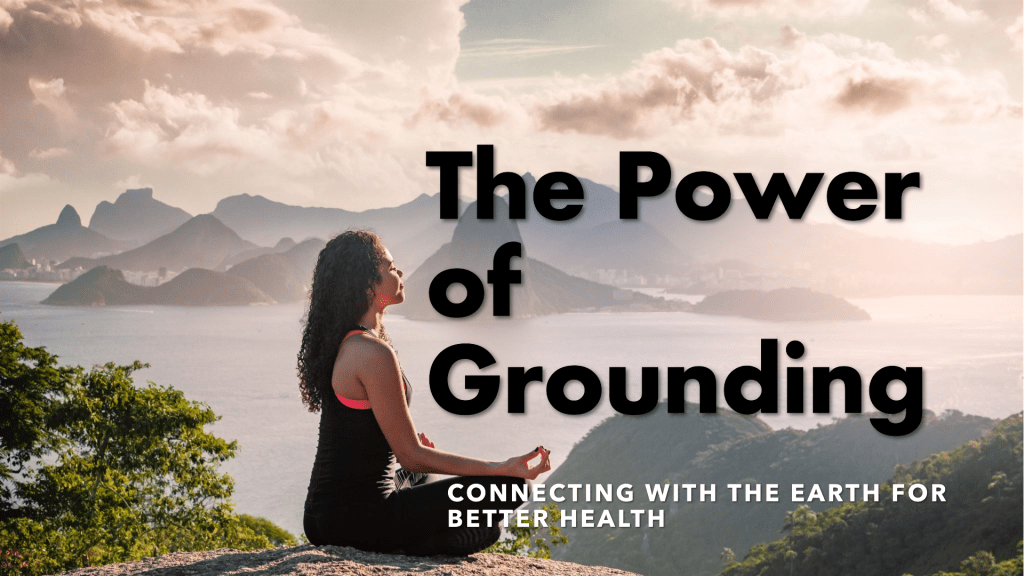
Unlocking the Power of Grounding for Wellness

Modern life keeps us disconnected from the very thing that sustains us—the Earth. Grounding, also known as earthing, is the practice of physically connecting with the Earth’s surface to absorb its natural energy. Science suggests that grounding has profound effects on our nervous system, inflammation levels, and overall well-being. Let’s explore the benefits of grounding, how it works, and simple ways to integrate it into your daily life.


1. What is Grounding and How Does It Work?

Grounding is the practice of making direct physical contact with the Earth, allowing the body to absorb negatively charged electrons from the ground. This process helps balance electrical energy in the body, reducing stress and inflammation.

  • Scientific Basis:
    • Studies show that grounding can reduce cortisol levels, promoting relaxation.
    • It neutralizes free radicals, reducing oxidative stress that contributes to aging and chronic diseases.
    • Grounding improves heart rate variability, a key indicator of overall health and stress resilience.
  • Pro Tip: Walking barefoot on grass, sand, or soil for just 10-20 minutes daily can help restore your body’s natural balance.

2. The Health Benefits of Grounding

Scientific research supports grounding as a powerful natural healing tool. Here’s what it can do for your body:

✔️ Reduces Stress and Anxiety: Grounding calms the nervous system, lowering cortisol and promoting relaxation.
✔️ Decreases Inflammation: Studies suggest that grounding reduces chronic inflammation, which is linked to heart disease, arthritis, and autoimmune conditions.
✔️ Improves Sleep Quality: Connecting with the Earth’s energy helps regulate circadian rhythms, leading to deeper, more restorative sleep.
✔️ Enhances Circulation: Grounding improves blood flow, reducing the risk of blood clots and cardiovascular disease.
✔️ Boosts Energy Levels: By reducing electromagnetic stress, grounding helps combat fatigue and improves overall vitality.

  • Pro Tip: If you can’t go outside, use a grounding mat or sheet indoors for similar effects.

3. Simple Ways to Incorporate Grounding into Your Routine

You don’t need a forest retreat to practice grounding—small daily habits can make a big difference.

✔️ Walk Barefoot Outdoors – Spend 10-30 minutes barefoot on grass, dirt, or sand.
✔️ Sit or Lie on the Earth – Bring a blanket and relax in nature for deeper grounding.
✔️ Garden with Your Hands – Dig into the soil to connect directly with the Earth’s energy.
✔️ Swim in Natural Water – Lakes, rivers, and oceans all enhance grounding benefits.
✔️ Use Grounding Mats – If you can’t get outside, grounding mats and sheets help replicate the effects indoors.

  • Pro Tip: Combine grounding with meditation, deep breathing, or sun exposure for amplified benefits.

4. Grounding and the Mind-Body Connection

Grounding isn’t just about physical health—it also promotes emotional and mental well-being.

  • Mindfulness Enhancement: Walking barefoot naturally brings your awareness to the present moment, helping to relieve anxiety.
  • Emotional Healing: Grounding is linked to reduced PTSD symptoms, showing promise for emotional trauma recovery.
  • Better Focus & Productivity: Studies show grounding improves brainwave activity, helping you stay clear-headed.
  • Pro Tip: Practice grounding first thing in the morning for a fresh, energized start to your day.

5. Addressing Common Grounding Myths

Some people question whether grounding is scientifically valid. Let’s clear up the confusion:

Myth: Grounding is just a placebo effect.
✔️ Truth: Research shows measurable physiological changes, including lower inflammation markers and cortisol levels.

Myth: You need hours of grounding to see benefits.
✔️ Truth: As little as 10-15 minutes daily can improve sleep and reduce stress.

Myth: Grounding only works if you’re completely unplugged.
✔️ Truth: While tech-free grounding is ideal, even small outdoor breaks make a difference.

  • Pro Tip: Try grounding at different times of day to see when it benefits you the most.

Conclusion

Grounding is a simple yet powerful practice that reconnects us to nature and enhances overall wellness. Whether you’re walking barefoot, meditating outdoors, or using a grounding mat, incorporating grounding into your life can lead to better sleep, reduced stress, and improved vitality. Give it a try—you might just feel the difference!


For more natural wellness tips, check out my book, The Mindful Executive: https://www.amazon.com/dp/B0D75YJCLW.