

The Power of Gratitude: How Keeping a Gratitude Journal Can Improve Your Mental Health

The Power of Gratitude: How Keeping a Gratitude Journal Can Improve Your Mental Health

Gratitude is a powerful emotion that can have a profound impact on your mental health and overall well-being. Keeping a gratitude journal is a simple yet effective practice that can help you focus on the positive aspects of your life. In this post, we’ll explore the benefits of gratitude journaling and provide tips on how to start your own gratitude journal.

Benefit 1: Enhances Positivity: Regularly writing down things you are grateful for helps shift your focus from negative to positive thoughts. This practice can boost your overall mood and outlook on life.

How to Practice:

  1. Each day, write down three things you are grateful for.
  2. Reflect on why these things are meaningful to you.

Benefit 2: Reduces Stress and Anxiety: Focusing on gratitude can reduce stress and anxiety levels by promoting a sense of calm and contentment. It helps you appreciate the good things in your life, even during challenging times.

How to Practice:

  1. Take a few minutes each day to write in your gratitude journal, especially during stressful times.
  2. Reflect on positive experiences and how they made you feel.

Benefit 3: Improves Sleep: Practicing gratitude before bed can improve sleep quality by calming your mind and reducing negative thoughts that may interfere with your rest.

How to Practice:

  1. Spend a few minutes each night writing in your gratitude journal before going to bed.
  2. Focus on positive events from the day and things you are looking forward to.

Benefit 4: Boosts Self-Esteem: Gratitude journaling can boost your self-esteem by helping you recognize your accomplishments and strengths. It encourages you to appreciate your unique qualities and contributions.

How to Practice:

  1. Write about personal achievements and positive feedback you have received.
  2. Reflect on your strengths and how they have helped you overcome challenges.

Benefit 5: Encourages Mindfulness: Gratitude journaling promotes mindfulness by encouraging you to be present and fully engaged in the moment. It helps you savor positive experiences and appreciate the simple joys of life.

How to Practice:

  1. Pay attention to the details of your daily experiences.
  2. Write about small moments that brought you joy or made you feel grateful.

Keeping a gratitude journal is a powerful tool for improving your mental health and overall well-being. By focusing on the positive aspects of your life, you can enhance your mood, reduce stress, and cultivate a greater sense of happiness. At Alchemy International, we believe in the power of gratitude and mindfulness to support mental wellness. Start your gratitude journal today and experience the benefits for yourself.

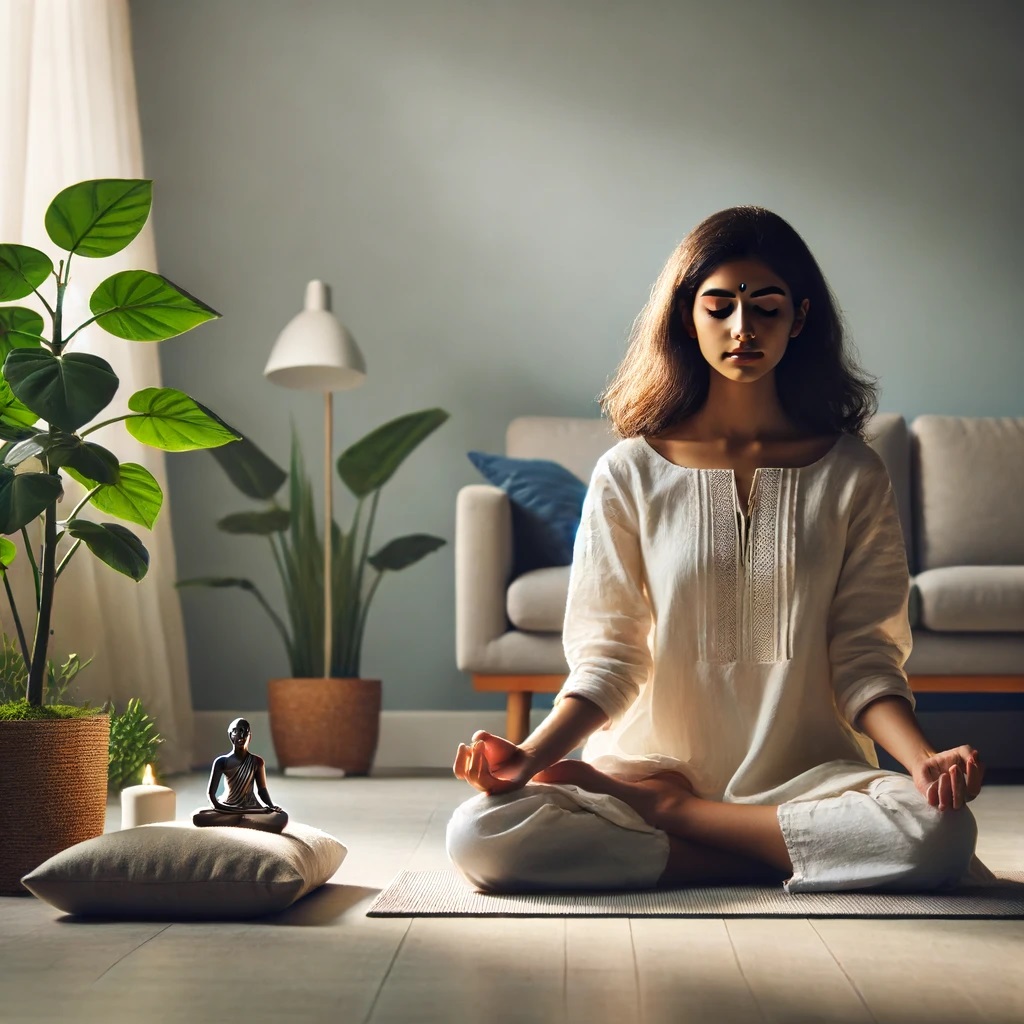
How Leila Improved Her Mental Clarity with Mindfulness

Clear Mind: How Leila Improved Her Mental Clarity with Mindfulness

Meet Leila: Leila, a 35-year-old marketing manager from Cairo, struggled with mental fog and difficulty focusing at work. She turned to mindfulness practices to improve her mental clarity.

Practicing Mindful Breathing: Leila started with mindful breathing exercises to center her mind and improve focus.

Example: Each morning, Leila spent 10 minutes focusing on her breath, which helped clear her mind for the day ahead.

Incorporating Mindfulness into Daily Tasks: She practiced mindfulness during everyday activities like eating and walking to stay present and reduce mental clutter.

Example: During lunch breaks, Leila ate mindfully, savoring each bite and paying full attention to the experience.

Using Guided Meditations: Leila used guided meditation apps to help her practice mindfulness and improve her concentration.

Example: Before bed, Leila listened to a 15-minute guided meditation, which helped her relax and clear her mind.

The Result: With consistent mindfulness practice, Leila experienced improved mental clarity, better focus, and reduced stress. Mindfulness became a key part of her daily routine.

How Carlos Improved His Heart Health with a Mediterranean Diet

Heart-Healthy Living: How Carlos Improved His Heart Health with a Mediterranean Diet

Meet Carlos: Carlos, a 50-year-old engineer from Madrid, was concerned about his heart health after a family history of cardiovascular disease. He decided to adopt a Mediterranean diet to improve his health.

Switching to Healthy Fats: Carlos replaced saturated fats with healthy fats like olive oil, nuts, and avocados.

Example: Carlos used olive oil in his cooking and added a handful of nuts to his salads for added nutrients.

Incorporating Fresh Vegetables: He increased his intake of fresh vegetables and fruits, aiming for a colorful variety in every meal.

Example: For lunch, Carlos enjoyed a salad with mixed greens, tomatoes, cucumbers, and a drizzle of olive oil.

Adding Whole Grains: Carlos swapped refined grains for whole grains like brown rice, quinoa, and whole wheat bread.

Example: He replaced white rice with quinoa in his favorite dishes, providing more fiber and nutrients.

The Result: With these dietary changes, Carlos noticed improved energy levels and better heart health markers. The Mediterranean diet helped him feel more vibrant and healthy.

How Amara Found Balance with Ayurveda

Holistic Healing: How Amara Found Balance with Ayurveda

Meet Amara: Amara, a 37-year-old accountant from New Delhi, struggled with stress and fatigue. She turned to Ayurveda for a holistic approach to improve her health.

Understanding Doshas: Amara learned about her dosha (body type) and how to balance it through diet and lifestyle changes.

Example: Amara discovered she was a Vata type and incorporated grounding foods like sweet potatoes and warm soups into her diet.

Practicing Daily Routines: She adopted Ayurvedic daily routines, including oil pulling and dry brushing, to support her health.

Example: Each morning, Amara practiced oil pulling with coconut oil to detoxify and improve oral health.

Using Herbal Remedies: Amara incorporated Ayurvedic herbs like ashwagandha and turmeric to boost her energy and reduce stress.

Example: She drank turmeric milk at night to help her relax and ashwagandha tea in the morning for sustained energy.

The Result: With Ayurveda, Amara felt more balanced, energized, and less stressed. The holistic approach significantly improved her well-being.

How Haruto Improved His Fitness with Home Workouts

Fit at Home: How Haruto Improved His Fitness with Simple Workouts

Meet Haruto: Haruto, a 35-year-old graphic designer from Tokyo, found it challenging to maintain a fitness routine due to his busy schedule. He decided to try home workouts to stay active.

Starting with Bodyweight Exercises: Haruto began with simple bodyweight exercises like squats, push-ups, and planks.

Example: Each morning, Haruto did a quick 20-minute workout, including sets of squats, push-ups, and planks.

Incorporating Cardio: He added short cardio sessions like jumping jacks and running in place to improve his cardiovascular health.

Example: Haruto included a 10-minute cardio session after his strength training to boost his heart rate.

Using Online Resources: Haruto followed online workout videos to keep his routine varied and engaging.

Example: He subscribed to a fitness channel and followed different workout routines each week.

The Result: Within a few months, Haruto felt fitter, stronger, and more energetic. Home workouts provided an effective and convenient way to stay in shape.

Top 7 Tips for Better Sleep and Relaxation

Sweet Dreams: Top 7 Tips for Better Sleep and Relaxation

In our busy lives, getting a good night’s sleep is essential for overall health and well-being. Quality sleep helps us recover, rejuvenate, and function at our best. In this post, we’ll share seven effective tips to improve your sleep and enhance relaxation, ensuring you wake up feeling refreshed and ready to take on the day.

Tip 1: Establish a Sleep Routine: Creating a consistent sleep schedule can significantly improve the quality of your sleep. Going to bed and waking up at the same time each day helps regulate your body’s internal clock.

Instructions:

  1. Set a regular bedtime and wake-up time, even on weekends.
  2. Stick to your schedule as closely as possible to establish a healthy sleep pattern.

Tip 2: Create a Relaxing Bedtime Ritual: A calming bedtime routine signals your body that it’s time to wind down and prepare for sleep. This can include activities that help you relax and de-stress.

Instructions:

  1. Spend 30 minutes before bed doing a relaxing activity, such as reading, taking a warm bath, or practicing gentle yoga.
  2. Avoid stimulating activities like watching TV or using electronic devices.

Tip 3: Make Your Sleep Environment Comfortable: Your sleep environment plays a crucial role in the quality of your sleep. Ensure that your bedroom is conducive to relaxation and rest.

Instructions:

  1. Keep your bedroom cool, quiet, and dark.
  2. Invest in a comfortable mattress and pillows.
  3. Use blackout curtains or an eye mask to block out light.

Tip 4: Watch Your Diet: What you eat and drink can impact your sleep. Certain foods and beverages can help promote sleep, while others can disrupt it.

Instructions:

  1. Avoid caffeine and heavy meals close to bedtime.
  2. Opt for sleep-friendly snacks like a banana, a handful of almonds, or a warm glass of milk.

Tip 5: Limit Naps: While napping can be beneficial, excessive or irregular napping can interfere with nighttime sleep.

Instructions:

  1. If you need to nap, keep it short (20-30 minutes) and avoid napping late in the afternoon.
  2. Try to nap earlier in the day to avoid disrupting your nighttime sleep.

Tip 6: Manage Stress: Stress and anxiety can make it difficult to fall asleep and stay asleep. Finding ways to manage stress can improve your sleep quality.

Instructions:

  1. Practice relaxation techniques such as deep breathing, meditation, or progressive muscle relaxation.
  2. Write down your thoughts in a journal to clear your mind before bed.

Tip 7: Stay Active: Regular physical activity can help you fall asleep faster and enjoy deeper sleep. However, timing is important.

Instructions:

  1. Engage in moderate exercise during the day, such as walking, swimming, or cycling.
  2. Avoid vigorous exercise close to bedtime, as it may interfere with sleep.

By incorporating these tips into your daily routine, you can improve your sleep quality and wake up feeling more refreshed and energized. At Alchemy International, we believe in the importance of holistic wellness, including the benefits of a good night’s sleep. Try these strategies to enhance your relaxation and achieve better sleep.

5 Simple Exercises for a Full-Body Workout at Home

Fit and Fabulous: 5 Simple Exercises for a Full-Body Workout at Home

Maintaining a regular exercise routine is crucial for overall health and fitness. You don’t need a gym membership or fancy equipment to get a great workout. In this post, we’ll explore five simple exercises that you can do at home to achieve a full-body workout. These exercises are perfect for all fitness levels and require little to no equipment.

Exercise 1: Squats: Squats are a fantastic exercise for strengthening your legs and glutes. They also engage your core, making them a great full-body workout.

How to Perform:

  1. Stand with your feet shoulder-width apart.
  2. Lower your body by bending your knees and pushing your hips back, as if you’re sitting in a chair.
  3. Keep your chest up and your back straight.
  4. Lower until your thighs are parallel to the ground, then push back up to the starting position.
  5. Repeat for 10-15 repetitions.

Exercise 2: Push-Ups: Push-ups are a classic exercise that targets your chest, shoulders, triceps, and core.

How to Perform:

  1. Start in a plank position with your hands placed slightly wider than shoulder-width apart.
  2. Lower your body until your chest nearly touches the floor.
  3. Keep your elbows close to your body as you lower down.
  4. Push through your palms to return to the starting position.
  5. Repeat for 10-15 repetitions.

Exercise 3: Plank: The plank is an excellent exercise for building core strength and stability.

How to Perform:

  1. Start in a push-up position but rest on your forearms instead of your hands.
  2. Keep your body in a straight line from head to heels.
  3. Engage your core and hold the position for as long as you can, aiming for at least 30 seconds.
  4. Increase the duration as your core strength improves.

Exercise 4: Lunges: Lunges are great for working your quads, hamstrings, and glutes, while also improving balance and coordination.

How to Perform:

  1. Stand with your feet together.
  2. Step forward with one leg, lowering your hips until both knees are bent at about 90 degrees.
  3. Keep your front knee over your ankle and your back knee just above the floor.
  4. Push through your front heel to return to the starting position.
  5. Repeat on the other leg, alternating for 10-15 repetitions on each side.

Exercise 5: Bicycle Crunches: Bicycle crunches are an effective exercise for targeting your abdominal muscles.

How to Perform:

  1. Lie on your back with your hands behind your head and your knees bent.
  2. Lift your shoulders off the ground and bring one knee towards your chest while extending the other leg.
  3. Twist your torso to bring your opposite elbow towards the bent knee.
  4. Switch sides, bringing the opposite knee and elbow together.
  5. Continue alternating sides in a pedaling motion for 15-20 repetitions.

Incorporating these simple exercises into your routine can help you stay fit and healthy, even from the comfort of your home. At Alchemy International, we support holistic wellness, including the importance of physical fitness. Try these exercises to enhance your fitness journey and achieve a well-rounded workout.

5 Superfoods to Boost Your Immune System

Power Up Your Immunity: 5 Superfoods to Boost Your Immune System

A strong immune system is essential for maintaining good health and warding off illnesses. One of the best ways to support your immune system is through a nutrient-rich diet. In this post, we’ll highlight five superfoods that can help boost your immunity and keep you feeling your best.

Superfood 1: Berries: Berries, such as blueberries, strawberries, and raspberries, are packed with antioxidants, vitamins, and fiber. These nutrients help protect your cells from damage and support a healthy immune response. Berries are also delicious and versatile, making them easy to incorporate into your diet.

How to Enjoy:

  • Add fresh berries to your morning yogurt or oatmeal.
  • Blend them into smoothies.
  • Enjoy as a snack on their own or with a handful of nuts.

Superfood 2: Garlic: Garlic has been used for centuries for its medicinal properties. It contains compounds like allicin that have been shown to boost the immune system and fight off infections. Incorporating garlic into your meals can provide a flavorful way to enhance your health.

How to Enjoy:

  • Add minced garlic to salad dressings and marinades.
  • Include garlic in your favorite soups and stews.
  • Roast whole garlic cloves and spread on whole-grain toast.

Superfood 3: Spinach: Spinach is rich in vitamins A, C, and E, as well as antioxidants and beta carotene, all of which are essential for immune function. This leafy green is also low in calories and high in fiber, making it a nutritious addition to any meal.

How to Enjoy:

  • Add fresh spinach to salads and sandwiches.
  • Sauté spinach with a bit of olive oil and garlic.
  • Blend spinach into smoothies for a nutrient boost.

Superfood 4: Almonds: Almonds are a great source of vitamin E, an antioxidant that helps protect your cells from damage. They also provide healthy fats, protein, and fiber, making them a satisfying and nutritious snack.

How to Enjoy:

  • Snack on a handful of almonds between meals.
  • Add chopped almonds to your morning cereal or yogurt.
  • Use almond butter as a spread on whole-grain toast or fruit slices.

Superfood 5: Turmeric: Turmeric is a powerful anti-inflammatory spice that has been used in traditional medicine for centuries. Its active compound, curcumin, has been shown to enhance immune function and reduce inflammation. Incorporating turmeric into your diet can provide a flavorful way to boost your health.

How to Enjoy:

  • Add turmeric to soups, stews, and curries.
  • Mix turmeric into scrambled eggs or tofu.
  • Make a soothing turmeric tea with hot water, lemon, and honey.

Incorporating these superfoods into your diet can help strengthen your immune system and improve your overall health. At Alchemy International, we believe in the power of natural ingredients to support wellness. Try adding these superfoods to your meals and experience the benefits of a boosted immune system.

10 Mindfulness Practices for Stress Relief

Find Your Calm: 10 Mindfulness Practices for Stress Relief

In today’s fast-paced world, stress has become a common companion for many of us. However, mindfulness practices can provide a powerful way to combat stress and bring a sense of calm and balance to your life. In this post, we’ll explore ten effective mindfulness practices that you can incorporate into your daily routine to help manage and reduce stress.

Practice 1: Deep Breathing: Deep breathing is one of the simplest yet most effective ways to relieve stress. By focusing on your breath, you can calm your mind and body, reducing the physiological symptoms of stress.

Instructions:

  1. Find a comfortable sitting position.
  2. Inhale deeply through your nose, allowing your abdomen to expand.
  3. Exhale slowly through your mouth.
  4. Repeat for 5-10 minutes.

Practice 2: Body Scan Meditation: Body scan meditation helps you become aware of physical sensations in your body, promoting relaxation and reducing tension.

Instructions:

  1. Lie down in a comfortable position.
  2. Close your eyes and take a few deep breaths.
  3. Slowly bring your attention to each part of your body, starting from your toes and moving up to your head.
  4. Notice any sensations, tension, or areas of relaxation.

Practice 3: Mindful Walking: Mindful walking involves paying close attention to the experience of walking, helping you stay present and connected to the moment.

Instructions:

  1. Find a quiet place to walk.
  2. Focus on the sensation of your feet touching the ground.
  3. Notice the movement of your legs and the rhythm of your breath.
  4. Stay present and observe your surroundings.

Practice 4: Gratitude Journaling: Writing down things you are grateful for can shift your focus from stress to positive aspects of your life.

Instructions:

  1. Take a few minutes each day to write down three things you are grateful for.
  2. Reflect on why these things are meaningful to you.
  3. Notice how this practice changes your perspective over time.

Practice 5: Mindful Eating: Mindful eating involves paying full attention to the experience of eating, which can enhance enjoyment and reduce overeating.

Instructions:

  1. Sit down to eat without distractions.
  2. Notice the colors, smells, and textures of your food.
  3. Chew slowly and savor each bite.
  4. Pay attention to how your body feels before, during, and after eating.

Practice 6: Progressive Muscle Relaxation: This practice involves tensing and then relaxing different muscle groups to release physical tension and reduce stress.

Instructions:

  1. Find a comfortable sitting or lying position.
  2. Start with your feet and work your way up to your head.
  3. Tense each muscle group for 5-10 seconds, then release.
  4. Notice the sensation of relaxation.

Practice 7: Visualization: Visualization involves creating a mental image of a peaceful place or situation, helping to calm the mind and body.

Instructions:

  1. Find a quiet place to sit or lie down.
  2. Close your eyes and take a few deep breaths.
  3. Imagine yourself in a peaceful place, such as a beach or forest.
  4. Engage all your senses and fully immerse yourself in the experience.

Practice 8: Mindful Listening: Mindful listening involves paying full attention to the sounds around you, helping to bring your focus to the present moment.

Instructions:

  1. Sit in a quiet place and close your eyes.
  2. Notice the sounds around you without judgment.
  3. Focus on each sound, one at a time.
  4. Allow yourself to be fully present with the experience.

Practice 9: Loving-Kindness Meditation: This meditation involves sending positive thoughts and wishes to yourself and others, promoting feelings of compassion and connection.

Instructions:

  1. Sit comfortably and close your eyes.
  2. Repeat phrases like, “May I be happy, may I be healthy, may I be safe.”
  3. Gradually extend these wishes to others, including loved ones, acquaintances, and even those you have conflicts with.
  4. Feel the sense of compassion and connection grow.

Practice 10: Mindfulness Apps: Using mindfulness apps can provide guided meditations and mindfulness exercises to help you practice regularly.

Instructions:

  1. Download a mindfulness app such as Headspace, Calm, or Insight Timer.
  2. Explore the guided meditations and exercises offered.
  3. Set aside time each day to practice with the app.

Incorporating mindfulness practices into your daily routine can significantly reduce stress and improve your overall well-being. At Alchemy International, we believe in the power of holistic practices to support a balanced and healthy life. Try these mindfulness techniques and discover the positive impact they can have on your stress levels and overall mental health.

DIY Natural Face Masks for Glowing Skin

Radiate Naturally: DIY Natural Face Masks for Glowing Skin

In the quest for healthy, glowing skin, natural ingredients often provide the best results. DIY natural face masks are a fantastic way to nourish your skin without the harsh chemicals found in many commercial products. In this post, we’ll share some simple and effective natural face mask recipes that you can make at home to achieve that radiant glow.

Recipe 1: Honey and Lemon Brightening Mask: This honey and lemon face mask is perfect for brightening your complexion and evening out your skin tone. Honey is a natural humectant, drawing moisture into the skin, while lemon contains vitamin C, which helps to lighten dark spots and blemishes.

Ingredients:

  • 1 tablespoon raw honey
  • 1 teaspoon fresh lemon juice

Instructions:

  1. Mix the honey and lemon juice in a small bowl.
  2. Apply the mixture to your face, avoiding the eye area.
  3. Leave it on for 15-20 minutes.
  4. Rinse off with warm water and pat your skin dry.

Recipe 2: Avocado and Oatmeal Hydrating Mask: Avocado is packed with healthy fats and vitamins that deeply nourish and hydrate the skin. Oatmeal is soothing and helps to calm any irritation or redness. This mask is perfect for dry or sensitive skin types.

Ingredients:

  • 1/2 ripe avocado
  • 1 tablespoon oatmeal, finely ground
  • 1 teaspoon honey

Instructions:

  1. Mash the avocado in a bowl until smooth.
  2. Add the ground oatmeal and honey, mixing well.
  3. Apply the mask to your face and leave it on for 15 minutes.
  4. Rinse off with warm water and pat your skin dry.

Recipe 3: Turmeric and Yogurt Anti-Inflammatory Mask: Turmeric is known for its anti-inflammatory properties, making it great for reducing redness and acne. Yogurt contains lactic acid, which gently exfoliates the skin, leaving it smooth and refreshed.

Ingredients:

  • 1 tablespoon plain yogurt
  • 1/2 teaspoon turmeric powder

Instructions:

  1. Mix the yogurt and turmeric in a small bowl.
  2. Apply the mask to your face, avoiding the eye area.
  3. Leave it on for 10-15 minutes.
  4. Rinse off with warm water and pat your skin dry.

These DIY natural face masks are a wonderful way to treat your skin to some much-needed TLC. Not only are they easy to make with ingredients you likely already have at home, but they also provide excellent results without any harsh chemicals. At Alchemy International, we believe in the power of natural ingredients to enhance your beauty routine. Try these masks and see the difference they can make for your skin!