

Mei’s Transformation with Herbal Teas

A Cup of Health: Mei’s Transformation with Herbal Teas

Meet Mei: Mei, a 30-year-old teacher from Beijing, struggled with frequent colds and low energy levels. After learning about the benefits of herbal teas, she decided to incorporate them into her daily routine.

Discovering Herbal Teas: Mei started with chamomile tea to help her relax and improve her sleep quality.

Example: Each night before bed, Mei enjoyed a warm cup of chamomile tea, which helped her unwind and sleep better.

Exploring Different Teas: Mei experimented with different herbal teas like peppermint for digestion and ginger for its anti-inflammatory properties.

Example: After meals, Mei drank peppermint tea to aid digestion and ginger tea in the morning to boost her immune system.

Creating a Routine: Mei made herbal tea a part of her daily routine, replacing her usual coffee with various herbal blends.

Example: Instead of reaching for coffee, Mei started her day with a refreshing cup of lemon and ginger tea.

The Result: Within a few months, Mei noticed she had more energy, fewer colds, and overall better health. The simple change of incorporating herbal teas made a significant difference.

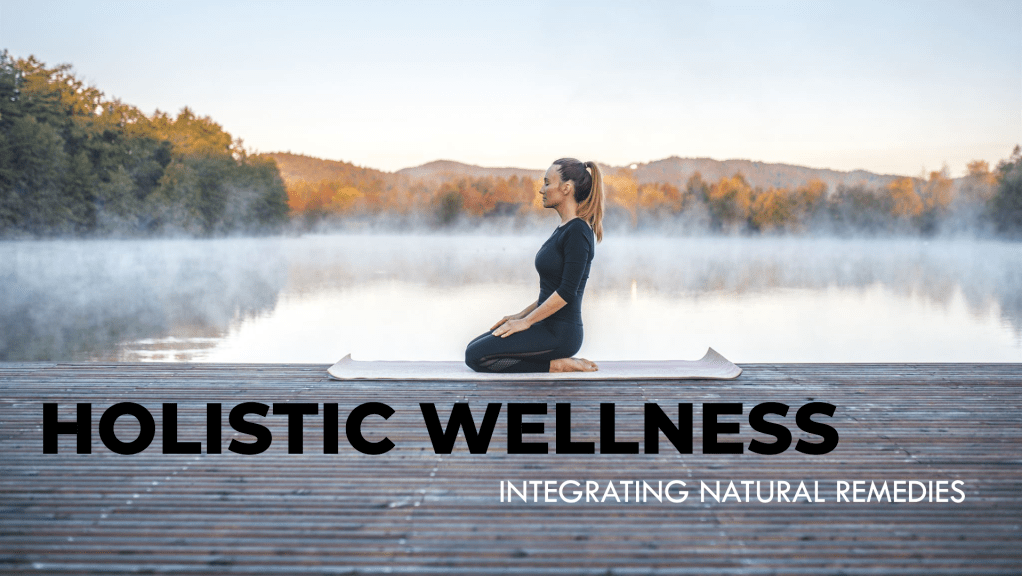
Embracing Holistic Wellness: Integrating Natural Remedies for Better Health

Understanding Holistic Wellness

Holistic wellness focuses on the whole person, considering physical, mental, emotional, and spiritual aspects. It promotes a balanced lifestyle that nurtures all facets of health.

Key Components of Holistic Wellness

  1. Physical Health: Regular exercise, a balanced diet, and adequate sleep are essential. Activities like yoga and tai chi improve physical fitness and mental relaxation.
  2. Mental and Emotional Health: Managing stress through mindfulness, meditation, and positive thinking enhances mental clarity and emotional stability.
  3. Spiritual Health: Finding purpose and meaning through spiritual practices or spending time in nature fosters inner peace and fulfillment.

Natural Remedies for Common Ailments

  1. Echinacea for Colds and Flu: Known for its immune-boosting properties, echinacea can reduce the duration and severity of colds and flu.
    • Usage: Take supplements or drink echinacea tea at the first sign of symptoms.
  2. Ginger for Digestive Issues: Ginger is effective for soothing nausea, indigestion, and bloating.
    • Usage: Incorporate fresh ginger into meals or drink ginger tea after eating.
  3. Turmeric for Inflammation: Turmeric’s anti-inflammatory properties can help manage conditions like arthritis.
    • Usage: Add turmeric to your diet or take it as a supplement.

Benefits of Holistic Wellness

  1. Improved Physical Health: Addressing the root causes leads to better overall health.
  2. Enhanced Mental and Emotional Stability: Mindfulness and meditation reduce stress and improve mental clarity.
  3. Greater Life Satisfaction: Balancing all aspects of well-being leads to a more fulfilling life.

Implementing Holistic Wellness in Daily Life

  1. Set Realistic Goals: Start with small, achievable goals in each area of health.
  2. Create a Balanced Routine: Include physical activities, mental exercises, and spiritual practices in your daily schedule.
  3. Seek Professional Guidance: Consult with holistic health professionals for personalized advice.

Call to Action

Embrace holistic wellness today for a balanced and fulfilling life. Visit Holistic Wellness Guide for more tips on integrating these practices into your daily routine.

Rajesh Finds Relief from Back Pain Through Yoga

Finding Relief: How Rajesh Overcame Back Pain with Yoga

Meet Rajesh: Rajesh, a 42-year-old software engineer from Bangalore, suffered from chronic back pain due to long hours at his desk job. Traditional treatments provided only temporary relief, so Rajesh decided to try yoga.

Yoga Classes: Rajesh began attending beginner yoga classes at a local studio. He focused on poses that strengthened his core and improved his posture.

Example: Rajesh practiced poses like Cat-Cow, Downward-Facing Dog, and Child’s Pose to relieve tension in his back.

Daily Practice: Determined to find lasting relief, Rajesh incorporated yoga into his daily routine. He practiced for 20 minutes each morning, focusing on gentle stretches and breathing exercises.

Example: Rajesh followed online yoga videos and practiced in his living room, making it easy to stay consistent.

Exploring Different Styles: Rajesh explored various yoga styles, including Hatha and Iyengar, to find what worked best for his back pain. He discovered that restorative yoga helped him relax and reduce pain.

Example: Rajesh attended restorative yoga classes on weekends, which helped him unwind and manage his pain more effectively.

Combining Yoga with Meditation: Rajesh also added meditation to his routine to enhance the mental benefits of yoga. This combination helped him manage stress and improved his overall well-being.

Example: After each yoga session, Rajesh spent 10 minutes meditating, focusing on deep breathing and mindfulness.

The Result: Within a few months, Rajesh experienced significant relief from his back pain. He felt stronger, more flexible, and better equipped to handle the demands of his job.

How Yoga Helped David Overcome Anxiety

Finding Balance: How Yoga Helped David Overcome Anxiety

Meet David, a 40-year-old lawyer who struggled with anxiety and stress due to his demanding job. Discover how he found balance and inner peace through the practice of yoga. In this post, we’ll share David’s journey and how yoga transformed his mental health.

David’s high-stress job led to frequent anxiety attacks and difficulty sleeping. Determined to find a solution, he decided to try yoga.

Step 1: Starting with Beginner Classes: David began with beginner yoga classes to learn the basics and build his confidence.

Example: David attended a local yoga studio twice a week, focusing on gentle poses and breathing exercises.

Step 2: Incorporating Yoga into Daily Routine: To manage his anxiety, David started practicing yoga at home every morning, even if only for a few minutes.

Example: David followed online yoga videos and practiced for 15 minutes each morning to start his day with calm and focus.

Step 3: Exploring Different Yoga Styles: David tried various yoga styles, including Hatha, Vinyasa, and Yin Yoga, to find what worked best for him.

Example: On weekends, David attended different classes to explore new styles and deepen his practice.

Step 4: Combining Yoga with Meditation: To enhance the benefits, David combined his yoga practice with meditation, focusing on mindfulness and relaxation.

Example: After each yoga session, David spent 10 minutes meditating, focusing on his breath and letting go of stress.

David’s Transformation: Within a few months, David noticed a significant reduction in his anxiety levels. He felt more relaxed, focused, and better equipped to handle stress. Yoga became an essential part of his daily routine, improving both his mental and physical health.

David’s journey highlights the transformative power of yoga for managing anxiety and stress. At Alchemy International, we believe in the benefits of holistic practices like yoga to promote mental well-being. Start your yoga journey today and experience the positive impact it can have on your life.

John’s Journey: Healing with Acupuncture

Healing Naturally: John’s Journey with Acupuncture

Meet John, a 45-year-old architect who suffered from chronic back pain for years. Frustrated with conventional treatments, John turned to acupuncture and found remarkable relief. In this post, we’ll share John’s journey and how acupuncture transformed his health.

John’s Story: John’s back pain affected his daily life and work. After trying various medications and therapies without success, he decided to explore acupuncture.

Step 1: Research and Consultation: John researched local acupuncturists and chose one with good reviews. He scheduled a consultation to discuss his pain and treatment options.

Example: John’s acupuncturist explained how acupuncture could help by promoting blood flow and reducing inflammation.

Step 2: Initial Treatments: John started with weekly acupuncture sessions. He noticed gradual improvements in his pain levels and overall well-being.

Example: After a few sessions, John experienced less pain and improved mobility.

Step 3: Complementary Therapies: To enhance the benefits, John’s acupuncturist recommended complementary therapies like herbal medicine and gentle stretching exercises.

Example: John incorporated these suggestions, which further improved his results.

Step 4: Long-Term Maintenance: John continued acupuncture treatments on a bi-weekly basis for maintenance. He also made lifestyle changes to support his health.

Example: John practiced yoga and maintained a healthy diet to complement his acupuncture treatments.

John’s Transformation: John’s chronic pain significantly reduced, and he regained his quality of life. Acupuncture provided a natural and effective solution that conventional treatments couldn’t offer.

John’s story highlights the potential of acupuncture for chronic pain management. At Alchemy International, we support natural and holistic therapies like acupuncture to enhance well-being. Consider acupuncture as part of your health journey and experience its healing benefits.

The Top 5 Benefits of Regular Exercise for Mental Health

Mind and Body: The Top 5 Benefits of Regular Exercise for Mental Health

Regular exercise is not only crucial for physical health but also plays a significant role in mental well-being. Engaging in physical activities can help alleviate symptoms of depression, anxiety, and stress. In this post, we’ll explore the top five benefits of regular exercise for mental health and how it can enhance your overall quality of life.

Benefit 1: Reduces Symptoms of Depression: Exercise increases the production of endorphins, which are natural mood lifters. It can help reduce symptoms of depression and improve overall mood.

Benefit 2: Alleviates Anxiety: Regular physical activity helps reduce anxiety by promoting relaxation and reducing stress hormones. It provides a healthy outlet for tension and worry.

Benefit 3: Enhances Cognitive Function: Exercise improves brain function by increasing blood flow and promoting the growth of new brain cells. It can enhance memory, focus, and overall cognitive abilities.

Benefit 4: Improves Sleep Quality: Physical activity can help regulate sleep patterns and improve the quality of your sleep. It promotes relaxation and reduces the likelihood of insomnia.

Benefit 5: Boosts Self-Esteem: Engaging in regular exercise can boost self-esteem and confidence. It helps you feel better about your body and abilities, which can translate into a more positive self-image.

Regular exercise is a powerful tool for improving mental health and overall well-being. At Alchemy International, we believe in the holistic benefits of physical activity to support a healthy mind and body. Incorporate regular exercise into your routine and experience the mental health benefits for yourself.

The Benefits of Herbal Teas: 5 Teas to Try for Better Health

Sip Your Way to Health: The Benefits of Herbal Teas and 5 Teas to Try

Herbal teas are a delicious and natural way to support your health and well-being. They are packed with beneficial compounds that can help with various health concerns, from digestion to relaxation. In this post, we’ll explore the benefits of herbal teas and introduce five teas that you should try for better health.

Tea 1: Chamomile Tea: Chamomile tea is well-known for its calming properties and can help with relaxation and sleep.

Benefits:

  • Reduces stress and anxiety.
  • Promotes better sleep.
  • Soothes digestive issues.

Tea 2: Peppermint Tea: Peppermint tea is refreshing and has several health benefits, particularly for digestion.

Benefits:

  • Relieves digestive discomfort.
  • Reduces headaches.
  • Enhances focus and concentration.

Tea 3: Ginger Tea: Ginger tea is a powerful anti-inflammatory and antioxidant, making it great for overall health.

Benefits:

  • Reduces inflammation.
  • Soothes nausea.
  • Supports immune function.

Tea 4: Hibiscus Tea: Hibiscus tea is rich in antioxidants and has been shown to have several heart health benefits.

Benefits:

  • Lowers blood pressure.
  • Supports heart health.
  • Boosts liver health.

Tea 5: Rooibos Tea: Rooibos tea is packed with antioxidants and is naturally caffeine-free, making it a great choice for any time of day.

Benefits:

  • Supports healthy skin.
  • Promotes heart health.
  • Aids in digestion.

Herbal teas are a simple and enjoyable way to support your health naturally. At Alchemy International, we value the benefits of natural remedies like herbal teas to enhance well-being. Try incorporating these teas into your daily routine and experience the positive effects on your health.

The Impact of Mindfulness on Business Productivity

The Impact of Mindfulness on Business Productivity

In today’s fast-paced business world, maintaining focus and productivity is crucial for success. Mindfulness, a practice that involves being present and fully engaged in the current moment, can significantly enhance business productivity. Here’s how incorporating mindfulness into your daily routine can benefit you and your organization.

1. Enhances Focus and Concentration

Mindfulness helps improve focus and concentration by training the mind to stay in the present moment.

  • Tip: Start your day with a short mindfulness meditation session to set a focused tone.
  • Example: Sarah, a project manager, noticed that her ability to concentrate on complex tasks improved after incorporating mindfulness exercises into her morning routine.

2. Reduces Stress and Anxiety

Practicing mindfulness can reduce stress and anxiety, leading to better decision-making and problem-solving abilities.

  • Tip: Take regular mindfulness breaks throughout the day to reset and de-stress.
  • Example: John, a CEO, found that mindfulness breaks helped him manage the high demands of his job more effectively.

3. Boosts Emotional Intelligence

Mindfulness enhances emotional intelligence by increasing self-awareness and empathy, which are essential for effective leadership and teamwork.

  • Tip: Practice mindful listening during meetings to fully understand and connect with your team members.
  • Example: Lisa, a team leader, saw an improvement in her team’s collaboration and morale after she started practicing mindful listening.

4. Improves Creativity and Innovation

Mindfulness fosters a creative mindset by reducing mental clutter and allowing new ideas to emerge.

  • Tip: Schedule mindfulness sessions to clear your mind before brainstorming sessions or creative projects.
  • Example: Raj, a marketing director, attributed his team’s innovative campaigns to their regular mindfulness practice.

5. Enhances Overall Well-being

A mindful approach to work-life balance promotes overall well-being, leading to higher productivity and job satisfaction.

  • Tip: Encourage a mindful workplace culture by integrating mindfulness programs and workshops.
  • Example: Emily, an HR manager, implemented a mindfulness program in her company, resulting in lower stress levels and higher employee engagement.

Conclusion: Incorporating mindfulness into your daily routine can significantly enhance focus, reduce stress, boost emotional intelligence, foster creativity, and improve overall well-being. By embracing mindfulness, you can create a more productive and harmonious work environment.

Call to Action: Incorporating mindfulness into your daily routine can have profound effects on your productivity and overall well-being. Start with small steps, such as a few minutes of meditation each morning, and gradually integrate more mindfulness practices into your workday. Your focus, creativity, and emotional intelligence will thank you.

How to Start a Mindfulness Practice: A Beginner’s Guide

Begin Your Journey: How to Start a Mindfulness Practice

Mindfulness is the practice of being fully present and engaged in the moment. It can help reduce stress, improve focus, and enhance overall well-being. Starting a mindfulness practice can seem daunting, but it doesn’t have to be. In this post, we’ll provide a beginner’s guide to mindfulness, including simple techniques to help you get started.

Step 1: Understand Mindfulness: Mindfulness involves paying attention to your thoughts, feelings, and surroundings without judgment. It’s about being present and aware in each moment.

Step 2: Set Aside Time: Start by setting aside a few minutes each day for your mindfulness practice. Consistency is key, so try to practice at the same time each day.

Step 3: Find a Quiet Space: Choose a quiet, comfortable space where you won’t be disturbed. This can be a corner of your home, a park, or any place where you feel relaxed.

Step 4: Focus on Your Breath: Breath awareness is a simple and effective mindfulness technique. Pay attention to each inhale and exhale, noticing the sensations in your body as you breathe.

How to Practice:

  1. Sit comfortably with your back straight.
  2. Close your eyes and take a few deep breaths.
  3. Focus on the natural rhythm of your breath.
  4. If your mind wanders, gently bring your attention back to your breath.

Step 5: Practice Body Scan Meditation: Body scan meditation involves bringing awareness to different parts of your body, helping you relax and connect with your physical sensations.

How to Practice:

  1. Lie down or sit comfortably.
  2. Close your eyes and take a few deep breaths.
  3. Focus on each part of your body, starting from your toes and moving up to your head.
  4. Notice any sensations, tension, or areas of relaxation.

Step 6: Incorporate Mindfulness into Daily Activities: You don’t need to set aside special time for mindfulness. You can incorporate it into everyday activities like eating, walking, or even washing dishes.

How to Practice:

  1. Choose an activity and focus fully on the experience.
  2. Pay attention to the sights, sounds, smells, and sensations.
  3. If your mind wanders, gently bring your focus back to the activity.

Step 7: Use Guided Meditations: Guided meditations can be a helpful tool for beginners. They provide structure and guidance, making it easier to stay focused.

How to Practice:

  1. Find a guided meditation app or website.
  2. Set aside time to listen to a guided meditation.
  3. Follow the instructions and focus on the experience.

Starting a mindfulness practice can bring numerous benefits to your life, from reducing stress to improving mental clarity. At Alchemy International, we support holistic practices like mindfulness that promote overall well-being. Begin your mindfulness journey today and experience the positive impact it can have on your life.

The Healing Benefits of Epsom Salt Foot Soaks

Step into Relaxation: The Healing Benefits of Epsom Salt Foot Soaks

Epsom salt foot soaks are a simple and effective way to relax and rejuvenate your feet. Whether you’re dealing with foot pain, swelling, or just need a moment of relaxation, an Epsom salt foot soak can provide numerous benefits. In this post, we’ll explore the healing benefits of Epsom salt foot soaks and how to create your own at home.

Benefit 1: Relieves Foot Pain and Soreness: Epsom salt helps reduce inflammation and relieve pain, making it an excellent remedy for tired and sore feet.

How to Use:

  1. Fill a basin with warm water and add 1/2 cup of Epsom salt.
  2. Soak your feet for 20-30 minutes.
  3. Pat your feet dry and apply a moisturizer.

Benefit 2: Reduces Swelling: The anti-inflammatory properties of Epsom salt can help reduce swelling and improve circulation in your feet.

How to Use:

  1. Add 1/2 cup of Epsom salt to a basin of warm water.
  2. Soak your feet for 20-30 minutes.
  3. Repeat daily as needed.

Benefit 3: Softens Skin and Calluses: Regular Epsom salt foot soaks can soften rough skin and calluses, making it easier to exfoliate and maintain smooth feet.

How to Use:

  1. Soak your feet in an Epsom salt solution for 20-30 minutes.
  2. Use a pumice stone to gently exfoliate rough areas.
  3. Rinse and moisturize your feet.

Benefit 4: Fights Foot Odor: Epsom salt has antibacterial properties that can help eliminate foot odor and keep your feet fresh.

How to Use:

  1. Add 1/2 cup of Epsom salt to warm water and soak your feet for 20-30 minutes.
  2. Dry your feet thoroughly and apply an antifungal powder if needed.

Benefit 5: Promotes Relaxation: Soaking your feet in warm water with Epsom salt can help reduce stress and promote relaxation, making it a great addition to your self-care routine.

How to Use:

  1. Fill a basin with warm water and add 1/2 cup of Epsom salt.
  2. Add a few drops of your favorite essential oil for added relaxation.
  3. Soak your feet for 20-30 minutes, close your eyes, and relax.

Epsom salt foot soaks are a simple and effective way to care for your feet and promote relaxation. At Alchemy International, we believe in the power of natural remedies like Epsom salt to enhance your well-being. Try incorporating Epsom salt foot soaks into your self-care routine and experience the benefits for yourself.